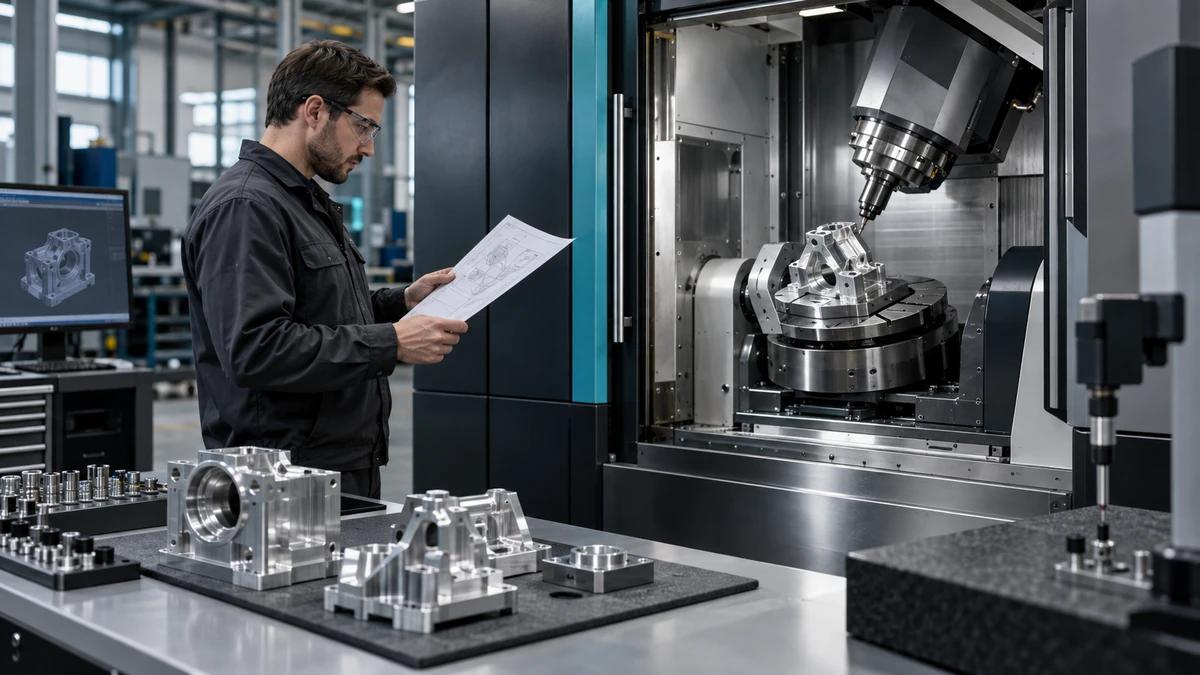
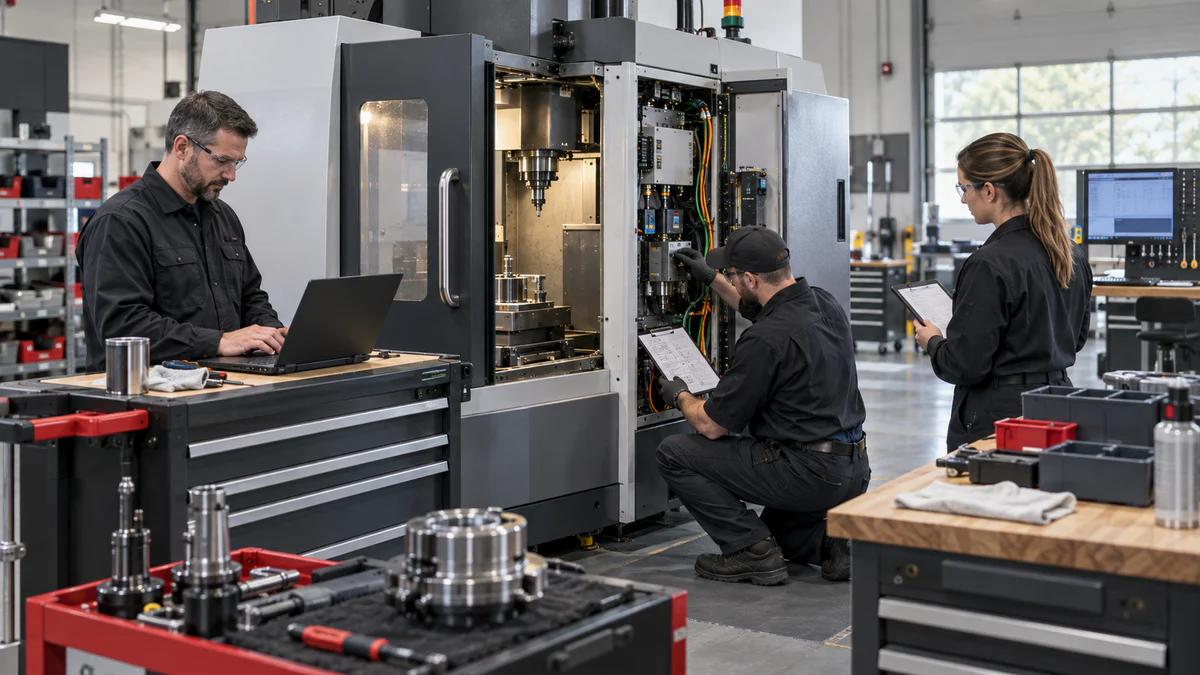
Why a custom CNC machining center solution matters in real production
A custom CNC machining center solution is usually not a luxury purchase. It is a response to a specific production problem: parts are too large, tolerances are too unforgiving, tooling changeovers are too slow, or the standard machine on the market simply does not fit the job. That is especially true for shops handling molds, dies, plates, structural parts, and other oversized workpieces where rigidity and workspace matter as much as cutting speed.
For engineers and sourcing managers, the main decision is not whether to buy a machine, but how much machine you actually need. A standard catalog unit may look attractive on paper. In practice, though, the wrong bed size, insufficient spindle capacity, or a control layout that frustrates operators can turn a capital purchase into an everyday bottleneck.
What a gantry-style machining center brings to large-part work
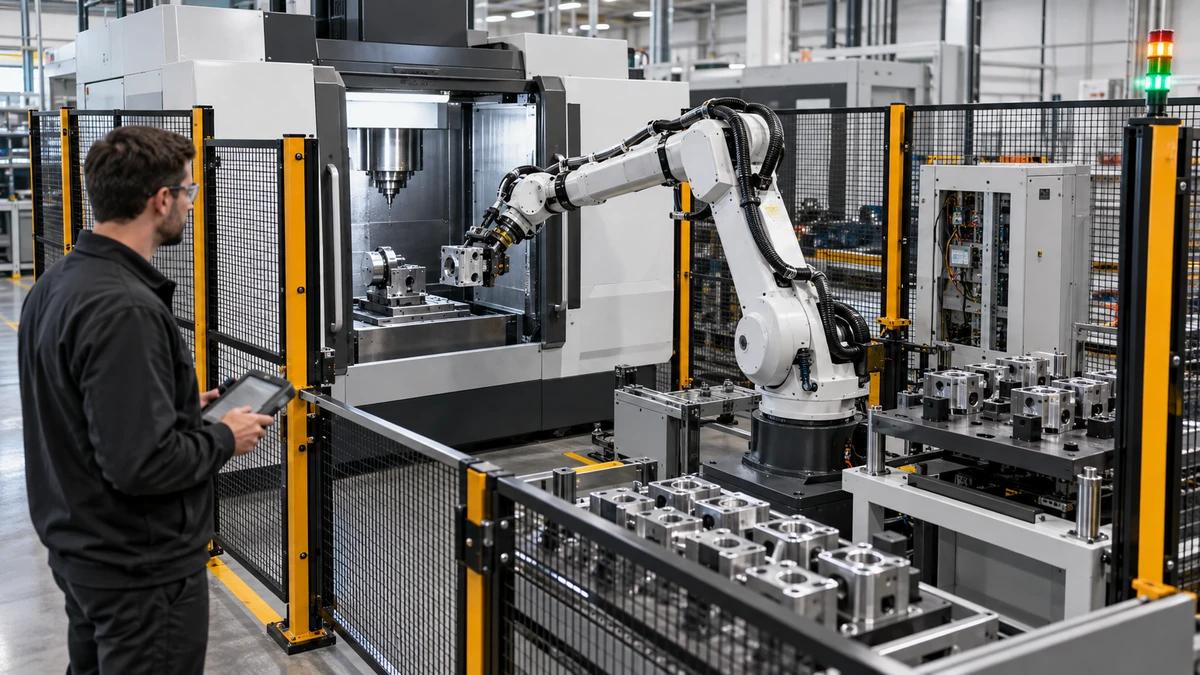
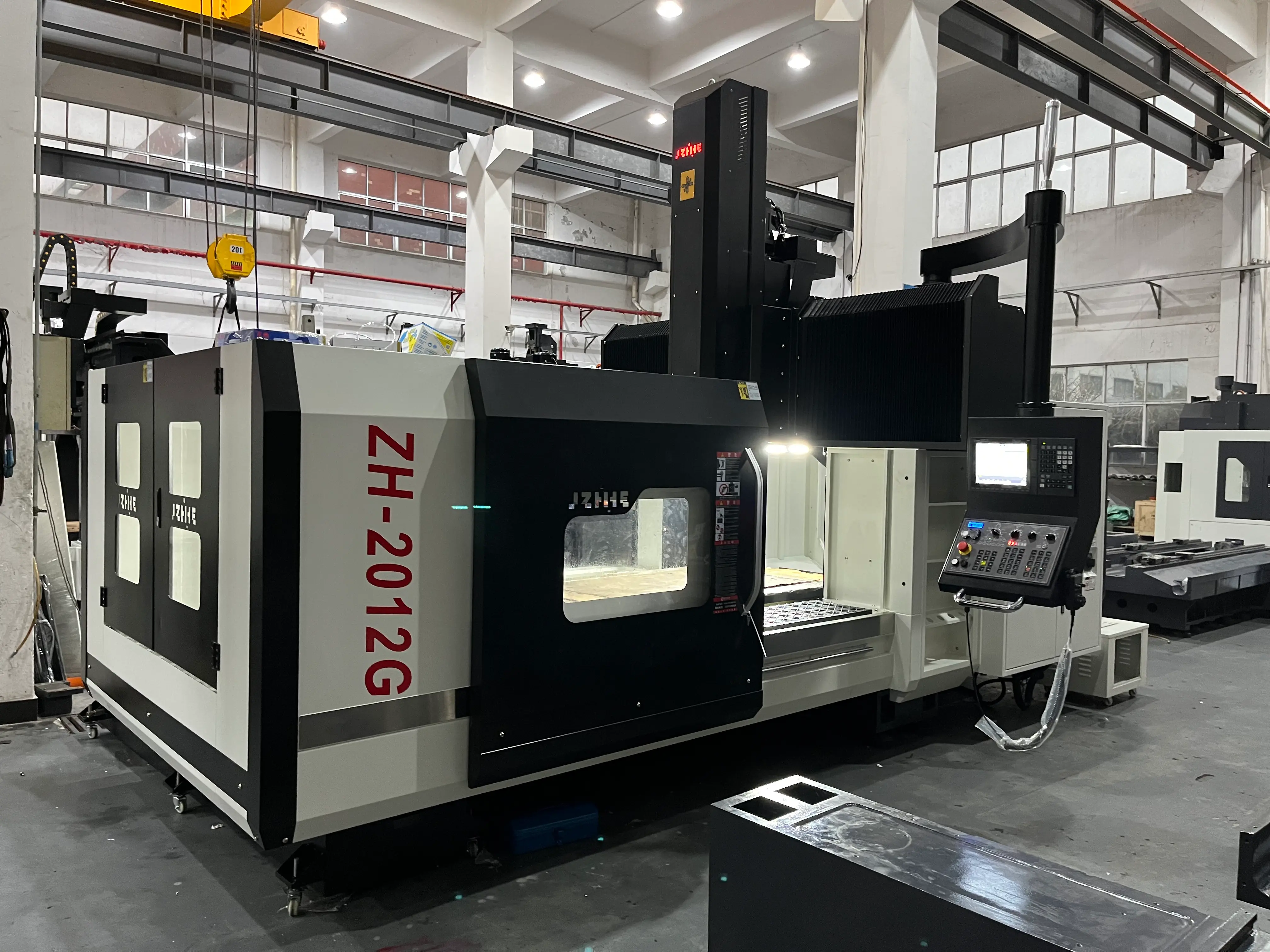
The machine type behind many custom requests is a gantry machining center. Its bridge-style structure spans the work area, which is useful when the part is long, heavy, or awkward to fixture. The enclosed industrial frame seen in this category typically supports milling, drilling, tapping, contouring, and in some applications boring.
That enclosure is not just for appearance. It helps contain chips and coolant, and for busy workshops that small detail can improve housekeeping and reduce the mess around the machine line. The side-mounted CNC control console also matters more than people admit. Operators need visibility, access, and a layout that does not force awkward movements during setup.
Zhongshan Zhihe CNC Technology Co., Ltd. works across vertical machining centers, horizontal machining centers, gantry machining centers, drilling and tapping centers, CNC milling machines, and five-axis machining centers. The company also states that it can support the full process from selection and delivery to after-sales service, which is useful when the buyer wants more than a machine box dropped at the dock.
Quick reference: when customization is worth it
A custom CNC machining center customization project usually makes sense when one or more of these conditions are present:
Large or heavy workpieces that are difficult to load on a smaller machine
Mixed part families that require flexible configuration rather than a fixed standard setup
Demand for stable machining of molds, dies, aluminum parts, precision hardware, or structural components
Need for a more suitable control system, fixture support, or trial cutting before acceptance
Production targets that make a generic machine too slow or too cramped
That said, customization should be tied to actual process data. A buyer who cannot clearly define the workpiece, material, tolerance target, and production volume is usually not ready to specify a machine well.
Selection criteria engineers should not skip
The most common mistake is starting with machine appearance instead of part geometry. The better sequence is part first, machine second.
1. Workpiece size and fixture plan
Measure the part, yes, but also think about clamps, pallets, and tool reach. A machine that technically fits the blank may still be awkward once fixturing is added.
2. Material and cutting load
The load profile for steel is not the same as for aluminum or mixed metal parts. A rigid gantry structure may be particularly attractive for heavier cutting, but the final configuration should match the actual material behavior.
3. Accuracy and stability expectations
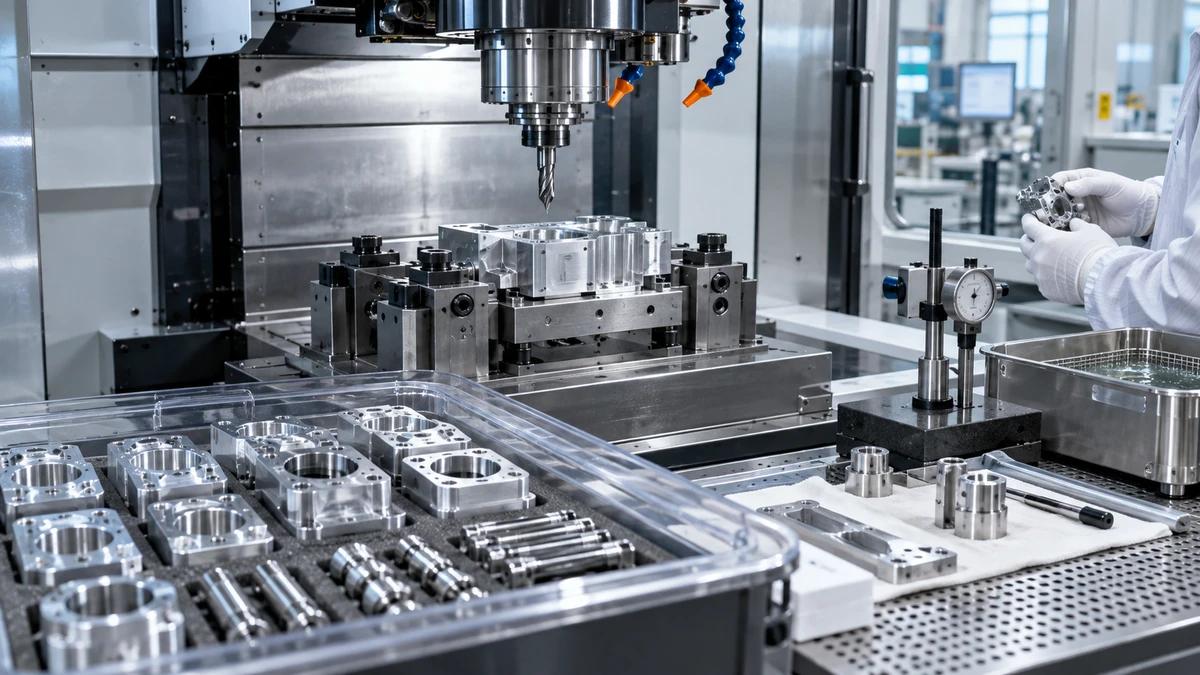
It is tempting to ask for “high precision” without defining what that means in the shop. Better to link precision needs to the drawing, inspection method, and scrap cost. Over-specifying can inflate the project; under-specifying can cost more later.
4. Control system and operator comfort
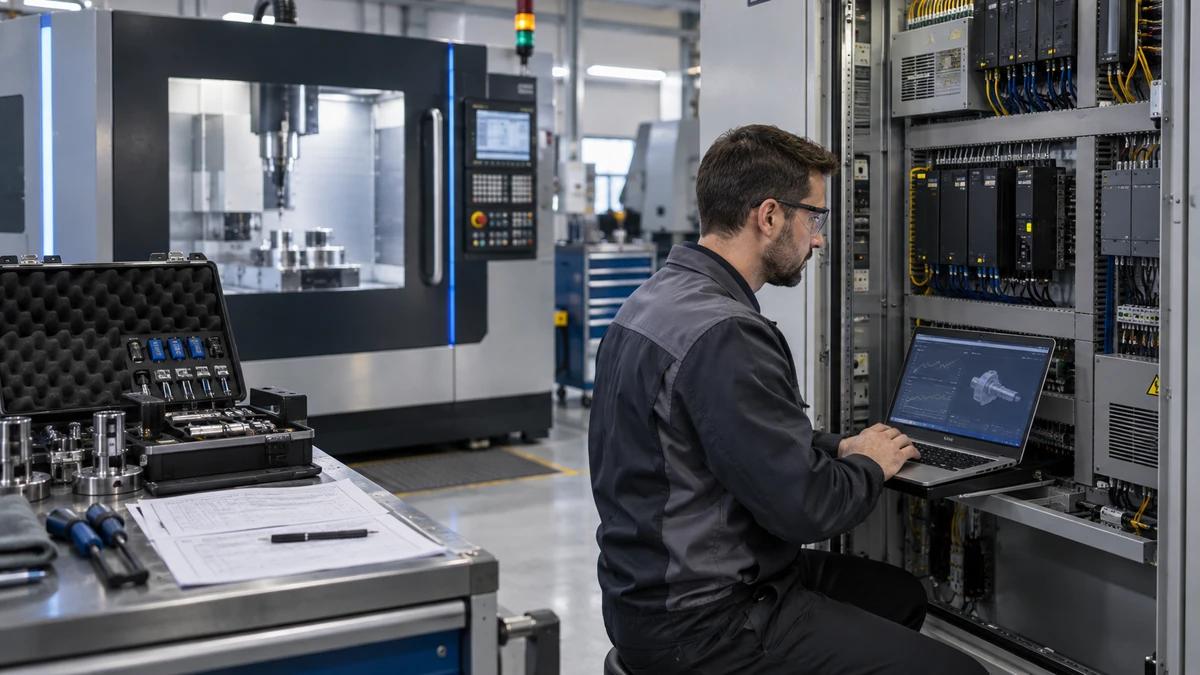
A control system is only useful if the shop can train on it and maintain it. This is where practical vendor support matters. Zhihe notes it can help with control system selection, trial cutting, training, and installation guidance, which is the kind of support that prevents a new line from stalling after delivery.
Where buyers often go wrong
One recurring issue is assuming that a bigger machine automatically means a better one. Not really. Oversized equipment can consume floor space, raise operating costs, and complicate tooling if the actual parts are moderate in size. Another mistake is ignoring logistics. A machine with a large enclosed frame still has to be packaged, transported, unloaded, and installed.
For overseas projects, shipping support and documentation can be part of the purchase decision. Zhihe says it can provide packaging photos, shipping documents, and delivery support, along with sea freight, land transport, and logistics coordination depending on the order. That sort of detail sounds minor until the machine is sitting in a port warehouse.
Practical buyer advice before you request a quotation
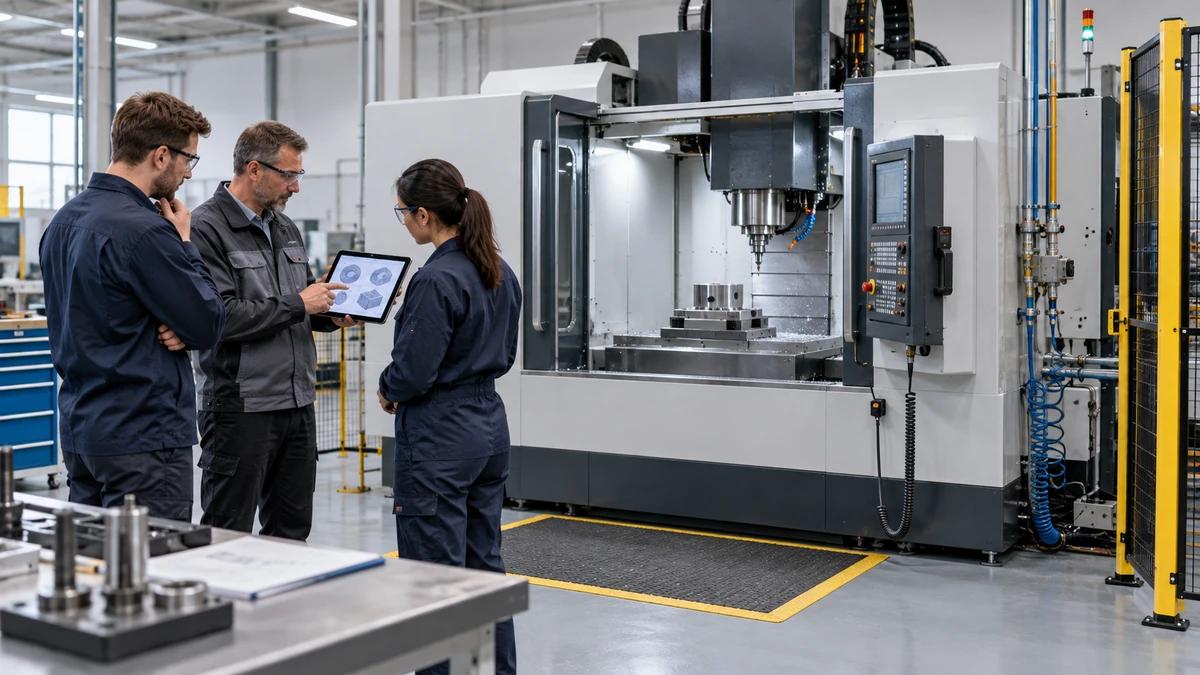
A good inquiry is specific. If you are asking for a custom CNC machining center solution, send the part drawing, material, dimensions, precision requirements, expected output, and preferred machine type. If you already have tooling or fixture constraints, mention those too. The better the input, the more realistic the recommendation.
For manufacturers in automotive parts, 3C electronics, aluminum processing, precision hardware, communication equipment, molds, home appliances, and battery equipment, the real value of customization is not novelty. It is fit. The right machine should match the part, the cycle time, and the shop layout without turning maintenance into a guessing game.
FAQ: What buyers usually ask
Is a gantry machine always the right choice for large parts?
Not always. It depends on part shape, cutting load, and fixture strategy. But for oversized metal components, a gantry layout is often a practical starting point.
Can one machine cover drilling, tapping, and milling?
Often yes, depending on configuration and application. The exact capability should be confirmed against the process plan rather than assumed from the machine family alone.
What should I ask a supplier before ordering?
Ask for machine recommendation based on your drawing, control system options, installation support, training, and after-sales service. If you are buying for production, ask how the machine will be validated before handover.
Next step for sourcing teams
If your current line is constrained by part size, rigidity, or setup inefficiency, the next step is to document the job properly and compare machine options against the real process. Zhongshan Zhihe CNC Technology Co., Ltd. indicates it can support machine selection, configuration matching, installation guidance, and service, which is the kind of vendor involvement that helps reduce risk.
Send the drawing, material, dimensions, precision target, machine requirement, and capacity plan. That is usually enough to start a serious discussion rather than a generic quotation.