Why a custom CNC machining center solution matters for large parts
A custom CNC machining center solution is often the right answer when standard machines no longer fit the workpiece, the cycle time, or the plant layout. That is usually the point where buyers start comparing a custom CNC machining center against off-the-shelf equipment and realize the real issue is not just spindle speed or axis count. It is whether the machine can actually handle the part, the process, and the production rhythm without forcing compromises at every step.
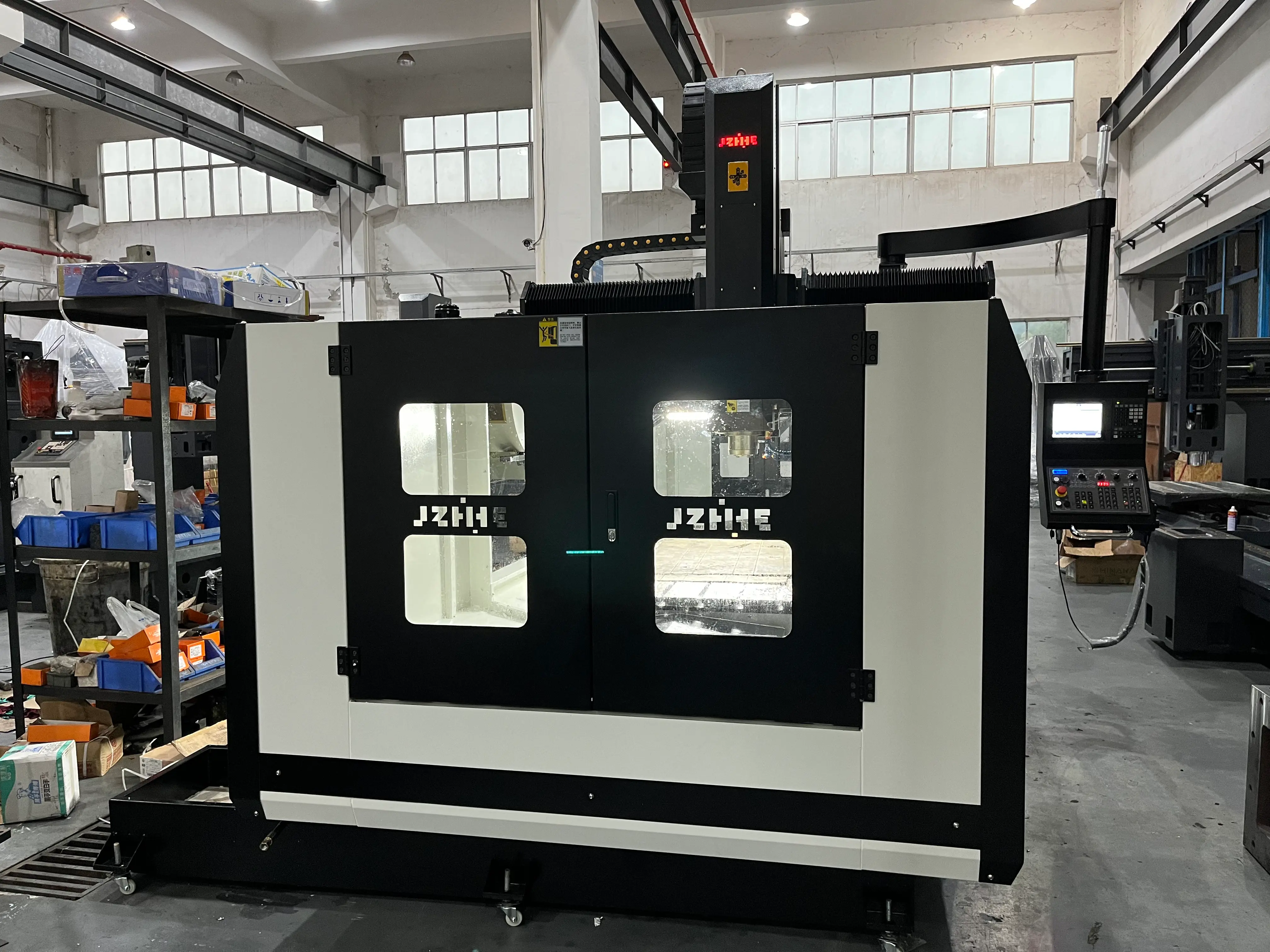
For oversized molds, dies, machine bases, structural components, aluminum plates, or steel parts that need rigid milling, drilling, tapping, or multi-face machining, a gantry-type platform is commonly a practical choice. The machine described here follows that logic: a bridge-style gantry spans the work area, the work bay is fully enclosed, and the operator control console is mounted at the side for day-to-day use. Those are not flashy features, but in a shop floor setting they matter more than glossy marketing language.
What buyers are usually trying to solve
When teams request CNC machining center customization, they are rarely asking for “more machine” in the abstract. They are trying to solve a specific bottleneck. Sometimes the part is too large for a vertical machining center. Sometimes the fixture arrangement is awkward. Sometimes the shop needs better chip containment, safer access, or a layout that supports heavier duty cycles. In other cases, the challenge is simply consistency: a machine that holds up better under repeated large-part cutting, without constant operator workarounds.
Zhongshan Zhihe CNC Technology Co., Ltd. positions its machines around those practical concerns. The company says it supplies vertical machining centers, horizontal machining centers, gantry machining centers, drill-tap centers, CNC milling machines, and five-axis machining centers, along with engineering, assembly, inspection, and service support. That broader manufacturing base is useful because a buyer asking for a custom CNC machining center solution often needs help beyond the machine body itself.
What this gantry machining center layout offers
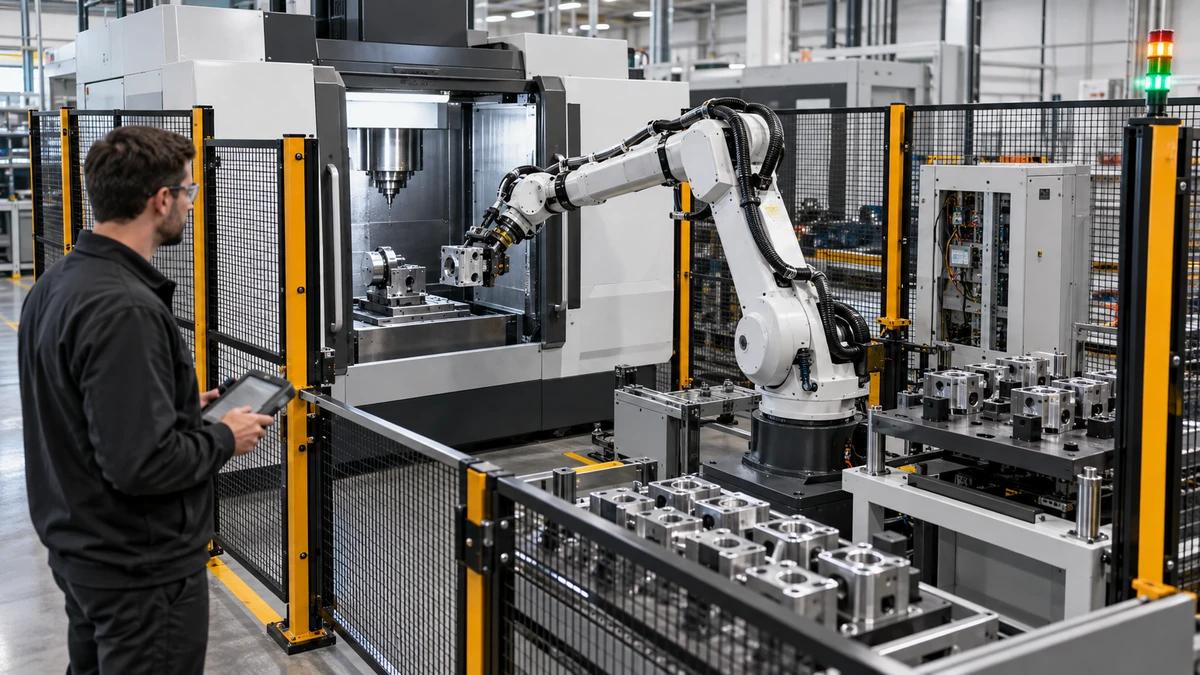
The visible machine configuration suggests a gantry-type CNC machining machine built for large workpieces. The bridge structure gives access across a broad work area, while the enclosed industrial body helps contain chips and coolant splash. For shops running large components, that enclosure is more than a housekeeping detail. It can improve safety, reduce cleanup time, and make the machining area easier to manage during long cycles.
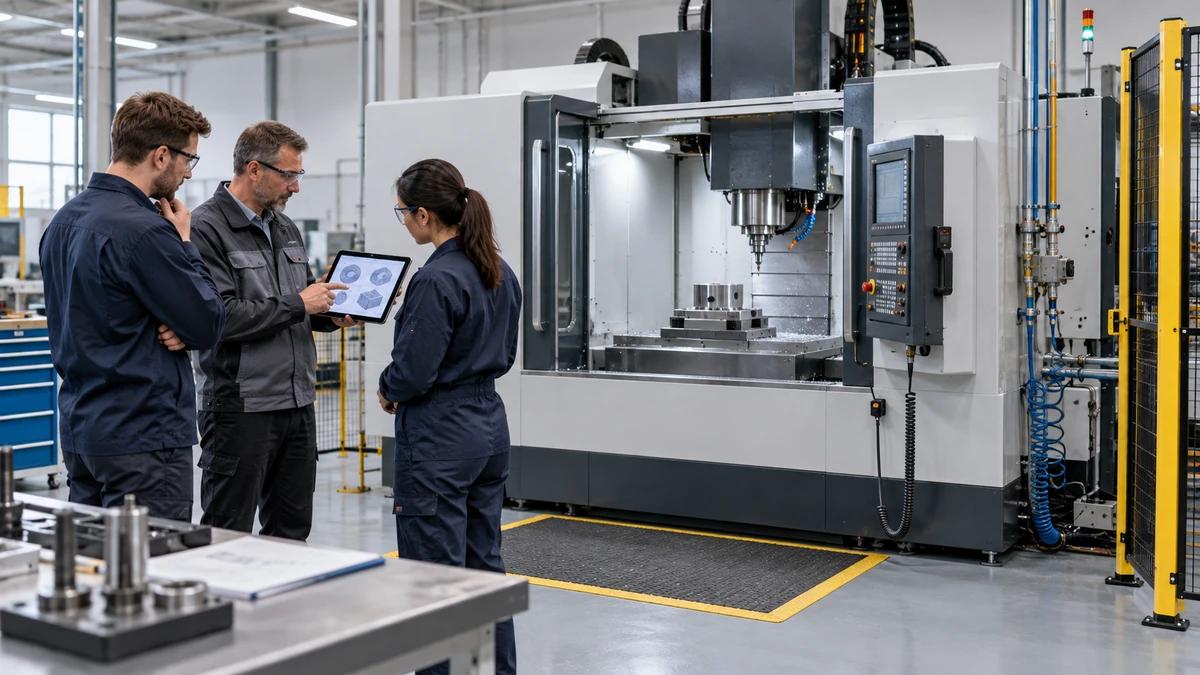
The side-mounted operator console is another small but important point. On large-format machines, the control station needs to be easy to reach without getting in the way of loading, unloading, or inspecting the part. A floor-mounted industrial frame also signals the kind of rigid installation buyers usually expect for this class of equipment.
What should not be assumed is just as important: exact axis count, spindle power, travel range, table size, tool changer configuration, coolant system details, or precision specifications are not visible here and should be confirmed directly before purchase.
Where customization usually pays off
Part size and fixture planning
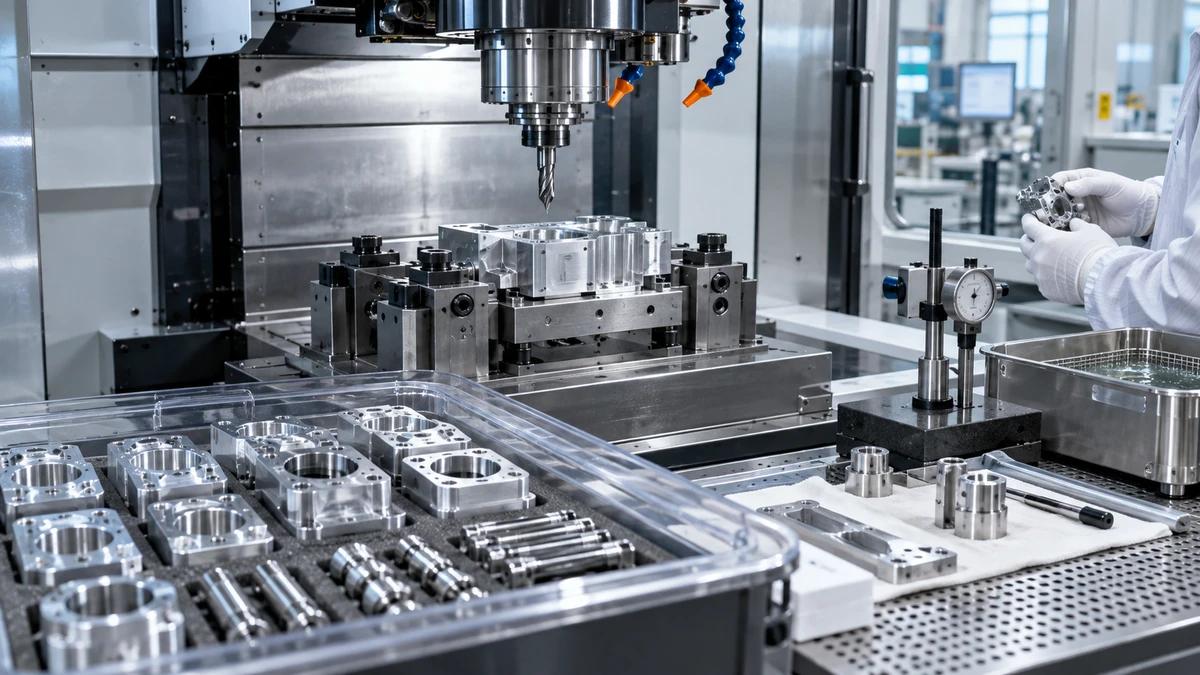
Large workpieces create awkward clamping problems. A machine may look adequate on paper, then run into interference once the fixture, cutter reach, and chip evacuation are all considered together. Custom CNC machining center planning helps align the machine envelope with the real part geometry.
Material behavior
Aluminum plates, mold steel, structural parts, and other common production materials do not behave the same way under cutting loads. A rigid gantry arrangement is often chosen because it can be adapted to heavier cutting conditions and broader workpieces, though the exact suitability still depends on the full machine build.
Production mix
Some factories need flexibility for small batches. Others need repeatability for larger runs. Zhihe notes that its equipment is used in sectors such as automotive parts, 3C electronics, aluminum processing, precision hardware, communications equipment, molds, home appliances, and lithium battery equipment. That range suggests the company is used to matching machine configuration to the production mix rather than pushing one standard setup on every buyer.
Questions to ask before you buy
Buyers comparing a custom CNC machining center solution should ask for the workpiece drawing, material, size, accuracy requirements, and expected output before discussing a machine model. That sounds basic, but too many purchases start with the machine and only later confront the part. By then, the fixture plan may be compromised.
It is also worth asking what level of support comes with the equipment: model recommendation, control system selection, fixture support, trial cutting, installation guidance, operator training, warranty service, and spare parts support. Zhihe says it can provide those services, which is exactly the sort of support a buyer should look for when the job is not routine.
Practical buyer cautions
A gantry machine can be the right answer and still be a poor fit if the plant ignores floor space, material handling, or maintenance access. The footprint is large. Loading paths matter. Power and utility planning matter too, even if those details are often discussed late in the buying process. Also, do not over-specify features that look impressive but do not reduce cycle time for your actual part family.
If a supplier cannot explain how the machine will be matched to your workpiece, that is a warning sign. Customization should make the process clearer, not more vague.
What to request from the supplier
For an initial quotation, provide drawings, material, dimensions, precision targets, machine type preference, and target capacity. If you are buying internationally, ask about packaging photos, shipping documents, and delivery support as well. Zhihe states that it supports safe packaging and domestic or overseas transport, including sea freight, land transport, and logistics coordination. For export buyers, that kind of coordination can save time and reduce misunderstandings later.
If you are evaluating a custom CNC machining center solution for molds, dies, or large structural parts, the best next step is not a generic price request. It is a process conversation. Share the part, the fixture idea, and the production target, then ask the supplier to recommend a machine configuration that fits the job rather than forcing the job to fit the machine.
FAQ
Is a gantry machine always better for large parts?
Not always, but it is often more practical when the workpiece is oversized or the cutting strategy needs broad access and rigidity.
Can one machine cover drilling, tapping, and milling?
Many machining centers are used for mixed operations, but the exact capability depends on the configuration. Confirm the application with the supplier before assuming it is suitable.
What should a buyer send first?
Send the part drawing, material, size, accuracy requirements, and expected throughput. That gives the supplier the clearest basis for recommending a machine.
Next step
If your shop is trying to reduce setup pain, improve large-part access, or move to a more suitable heavy-duty machining platform, request a solution based on your actual part data. For Zhihe CNC, the contact details provided include Liu Xiaobang, zhcnclathe@gmail.com, and WhatsApp/WeChat +86 13620089178. A good quote starts with a real workpiece, not a guess.