Why a custom CNC machining center solution matters for oversized parts
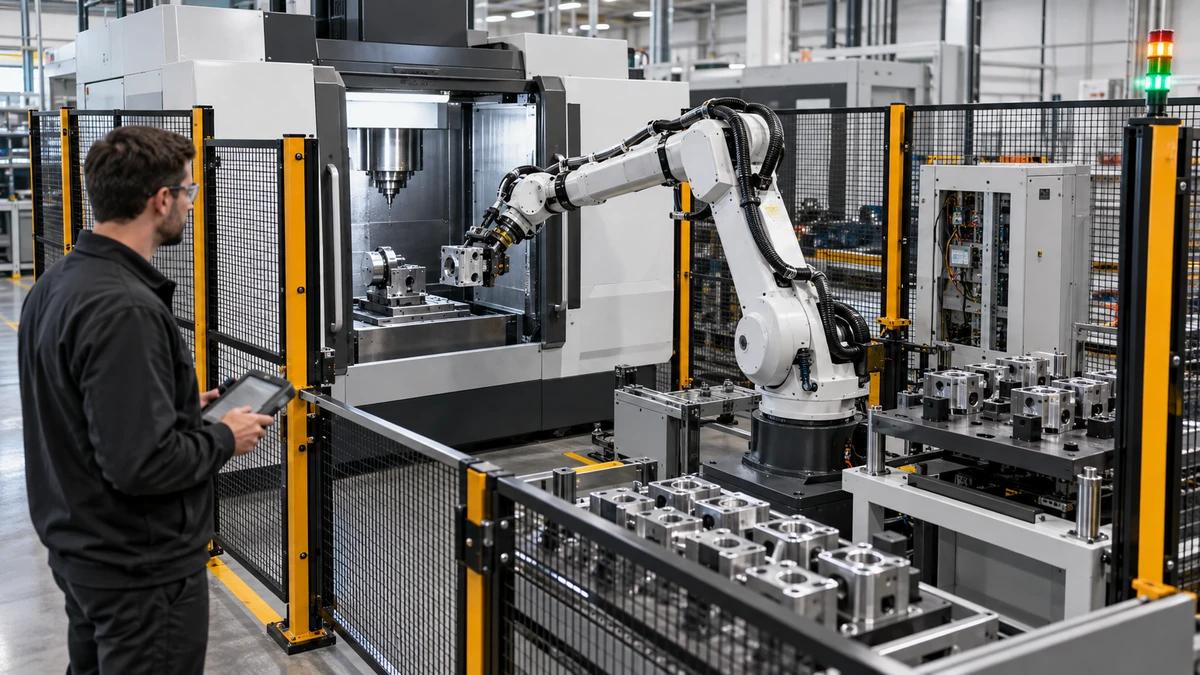
When a plant starts looking for a custom CNC machining center solution, the real issue is usually not “which machine looks strongest” but whether the machine will actually fit the part, the process, and the production rhythm. Large molds, die sets, machine bases, fixture plates, and structural components all put different demands on a CNC machining center. A machine that is fine for one shop can become awkward in another if the work envelope, control system, fixture strategy, or loading approach does not match the job.
That is why buyers should treat this as a process decision as much as a capital equipment purchase. The right gantry machining center can reduce setup time, improve repeatability, and handle heavier workpieces with more confidence. The wrong choice tends to show up later as chatter, awkward clamping, bottlenecks at the loading station, or operators forcing the machine to do work it was never shaped to do.
What this type of machine is typically used for
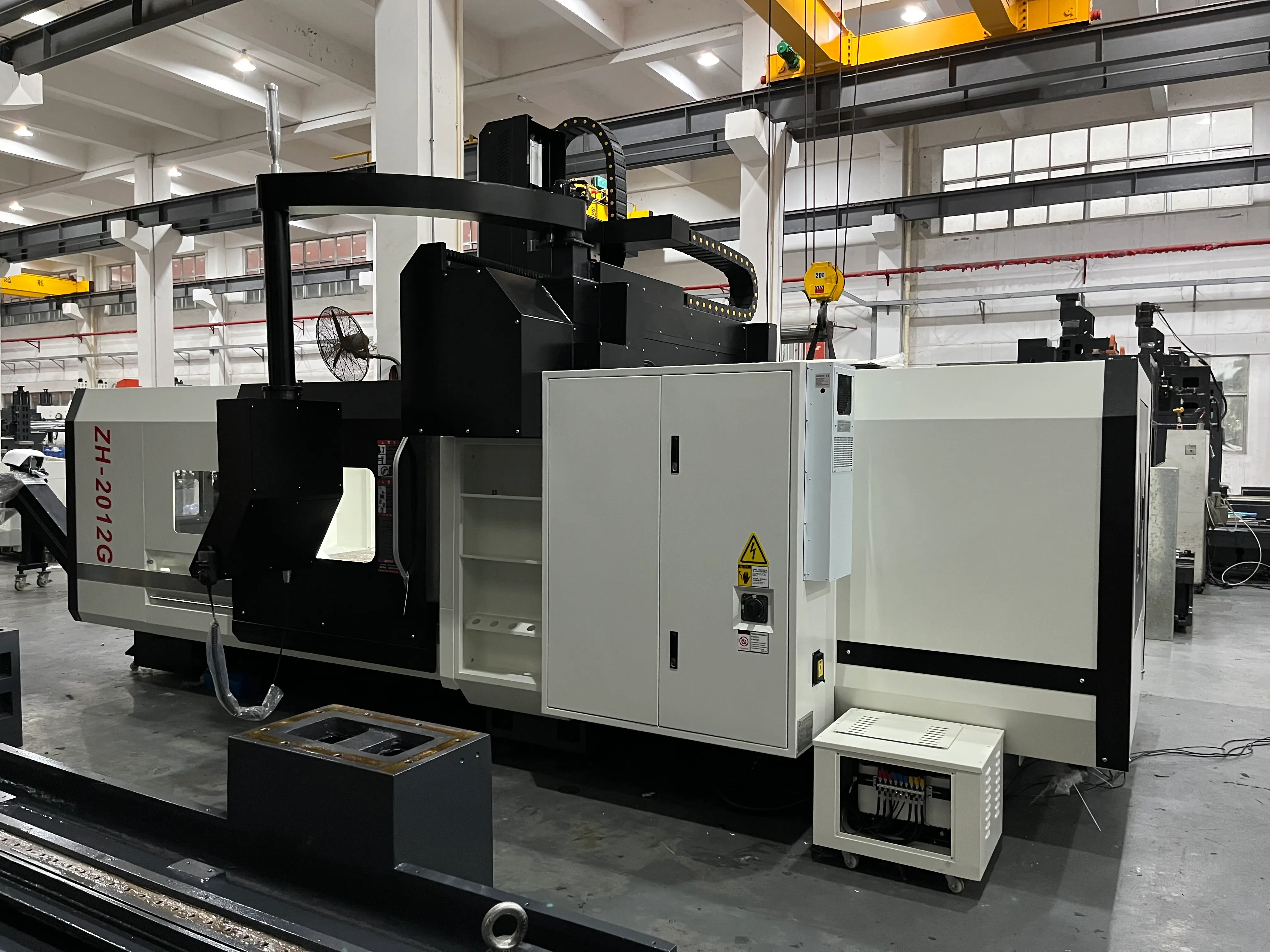
The visible product here is a gantry machining center, model ZH-2013G, with an enclosed industrial body, a rigid rectangular base, a tall bridge structure, and an integrated CNC control console. That layout is familiar in large-part machining because it supports stable cutting over a broad work zone. In practice, this kind of machine is often used for milling, drilling, tapping, and contouring oversized metal parts that need consistent geometry over long spans.
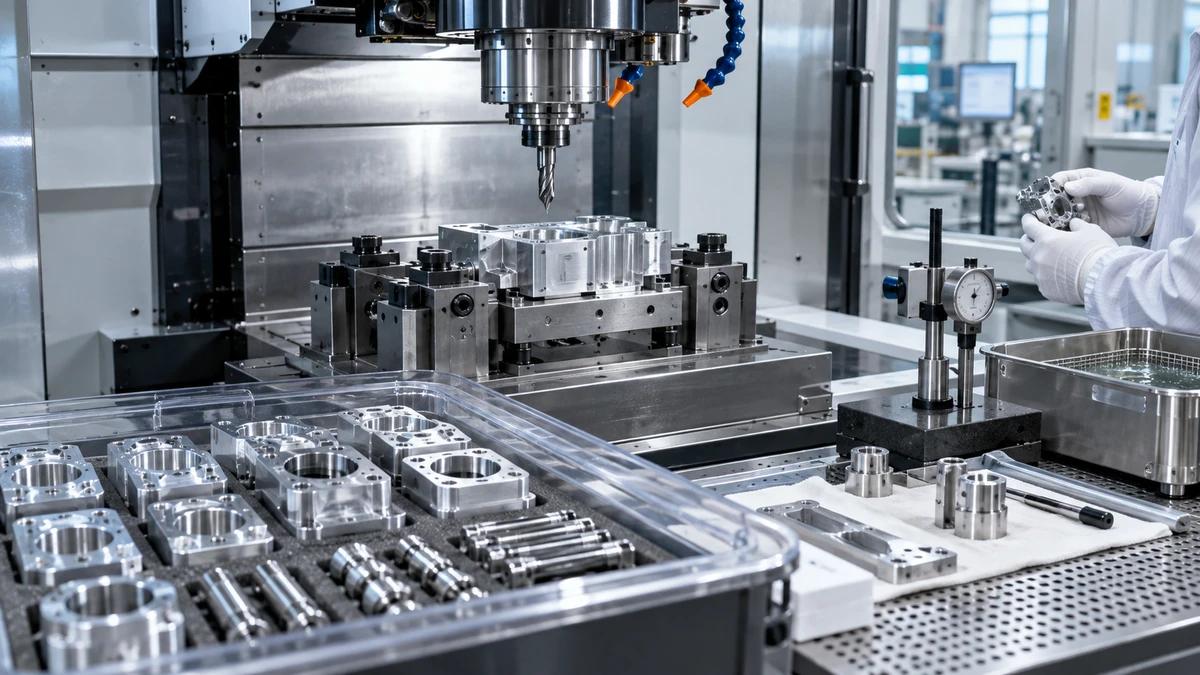
For buyers in mold making, automotive parts, precision hardware, communications equipment, or lithium battery equipment, the appeal is straightforward: a single machine can cover several operations that would otherwise require multiple setups. Of course, the exact fit depends on the job. A fixture plate and a mold cavity do not behave the same way, and the machine must be selected around the hardest requirement, not the easiest one.
Quick buyer takeaway: what to compare before you request a quote
If you are comparing a custom CNC machining center or considering CNC machining center customization, start with the workpiece rather than the catalog. The most useful comparison points are usually the size and mass of the part, the required surface finish, the number of sides that must be machined, the expected batch size, and how often the setup changes.
It also helps to separate “must-have” from “nice-to-have.” Some buyers need multi-face machining and better fixture access. Others need a large envelope and enough rigidity to avoid performance loss on long tool overhangs. A good supplier will ask for drawings, material, dimensions, precision expectations, and production volume before recommending a machine. That is not sales theater; it is the only sane way to avoid overbuying or underbuying.
How customization usually shows up in a CNC machining center
1. Machine structure and work zone
For large-format work, structure matters. A gantry-style architecture is commonly chosen because it provides a stable frame for cutting across oversized components. In a custom build, the machine body, enclosure, access doors, and table arrangement may be adjusted to suit the part shape and loading method.
2. Control and operator workflow
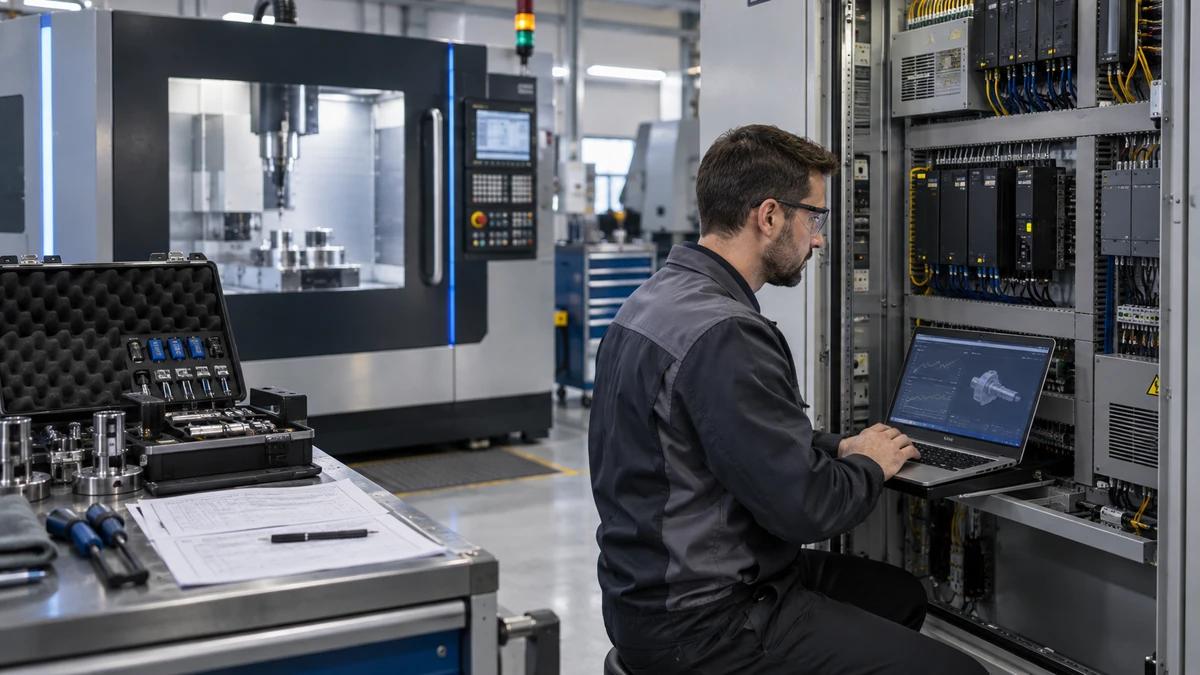
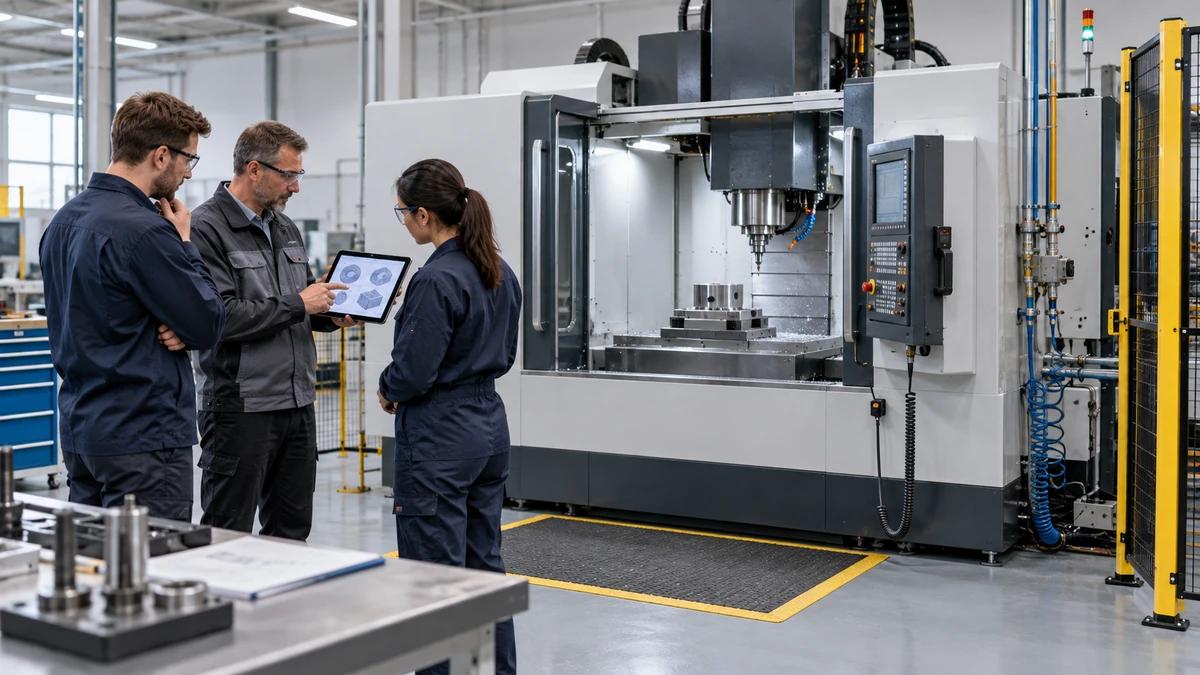
The side-mounted control console on the ZH-2013G reflects a practical point: operators need clear access, clear visibility, and a workflow that does not slow down daily use. In many shops, a machine is judged not only by cutting performance but by how quickly an operator can set up, verify, and recover from routine jobs.
3. Configuration around the part
Zhongshan Zhihe CNC Technology Co., Ltd. notes that it supports machine recommendation, control system selection, fixture support, trial cutting, installation guidance, training, and after-sales service. That kind of support matters when the job is not standard. A buyer may need help matching the workpiece, material, precision target, and capacity requirement to the machine configuration. In other words, customization is often less about cosmetic changes and more about eliminating process friction.
Selection criteria that buyers should not skip
There are a few checks that deserve more attention than they sometimes get. First, ask how the machine will handle your heaviest or least rigid part. Second, confirm how the enclosure, access doors, and loading path will work with your shop layout. Third, review the control system only after the mechanical platform makes sense. A polished interface cannot fix poor machine sizing.
Buyers should also be cautious about assuming that a machine built for molds will automatically suit structural parts, or that a general-purpose CNC machining center will be ideal for long, repetitive production runs. The use case should drive the configuration. That sounds obvious, but many procurement problems begin with skipping that step.
Common mistakes in custom CNC machining center projects
One common mistake is focusing too narrowly on spindle talk and ignoring the whole machine. Travel range, rigidity, fixturing, loading access, and control compatibility can matter just as much as cutting power. Another is failing to account for future jobs. A machine optimized too tightly for one part family can become a constraint when the product mix changes.
Another practical warning: do not finalize a custom CNC machining center solution without giving the supplier clean part drawings and realistic production expectations. Missing information forces guesswork, and guesswork in machine selection is expensive.
What to ask a supplier before you move forward
Ask for a recommendation based on your drawings, material, dimensions, precision requirements, and output targets. If your supplier can also support packaging, transport coordination, installation guidance, and operator training, that reduces risk after delivery. Zhongshan Zhihe CNC Technology Co., Ltd. indicates that it can support domestic and overseas shipping as well as documentation and delivery assistance, which is useful for buyers managing cross-border equipment projects.
If you are planning a large-part machining line or replacing an aging gantry machine, request a configuration discussion rather than a generic brochure quote. That extra step usually saves time later, even if it feels slower at the beginning.
Next step for engineers and sourcing teams
For a custom CNC machining center solution, the smartest next move is to collect the workpiece data first: drawings, material, dimensions, precision target, fixture needs, and expected production volume. With that in hand, a supplier can recommend a more suitable machine and avoid the usual mismatch between catalog machine and real shop floor demand.
If you are evaluating a gantry machining center like the ZH-2013G, treat it as a starting point for configuration, not a finished answer. The useful machine is the one that fits the part, the process, and the people running it.