Drilling and Tapping Center for 3C Electronics: How to Improve Aluminum Frame Production
A drilling and tapping center for 3C electronics needs to be fast, but it also needs to be gentle in the right way. That sounds contradictory. In thin aluminum frames, however, aggressive machining can easily create chatter, surface marks, or dimensional drift.
3C components are often light, thin, and full of small features. Holes, threads, side-milled edges, pockets, and fine surfaces may sit close together. One careless setup can damage appearance. One unstable cutting condition can slow down the entire production line.
That is why many 3C suppliers do not simply ask, “Which machine is fast?” They ask, “Which machine can keep thin aluminum parts stable across repeated batches?”
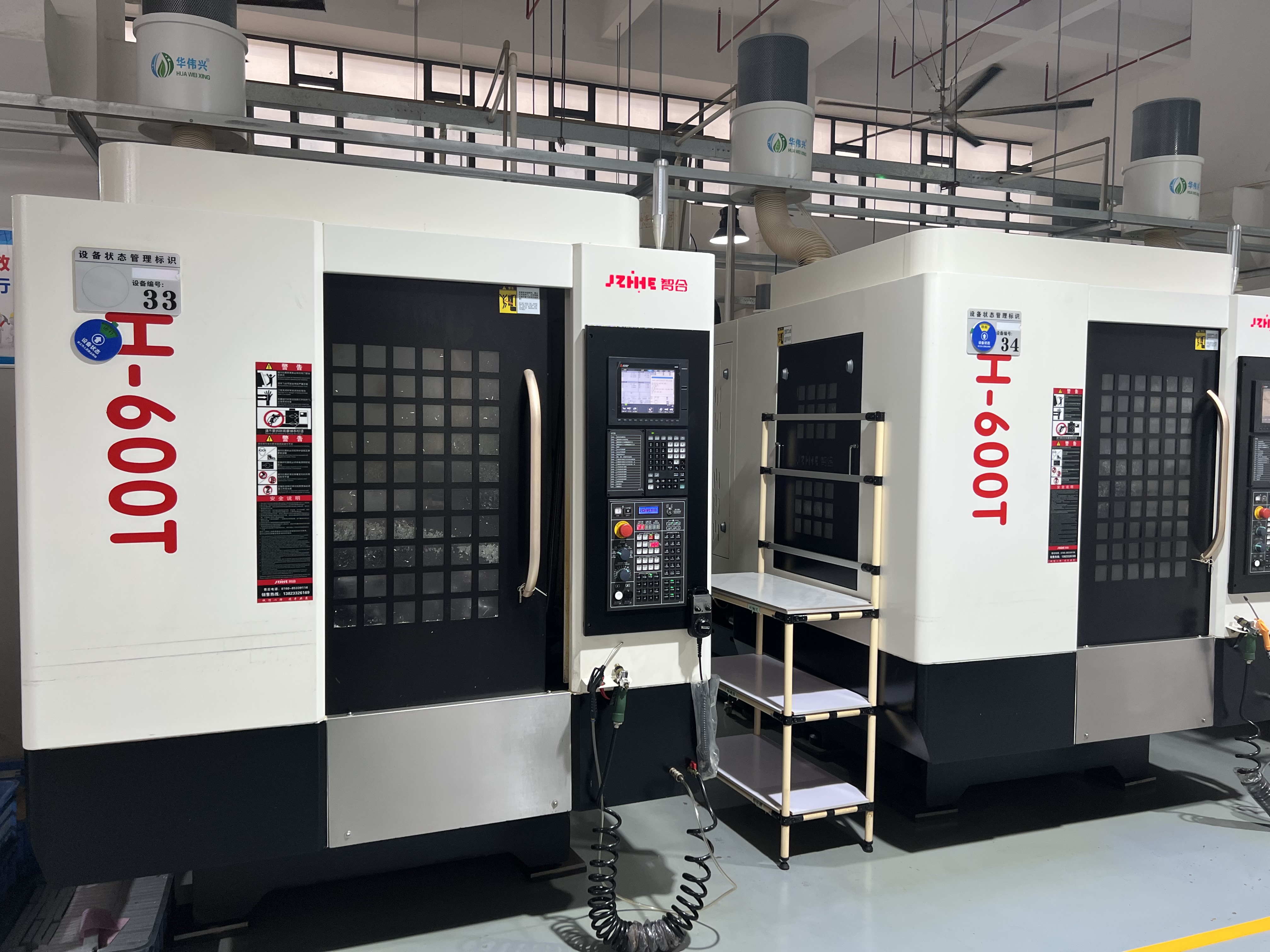
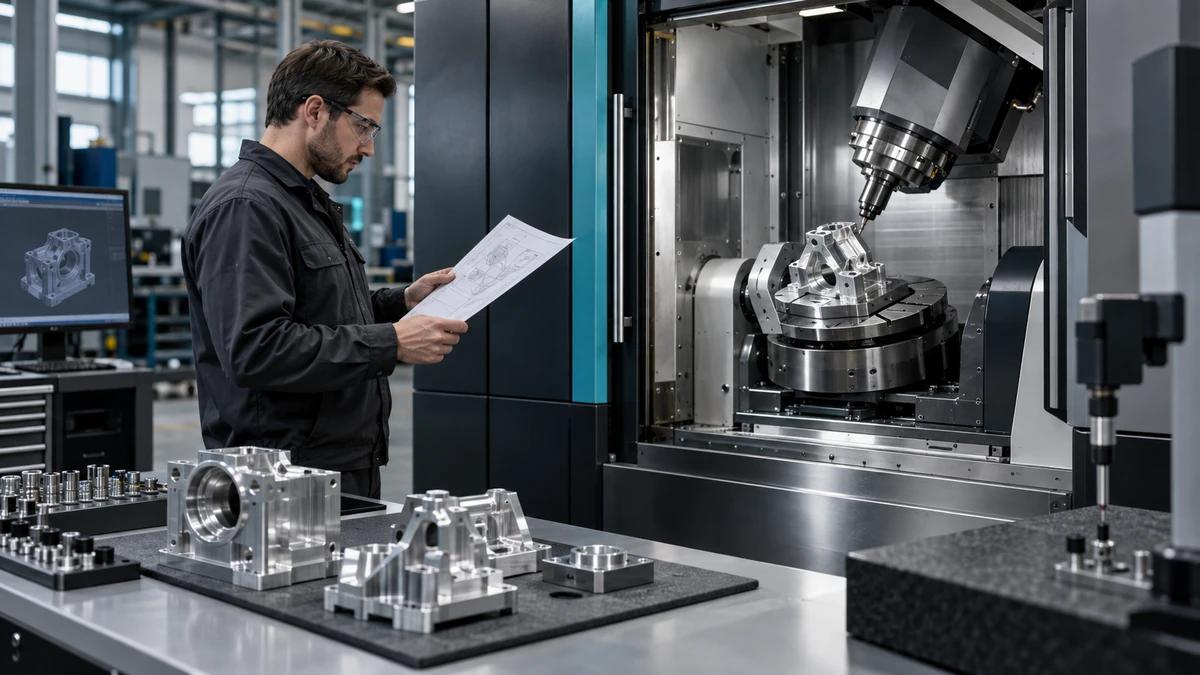
The ZH-600T Drilling and Tapping Center is designed for high-speed drilling, tapping, and light milling of small-to-medium precision parts, with a 600 / 400 / 300 mm travel, 20,000 rpm Direct-Drive BT30 spindle, and MITSUBISHI M80VB controller. These specifications match the typical needs of compact aluminum parts, including 3C electronic frames.
Why 3C Aluminum Frames Are Difficult to Machine
A 3C aluminum frame may look simple from far away. Put it on a machine table, and the story changes.
Thin walls can vibrate. Small holes require clean positioning. Thread quality must remain stable. Surface appearance matters because many 3C parts are later assembled into visible or semi-visible product structures. If the process uses too many clamping steps, small errors can stack up.
A normal machining center can often complete the job, but not always efficiently. The real issue is process consolidation. The fewer times the part is moved, the easier it becomes to maintain consistency.
For a CNC tapping center for aluminum frame production, this is where machine selection becomes practical. The machine needs enough speed for high-volume work, enough rigidity to reduce chatter, and enough tool capacity to avoid constant interruptions.
How ZH-600T Supports 3C Electronics Production
The ZH-600T product page includes a 3C electronics aluminum mid-frame case using 6063 aluminum alloy with dimensions of 280 × 160 × 12 mm. The listed customer challenges included complex processes involving drilling, tapping, and side milling, insufficient rigidity causing chatter marks, and a production bottleneck limiting order fulfillment.
The solution was the ZH-600T Drilling & Tapping Center, using 600 × 400 × 300 mm travel, high axis power, and 4th axis capability for multi-face machining in a single setup. The page reports that drilling, tapping, and side milling were completed in one setup, re-clamping errors were eliminated, chatter marks were removed, and daily output increased from 180 to 320 pcs.
For B2B buyers, this case is useful because it does not only talk about speed. It connects the machine to actual production problems: process complexity, rigidity, re-clamping, surface quality, and output.
Why One Setup Can Change the Whole Process
In 3C frame machining, setup time is not just a labor issue. It affects geometry.
When the same part is clamped several times, each clamping step introduces risk. The datum may shift slightly. Thin walls may deform. Side milling may no longer line up perfectly with drilled and tapped holes. Inspection may catch the problem, but by then time has already been lost.
A drilling and tapping center with optional 4th axis support can help reduce these risks when the part design requires access to multiple faces. The ZH-600T includes a standard 4th axis interface, with optional indexer or rotary table support.
For buyers, this does not mean every 3C part needs a 4th axis. It means the machine platform leaves room for more efficient process planning when the part geometry becomes more demanding.
What B2B Buyers Should Compare
When selecting a drilling and tapping center for 3C electronics, buyers should compare more than the machine model. A practical comparison should include:
| Buyer Concern | What to Check |
|---|---|
| Part size | Whether the frame fits the travel and fixture area |
| Wall thickness | Whether the machining process can avoid chatter |
| Hole and thread quantity | Whether tool change speed and tool magazine capacity are enough |
| Surface requirement | Whether the spindle and process can support stable finish |
| Batch volume | Whether cycle time improvements justify the investment |
| Multi-face features | Whether 4th axis support is needed |
| Inspection method | Whether positioning and repeatability are verified |
The ZH-600T lists ±0.005 mm positioning accuracy and ±0.003 mm repeatability, with laser interferometer inspection equipment. For 3C suppliers dealing with repeated small features, that repeatability can be more important than one-time accuracy.
Do Not Ignore Tool Change and Chip Control
3C aluminum frame machining often requires several operations: drilling, tapping, side milling, chamfering, and sometimes light pocketing. If the machine waits too long between tools, cycle time suffers.
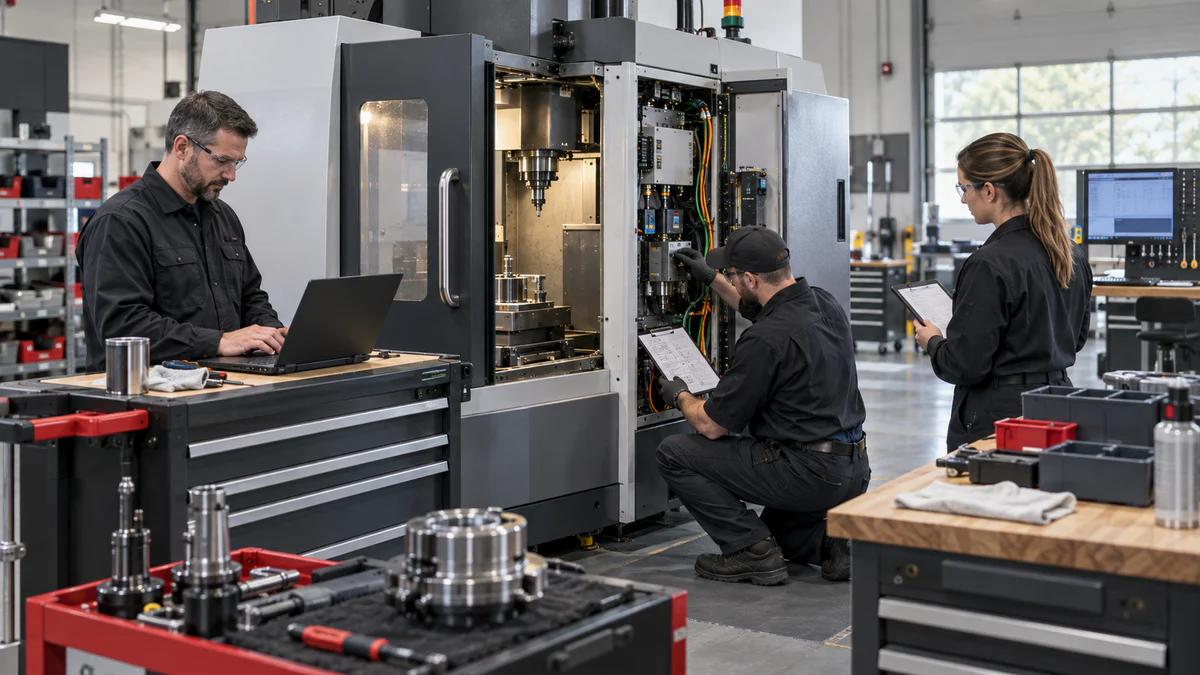
The ZH-600T standard specifications include a 21-tool arm-type magazine and chain-type chip conveyor with chip cart. These details may seem ordinary, but they affect daily production. Faster tool handling keeps the process moving. Better chip evacuation helps prevent chip buildup, scratches, and cleaning interruptions.
In 3C production, even small surface problems can create extra inspection or finishing work. Clean machining is not only about appearance; it protects throughput.
FAQ
Is ZH-600T only suitable for aluminum frames?
No. The product page lists aluminum alloys, copper alloys, carbon steel, and low-carbon alloy steel as applicable materials. However, its speed and compact machining range make it especially relevant for aluminum 3C parts.
Can it handle drilling, tapping, and side milling together?
Yes, the 3C case on the product page describes drilling, tapping, and side milling being completed in one setup.
Why is rigidity important for thin-wall 3C parts?
Insufficient rigidity can create vibration and chatter marks, especially on thin aluminum structures. Stable machining helps reduce rework and improve surface consistency.
Should buyers ask for trial cutting?
Yes. Trial cutting is one of the most practical ways to confirm whether the machine, fixture, tool, and parameters match the real part. The ZH-600T page also describes pre-acceptance trial cutting at the supplier’s facility and final acceptance trial cutting after delivery and commissioning.
Final Advice
A drilling and tapping center for 3C electronics should be evaluated by the way it handles real aluminum frame production: thin walls, repeated holes, tapping quality, side milling, fixture stability, and daily output.
The ZH-600T gives buyers a focused option for this kind of work. Its high-speed BT30 direct-drive spindle, compact travel range, optional 4th axis support, and accuracy verification make it suitable for factories that need stable output rather than occasional prototype machining.
For the best result, send the supplier actual drawings, material grade, tolerance requirements, surface expectations, and target daily output. The right machine choice begins with the part, not the catalog.