How to Choose the Right Drilling and Tapping Center Supplier for Stable Production
When buyers search for a Drilling and Tapping Center Supplier, they are rarely looking for a machine catalog alone. They are looking for a production solution that can improve hole accuracy, reduce setup time, stabilize cycle performance, and minimize unexpected downtime.
For manufacturers producing automotive components, aluminum parts, precision hardware, brackets, fixtures, and industrial assemblies, drilling and tapping operations often become a critical production step. A machine that performs well during a demonstration may still fail to deliver expected results if it does not match the actual workpiece, tooling strategy, operator workflow, or production volume.
That is why supplier selection matters.
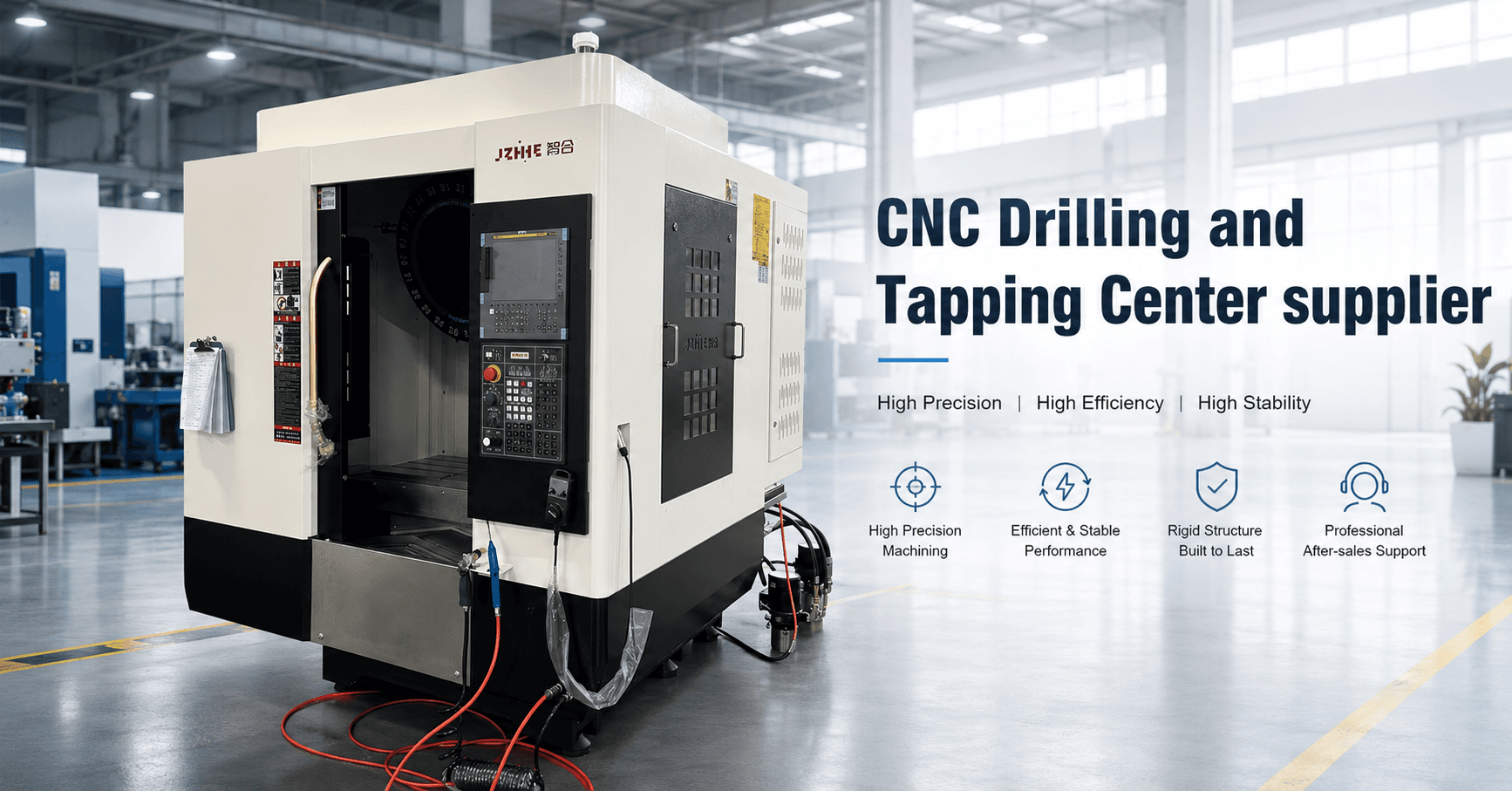
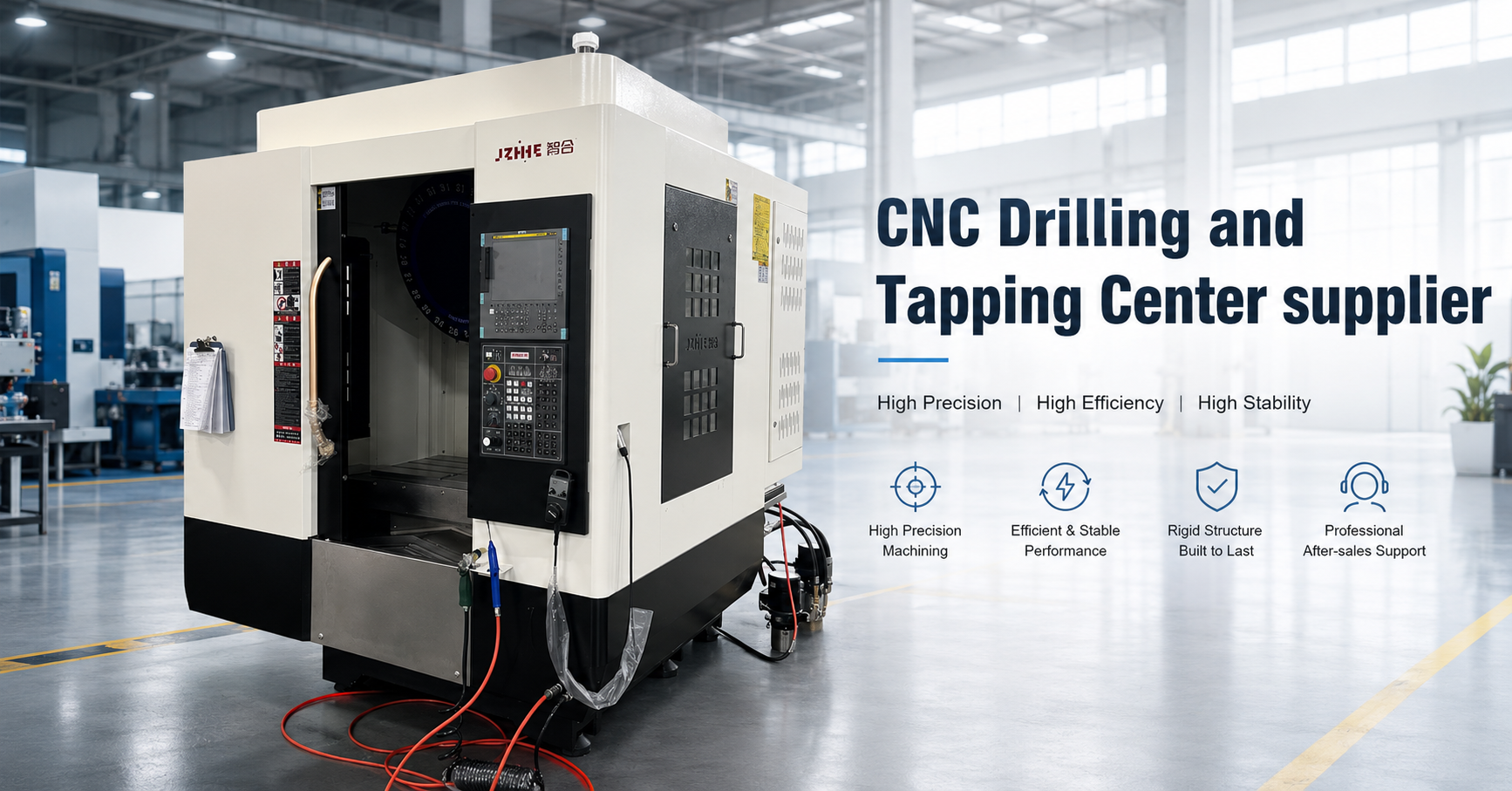
A reliable CNC Drilling and Tapping Center Supplier should not only provide equipment. The supplier should understand your application, recommend a suitable configuration, support installation, and help ensure that the machine performs consistently after entering production.
Why Choosing the Right Drilling and Tapping Center Matters
Drilling and tapping may look like simple machining operations, but production environments quickly reveal the difference between a suitable machine and an unsuitable one.
A production drilling and tapping center must maintain:
- Stable hole positioning
- Consistent thread quality
- Reliable chip removal
- Repeatable cycle times
- Efficient operator workflow
For factories running hundreds or thousands of similar parts, even small variations can create major costs through rework, tool replacement, and production interruptions.
A Precision Drilling and Tapping Machine is usually selected when manufacturers need repeatable hole-making combined with light milling capability. Instead of moving parts between multiple machines, a dedicated solution can help simplify the process flow.
What Buyers Should Evaluate Before Choosing a Supplier
Many buyers make the mistake of comparing only machine appearance or price. However, the more important question is:
Can this supplier provide a machine configuration that matches my production requirements?
A professional supplier should understand:
| Buyer Requirement | Supplier Should Explain |
|---|---|
| Part material | Aluminum, steel, copper alloys, and other machining conditions |
| Hole requirements | Diameter, depth, thread type, and tolerance |
| Production volume | Prototype, small batch, or mass production needs |
| Fixture method | Clamping strategy and loading efficiency |
| Accuracy target | Positioning requirements and inspection method |
| Future expansion | Automation, fourth-axis, or process upgrades |
A good supplier does not immediately recommend a machine model. Instead, they first understand the manufacturing problem.
Understanding the Role of a Drilling and Tapping Center
A drilling and tapping center is designed for manufacturers who need efficient hole machining with repeatable results.
Compared with traditional drilling equipment, CNC drilling and tapping centers provide:
- Program-controlled machining
- Faster changeover between parts
- Better repeatability
- Reduced operator dependency
- Easier production monitoring
For industries such as automotive parts, 3C electronics, aluminum components, precision hardware, automation equipment, and general machinery, this type of machine can improve production consistency.
However, buyers should understand the difference between machine categories.
| Machine Type | Suitable Applications |
|---|---|
| Drilling & Tapping Center | Repetitive holes, threads, light milling, batch production |
| Vertical Machining Center | More flexible milling and complex machining |
| Horizontal Machining Center | Multi-face machining and larger components |
| Five-Axis Machining Center | Complex surfaces and advanced contour machining |
The right choice depends on the actual part family, not simply the machine name.
What a Professional CNC Drilling Machine Supplier Should Provide
A supplier’s responsibility should continue beyond equipment delivery.
The strongest suppliers usually support:
Machine Selection
The supplier should recommend the machine based on:
- Workpiece size
- Material characteristics
- Precision requirements
- Production capacity
- Process difficulty
Process Support
Before purchasing, buyers should ask whether the supplier can provide:
- Fixture recommendations
- Trial machining
- Tooling suggestions
- Programming support
After-Sales Support
Production problems often appear after installation.
Important questions include:
- Who provides installation guidance?
- Is operator training available?
- How are spare parts handled?
- What support is available after warranty?
A machine is not only a hardware investment. It is part of a long-term manufacturing system.
Common Mistakes When Buying a Drilling and Tapping Center
Mistake 1: Choosing Only by Price
A lower purchase price does not always mean lower production cost.
A cheaper machine may create additional expenses through:
- Longer cycle times
- More tool consumption
- More manual adjustment
- Higher downtime risk
The better comparison is total production value.
Mistake 2: Ignoring Fixture Requirements
Many machining problems are actually fixture problems.
Before purchasing, buyers should confirm:
- How the part will be clamped
- How quickly operators can load parts
- Whether multiple setups are required
- Whether future parts can use the same fixture strategy
Mistake 3: Buying More Capability Than Needed
A large machining center is not always better.
If the main production requirement is drilling, tapping, and light milling, a dedicated drilling and tapping center may provide better efficiency and lower operating costs.
Why Supplier Experience Matters
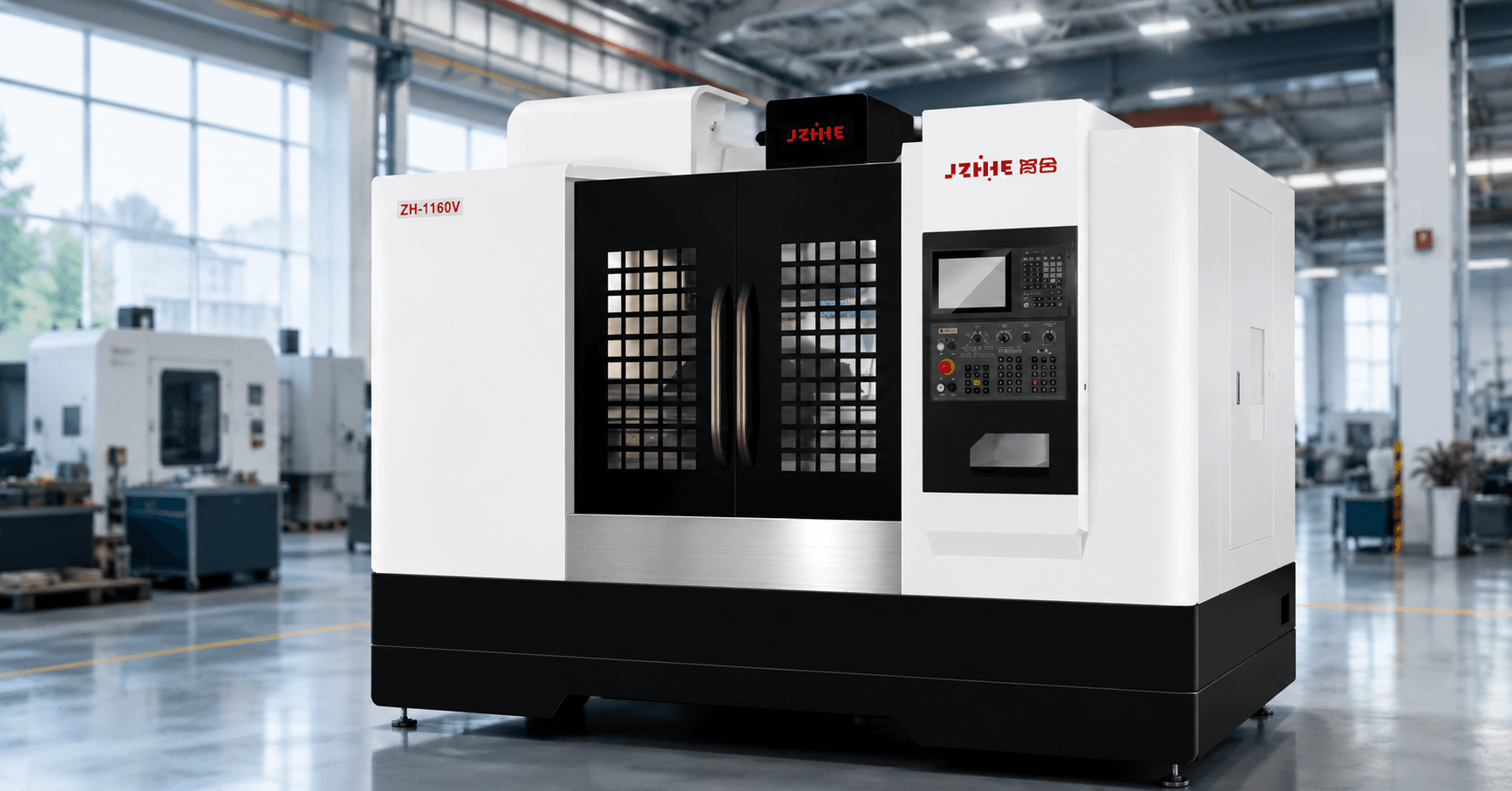
Zhongshan Zhihe CNC Technology Co., Ltd. provides CNC equipment including vertical machining centers, horizontal machining centers, gantry machining centers, drilling and tapping centers, CNC milling machines, and five-axis machining centers.
For buyers, a supplier with multiple machine categories can provide better comparison and application advice because different parts require different machining strategies.
A supplier should help answer questions such as:
- Should we choose drilling and tapping or machining center?
- Is a fourth-axis option necessary?
- What spindle configuration fits the material?
- How can cycle time be reduced?
These discussions are often more valuable than a simple quotation.
Buyer Checklist Before Sending an RFQ
Before requesting a quotation, prepare the following information:
| Information Needed | Why It Matters |
|---|---|
| Part drawing | Allows accurate process evaluation |
| Material type | Determines tooling and cutting strategy |
| Part dimensions | Confirms machine working range |
| Precision requirements | Helps select suitable configuration |
| Production quantity | Determines automation level |
| Current problems | Helps supplier recommend improvements |
Providing complete information usually results in a more accurate machine recommendation.
FAQ: High-Conversion Questions Buyers Often Ask
1. How do I choose the right drilling and tapping center supplier?
Choose a supplier that understands your application instead of only selling standard machines. A good supplier should discuss your drawings, materials, production volume, tooling, and expected results before recommending a model.
2. What parts are suitable for a drilling and tapping center?
Drilling and tapping centers are commonly used for aluminum components, automotive parts, precision hardware, brackets, fixtures, electronic housings, and other batch-produced metal parts requiring repeated hole machining.
3. Should I choose a drilling and tapping center or a vertical machining center?
It depends on the process.
Choose a drilling and tapping center when your main workload involves:
- High-volume drilling
- Thread machining
- Repetitive hole patterns
- Light milling operations
Choose a vertical machining center when you need:
- More complex milling
- Larger tool flexibility
- More diverse part processing
4. Can the supplier help with trial machining before purchase?
A professional supplier should be able to discuss trial cutting or process verification before final purchase. This helps confirm whether the machine configuration matches the actual production requirement.
5. What information should I prepare before contacting a supplier?
Prepare:
- Part drawings
- Material information
- Dimensions
- Accuracy requirements
- Expected output
- Preferred machining process
The more details provided, the more accurate the recommendation will be.
Final Advice for Buyers
Choosing a Drilling and Tapping Center Supplier is ultimately about reducing production risk.
The best supplier is not necessarily the one offering the lowest quotation. It is the supplier that understands your parts, recommends the right configuration, supports installation, and helps your factory achieve stable production after delivery.
Before making a decision, start with your workpiece—not the machine brochure.
A successful CNC investment begins with the right match between the machine, the process, and the production goal.