What a drilling and tapping center is really for
A drilling and tapping center is not just another CNC machine in the corner of a shop. For many buyers, it is the machine that decides whether holes are accurate, threads are consistent, and parts move through production without constant handwork. In short, a drilling and tapping center is built for fast, repeatable hole-making and thread processing, with enough milling capability to cover the kind of secondary features that show up on real parts. If you are comparing options for a job shop, fixture build, or small-to-medium batch production, that distinction matters.
The reason people search for a drilling tapping machining center is usually practical. They need stable cycle times, better repeatability than manual drilling, and less downtime caused by re-clamping or chasing thread errors. In production work, those small inefficiencies become expensive quickly.
Why buyers choose this machine category
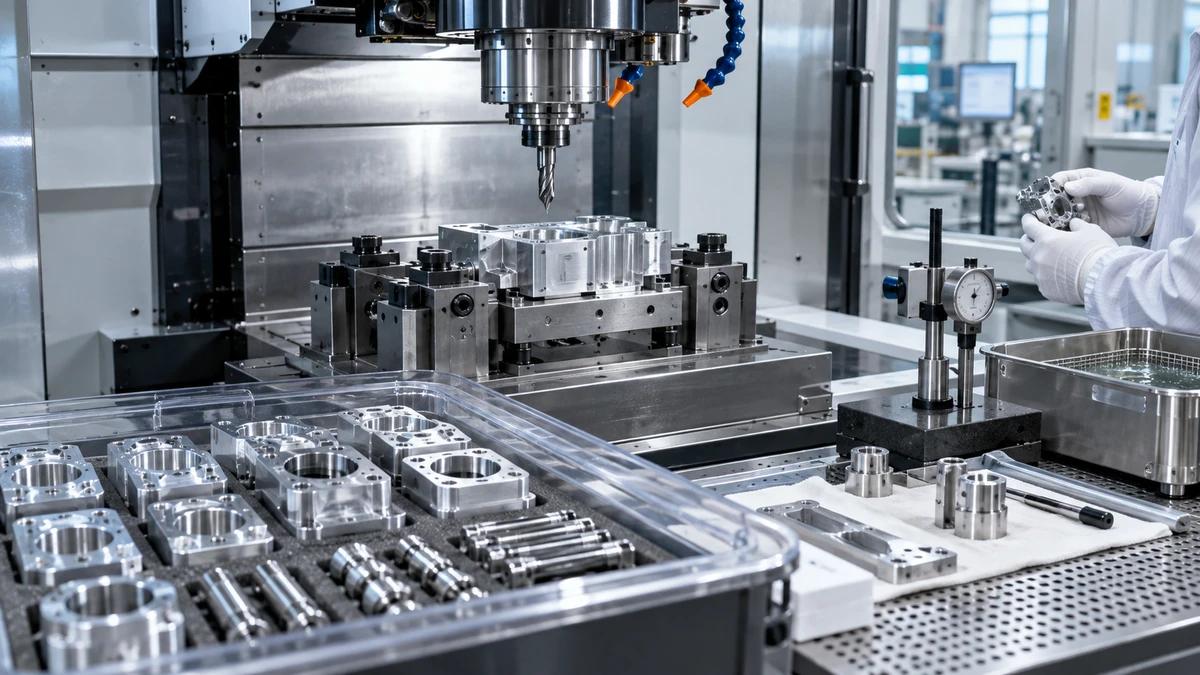
A CNC drilling and tapping center is often selected when the part mix includes aluminum, precision metal components, fixture plates, or parts with many tapped holes. It can be a good fit for 3C electronics, automotive parts, precision hardware, communication equipment, molds, and similar manufacturing lines.
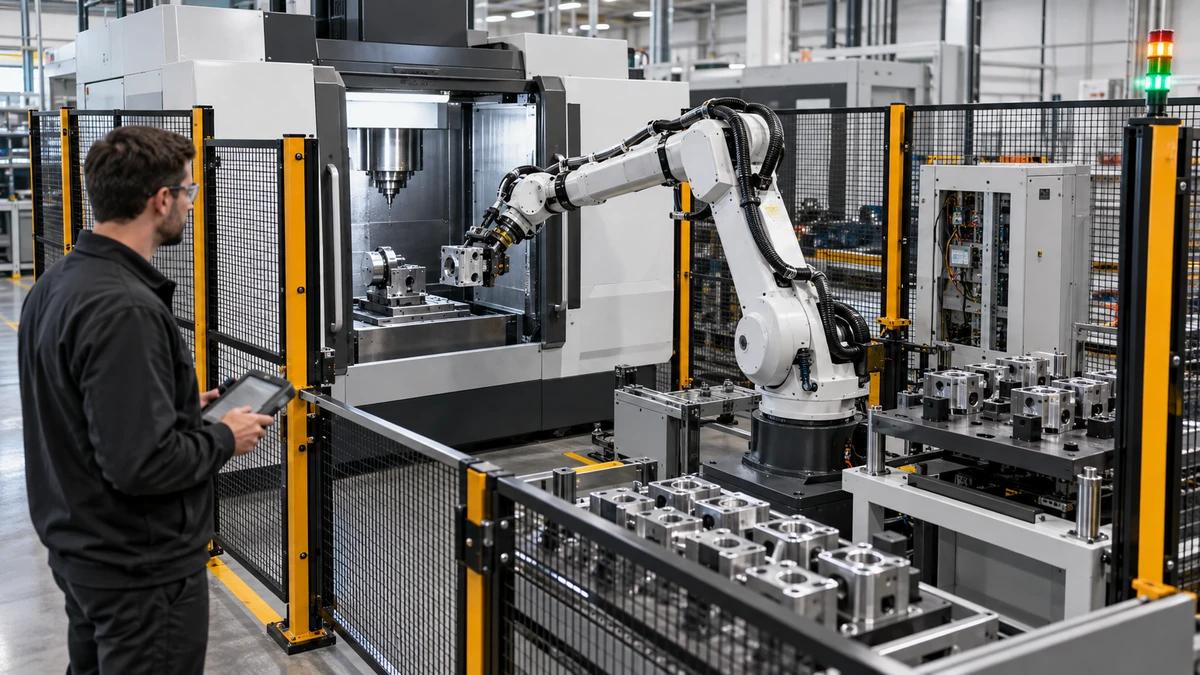
Zhongshan Zhihe CNC Technology Co., Ltd. positions its machine range around this kind of work. The company says its products include vertical machining centers, horizontal machining centers, gantry machining centers, drilling and tapping centers, CNC milling machines, and five-axis machining centers. It also notes that its machines are intended for drilling, tapping, milling, multi-face machining, mold work, and batch production. That is the right operating territory for this machine class.
What the visible machine tells a buyer
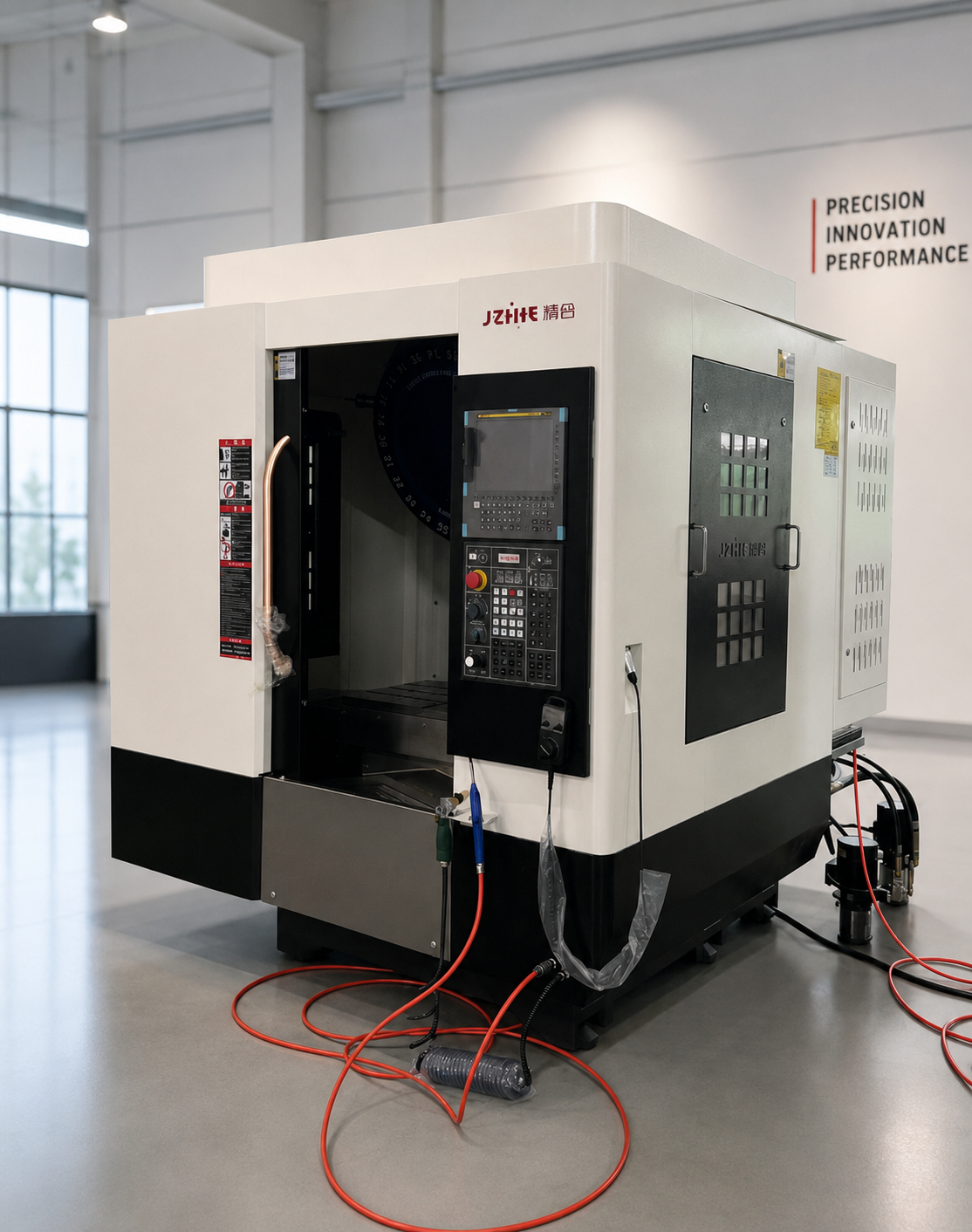
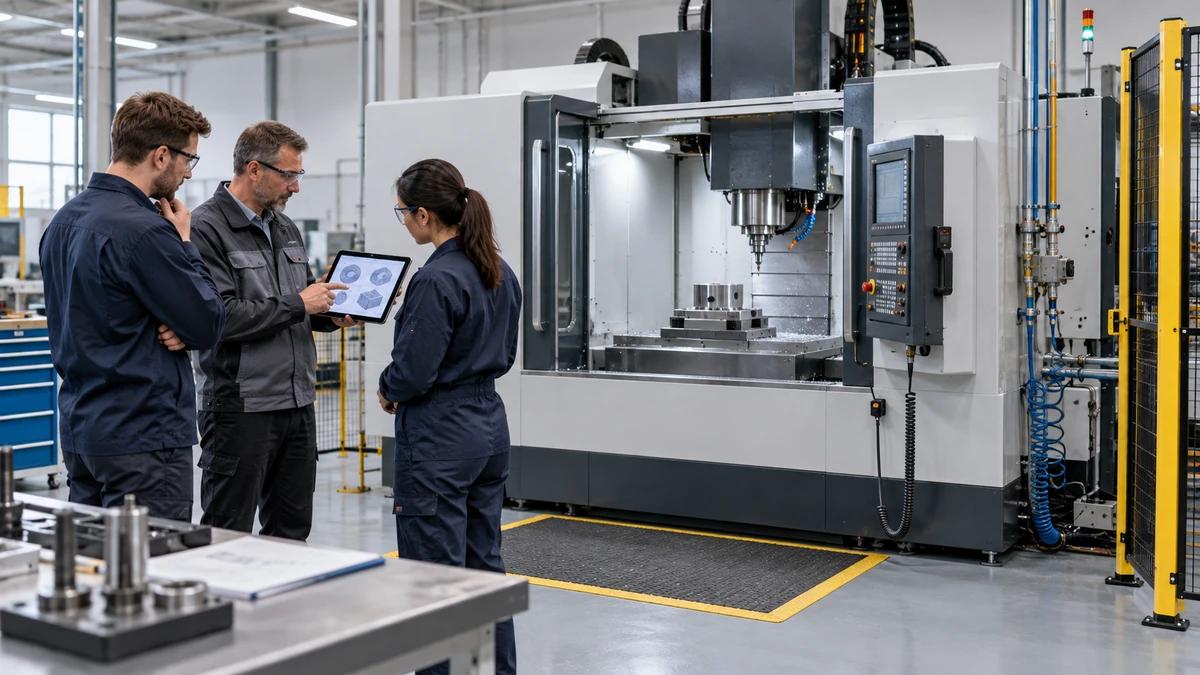
The machine shown is a fully enclosed cabinet-style CNC unit with a white painted exterior, black lower sections, a front access opening, and an integrated CNC control console on the front-right. The enclosure is not just cosmetic. It helps contain chips and coolant, which is a basic but important requirement for production floors that care about cleanliness and operator safety.
You can also see a screen, keypad, emergency stop button, door handles, and utility hookups at the base. Those details suggest a machine built for factory-floor use rather than light bench work. The visible model marking appears to be ZH-600T-4, although the exact configuration cannot be confirmed from the photo alone. That caution matters; buyers should not assume spindle power, axis count, travel, or controller brand from a picture.
How to decide whether this is the right fit
When evaluating a drilling and tapping center, start with the part, not the brochure. A machine can look well equipped and still be a poor fit if the workpiece size, hole pattern, or precision target does not line up.
Ask these questions first
Is the work mostly drilling and tapping, or does it require broader milling capability?
How many holes per part, and how often is the program repeated?
Does the part need reliable thread quality across long batches?
Will the machine run mostly aluminum, steel, or mixed materials?
Do you need fixture support or trial cutting before launch?
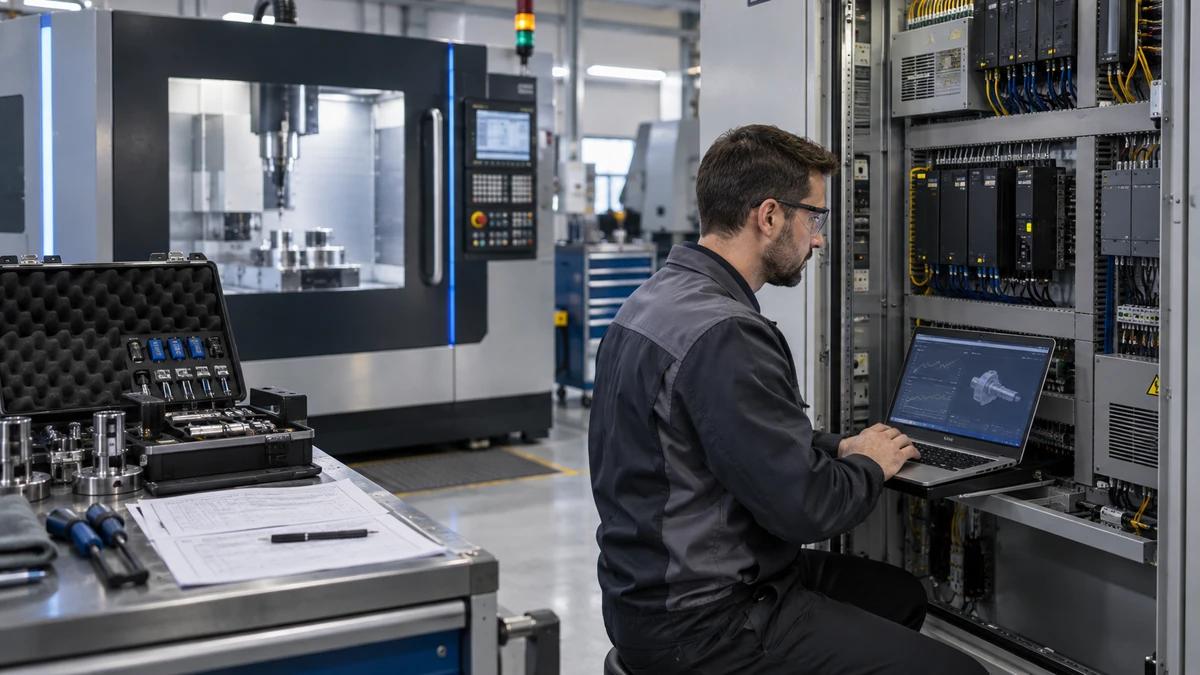
Zhihe says it can help with model recommendation, control system selection, fixture support, trial cutting, and after-sales service. For a buyer, that sort of support can be more useful than a long list of unverified machine claims.
Common mistakes when sourcing this kind of machine
One frequent mistake is overbuying. A general-purpose machining center may do the job, but if the shop’s core work is hole-making and tapping, a more focused machine can be the better production decision.
Another mistake is ignoring support details. Packaging, transport, installation guidance, and operator training sound mundane until the machine arrives and the team needs to put it into service. Zhihe says it supports domestic and overseas shipping, with packaging photos, shipping documents, and delivery support for overseas customers. That is the sort of practical detail procurement teams should ask about early.
A final caution: do not treat “precision” as a generic promise. Ask how the machine will be matched to the workpiece, material, and output target. If those three things are not aligned, even a solid machine will disappoint.
FAQ: drilling and tapping center buyer questions
Is a drilling and tapping center only for holes?
No. It is centered on drilling and tapping, but it usually handles light milling and related operations as well.
What industries use it most?
Common users include automotive parts, 3C electronics, aluminum parts, precision hardware, mold-related work, and equipment manufacturing.
Should I choose based on machine name alone?
No. A label like ZH-600T-4 is not enough. Confirm travels, spindle details, controller, tooling compatibility, and the actual part requirements.
What information should I send for a proper recommendation?
Provide the part drawing, material, dimensions, accuracy requirements, desired machine type, and expected output. That is the fastest way to get a meaningful machine suggestion.
Next step for buyers
If your operation depends on repeatable drilling, accurate tapping, and efficient batch machining, start with the workpiece and work backward. Share your drawings, material, precision target, and production volume, then compare machine options on suitability rather than marketing language. For buyers evaluating enclosed CNC equipment, that is usually where the real savings begin.