Drilling and tapping center: what buyers are really trying to solve
When a shop starts looking for a drilling and tapping center, the usual trigger is not a fancy feature list. It is production pressure. Parts are moving, hole patterns are repeating, and operators need a machine that can drill, tap, and often do light milling without turning every job into a setup exercise. In that sense, a drilling tapping machining center is less about machine-tool romance and more about throughput, consistency, and keeping chip flow under control.
For engineers and sourcing teams, the decision usually comes down to this: do you need a general machining platform, or a CNC drilling and tapping center that is built around speed, repeatability, and compact part production? The answer matters because the wrong choice can create small inefficiencies that become expensive very quickly. One slow cycle, one awkward fixture, or one machine that is more complex than the parts require, and your “good enough” purchase starts looking costly.
What this type of machine is suited for
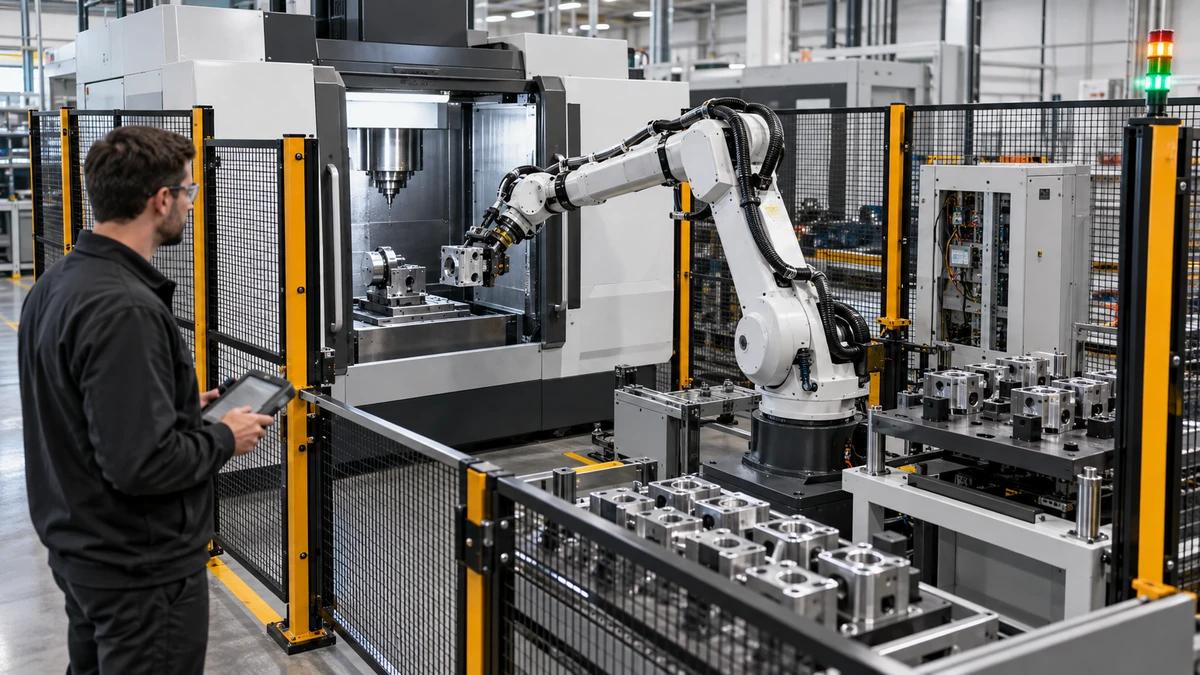
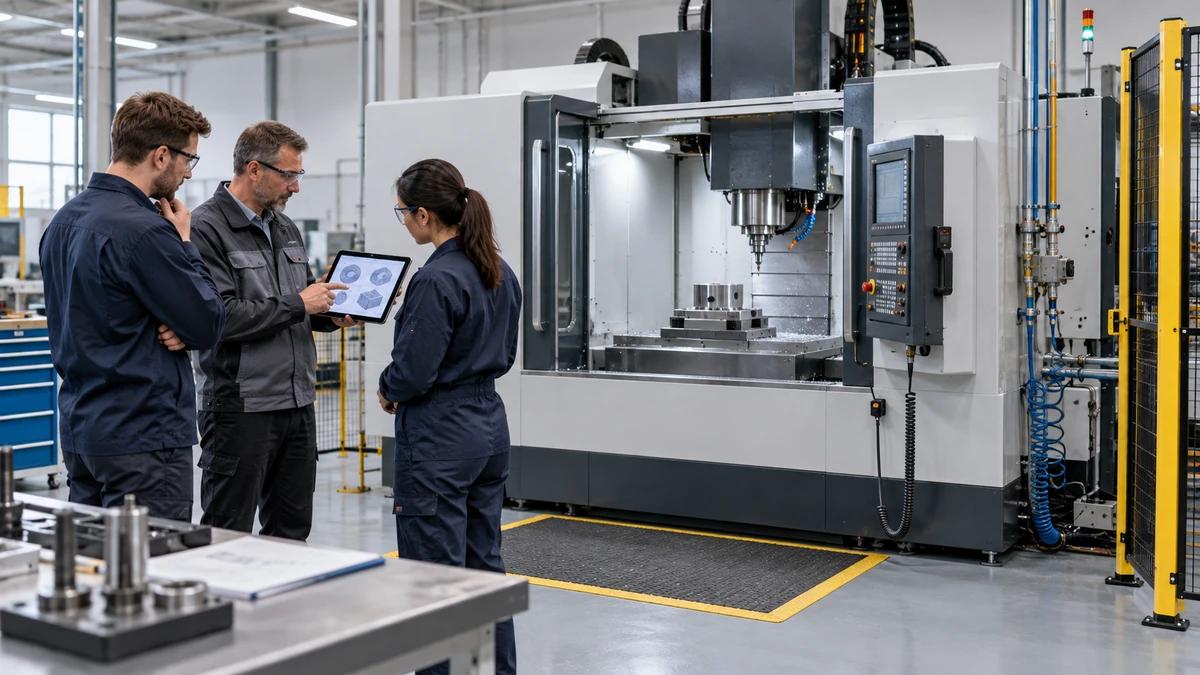
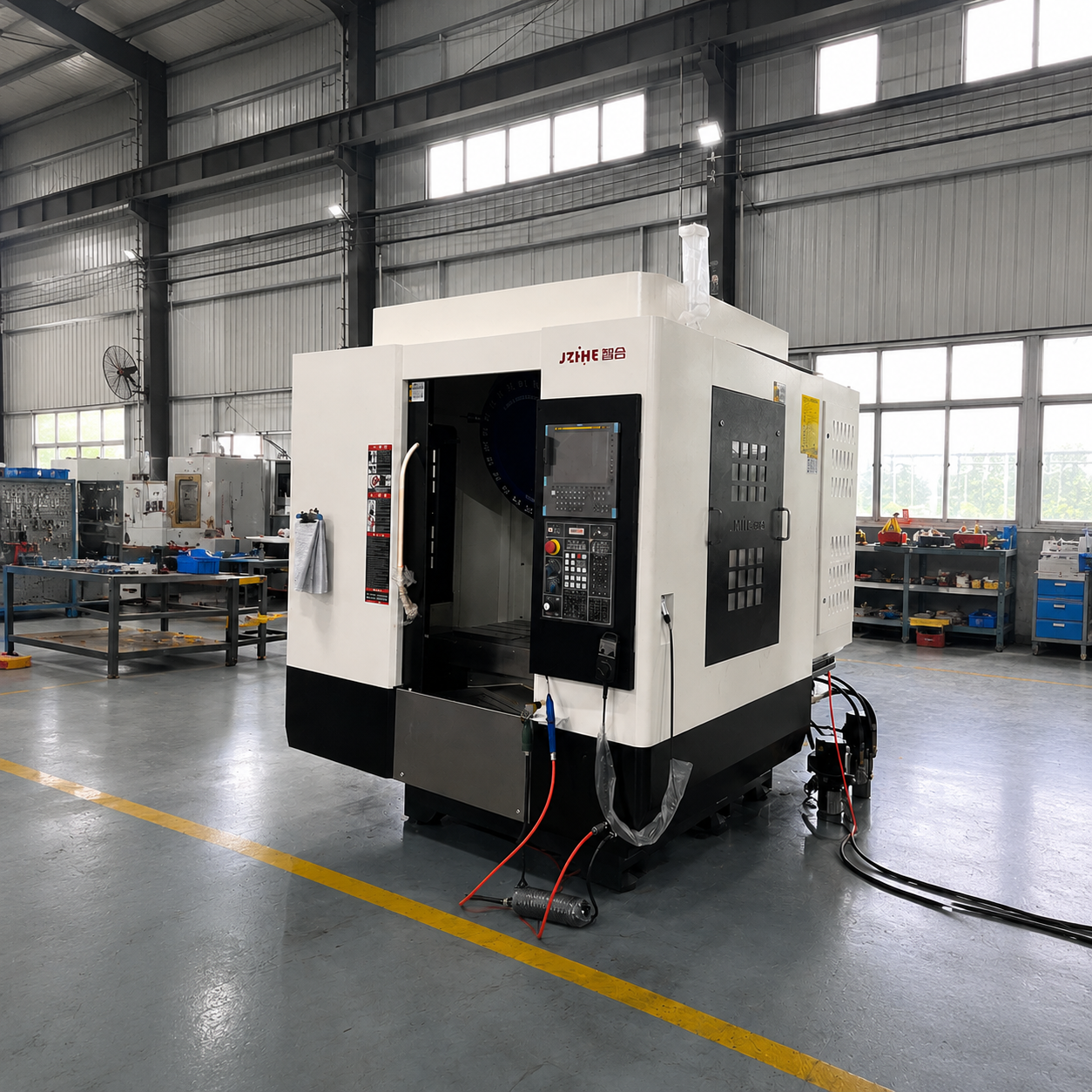
The enclosed CNC machining center shown in the available product information appears to fit the general category of a precision subtractive machine used for metalworking. Its box-type enclosure, front access door, control panel, and internal work area point to a floor-standing machine designed for controlled cutting, chip containment, and repeatable part production. Exact spindle power, axis count, tool capacity, and travel are not confirmed, so it is better to describe it as a CNC machining platform suitable for drilling, tapping, and milling rather than overstate the spec sheet.
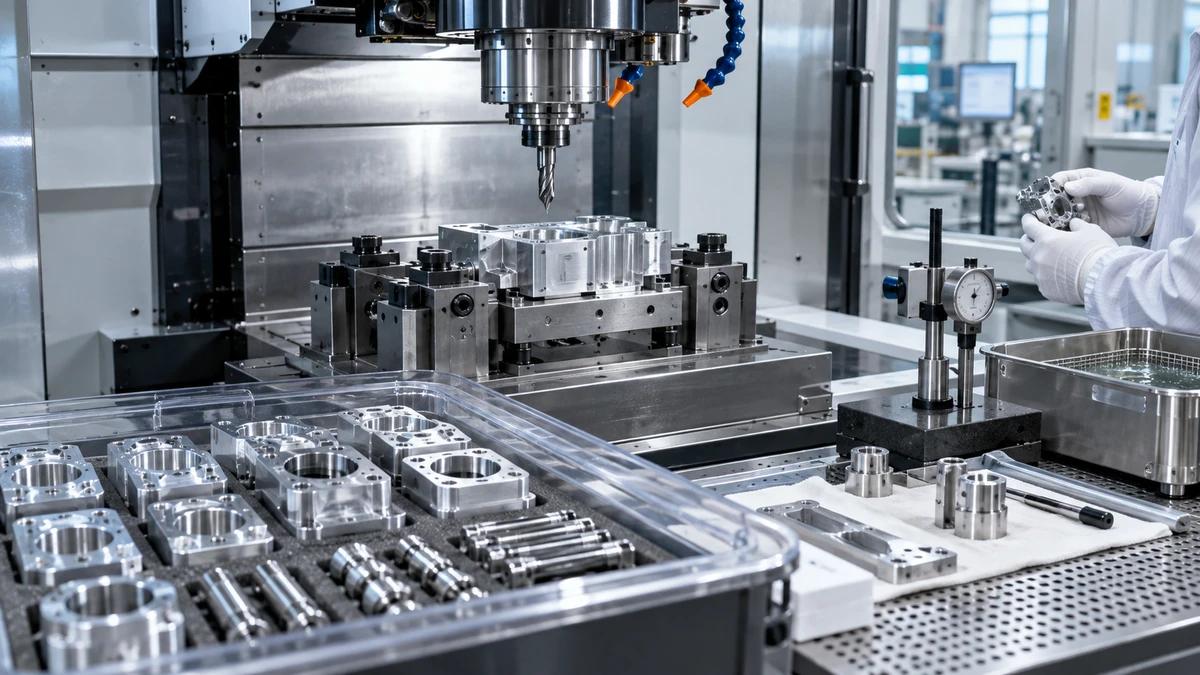
In practical terms, machines in this class are commonly used for housings, brackets, molds, dies, precision metal parts, and job-shop production runs. They are also a sensible fit where the work involves multiple holes, thread features, and moderate milling on the same part. The enclosure helps with coolant splash and chips, which sounds mundane until you have to clean a machine floor after a long shift.
Quick buyer takeaways
Before comparing models, buyers usually want a simple filter:
1. If the parts are hole-heavy and cycle time matters, a dedicated drilling and tapping center is worth serious consideration.
2. If the work mixes drilling, tapping, face milling, and small pocketing, a rigid CNC machine with the right control and fixturing may be the better fit.
3. If your team is still switching between too many setups, look closely at workholding, tool change workflow, and part access before anything else.
That last point is often overlooked. A machine can look right on paper and still disappoint if the operator cannot load parts comfortably or if the enclosure makes chip clearing awkward. Small ergonomic problems tend to show up as lost minutes, then lost hours.
Selection criteria that actually matter
Part geometry and production mix
Start with the parts, not the machine catalog. Are you making aluminum electronic housings, steel fixtures, or mixed-job production parts? Zhongshan Zhihe CNC Technology Co., Ltd. notes that its machines are used across automotive parts, 3C electronics, aluminum processing, precision hardware, communications equipment, mold work, home appliances, and lithium battery equipment. That breadth suggests a practical, production-oriented approach, but the right machine still depends on your own geometry, material, and output targets.
Accuracy needs and process stability
For drilling and tapping, stability matters as much as speed. Buyers often focus on spindle speed and forget rigidity, control responsiveness, and how consistently the machine behaves over a shift. Zhihe CNC describes its products as practical, stable, structurally reliable, and configurable to match precision requirements. Those are sensible priorities, especially when your parts need repeatability rather than one-off showcase performance.
Control, fixturing, and support
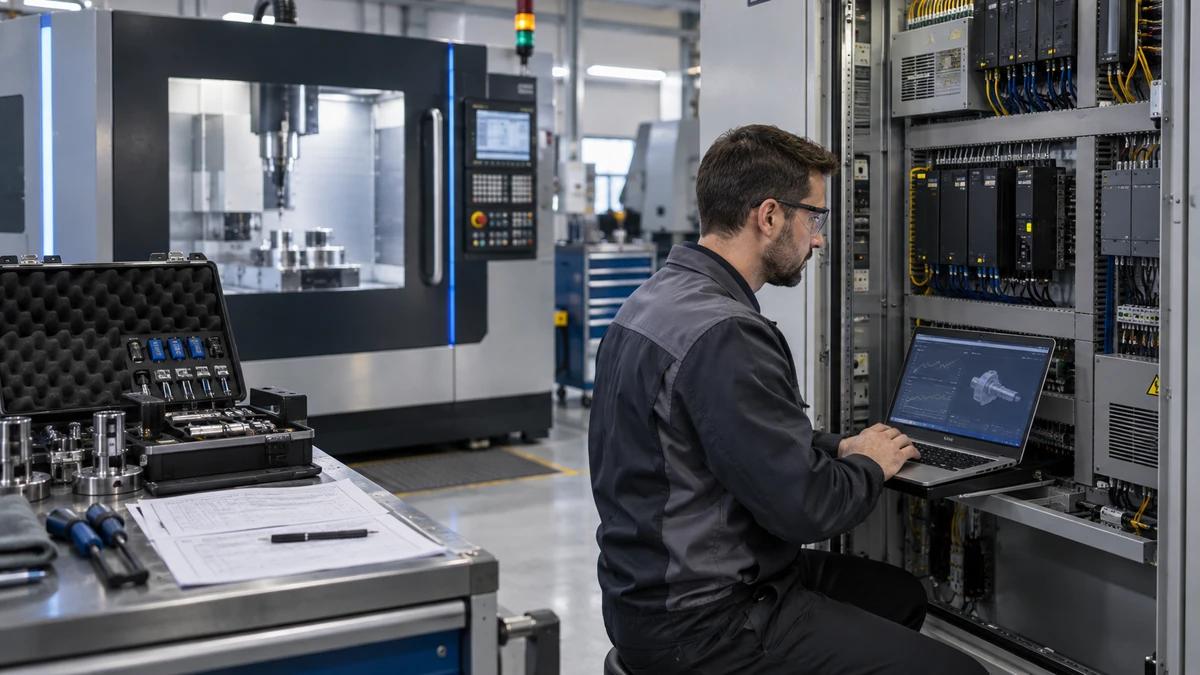
A machine is only as useful as the process around it. Ask whether the supplier can help with machine selection, controller choice, fixture support, trial cutting, and operator training. According to the company information provided, Zhihe CNC supports the full flow from selection and delivery to after-sales service, plus packaging and transport coordination for domestic and overseas customers. For many buyers, that is not a nice extra; it is the difference between a clean start and a prolonged commissioning mess.
Common mistakes when sourcing a drilling and tapping center
The first mistake is buying for the maximum theoretical part list instead of the actual recurring workload. The second is assuming all enclosed CNC machines are interchangeable. They are not. A machine optimized for general milling may not be the best answer for fast hole-making and thread cycles. The third is ignoring support details such as packing, installation guidance, spare parts, and training, especially for overseas shipments.
Another common error is asking for performance claims that the seller has not documented. In this case, the image and supplied data do not confirm exact axis count, spindle speed, or table size, so those details should be verified directly before purchase. That sounds obvious, but it is where many sourcing projects drift into trouble.
FAQ
Is a drilling and tapping center only for small parts?
Not necessarily. It is often used for smaller or medium-size parts because those jobs benefit from speed and repeatability, but the real limit depends on the machine configuration, work envelope, and fixture strategy.
How is this different from a general machining center?
A drilling tapping machining center is typically selected when hole-making and thread cutting are central to the job mix. A general machining center may offer broader capability, while a dedicated setup can improve cycle efficiency for repetitive drilling and tapping work.
What should I ask a supplier before buying?
Request part drawings, material details, precision requirements, and target output. Then ask for a recommended model, controller option, fixturing guidance, and a realistic discussion of installation and training. Zhihe CNC specifically asks buyers to provide drawings, dimensions, material, accuracy, model needs, and capacity information so the company can recommend a suitable CNC machine.
Next step
If you are comparing enclosed CNC machine tools for drilling, tapping, and milling work, the most useful next move is to match the machine to your actual parts, not to a broad category name. Share your drawings, material, size, and output target with the supplier, then test the recommendation against your setup constraints. That is the quickest way to separate a workable production solution from a machine that only looks right in a brochure.
For sourcing support, Zhongshan Zhihe CNC Technology Co., Ltd. provides machine recommendations, installation guidance, operator training, and after-sales support, with contact options available through Liu Xiaobang at zhcnclathe@gmail.com or WhatsApp/WeChat +86 13620089178.