What Buyers Really Need from a Drilling Machining Center Supplier
When engineers and sourcing teams search for a Drilling Machining Center Supplier, they are usually not chasing a brochure feature. They are trying to solve a production problem: how to make holes, threads, and light milling features repeatably, without turning every batch into a setup project.
In that sense, the supplier decision is less about machine hype and more about whether the machine fits the part, the material, the tolerance target, and the daily rhythm of the shop. A drilling machining center may look compact and straightforward from the outside, but its real value appears only when it can hold stable performance through repeated cycles.
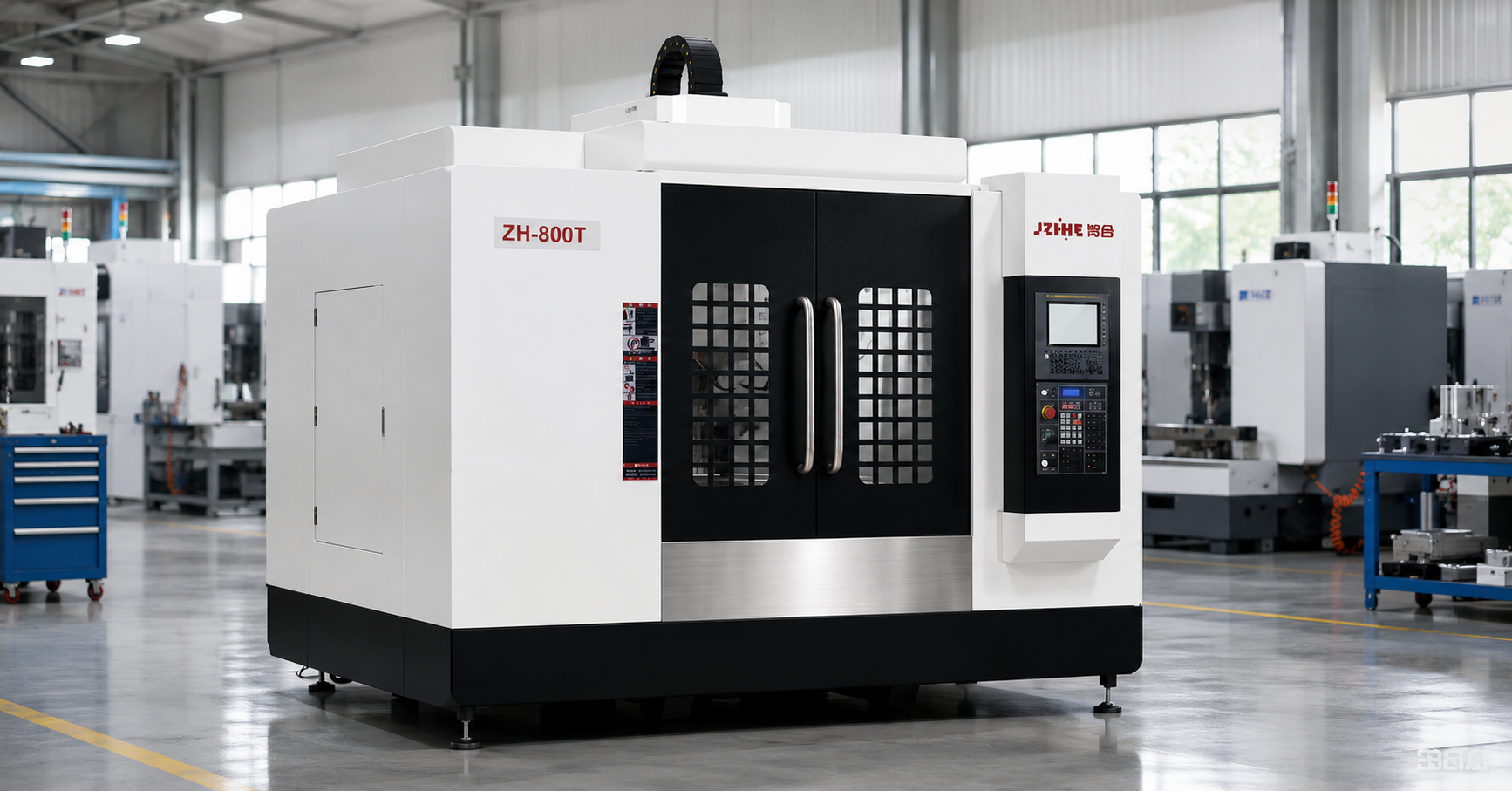
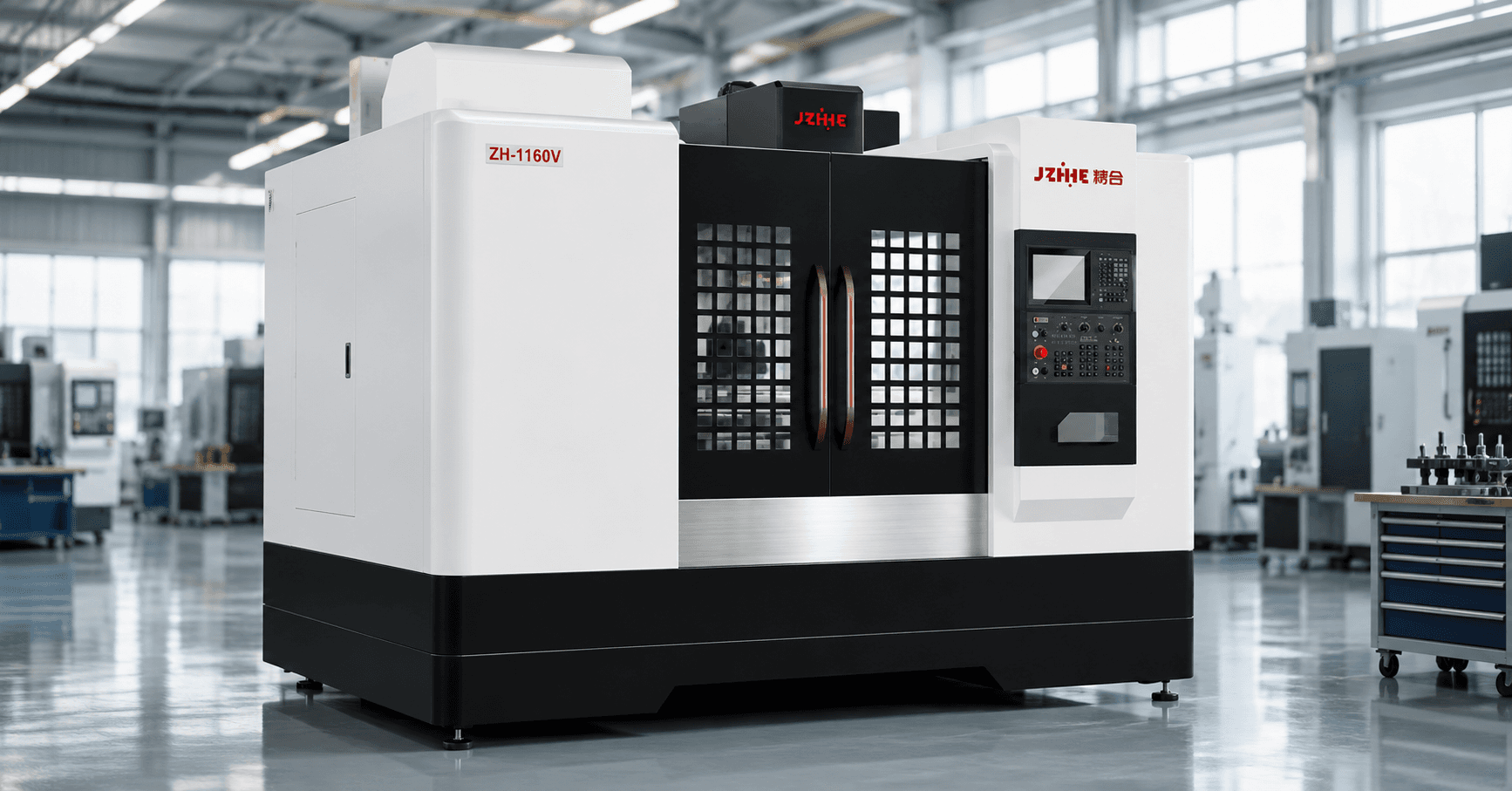
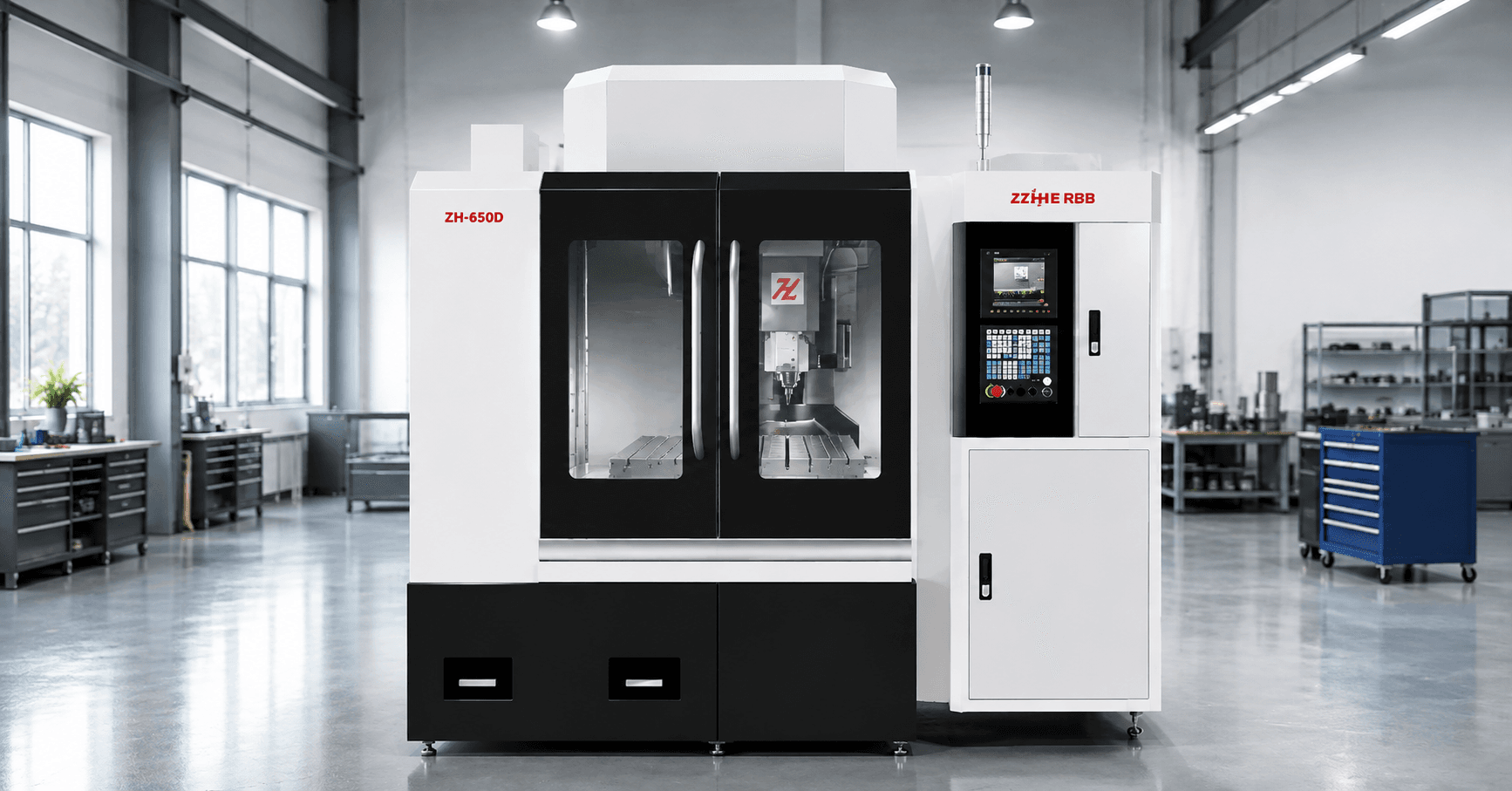
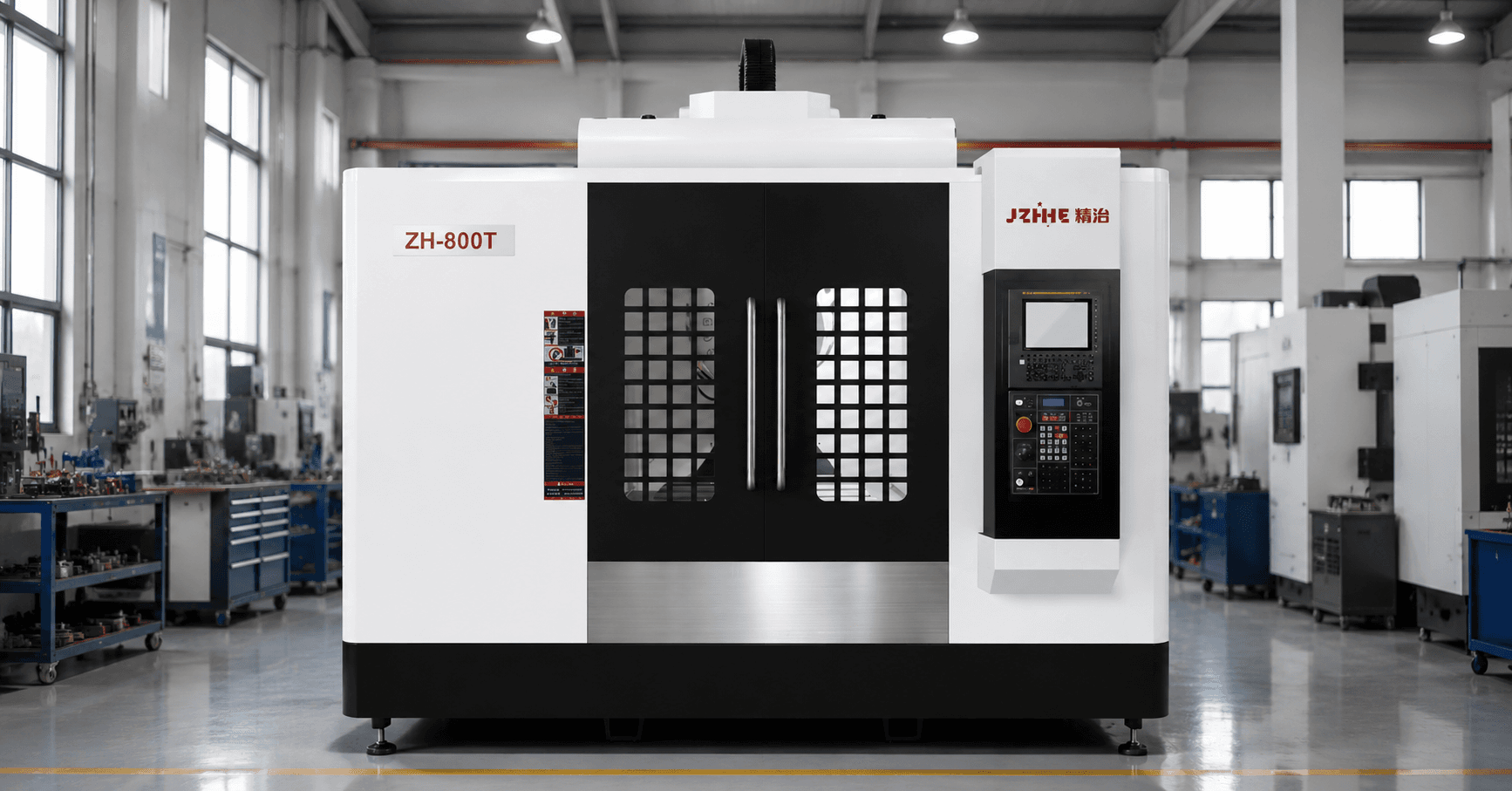
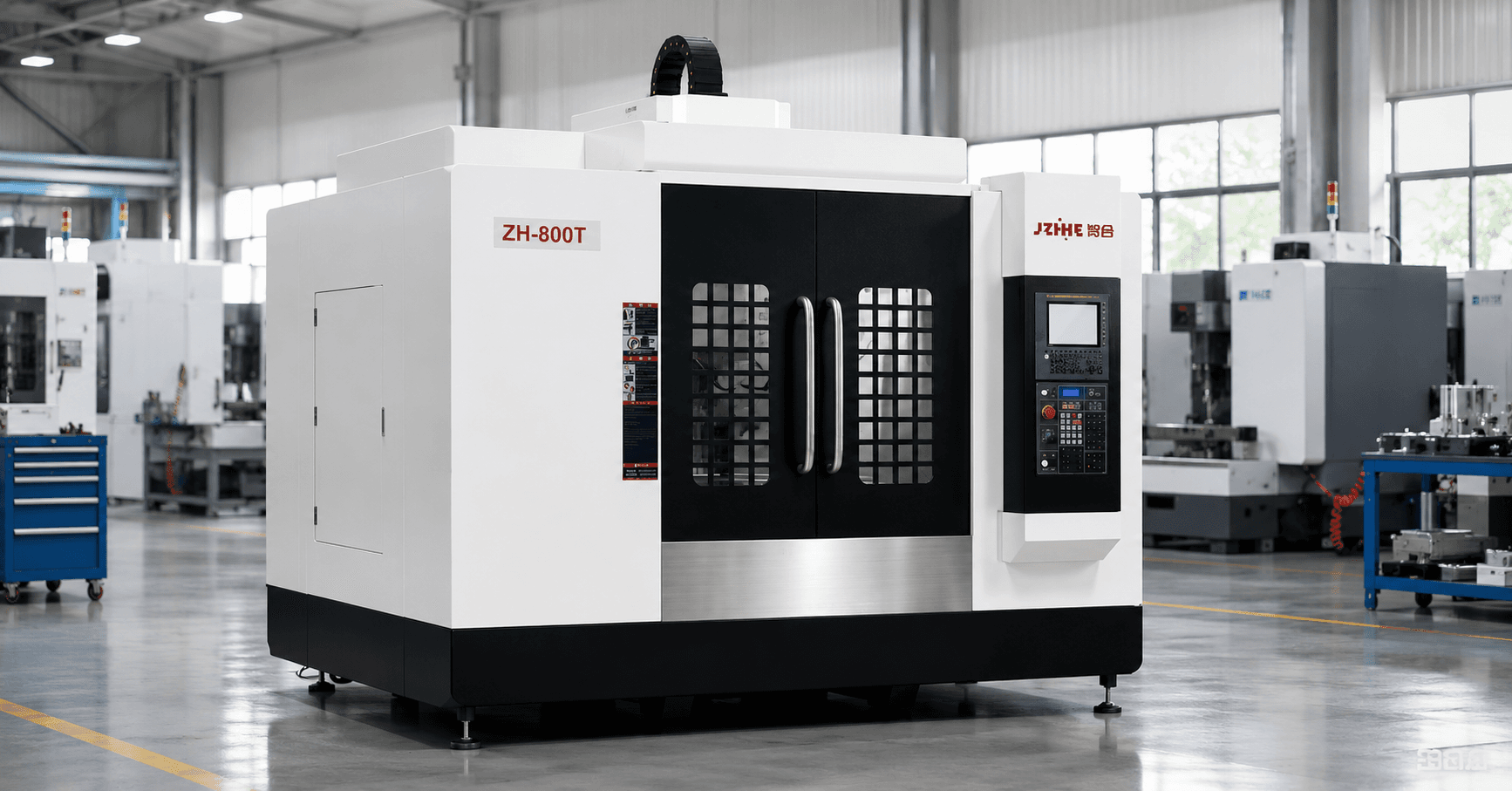
The linked Zhihe CNC product page presents the machine as a High-Speed Drilling Machining Center for Precision Batch Production, designed for efficiency, precision, and operational reliability in batch production environments that require stable performance and tight dimensional tolerances.
Why This Machine Category Matters in Production
A vertical drilling center or drilling and tapping center sits in a practical middle ground. It is not always the right answer for heavy rough milling, deep cavity machining, or very large workpieces. But for repeated drilling, tapping, and light machining on suitable parts, it can shorten the process flow and reduce unnecessary handling between machines.
That matters because every extra clamping step, transfer, and setup check adds variation. In small and medium batch production, variation can become more expensive than tool wear. A high precision drilling center helps control that risk when the parts are designed for repeatable hole-making, thread tapping, and light finishing rather than aggressive material removal.
The product page describes this machine as suitable for modern manufacturing industries, including automotive components, precision molds, general machinery, automation equipment, 3C electronics, robotics, and new energy industries.
What the Product Page Highlights
| Product Focus | Product Page Information | Why It Matters to Buyers |
|---|---|---|
| Machine structure | High-rigidity cross-slide table configuration | Helps support stable machining during repeated production |
| Column design | Wide-span “A”-shaped column structure | Improves bending and torsional rigidity |
| Cutting stability | Designed to minimize vibration and deformation | Helps protect accuracy and surface quality |
| Spindle system | Medium-to-high speed mechanical spindle | Supports rough machining and high-precision finishing |
| Tool changing | High-speed servo-driven automatic tool changer | Reduces non-cutting auxiliary time |
| Production goal | High-efficiency manufacturing with stable performance | Fits batch production with tight dimensional requirements |
| Application industries | Automotive, molds, machinery, automation, 3C, robotics, new energy | Matches common B2B production sectors |
These details are more useful than general claims such as “stable” or “efficient.” They tell buyers where to focus the technical discussion: structure, vibration control, spindle response, tool-changing efficiency, and batch-production reliability.
Why Structure Should Come Before Speed
Many buyers ask about speed first. That is understandable. A drilling machining center is often purchased because the current process is too slow. But speed only helps when the machine structure can support it.
The Zhihe CNC page states that this drilling machining center adopts a high-rigidity cross-slide table configuration combined with a wide-span A-shaped column structure. This layout is described as improving bending and torsional rigidity while reducing vibration and deformation during high-speed cutting.
For buyers, this matters because drilling and tapping problems are not always caused by the spindle alone. Poor rigidity can affect hole location, thread quality, surface finish, and tool life. If the machine vibrates during repeated cycles, the shop may see inconsistent holes, burrs, chatter marks, or more frequent tool replacement.
A responsible CNC Drilling Machine Supplier should therefore explain how the machine structure matches the buyer’s material, hole pattern, fixture layout, and tolerance requirements.
Why the Spindle and Tool Changer Affect Real Output
A drilling machining center is usually judged by accepted parts per shift, not by a single specification. The spindle needs to respond quickly, but the surrounding process also matters: tool changes, rapid movements, coolant, chip evacuation, fixture repeatability, and operator workflow.
The product page describes the machine as using a medium-to-high speed mechanical spindle with torque output and fast dynamic response. It also states that the spindle supports a range of machining operations from rough machining to high-precision finishing.
Tool changing is another key point. The page highlights a high-speed servo-driven automatic tool changer, designed for fast tool changing and repeat positioning accuracy. Together with rapid spindle start-stop control, this system is intended to reduce non-cutting auxiliary time and improve machining cycle efficiency in mass production.
That is where many shops quietly lose time. The cutting itself may be short, but if every cycle includes slow tool changes, extra checking, poor clamping, or repeated chip clearing, the machine’s theoretical speed will not turn into real output.
What to Look for Before Choosing a Supplier
The phrase Drilling Machining Center Supplier can cover a wide range of capability. Some suppliers mainly sell machines. Better suppliers help match the machine to the part and process.
Before choosing a supplier, buyers should ask whether the supplier can discuss:
- Part drawings and actual machining requirements
- Material type and chip behavior
- Hole size, hole depth, and thread requirements
- Batch size and expected takt time
- Fixture support and clamping method
- Spindle selection and tool strategy
- Trial cutting or process validation
- Installation guidance and operator training
- After-sales service and spare parts support
If the supplier conversation stays vague, that is a warning sign. A machine may be technically suitable, but if the part geometry, material, or tolerance target is unusual, the real issue is often process matching rather than machine size.
What the Visible Machine Design Tells Buyers
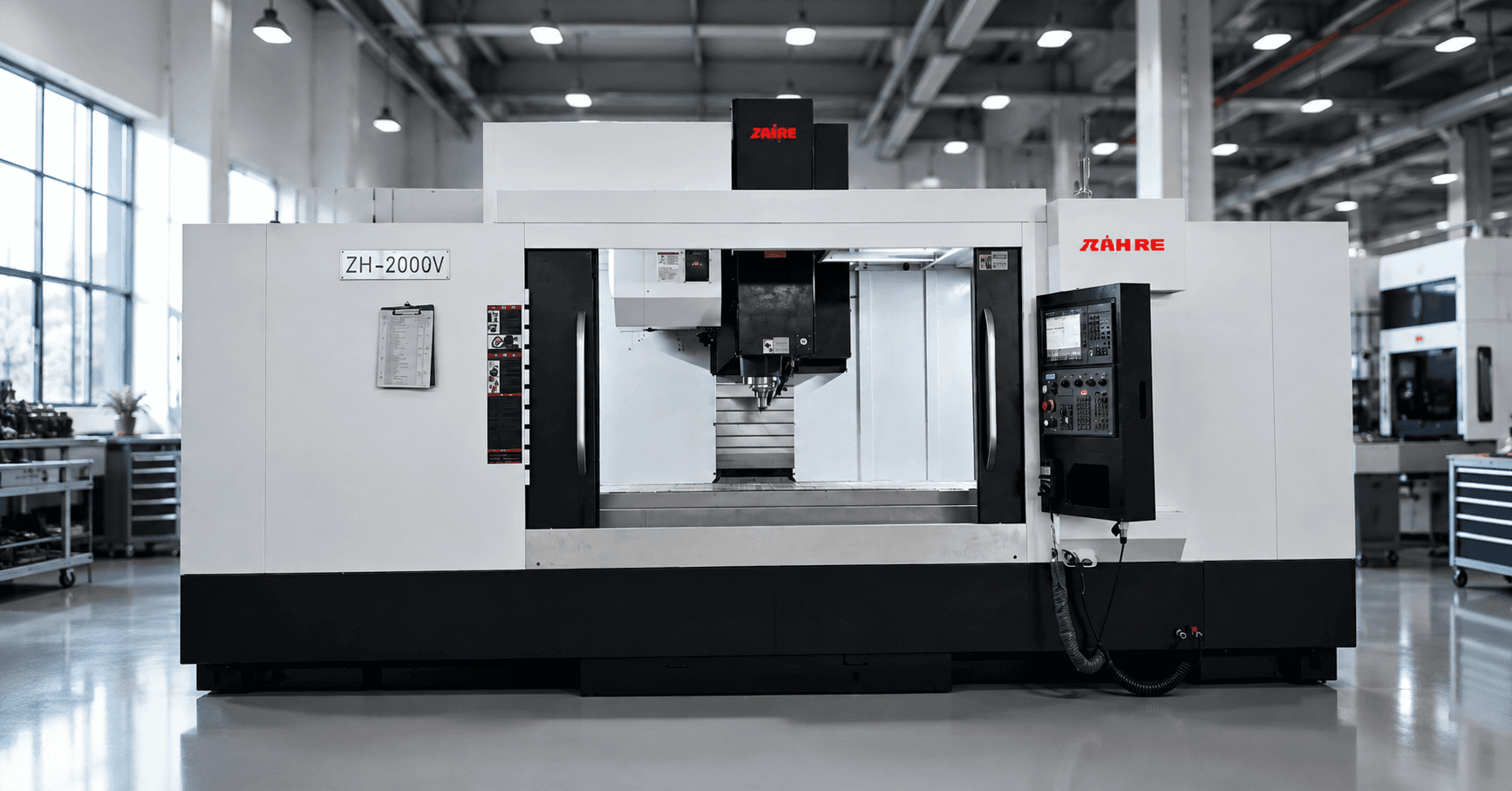
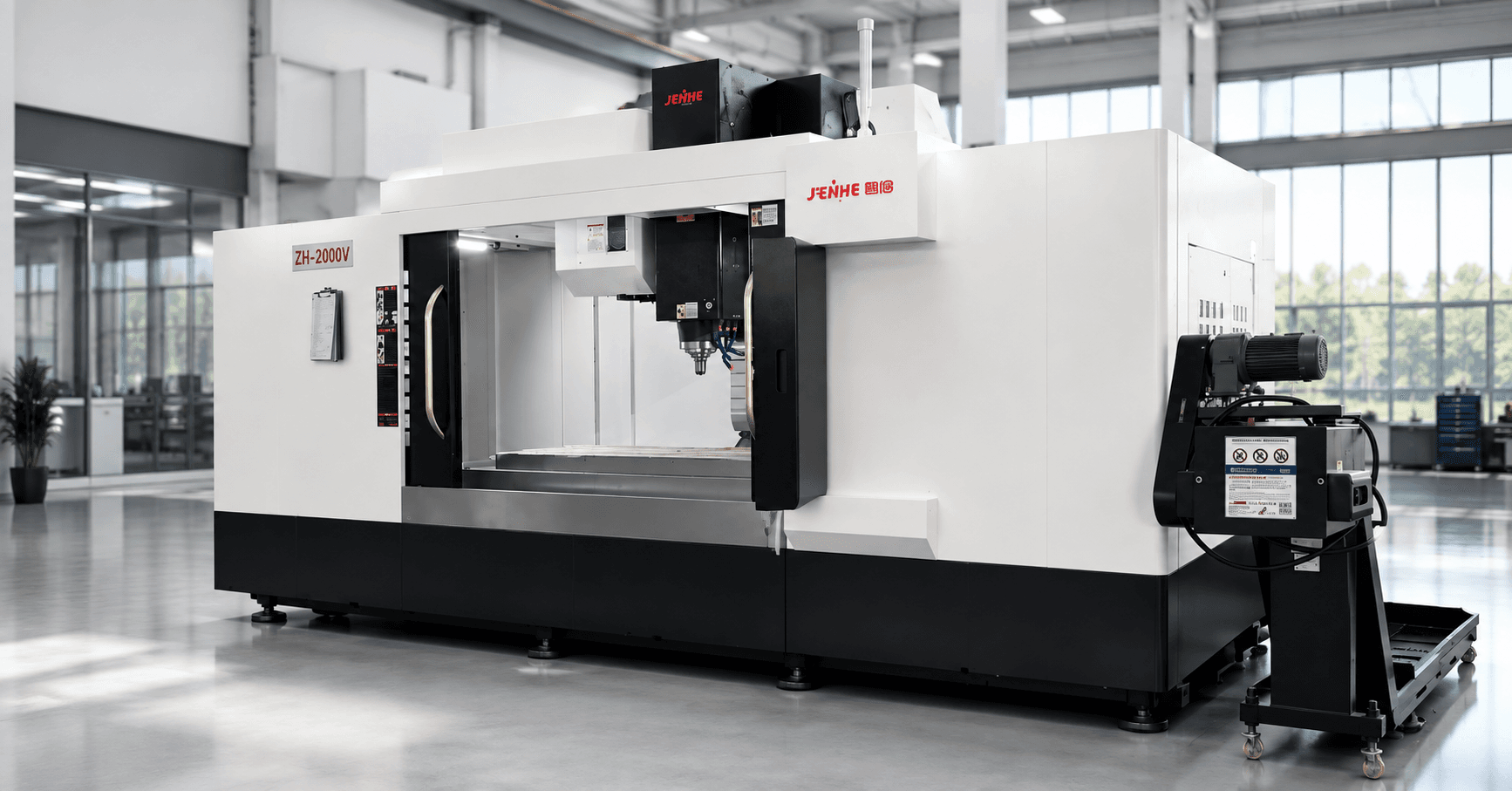
The product is presented as a CNC drilling machining center for precision batch production. The product-page positioning emphasizes high-speed drilling capability, stable performance, reliability, and flexible production use. The main page also places the machine in the context of CNC machine tool R&D, manufacturing, customization, and technical service by Zhongshan Zhihe CNC Technology Co., Ltd.
For buyers, this means the machine should not be viewed only as a standalone drilling unit. It should be evaluated as part of a production system. The machine structure, spindle system, tool changer, fixture strategy, operator training, and support plan all need to work together.
A neat enclosure and professional product image can make a good first impression, but they do not replace application review. Buyers should still request full technical specifications, including work envelope, table size, axis travel, spindle specification, controller system, tool magazine details, coolant system, chip removal method, accuracy verification, and optional configurations.
How to Compare Suppliers Without Getting Lost in Spec Sheets
Start with the workpiece, not the machine catalogue.
A good supplier should ask for drawings, material, dimensions, precision requirements, surface finish expectations, and expected output before recommending a model. If the supplier does not ask, the recommendation may be too generic.
Then compare these areas:
| Comparison Area | What Buyers Should Ask |
| Processing range | Is the machine intended mainly for drilling, tapping, and light milling? |
| Structure | How does the machine control vibration during high-speed cutting? |
| Spindle system | Is the spindle suitable for the material and hole-making workload? |
| Tool changing | Can the ATC reduce non-cutting time for multi-tool parts? |
| Fixture support | Can the supplier help review clamping and setup risks? |
| Batch stability | How is repeat production performance verified? |
| Service | What support is available after delivery and installation? |
| Customization | Can the supplier adapt the configuration to the buyer’s application? |
The product page identifies Zhongshan Zhihe CNC Technology Co., Ltd. as a national high-tech enterprise specializing in CNC machine tool R&D, manufacturing, customization, and technical service for global industrial customers. For sourcing teams, that supplier background is relevant when the project requires more than a standard machine quotation.
Common Mistakes Buyers Still Make
The first mistake is buying for today’s part only. Production changes. A machine that works for one sample job but cannot adapt to neighboring parts may quickly become a bottleneck.
The second mistake is overbuying capability. If the workload is mostly repetitive drilling and tapping, a more complex platform may add cost without adding much practical value.
The third mistake is treating “high precision” as a slogan instead of a measurable result. Precision comes from structure, spindle behavior, axis movement, fixture quality, cutting parameters, tool selection, and inspection.
The fourth mistake is ignoring non-cutting time. The linked product page specifically highlights servo-driven automatic tool changing and rapid spindle start-stop control as ways to reduce auxiliary time in mass production. That point matters because many drilling and tapping jobs lose more time between cuts than during the cut itself.
Who This Type of Machine Fits Best
This machine type is usually a good fit for manufacturers that need stable drilling, tapping, and light machining in repeated production.
Good-fit buyers may include:
- Automotive component manufacturers
- 3C electronics part suppliers
- Precision mold shops
- General machinery part producers
- Automation equipment manufacturers
- Robotics component suppliers
- New energy component manufacturers
- Precision hardware factories
- Bracket, housing, plate, and fitting suppliers
The linked product page lists automotive components, precision molds, general machinery, automation equipment, 3C electronics, robotics, and new energy industries as typical application fields.
If the work involves heavy rough milling, unusually large workpieces, or complex multi-face machining, another CNC machine family may be more suitable. A capable supplier should be willing to say that rather than forcing every inquiry into one machine category.
Practical Checks That Save Trouble Later
Ask whether the machine is intended mainly for drilling, tapping, and light milling, or whether it is expected to handle more aggressive cutting. Do not assume spindle speed, axis travel, table size, controller brand, tool magazine capacity, or coolant details unless they are clearly provided in the supplier’s technical sheet.
Also ask how the supplier handles clamping advice, trial verification, and installation guidance. A machine with a good-looking enclosure and control panel still needs to sit correctly on the floor, match the fixture plan, and fit the part flow. Many production delays start with poor groundwork rather than bad hardware.
What to Request from a Supplier Before You Buy
Before asking for a final quotation, send the supplier:
- Workpiece drawing
- Material
- Part dimensions
- Hole size and thread requirements
- Tolerance requirements
- Surface finish expectations
- Daily or monthly output target
- Current cycle time
- Current production problem
- Fixture concept
- Machine type preference
- Delivery destination
- Training and service expectations
This information shifts the discussion from generic specification talk to actual manufacturing fit. It also helps the supplier judge whether a drilling machining center is the right choice or whether another CNC platform would be safer.
FAQ
Is a drilling and tapping center suitable for general metal parts?
Yes, when drilling, tapping, and light machining are the core tasks. It is especially useful for repeatable small-to-medium parts where hole quality and cycle efficiency matter.
Should I ask for a trial cutting check?
Yes. If the part is important, trial verification is one of the most useful steps before purchase. It helps confirm fixture stability, tool path behavior, chip control, and real machining results.
What information should I send for a quotation?
Send drawings, material, part size, precision requirements, hole and thread details, machine type preference, and production volume. That gives the supplier a realistic basis for recommendation.
What industries use this type of machine?
The product page lists automotive components, precision molds, general machinery, automation equipment, 3C electronics, robotics, and new energy industries.
Why does tool changing matter?
Many drilling and tapping parts require several tools in one cycle. A high-speed servo automatic tool changer can reduce non-cutting auxiliary time and improve batch efficiency when the process is properly planned.
Next Step
If you are comparing suppliers and want a recommendation that fits your parts rather than a generic machine pitch, prepare your drawings and production targets first. For buyers working across automotive, electronics, aluminum, hardware, mold, automation, robotics, and new energy parts, that information usually shortens the conversation and improves the result.
The linked Zhihe CNC high-speed drilling machining center is worth evaluating when the buyer needs a rigid CNC platform with a high-rigidity cross-slide table, wide-span A-shaped column, medium-to-high speed mechanical spindle, fast servo automatic tool changer, and a production focus on stable precision batch machining.