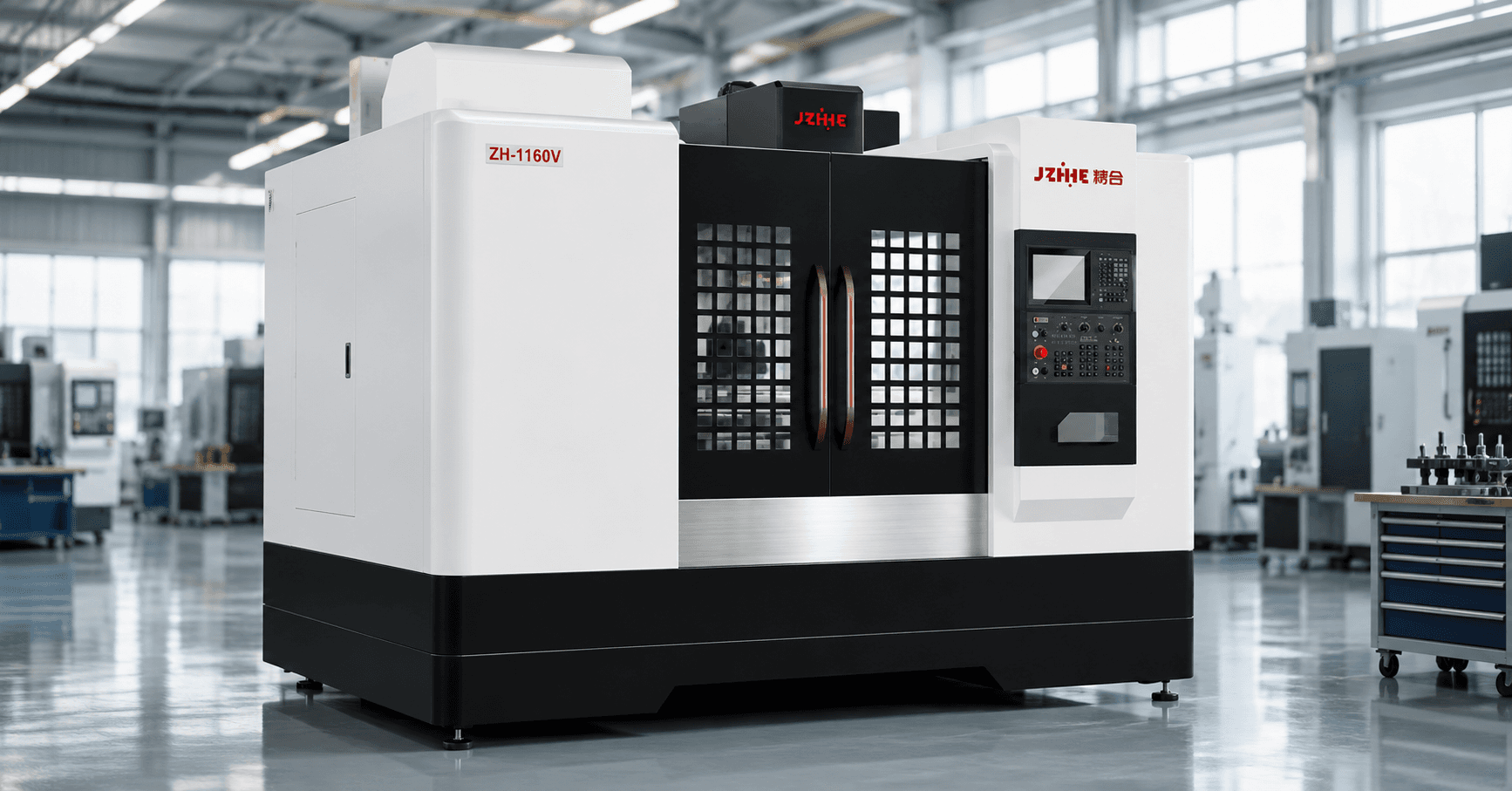
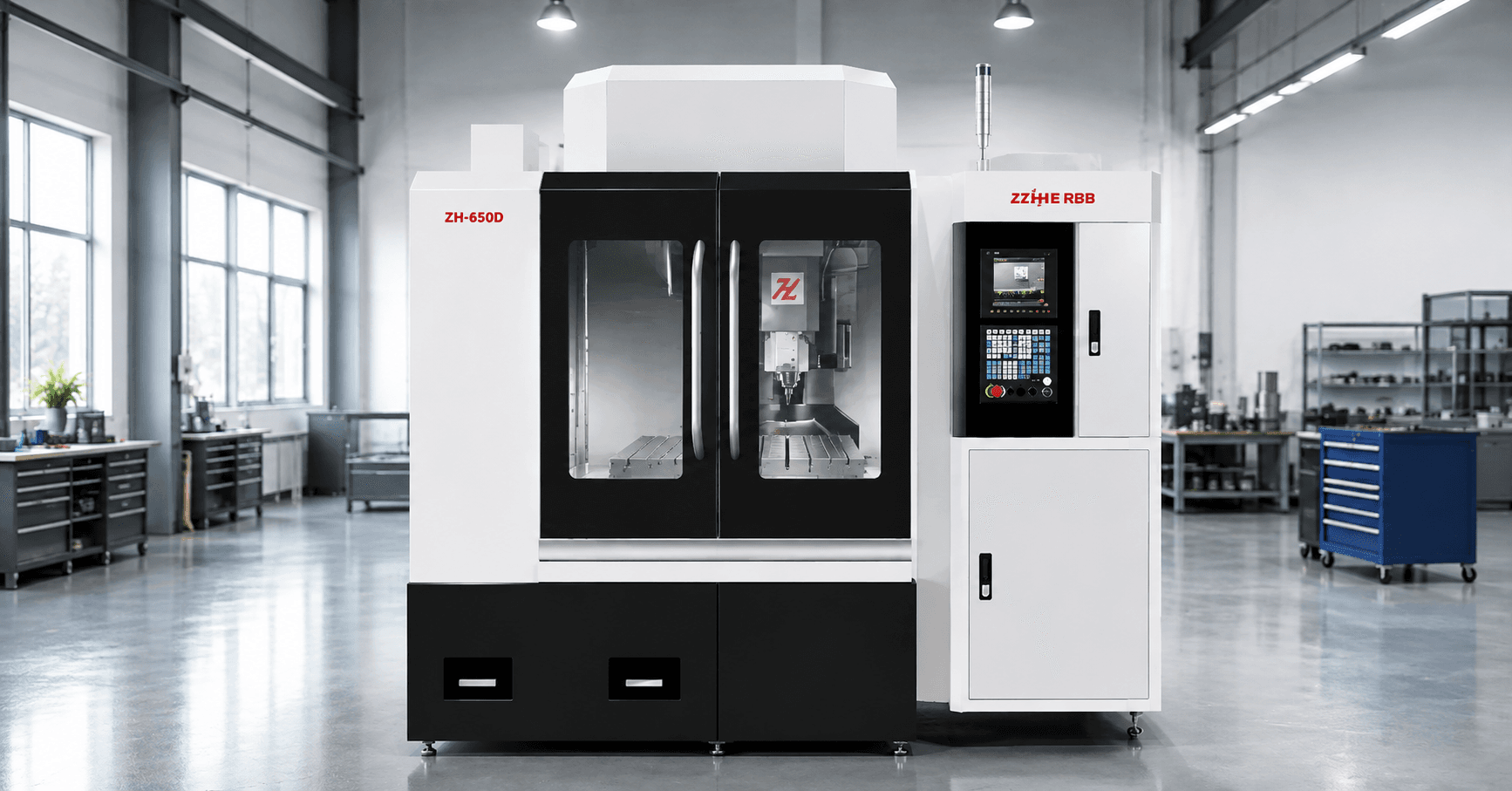
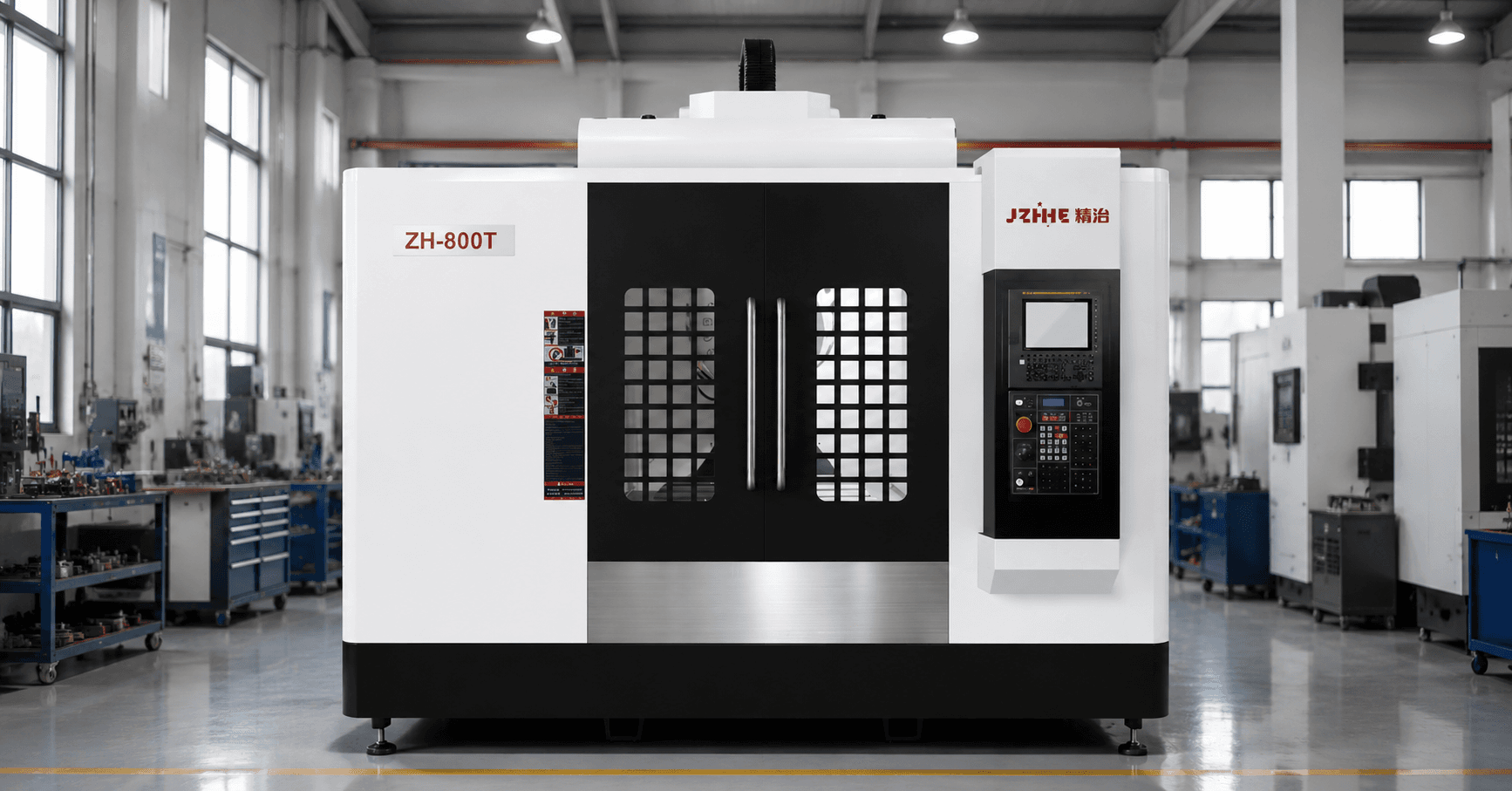
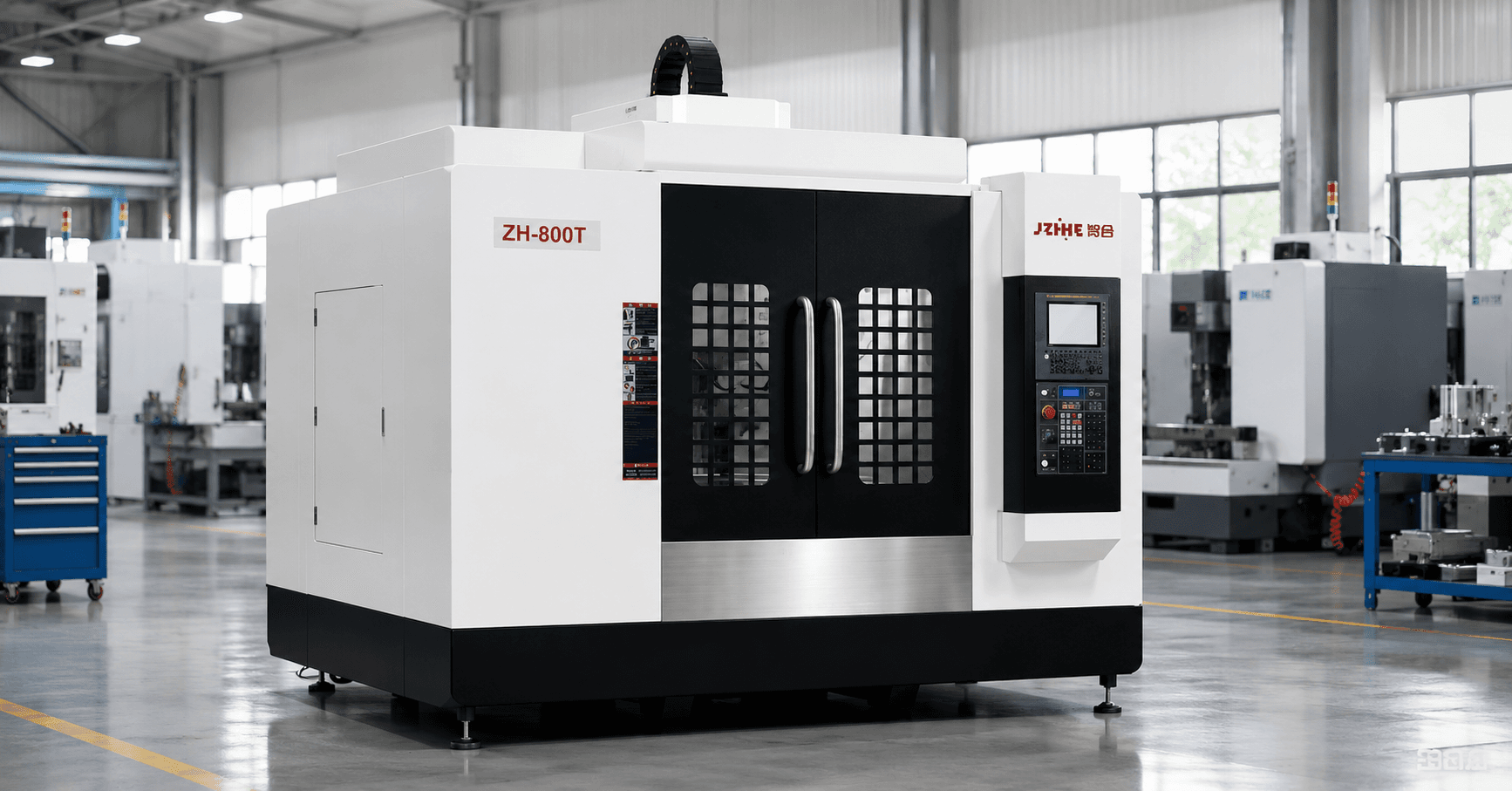
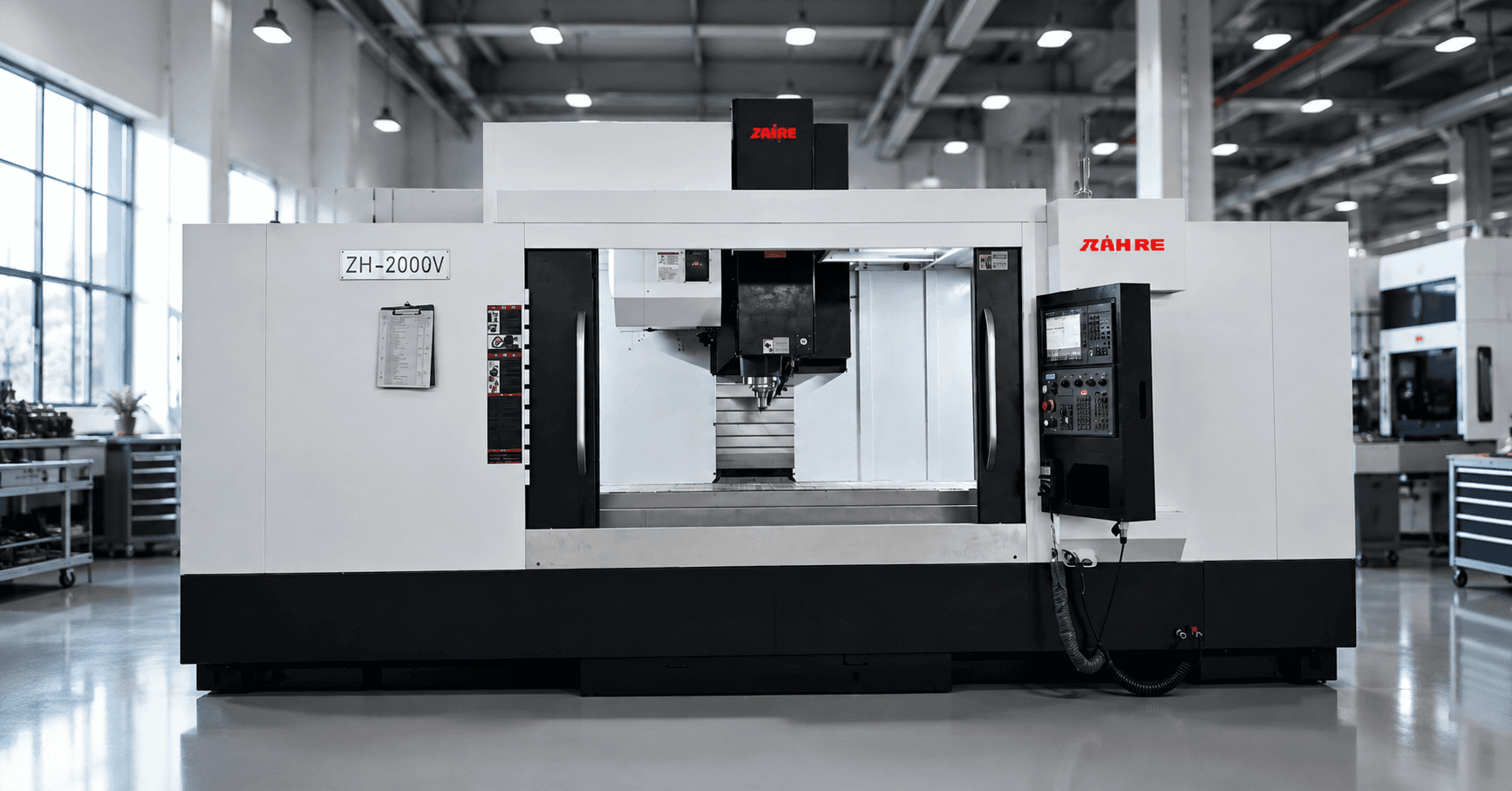
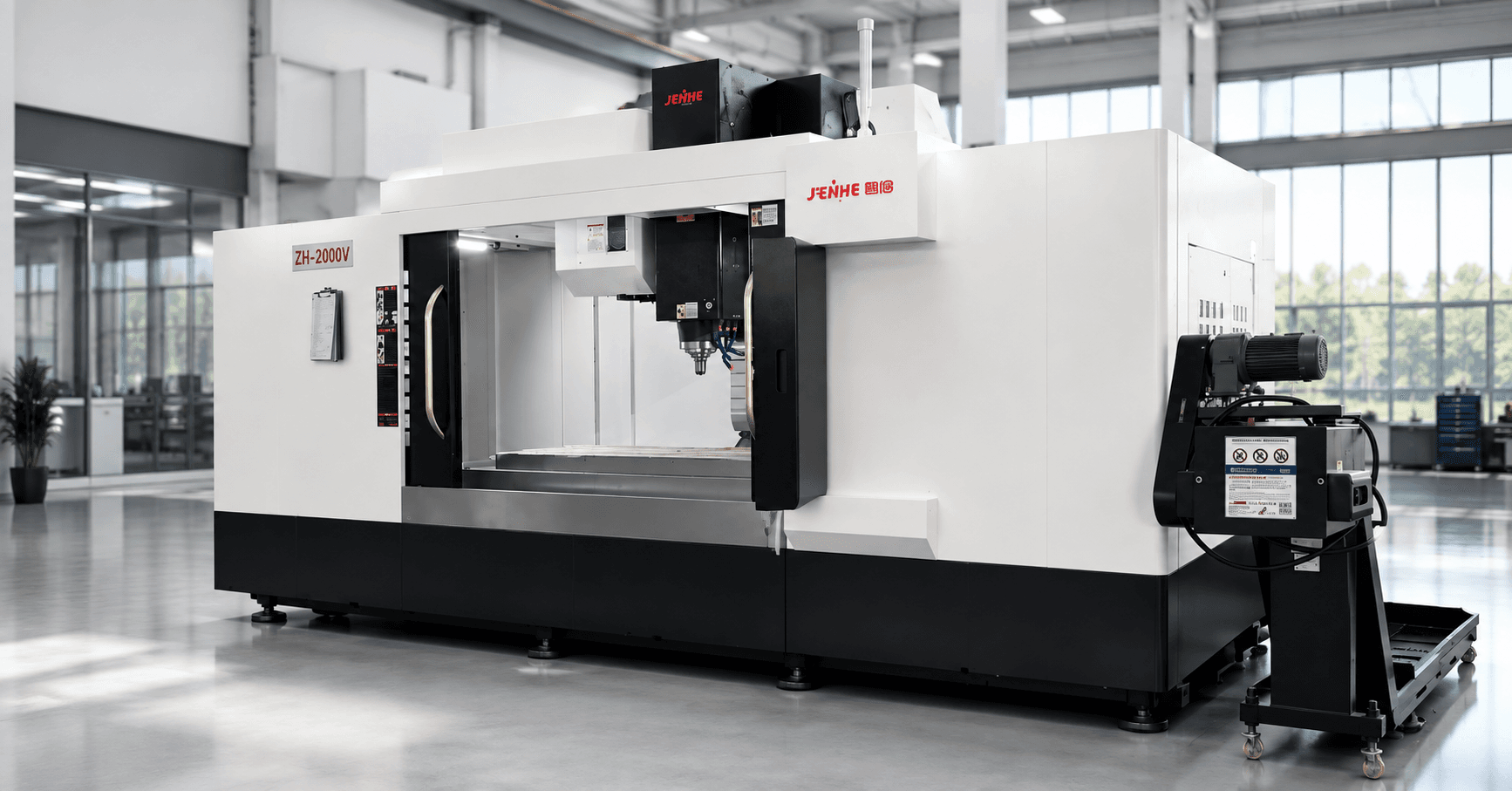
A useful drilling tapping center price is not a single catalog number. It is the cost of a machine configuration that can complete your part at the required cycle time, quality level, and production volume. For most buyers, the fastest way to get a dependable quotation is to send the supplier a drawing, material, annual volume, critical tolerances, tool list, and factory requirements. The supplier can then separate the base machine from the spindle, controller, tooling, fixture, inspection, delivery, and service items that change the final cost.
This guide explains which specifications affect the quotation, when a drilling and tapping center makes financial sense, how to compare offers on the same basis, and what information to prepare before requesting a proposal.
Start With the Part, Not the Machine Brochure
A drilling and tapping center is generally selected for small-to-medium parts that require frequent drilling, tapping, tool changes, and light milling. Typical applications include aluminum housings, 3C components, heat sinks, communication parts, brackets, and other repeat-production metal components.
The lowest purchase price is not automatically the lowest manufacturing cost. A machine that saves money at the quotation stage may add cost later through slow tool changes, inadequate spindle performance, poor chip evacuation, unstable workholding, extra manual inspection, or limited local support.
Before comparing models, define five operating facts:
- Part envelope: maximum part size, fixture size, and total loaded weight.
- Material and operations: aluminum, copper alloy, carbon steel, or another material; drilling, tapping, milling, boring, and deburring requirements.
- Quality target: critical dimensions, positional tolerances, thread requirements, surface finish, and inspection method.
- Production target: batch size, annual volume, shifts per day, target cycle time, and expected changeovers.
- Factory conditions: available power, air, floor space, foundation, coolant handling, crane or forklift access, and operator capability.
What Determines Drilling Tapping Center Price?
The following cost drivers should appear as identifiable line items or clearly described configuration choices. If two suppliers quote different scopes, comparing only the total number can produce the wrong decision.
| Cost driver | What changes the quotation | What the buyer should verify |
|---|---|---|
| Travel and table capacity | Larger X/Y/Z travel, table size, load capacity, and clearance | Part and fixture fit through the full toolpath, not only nominal part dimensions |
| Spindle package | Maximum speed, motor power, taper, torque behavior, cooling, and duty | The spindle matches hole sizes, tap sizes, tool diameters, material, and cycle target |
| Tool-changing system | Magazine capacity, tool-to-tool time, holder standard, and supplied holders | All required tools fit the process without avoidable manual changes |
| CNC controller | Controller brand, options, memory, networking, probing cycles, and local familiarity | Programs, post-processors, operator skills, service access, and spare parts are compatible |
| Accuracy package | Machine geometry, compensation, thermal control, calibration, and acceptance testing | Accuracy is stated for the selected model and verified by an agreed test method |
| Coolant and chip control | Pump capacity, filtration, flushing, enclosure, mist handling, and chip conveyor | Chips will not interrupt tapping, damage surfaces, or create excessive cleaning labor |
| Workholding and automation | Manual or hydraulic fixtures, multiple-part loading, rotary devices, robots, and safety integration | The fixture locates the part consistently and supports the planned loading method |
| Delivery and support | Packing, freight, insurance, installation, commissioning, training, warranty, and spares | Responsibilities, response method, acceptance point, and excluded costs are written down |
When a Tapping Center Is the Economical Choice
A compact high-speed center can be the right investment when the process contains many holes and threads, light cuts, frequent tool changes, and repeated short cycles. The economic benefit comes from completing more conforming parts per shift, not simply from a high spindle-speed number.
Good-fit applications
- Aluminum or light-metal parts with repeated drilling, tapping, and light milling.
- Small brackets, housings, heat sinks, plates, and 3C components produced in batches.
- Processes where rapid axis movement and fast tool changes materially affect cycle time.
- Cells using dedicated or multi-part fixtures to reduce loading and location time.
- Factories that can standardize tools, programs, inspection, and preventive maintenance.
Cases that require a different comparison
A drilling and tapping center may not be the best first choice for large or heavy parts, deep heavy-duty roughing, large-diameter tools requiring high low-speed torque, or processes that need a larger work envelope and tool magazine. In those cases, compare the complete process against a vertical machining center rather than forcing the work onto a compact high-speed platform.
Use Published Specifications as a Starting Point
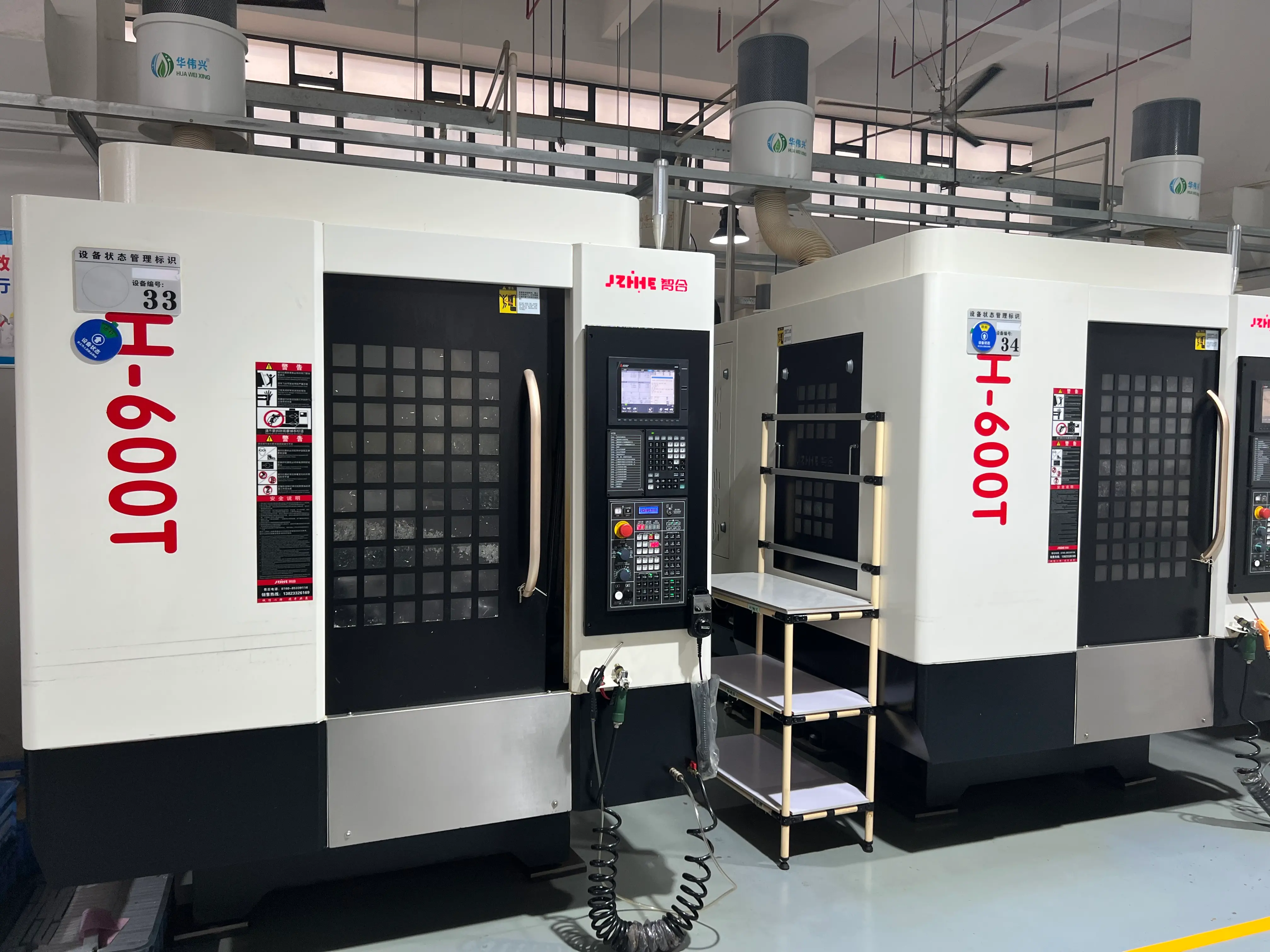
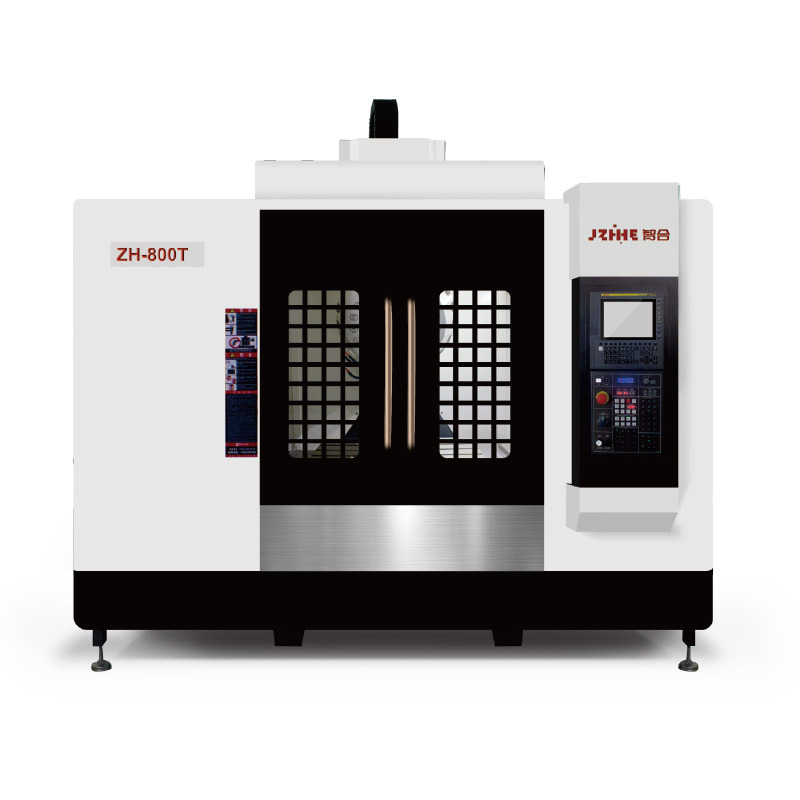
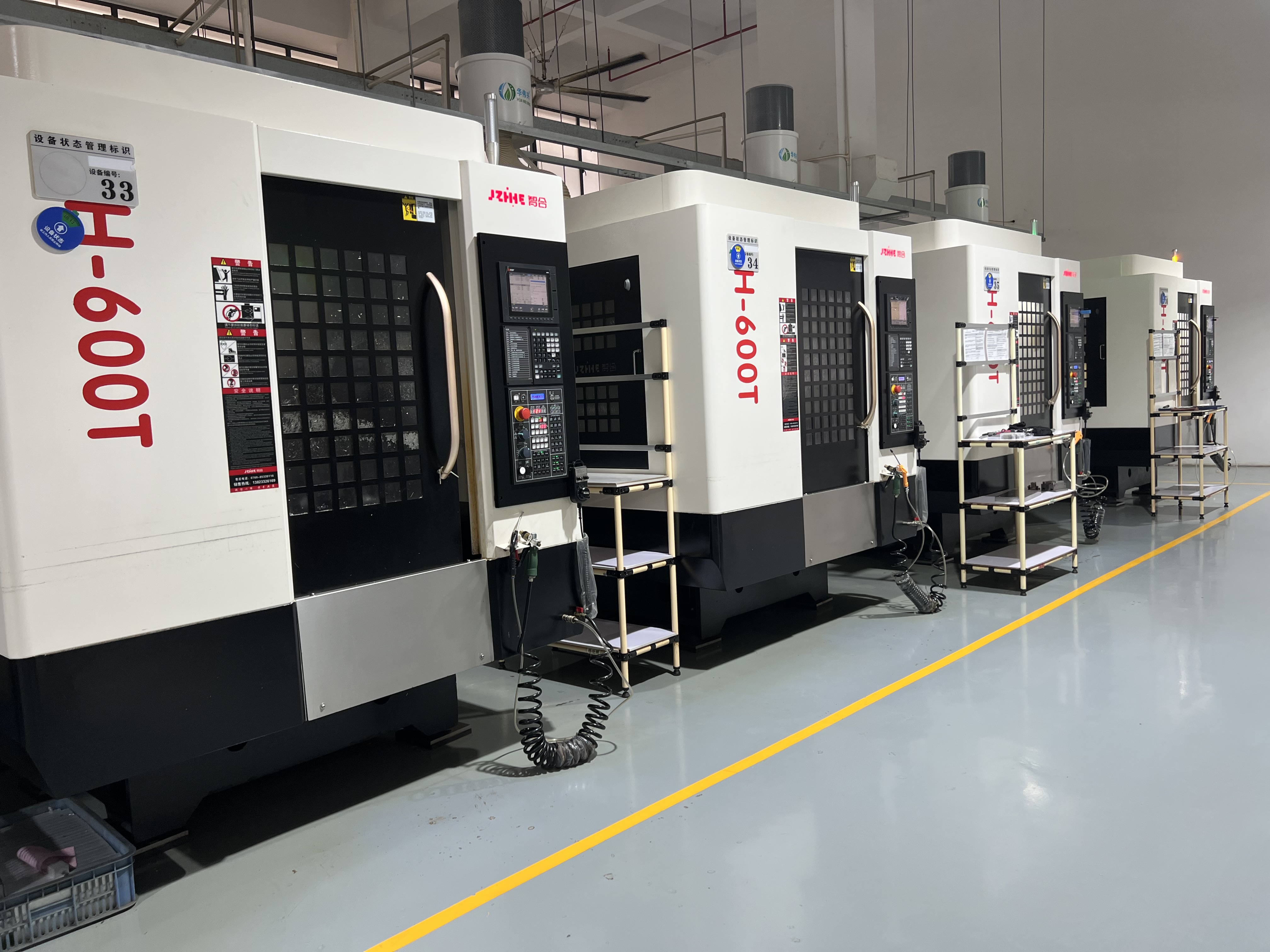
The ZH-600T drilling and tapping center provides a useful example of the questions a buyer should ask. Zhihe CNC publishes a 700 x 420 mm table, 600 x 400 x 300 mm axis travel, a 250 kg maximum table load, a BT30 spindle, 5.5 kW spindle motor power, 15,000 or 20,000 r/min maximum spindle speed, and 48 m/min rapid traverse on all three axes.
The same published specification lists positioning accuracy of +/-0.005 mm per 300 mm and repeatability of +/-0.003 mm per 300 mm. These numbers should not be copied into a purchase specification without context. Confirm the exact model, controller and compensation configuration, test standard, environmental conditions, measurement report, and final acceptance method.
The broader drilling and tapping center series covers different work envelopes. A larger table or longer travel may solve fixture-clearance problems, but it can also change footprint, load capacity, tooling, and total project cost. Select the smallest platform that completes the process with sufficient clearance and operating margin.
Compare Total Installed Cost, Not Only the Base Machine
A normalized quotation makes supplier differences visible. Ask every bidder to complete the same cost structure and mark each item as included, optional, supplied by the buyer, or not available.
| Cost group | Typical items | Common hidden gap |
|---|---|---|
| Machine | Base model, enclosure, spindle, tool changer, standard coolant system | Different spindle or magazine configuration presented under the same model name |
| Process package | Toolholders, cutting tools, fixture, probing, post-processor, sample program | The quotation proves machine movement but not the buyer's complete process |
| Quality package | Geometry report, laser calibration, ballbar test, trial part, inspection report | No agreed test conditions or acceptance limits |
| Site preparation | Foundation, transformer, voltage adaptation, air, coolant, extraction, network | Local work is omitted from the machine supplier's total |
| Logistics | Export packing, inland freight, ocean or air freight, insurance, customs, unloading | Incoterms and destination responsibilities are unclear |
| Startup | Installation, leveling, commissioning, training, production support | Travel, accommodation, translation, or extra days are excluded |
| Ownership | Preventive maintenance, consumables, spare parts, software, support, downtime risk | The first-year operating plan is missing |
After normalizing the scope, calculate a production-based comparison. Estimate annual good parts, expected utilization, labor per part, tool consumption, inspection effort, changeover time, maintenance, and likely downtime. Even a simple three-year model is more useful than ranking suppliers by purchase price alone.
Build Three Configuration Levels Before Requesting Quotes
Creating three internal configuration levels prevents uncontrolled option growth and makes supplier responses easier to evaluate.
Level 1: Required to make the part
Include the minimum travel, table load, spindle performance, tool capacity, controller functions, coolant system, fixture, accuracy verification, and safety features needed to complete an acceptable part.
Level 2: Required to meet the production target
Add the features that protect cycle time and consistency: multi-part workholding, enhanced chip removal, tool monitoring, probing where justified, program transfer, spare tool capacity, or another process-specific option.
Level 3: Required for lower operating risk
Add pre-shipment trial cutting, critical spare parts, operator and maintenance training, remote support arrangements, documentation, preventive-maintenance planning, and any local service commitment needed by the plant.
This structure also creates a clean negotiation path. If the project exceeds budget, remove or defer a Level 3 convenience item before compromising a Level 1 process requirement.
Look for Evidence That Connects the Machine to Production
Brand claims are less useful than process evidence. Ask for a model-specific specification, machine photos, inspection records, a proposed fixture concept, tool and cycle assumptions, and a trial-cut plan based on your drawing.
Zhihe CNC's published project summary for a Vietnam aluminum-parts manufacturer reports the use of a ZH-600T with a high-speed spindle, fast tool-change system, and custom fixture package. The company reports an approximately 28% cycle-time reduction after matching the configuration to the customer's drawings. Treat any published case result as evidence of a method, not a guaranteed outcome: your material, geometry, tools, program, operator practice, and acceptance criteria may produce different results.
Send an RFQ Package That Produces a Real Answer
A supplier can only quote the process it understands. Include the following information in the request for quotation:
- 2D drawing and 3D model, with revision level.
- Material grade, blank condition, and hardness when relevant.
- Maximum part and fixture dimensions and total loaded weight.
- Critical tolerances, datums, threads, surface finish, and inspection method.
- Current routing and the operations expected on the new machine.
- Batch size, annual volume, shifts, utilization target, and desired cycle time.
- Tool list, largest drill and tap, longest tool, and any special holder requirement.
- Preferred controller and the reason for that preference.
- Automation, probing, chip handling, coolant, and mist-control requirements.
- Factory voltage, frequency, air supply, foundation, access, and available floor space.
- Delivery destination, required Incoterm, schedule, installation, and training scope.
- Required trial part, measurement report, acceptance test, warranty, and spare-parts list.
Ask the supplier to return a compliance table with three columns: requirement, proposed solution, and exception. Written exceptions are easier to resolve than assumptions discovered after delivery.
Red Flags in a Low Quotation
- The quote does not identify the exact spindle, controller, tool magazine, or major options.
- Accuracy is stated without a model, test length, standard, environment, or verification method.
- The supplier recommends a model before reviewing the drawing and fixture envelope.
- Cycle time is promised without tools, cutting conditions, loading time, or inspection assumptions.
- Trial cutting, acceptance, training, warranty response, and spare parts are described only verbally.
- Freight, duties, unloading, utilities, and site preparation are missing or assigned ambiguously.
A low quote is not necessarily wrong. It may reflect a simpler scope that fits the project. The risk appears when the missing scope is not visible and cannot be priced before the order.
FAQ
Why do suppliers avoid publishing one fixed price?
Controller brand, spindle, travel, tool magazine, fixture, coolant and chip systems, inspection, automation, delivery, and service can all change the final configuration. A fixed number without a defined scope can mislead buyers.
Is a 20,000 r/min spindle always worth the extra cost?
No. Its value depends on tool diameter, material, cutting data, cycle-time sensitivity, spindle duty, and the rest of the process. Compare a realistic part cycle rather than the maximum speed alone.
Should I choose a tapping center or a vertical machining center?
Choose by process. A tapping center is often attractive for compact parts, frequent drilling and tapping, light milling, and high tool-change frequency. A VMC may be more suitable for larger parts, heavier cuts, larger tools, or broader process flexibility.
What acceptance tests should be included?
Define machine identity and configuration checks, geometry and leveling, axis accuracy verification, spindle condition, safety functions, a trial-part procedure, inspection results, documentation, training, and closure of any corrective actions.
How can I compare two suppliers fairly?
Send the same RFQ package, require a compliance table, normalize included and excluded items, and compare total installed cost and expected good-part output over the same period.
Request a Process-Based Quotation
To receive a meaningful drilling tapping center price, send Zhihe CNC your drawing, material, part and fixture size, critical tolerances, annual volume, cycle target, controller preference, factory conditions, and delivery destination. Use the contact page to request a model recommendation, technical proposal, and line-item quotation.