How to Choose a Gantry Machining Center Manufacturer for Large-Part CNC Machining
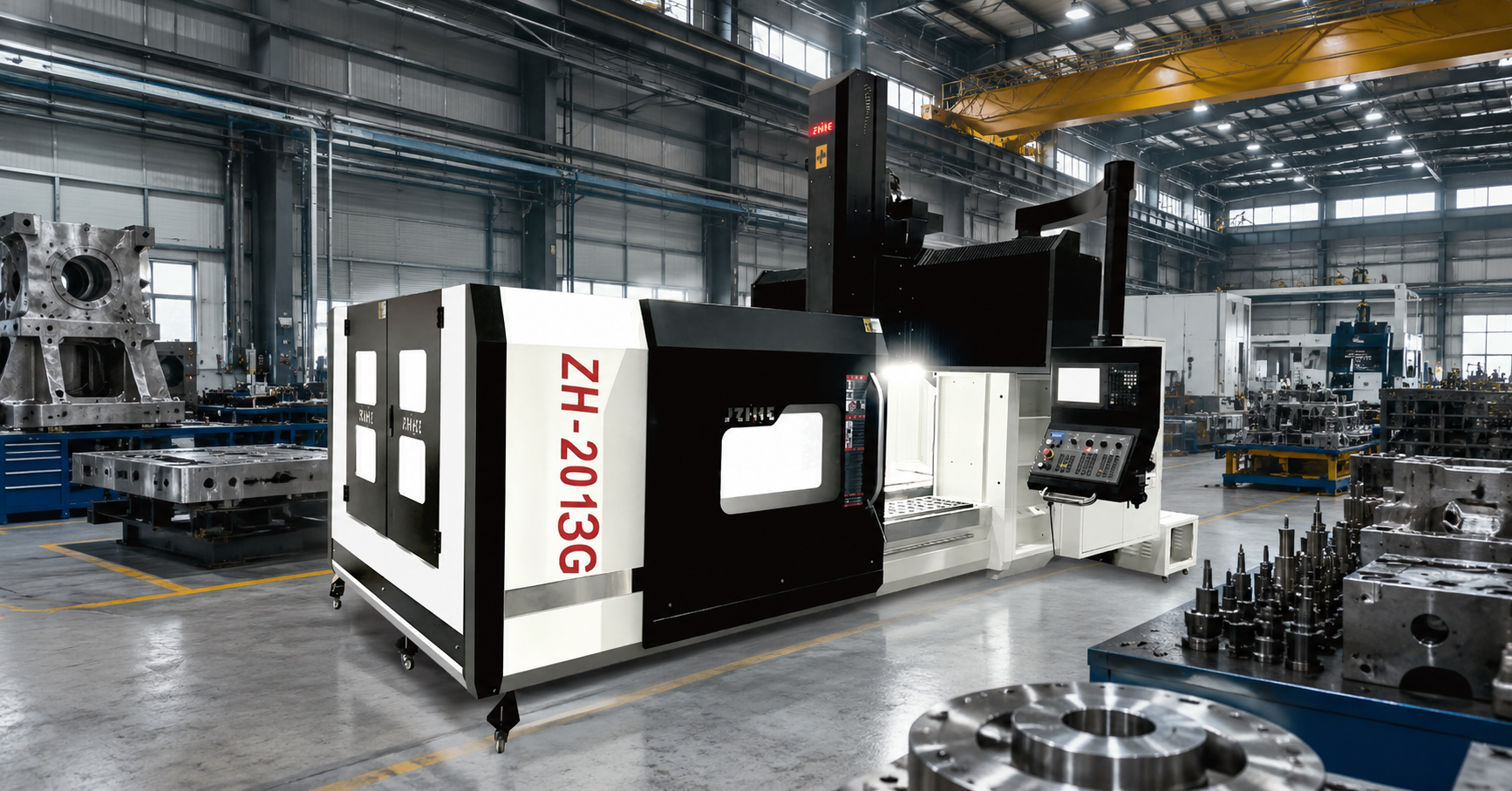
Choosing a gantry machining center manufacturer is not the same as buying a small workshop machine. A gantry machining center often becomes a core asset for large molds, heavy plates, oversized structural components, automotive parts, hydraulic equipment, and energy-related metal parts. If the machine is poorly matched to the workpiece, the problem may not appear on the first day. It may appear later as vibration, poor surface finish, slow roughing, inaccurate finishing, difficult loading, unstable setups, or repeated downtime.
Zhihe CNC’s product page describes its gantry machining center as a high-rigidity solution for heavy-duty precision metal processing. The product uses a fixed-beam structural design, heavy-duty roller linear guides on X/Y axes, and a four-sided embracing rectangular hard rail on the Z-axis. The page also emphasizes heavy-duty cutting capability, low thermal deformation design, micron-level accuracy retention, continuous industrial production, and suitability for large and complex workpieces.
For sourcing teams, the real question is not only which supplier can quote fastest. It is which CNC gantry machining center supplier can help the factory define the correct machine configuration, prove machining capability, support installation, and stay available after the machine enters production.
Start with the Workpiece, Not the Machine Model
The first mistake in gantry machine purchasing is starting with the machine model before defining the part. A gantry machine may look strong in a product photo, but the part decides whether the machine is suitable.
A buyer should prepare the following information before requesting a quotation:
Workpiece material.
Workpiece length, width, and height.
Workpiece weight.
Required machining surfaces.
Roughing and finishing requirements.
Tolerance and inspection method.
Tooling range.
Clamping method.
Loading method.
Expected output per month.
Current production bottleneck.
Available factory space and crane capacity.
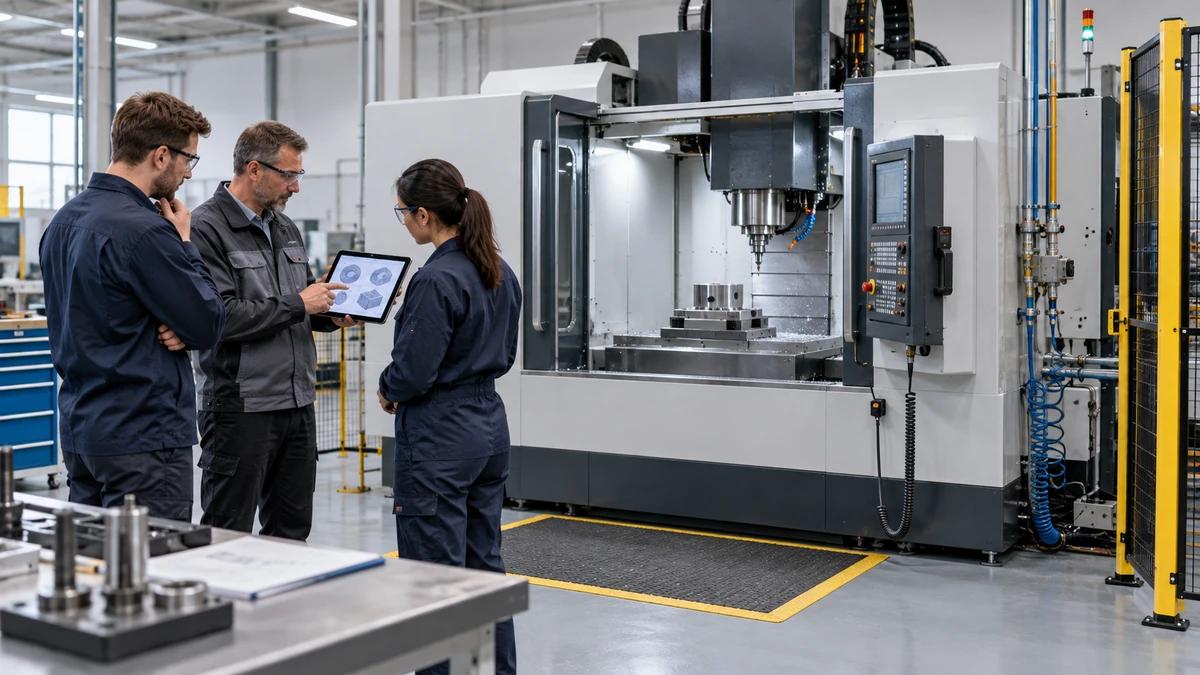
Zhihe’s homepage recommends sharing workpiece material, size, accuracy, and production requirements so engineers can recommend a suitable machining center model. The site also outlines a workflow from drawing submission and requirement confirmation to machine recommendation, quotation, trial cutting, delivery, installation, training, and after-sales support.
This is the right logic for a gantry project. A large machine should be selected around a process, not around a vague category name.
Check Whether the Supplier Understands Heavy-Duty Cutting
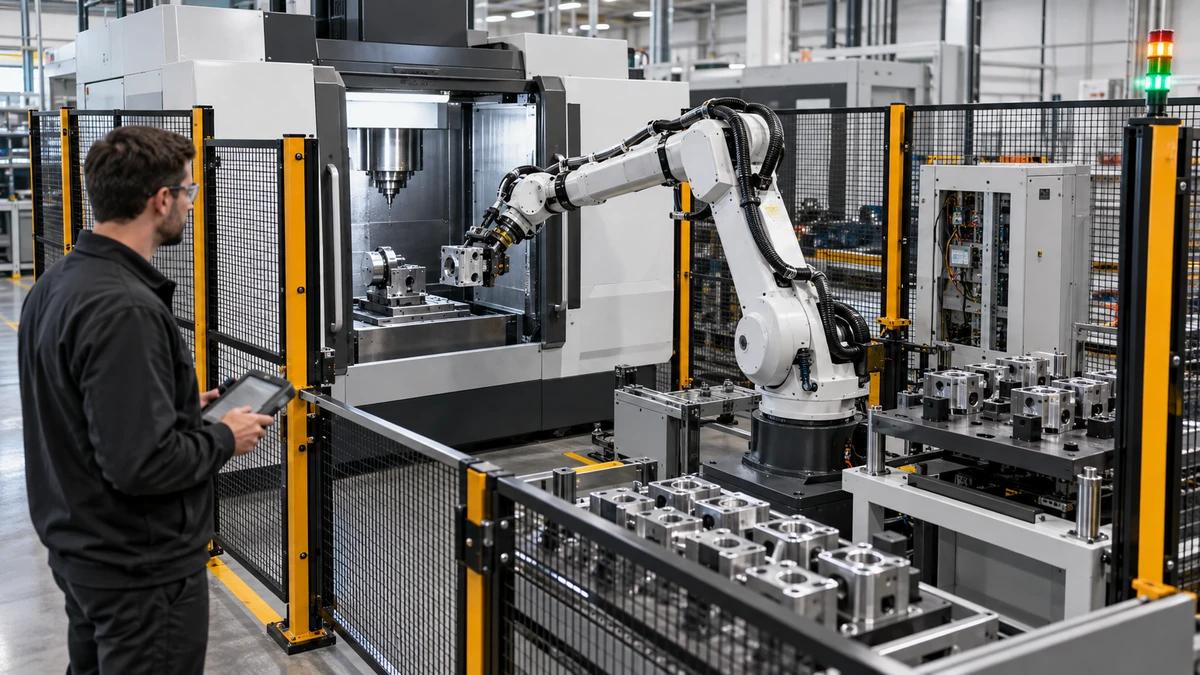
A heavy duty CNC machine supplier should understand that gantry machining is about cutting behavior under real load. Heavy-duty machining may include rough milling, deep cavities, interrupted cutting, large surface finishing, drilling, tapping, contouring, or repeated large-part setups.
The Zhihe product page states that the machine’s guideway configuration allows it to handle rough milling, deep cavity machining, interrupted cutting, complex structural part processing, and precision surface finishing. This is exactly the kind of process language buyers should expect from a serious manufacturer.
A weak supplier may talk only about machine size. A stronger supplier will ask about material hardness, cutter size, stock removal, finish allowance, workholding, vibration risk, and inspection criteria. That difference matters.
Compare Structure and Guideway Design
For large-part machining, the machine structure is not a background detail. It is part of the accuracy system.
Zhihe’s gantry machining center adopts a fixed-beam design in which both columns and crossbeam remain stationary while the worktable moves along the X-axis. The product page says this architecture minimizes thermal deformation and provides a stable foundation for high-precision, high-efficiency machining.
The guideway arrangement also deserves careful review. The X and Y axes use heavy-duty roller linear guides, while the Z-axis uses a four-sided rectangular hard rail. The stated purpose is to balance high-speed feed, heavy-duty cutting, roughing stability, and finishing precision.
For buyers, these details should be connected to the production task. If the factory machines large molds, the Z-axis rigidity may matter during deep cavity machining. If the factory processes structural plates, table movement stability and X-axis support become important. If the factory performs roughing and finishing in one setup, thermal and structural stability should be discussed before purchase.
Supplier Evaluation Checklist
| Evaluation Area | What Buyers Should Ask | Why It Matters |
|---|---|---|
| Workpiece Fit | Can the supplier review part drawings, material, weight, and tolerance? | Prevents buying a machine that is too small, weak, or oversized |
| Structure | Is the machine fixed-beam, moving-beam, bridge-type, or another layout? | Affects rigidity, thermal behavior, and process stability |
| Guideway Design | What guideways are used on X/Y/Z axes? | Influences feed response, load capacity, and heavy cutting stability |
| Spindle Selection | What power, torque, speed range, and tool interface are recommended? | Determines whether roughing and finishing needs can be met |
| Accuracy Testing | Are laser calibration, ballbar testing, and trial cutting available? | Gives buyers evidence before shipment |
| Fixture Support | Can the supplier advise clamping and loading strategy? | Reduces setup risk for large workpieces |
| Installation Support | Does the supplier provide foundation and leveling guidance? | Large machines need proper site preparation |
| After-Sales Service | Are training, spare parts, remote support, and maintenance advice available? | Protects long-term uptime |
Verify Accuracy Through Testing
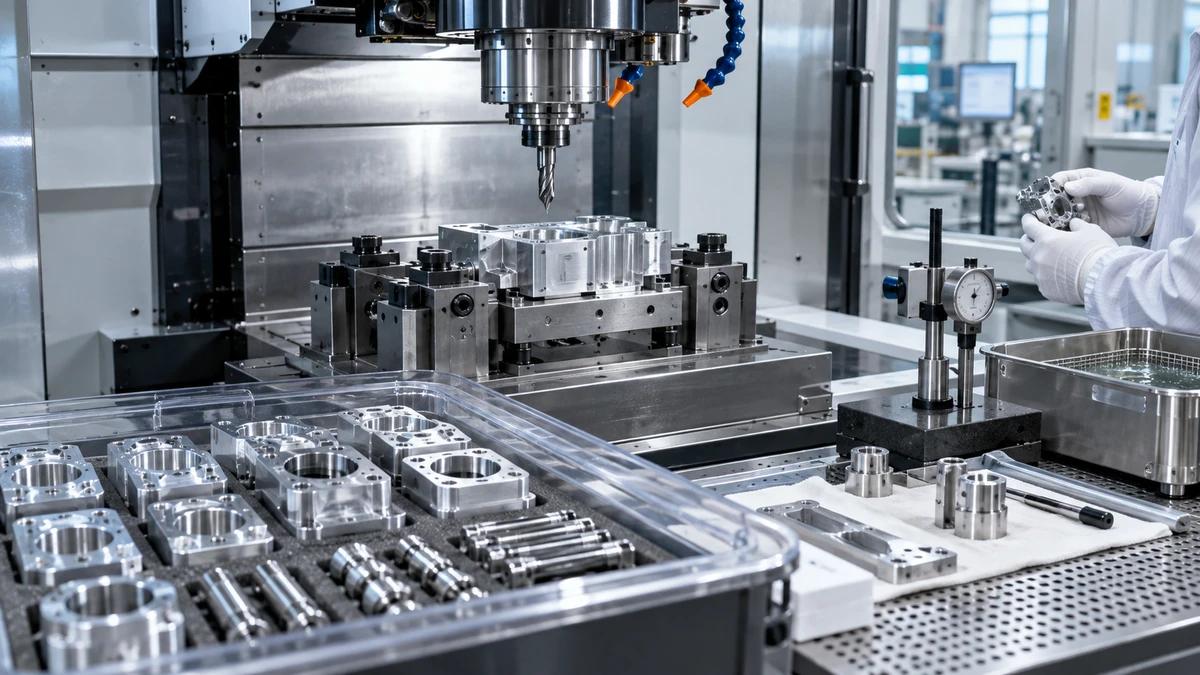
Accuracy claims need testing, especially for gantry machines. A large machine has more structural length, more installation sensitivity, and more dependence on foundation condition than a compact machine.
Zhihe’s homepage states that selected models can be inspected through laser interferometer calibration, ballbar testing, and trial cutting before delivery. It also notes model-specific accuracy and repeatability depending on series, model, travel size, and configuration.
Buyers should ask for inspection documentation before shipment. ISO 230-2 covers methods for testing positioning accuracy and repeatability of numerically controlled machine tool axes. ISO 230-4 covers circular tests for numerically controlled machine tools. These standards provide useful reference points when discussing testing methods, even if the final acceptance standard is defined in the purchase agreement.
A practical buyer should ask:
What tests are included before delivery?
Will a laser interferometer report be provided?
Is ballbar testing available?
Can trial cutting be done on a representative material?
What tolerance should be used for acceptance?
Will installation accuracy be checked after the machine arrives?
Who is responsible for re-leveling and geometry confirmation?
These questions help reduce disagreement after delivery.
Evaluate the Supplier’s Product Range
Zhihe CNC’s homepage states that the company manufactures vertical, horizontal, gantry, drilling and tapping, and five-axis machining centers for different industries. It lists gantry machining centers as best for large molds, heavy plates, oversized parts, and structural components, with the key capability of heavy-duty gantry structure, strong cutting rigidity, and large workpiece stability.
For B2B buyers, a broader product range can be useful. It means the supplier can compare machine architectures rather than forcing every job into one model. A vertical machining center may be better for small-to-medium molds and plates. A horizontal machining center may suit box-type parts and multi-face machining. A five-axis machining center may fit complex curved surfaces. A gantry machining center becomes the stronger option when the part is large, heavy, or structurally demanding.
A good CNC machining center manufacturer should be willing to say when a gantry machine is not necessary. That honesty can save buyers from overbuying.
Check Customization Ability
Large-part machining often requires a custom CNC solution. The required table size, travel, spindle torque, chip removal, coolant, enclosure, tool magazine, control system, foundation, and fixture strategy may vary.
Zhihe’s homepage states that it provides customized CNC solutions based on workpiece requirements and machine recommendations matched to workpiece, material, and accuracy needs. This type of customization support is important in gantry projects because standard machine selection may not cover every industrial application.
For example, a mold factory may need better finishing stability. A heavy machinery parts supplier may prioritize load capacity and rough cutting. An energy equipment producer may need long-cycle stability. An automation equipment manufacturer may need large base plates with tight hole patterns. These are different requirements.
A supplier should help define configuration rather than only sell an off-the-shelf machine.
After-Sales Support Is Not Optional
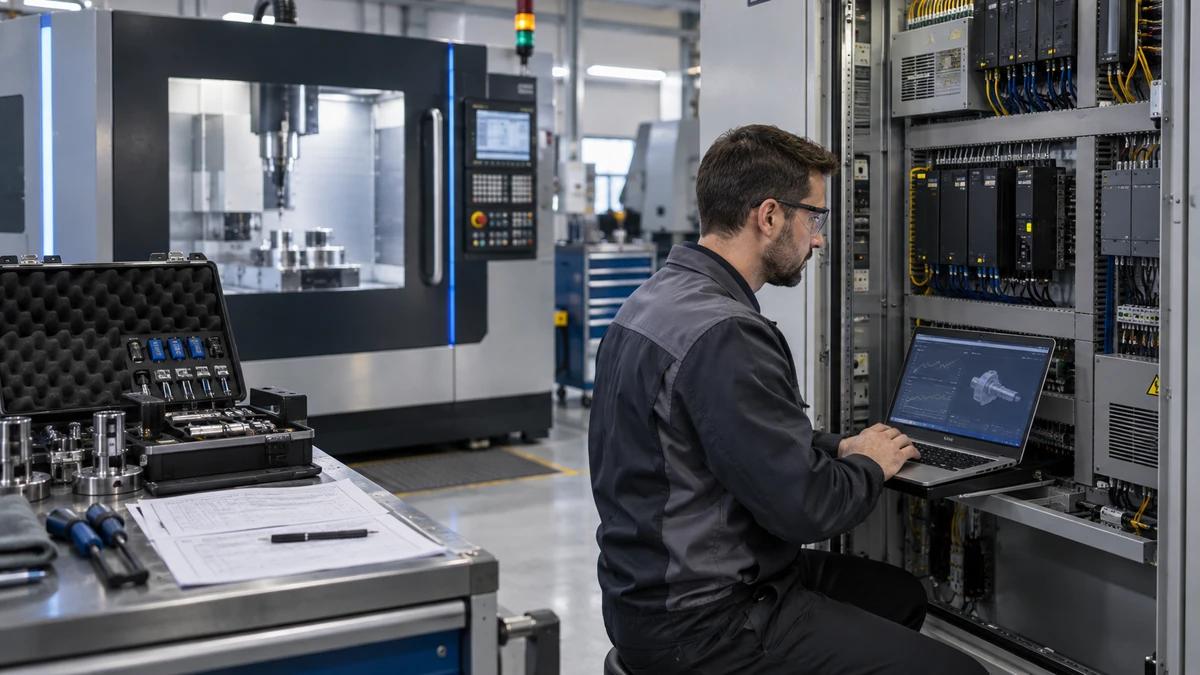
A gantry machining center needs service support throughout its life. Installation, leveling, operator training, spindle maintenance, guideway lubrication, CNC parameter support, spare parts, and preventive maintenance all affect production stability.
Zhihe’s homepage highlights pre-sale selection, installation, and after-sales support, with engineer support from machine selection to production startup. This is important because a gantry machine is rarely plug-and-play. The buyer’s team must understand setup, loading, fixture handling, cutting parameters, and maintenance routines.
Before ordering, ask:
Who supports installation?
Can the supplier provide foundation guidance?
Is remote commissioning available?
What training is included?
How are spare parts shipped?
What is the warranty period?
Can the supplier support preventive maintenance?
Will the supplier help troubleshoot cutting instability?
A low-cost supplier without practical support may become expensive when the machine stops.
Manufacturer Type Comparison
| Supplier Type | Potential Advantage | Possible Risk | Best-Fit Buyer |
|---|---|---|---|
| Direct Gantry Machining Center Manufacturer | Better engineering communication, factory control, customization, and machine history | Buyer must still verify quality and service ability | Factories needing long-term large-part production support |
| General CNC Equipment Trader | Can offer broad sourcing options and fast quotation | May depend on another factory for technical answers | Buyers with simple standard requirements |
| Local Distributor | Easier local communication and installation support | Model options may be limited and price may be higher | Buyers prioritizing local service |
| Low-Price Unknown Supplier | Lower initial quote | Higher risk in rigidity, accuracy evidence, spare parts, and service | Low-risk projects only |
| Engineering-Oriented CNC Supplier | Better process review, fixture advice, testing, and delivery planning | May require more detailed buyer input before quotation | Large-part manufacturers and OEM production buyers |
Common Mistakes When Choosing a Gantry Machining Center Manufacturer
A common mistake is sending only a general inquiry such as “Please quote a gantry machining center.” Without part information, the supplier can only respond with a generic model. That is not enough for large-part production.
Another mistake is comparing only travel size. Travel matters, but table load, spindle torque, structural rigidity, guideway configuration, fixture access, and foundation also matter.
Buyers also sometimes ignore the cost of installation. A machine that cannot be installed smoothly may delay production and create extra cost.
Some buyers accept accuracy claims without asking for test reports. For high-value machining, inspection evidence should be part of the quotation discussion.
Finally, some buyers choose the cheapest supplier. For gantry machines, this can be risky. Poor support, slow spare parts, weak structure, or unstable cutting can cost more than the initial savings.
Practical Inquiry Template for Buyers
When contacting a large mold machining center supplier, provide a structured inquiry:
“We need to machine [part type] made from [material]. The maximum size is [L×W×H], weight is [kg], and key tolerances are [values]. Main operations include rough milling, deep cavity machining, drilling, tapping, and finishing. Current bottlenecks are [cycle time / vibration / setup / accuracy / capacity]. Please recommend a suitable gantry machining center configuration, including table size, travel, spindle, guideway design, controller, fixture suggestion, installation requirements, accuracy testing, delivery time, and after-sales support.”
This type of inquiry helps the supplier respond with a technical proposal rather than only a price.
FAQ
What should I check first when choosing a gantry machining center manufacturer?
Start with workpiece fit. Confirm workpiece size, weight, material, machining process, tolerance, fixture method, and expected output before comparing machine models.
Why is guideway configuration important?
Guideways affect cutting stability, feed response, load capacity, and resistance to offset loads. Zhihe’s product page describes X/Y heavy-duty roller linear guides and a Z-axis four-sided rectangular hard rail for balancing heavy cutting and finishing stability.
Should I ask for trial cutting?
Yes. Trial cutting can verify whether the machine can handle actual material, fixture method, cutting load, and accuracy requirements before shipment.
Is the cheapest gantry machining center supplier a good choice?
Not always. A low price may hide higher risks in machine rigidity, accuracy testing, spare parts, installation, and after-sales service.
When is a gantry machining center better than a vertical machining center?
A gantry machining center is better when the part is large, heavy, or requires broad support and stable cutting over a larger work envelope.
Conclusion
Choosing a gantry machining center manufacturer should be treated as a technical decision, not a price comparison. The buyer must confirm workpiece requirements, machine structure, guideway configuration, spindle capability, fixture method, accuracy testing, installation support, and after-sales service.
Zhihe’s gantry machining center product page emphasizes a fixed-beam structure, low thermal deformation design, X/Y heavy-duty roller linear guides, Z-axis four-sided rectangular hard rail, heavy cutting capability, precision finishing, and applications in automotive, energy, mold, hydraulic, and heavy machinery industries.
For B2B buyers, the safest approach is practical: send drawings, define the production problem, ask for a technical proposal, request inspection or trial cutting evidence, and evaluate supplier support before placing the order. A reliable CNC gantry machining center supplier should not only provide the machine. It should help the factory build a stable large-part machining process.