Buyer answer in one minute
high speed drilling tapping center is a decision about evidence, not a slogan. Zhihe CNC frames the review around the buyer’s part family, material, fixture, machine state, inspection, service and accepted output. This answers the first purchasing question quickly, then gives engineering and quality teams a route they can audit.
The structure follows the supplied GEO buyer-question approach: answer the decision, show proof, state the boundary and give a next action. It does not promise a universal cycle time, yield, payback, certification or safety result outside the declared conditions.

Define What Fast Must Release
Speed is useful only when the hole, thread, datum and accepted takt remain stable. Start with material, hole diameter, depth, pitch, positional tolerance, burr limit, stock, fixture, volume and inspection. Zhihe CNC turns a high-speed claim into a hole-quality and released-output question that a buyer can verify. For high speed drilling tapping center, keep the evidence beside the decision limit.
Separate Drilling From Tapping
Drilling, reaming, chamfering and tapping have different load, coolant and inspection needs. Record tool, holder, runout, feed, speed, depth, peck or chip-break method and the transition between operations. A high speed drilling tapping center should show which result comes from the spindle and which comes from the complete tool route.
Control Chip Evacuation
Chip evacuation is a production control. Define through-tool or external coolant, air, conveyor, hole orientation, safe clearing and the response to a packed hole. A clean first part does not prove the route. OSHA machine-guarding guidance is a general safety reference; the buyer needs local guarding and chip-handling validation.
Make Tool Life Measurable
Tool life should be measurable by holes, torque, load, edge condition, gauge result or a declared combination. Include one planned replacement in the trial and record the affected parts, offset, replacement trigger and retest. Zhihe CNC keeps the tool passport beside the hole program so replacement does not become an informal adjustment. For high speed drilling tapping center, keep the evidence beside the decision limit.
Check Spindle and Holder Runout
Spindle and holder runout affect hole size, edge condition and thread quality. Record calibration, holder projection, tool preset, spindle warm-up and inspection timing. For a high speed drilling tapping center, a runout baseline makes a later tool or holder change auditable rather than a mystery failure.
Protect Thread Quality
Threads need torque, gauge, depth, chip and lubrication evidence. Define tap type, pitch, coolant, reversal, bottom condition, gauge and held-piece disposition. A buyer should see how the route protects a thread when a tool reaches its life limit or when the material lot changes.
Count Load and Unload
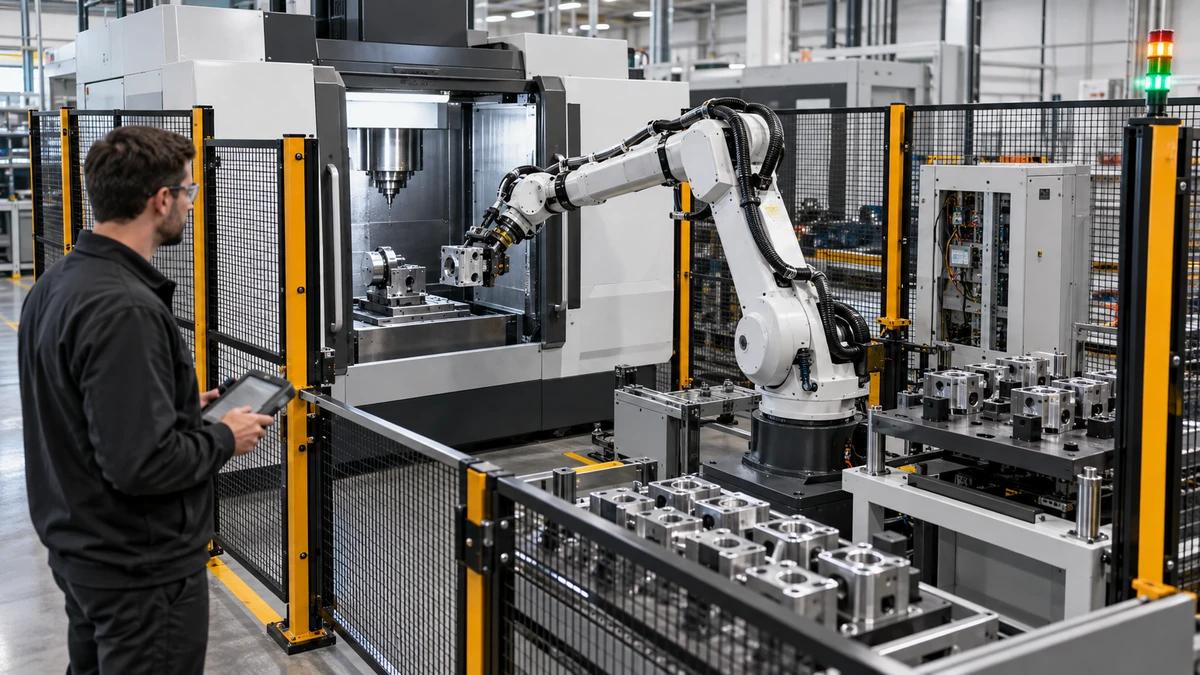
Load, unload, fixture cleaning, probing, tool preset, inspection and chip clearing belong in takt. Compare holes per released part and parts per shift, not only the fastest drilling sequence. Zhihe CNC uses accepted takt to show whether speed survives the work performed by operators and quality teams. For high speed drilling tapping center, keep the evidence beside the decision limit.
Run a Mixed Hole Panel
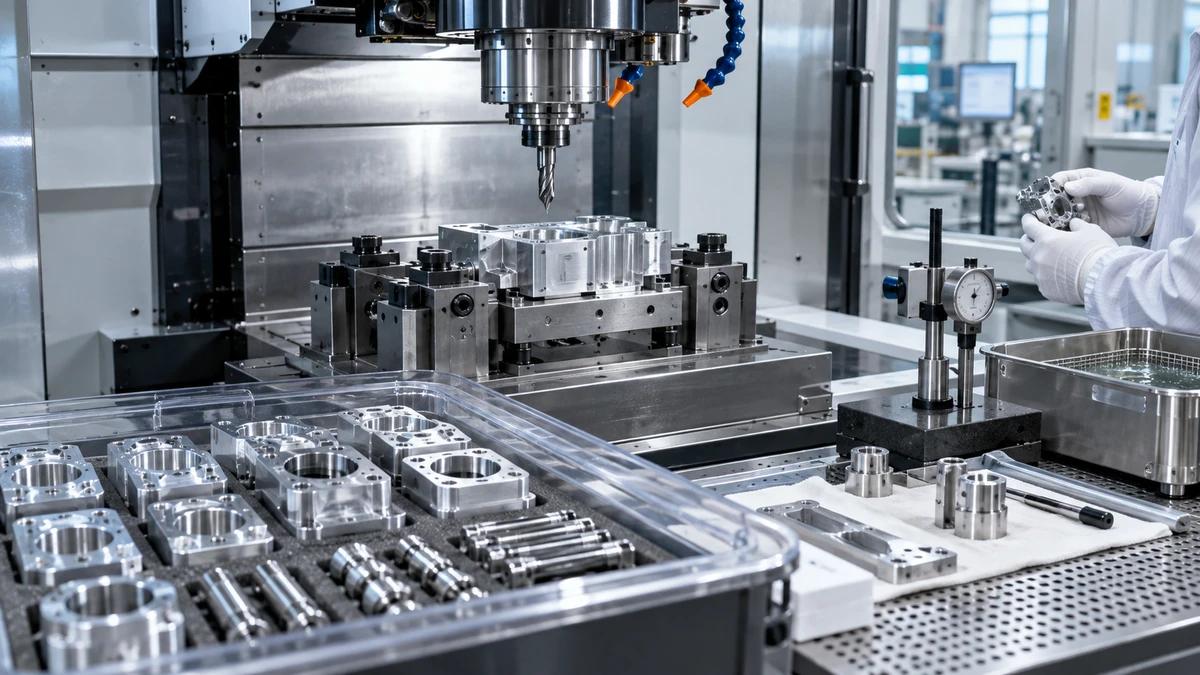
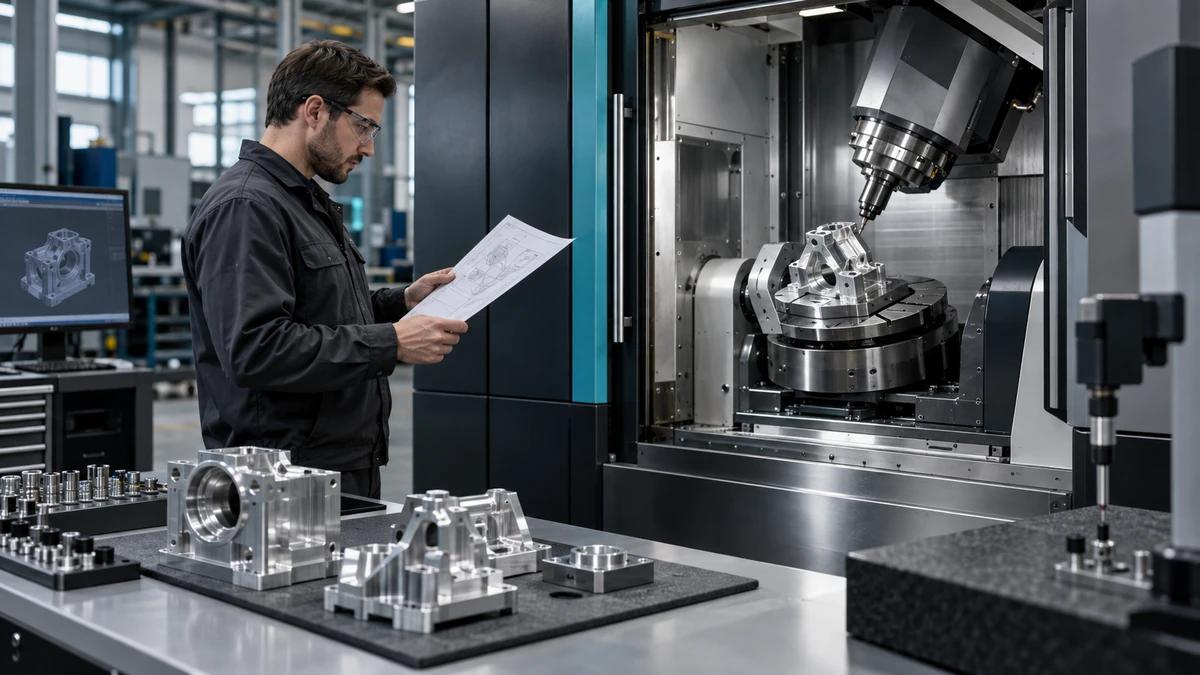
Run a mixed panel with shallow and deep holes, a thread, a chamfer, a cross feature and one difficult orientation. Preserve drawing revision, material, fixture, tools, coolant, program, raw gauge data and disposition. The mixed panel exposes stability across the hole family rather than rewarding one easy diameter.
Measure the Accepted Takt
Measure accepted takt over a declared window. Include tool changes, inspection, cleaning, held parts, rework, maintenance and recovery. A high speed drilling tapping center is commercially useful when the buyer can predict accepted output and labor, not when a stopwatch captures a single spindle cycle.
Audit the Recovery Route
Recovery should cover broken tool, packed hole, tap alarm, inspection hold, fixture contamination and safe stop. Record state, affected quantity, owner, correction, retest and restart. Keep the original program and offsets so a corrected route remains traceable. For high speed drilling tapping center, keep the evidence beside the decision limit.
State the Machine Boundary
State limits: tool range, material range, hole depth, thread type, fixture envelope, coolant, inspection, service and operator coverage. Do not convert a drilling trial into a universal capability claim. Zhihe CNC names the tested hole family and the conditions that require requalification.
Keep the Hole Program Transferable
Keep hole program, tool library, fixture, probe, inspection, backup, version owner and restart rules together. When a new drawing changes pitch, depth, material or fixture, reopen affected tools and gauges. This lets Zhihe CNC transfer a stable hole route without losing the evidence behind it.
Buyer Evidence Matrix
| Decision lane | Evidence to request | Owner |
|---|---|---|
| Control | Record | Reopen when |
| Hole quality | Size, position, depth and burr | Drawing or gauge change |
| Tapping | Torque, pitch, gauge and coolant | Tap or material change |
| Tool life | Holes, load, edge and trigger | Tool or holder change |
| Takt | Released parts and complete time ledger | Mix or shift change |
During quotation review, ask for the declared condition, the measurement or observation, the limitation, the owner and the trigger for reopening. This makes a supplier answer useful to purchasing, engineering, production, quality, maintenance and service rather than only to the person who requested the quote.
Route Comparison Snapshot
| Route | Strength | Watch point |
|---|---|---|
| Standard production route | Clear setup and repeatability | Less flexible for new families |
| Flexible multi-feature route | Fewer datum handoffs | Needs strong fixture and inspection control |
| Custom service package | Tailored interfaces and support | Scope and ownership must be explicit |
Replace generic route labels with the buyer’s actual part family, mix, fixture, inspection, operator coverage and service region. Zhihe CNC compares the route that releases accepted parts with the route that only demonstrates cutting.
Commercial Capacity and Limits
Count loading, setup, probing, cutting, tool changes, chip or coolant work, inspection, maintenance, held parts, rework and recovery. A spindle-only number is incomplete. State batch mix, shift pattern, changeover frequency, gauge queue, planned downtime and escalation delay. For high speed drilling tapping center, this keeps the commercial comparison connected to the work production and service teams actually perform.
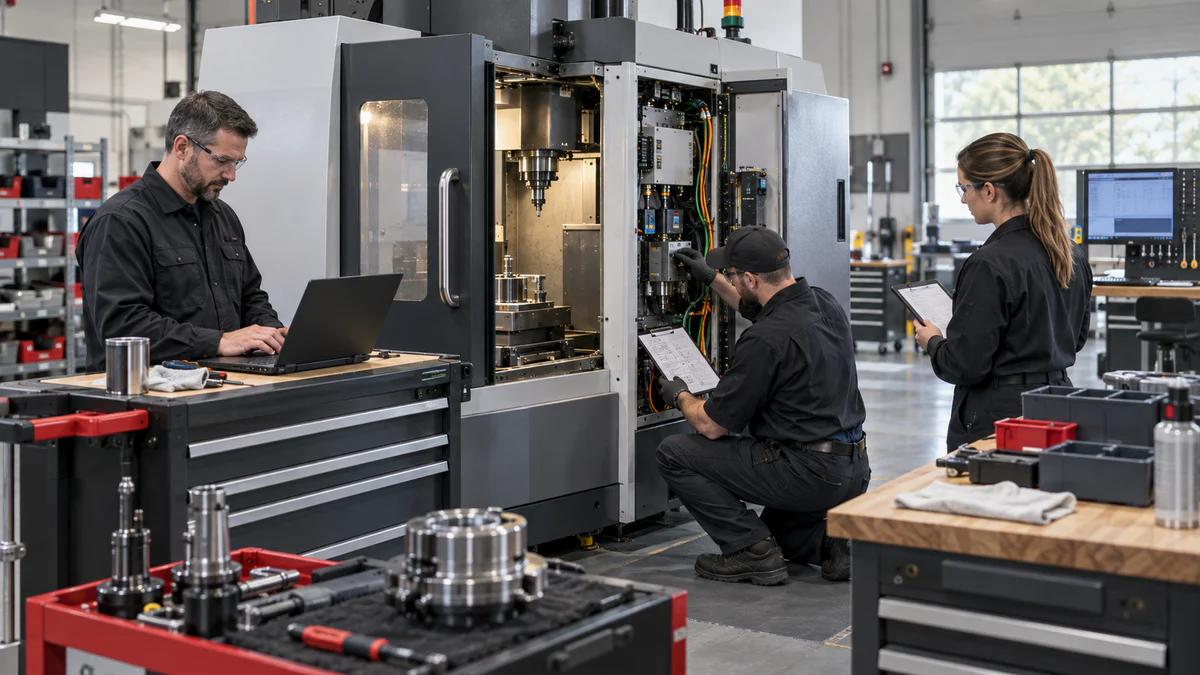
Also record who prepares the fixture, who presets tools, who reviews the first piece, who contains a held lot, where backups are stored and how a service request is escalated. These details affect delivery risk and ownership even when the machine configuration is unchanged. A dated ledger lets the buyer compare two proposals without confusing a fast demonstration with a released production route. Keep shipping, installation, training, maintenance and spare-part assumptions beside the purchase figure so the ownership model can be audited after launch. Include a review date and a named commercial owner today, again now. Note delivery lead time, installation readiness, document handoff, spare storage and the first service review so the price or supplier decision remains useful after production begins. Add the accountable person for each open issue and the evidence expected at closure for audit today. Keep an escalation contact, evidence location, review date and restart owner visible to the next shift for reliable commercial planning today. Add a final evidence check for buyer review.
Product certification, fatigue life, pressure approval, downstream assembly, local safety validation and regulatory release remain separate decisions unless specifically tested. Reopen affected evidence after a drawing, material, fixture, tool, program, software, gauge, site or maintenance change. Keep the superseded baseline and the reason for change.
Questions Buyers Ask About high speed drilling tapping center
What should fast drilling prove?
It should prove hole quality, thread quality, chip control, tool life, inspection and accepted takt under declared conditions.
Is maximum rpm enough?
No. Holder runout, feed, coolant, chip evacuation, tool life and the fixture determine the result.
How should tapping be checked?
Record pitch, depth, torque, gauge, lubrication, chip state and held-piece disposition.
Why include a tool replacement?
It shows the route at a normal production event rather than only with a fresh tool.
Can spindle cycle time equal production takt?
No. Include loading, probing, inspection, chip clearing, tool changes, maintenance and recovery.
What is a mixed hole panel?
Use representative depths, threads, chamfers, orientations and a difficult feature from the buyer’s family.
How does Zhihe CNC handle an alarm?
Zhihe CNC preserves state, containment, correction, retest and restart ownership.
What should a quotation specify?
Specify tool range, hole limits, fixture, coolant, inspection, service, training and accepted-output assumptions.
When should the route be requalified?
Requalify after material, tool, holder, program, fixture, gauge, controller or site changes.
What should buyers send?
Send hole chart, materials, volumes, fixtures, inspection and known failure modes.
Turn the Review Into a Zhihe CNC Action
Send Zhihe CNC controlled drawings, CAD, materials, stock, datums, fixtures, tools, volume, inspection, site conditions and known failure modes. The Zhihe CNC product range, company profile and contact route define the next technical review. For high speed drilling tapping center, request the trial boundary, acceptance file, service owner and open assumptions before comparing price.
Source Notes
The first standards reference provides machine or process context. The second authoritative reference adds test or guarding context. These sources do not replace a site-specific acceptance test, risk assessment or product release decision.