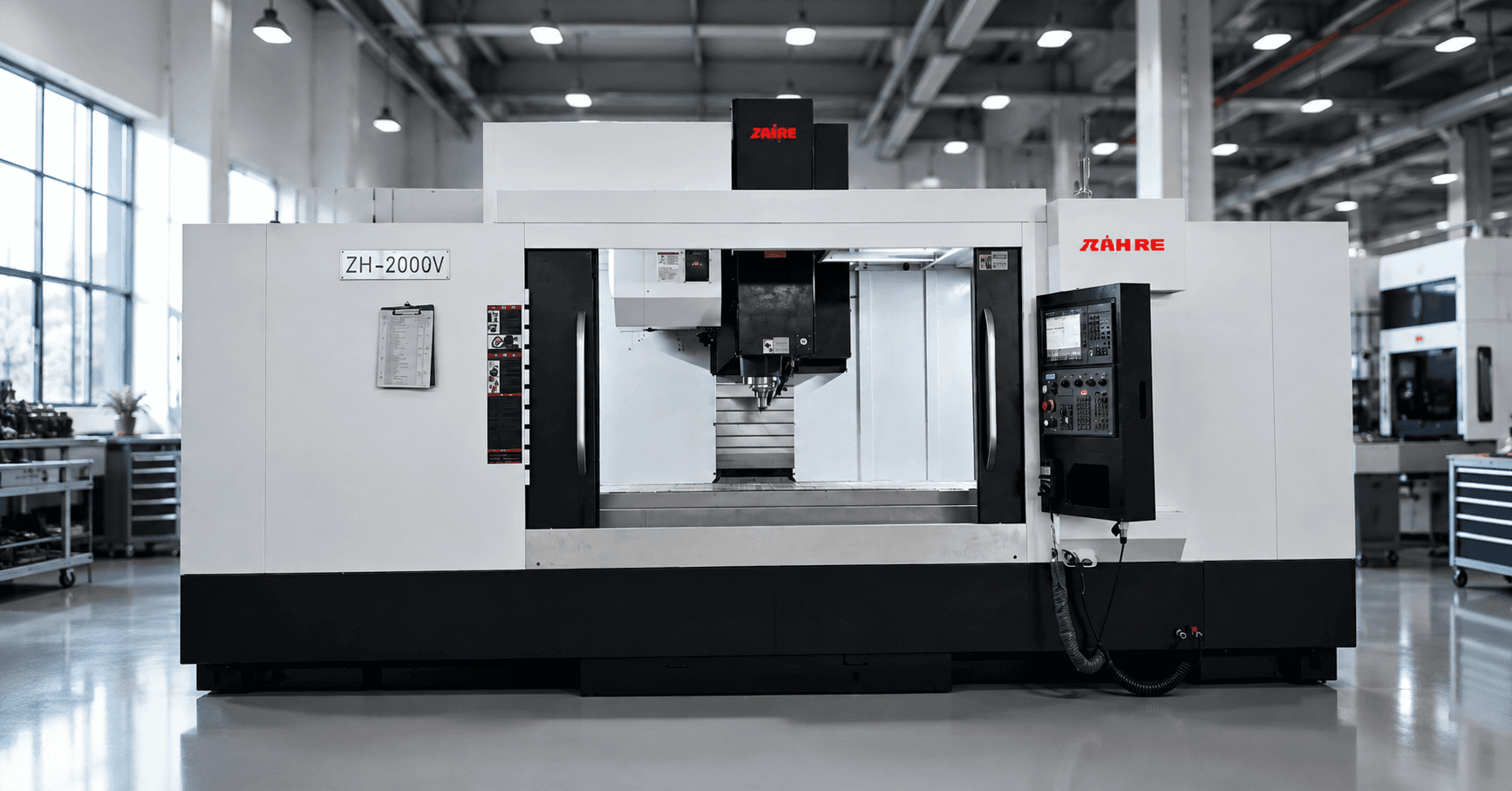
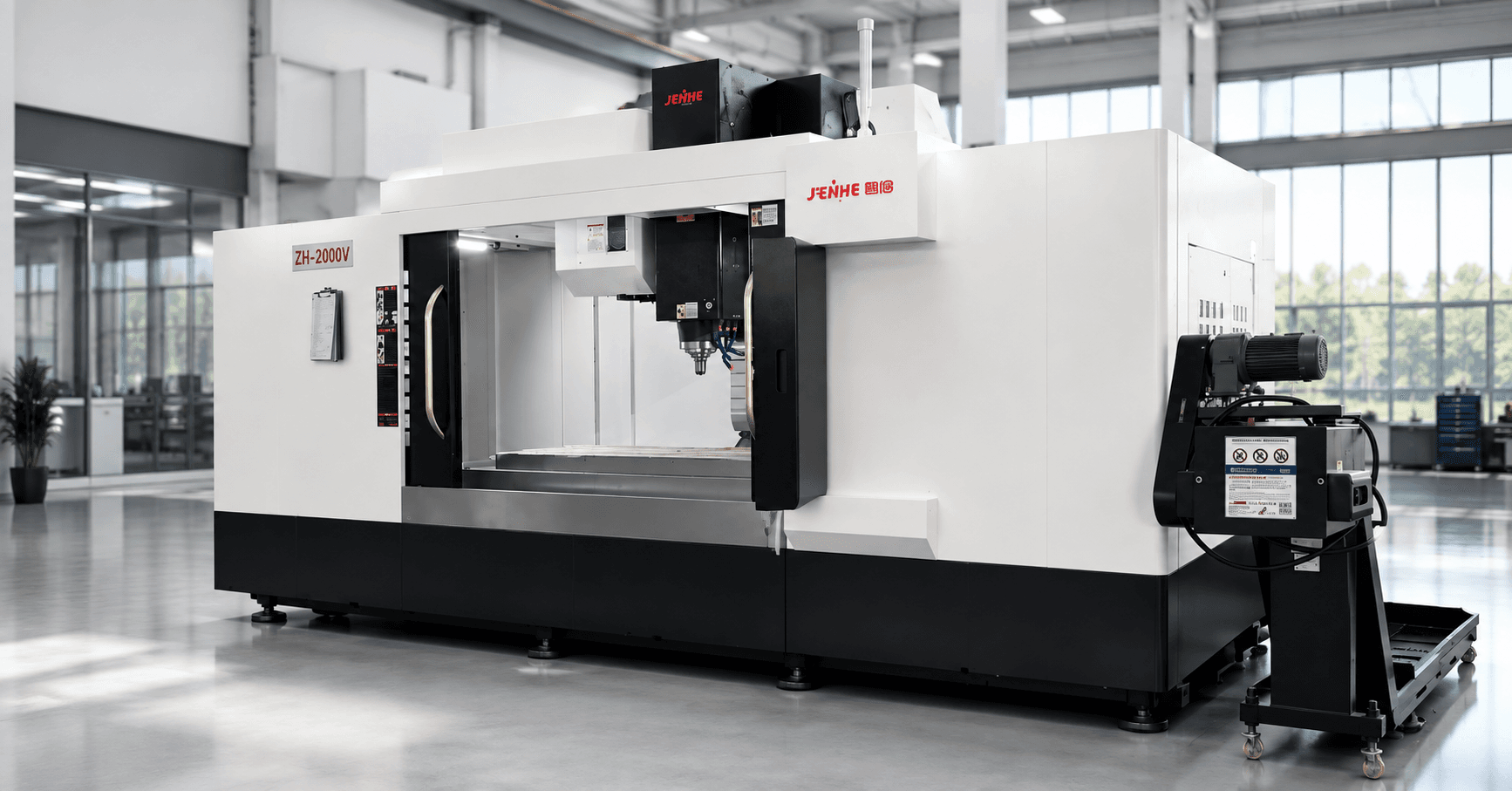
A fast spindle does not guarantee a fast finished part. On a component with forty holes, twelve threads, and a few light pockets, time is lost between cuts as well as inside them. Tool changes, acceleration, positioning, probing, chip clearing, loading, and thread recovery can decide whether the machine reaches the target output.
A high speed drilling tapping center is most valuable when short, repeated operations dominate the routing. It is designed to move quickly between holes and tools while keeping the process compact. If the part requires heavy roughing, large cutters, deep torque-demanding cuts, or a very large work envelope, a conventional vertical machining center may be the better platform.
This buyer guide explains where speed comes from, which parts use it, and what to ask before accepting a cycle-time promise. The aim is not to find the fastest specification. It is to find the most stable route for the required number of acceptable parts per shift.
High Speed Drilling Tapping Center: The Quick Answer
Shortlist this machine type when the work has many holes and threads, small-to-medium tools, light or moderate milling, stable fixtures, and enough volume for seconds saved on every movement to repeat. Typical candidates include aluminum housings, electronics parts, brackets, covers, heat sinks, plates, and compact automotive components.
Choose a standard VMC instead when the process needs larger tools, high torque, heavy stock removal, more table capacity, a larger envelope, or broad job-shop flexibility. The dividing line is the routing, not the industry label.
Where the Cycle-Time Gain Actually Comes From
Buyers often focus on spindle rpm. A short drilling and tapping cycle also depends on:
- Rapid traverse and acceleration between features.
- Tool-to-tool change time under real conditions.
- Spindle acceleration and deceleration.
- Positioning and settling behavior.
- Drilling depth, approach, retract, and chip-breaking moves.
- Rigid tapping synchronization and reversal.
- Loading, probing, washing, and unloading.
A one-second saving matters when it occurs hundreds of times per shift. A headline tool-change time matters less if the machine waits for the spindle, uses a long safe approach, or stops for chip removal. Ask for a cycle breakdown rather than one final number.
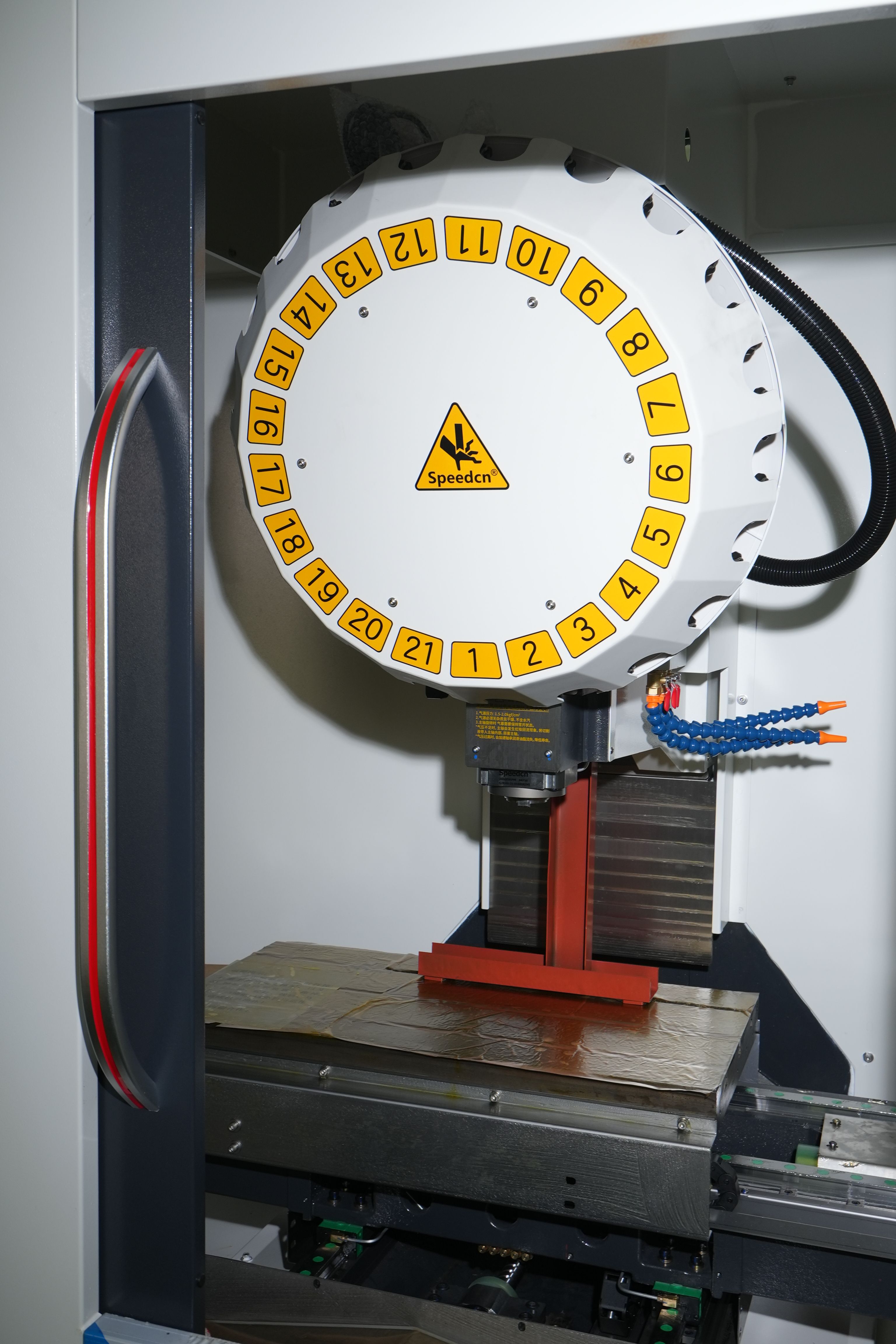
Part Geometry and Hole Count Should Qualify the Machine
Take the representative drawing and count holes by diameter, depth, tolerance, and thread. Note whether holes are through or blind, whether they intersect pockets, and whether chips have a clear path out. Mark the milling features and the largest cutter likely to be used.
Then look at tool access. A top-side plate is straightforward. A housing with holes on four faces may need manual rotations, a fourth axis, or another machine layout. Saving seconds between top-side holes will not compensate for several manual setups if those setups dominate the route.
Production volume changes the answer. For prototypes, fixture simplicity may matter more than maximum acceleration. In repeat production, the same rapid move and tool change occur often enough to justify closer optimization.
Spindle Selection Should Follow Drill Size and Material
Small drills in aluminum may use high rpm effectively. Larger drills, thread mills, face mills, and steel work may require a different balance of speed, torque, and power. The useful range should cover the actual tool list without forcing important operations to the edge of the spindle curve.
Tool holder rigidity and runout also matter. Sandvik Coromant's drilling tips emphasize short drills, rigid accurate holders, low runout, and sound spindle condition. These points connect directly to machine selection because speed magnifies weak holding and spindle problems.
Ask the supplier to identify the largest drill, smallest drill, deepest hole, most demanding tap, and largest milling cutter in the proposal. A spindle chosen around the average tool can still fail at the operation that controls the cycle.
Rigid Tapping Must Produce Threads, Not Just Reverse Quickly
Rigid tapping synchronizes spindle rotation with axis feed. Faster acceleration and reversal can reduce cycle time, but thread quality also depends on synchronization, tool condition, holder, coolant, chip evacuation, hole preparation, and the material.
Blind holes are less forgiving because chips have limited space. A tap that reaches the programmed depth may still pack chips at the bottom or damage threads during reversal. Review pilot-hole size, bottom clearance, tapping depth, coolant delivery, and whether form tapping or thread milling is a better option.
A useful trial should include the actual thread size and depth, not only easy through holes in a soft demonstration block. Agree on the inspection method: plug gauge, thread measurement, or another customer standard.
Chip Control Can Protect the Speed You Purchased
High-volume hole making produces chips continuously. Sandvik Coromant notes that high-volume drilling depends on precision, efficiency, and reliability. From the machine buyer's viewpoint, reliability includes getting chips away before they stop the next hole.
Review through-tool coolant, external nozzles, air blast, enclosure washdown, filtration, tank capacity, and conveyor design. Materials create different chip forms. Aluminum can generate a large volume of light chips; steel may create heat and long chips; cast iron introduces fine abrasive particles.
Chip control should be tested around the fixture. Clamps and pockets can create traps even when the machine has a capable conveyor. If an operator must open the door every twenty cycles to clear chips, the advertised automatic cycle is incomplete.
Acceleration and Rapid Traverse Need a Real Part Test
Rapid traverse is usually stated as a maximum speed. Short moves may never reach that maximum because the axis must accelerate and decelerate. A compact part with many nearby holes can therefore depend more on acceleration and control tuning than on the top rapid figure.
Program a representative pattern. Include safe approach, drilling, retract, tool changes, tapping, probing, and the longest move on the part. Compare measured time by segment. This shows where the machine is fast and where the process is waiting.
Do not remove all safety margin to win a demonstration. A production cycle needs clearance for chips, tool length variation, fixture tolerance, and operator recovery. The best cycle is one that can run repeatedly without a near miss.
Machine Structure Still Matters During Light, Fast Cutting
Drilling and tapping centers are often associated with lighter cuts, but rigidity remains important. Repeated acceleration, off-center fixtures, milling forces, and larger tools load the structure. A compact fast machine that vibrates during the required pocketing operation may shift the bottleneck rather than remove it.
Check table size, load, guideway design, screw support, spindle arrangement, and fixture height. If a fourth axis is planned, include its mass and overhang. Confirm that tool access remains clear throughout the travel.
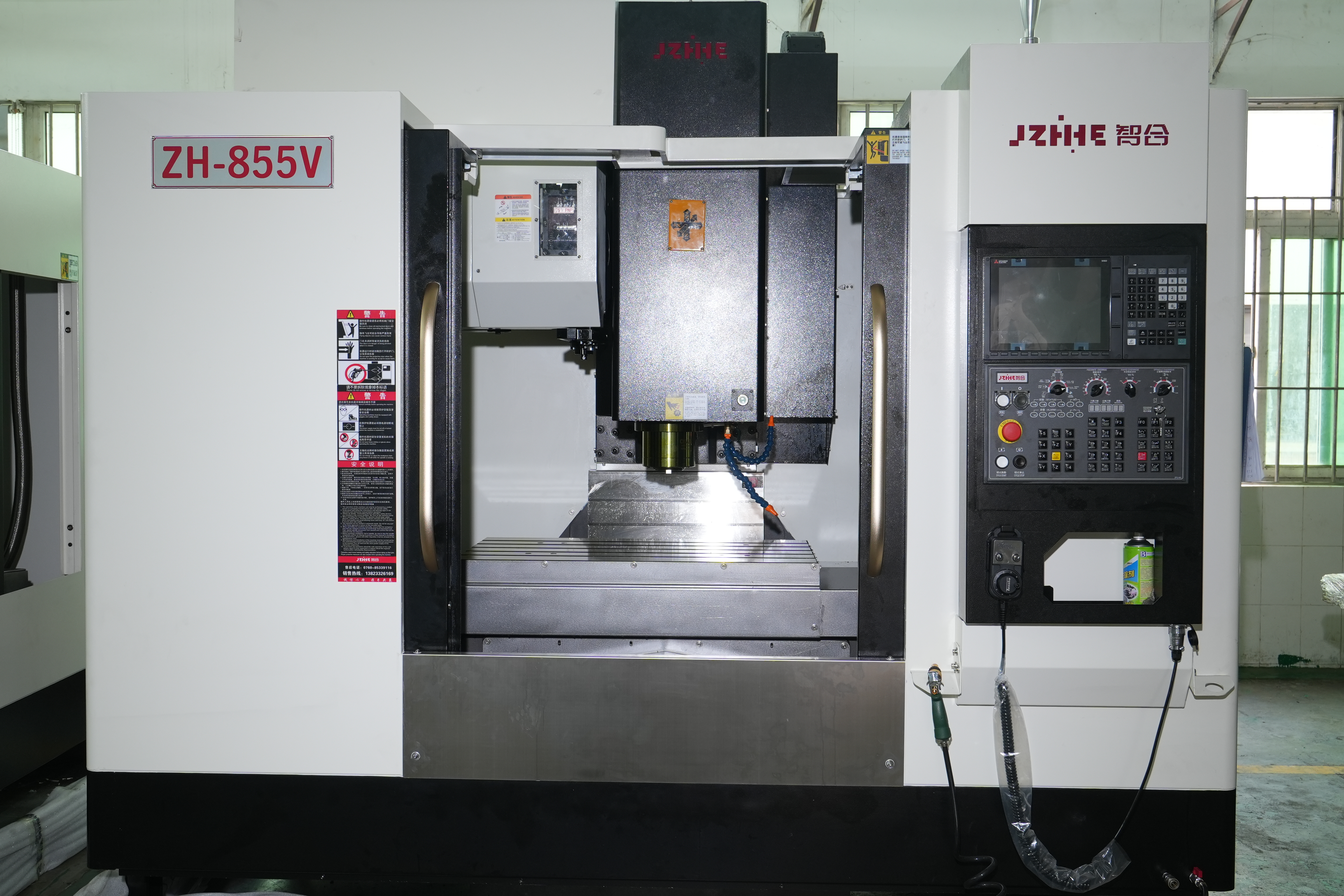
Accuracy Verification Should Reflect the Hole Pattern
A machine may repeat a single position well and still show an issue across a large pattern or after temperature changes. Define the features that matter: hole location, bore position, thread alignment, perpendicularity, pocket-to-hole relationship, or pattern distance.
Laser interferometer calibration can evaluate axis positioning. Ballbar testing can review coordinated axis behavior. A part trial connects those machine checks to the fixture, tools, material, and program. For high-volume production, repeat measurements after a longer run can reveal behavior that a cold first part does not show.
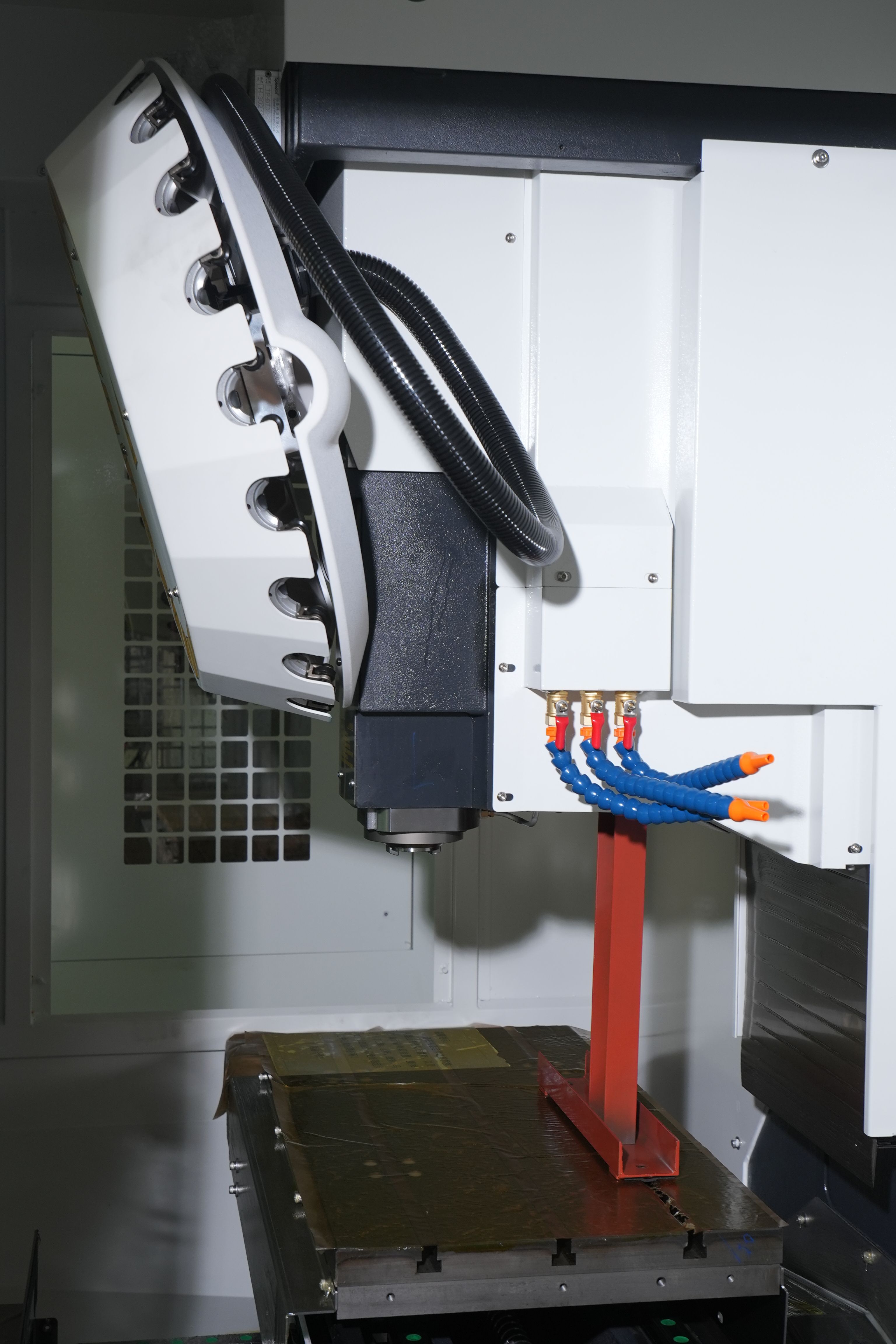
Automation Works Best When the Short Cycle Is Stable
Fast drilling and tapping cycles can make manual loading a large share of total time. A pallet changer, robot, or simple loading device may improve utilization. The calculation should include door time, clamping, part orientation, chip cleaning, probing, tool life, and how rejected parts are handled.
Automation is less useful when the fixture needs frequent adjustment or chips prevent consistent seating. Stabilize the manual process first. Then identify the exact waiting time the automation will remove.
Drilling and Tapping Center vs Standard VMC
| Decision factor | Drilling and tapping center | Standard VMC |
|---|---|---|
| Typical strength | Fast repeated holes, threads, and light milling | Flexible milling, wider tool range, heavier cuts |
| Workpiece | Small-to-medium parts and compact fixtures | Broader sizes, weights, and job types |
| Tool changes | Optimized for frequent short operations | Depends on magazine type and configuration |
| Spindle focus | Higher-speed drilling, tapping, and light cutting | Wider balance of speed, torque, and milling |
| Best financial case | Stable volume where seconds repeat | Mixed work and operations that demand flexibility |
A supplier should compare both routes when the part contains meaningful milling as well as many holes. The correct answer may be a faster drilling center, a stronger VMC, or two machines assigned to different operations.
What to Include in the RFQ
- Drawing, material, stock condition, raw size, and finished size.
- Hole list with diameter, depth, tolerance, and through or blind condition.
- Thread sizes, depths, gauges, and required standards.
- Milling features, largest cutter, and material-removal demand.
- Batch size, annual volume, shifts, and target cycle time.
- Fixture concept, fourth-axis need, probing, and automation plans.
- Coolant, filtration, chip conveyor, tool interface, and controller preference.
Ask for a time study that separates cutting, rapids, tool changes, spindle changes, probing, and loading. Also request the assumed tools and cutting conditions. This makes the promised output easier to review and reproduce.
How Zhihe CNC Evaluates Drilling and Tapping Projects
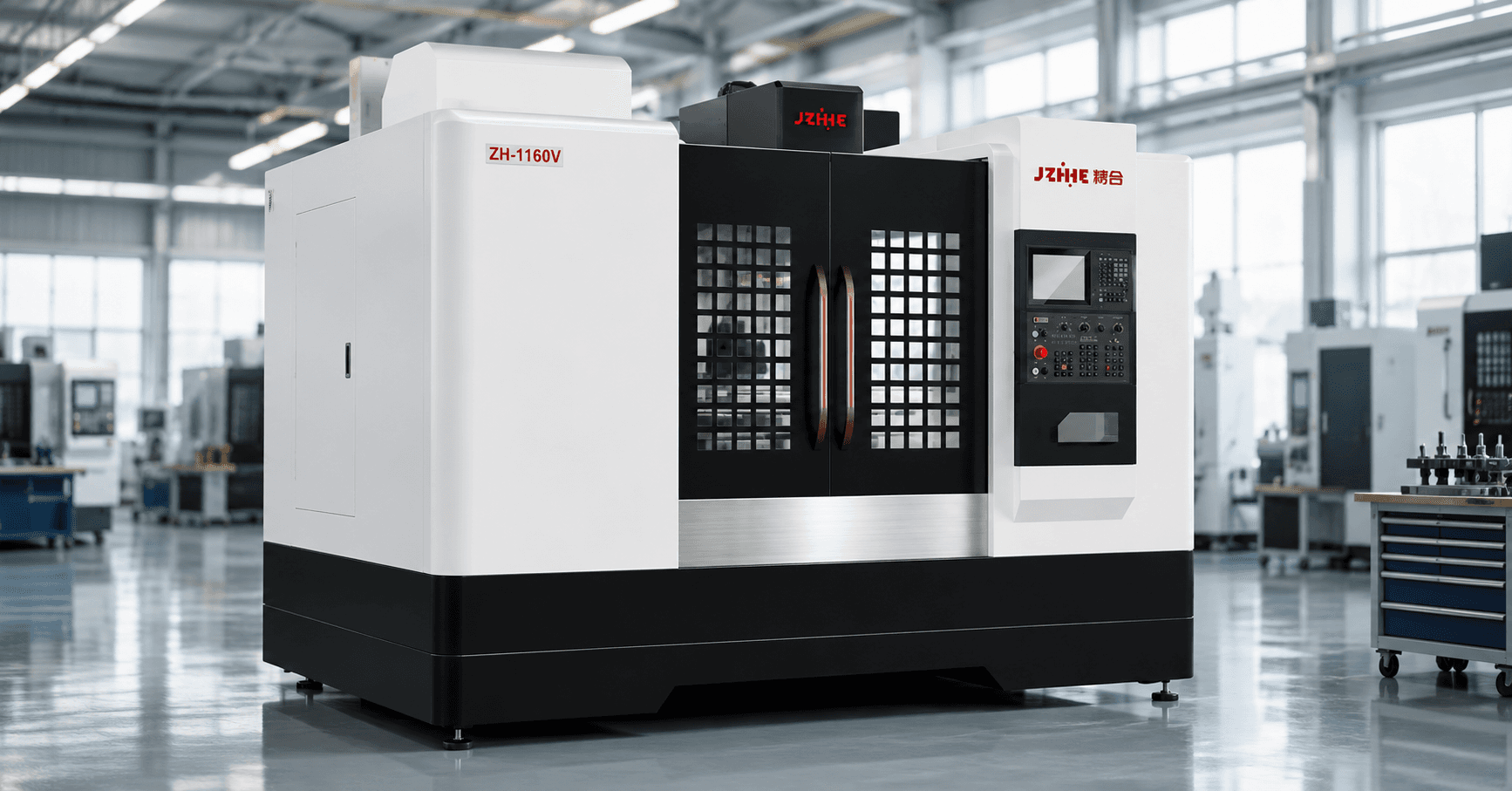
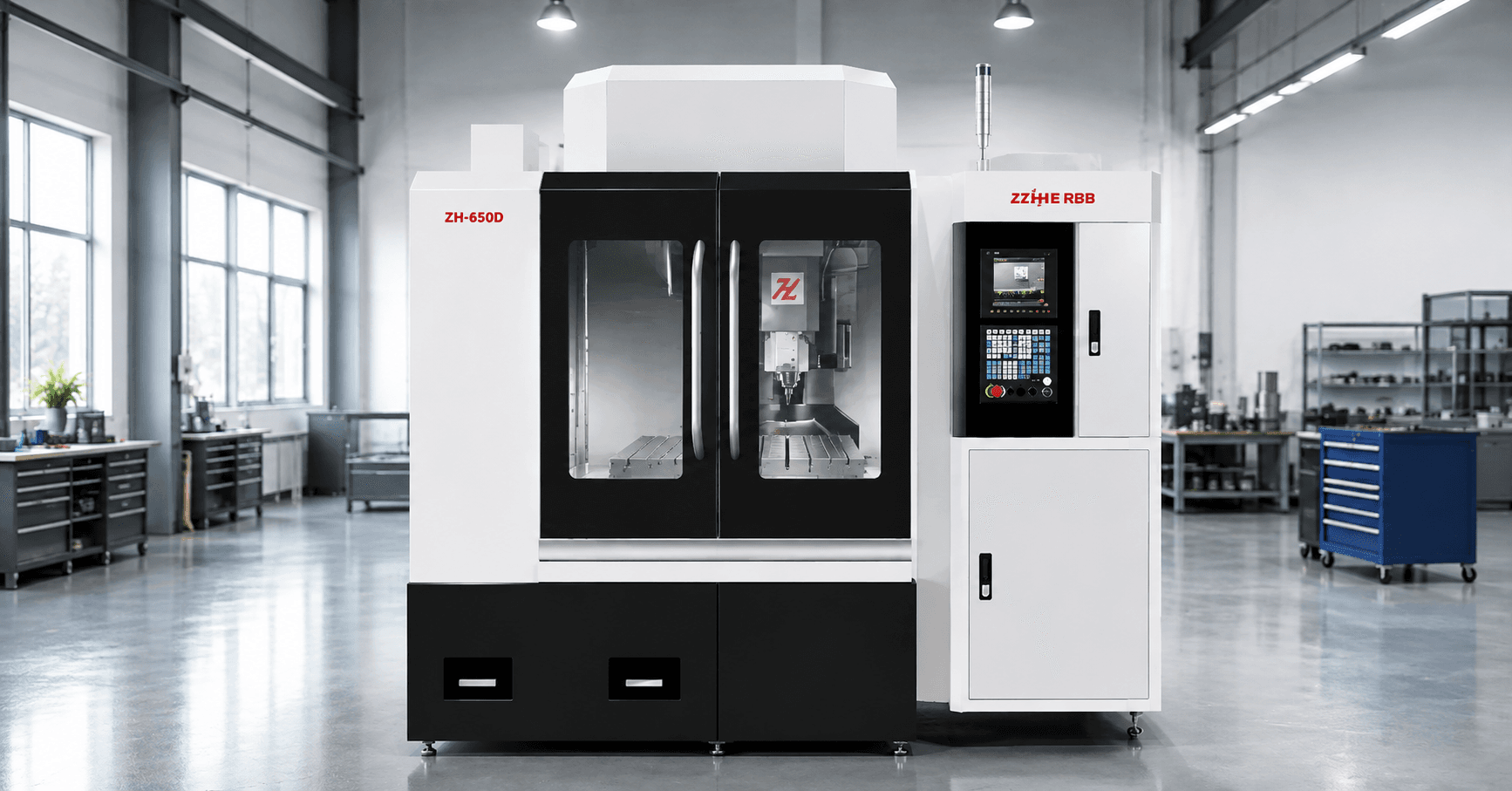
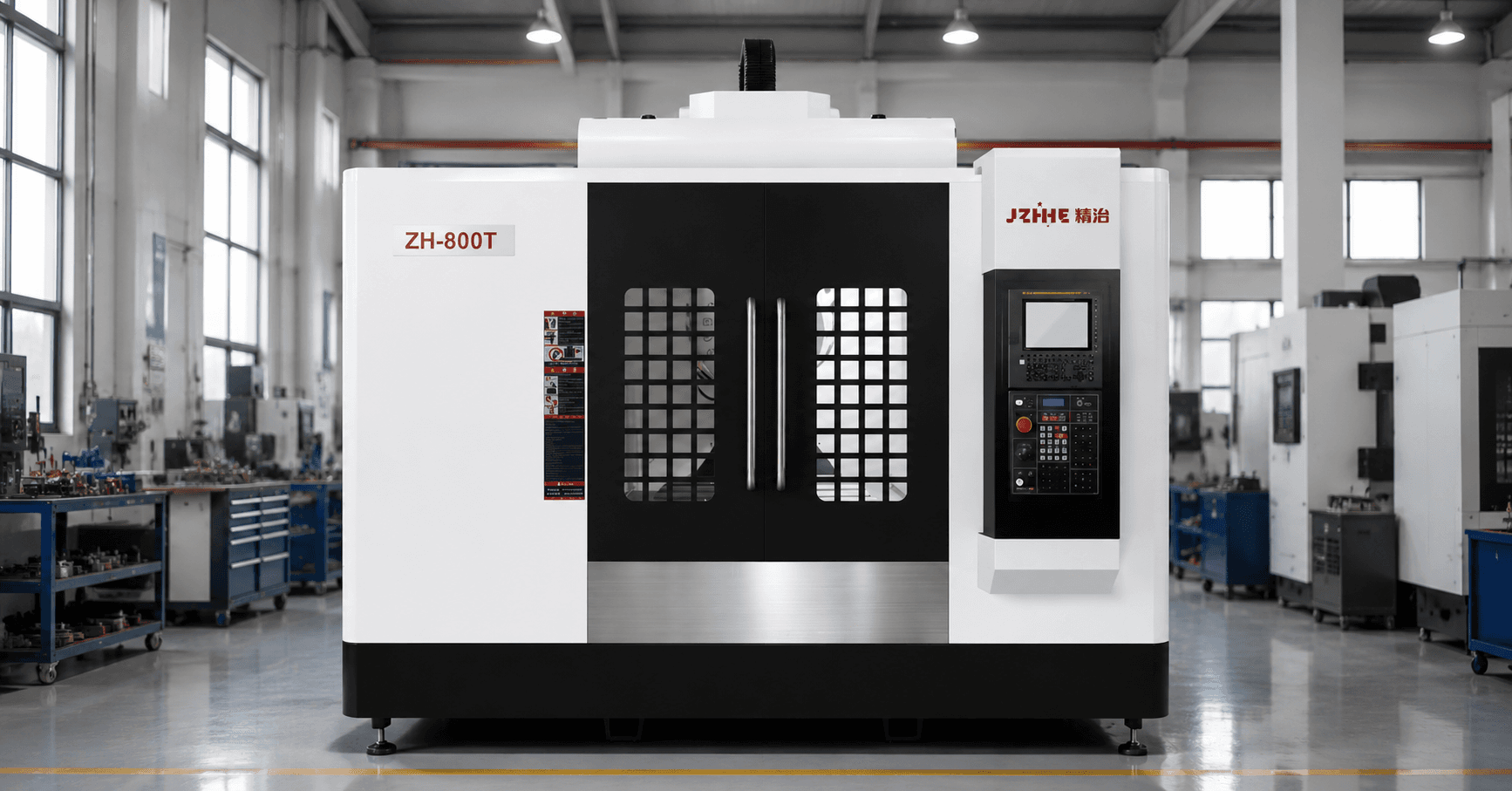
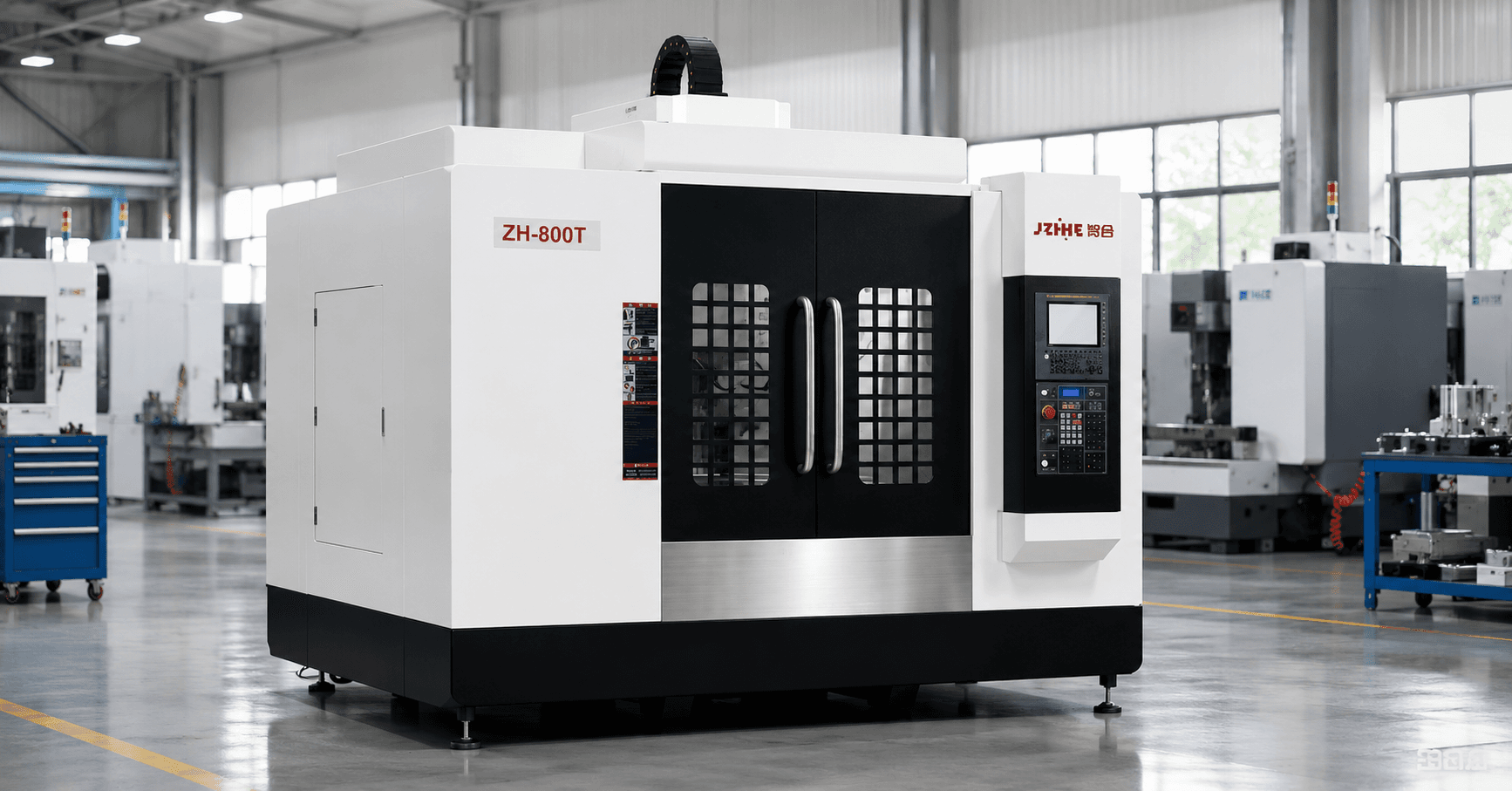
Zhihe CNC offers a dedicated drilling and tapping center range alongside vertical, horizontal, gantry, milling, and five-axis machining centers. The broader range is useful when a part sits near the boundary between high-speed hole making and heavier general machining.
The evaluation begins with the drawing, material, hole and thread list, milling demand, fixture, and production target. Zhihe can then compare spindle range, travel, tool capacity, chip system, fourth-axis options, probing, and automation. Trial cutting and machine verification can be defined around the project.
To evaluate a high speed drilling tapping center, send Zhihe CNC a representative part and request a segmented cycle study. The most useful proposal will explain where the time is saved and which conditions are required to keep saving it.
Questions Buyers Ask About High-Speed Drilling and Tapping
Is a drilling and tapping center only for aluminum?
No. It can process other materials when the spindle, tools, coolant, and cutting conditions are suitable. Aluminum is common because high speed and chip volume fit many compact production parts.
Can the machine perform milling operations?
Yes, within its spindle, structure, tool, and work-envelope limits. Review the largest cutter, depth of cut, material, and required finish before replacing a general VMC.
What makes tool change time important?
Parts with many short operations change tools frequently. Small savings repeat across every cycle, but the real result also depends on spindle acceleration, axis motion, and program strategy.
How should tapping performance be tested?
Use the actual material, thread size, depth, blind or through condition, coolant, and gauge requirement. Test reversal and chip behavior as well as cycle time.
Does a higher rapid traverse always shorten the cycle?
No. Short moves may be limited by acceleration and deceleration. Use the real hole pattern and measure the full program.
When should I choose a VMC instead?
Choose a VMC when heavy milling, larger tools, more torque, greater table capacity, or mixed-job flexibility matters more than repeated short hole-making operations.
Can a fourth axis be added?
Often yes, depending on the model and configuration. Check rotary weight, fixture clearance, travel, tool access, controller functions, and whether the saved setups justify it.
What is the best way to compare two cycle-time claims?
Use the same drawing, fixture assumptions, tool list, cutting conditions, safety clearances, probing, and loading method. Ask both suppliers for a segmented time study.
Measure the whole cycle. Zhihe CNC can compare drilling and tapping center and VMC routes around the part, then define the spindle, tools, chip control, and acceptance test required for stable output.