High Speed Milling Machining Center: What Precision Manufacturers Should Check Before Buying
A high speed milling machining center can look attractive very quickly. The spindle speed is high. The machine body looks clean. The enclosure feels production-ready. For many buyers, that is enough to start a quotation conversation.
But in precision manufacturing, the better question is not simply, “How fast can the spindle run?”
The better question is: can the machine stay stable while running fast?
That difference matters. A high-speed spindle can help with fine surfaces, complex contours, small tools, and high-gloss machining. Yet speed without rigidity creates its own problems. Chatter appears. Surface finish becomes unstable. Tool life changes from batch to batch. Accuracy may look acceptable on a test part but become difficult to hold during continuous production.
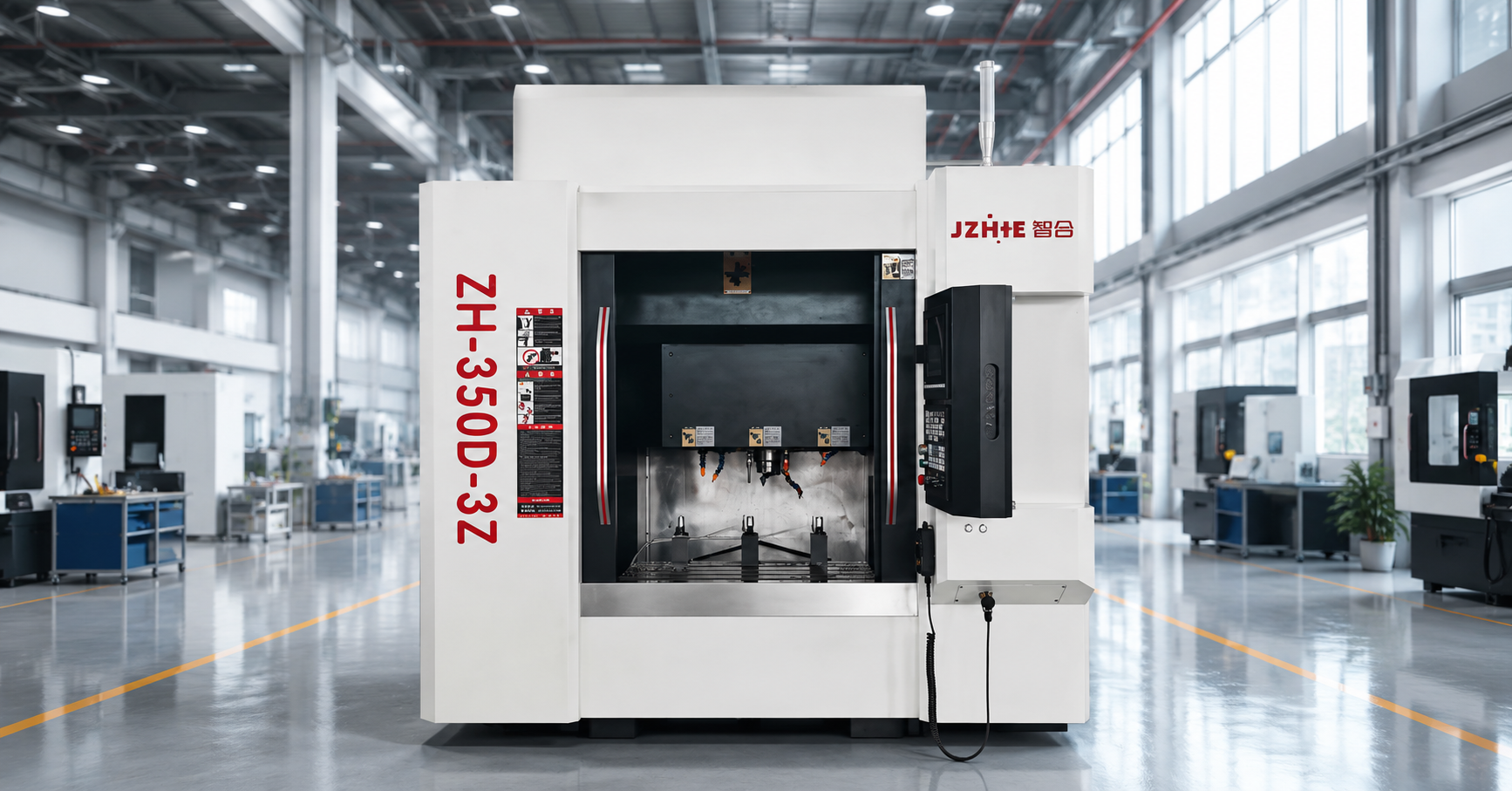
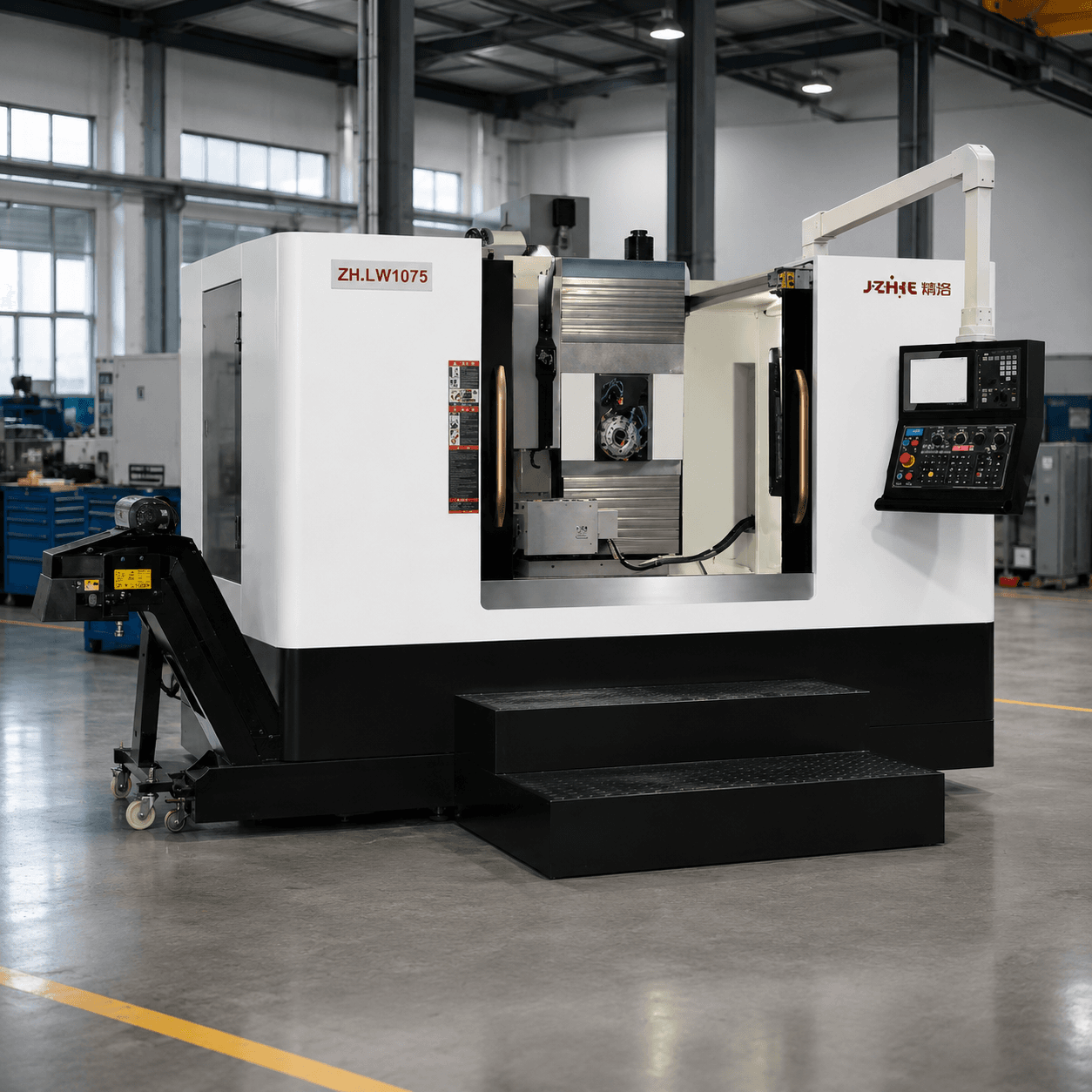
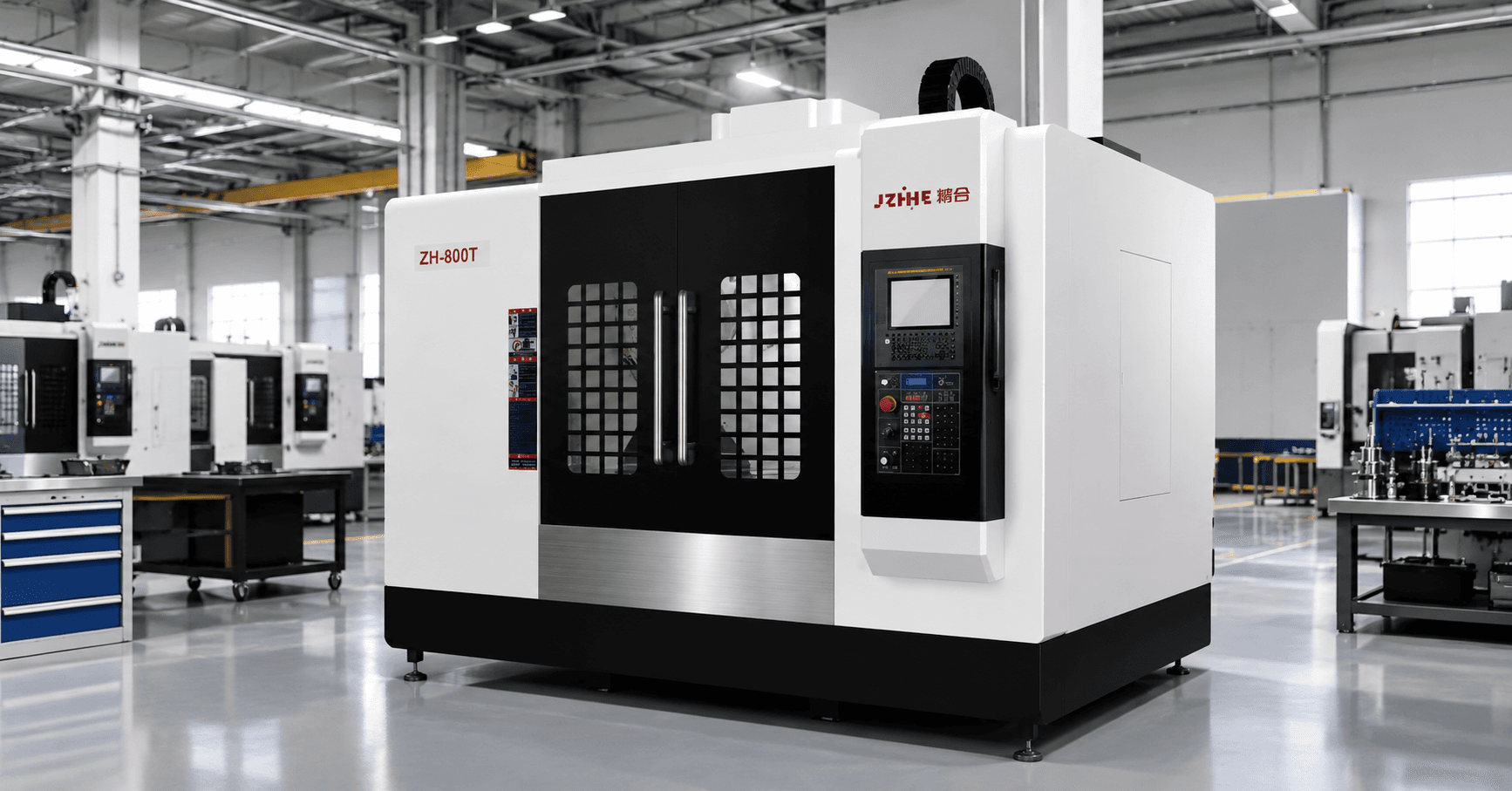
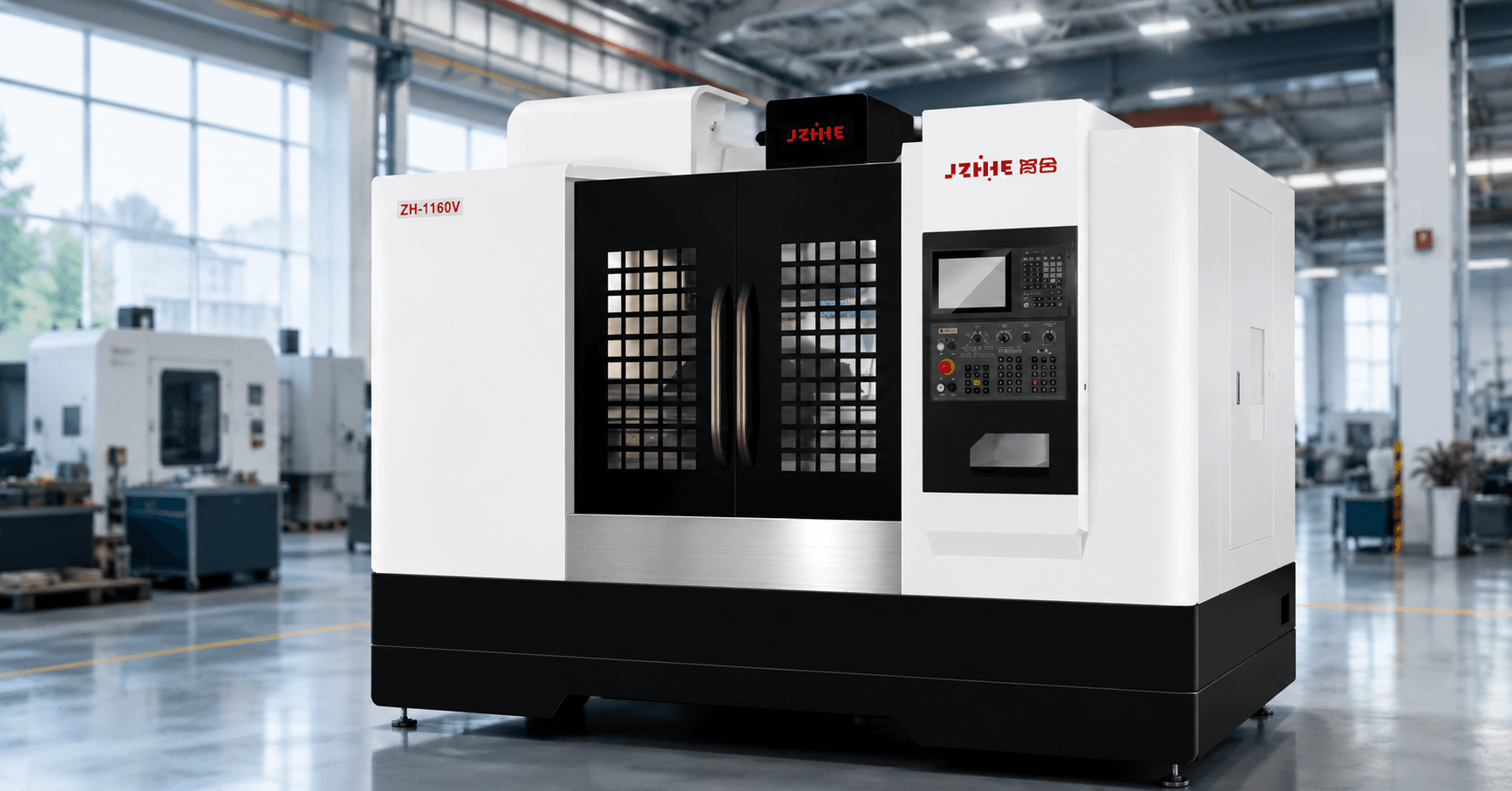
This is why B2B buyers need to evaluate a high speed milling machining center as a complete production system. The Zhihe CNC High-Speed Milling Machining Center is designed with a high-rigidity fixed-beam gantry structure, an internally reinforced keel support structure, a fully enclosed protection system, and a high-speed electric spindle with a typical speed range of 18,000–24,000 rpm. The product page positions it for complex curved surfaces, precision microstructures, high-gloss mirror finishing, and fine engraving applications.
For manufacturers working in 3C electronics, optical molds, medical devices, precision hardware, composite materials, and high-precision mold manufacturing, those details are not decorative. They affect daily production.
Why High Speed Milling Is Different from General CNC Milling
General CNC milling often focuses on stable material removal, common drilling and tapping operations, and moderate surface requirements. High speed milling is different. It usually involves smaller tools, higher spindle speeds, lighter cuts, tighter surface expectations, and more sensitivity to vibration.
A normal machining center may be enough for ordinary plates, brackets, or simple housings. But when the workpiece requires mirror-like surfaces, fine engraving, micro features, or complex 3D curves, the machine must behave differently.
In this kind of work, small instability becomes visible fast.
A slight vibration can leave tool marks. Poor thermal control can shift dimensions. Weak structural support can reduce repeatability. If the spindle runs fast but the frame cannot absorb movement, the buyer may end up slowing the process down just to make acceptable parts.
That is why high speed machining is not only about rpm. It is about the relationship between spindle, structure, guide system, thermal behavior, tool path, and workpiece material.
Machine Rigidity Should Come Before Spindle Speed
Many buyers naturally ask about spindle speed first. That is understandable. Speed is easy to compare.
Yet for a precision milling machining center, rigidity should be checked early.
The Zhihe CNC product page describes a fixed-beam gantry architecture with internally reinforced keel support. The stated purpose is to improve overall rigidity, long-term operational stability, vibration suppression, and resistance to thermal deformation during high-speed machining.
That is important because high speed machining often uses small tools and fine finishing passes. These processes may not create the same cutting load as heavy roughing, but they are highly sensitive to vibration. Even a small amount of machine movement can affect the surface.
For a factory making optical molds or high-gloss parts, surface finish is not a small cosmetic point. It may decide whether the part can move to the next process without polishing, correction, or rejection.
A rigid machine structure gives the cutting process a calmer foundation. The spindle can do its job. The tool can stay engaged more consistently. The workpiece surface is less likely to show unexpected marks.
Why a Fully Enclosed Design Matters in Precision Production
The fully enclosed protective design is another point buyers should not ignore.
The Zhihe CNC page states that the machine uses a fully enclosed protection system with dustproof, waterproof, and chip isolation performance. It also mentions dual-side hinged protective doors for easier loading, unloading, and process observation.
In a precision workshop, enclosure design affects more than operator safety. It also helps protect key transmission components from chips, coolant mist, and workshop contamination. That becomes especially useful when machining fine parts, high-value molds, or components where surface quality matters.
A poor enclosure creates extra cleaning work. Chips move into places they should not be. Coolant splashes outside the work area. Operators spend more time managing the mess instead of managing the process.
For production buyers, that matters because wasted minutes repeat every shift.
A clean enclosure also helps when the machine runs fine engraving, small-feature machining, or long finishing programs. These jobs are often slower to inspect and more expensive to correct. Keeping the work environment controlled helps reduce avoidable problems.
The Spindle: What Buyers Should Actually Ask
The product page lists a high-performance electric spindle with a typical speed range of 18,000–24,000 rpm, supported by precision dynamic balancing, efficient cooling, and low-vibration control technologies.
That is the core feature many buyers will notice first. But the right purchasing conversation should go deeper.
A buyer should ask:
| Buyer Question | Why It Matters |
|---|---|
| What spindle speed range is recommended for my material? | Aluminum, mold steel, copper, composites, and plastics need different strategies |
| What tool diameter range is practical? | High speed machining often uses small tools and fine finishing cutters |
| How is spindle cooling handled? | Thermal stability affects long machining cycles |
| How is vibration controlled? | Surface finish and tool life depend on spindle stability |
| What finishing quality can be expected? | High-gloss and optical mold work need realistic process targets |
| What maintenance is required? | Electric spindles need correct use and proper service planning |
A fast spindle is valuable only when it is used correctly. Tool balancing, tool holder quality, cutting parameters, cooling, and CAM strategy all affect the result.
In other words, the machine provides the capability. The process decides whether that capability becomes real output.
Application Areas Where High Speed Milling Makes Sense
The Zhihe CNC product page lists several application areas: 3C electronic housings, optical molds, medical devices, precision hardware, composite materials, and high-precision mold manufacturing.
These industries share one common theme: small errors can be expensive.
| Application Area | Typical Buyer Requirement | Why High Speed Milling Helps |
|---|---|---|
| 3C electronic housings | Clean surfaces, repeated features, fine edges | Supports efficient finishing and stable detail machining |
| Optical molds | High surface quality and fine contour accuracy | Helps reduce polishing pressure |
| Medical devices | Precision geometry and smooth finish | Supports controlled small-feature machining |
| Precision hardware | Dimensional consistency and appearance quality | Improves repeatable milling and finishing |
| Composite materials | Clean cutting and controlled dust/chip handling | Enclosure and spindle stability matter |
| High-precision molds | Curved surfaces, fine details, finish stability | Supports complex surfaces and fine engraving |
This does not mean every company in these sectors needs the same machine. A buyer should still match the machine to the part size, material, tolerance, tool path, and production volume.
But if the part requires fine surfaces, small features, high-speed finishing, or controlled contour machining, a high speed milling machining center is often more suitable than a general-purpose CNC milling platform.
Why 3C Electronics Buyers Care About Fine Milling
3C electronic housings are often thin, detailed, and appearance-sensitive. They may include small pockets, edge features, mounting holes, decorative surfaces, and tight assembly points.
In this type of production, machining marks can quickly become quality problems. A rough surface may require extra finishing. Burrs may create assembly issues. A small dimensional drift may affect fit.
High-speed milling can help because it supports smaller tools, lighter cuts, and cleaner finishing paths. But the machine must remain stable. Thin parts are sensitive to vibration, and fine features do not forgive poor fixturing.
For 3C buyers, the machine should be evaluated together with the fixture and process. The buyer should ask whether the supplier can help review the part drawing, recommend tooling, and verify the cutting strategy through trial machining if needed.
Optical Molds and Mirror Finish: Why Stability Is Everything
Optical mold machining is one of the more demanding applications for a high speed milling machining center. Surface finish is central. Tool marks, vibration patterns, and contour errors can increase polishing time or damage mold performance.
The Zhihe CNC product page specifically mentions high-gloss mirror finishing and complex curved surfaces as suitable applications for the spindle system.
For buyers in optical mold production, the machine needs to support smooth motion, stable spindle behavior, and consistent finishing conditions. The fixture also matters. A good spindle cannot fully correct a weak setup.
A practical buyer should ask about:
- Surface finish expectations
- Tool holder recommendations
- Spindle warm-up procedure
- Thermal stability during long finishing cycles
- Fine contour tool path support
- Inspection method after trial cutting
These questions prevent unrealistic expectations. Mirror finishing is not created by spindle speed alone. It is created by the full chain: machine structure, spindle condition, tool path, tool quality, material, fixture, and inspection.
Medical Devices and Precision Hardware: Consistency Beats Guesswork
Medical devices and precision hardware often require a mix of accuracy, small-feature machining, smooth finish, and reliable batch production. Even when the part is not large, the requirements can be strict.
A high speed CNC milling machine can support this type of work when it keeps vibration low and positioning stable. However, buyers should not choose only by the application name. “Medical part” or “precision hardware” is too broad.
A small titanium component, an aluminum housing, a stainless steel micro part, and a plastic medical fixture may all need different cutting strategies. The machine can provide speed and stability, but process planning must be specific.
A B2B buyer should prepare drawings, material grade, tolerance requirements, surface finish targets, annual volume, and current machining problems before asking for a quote.
That is how the supplier can recommend a machine configuration instead of guessing.
Common Mistakes Buyers Should Avoid
One common mistake is choosing by spindle rpm alone. A spindle that reaches 24,000 rpm sounds impressive, but the real question is whether the machine structure, cooling, tooling, and process can support that speed for the buyer’s parts.
Another mistake is treating high speed milling as light-duty machining. Fine finishing may use lighter cuts, but accuracy requirements can be very strict. The machine still needs rigidity.
A third mistake is ignoring the enclosure. Chips, dust, and coolant control affect cleanliness, safety, and long-term component protection.
Some buyers also forget about operator training. High-speed machining often needs different toolpath thinking, tool balancing habits, and spindle care. If the team runs the machine like an ordinary VMC, results may disappoint.
What Buyers Should Send Before Requesting a Quote
Before asking for a quotation, prepare:
| Information | Why It Helps |
|---|---|
| Part drawings | Shows feature complexity and surface requirements |
| Material | Determines spindle speed, tooling, and coolant strategy |
| Required tolerance | Helps evaluate machine suitability |
| Surface finish target | Critical for optical molds and high-gloss parts |
| Tool size range | Confirms whether high-speed spindle benefits the job |
| Production volume | Decides whether cycle time or flexibility matters more |
| Current problem | Helps supplier identify the real bottleneck |
| Delivery expectations | Supports planning for export or production schedule |
A serious quotation should not be based only on a machine name. It should be based on the workpiece.
FAQ
Is a high speed milling machining center only for mold work?
No. It can also support 3C electronic housings, medical devices, precision hardware, composite materials, and fine engraving applications, depending on the part and process requirements.
Why is the gantry structure important?
A high-rigidity fixed-beam gantry structure helps improve machine stability, suppress vibration, and support repeat positioning precision during continuous high-speed machining.
Is 18,000–24,000 rpm always necessary?
Not always. The right spindle speed depends on tool diameter, material, surface finish, and cutting strategy. The value is having the speed range available when the application needs it.
Why does enclosure design matter?
A fully enclosed design helps isolate chips, dust, coolant, and water from the workshop and key machine components. It also improves operator safety and production cleanliness.
Conclusion
A high speed milling machining center should be selected for the complete machining process, not only for spindle speed. Buyers should evaluate rigidity, gantry structure, spindle stability, cooling, enclosure design, surface finish capability, chip control, and supplier support.
For manufacturers producing 3C electronic housings, optical molds, medical devices, precision hardware, composite parts, and high-precision molds, the Zhihe CNC High-Speed Milling Machining Center offers a strong reference point. Its fixed-beam gantry structure, reinforced internal support, fully enclosed protection system, and 18,000–24,000 rpm electric spindle are all aimed at demanding precision machining environments.
The best buying decision starts with the part. Once the drawing, material, tolerance, surface finish, and output target are clear, it becomes much easier to decide whether this machine is the right production tool.