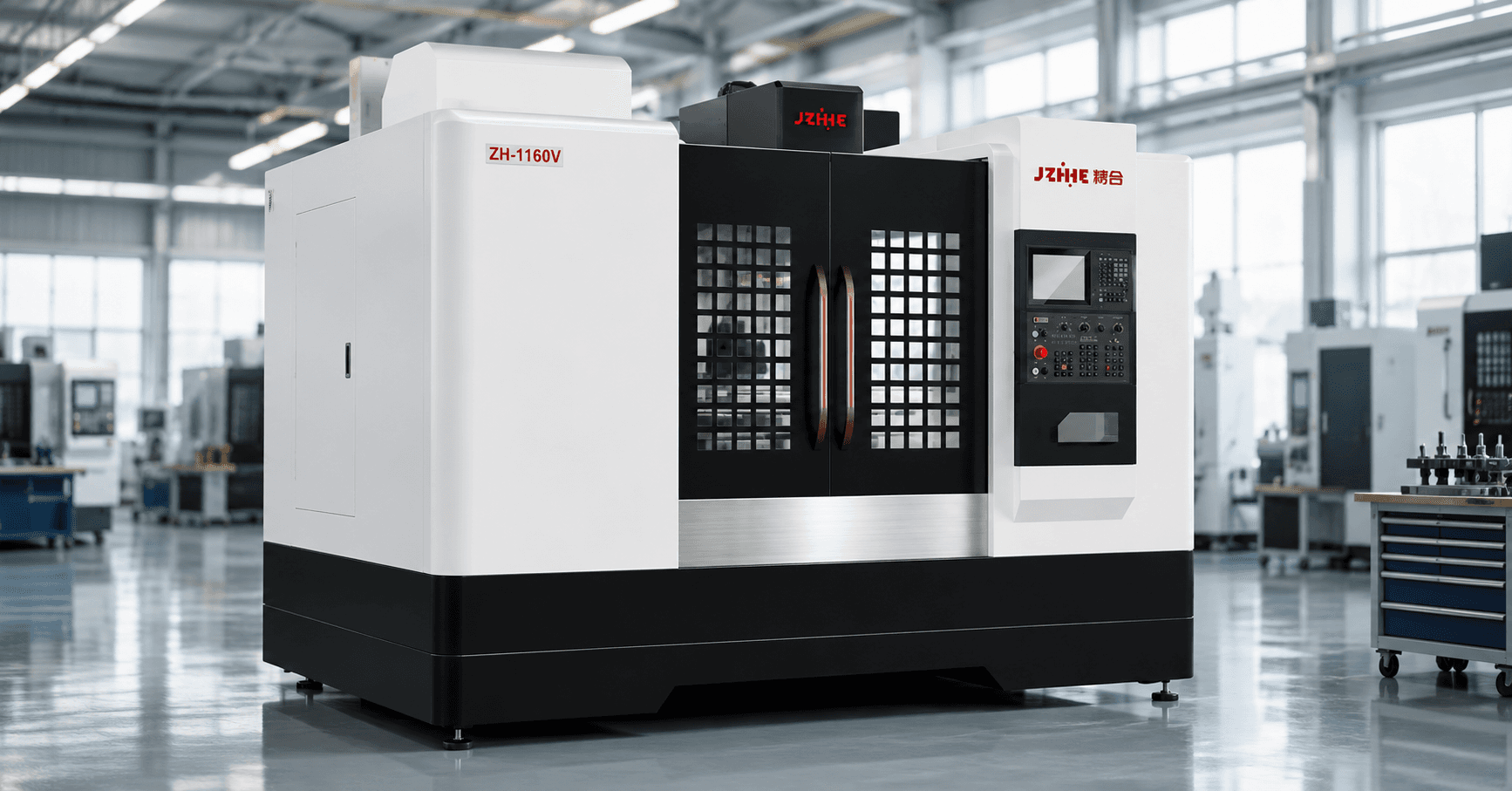
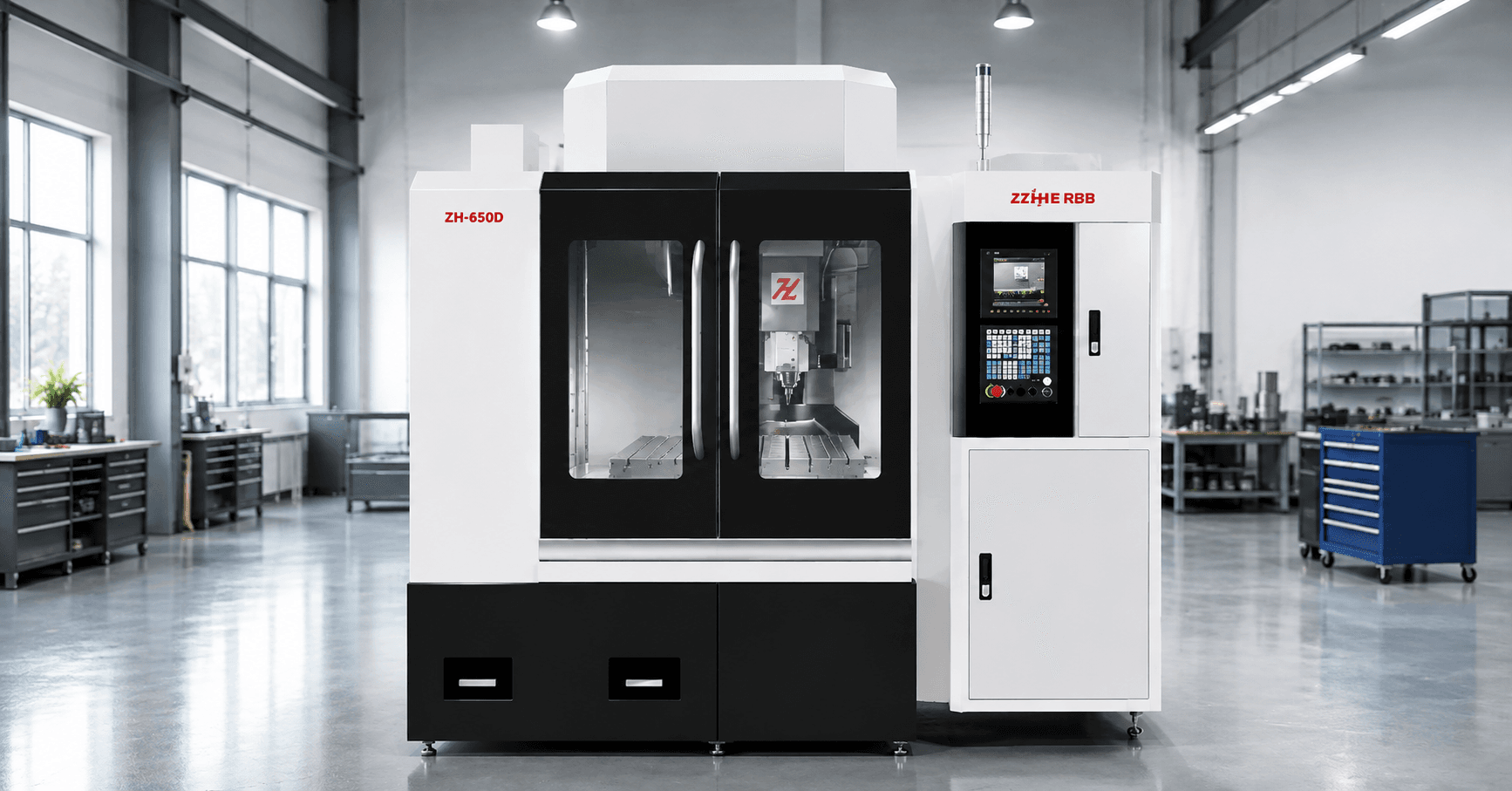
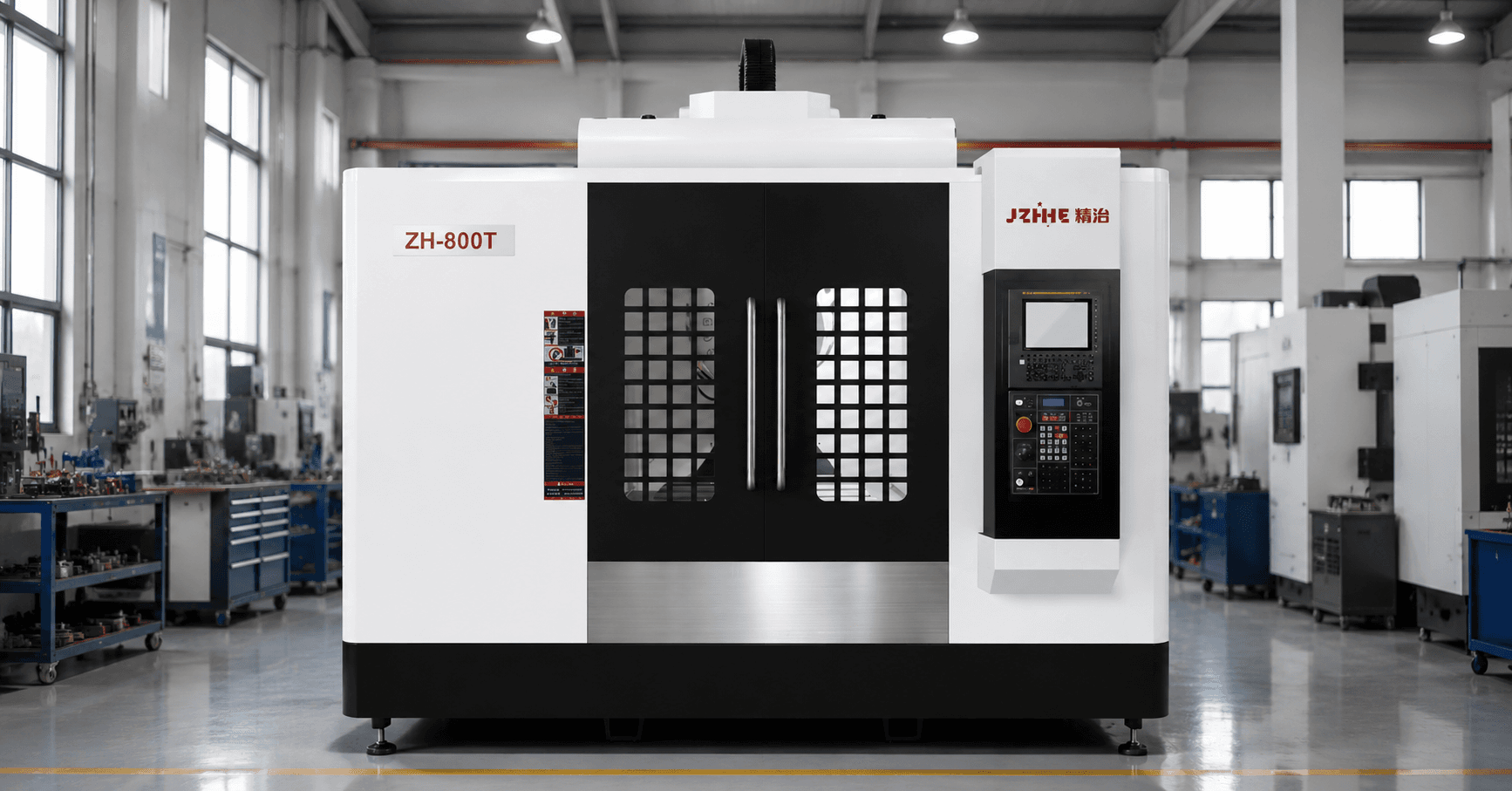
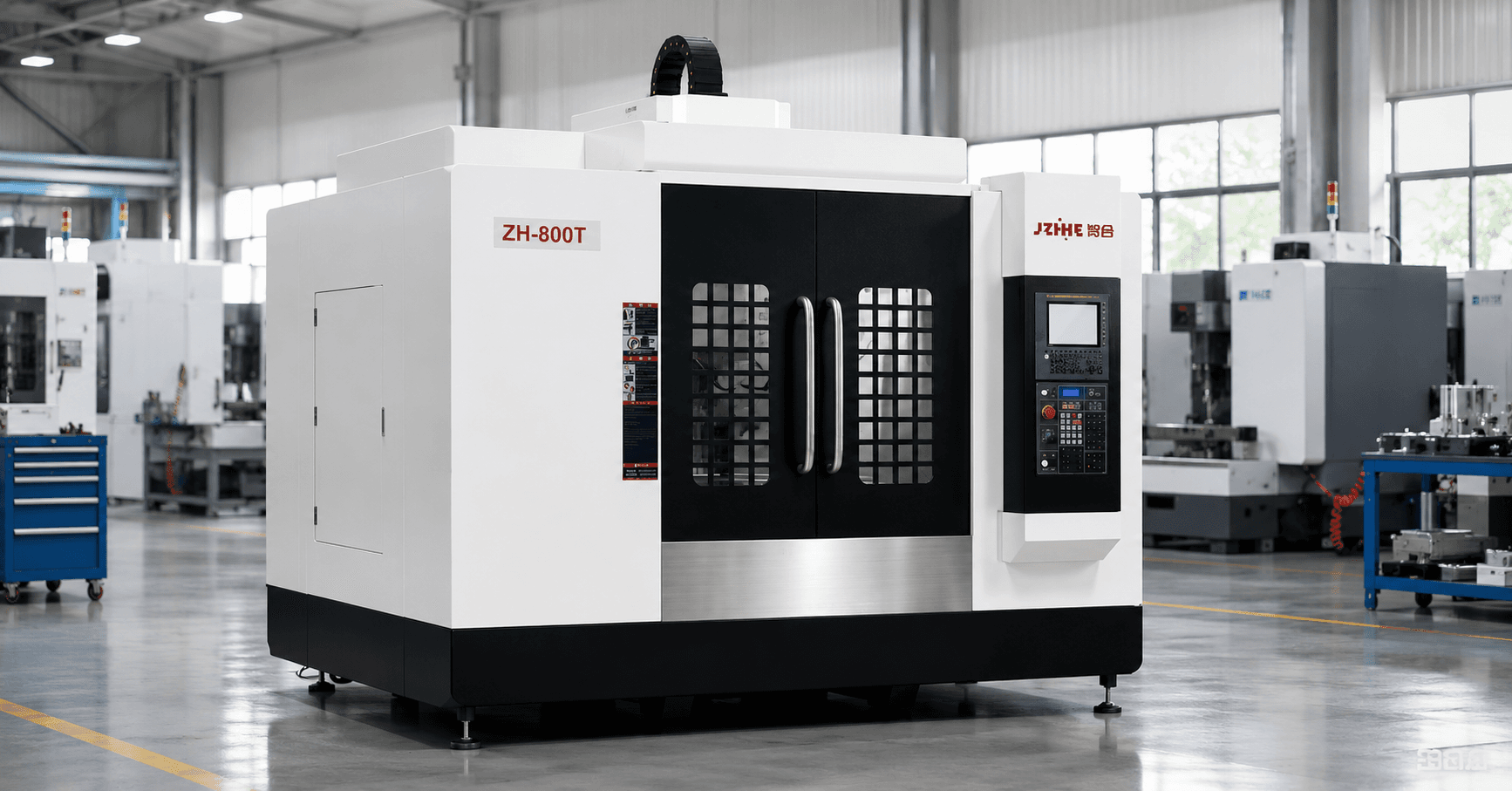
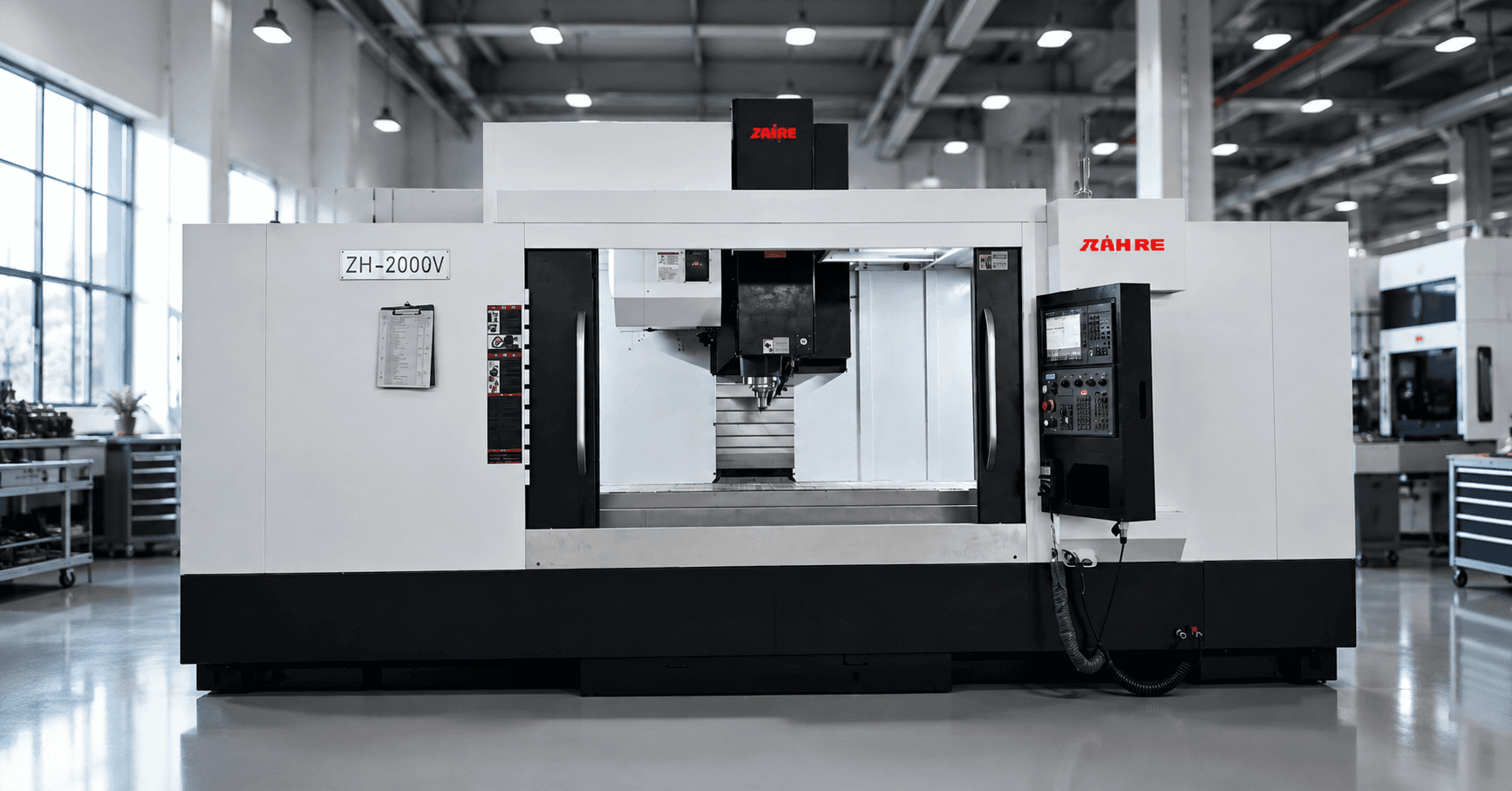
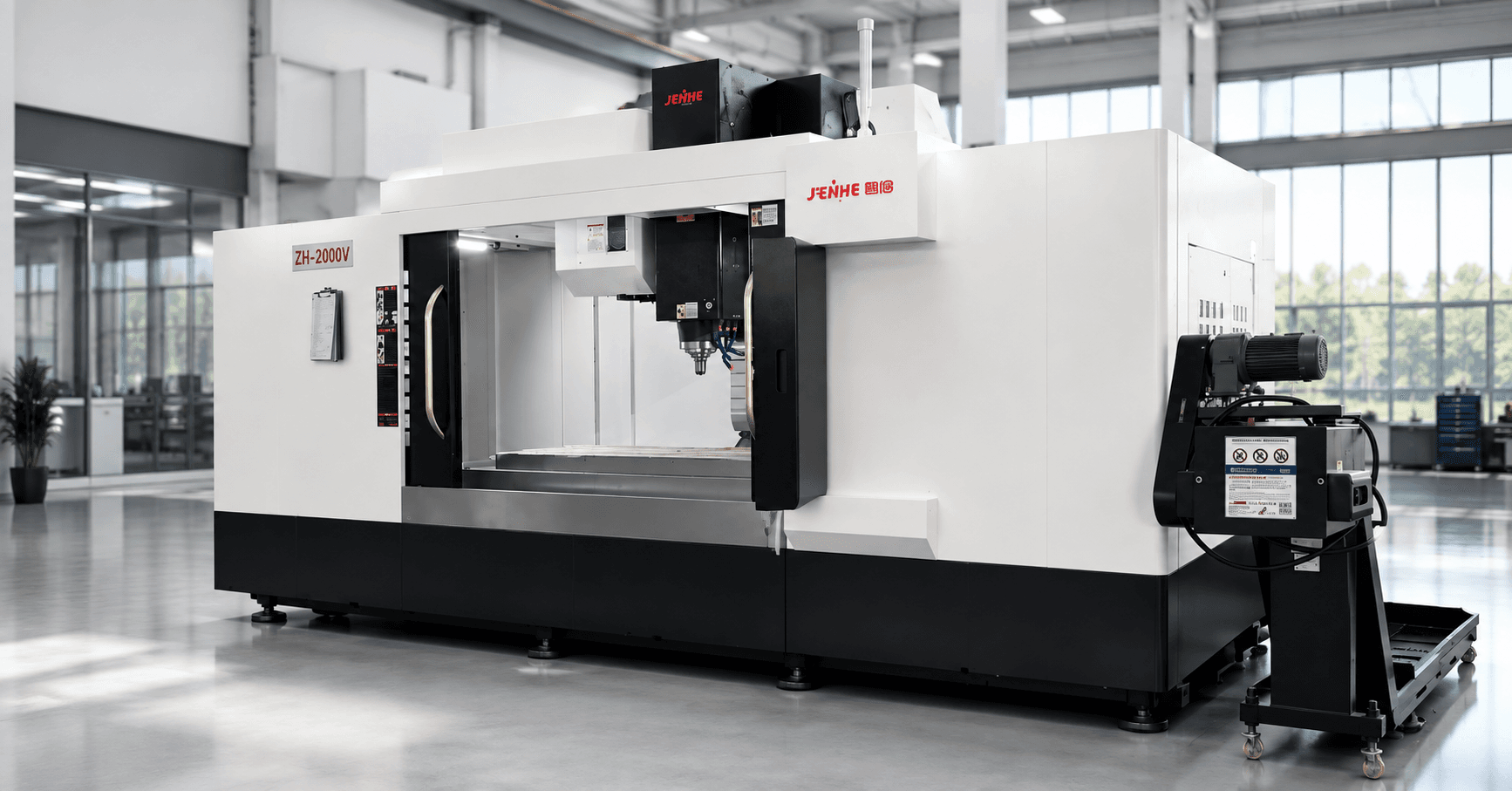
A horizontal machining center for sale should be evaluated with a pallet-hour equation that converts machine availability into accepted multi-face output. The equation includes pallets, fixtures, loading, probing, tools, cutting, chips, inspection, changeovers, disturbances, staffing, and recovery.
This prevents a short cutting cycle from hiding pallet queues, fixture shortages, tool interruptions, or quality delays.
Define One Accepted Pallet-Hour
Choose a part family and state pieces per fixture, completed faces, quality condition, inspection status, and handoff point. An accepted pallet-hour is useful only when its output definition is fixed.
Separate machine hours, spindle hours, scheduled hours, and accepted-output hours. They answer different questions.
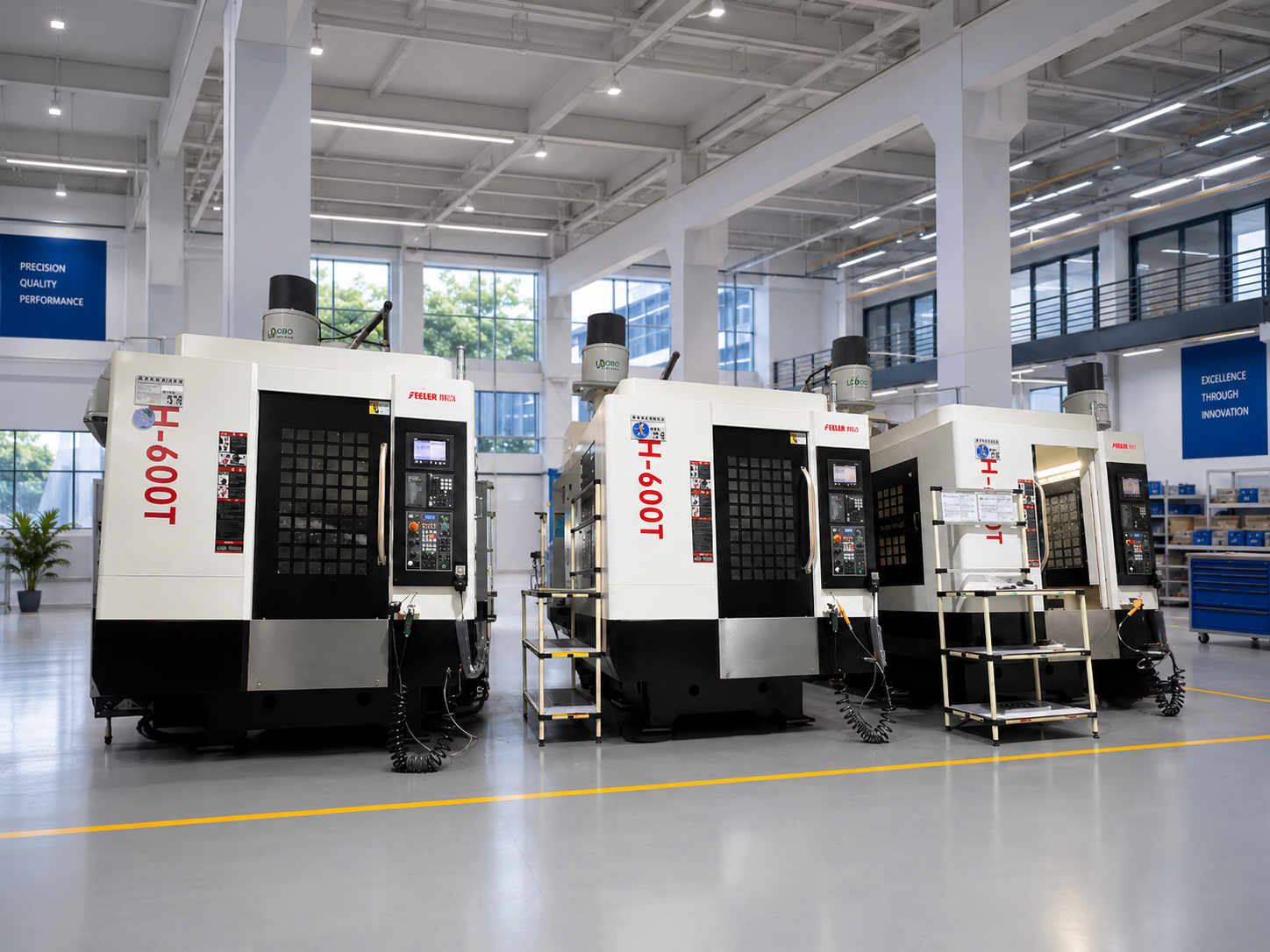
Term One Counts Available Pallets
Record pallet quantity, change mechanism, load station, identification, clamping, cleaning, maintenance, storage, and offline setup. Identify shared and dedicated pallets.
Extra pallets create value only when fixtures, tools, material, programs, inspection, and operators can keep them ready.
Term Two Measures Fixture-Family Exchange
Map parts per fixture, orientations, datum systems, clamps, support, loading time, wrong-part prevention, probe cycles, and changeover. Calculate how many pallet-hours each family consumes.
A flexible fixture can reduce inventory but increase setup and validation. A dedicated fixture can improve repeatability but lock capital to one family.
Term Three Adds Multi-Face Cutting
List faces completed per loading, rotary moves, indexing, access, tool reach, chip traps, probing, and remaining operations. Compare the process with vertical-machine alternatives.
For a horizontal machining center for sale decision, the benefit is not simply horizontal orientation. It is the value of combined operations and controlled datum relationships.
| Equation term | Loss source | Evidence |
|---|---|---|
| Pallet readiness | Material or fixture unavailable | Queue clock |
| Tool readiness | Wear, breakage, missing sister tool | Tool history |
| Cutting | Program or chip interruption | Cycle waterfall |
| Quality | Probe or inspection delay | Release time |
| Recovery | Alarm and restart work | Incident duration |
Term Four Models Tool-Life Continuity
List full family tools, sister tools, magazine capacity, maximum size, tool-life method, breakage checks, replacement, offsets, presetting, and interrupted-cycle recovery. Include long boring tools and probes.
Tool continuity often determines whether queued pallets run unattended or wait for manual intervention.
Term Five Prices Chips and Coolant
Estimate chip volume, material changes, conveyor duty, wash-down, filtration, tank capacity, temperature, access, and fixture pockets. Add cleaning and recutting risk.
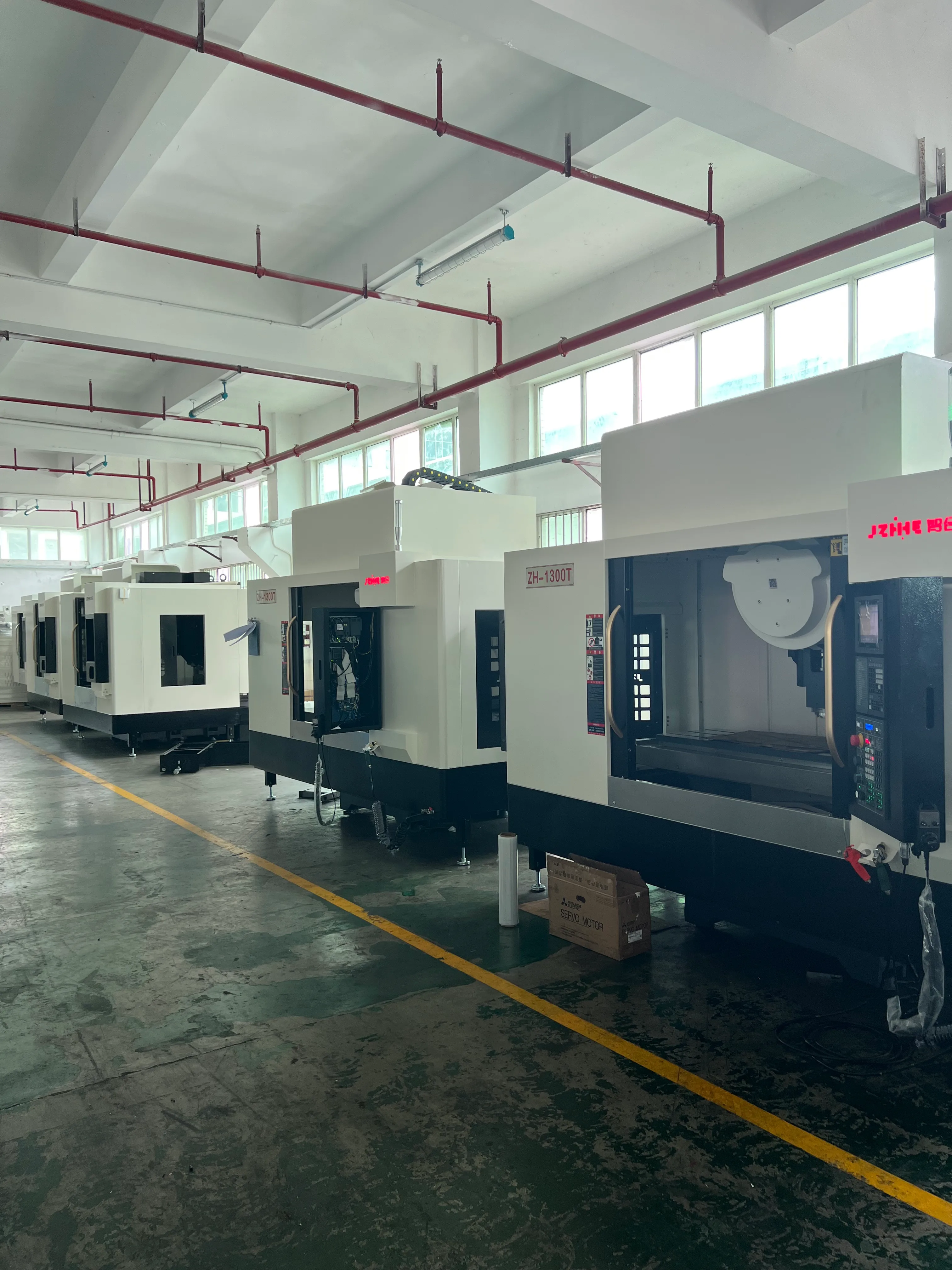
Review the horizontal machining center range, then test chip behavior on the intended fixture and orientations.
Term Six Includes Inspection Release
Define in-process probing, gauges, CMM sampling, first-piece approval, tool compensation, quarantine, and response limits. Measure the time until the pallet's output is released.
Fast machining does not create accepted capacity when parts wait for measurement or disposition.
Term Seven Adds Staffing and Changeovers
Map operators, setup, maintenance, quality, material handling, breaks, shift overlap, and skills. Separate attended and unattended assumptions.
Automation can move work between roles but does not remove material, tool, quality, and exception ownership.
Term Eight Values Redundancy
Identify work that can move to another machine, fixture, pallet, or route after a failure or demand spike. Include program compatibility, tool standards, qualification time, and inspection approval.
A highly utilized single HMC may have strong unit economics but weak recovery. Redundancy has value when missed output is expensive or customer schedules are rigid.
Term Nine Prices Queue Volatility
Model changes in demand mix, urgent orders, long-tool operations, first-piece inspection, fixture repair, and material delays. Calculate how each event changes pallet readiness and accepted output.
Average utilization can hide severe queue peaks. The purchase case should test realistic variability rather than one balanced production week, including the shift when two disruptions occur together.
Run the Queue-Loss Clock
- Timestamp pallet ready, load, queue, cut, unload, inspect, and release.
- Code every wait by cause and owner.
- Run across representative shifts and tool-life intervals.
- Include changeovers and production disturbances.
- Calculate accepted pallet-hours, not theoretical cycles.
- Use the largest losses to size the final package.
When a VMC Cell Can Win
Multiple vertical machines may be better when parts need few faces, fixtures are simple, labor is available, redundancy matters, or demand is variable. An HMC is not automatically more productive.
Its case strengthens when multi-face consolidation, pallet preparation, tool capacity, chip behavior, and unattended continuity create measurable accepted output.
FAQ
How many pallets are necessary?
Use loading, setup, inspection, demand mix, and queue data rather than assuming more pallets always increase output.
Should cycle time include inspection?
Track cutting and inspection separately, then include both in accepted-output lead time.
What is the main HMC advantage?
It can combine multiple faces, maintain datum relationships, support pallet preparation, and improve continuity for suitable parts.
Can one fixture run many families?
Yes, but verify support, access, changeover, probing, error prevention, and repeatability for each family.
Request a Pallet-Hour Model
To assess a horizontal machining center for sale, send part families, blanks, materials, fixtures, faces, tools, volumes, shifts, takt, inspection, staffing, changeovers, and unattended targets. Use the contact page for a capacity model and read the HMC takt-ladder guide for flow planning.