Horizontal Machining Center for Large Housings and Valve Components: A Buyer’s Guide to Multi-Face Accuracy
Large housings and valve components are not difficult only because they are big. They are difficult because their features must relate to each other correctly.
A valve body may need accurate bores, sealing surfaces, bolt holes, and threaded ports on different sides. A large housing may require machined faces, internal cavities, mounting holes, and alignment features. An industrial enclosure may look simple from the outside, yet still require tight relationships between several machined surfaces.
This is where a horizontal machining center for large housings becomes valuable.
From a buyer’s point of view, the goal is not just to remove metal. The goal is to reduce setup changes, hold geometry across multiple faces, control vibration, and keep production repeatable. A machine that saves one clamping step may save more than time. It may reduce accumulated error and improve the chance of first-pass acceptance.
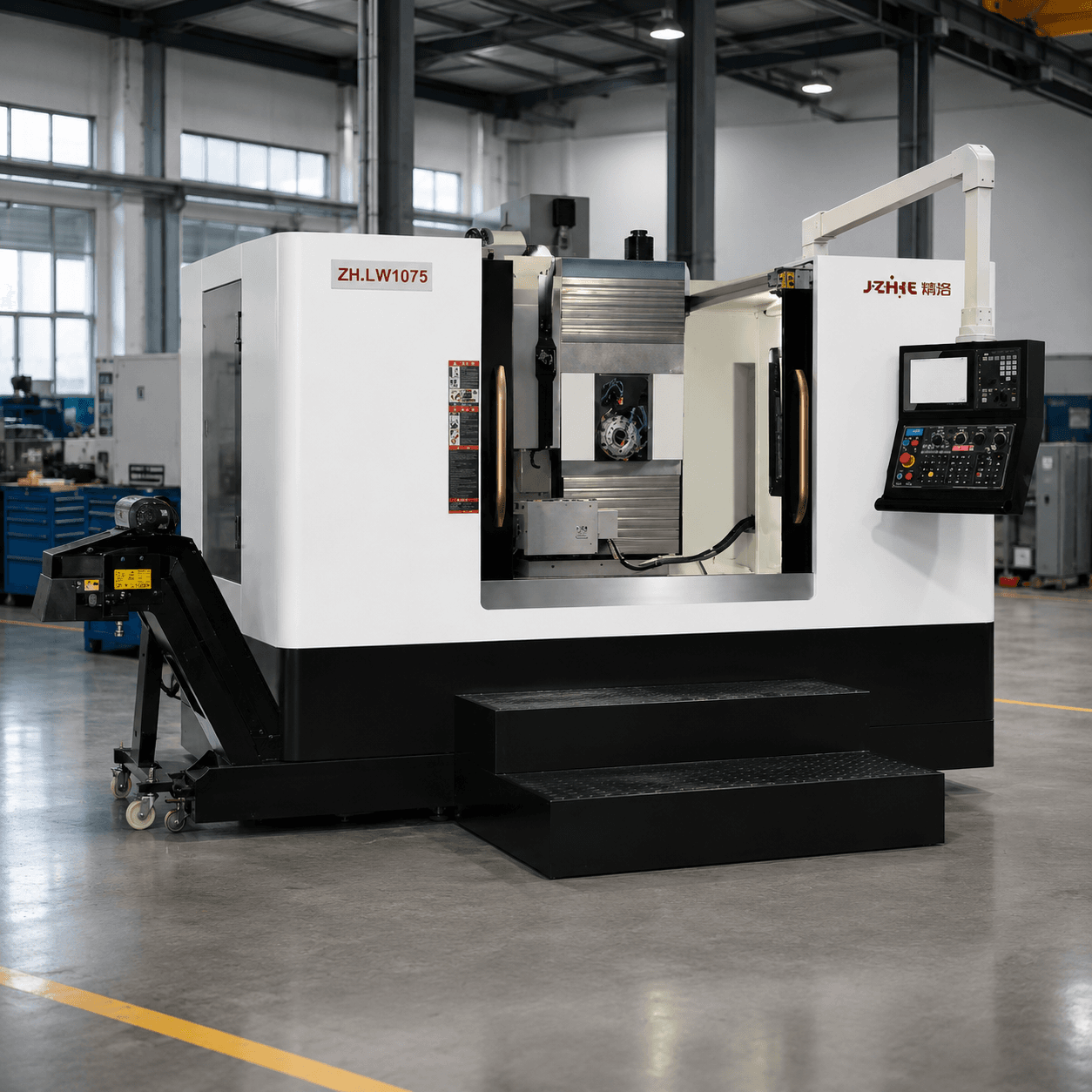
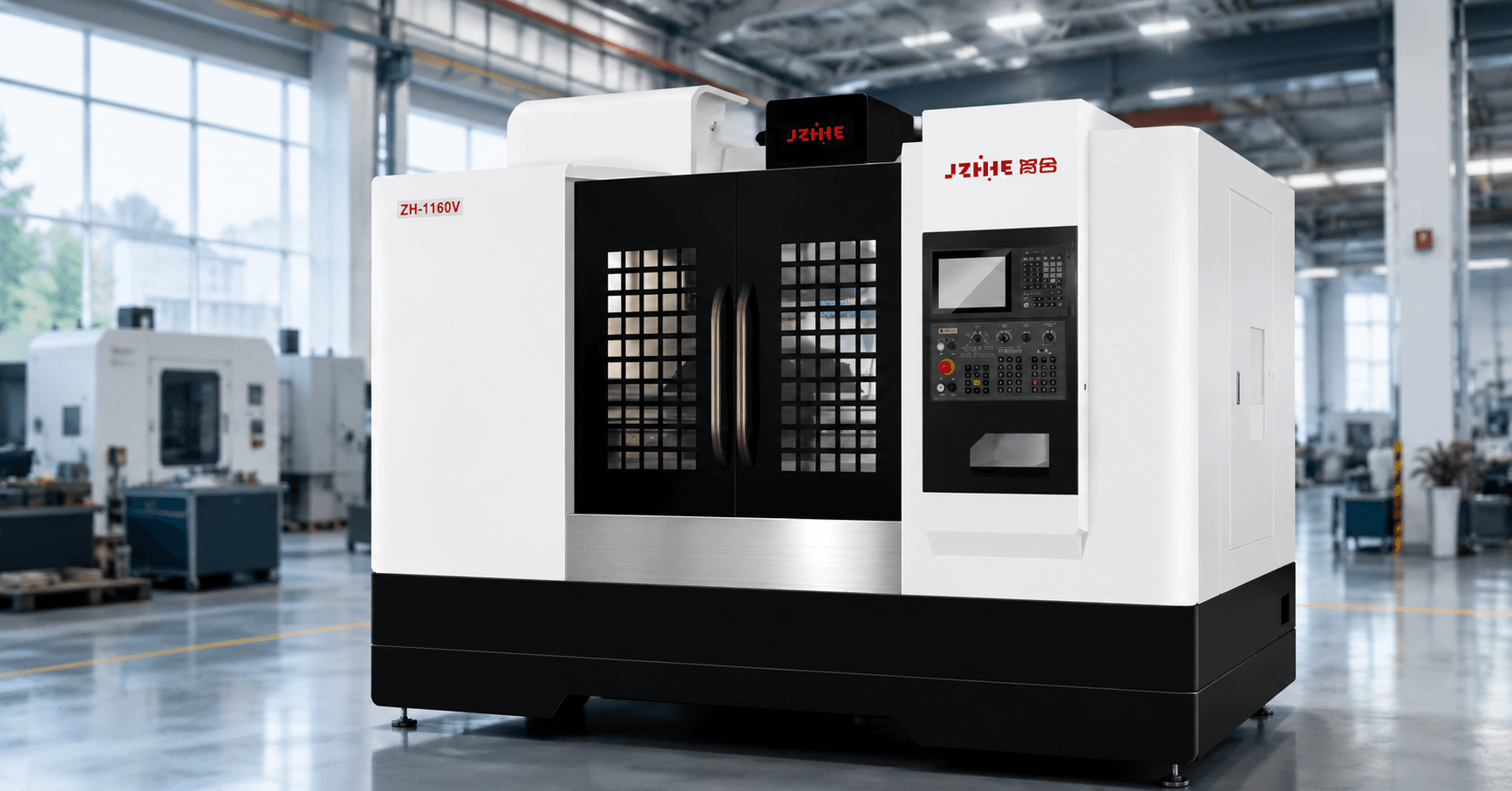
The Zhihe CNC product page describes its horizontal machining center as suitable for medium and large-sized housings, valve components, industrial enclosures, disk and sleeve components, automotive powertrain parts, construction machinery components, high-end molds, energy equipment parts, and general industrial machinery.
That application range fits the needs of buyers dealing with multi-face, heavier, and more accuracy-sensitive parts.
Why Large Housings Create Setup Problems
Large housings often require machining on more than one side. If the shop uses a machine that cannot support multi-face operations well, the part may need to be removed, rotated manually, re-clamped, re-indicated, and re-machined.
That creates several problems.
The first is time. Re-clamping a large workpiece is not quick. It may require lifting tools, careful alignment, and extra inspection.
The second is accuracy. Every new setup introduces the possibility of datum shift. Even a small shift can affect bore alignment, hole position, or surface relationship.
The third is labor. Skilled operators spend time managing setup instead of cutting parts.
The fourth is risk. Large workpieces are expensive. Scrapping a housing after several operations hurts more than scrapping a small bracket.
A multi-face CNC machining center helps reduce these issues by allowing the part to be indexed and machined from several sides in a controlled setup.
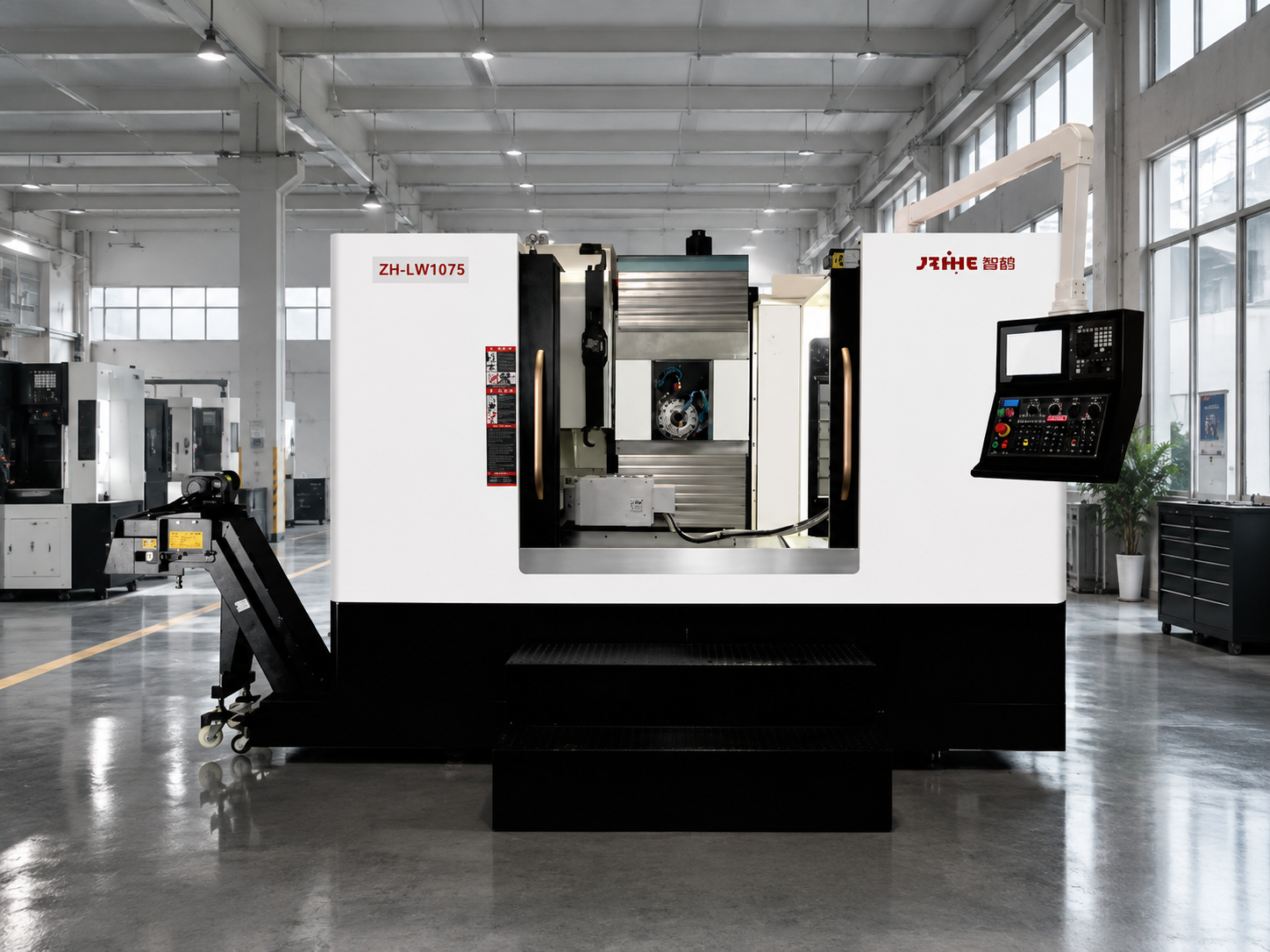
The product page states that the machine’s high-precision CNC rotary table enables efficient multi-face and multi-process machining in a single setup, improving productivity while reducing repositioning errors.
For housing and valve buyers, that is one of the most important benefits.
Why Valve Components Need Stable Machining
Valve components often combine several demanding features. Bore quality matters. Sealing faces matter. Thread alignment matters. Surface finish matters. In many cases, the component must assemble reliably with other parts.
If the machining process is unstable, problems may appear later during assembly or pressure testing. A bore may not align properly. A sealing surface may require rework. A threaded feature may sit slightly off from the intended datum.
A horizontal machining center can help because it supports side-facing operations more naturally than a vertical platform. The workpiece can be positioned for boring, drilling, tapping, and milling with better access. The rotary table can reduce manual repositioning.
For buyers, this means the machine can support a cleaner process route.
The ideal process is not necessarily the fastest on paper. It is the one that produces accepted parts consistently.
Machine Rigidity and Load-Bearing Capacity
Large housings and valve components place more demand on machine structure than small aluminum parts. Weight, cutting force, interrupted cuts, and long cycles can all expose weakness.
The Zhihe CNC product page says the machine adopts a fixed-column integral structure with a cross-slide table layout. It also highlights an extra-large monolithic base designed to improve vibration resistance and load-bearing capacity, making the machine suitable for heavy-duty cutting and long-term high-precision machining.
For buyers, this matters in daily production.
A housing may require roughing and finishing in the same workflow. If the machine vibrates during roughing, finishing accuracy may suffer. If the machine deforms under load, dimensional consistency may become harder to maintain. If thermal stability is poor, the part may drift during long machining cycles.
The page also notes a wide-span A-shaped column structure that improves rigidity and thermal stability while minimizing deformation during intensive machining processes.
That is the kind of machine structure buyers should look for when machining heavier industrial parts.
How to Evaluate Multi-Face Accuracy
When sourcing a CNC machining center for box-type parts, buyers should evaluate how the machine protects feature relationships.
Here are practical questions:
| Buyer Question | Why It Matters |
|---|---|
| How many faces can be machined in one setup? | Shows setup reduction value |
| What rotary table accuracy is available? | Affects face-to-face relationship |
| How rigid is the machine base? | Impacts heavy cutting stability |
| Can the spindle access deep or side features? | Determines process feasibility |
| Is the fixture easy to design? | Affects loading and repeatability |
| How is chip evacuation handled? | Important for cavities and deep features |
| Can trial cutting be done? | Verifies real process performance |
For valve parts, buyers should also ask about boring stability, tool overhang, sealing face finish, and coolant strategy. A technical recommendation should be based on the part drawing, not only on machine category.
Horizontal Layout and Chip Control
Chip evacuation is one reason buyers often consider a horizontal machining center. During side machining, chips can fall away from the cutting zone more naturally than in some vertical setups. This can help reduce chip recutting and improve cleanliness around the part.
The product page emphasizes a fully enclosed protection system for chip and coolant containment, operator safety, and a clean production environment. It also mentions ergonomic layout and accessible maintenance channels.
For buyers machining housings, this matters because internal cavities and pockets can trap chips. If chips remain in the cutting zone, tools can wear faster, surfaces can be marked, and operators may need to stop the cycle for cleaning.
In a heavy-duty production environment, chip control is part of productivity.
What Buyers Should Confirm with the Supplier
Before ordering, buyers should discuss the actual part family with the supplier.
For large housings and valve components, the inquiry should include:
- Workpiece drawing
- Material grade
- Overall size
- Weight
- Number of machined faces
- Bore and hole requirements
- Tolerance targets
- Surface finish requirements
- Batch size
- Current setup count
- Current cycle time
- Fixture concept
- Inspection method
This information helps the supplier recommend whether a horizontal machining center is suitable and how the process might be arranged.
A supplier should be able to explain how the fixed-column structure, rotary table, enclosure, and maintenance layout support the buyer’s real production needs.
Cost Thinking: Look Beyond Purchase Price
For buyers, a horizontal machining center may represent a higher investment than simpler CNC equipment. The correct cost comparison should include hidden production costs.
Consider:
| Cost Area | Why It Matters |
|---|---|
| Setup labor | Large parts take time to re-clamp |
| Inspection time | Multi-setup processes require more checking |
| Scrap risk | Large parts are expensive to lose late in the process |
| Tool wear | Vibration and chip recutting increase tool cost |
| Cycle time | Non-cutting time affects capacity |
| Floor space | Machine layout must fit the shop |
| Maintenance | Accessible channels reduce downtime |
| Operator training | Process discipline affects output |
If a horizontal machining center reduces setup count and improves consistency, the higher investment may be justified. But buyers should calculate this using real part data, not general assumptions.
Common Mistakes When Buying for Housing and Valve Parts
One mistake is choosing a machine only because the workpiece fits physically. Physical fit is not enough. Buyers must also check fixture space, tool access, rotary table behavior, and chip evacuation.
Another mistake is ignoring load and vibration. Large parts require structural stability.
A third mistake is focusing only on roughing capacity. Valve and housing parts also need finishing accuracy.
Some buyers also skip process simulation or trial cutting. For expensive parts, this is risky. A test part can reveal whether the machine, fixture, tool, and setup method are realistic.
FAQ
Why are horizontal machining centers useful for large housings?
They support multi-face machining, side access, rotary indexing, and setup reduction, which can improve accuracy and reduce handling time.
Are horizontal machining centers suitable for valve components?
Yes. Valve components often require bores, sealing surfaces, ports, and threaded features on different faces, which can benefit from horizontal multi-face machining.
What machine structure should buyers look for?
Buyers should look for rigidity, vibration resistance, load-bearing capacity, thermal stability, and a rotary table that supports accurate indexing.
What applications are listed for this Zhihe CNC machine?
The product page lists medium and large housings, valve components, industrial enclosures, disk and sleeve components, automotive powertrain parts, construction machinery components, high-end molds, energy equipment parts, and general industrial machinery.
Conclusion
A horizontal machining center for large housings and valve components should be selected for process stability, not only machine size. Buyers need to consider setup reduction, rotary table accuracy, structural rigidity, chip containment, maintenance access, and supplier support.
The Zhihe CNC horizontal machining center is built around a fixed-column integral structure, cross-slide table layout, monolithic base, A-shaped column, fully enclosed protection system, and precision CNC rotary table for single-setup multi-face machining.
For buyers, the best decision starts with the workpiece. Once the drawing, material, weight, machined faces, tolerance, and batch volume are clear, it becomes much easier to decide whether a horizontal machining center will improve production or simply add unused capacity.