How to Choose a Horizontal Machining Center Manufacturer for Box-Type and Multi-Face Parts
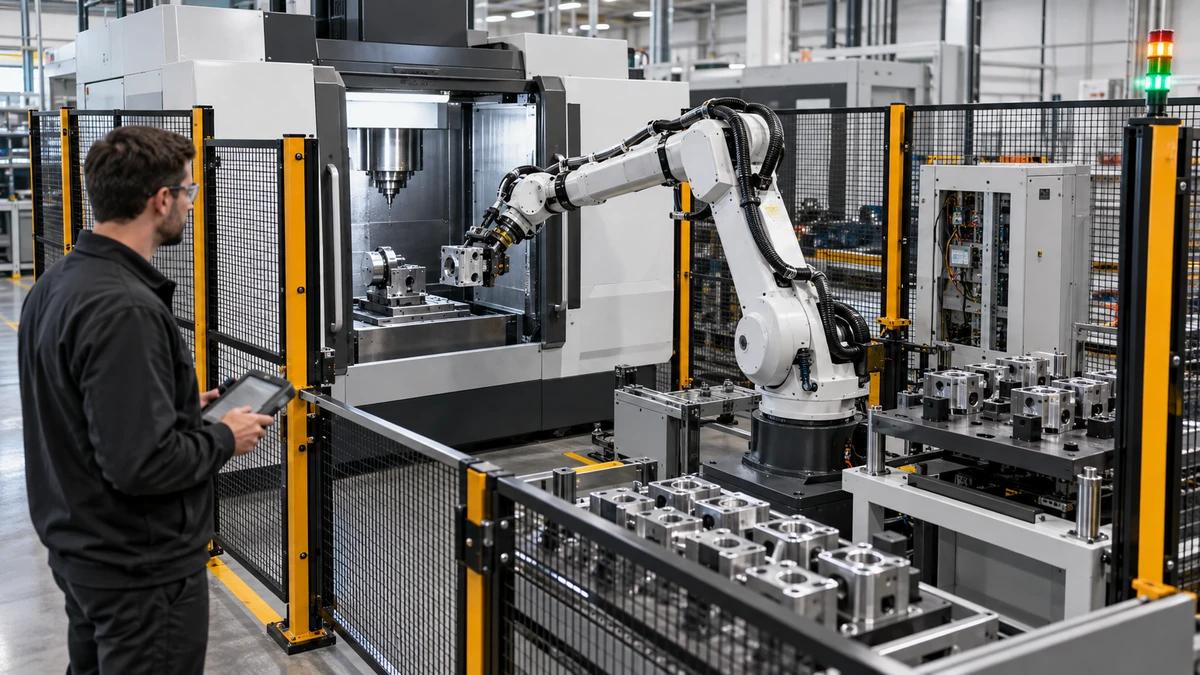
Choosing a horizontal machining center manufacturer is not simply about buying another CNC machine. For factories machining box-type parts, housings, powertrain components, valve bodies, industrial enclosures, and heavy structural parts, the machine becomes part of the production method. It affects how often operators clamp the part, how stable datums remain, how chips are removed, how much manual alignment is required, and whether the factory can keep consistent quality across repeated batches.
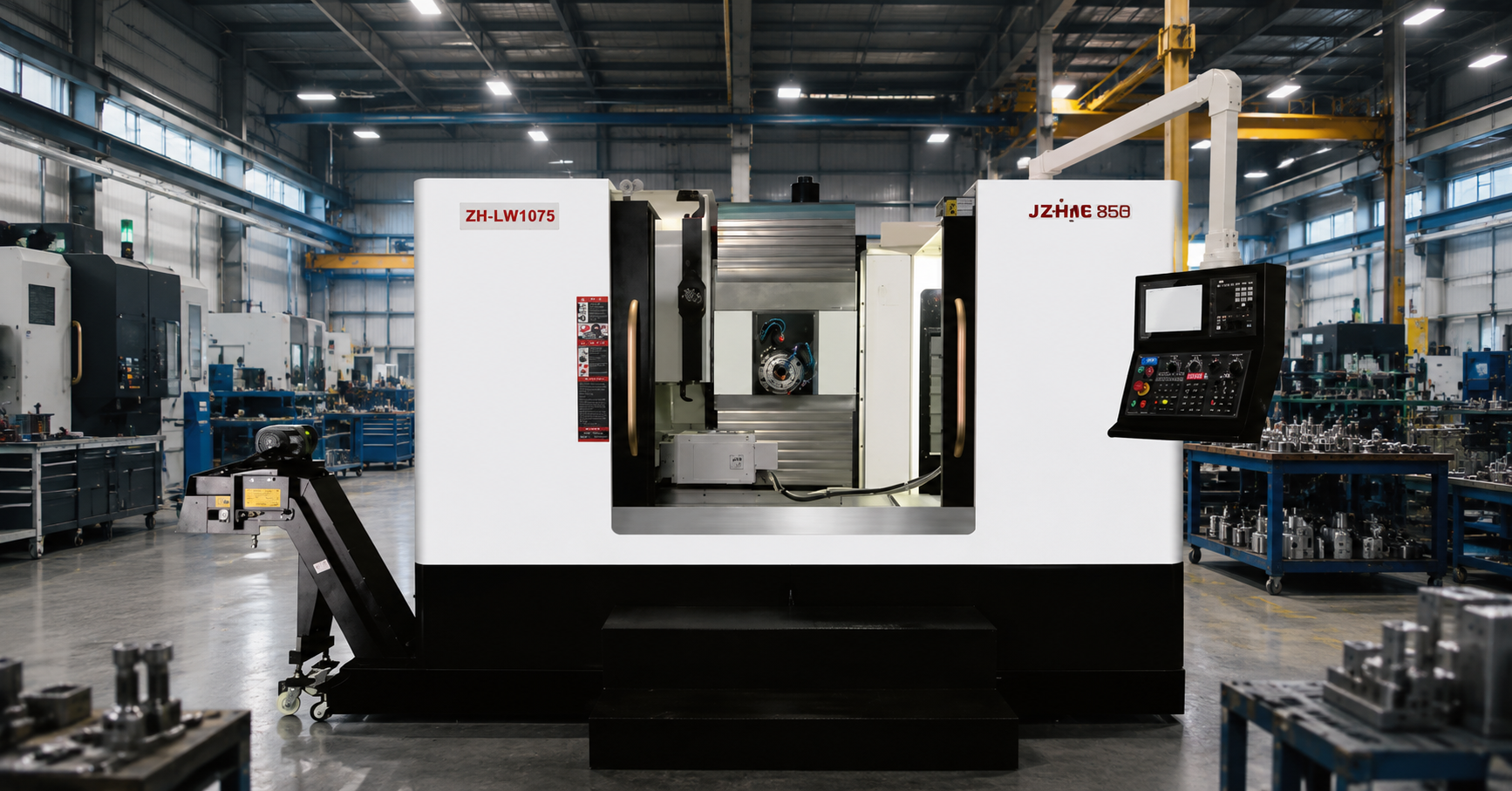
Zhihe CNC’s horizontal machining center product page positions the machine as a high-rigidity solution for heavy-duty precision manufacturing. It describes a fixed-column integral structure, cross-slide table layout, extra-large monolithic base, wide-span “A”-shaped column, high thermal stability, fully enclosed protection, precision CNC rotary table, arbitrary angle positioning, optional five-axis linkage expansion, and single-setup multi-face composite machining capability.
For B2B buyers, these points are important because they show what must be checked before choosing a supplier. A good CNC horizontal machining center supplier should not only quote a machine model. It should help the buyer match structure, table, spindle, fixture, accuracy, and service to the real part family.
Start with the Parts You Actually Machine
The most reliable way to choose a horizontal CNC machine supplier is to start with your workpieces. A horizontal machining center is usually a strong choice when parts need machining on several faces and when repeated clamping creates time loss or accuracy risk.
Before asking for a quote, prepare the following details:
Workpiece type.
Material.
Maximum size.
Maximum weight.
Main surfaces to be machined.
Hole and bore tolerances.
Flatness and perpendicularity requirements.
Batch size.
Current setup method.
Existing machine bottleneck.
Fixture method.
Crane or loading equipment.
Inspection process.
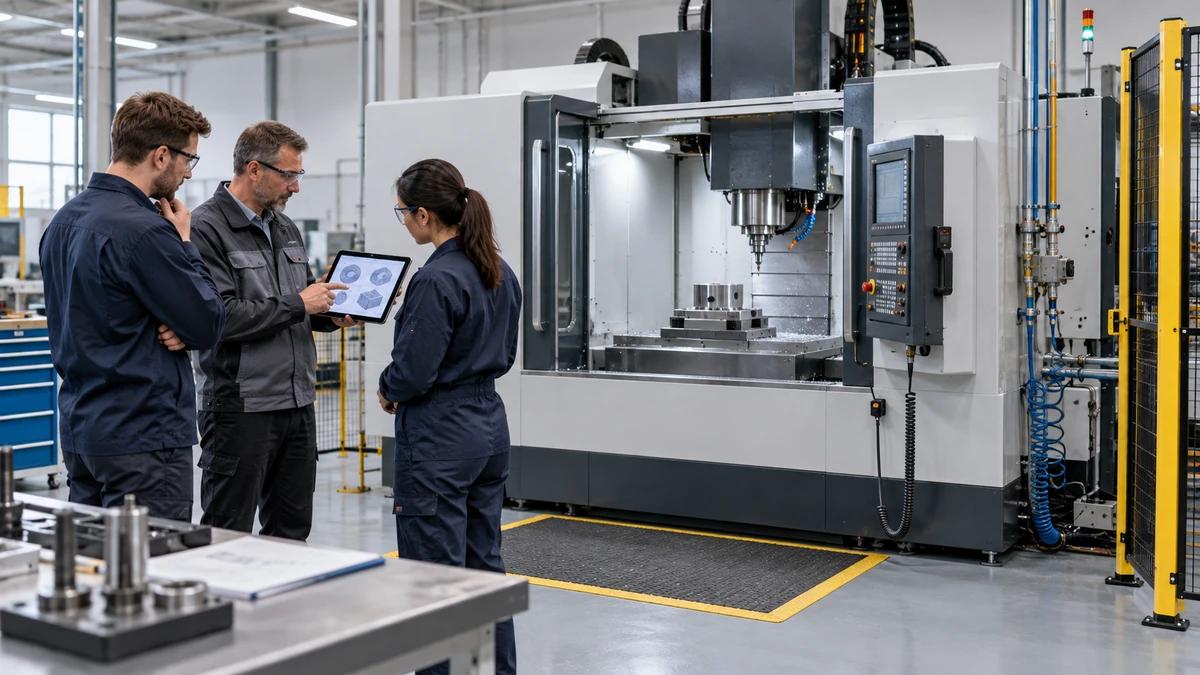
Zhihe’s homepage recommends that buyers share workpiece material, size, accuracy, and production requirements so engineers can recommend a suitable machining center model. The site also describes a selection workflow from drawings and requirement confirmation to machine recommendation, quotation, trial cutting, delivery, installation, training, and after-sales support.
That is the right approach for horizontal machining projects. If the supplier does not ask about the part, the recommendation may be too generic.
Check Whether the Supplier Understands Multi-Face Machining
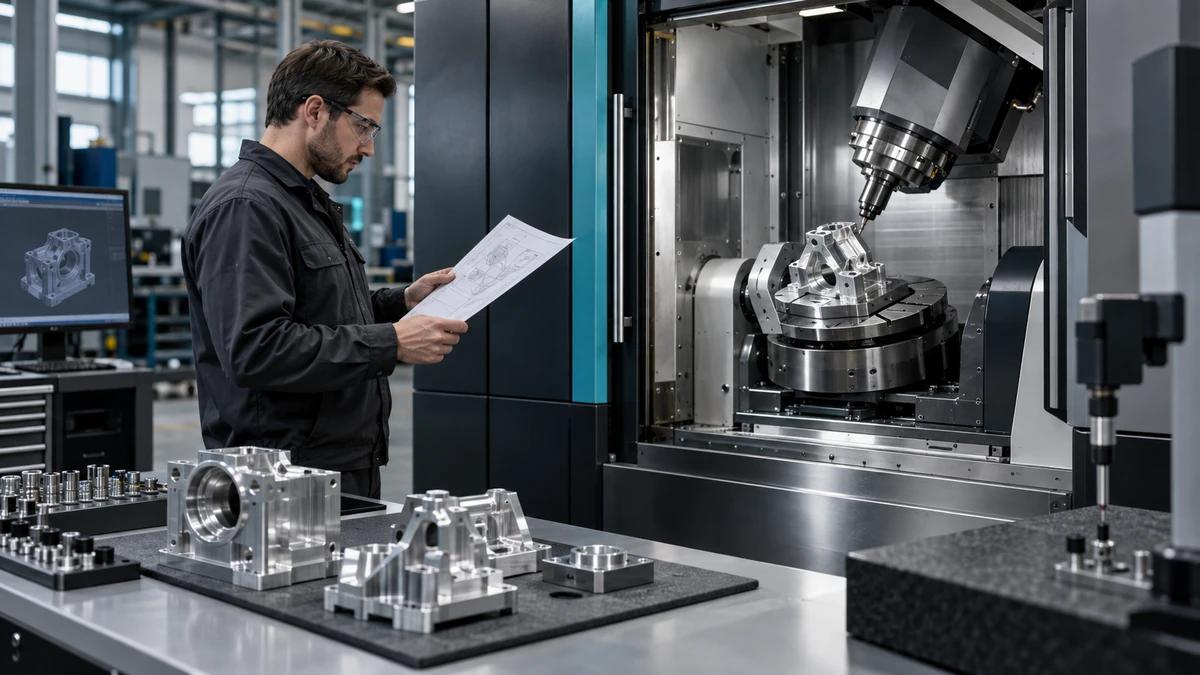
Multi-face machining is not just a product slogan. It is a workflow decision. A horizontal machining center with a rotary table can help the factory process multiple sides in one setup, but the result still depends on fixture design, table indexing, tool access, program planning, and inspection strategy.
Zhihe’s product page states that the integrated high-precision CNC rotary table enables efficient multi-face and multi-process machining in a single setup, improving productivity while reducing repositioning errors. A capable multi-face CNC machining center supplier should be able to explain how that applies to your parts.
Ask the supplier:
Which faces can be machined in one setup?
Where should the main datum be located?
How will the part be clamped?
Will tool access be blocked by the fixture?
Does the rotary table support the required positioning?
What operations should be done before rotation?
What finishing allowance should remain?
How should the part be inspected after machining?
These questions show whether the supplier understands real manufacturing, not only machine sales.
Evaluate Machine Structure Carefully
Machine structure is one of the strongest indicators of long-term stability. Zhihe’s product page describes a fixed-column integral structure and cross-slide table layout, with an extra-large monolithic base intended to improve vibration resistance and load-bearing capacity. It also describes a wide-span “A”-shaped column structure for rigidity and thermal stability.
For heavy-duty machining, these structural elements matter because the machine must resist cutting load while holding geometry. If the structure is weak, the operator may see chatter, inconsistent surface finish, poor boring stability, or dimensional drift after long cycles.
A buyer should ask:
What is the machine base structure?
How is column rigidity improved?
How does the cross-slide table support motion stability?
How does the machine control thermal deformation?
What inspection is performed before delivery?
Can the supplier explain how the structure supports heavy cutting?
A strong heavy duty machining center supplier should be able to answer these questions without relying on vague words such as “high quality” or “high precision.”
Supplier Evaluation Checklist
| Evaluation Point | What Buyers Should Ask | Why It Matters |
|---|---|---|
| Part Review | Can the supplier review drawings, materials, weight, and tolerances? | Prevents poor machine matching |
| Machine Structure | What base, column, table, and slide design are used? | Determines rigidity and long-term stability |
| Rotary Table | What indexing, positioning, and load capability are available? | Critical for multi-face machining |
| Spindle Capability | What torque, speed, taper, and cooling options fit the material? | Affects roughing, boring, drilling, and finishing |
| Fixture Support | Can the supplier advise datum, clamping, and loading? | Reduces setup risk |
| Enclosure Design | How are chips, coolant, access, and operator safety handled? | Improves cleanliness and safety |
| Accuracy Testing | Are laser calibration, ballbar testing, and trial cutting available? | Provides acceptance evidence |
| After-Sales Service | Installation, training, spare parts, remote support, warranty | Protects uptime after delivery |
Confirm Rotary Table Performance
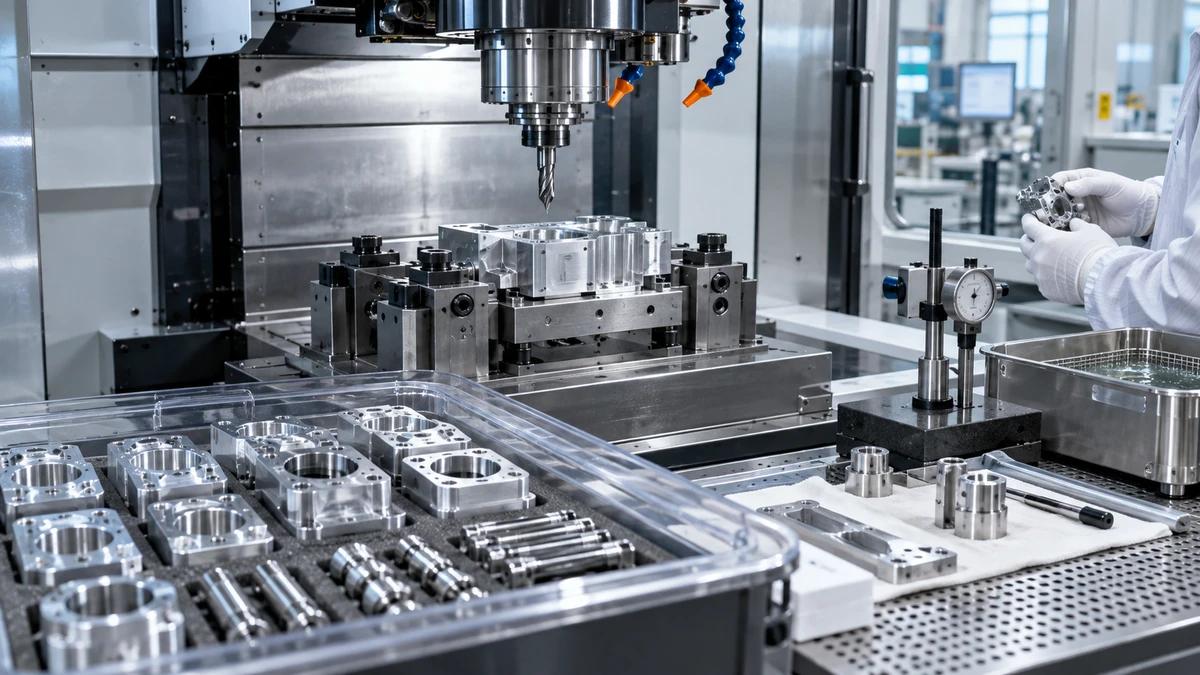
The rotary table is one of the core differences between a horizontal machining center and a simpler milling setup. For box-type parts and housings, rotary table performance decides whether the machine can truly reduce setup changes.
Zhihe’s product page highlights a precision CNC rotary table with arbitrary angle positioning. Buyers should discuss this in detail with the supplier. Arbitrary angle positioning can be useful when parts require angled features, non-90-degree indexing, or more flexible machining access. But the buyer should confirm actual table specifications, allowable workpiece size, load, clamping method, indexing repeatability, and control method before ordering.
A common mistake is assuming that every rotary table performs the same. In real production, table rigidity, positioning accuracy, brake performance, sealing, chip protection, and maintenance access can affect machining stability.
Spindle Capability Should Match the Material
A horizontal machining center may be used for cast iron, steel, aluminum, ductile iron, and other industrial materials depending on configuration. The spindle must match the part material and operation type. Rough milling may need torque. Boring may require stiffness and low vibration. Drilling and tapping need reliable feed and tool control. Finishing needs stable rotation and thermal behavior.
The product page does not publish a full spindle parameter table, so buyers should request details directly. This is important. Do not select a box-type parts machining center only by machine appearance. Ask for spindle taper, speed range, torque curve, cooling method, tool interface, bearing design, and recommended cutting applications.
A serious supplier should connect the spindle recommendation to your workpiece material and operation list.
Enclosure, Chips, and Coolant Management
Horizontal machining can produce large chip volume, especially when cutting castings, housings, and heavy structural parts. Zhihe’s product page states that the machine includes a fully enclosed protection system for chip and coolant containment, operator safety, and a clean production environment.
This should be part of supplier evaluation. A clean enclosure reduces shop-floor mess, protects operators, and helps maintain process discipline. But buyers should also check practical details:
How does the chip conveyor work?
Where is the coolant tank located?
How easy is filter maintenance?
Can operators see the machining process?
How are doors opened for setup and service?
How much space is needed around the machine?
How is the rotary table cleaned after heavy chip production?
A machine that is difficult to clean may lose time every shift. That cost is rarely visible in the initial quotation.
Verify Accuracy Before Delivery
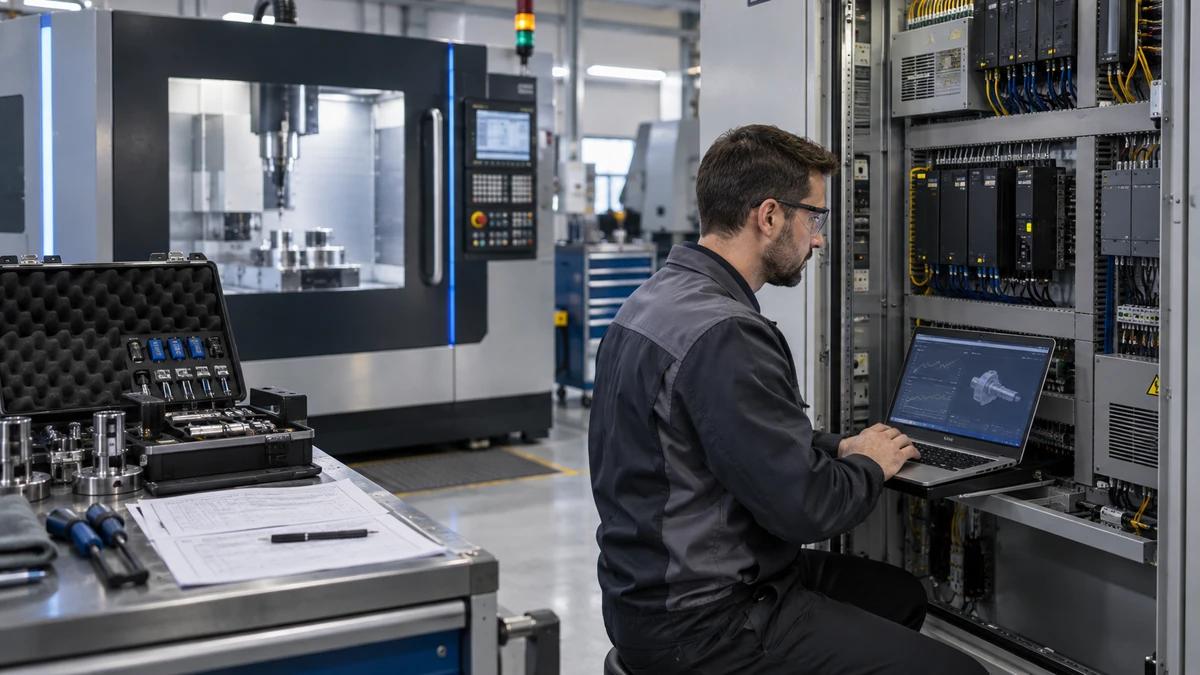
Accuracy claims are useful only when backed by testing. Zhihe’s homepage states that selected models can be inspected through laser interferometer calibration, ballbar testing, and trial cutting before delivery, and that machines go through checks such as bed inspection, spindle testing, assembly inspection, calibration, trial cutting, final inspection, and packing.
ISO 230-2 specifies methods for testing and evaluating the accuracy and repeatability of positioning of numerically controlled machine tool axes by direct measurement, applying to linear and rotary axes. This is relevant because a horizontal machining center includes both linear axis movement and rotary positioning that buyers may need to verify.
A buyer should request:
Pre-shipment inspection report.
Laser calibration report if available.
Ballbar test report if available.
Rotary table test information.
Trial cutting sample if needed.
Installation acceptance checklist.
Warranty and adjustment policy.
The goal is not to make purchasing complicated. The goal is to prevent disagreement after the machine arrives.
Compare Direct Manufacturer and General Supplier
| Supplier Type | Potential Advantage | Possible Risk | Best-Fit Buyer |
|---|---|---|---|
| Direct Horizontal Machining Center Manufacturer | Better engineering communication, factory control, customization, service knowledge | Buyer still needs to verify real capability | Industrial buyers needing long-term support |
| General CNC Equipment Trader | Fast sourcing and multiple model options | Technical answers may depend on another factory | Buyers with simple standard requirements |
| Local Distributor | Nearby service and local communication | Higher price or limited configuration range | Buyers prioritizing local installation support |
| Low-Cost Unknown Supplier | Lower initial quotation | Risk in rigidity, accuracy, parts, and after-sales support | Low-risk, non-critical projects |
| Engineering-Oriented CNC Supplier | Better process review, fixture advice, testing, and training | Requires more detailed buyer input | Box-type part and multi-face machining factories |
The safest supplier is not always the cheapest. For horizontal machining, the best supplier is usually the one that can support real production after the machine is installed.
Ask About Installation and Foundation
Horizontal machining centers require installation planning. The buyer must prepare floor space, foundation, power, coolant, air, lifting equipment, and access routes. If the workpieces are heavy, loading and crane movement become part of the process.
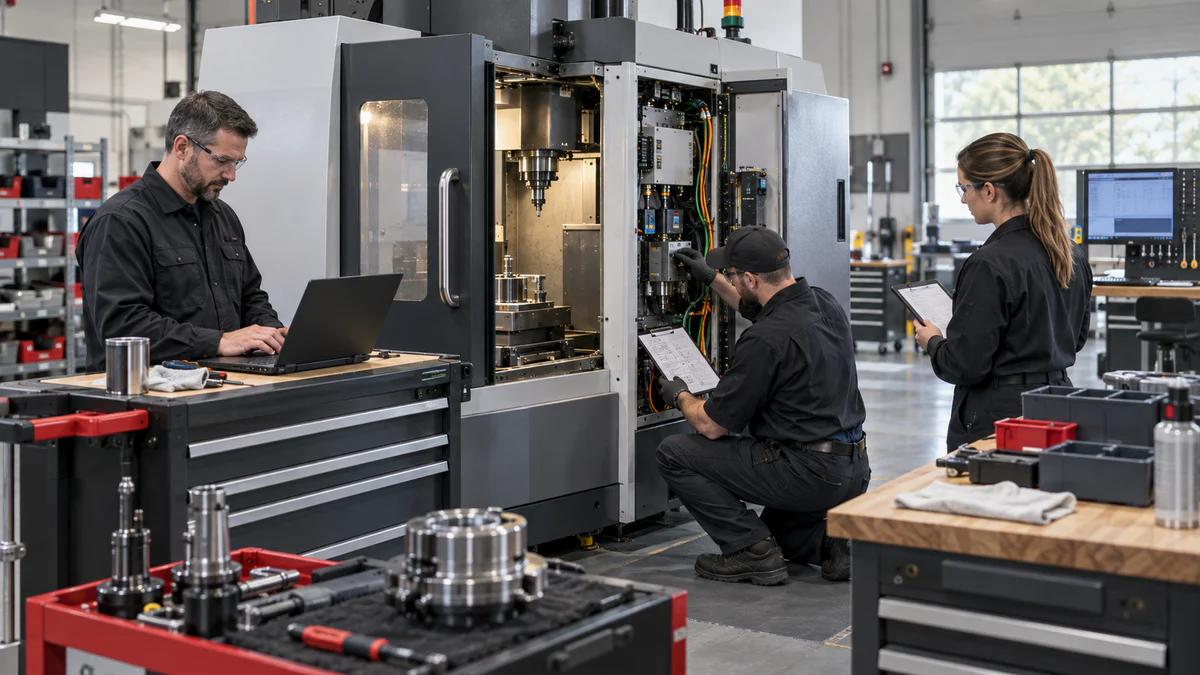
Zhihe’s homepage presents installation and training as part of the machine delivery workflow. Buyers should ask for an installation checklist before shipment. This should include foundation requirements, leveling procedure, electrical preparation, machine unloading, crane or forklift needs, coolant preparation, and operator training plan.
A strong custom CNC machining center solution should include site preparation advice, not only machine quotation.
Common Supplier Selection Mistakes
The first mistake is selecting by price before defining the part. A low quote does not solve a machining bottleneck if the machine configuration is wrong.
The second mistake is ignoring the rotary table. For horizontal machining, the table is central to multi-face productivity.
The third mistake is not asking for fixture advice. A poor fixture can reduce accuracy and cancel the benefit of single-setup machining.
The fourth mistake is accepting claims without test evidence. Inspection reports and trial cutting can reduce risk.
The fifth mistake is choosing a supplier without long-term service. Horizontal machining centers are production assets. Spare parts, remote support, training, and preventive maintenance matter.
FAQ
What should I check first when choosing a horizontal machining center manufacturer?
Start with part review. The supplier should understand your workpiece material, size, weight, tolerance, operation sequence, and production volume before recommending a machine.
Why is the rotary table so important?
The rotary table enables multi-face machining in one setup. This can reduce repositioning errors and improve productivity for box-type parts and housings.
Should buyers request sample machining?
Yes. Sample machining or trial cutting helps verify cutting stability, fixture design, surface quality, dimensional consistency, and supplier capability.
Is optional five-axis linkage necessary?
Not always. It depends on part geometry. If the part needs only indexed multi-face machining, standard rotary table functions may be enough. If complex angles or contouring are required, optional five-axis expansion may be worth discussing.
What industries use horizontal machining centers?
Zhihe lists applications such as automotive powertrain parts, construction machinery components, high-end molds, energy equipment parts, valve components, and industrial enclosures.
Conclusion
Choosing a horizontal machining center manufacturer should be handled as a technical decision. The buyer must connect machine structure, rotary table capability, spindle configuration, fixture design, enclosure, accuracy testing, installation, and service support to real production needs.
Zhihe’s horizontal machining center product page emphasizes a fixed-column integral structure, cross-slide table layout, monolithic base, wide-span “A”-shaped column, CNC rotary table, arbitrary angle positioning, optional five-axis linkage, single-setup multi-face machining, and fully enclosed protection.
For factories producing box-type parts, housings, valve bodies, automotive powertrain parts, molds, and heavy industrial components, the right CNC horizontal machining center supplier should do more than sell equipment. It should help the factory reduce setup frequency, improve datum stability, and build a more reliable multi-face machining process.