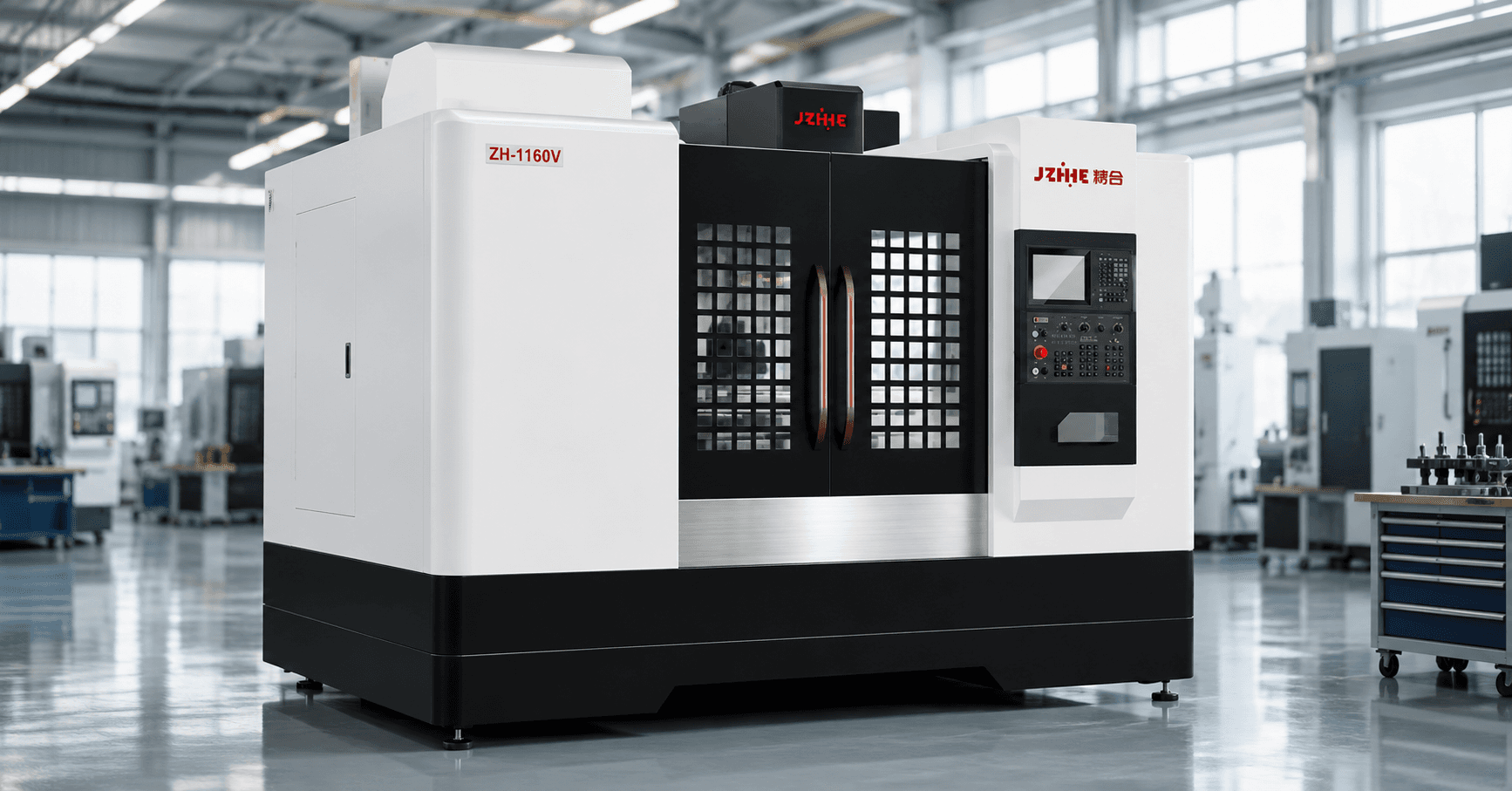
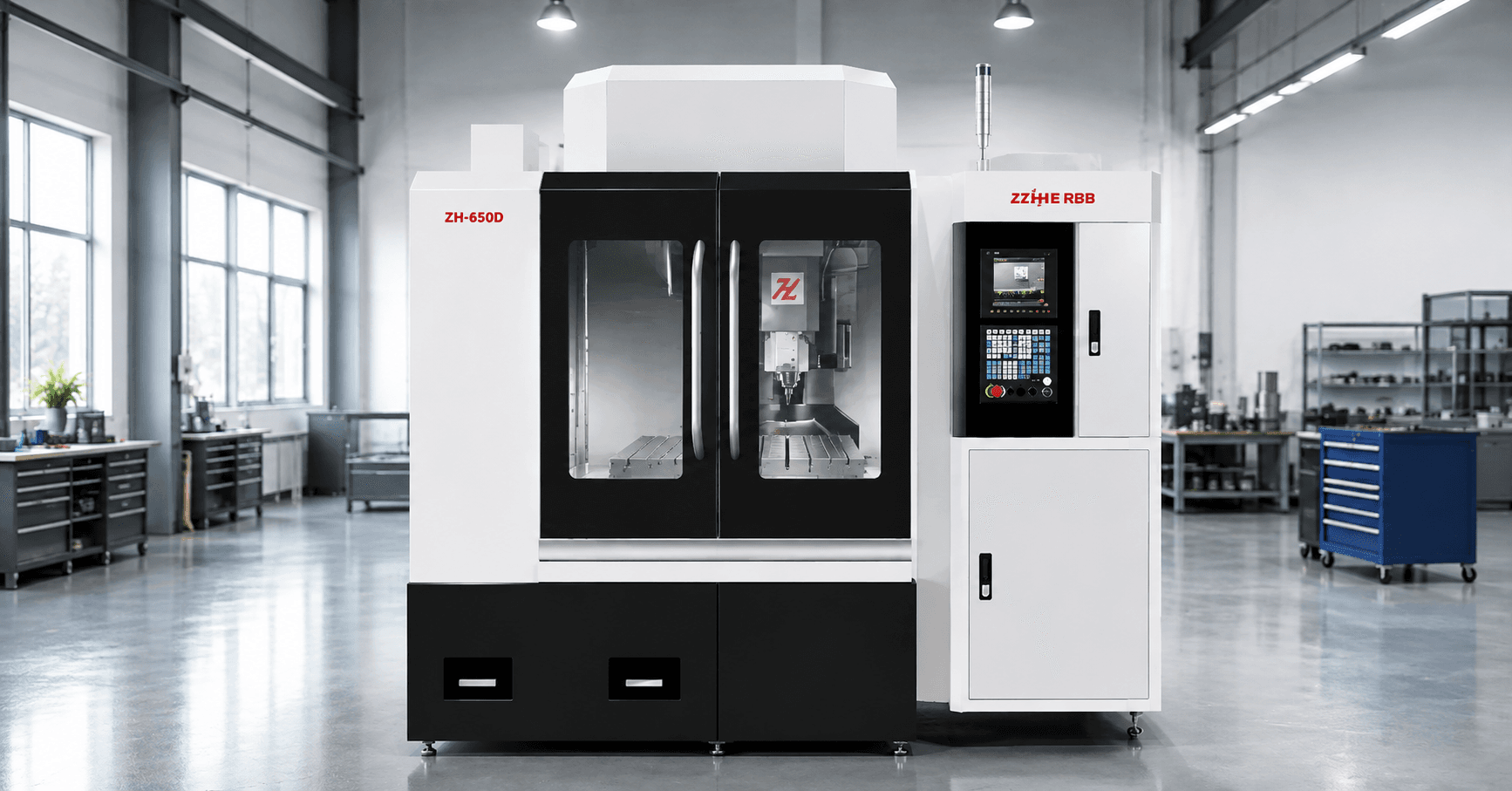
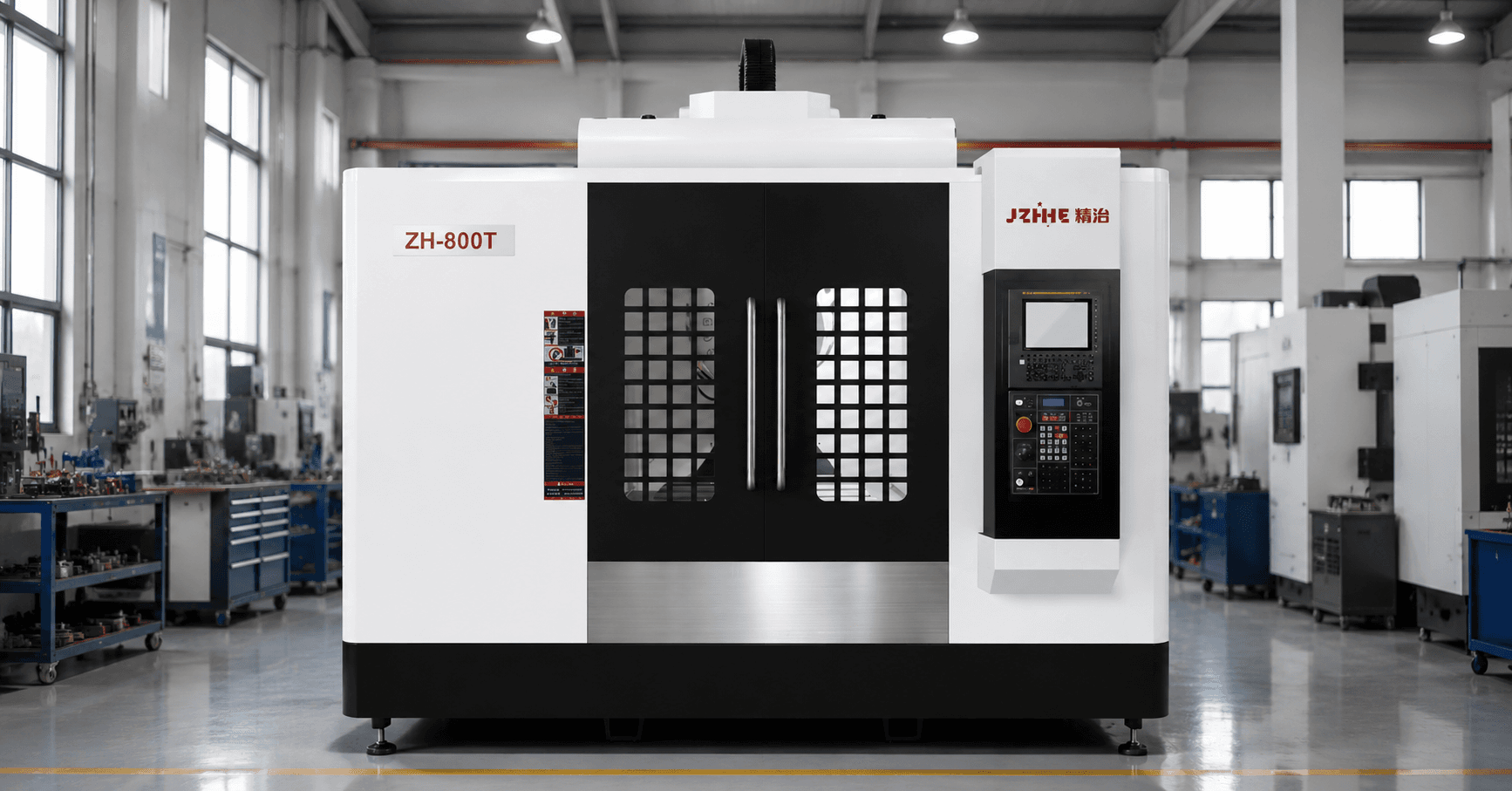
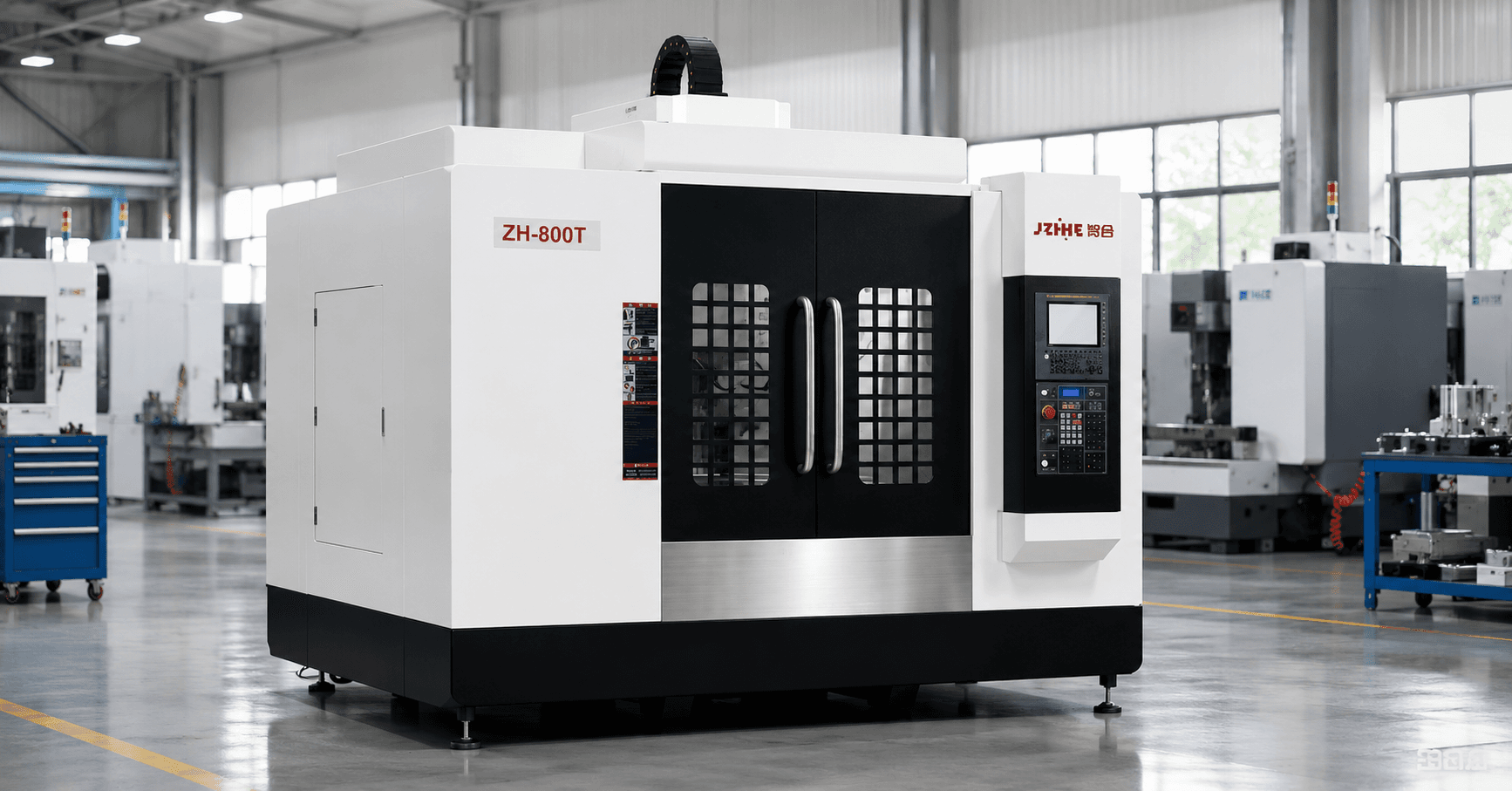
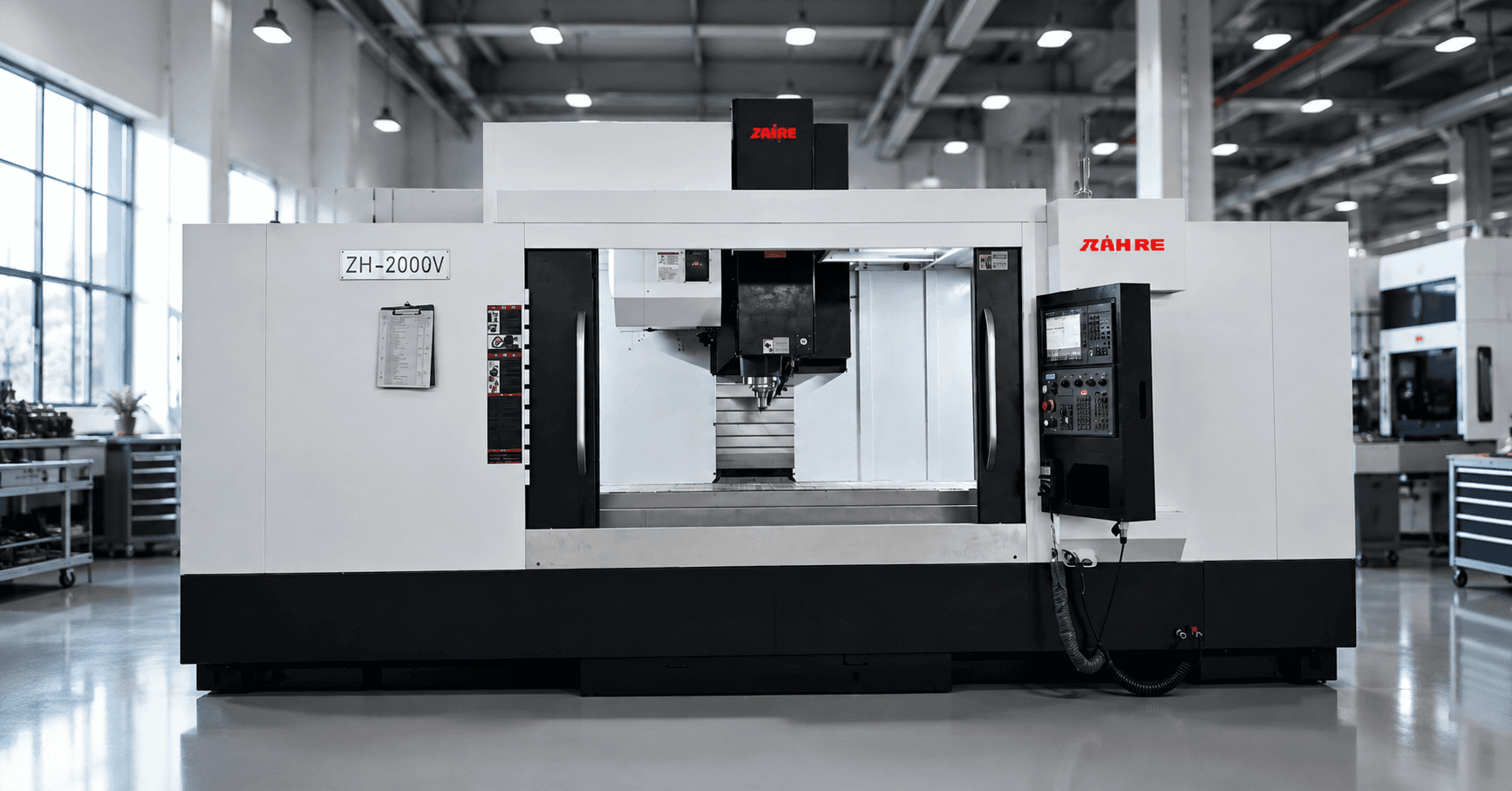
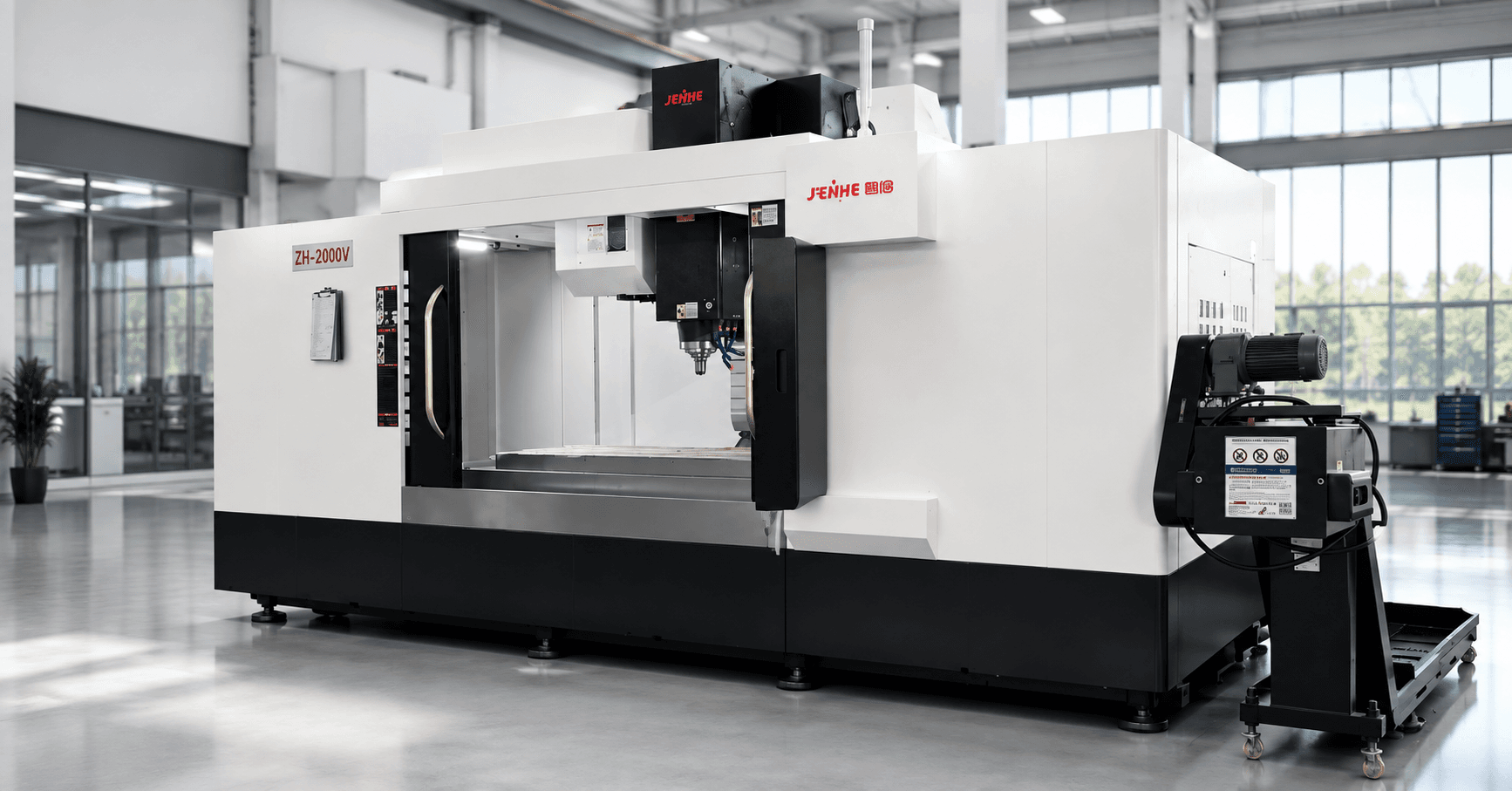
A horizontal machining center supplier should design the journey of each pallet from raw blank to accepted part, including fixture preparation, queue time, multi-face cutting, chip removal, tool replenishment, inspection, and recovery. Zhihe CNC uses a pallet flow blueprint to expose capacity outside the spindle.
The blueprint is intended for plant managers and industrial engineers producing box parts, automotive components, hydraulic bodies, and other workpieces that benefit from multi-face access and palletized flow.
Draw the Pallet Journey Before Selecting the Machine
Map receiving, blank preparation, fixture loading, datum confirmation, pallet queue, machine entry, cutting, tool events, pallet exit, cleaning, deburring, inspection, rework, accepted storage, and fixture return. Add travel distance, queue capacity, owner, and release rule to every step.
A horizontal machining center supplier can provide a capable machine while the overall line still fails because loading, inspection, tools, or material cannot support the planned pallet rhythm.
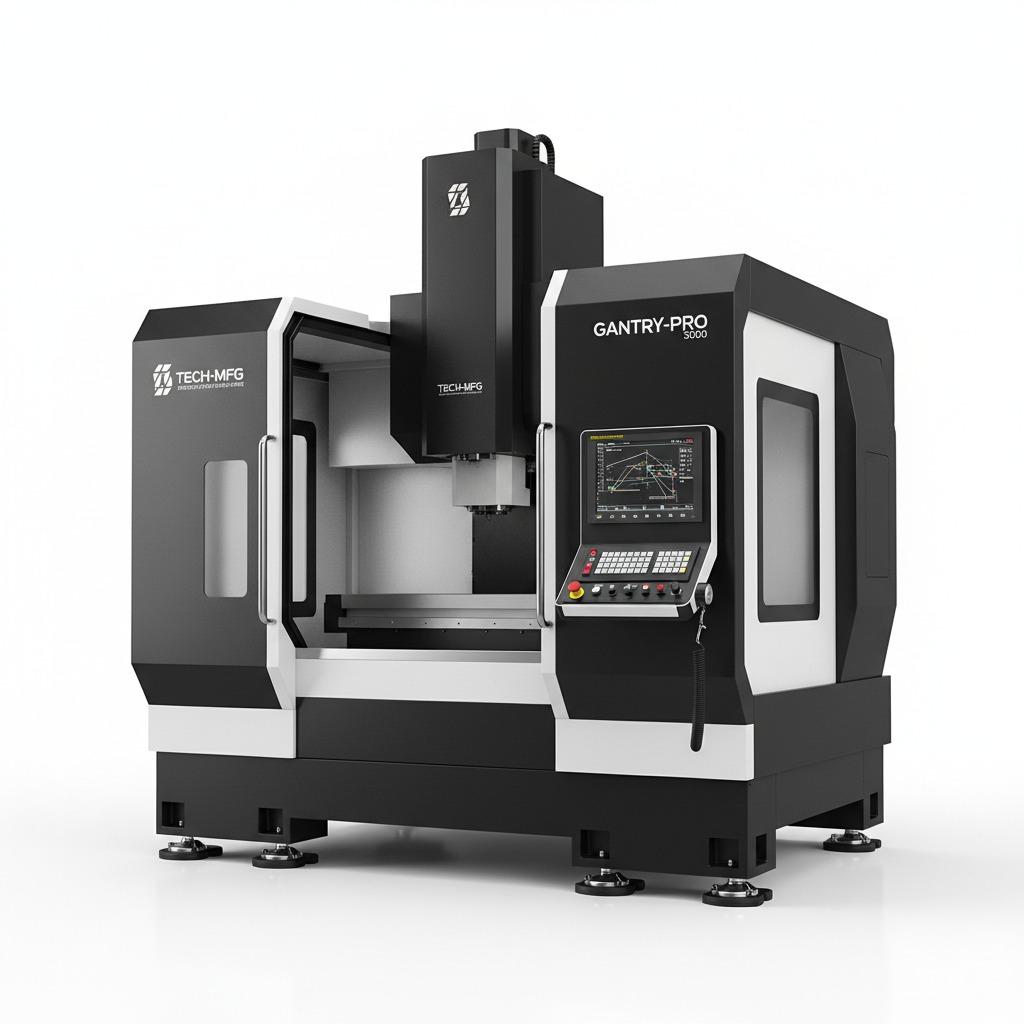
Route Features Around the Tombstone or Fixture
Assign faces, features, datums, tools, and inspection checks to each index position. Model the blank, fixture, clamps, tombstone, pallet, spindle, holder, tool gauge length, probe, covers, and chip paths. Check the heaviest load and the most difficult orientation.
Review the Zhihe CNC horizontal machining center range, then confirm pallet size, load, travels, rotary behavior, spindle duty, tool capacity, and automation interfaces for the actual workpiece family.
| Pallet state | Release evidence | Primary loss |
|---|---|---|
| Prepared | Fixture, tools, program, and material ready | Searching and waiting |
| Queued | Priority and due date assigned | Excess WIP |
| Cutting | Approved revision and offsets | Micro-stops and tool events |
| Inspection | Datum and sample plan preserved | Quality bottleneck |
| Recovery | Safe restart and recheck path | Extended downtime |
Calculate the Queue-to-Spindle Ratio
Measure average external setup time, cutting time, inspection time, and pallet waiting time. If external preparation consistently takes longer than machining, a second pallet alone may not increase output. If machining is longer, prepared pallets can protect spindle utilization.
Track accepted pallet cycle rather than only machine cycle. Accepted pallet cycle includes cutting plus the recurring external work required to release the next good pallet.
Dimension WIP for the Horizontal Machining Center Supplier Plan
Set maximum raw pallets, prepared pallets, inspection pallets, rework pallets, and accepted pallets. Define physical locations and visual status. Too little buffer can starve the spindle; too much buffer hides quality problems, consumes fixtures, extends feedback time, and increases schedule confusion.
Zhihe CNC can help calculate machine and pallet requirements, while the plant supplies order mix, batch size, staffing, material reliability, inspection response, and due-date rules. A horizontal machining center supplier should not recommend automation capacity without showing the WIP assumptions that support it.
Create a Shift-to-Shift Pallet Handover
For each pallet, record identity, part and drawing revision, fixture revision, program, tools at risk, completed operation, inspection status, nonconformance status, remaining work, priority, and special caution. Use one digital or physical source of truth.
The handover should also identify stopped pallets and their safe state. Zhihe CNC can provide controller and machine guidance, but the plant owns production authorization and quality disposition. This prevents the next shift from restarting a pallet based on an incomplete verbal note.
Place Maintenance Windows Inside the Pallet Rhythm
Schedule lubrication checks, coolant concentration, filters, chip conveyor cleaning, pallet and fixture inspection, probes, tool magazine checks, air, guarding, backups, and housekeeping. Record expected duration and the production condition required before work begins.
A horizontal machining center supplier comparison should include maintainability and access, not only cycle capability. If every planned task is assumed to happen outside available hours, the capacity model is overstated. Zhihe CNC and the buyer should distinguish planned care, minor stops, and unplanned failures.
Model One Week of Mixed Pallet Demand
Use the real order mix, due dates, batch sizes, fixtures, tools, programs, inspection routes, and staffing. Simulate a material delay, priority order, tool shortage, rejected pallet, and maintenance event. Observe whether the queue rules protect delivery or create constant manual expediting.
This exercise makes the horizontal machining center supplier proposal operational. It also shows whether more pallets, fixtures, tools, gauges, or people create greater value than an additional machine option.
Run the simulation with finance, production, quality, maintenance, and logistics in the room. Each function should provide its real constraint instead of accepting a machine-only capacity estimate. Record the assumptions that most change the result, such as staffing, inspection delay, tool availability, fixture count, or material reliability. Those assumptions become commissioning checks and early-production metrics. If actual performance differs, the team can correct the limiting interface instead of immediately blaming or modifying the machine.
Repeat the model after the first stable month using actual timestamps. Preserve both versions so the purchasing assumptions and the production reality can be compared clearly during the next capacity or expansion decision.
Design Fixtures for Access and Repeat Service
A fixture should control location, support cutting loads, allow tool and probe access, release chips, protect datums, and remain maintainable. Record clamp sequence, torque, replaceable wear surfaces, cleaning points, reference artifacts, and inspection frequency.
Make Chip Flow a Process Requirement
Horizontal orientation can support chip evacuation, but deep cavities, cast shapes, coolant direction, fixture pockets, and long production runs can still trap chips. Define flush paths, conveyor duty, filtration, tank maintenance, manual cleaning points, and the response to recutting chips.
Build a Tool Economy for the Part Family
List tools by operation, holder, gauge length, diameter, life rule, sister tool, offset strategy, preset method, replacement stock, and shared use. Long programs and multi-face parts can consume magazine capacity quickly. Model tool replenishment and broken-tool recovery, not only the first cycle.
Match Inspection Capacity to Pallet Output
Timestamp unloading, cleaning, deburring, gauging, CMM queue, correction, quarantine, and release. A pallet system can move work faster than the quality department can approve it. Use in-process probing only where the measurement strategy and uncertainty are appropriate.
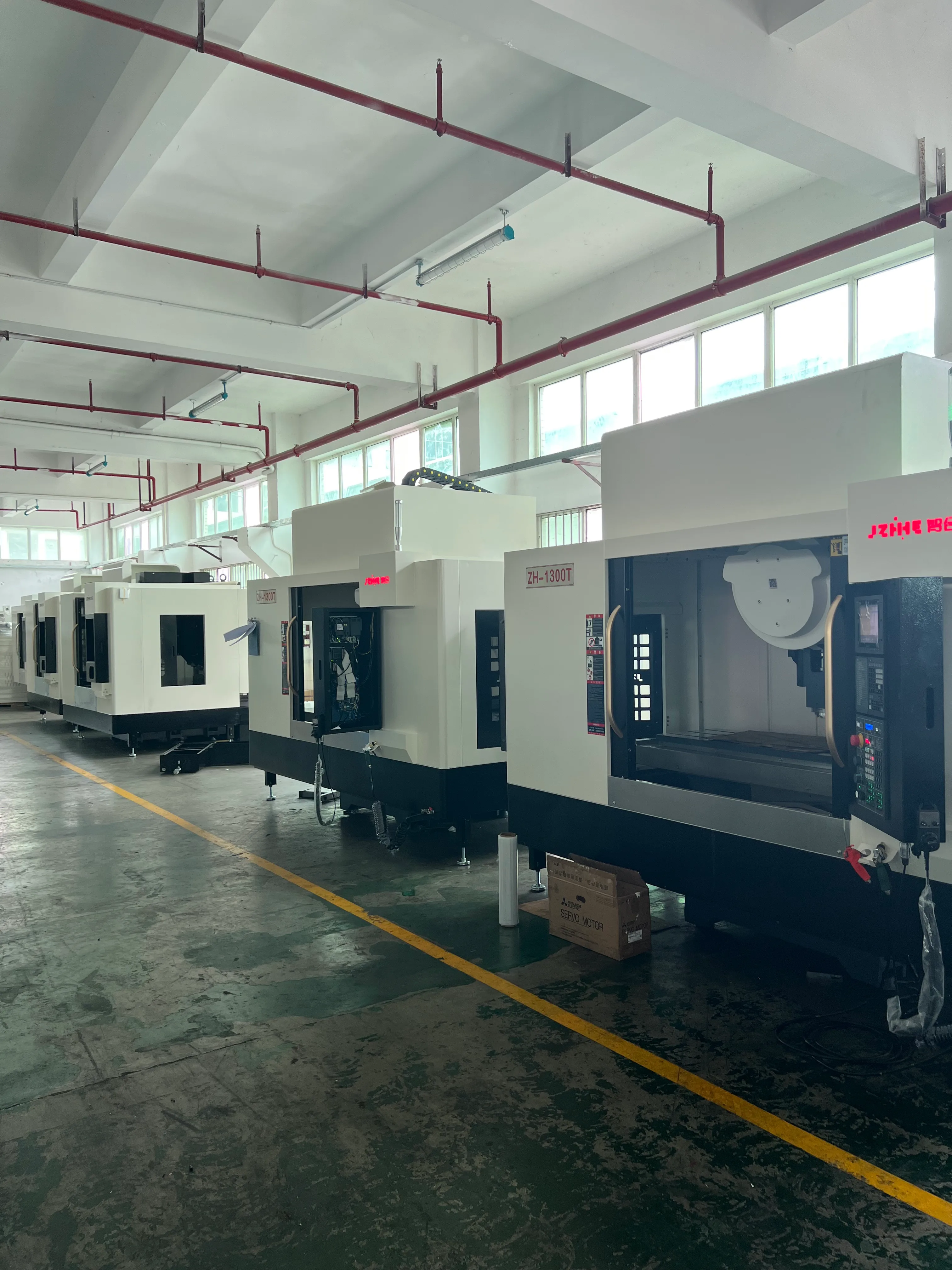
Control the Automation Interface
Freeze pallet identity, clamping confirmation, robot or loader signals, doors, safe zones, part presence, program selection, offsets, tool status, alarms, reject routing, network, data retention, and manual recovery. Assign supplier, integrator, fixture builder, and plant responsibilities.
The OSHA machine guarding guidance provides general safeguarding context. The final cell must follow applicable local regulations, risk assessment, machine documentation, and integrator design.
Agree an HMC Acceptance Run
The ISO 10791 machining-centre test series can help define machine tests, but production acceptance should also repeat the buyer's pallet, fixture, tool, feature, chip, inspection, and staffing risks. Preserve configuration, conditions, sample size, limits, exceptions, and retest rules.
| Interface | Supplier input | Plant input |
|---|---|---|
| Pallet and fixture | Machine limits and interface data | Workholding design and maintenance |
| Automation | Signals and machine safety functions | Cell integration and local compliance |
| Tools | Spindle and magazine limits | Approved assemblies and inventory |
| Acceptance | Machine protocol and records | Material, gauges, people, and environment |
| Recovery | Diagnostics and escalation | Safe access, evidence, and quality release |
Run a Stopped-Pallet Recovery Drill
- Choose a realistic tool, chip, fixture, probe, or automation interruption.
- Capture alarm, pallet, program, tool, offsets, and part state.
- Move the system to an approved safe condition.
- Diagnose and correct the cause.
- Inspect the part and fixture before restart.
- Release the recovered pallet through quality.
Know What the Blueprint Cannot Guarantee
The blueprint cannot guarantee utilization or quality when part mix, staffing, tools, material, programs, inspection, maintenance, or automation behavior differs from the baseline. It is a coordination and measurement tool, not a substitute for process validation.
FAQ
Does an HMC always need multiple pallets?
No. Pallet quantity should follow setup time, cutting time, part mix, WIP policy, and automation goals.
What parts benefit most from horizontal machining?
Box-type and multi-face parts often benefit when access, chip flow, datum continuity, and volume support the investment.
How should tombstone load be checked?
Include pallet, tombstone, fixtures, clamps, blanks, and load distribution at every indexed position.
Can probing replace CMM inspection?
Not automatically. Define the measurement purpose, uncertainty, calibration, traceability, and final acceptance method.
How many tools should the magazine hold?
Count the full part family, probes, sister tools, recovery tools, and reserved positions, then model replenishment.
What causes pallet queues?
Common causes include fixture preparation, missing material, tools, program approval, inspection, maintenance, and priority changes.
Who integrates the robot or pallet pool?
Name responsibilities for mechanical, electrical, software, safety, data, commissioning, and support interfaces.
How should chip control be tested?
Use representative cavities, material, coolant, run duration, and fixture conditions rather than a clean demonstration part.
What should a site acceptance run include?
Include the normal pallet journey, tools, inspection, changeover, staffing, and at least one controlled interruption.
How is HMC ROI calculated?
Model accepted output, labor, fixtures, pallets, tools, inspection, WIP, floor space, maintenance, and recovery over the expected mix.
Blueprint the Pallet Flow With Zhihe CNC
To compare a horizontal machining center supplier, send Zhihe CNC your part family, faces, datums, material, fixture concept, pallet plan, tools, volume, shifts, inspection, automation scope, destination, and recovery expectations. Use the contact page and review the box-parts guide.