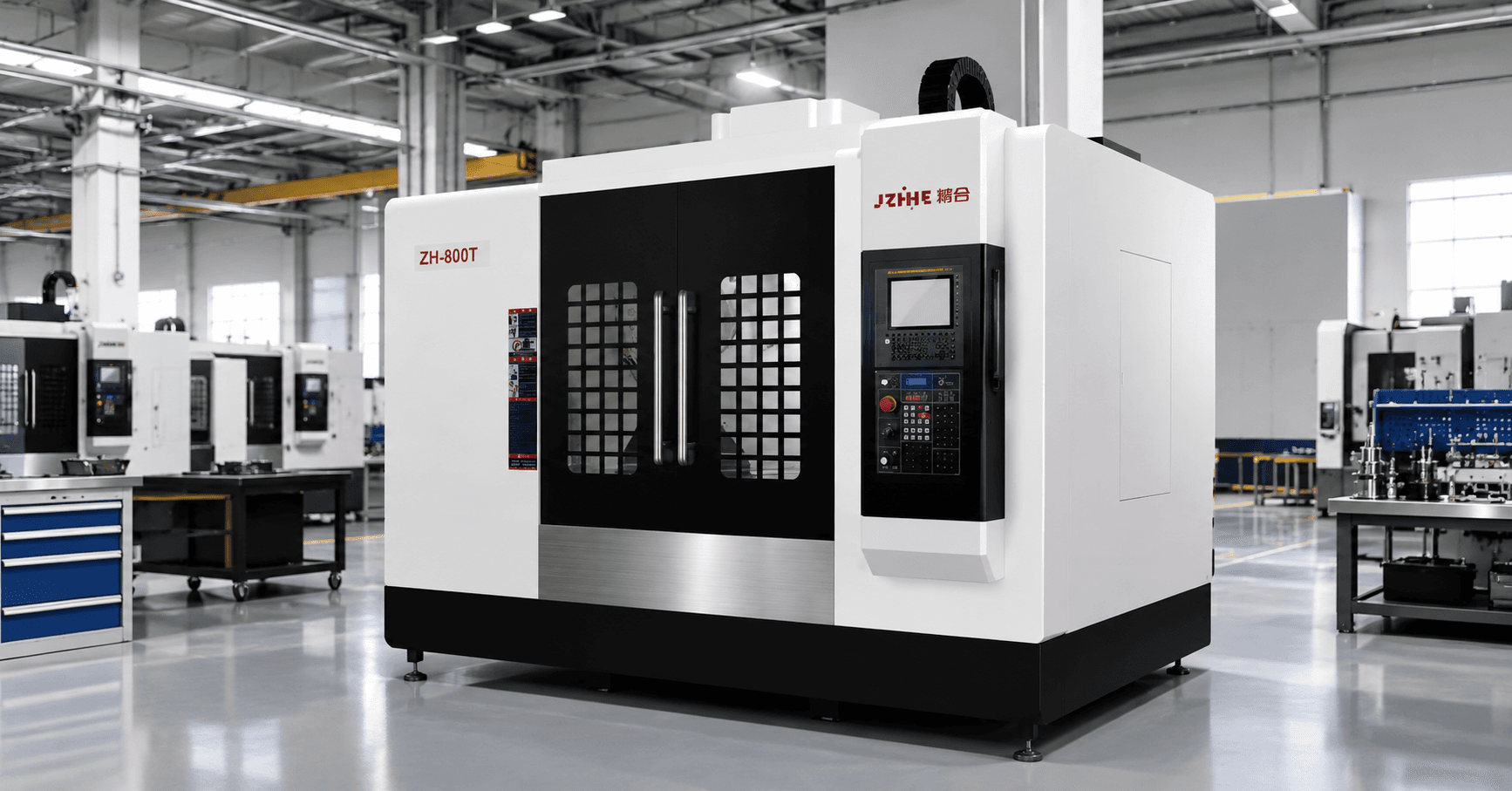
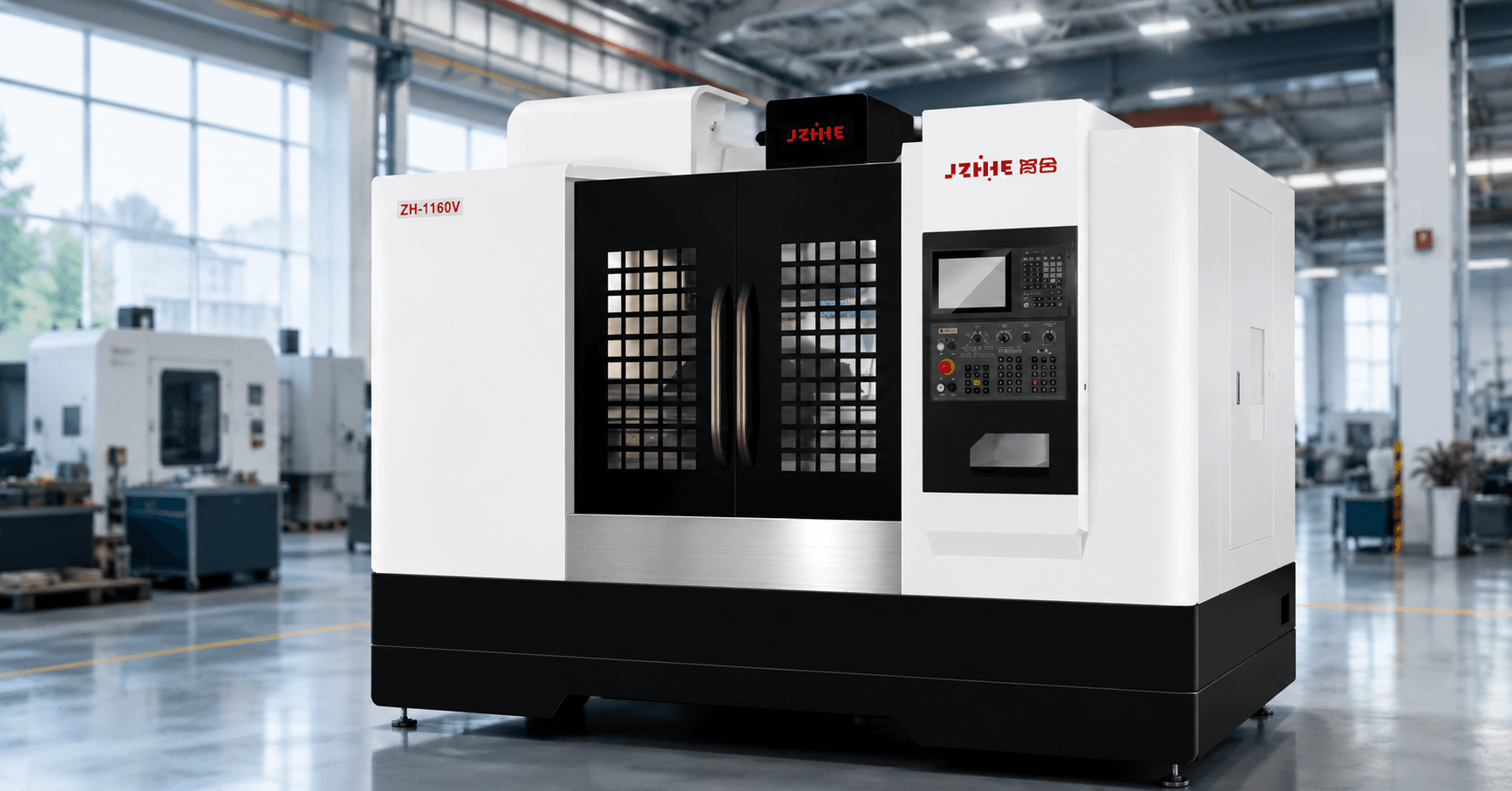
How to Choose a Vertical Machining Center for Medium-Sized and Long-Profile Parts
Choosing a vertical machining center for medium-sized and long-profile parts is not the same as buying a small general-purpose CNC machine. A buyer may compare several models that all look similar from the outside: enclosed machine body, vertical spindle, control panel, and worktable. But the wrong choice can create problems that only appear after installation.
The machine may not have enough X-axis travel. The worktable may be too short for practical fixturing. The spindle may not match the material. The tool magazine may be too limited. The accuracy may be acceptable on short parts but unstable over long travel. The supplier may quote quickly, but without checking the actual workpiece, the recommendation may still be weak.
For B2B buyers, the goal is not to buy the cheapest machine. The goal is to buy a machine that fits the parts, reduces setup waste, and can keep producing acceptable work across batches.
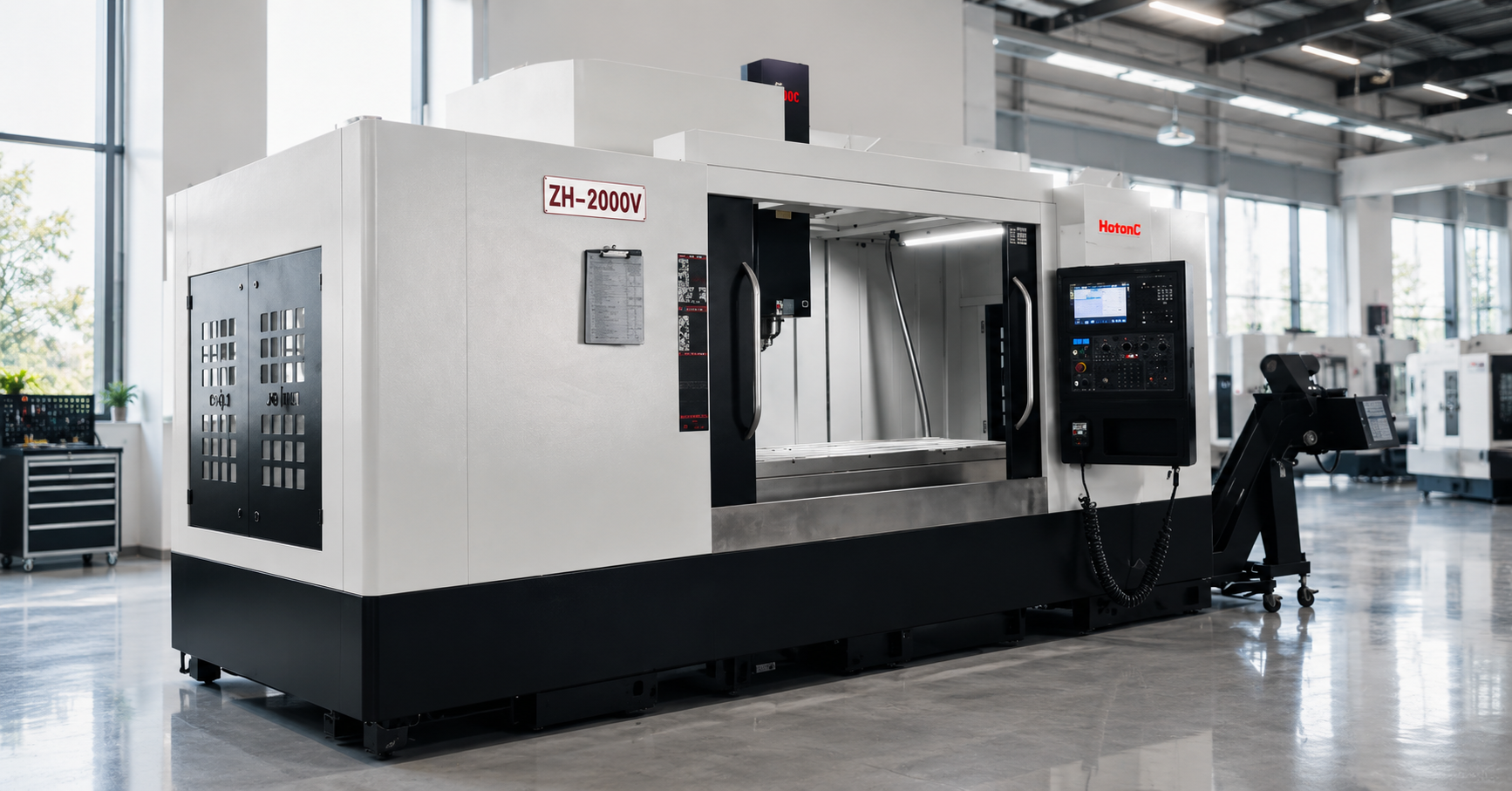
The ZH-2000V Vertical Machining Center gives buyers a useful reference for this type of selection. Its product page lists 2000 / 500 / 500 mm X/Y/Z travel, 2000 × 500 mm worktable, 500 kg maximum table load, BT40 spindle, 10,000 rpm maximum spindle speed with optional 12,000 rpm, 24-tool arm-type magazine, and MITSUBISHI M80VB CNC controller.
Step 1: Start with the Part, Not the Machine
The first mistake many buyers make is asking for a machine price before defining the workpiece clearly. That may be fast, but it rarely leads to the best recommendation.
A proper inquiry should include:
- Workpiece drawing
- Maximum and typical part size
- Material
- Part weight
- Required tolerance
- Surface finish target
- Current setup method
- Current machining problems
- Batch size
- Desired cycle time
- Fixture concept
- Tooling requirements
- Delivery destination
For long-profile parts, buyers should pay special attention to total length and clamping method. If the workpiece is 1800 mm or 1950 mm long, a machine with shorter X-axis travel may force segmented clamping. That can increase accumulated error.
The ZH-2000V’s 2000 mm X-axis travel is one of its most important advantages because it supports one-time clamping for many long-profile parts. In the product page’s battery tray case, this helped eliminate segmented clamping and reduce cumulative positioning error from ±0.08 mm to within ±0.015 mm.
Step 2: Check Worktable Size and Load
Travel is not enough. Buyers must also check worktable size and load.
The ZH-2000V worktable is 2000 × 500 mm, with 3-18 × 125 mm T-slots and 500 kg maximum table load. These details affect fixture planning.
A part may fit within machine travel but still fail in real production if the fixture is too large, if clamp access is poor, or if the combined weight of part and fixture exceeds the table load. Buyers should calculate the total load, not only workpiece weight.
For long aluminum profiles, the fixture may need support along the length to reduce vibration. For steel beams, the fixture must resist cutting forces. For automation structures, datum positioning must be repeatable.
A buyer should ask the supplier to review the fixture plan before order confirmation.
Step 3: Match the Spindle to the Material
The ZH-2000V uses a BT40 belt-drive spindle, with 7.5 kW spindle motor power, maximum spindle speed of 10,000 rpm, and optional 12,000 rpm.
For buyers, BT40 is a practical spindle taper for many milling, drilling, and tapping tasks. Aluminum profiles may benefit from higher spindle speed and efficient chip evacuation. Steel parts may require rigidity and suitable cutting parameters. Copper alloys may need tool and coolant planning to manage finish and burrs.
The product page lists applicable materials including aluminum alloys, copper alloys, carbon steel, and low-carbon alloy steel.
Do not choose spindle speed only by maximum rpm. Choose based on material, tool diameter, surface finish, and cutting load. If the factory often machines aluminum profiles, optional 12,000 rpm may be worth discussing. If the factory mainly cuts steel beams, rigidity and stability may matter more than top speed.
Step 4: Evaluate Accuracy and Inspection
Long-profile machining makes accuracy more difficult. Even small positioning errors can accumulate over distance.
The ZH-2000V product page lists ±0.010 mm positioning accuracy and ±0.005 mm repeatability. It also lists laser interferometer inspection for positioning accuracy and repeatability, plus ballbar inspection for circularity and servo matching.
These data points help buyers ask better questions.
| Accuracy Item | Why Buyers Should Care |
|---|---|
| Positioning accuracy | Affects hole positions, milled features, and datum control |
| Repeatability | Important for batch production |
| Laser interferometer inspection | Gives a basis for machine accuracy verification |
| Ballbar inspection | Helps check circularity and servo matching |
| Trial cutting | Confirms whether the machine can produce the buyer’s actual part |
The product page also describes pre-acceptance trial cutting at the supplier’s facility and final acceptance trial cutting after delivery and installation. For buyers, this is important. A machine should be accepted by results, not only appearance.
Step 5: Check Tool Magazine and Options
The ZH-2000V includes a 24-tool arm-type magazine. It also provides a standard 4th axis interface, optional indexer or rotary table, optional Renishaw/Marposs probing system, and coolant options including flood coolant, coolant tank, high-pressure wash gun, rear flush, and optional spindle center through-coolant.
These options should be selected carefully.
A 24-tool magazine helps when a part requires multiple milling cutters, drills, taps, chamfer tools, and finishing tools. A 4th axis may be useful if the factory plans to process round or indexed features. A probe can help with alignment and in-process measurement, especially when the part is long or frequently changed. Through-spindle coolant may help for deeper drilling or chip evacuation, depending on the application.
Buyers should not add options only because they sound advanced. Each option should solve a real production problem.
Step 6: Compare the ZH-2000V with Ordinary Machines
Compared with ordinary compact VMCs, the ZH-2000V offers clearer advantages for long-profile and medium-sized parts.
| Comparison Area | Ordinary Compact VMC | ZH-2000V Advantage |
|---|---|---|
| Long-profile capacity | May require segmented clamping | 2000 mm X-axis travel supports longer parts |
| Worktable space | Limited fixture room | 2000 × 500 mm worktable supports long fixtures |
| Batch stability | More setup changes may increase variation | Verified accuracy and repeatability support batch work |
| Tooling efficiency | Tool capacity may be limited | 24-tool magazine reduces interruptions |
| Application fit | Better for shorter parts | Designed for long-profile / medium-sized parts |
| Automation beam production | May struggle with 2m beam flatness | Case result shows flatness within 0.02 mm/m |
| Battery tray profiles | May need section machining | Case result shows one-time clamping and shorter cycle time |
The advantage is not simply that the machine is bigger. The advantage is that its specification fits the common pain points of long parts: clamping, accuracy, flatness, and efficiency.
Step 7: Consider Service and Commercial Terms
A machine purchase includes more than technical specification. Buyers should also evaluate delivery, packaging, installation, training, warranty, and spare parts.
The ZH-2000V page lists delivery of about 45–60 working days after down payment and signed contract, export wooden case packaging with moisture-proof, shock-proof, and rust-proof treatment, sea or air freight options, on-site installation and commissioning, free 2–3 days training, 12-month warranty from final acceptance, and long-term genuine spare parts supply.
For overseas buyers, these terms can affect project risk. The foundation, power supply, and lifting assistance are the buyer’s responsibility, so factory preparation should begin before the machine arrives.
What Type of Company Should Buy the ZH-2000V?
This machine is suitable for companies that frequently process long or medium-sized parts and need stable batch quality.
Good-fit buyers include:
- Aluminum profile machining factories
- Battery tray and new energy component suppliers
- PV structure manufacturers
- Robot guide rail manufacturers
- Automation equipment factories
- 3C electronics frame suppliers
- Automotive component factories
- Medium-sized precision metal processing shops
- Contract machining suppliers serving industrial profiles
The machine may be less suitable for shops that mostly machine very small parts, simple brackets, or low-volume prototypes with no long-travel requirement.
FAQ
What is the biggest advantage of the ZH-2000V?
Its biggest advantage is the combination of 2000 mm X-axis travel, long worktable, BT40 spindle, 24-tool magazine, verified accuracy, and application fit for long-profile and medium-sized parts.
What industries can use this machine?
The product page lists 3C electronic frames, lithium battery/PV aluminum structures, robot guide rails, automotive, and automation equipment.
Why does one-time clamping matter?
It reduces accumulated positioning error, improves consistency, and saves setup time, especially for long aluminum or steel profiles.
What should buyers confirm before purchase?
Confirm final rapid traverse data, spindle option, fixture plan, tool magazine, controller, probing option, coolant configuration, delivery terms, installation requirements, and acceptance method.
Conclusion
Choosing a vertical machining center for long-profile and medium-sized parts should begin with the workpiece. Buyers need to understand length, material, tolerance, fixture method, batch size, and current production problems before comparing machine prices.
The ZH-2000V offers strong advantages for this buyer group because it is built around 2000 / 500 / 500 mm travel, 2000 × 500 mm worktable, BT40 spindle, MITSUBISHI M80VB controller, 24-tool magazine, C3-grade ball screws, linear/roller guides, optional probing, chip conveyor, coolant system, and acceptance support.
For B2B buyers, the product’s real value is not only in its specification sheet. It is in how those specifications help reduce segmented clamping, improve flatness, shorten cycle time, raise yield, and make long-profile machining more predictable.