Why the right machining center solution matters before you buy
Choosing a machining center solution is rarely just about buying a machine with a spindle and a control screen. For most shops, the real decision is whether the equipment will fit the part mix, the operator skill level, the floor space, and the production rhythm you already have. That is especially true when the work involves drilling, tapping, milling, contouring, or repeated small-batch runs where setup time can quietly eat into margin.
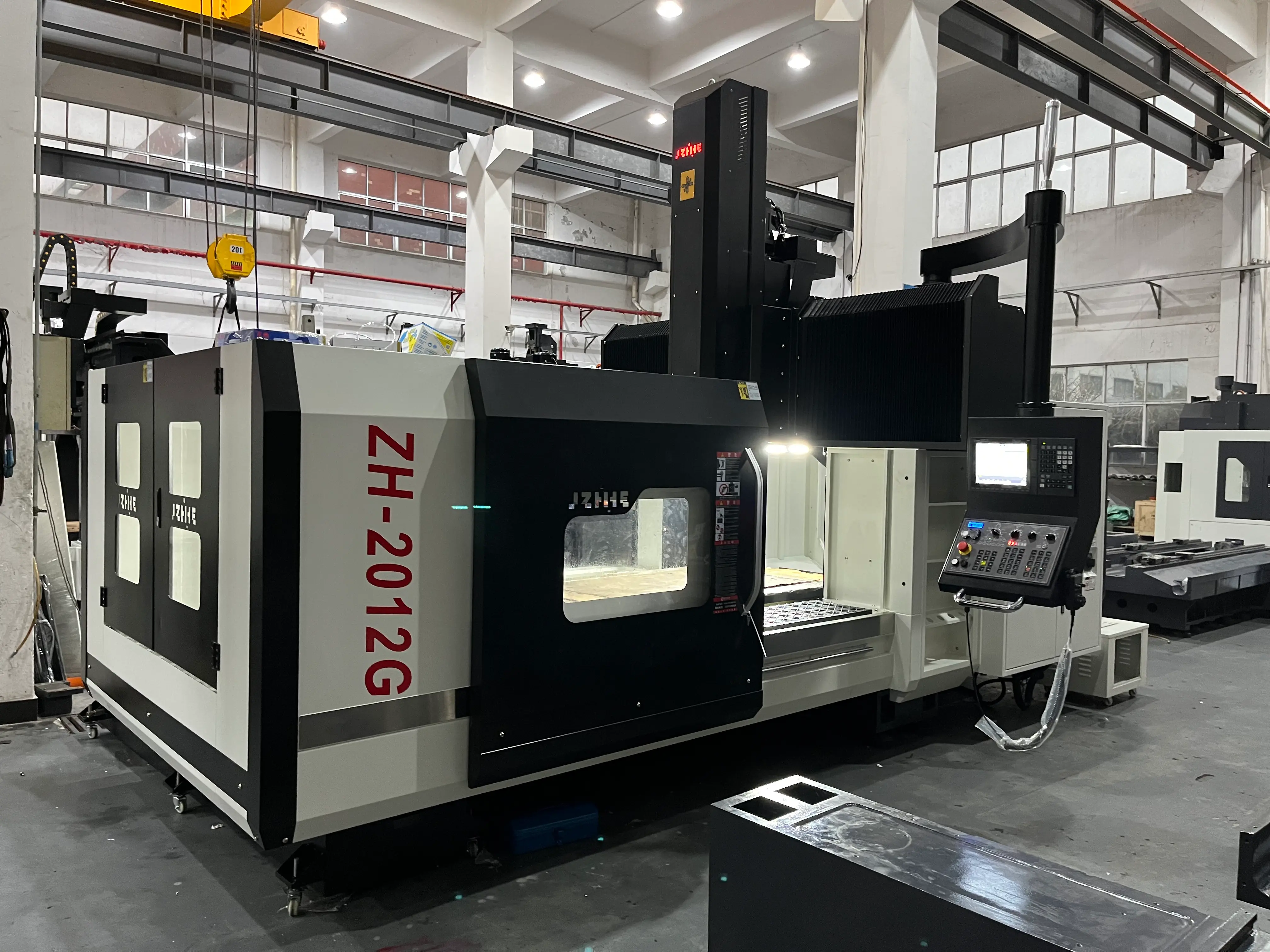
A vertical machining center like the ZH-855V shown in the product data points to the kind of enclosed CNC platform many manufacturers use for general metal cutting. It is the sort of machine that can sit in front-line production for steel, aluminum, and mixed job-shop work, provided the process is matched correctly. The catch, of course, is that “can” and “should” are not the same thing. A buyer still needs to judge configuration, workholding, access, and service support with some care.
What the visible machine tells a buyer
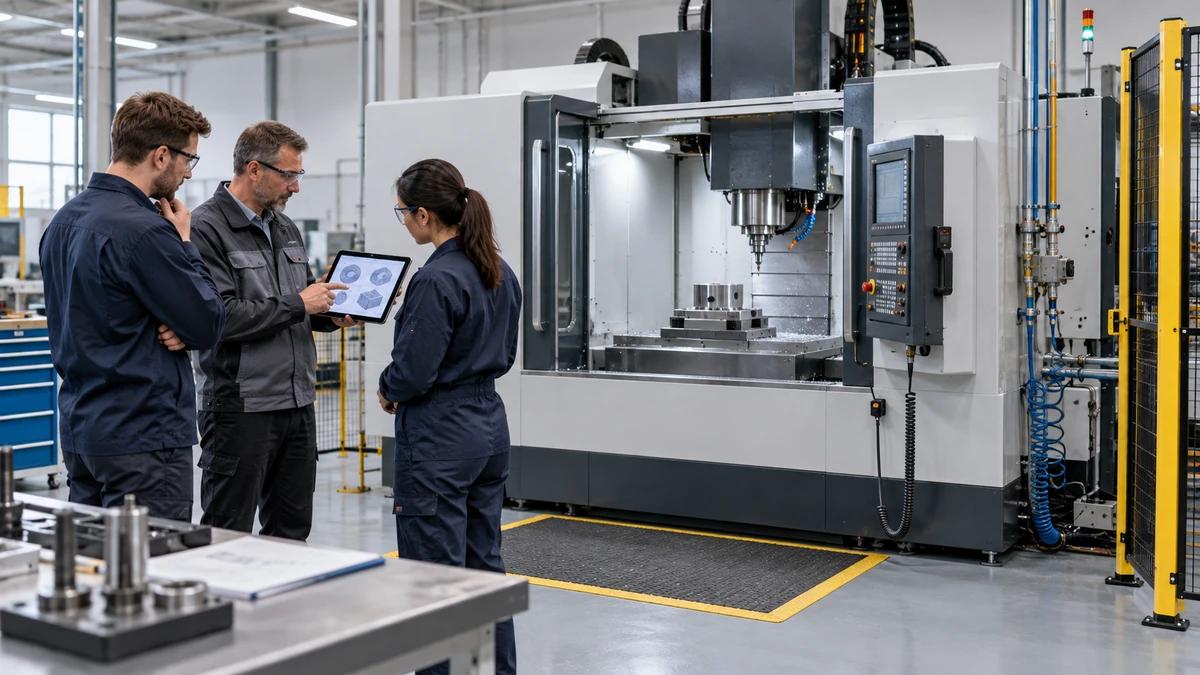
The visible design features are practical and familiar: a fully enclosed cabinet, front sliding doors, a centralized spindle head over a fixed worktable, and a right-side operator station with screen and keypad. Those details matter because they affect safety, chip containment, coolant management, and day-to-day use. In a shop environment, small conveniences often become big productivity differences.
The enclosure is not just about guarding. It also keeps coolant and chips where they belong, which reduces cleanup and helps protect nearby equipment. The coolant nozzles and internal access lighting suggest the machine is built for actual production use, not just showroom photography. That said, a buyer should still ask how the machine handles chip evacuation and routine maintenance access; enclosed machines can be pleasant to run and annoying to service if the layout is cramped.
Where precision CNC machining fits best
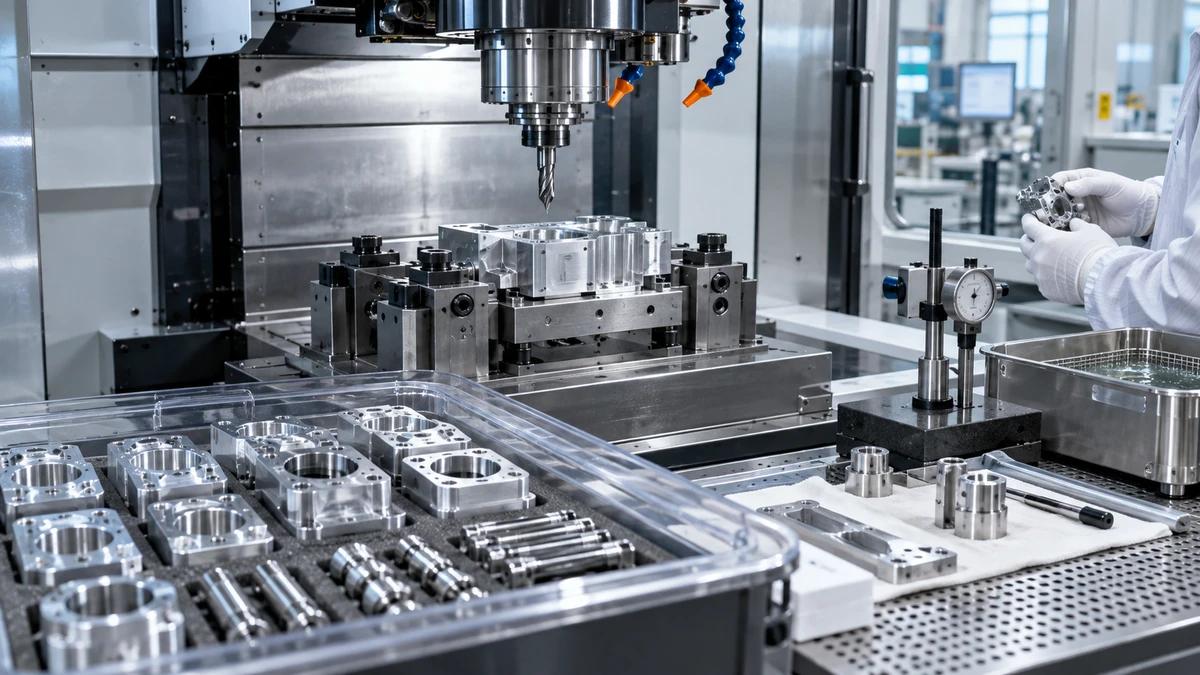
Precision CNC machining is a broad phrase, but in this context it usually means repeatable metal part production with enough control to hold features across multiple operations. For many factories, the objective is not ultra-specialized aerospace work; it is consistent output for fixtures, tooling, automotive parts, electronics housings, and prototype runs.
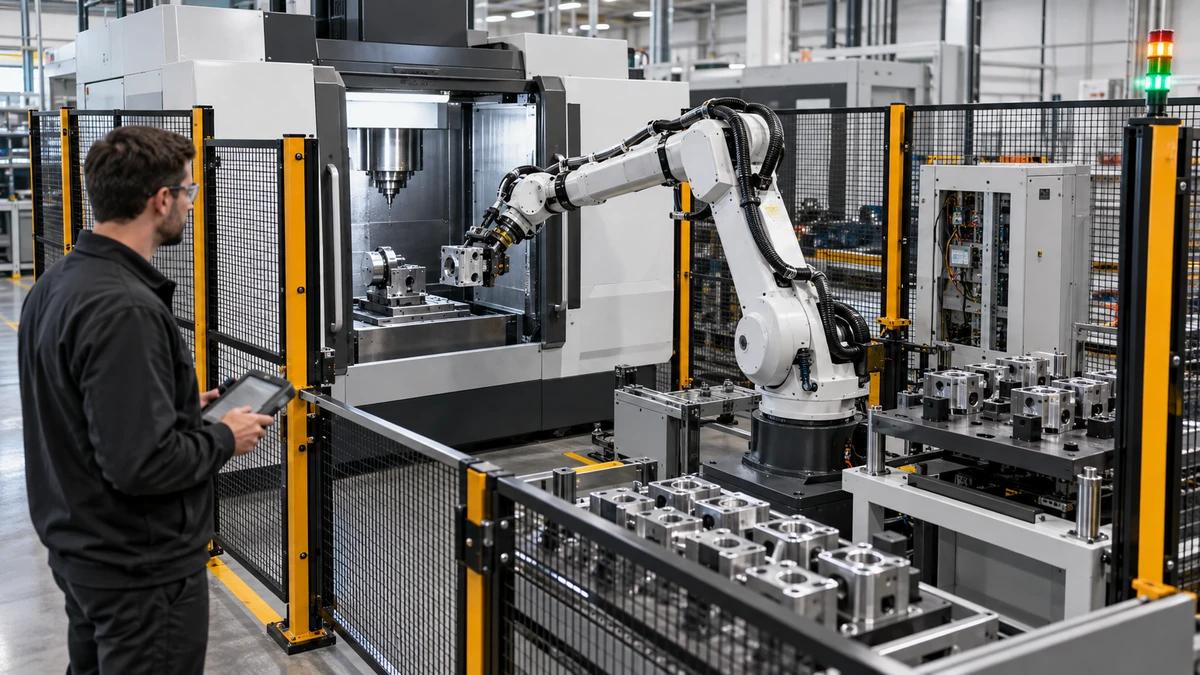
Zhongshan Zhihe CNC Technology Co., Ltd. positions its equipment for exactly that middle ground. The company says its product range includes vertical machining centers, horizontal machining centers, gantry machining centers, drilling and tapping centers, CNC milling machines, and five-axis machining centers. It also notes support across selection, delivery, commissioning, training, and after-sales service. That full-path support can matter as much as the metal-cutting spec sheet, especially for buyers who do not want to assemble the solution piecemeal.
Selection criteria that actually affect production
For sourcing managers and engineering teams, the first filter is not branding. It is process fit. Ask whether the machine is being bought mainly for drilling and tapping, for milling larger faces, or for a mixed workload that changes weekly. If the answer is mixed production, flexibility usually beats over-optimizing for one part family.
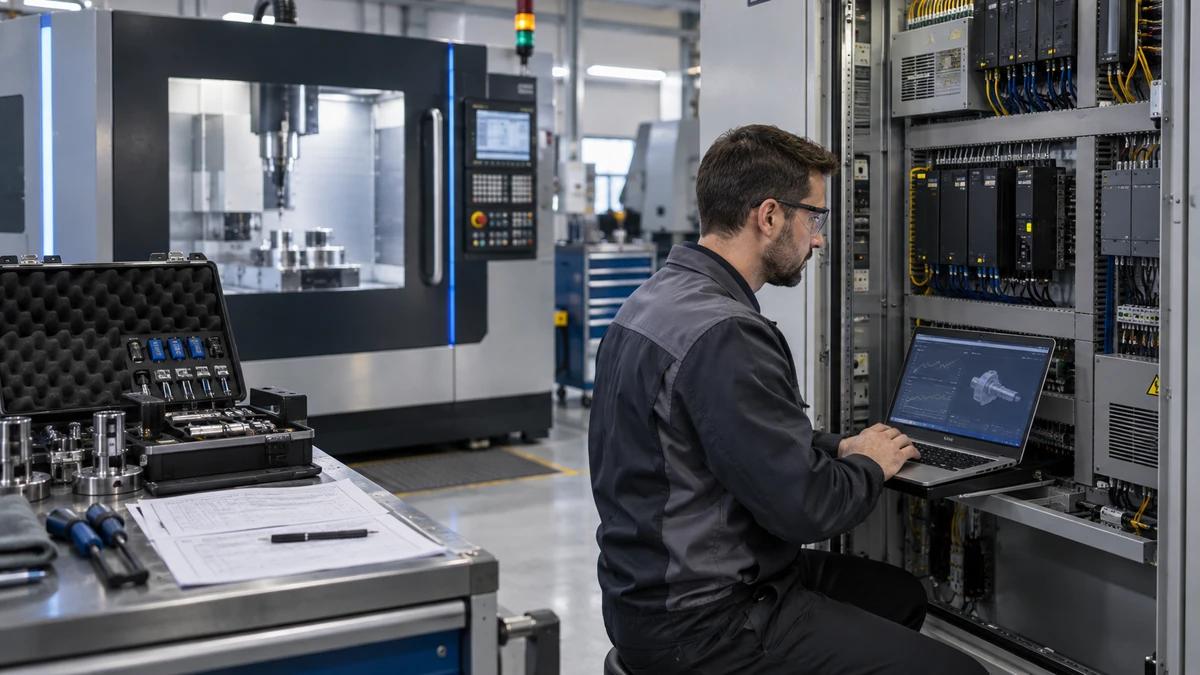
Next comes CNC machine customization. Not every shop needs a special build, but configuration options can be valuable when the workpiece material, precision target, or production volume creates a bottleneck. Zhihe says it can recommend machine models, control system choices, fixture support, trial cutting validation, and after-sales service based on the workpiece and capacity needs. That is useful, provided the buyer supplies clear drawings and realistic cycle expectations.
There is also a practical caution here: many buyers focus on spindle power or axis count before they have settled the fixture strategy. That is backward. If the part cannot be clamped reliably, the best machine in the world will still make bad parts.
Quick comparison: what this type of machine is good at
Best suited for
General metalworking, batch production, repeatable holemaking, contour milling, and mixed job-shop parts.
Less suited for
Work that requires unknown special options, unusually large envelopes, or tightly defined process capability without verified machine data.
Common buying mistakes
The most common mistake is treating a machining center as a commodity purchase with no application context. The second is skipping trial cutting. Even a solid-looking vertical machining center can be a poor fit if the control preference, fixture design, or workpiece mix is off. Another mistake is underestimating support needs after installation. A machine is not really “bought” until it is producing acceptable parts with stable setup habits.
For overseas buyers, shipping and packaging details are also worth a close look. Zhihe notes it can support safe packaging, transport coordination, shipping photos, and dispatch documents for international customers. That may sound administrative, but damaged guarding or missing paperwork can slow an entire launch.
FAQ: a few questions buyers usually ask
Is this type of machine only for large factories?
No. Enclosed vertical machining centers are common in job shops, prototype rooms, and smaller production cells as well as larger plants.
Do I need customization?
Only if your part mix, tooling, or throughput target creates a clear gap between standard configuration and real production needs.
What should I request from the supplier?
Drawings, material details, size, precision requirements, expected output, and any fixture or control preferences. That is the fastest way to get a useful recommendation.
What to do next
If you are comparing a machining center solution for general metal part production, start with the actual workpiece list rather than the machine brochure. Ask for model guidance, control options, and a realistic commissioning plan. If the supplier can discuss selection, trial cutting, training, and spare parts with the same level of specificity, you are probably dealing with a vendor who understands production pressure, not just sales language.
For inquiries, Zhongshan Zhihe CNC Technology Co., Ltd. says buyers should share drawings, material, dimensions, accuracy needs, machine type, and capacity requirements so an appropriate CNC model can be recommended.