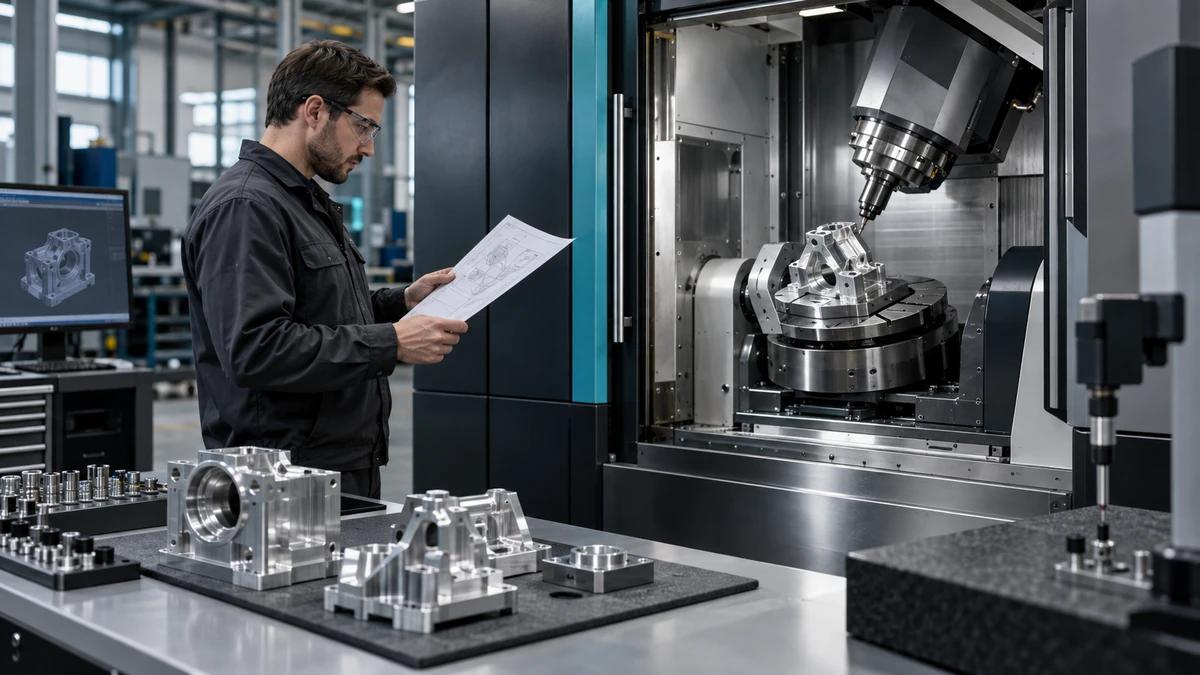
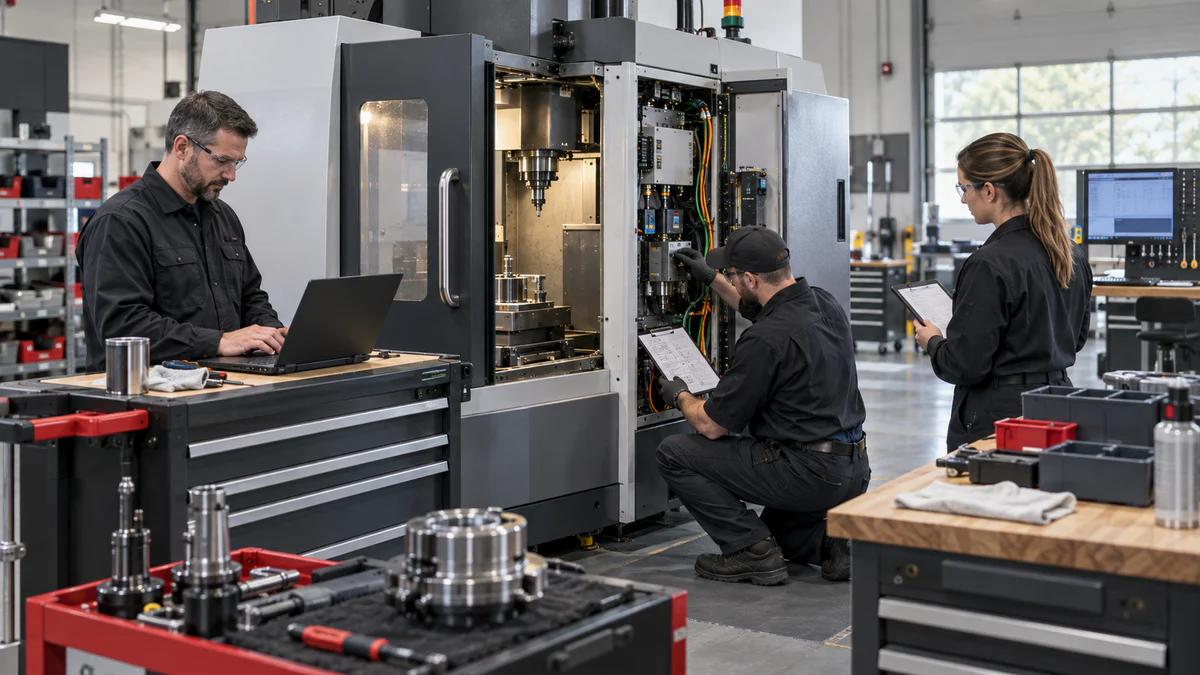
Why a machining center solution is not just a machine purchase
A machining center solution is rarely about a single piece of iron. For most buyers, it is a decision about throughput, repeatability, floor space, operator comfort, and how much risk the production team can tolerate when schedules get tight. That is especially true when the work mixes milling, drilling, tapping, and general precision machining on metal or rigid parts. The wrong choice can leave a shop with a capable-looking machine that still misses the real job.
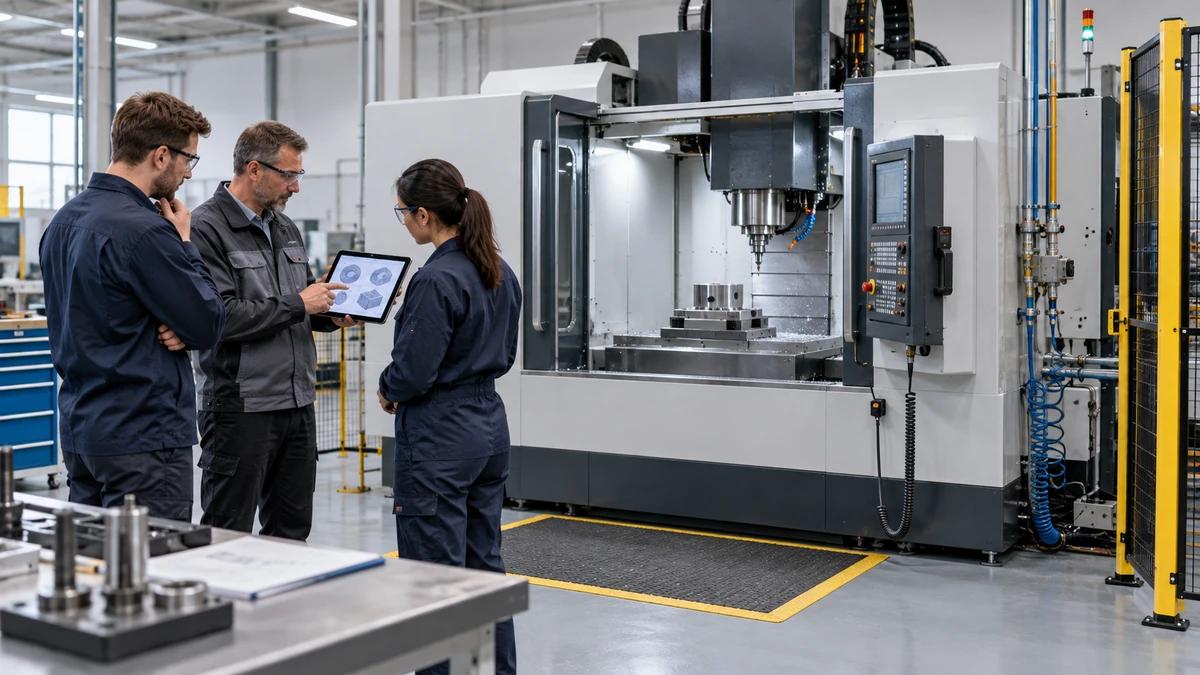
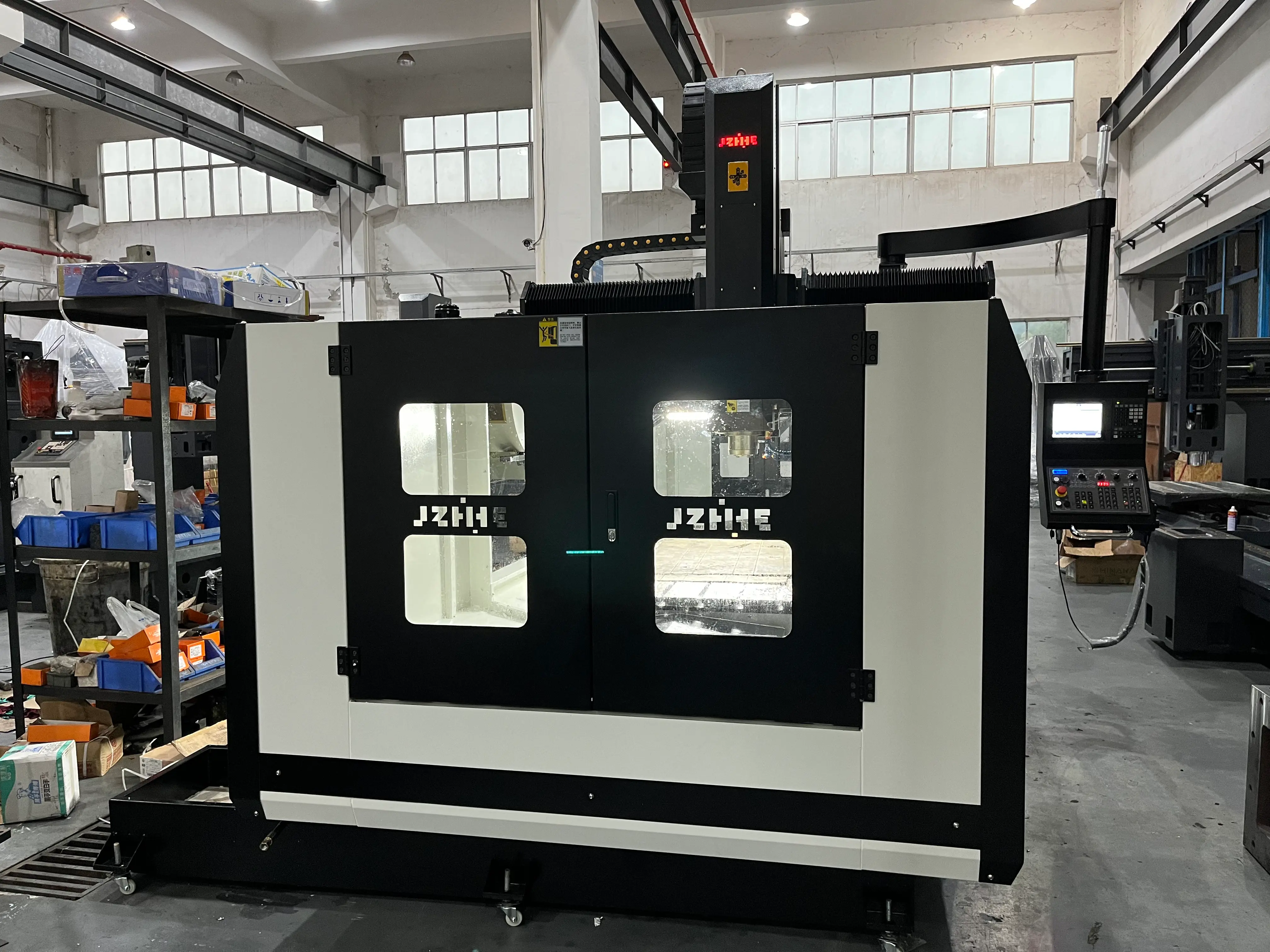
From the outside, a vertical CNC machine such as the ZH-855V tells part of the story. You can see the enclosed cabinet, front sliding doors, spindle head, T-slot table, coolant hoses, and a side-mounted control panel. Those are not decorative details. They are the cues a sourcing manager or process engineer uses to judge whether the machine fits the work envelope, the safety standard in the shop, and the day-to-day rhythm of production.
What this type of machine is trying to solve
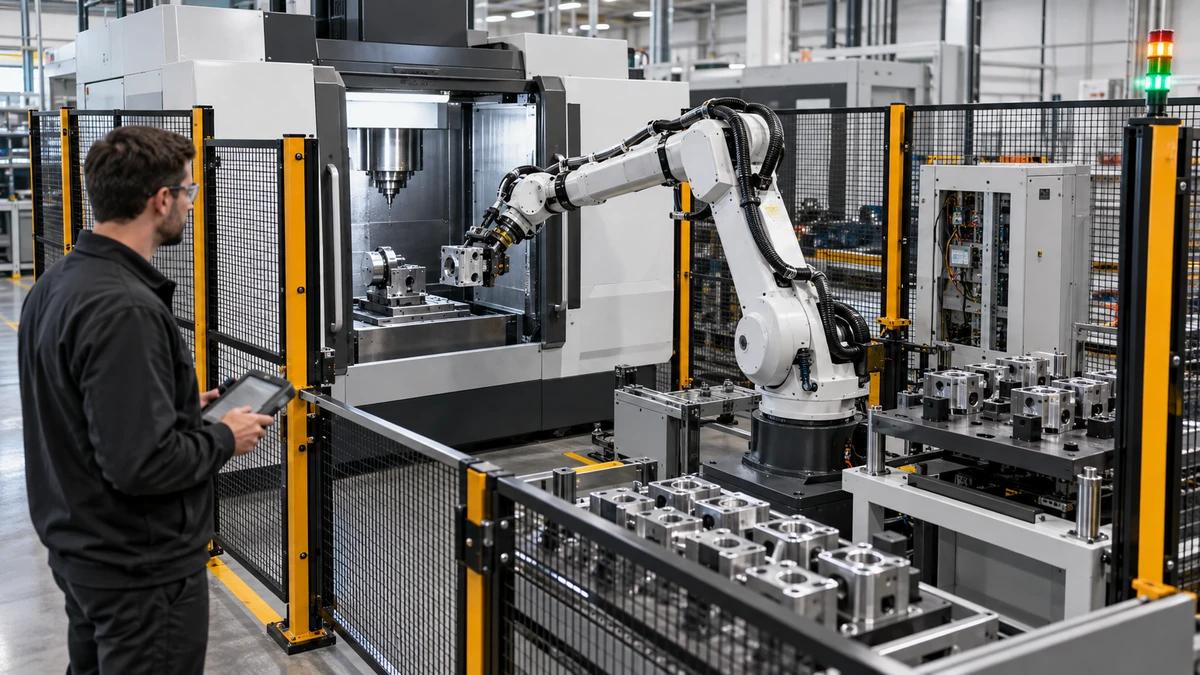
In practice, a vertical machining center is often chosen when the buyer needs a flexible platform for production parts, fixtures, prototype runs, or mold and die work. It sits in the middle ground between general milling equipment and a more specialized high-automation cell. That middle ground matters. Many shops do not need the most complex package on day one; they need a reliable base that can be matched to the parts they actually run.
Zhongshan Zhihe CNC Technology Co., Ltd., founded in 2018, positions its equipment around practical stability, structural reliability, and configuration flexibility. That is a sensible message in this category, because buyers are usually comparing more than machine geometry. They are also comparing support, installation guidance, control options, test cutting, and the ability to adapt the machine to workpiece size, material, and required precision.
Quick buyer takeaways before you request a quote
Look beyond the model name
ZH-855V may indicate a vertical machining center format, but the critical details are the ones not visible in a photo: axis travel, spindle speed, tool changer capacity, table size, power rating, and accuracy. Do not let a good-looking enclosure substitute for those numbers.
Match the machine to the part family
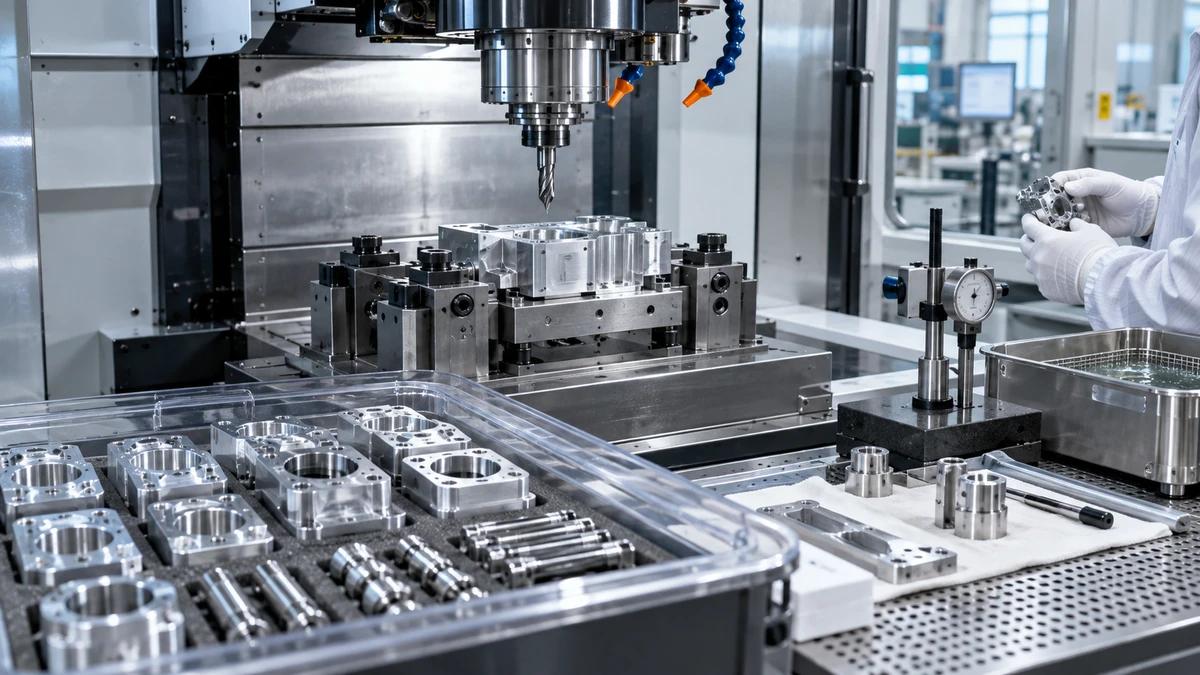
If your parts are aluminum 3C components, precision hardware, automotive brackets, or mold components, the machine should be evaluated against that actual workload. A general-purpose precision machining platform can be a strong fit, but only if the control, rigidity, and setup workflow support your cycle time and finish requirements.
Think about the operator, not only the spindle
The visible control keypad, display, and side panel matter. On a busy shop floor, a machine that is easy to monitor and load is often more productive than one with slightly better brochure numbers but awkward access.
Where a vertical CNC platform usually fits best
For job shops, the attraction is versatility. One day the machine may cut a small batch of fixtures; the next day it may be drilling and tapping a different component family. For mold and die work, the appeal is more about controlled precision and the ability to handle repeated operations without turning every part into a manual process.
For small-to-medium batch production, the value is usually consistency. Once the fixture, program, and tooling are settled, the enclosed machining center format helps keep chips and coolant under control while reducing exposure for the operator. That sounds simple, but in a production setting it often means fewer interruptions and fewer small errors that later become expensive rework.
Selection criteria that matter in the real world
Buyers comparing precision CNC machining equipment should ask for more than a basic specification sheet. The better conversation starts with the part drawing, target cycle time, material type, and inspection method. If the vendor can recommend a machine model, control system, fixture support, and even a trial cut plan, that is usually more useful than a generic catalogue answer.
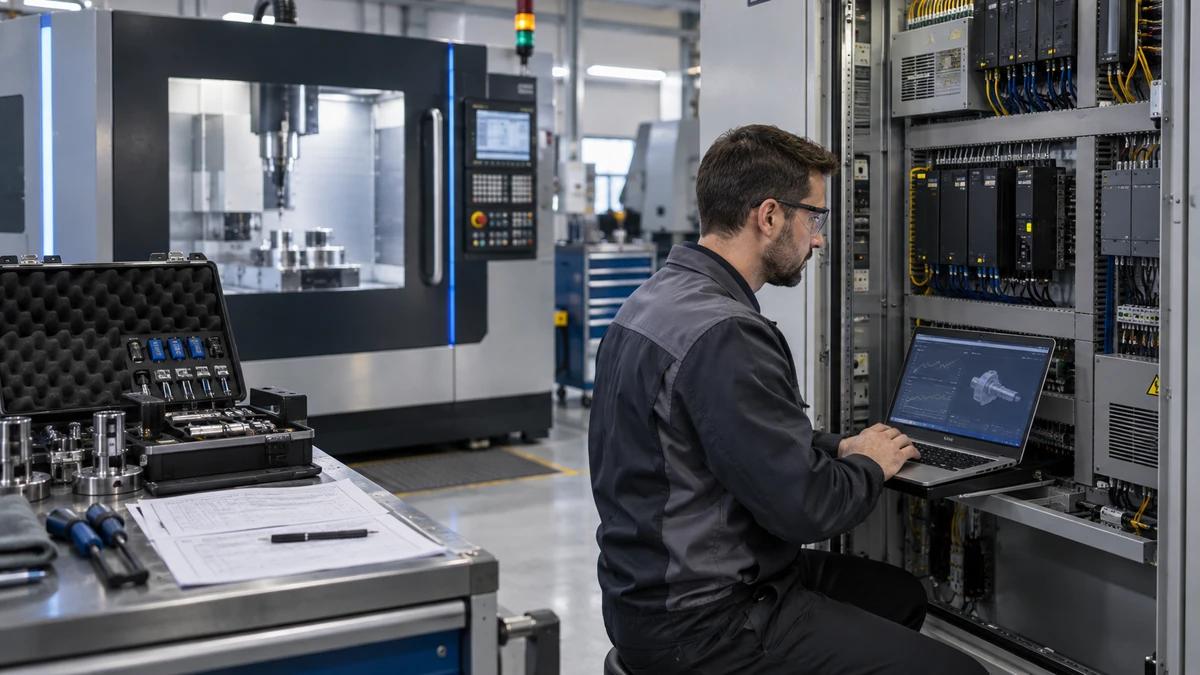
Zhihe CNC says it supports machine recommendation, control system selection, fixture support, trial cutting verification, installation guidance, and operator training. Those services are not side notes. For many factories, they are the difference between a machine that arrives and a machine that enters stable production.
Common mistakes buyers still make
The most common mistake is treating CNC machine customization as an optional luxury. In reality, customization can be the difference between an acceptable cell and a problematic one. Control preferences, workholding, part access, and the material mix all affect how the machine performs on a daily basis.
Another mistake is overestimating the value of oversized capacity. A larger table or enclosure does not automatically translate into better economics. If the parts are small, the machine still needs to be fast to load, comfortable to operate, and matched to the precision requirement. Shops sometimes buy for future optimism and then spend years paying for unused capability.
One practical caution: if the application includes mixed materials or frequent changeovers, ask how the coolant delivery system, enclosure access, and chip handling support that reality. The useful machine is the one that stays clean enough and accessible enough to keep moving.
What to ask Zhongshan Zhihe before ordering
For a serious inquiry, provide the part drawing, material, dimensions, precision requirement, target output, and the kind of operations you expect: milling, drilling, tapping, or multi-face work. Zhihe explicitly asks buyers for this information, and that is the right starting point. It helps the supplier recommend a fit rather than simply selling a frame with a control box attached.
If you are sourcing for overseas use, it is also worth discussing packaging, shipping route, delivery paperwork, and after-sales support early. The company notes that it can coordinate sea freight, land transport, logistics support, packaging photos, and shipping documents. That can be useful for import planning, especially when the buying team is trying to keep installation dates from slipping.
A practical next step
If you are evaluating a machining center solution for a job shop, mold operation, or parts production line, start with the parts list, not the machine brochure. Then ask for a configuration recommendation that reflects your actual workload. A vendor that can talk about workpiece, material, precision, and capacity in one conversation is usually more helpful than one that only talks about general capability.
For inquiries, Zhongshan Zhihe CNC Technology Co., Ltd. provides contact support through Liu Xiaobang at zhcnclathe@gmail.com and WhatsApp/WeChat +86 13620089178. If you are requesting a quote, send the drawings and production requirements first; that will save both sides time and usually leads to a more realistic recommendation.