Why a machining center solution is more than a machine choice
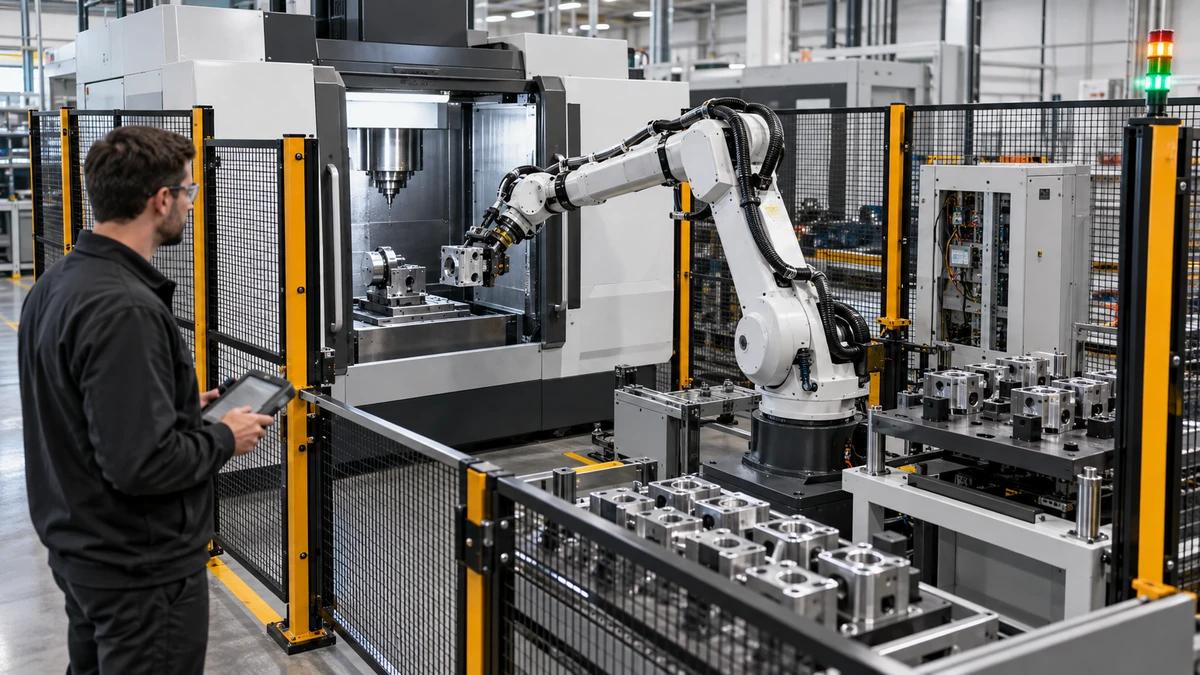
A machining center solution is rarely just a single purchase order. For buyers comparing enclosed vertical machines like the ZH-855V from JZHE, the real question is whether the machine, controls, layout, support, and process fit together well enough to keep parts moving. That matters whether you are cutting aluminum brackets for 3C electronics, machining precision housings for communication equipment, or running small batches of mold components and fixtures.
Too many sourcing discussions get stuck on the wrong detail first. Spindle power and table size matter, of course, but the more useful question is practical: will this machine fit the part mix, the operator skill level, and the floor space you actually have? If the answer is shaky, the machine can still be “good” on paper and frustrating on the shop floor.
What the visible machine setup tells a buyer
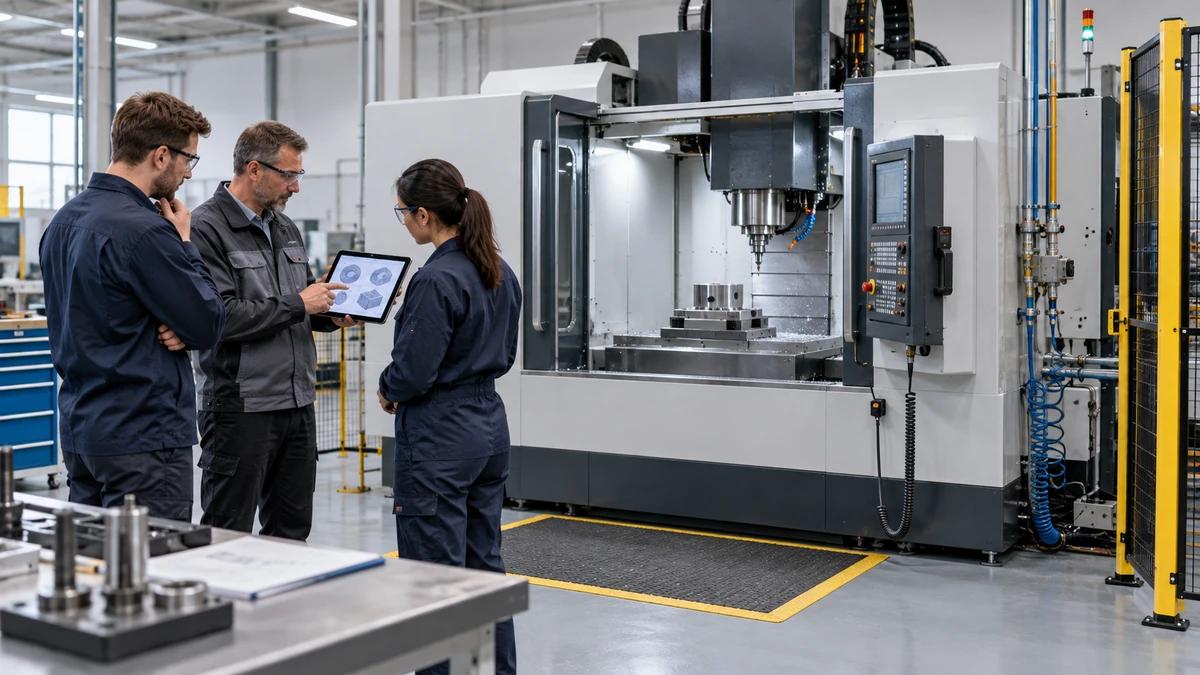
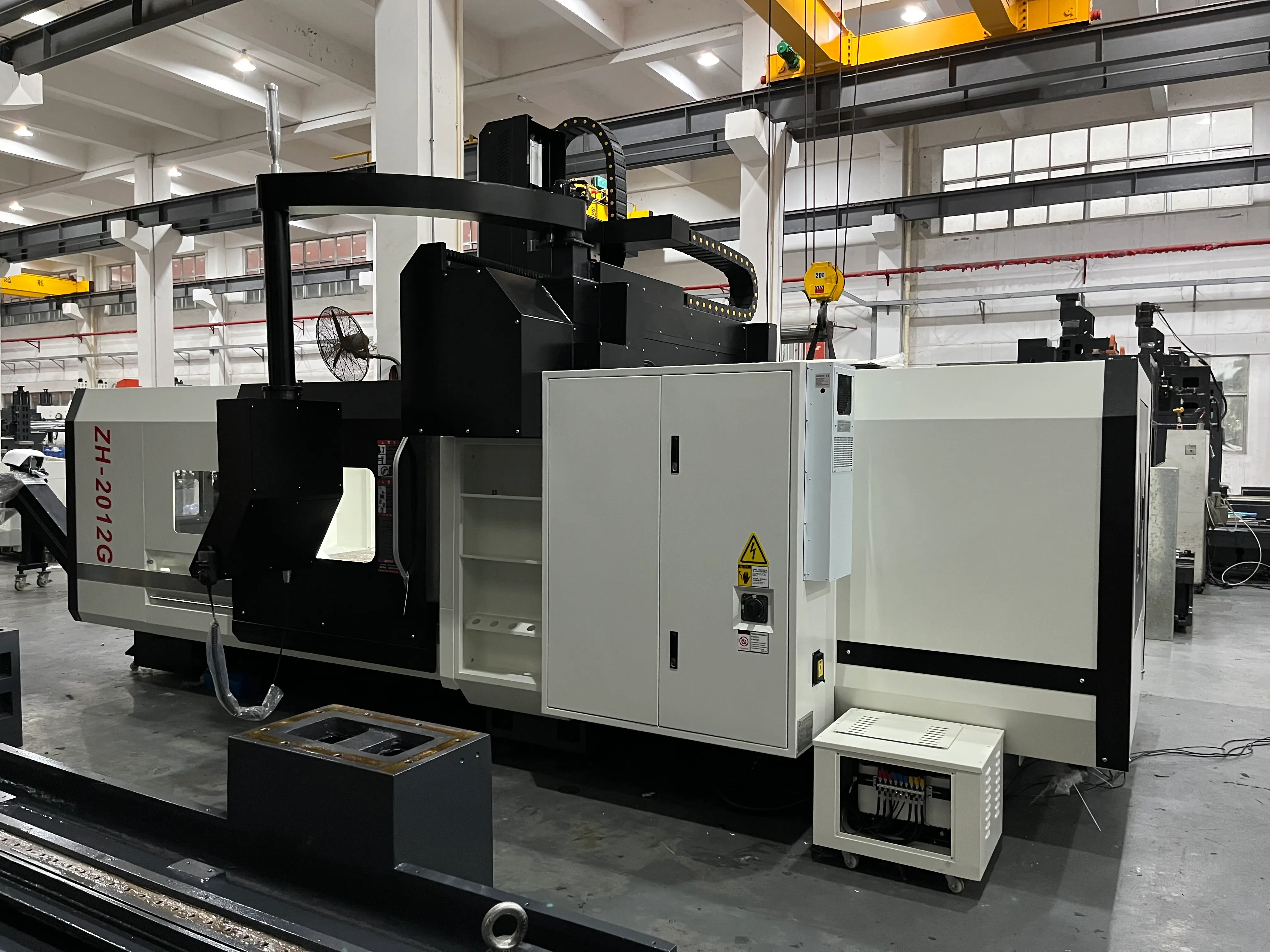
The ZH-855V appears to be an enclosed CNC machine tool in a vertical machining center layout. The rigid box-type enclosure, twin front sliding doors, side-mounted CNC control panel, and T-slot worktable all point toward standard milling, drilling, and likely tapping work in a protected machining chamber. The coolant hoses and chip/coolant collection area suggest it is set up for normal production use rather than light bench work.
That combination is important. An enclosed cabinet is not just about keeping chips inside. It also helps with operator safety, coolant containment, and day-to-day housekeeping. In a job shop, those are not cosmetic features; they affect how often the machine can be loaded, cleaned, and kept in service. Buyers often underestimate that until the first few months of production.
Where precision CNC machining decisions are usually won or lost
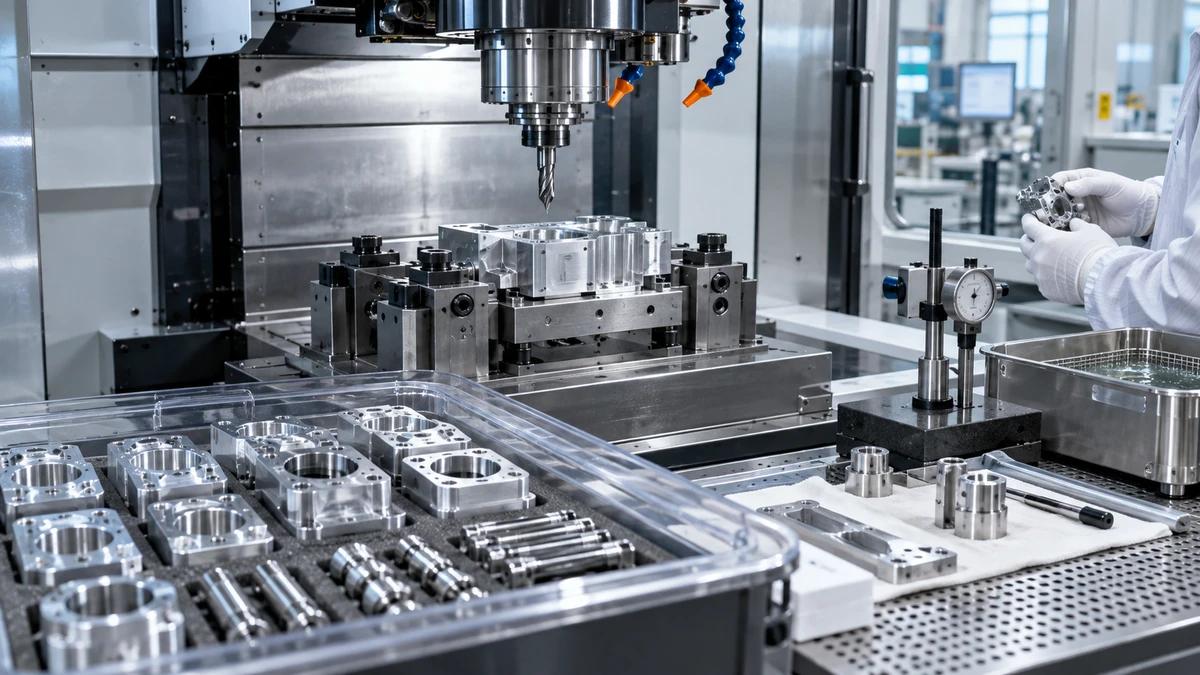
For precision CNC machining, the machine is only one part of the result. Workholding, fixturing, tool selection, program quality, and thermal stability all influence final part quality. That is why a sensible machining center solution should be evaluated as a process package rather than a standalone asset.
Zhongshan Zhihe CNC Technology Co., Ltd. says it supports customers with machine selection, control system choice, fixture support, trial cutting verification, and after-sales service. That matters because different parts call for different compromises. A machine built for aluminum panels in high mix production is not automatically the best answer for a thicker steel bracket or a mold-related finishing job. The right recommendation depends on the part drawing, material, tolerance target, and expected throughput.
Quick buyer checklist before you compare brands
1. Match the machine type to the part family
Vertical machining centers are a common fit for brackets, housings, dies, molds, and medium-complexity parts. If your work needs heavy multi-face machining or unusual access angles, you may need to look beyond the standard vertical layout.
2. Check how the enclosure supports daily work
Front-access doors, clear visibility into the cutting zone, and coolant control sound mundane, but they save time. A machine that is hard to load or inspect tends to slow operators down, especially in small and mid-sized shops.
3. Ask about support, not just specifications
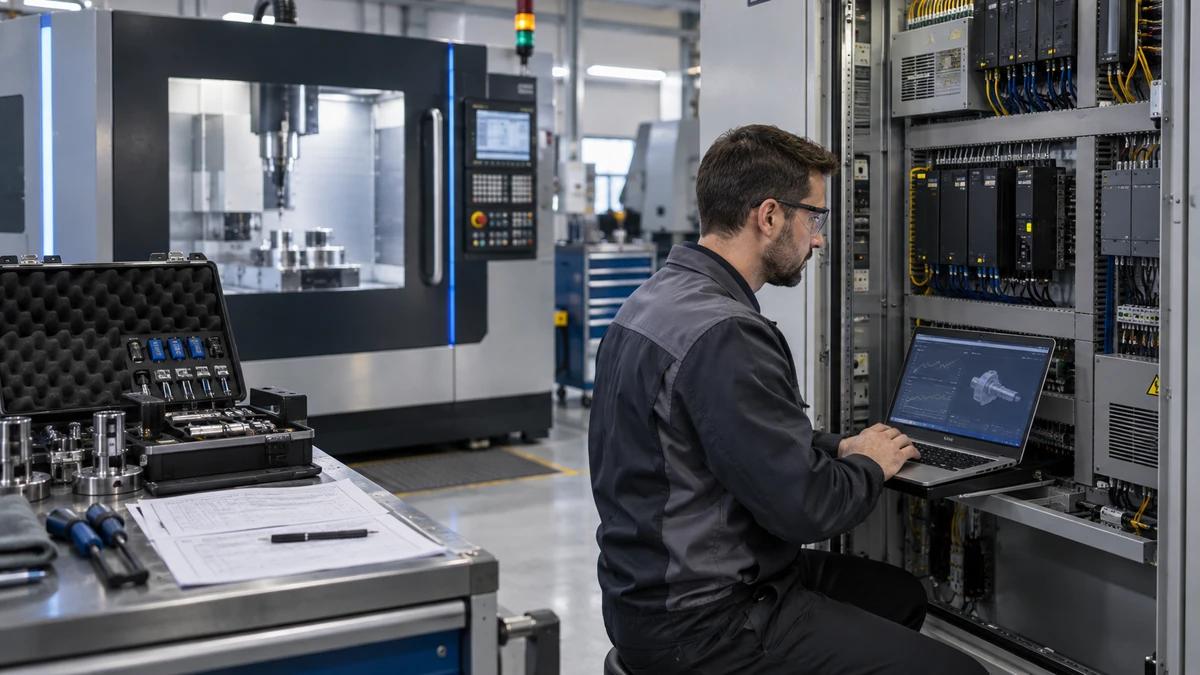
For CNC machine customization, the meaningful conversation is often about control preference, fixture compatibility, and commissioning support. A supplier that can recommend a machine based on workpiece size, material, and production pace is usually more useful than one that only forwards a spec sheet.
Common mistakes when buying a machining center solution
The first mistake is buying for the sample part, not the real production mix. A demo part can hide issues that appear later, such as chip evacuation problems, awkward loading, or a poor fit with existing tooling.
The second is ignoring serviceability. A compact machine may look efficient in the showroom, but if access to the work area, control panel, or chip management zone is poor, operators will feel it every day.
The third is assuming every CNC supplier can help with process questions. For buyers in automotive parts, 3C electronics, aluminum machining, or precision hardware, that process advice is often where the value sits.
What this kind of machine is best used for
Based on the visible structure and the company’s stated product range, this type of machine is suited to drilling, tapping, milling, multi-face machining, mold work, and batch production. It is the sort of equipment a factory or job shop uses when it needs a dependable vertical platform and a manageable footprint.
That said, buyers should be cautious about assuming more than the product image confirms. Exact spindle speed, axis travel, tooling capacity, and accuracy should always be verified directly before purchase. Those numbers decide whether the machine is a good fit, not the enclosure color or the marketing photos.
Practical advice for sourcing teams
If you are comparing suppliers, ask for the workpiece drawing, material, target tolerance, and production volume first. Then request a recommendation that explains why one machine configuration is better than another. That is a better test of supplier competence than a generic quote.
Zhihe’s stated ability to support packaging, domestic and overseas transport, documentation, and installation guidance may also matter for buyers who are building capacity in a new plant or sourcing across borders. Logistics are not glamorous, but they become very expensive when neglected.
FAQ
Is this machine only for one industry?
No. The stated customer base includes automotive parts, 3C electronics, aluminum machining, precision hardware, communication equipment, molds, home appliances, and lithium battery equipment.
Can one machining center solve every production problem?
Not really. A machining center solution works best when the machine type, control, fixtures, and process plan are matched to the part family. That is the part many buyers skip.
Next step for buyers who need a real recommendation
If you are evaluating a new machine or replacing an older line, start with the part drawing, material, dimensions, precision requirements, and output target. Zhongshan Zhihe CNC Technology Co., Ltd. explicitly asks for those inputs before recommending a CNC model. That is the right starting point, and it usually leads to a better decision than comparing machines by appearance alone.
For sourcing teams, that is the practical benchmark: not which brochure looks strongest, but which machining center solution can be matched to the job with the fewest surprises later.