When a Milling Machining Center Is the Right Tool — and When It Is Not
A milling machining center is often the first machine buyers think of when a workshop needs repeatable machining, light contouring, drilling, tapping, and batch production. It sounds flexible. It sounds safe. In many cases, it is the right direction.
But not every enclosed CNC machine should be treated as a full replacement for a heavier milling platform. The better question is not “Can this machine cut metal?” It is: does this machine match the parts you actually produce every day?
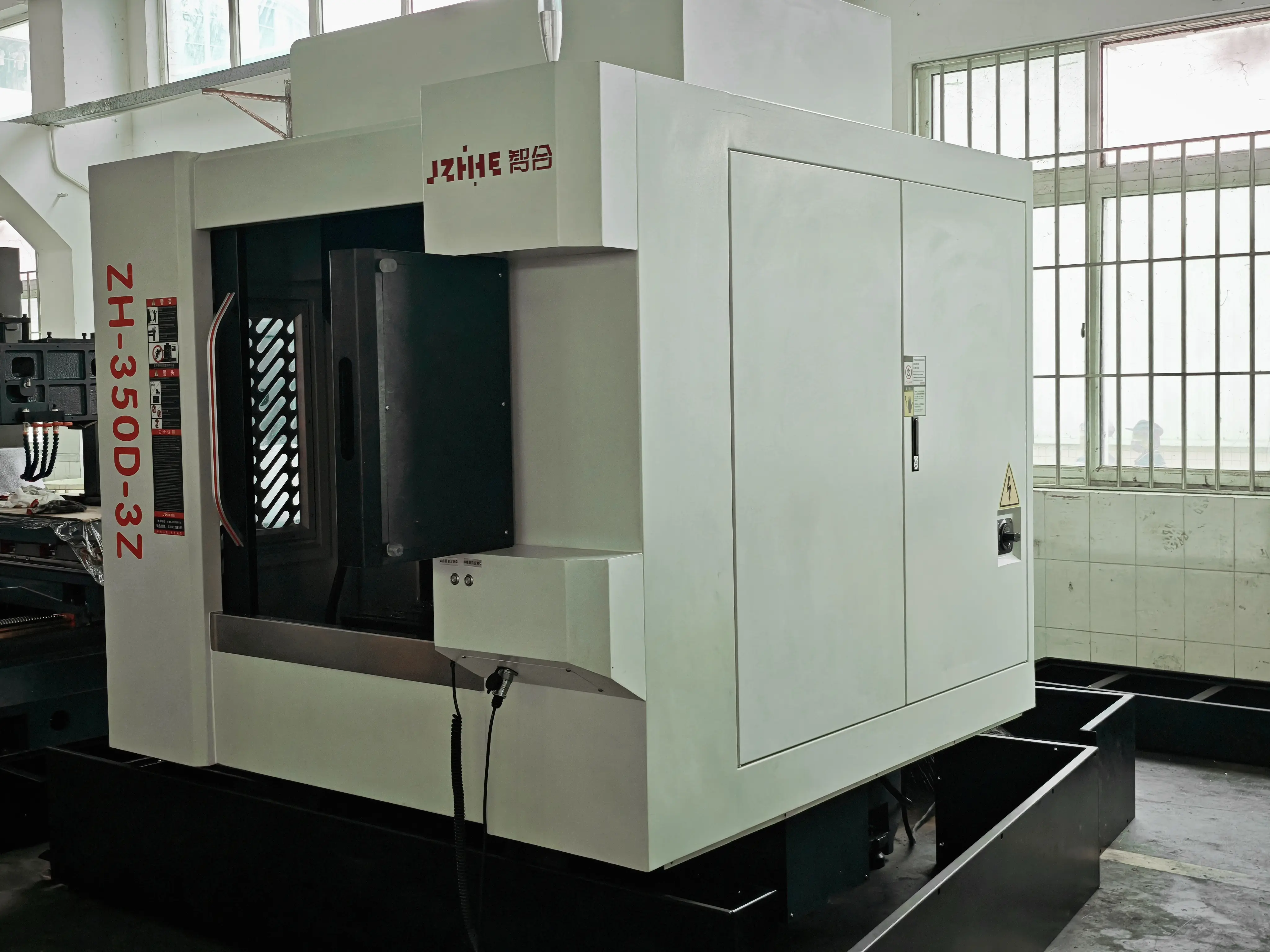
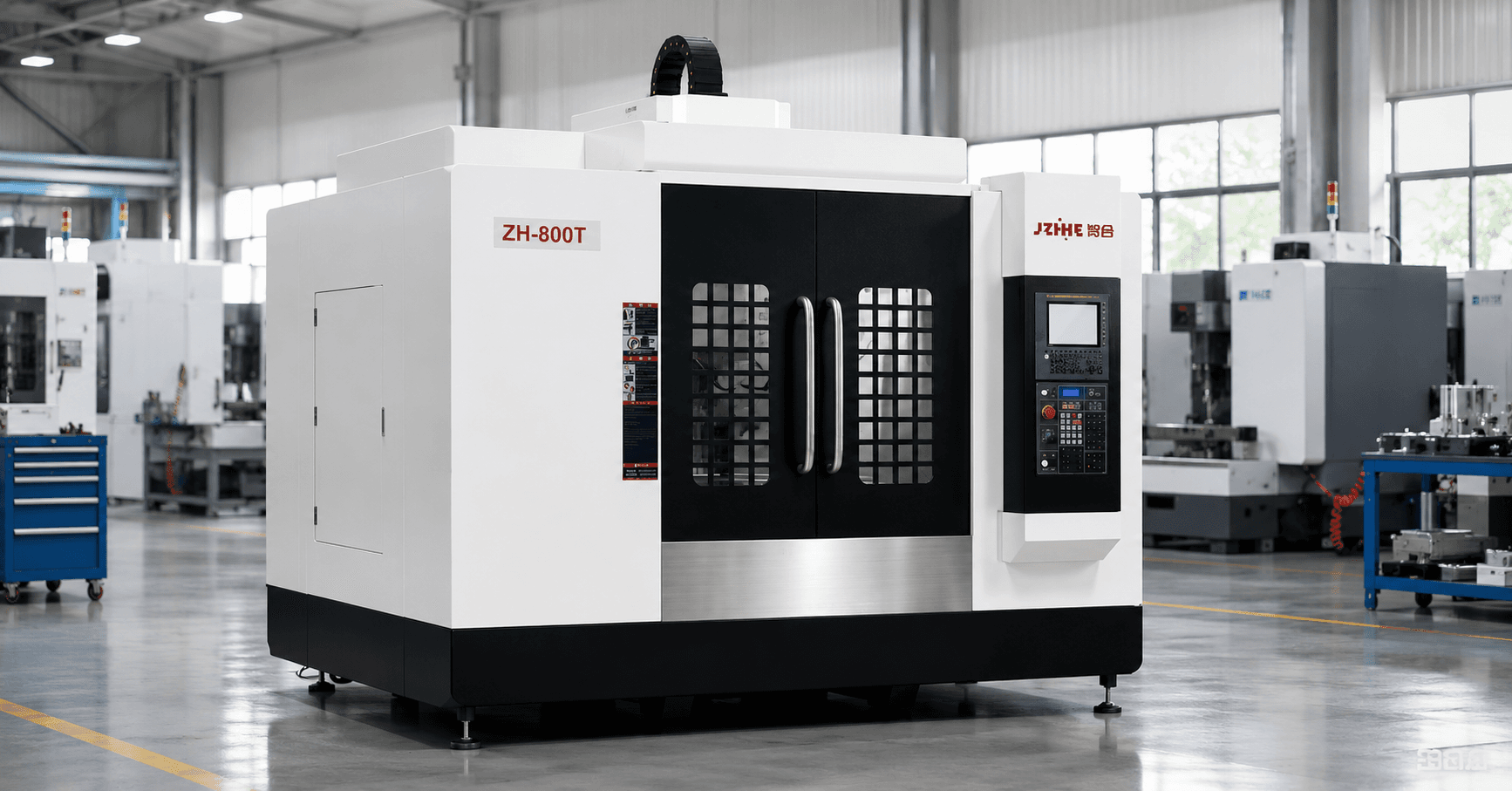
The ZHIHE H-600T shown here is a useful example. It appears to be an enclosed CNC drilling and tapping center, designed for drilling, tapping, and light milling of metal parts rather than aggressive all-day rough cutting. That distinction matters because the right machine choice affects cycle time, fixture design, tool life, operator workload, and long-term production cost.
For sourcing managers and process engineers, machine selection should begin with the part mix. Are you producing brackets, housings, threaded components, fixture plates, aluminum parts, or other repetitive metal components? Do you need accurate hole patterns, clean threads, and modest milling on the same platform? If so, an enclosed CNC drilling and tapping platform may fit the job well, especially in a batch-production environment.
If the work requires heavier material removal, deep pocketing, complex contour milling, or larger tools, then a broader CNC milling center or vertical machining center may be more suitable.
What the ZHIHE H-600T Shows at First Glance
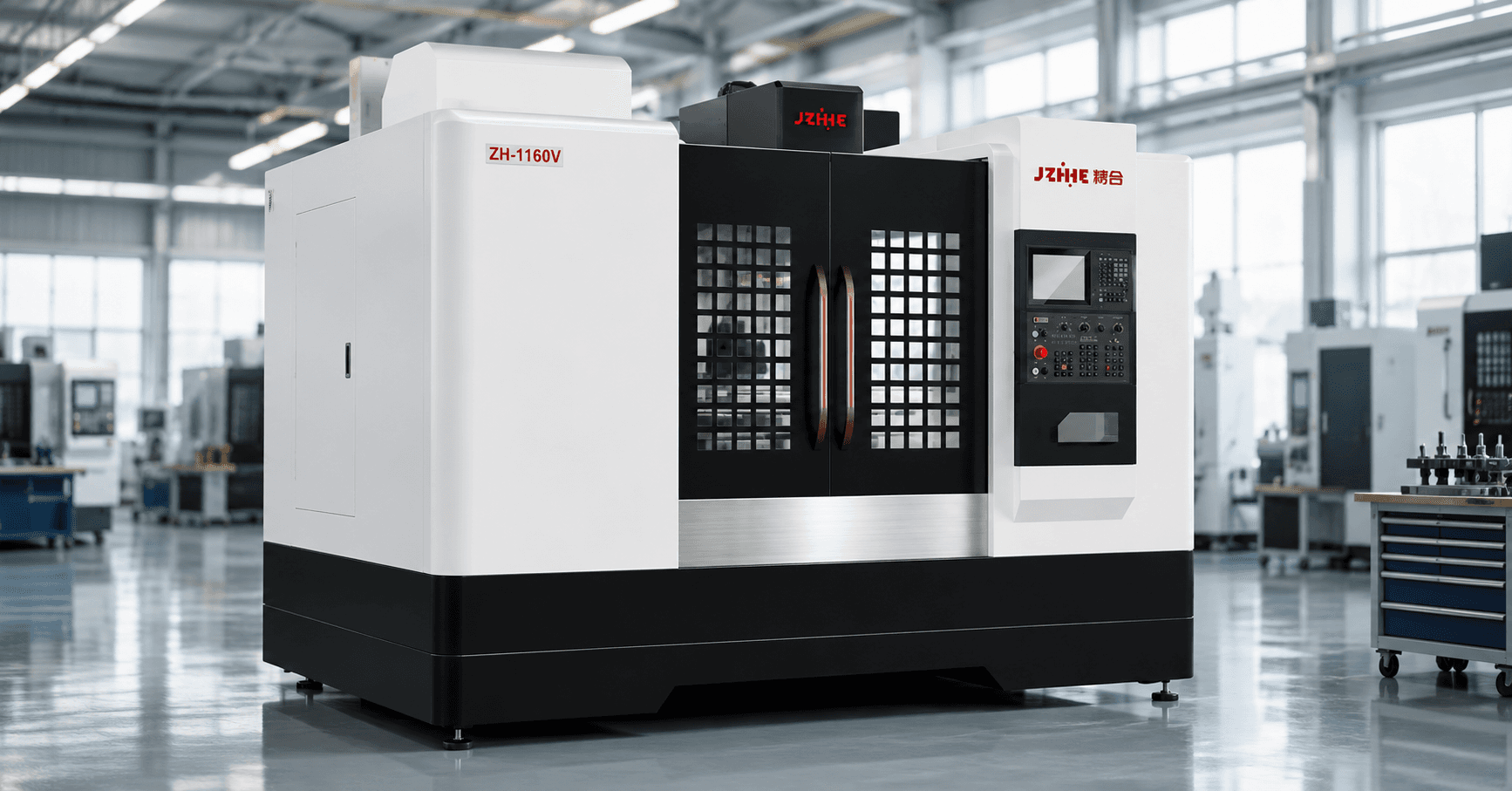
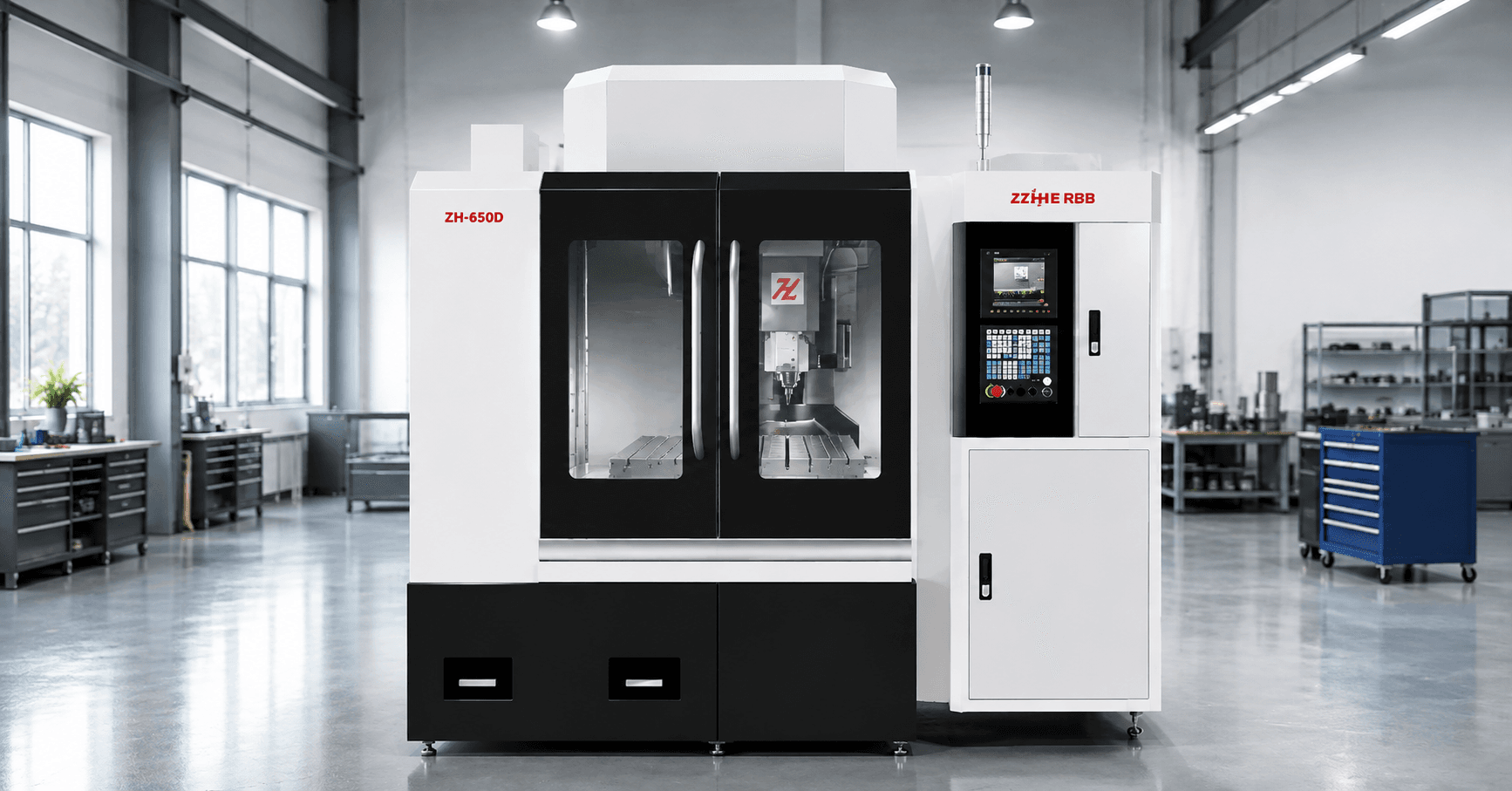
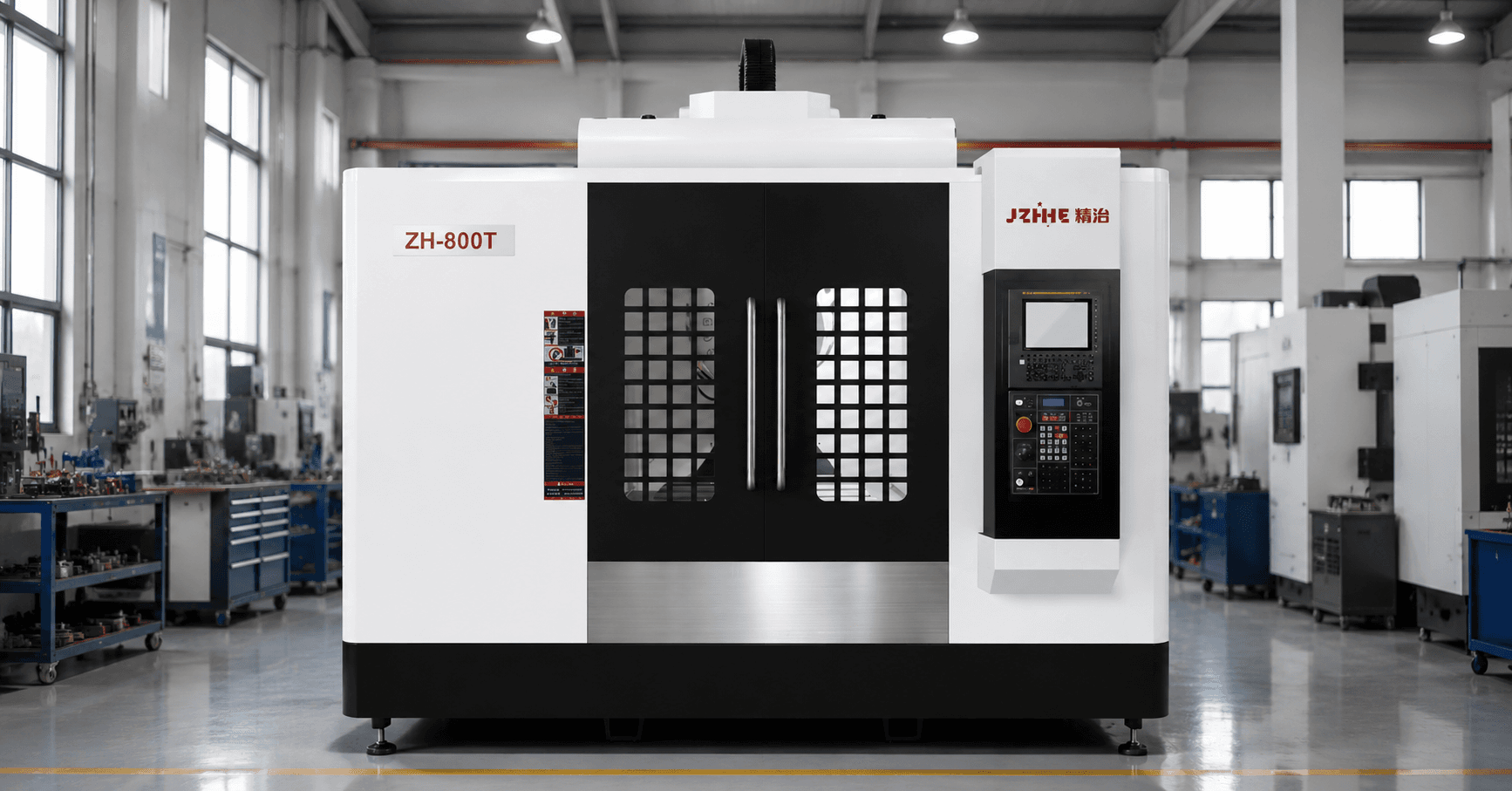
The visible design is practical and production-oriented. The machine has a box-style floor-standing enclosure, front access doors, side service panels, and a right-side CNC control console. The white exterior, black lower base, and black front panels give it a clean industrial appearance, but the most important detail is the enclosed machining chamber.
For metal shops, an enclosure is not decoration. It is part of the production workflow.
A closed machining area helps contain chips, coolant mist, and cutting debris. It also helps protect operators and keeps the surrounding workshop cleaner. For factories running repeated jobs across several machines, this can improve daily production management.
Multiple identical units arranged together suggest a production-line setup focused on repeatability. That is where this category often proves its value. The benefit is not always one dramatic cycle-time reduction. Sometimes the real value is stable output across several machines, multiple shifts, and different operators.
Drilling and Tapping Center or CNC Milling Machine?
Buyers often use terms like high speed milling center, CNC milling machine, and drilling and tapping center during early research. In real production, these machines serve different priorities.
A drilling and tapping center is usually selected for fast hole-making, thread machining, small face features, and light milling. A broader CNC milling machine for metal parts is more suitable when the work requires heavier cutting, deeper pockets, larger tool engagement, or more complex geometry.
That does not make one machine better than the other. It means each machine has a different production logic.
| Main Production Need | Better Machine Direction |
|---|---|
| Repeated drilling and tapping | Drilling and tapping center |
| Hole-heavy aluminum parts | Drilling and tapping center |
| Light milling plus threads | Drilling and tapping center or compact CNC platform |
| Flexible milling for mixed parts | Milling machining center |
| Heavy roughing and deep pockets | Vertical machining center or CNC milling center |
| Large molds or heavy structural parts | Gantry or horizontal machining center |
| Complex curved surfaces | Five-axis machining center |
For many buyers, the right choice depends on whether the factory needs a specialist or a generalist. A dedicated drilling and tapping machine can be highly efficient when the workload is dominated by holes and threads. A milling machining center may be better when the parts change often or require more machining variety.
Why Part Mix Should Lead the Buying Decision
A common mistake is choosing the machine first and forcing the process to fit later. That is backwards.
The better starting point is the workpiece:
-
What material is being machined?
-
How many holes are needed per part?
-
Are threads required?
-
Is milling light or heavy?
-
How tight are the tolerances?
-
Is the part thin, rigid, heavy, or easy to deform?
-
What is the target daily or monthly output?
-
How often will the job change?
For example, aluminum brackets with many tapped holes may not need a large heavy-cutting machining center. A compact drilling and tapping center may run them faster and more efficiently. On the other hand, steel mold plates with deep cavities and heavy stock removal may require a more rigid milling platform.
This is why sourcing teams should avoid buying only by machine name. A precision CNC milling machine is useful only when it matches the process around it: fixturing, tool selection, cutting parameters, coolant, operator workflow, and inspection requirements.
Selection Criteria That Matter More Than Brochure Language
Shops often focus on spindle speed or machine size first. Those points matter, but they are not enough.
For a practical buying decision, buyers should compare the following:
| Selection Point | Why It Matters to Buyers |
| Part family | Determines whether the machine should be specialized or flexible |
| Material type | Aluminum, steel, cast parts, and mixed metals require different cutting strategies |
| Hole and thread requirements | Affects spindle, tapping performance, tool selection, and cycle time |
| Milling depth | Helps decide whether light milling or heavy cutting capability is needed |
| Fixture strategy | Poor clamping can reduce accuracy even on a good machine |
| Enclosure design | Affects chip control, coolant containment, and operator safety |
| Control access | Influences setup speed, monitoring, and operator comfort |
| Service support | Installation, training, and spare parts affect long-term uptime |
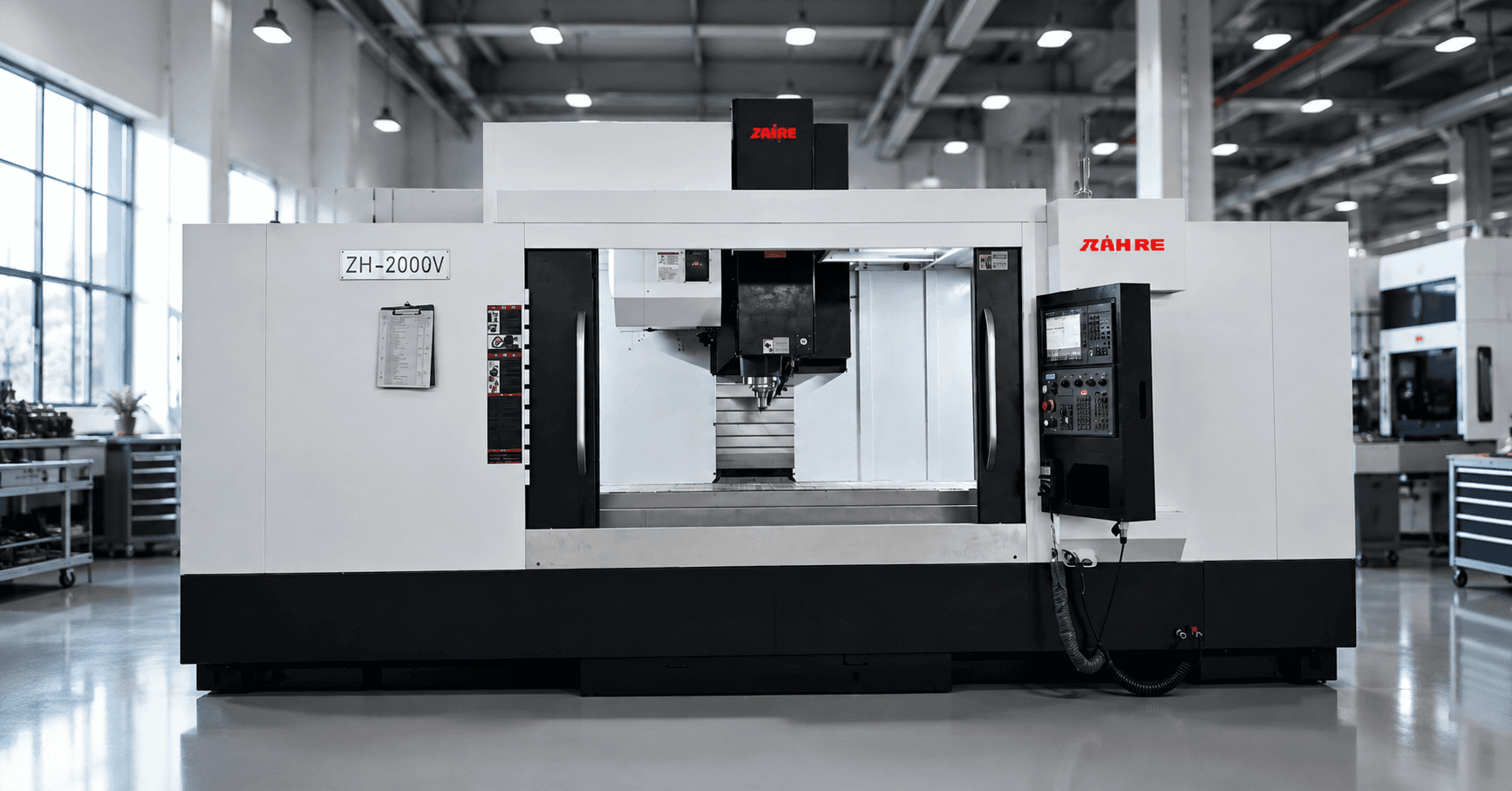
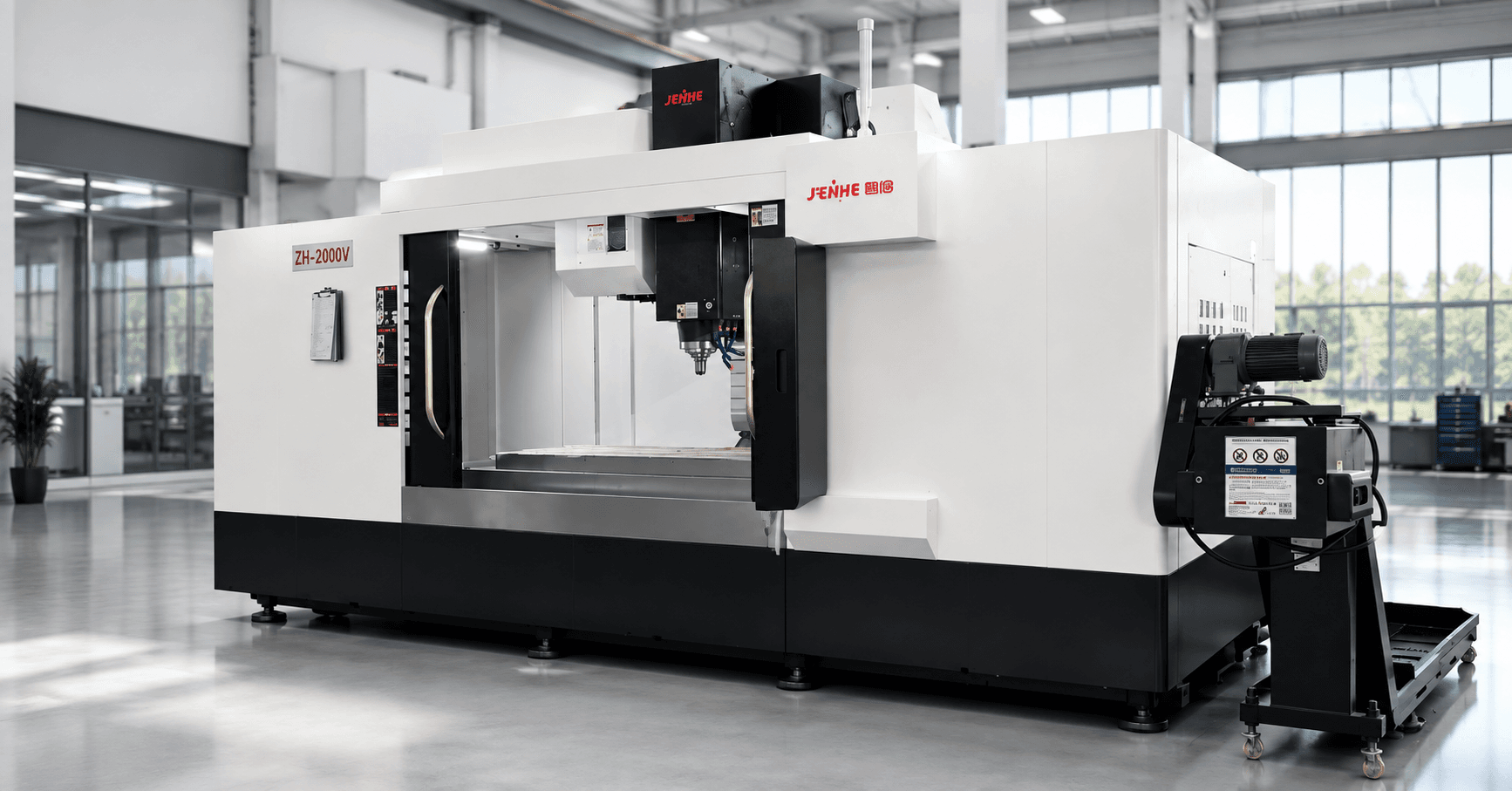
Zhongshan Zhihe CNC Technology Co., Ltd. provides CNC equipment including vertical machining centers, horizontal machining centers, gantry machining centers, drilling and tapping centers, CNC milling machines, and five-axis machining centers. This wider machine range gives buyers more room to choose the correct architecture rather than forcing one type of machine into every application.
The company also supports machine recommendation, control system selection, fixture support, trial cutting verification, installation guidance, operator training, warranty service, and spare parts support. For production buyers, this kind of support can be as important as the machine itself.
Common Mistakes Buyers Should Avoid
The first mistake is overbuying. A factory may purchase a larger CNC milling center because it feels safer, then discover that most of the workload is simple drilling and tapping. The result is higher investment, unused capacity, and a machine that may not deliver the best cycle efficiency for the real parts.
The second mistake is underestimating fixturing. A stable machine cannot repeat accurately if the workholding is poor. Thin-wall housings, small brackets, plates, and multi-face components often need proper fixture planning before production becomes stable.
The third mistake is ignoring production rhythm. If a machine will run repeated parts across shifts, loading access, door opening, chip removal, control layout, and cleaning time all matter. These details may look small during purchasing, but they affect output every day.
The fourth mistake is buying only by headline speed. A high-speed spindle is useful, but speed alone cannot solve poor tool strategy, unstable clamping, difficult chip evacuation, or mismatched machine structure.
Who Should Consider the H-600T Type of Machine
An enclosed drilling and tapping center like the H-600T type machine is worth considering for factories that process repeated holes, threads, and light milling features.
Typical users include:
-
Automotive component manufacturers
-
Aluminum parts processors
-
Precision hardware producers
-
Communication equipment suppliers
-
Home appliance component factories
-
Fixture and tooling builders
-
3C electronic component suppliers
-
Lithium battery equipment part manufacturers
-
General machinery parts manufacturers
If the workload is mixed but strongly weighted toward hole-making and tapping, this category may provide better daily efficiency than a broader high speed milling center. If the workload requires heavier cuts, larger tools, or more flexible contour machining, a milling machining center or vertical machining center may be a better direction.
What to Ask Before Requesting a Quote
Before asking for a quotation, buyers should prepare clear production information. A vague inquiry usually leads to a vague recommendation.
Useful information includes:
-
Workpiece drawing
-
Material type
-
Part size
-
Hole quantity
-
Thread specifications
-
Required tolerance
-
Surface finish target
-
Current machining process
-
Current production problem
-
Expected daily or monthly output
-
Fixture requirements
-
Preferred machine type
-
Delivery destination
If possible, ask for fixture guidance and trial cutting support on a representative part. This small step can prevent a large mismatch later.
For export or remote buying, logistics support also matters. Buyers should confirm packaging, shipping method, documents, installation guidance, and after-sales communication before placing the order.
FAQ: High-Conversion Questions Buyers Often Ask
1. How do I know whether I need a milling machining center or a drilling and tapping center?
Start with your main workload. If most parts require repeated drilling, tapping, threaded holes, bolt patterns, and light milling, a drilling and tapping center may be more efficient. If your parts require heavier milling, deep pockets, larger tool engagement, or more complex contour machining, a milling machining center or vertical machining center may be more suitable.
2. Can a drilling and tapping center also perform milling?
Yes, many drilling and tapping centers can perform light milling depending on the machine configuration. However, they are usually optimized for hole-making and tapping rather than heavy rough cutting. Buyers should confirm spindle capability, rigidity, tool capacity, travel range, and material requirements before deciding.
3. What parts are suitable for an enclosed drilling and tapping machine like the H-600T?
This type of machine is suitable for metal parts with repeated holes, threads, and light machining features. Typical examples include aluminum brackets, fixture plates, small housings, precision hardware parts, communication equipment components, automotive parts, and 3C electronic structural parts.
4. What information should I provide before requesting a quotation?
Prepare part drawings, material, dimensions, hole and thread details, tolerance requirements, surface finish target, expected production volume, and current machining problems. This helps the supplier recommend a machine based on your real production needs instead of a general model list.
5. Can the supplier help with fixture design or trial cutting?
A professional CNC supplier should be able to discuss fixture requirements and trial cutting options. Fixture planning is especially important for thin parts, small brackets, housings, and parts that require stable repeatability. Trial cutting can help verify whether the selected machine fits the actual workpiece.
6. What affects machining accuracy besides the machine itself?
Accuracy depends on machine rigidity, spindle condition, guideway stability, fixture design, tool selection, cutting parameters, coolant delivery, thermal behavior, operator setup, and inspection method. A good machine still needs a stable process around it.
7. Is it better to buy a larger CNC milling machine for future flexibility?
Not always. Buying too much capacity can increase investment and operating cost without improving the parts you actually produce. If current production is mostly drilling, tapping, and light milling, a focused machine may provide better efficiency. Future flexibility should be considered, but it should not override the real workload.
8. What after-sales support should I confirm before purchase?
Buyers should confirm installation guidance, operator training, warranty terms, spare parts supply, troubleshooting communication, shipping documents, and service response. These details are especially important for overseas buyers or factories adding a new machine type for the first time.
Final Buyer-Facing Advice
If your parts are repetitive, metal-based, and heavy on drilling, tapping, and light milling, the H-600T type machine deserves a close look. If your application requires broader milling, heavy cutting, or complex contour machining, say that clearly at the beginning of the discussion.
A good supplier should help you compare the machine family, not just quote one model.
Share your drawing, material, size, tolerance target, machine type preference, and expected output. From there, Zhongshan Zhihe CNC Technology Co., Ltd. can help recommend whether a CNC milling center, a dedicated drilling and tapping machine, or another CNC configuration better matches the job.