Changeover Ledger
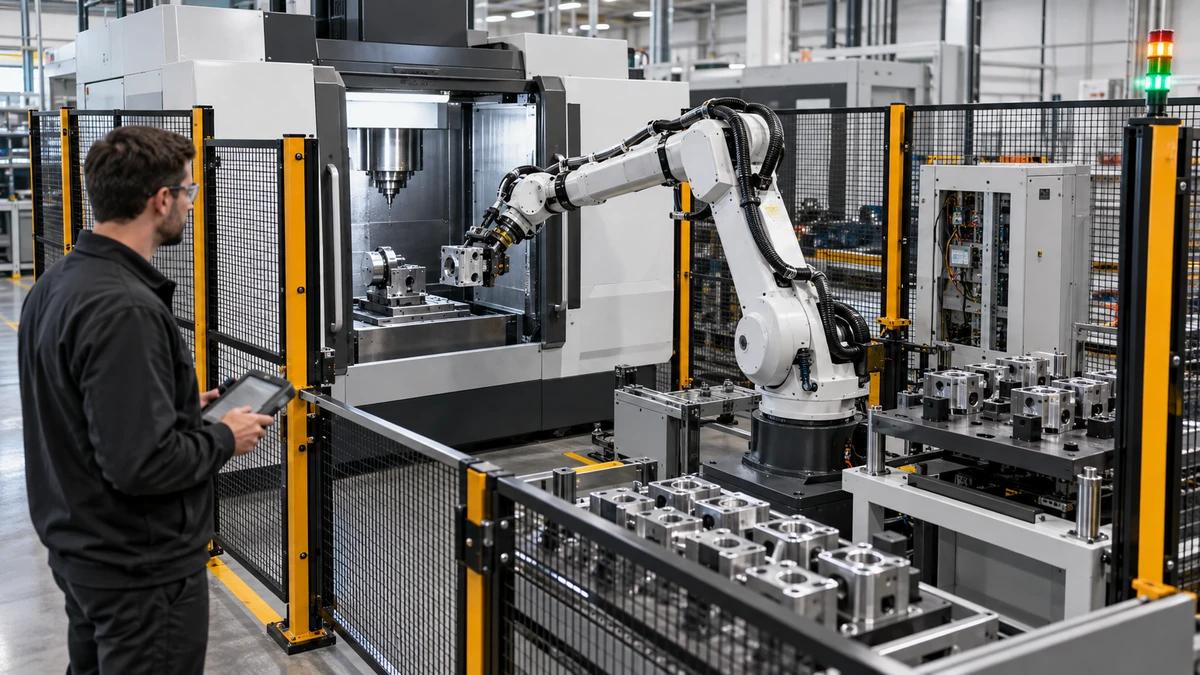
Zhihe CNC turns aluminum-extrusion machining into a controlled handoff covering bow, twist, protection, support, changeover and assembly references. Long extrusions rarely arrive as perfect straight bars. A useful machining review starts with bow, twist, saw condition and protective surfaces, then follows the profile through support, probing, cutting, first-piece inspection and assembly handoff.

Changeover Ledger
| Handoff | Must identify | Failure signal |
|---|---|---|
| Saw to fixture | Cut face and bow | Part shifts on load |
| Fixture to probe | Reference and zero | Repeatability drifts |
| Machine to inspection | Support and alignment | Local size passes, fit fails |
| Inspection to assembly | Mating revision | Adjustment grows |
Measure the Extrusion Before Clamping
Record alloy, temper, length, wall pattern, bow, twist, saw burr, protective film and assembly role.
A vertical machining of aluminum extrusion profiles review should use a common profile and a longest or most distorted boundary profile. Zhihe CNC asks which reference survives sawing and handling.
Map Saw Datum to Machine Datum
Show cut face, locator, probe point, clamp zone, machine zero and inspection reference.
The handoff is often where an apparent machining error starts. Keep the drawing, fixture sketch and operator sequence together.
Support the Profile Without Hiding It
Show support pads, backup surfaces, clamp force, permitted marks and release order.
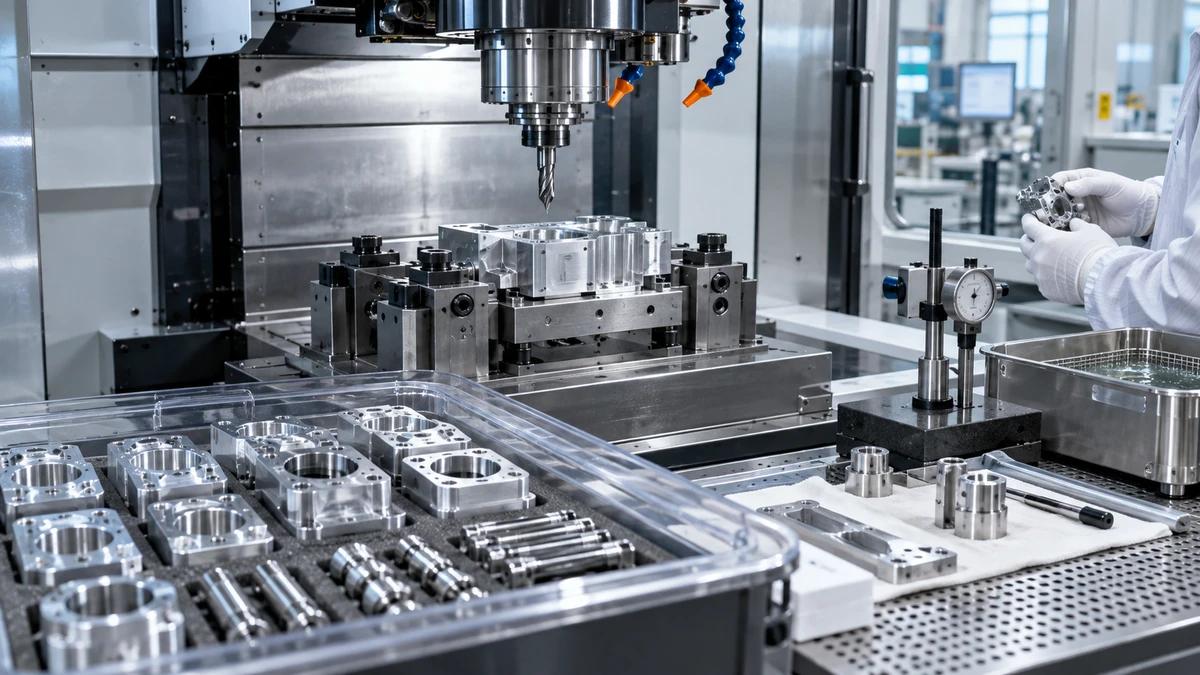
Compare selected features under clamp and after release. Separate extrusion shape, support effect, heat and measurement alignment.
Protect Visible and Functional Surfaces
Classify visible, sealing, electrical, assembly and noncritical surfaces. Define film, coolant, chip and edge rules for each.
If coating or manual finish follows machining, record allowance and handoff. A clean face does not prove assembly fit.
Route Slots, Pockets and End Features
Map deep pockets, end drilling, threads, cross holes and chip traps. State tool reach, entry, exit, burr limit and cleanout.
Run the longest and most feature-dense profile through a complete cycle. Count inversion, cleaning and reinspection as real work.
Build a Family Changeover Card
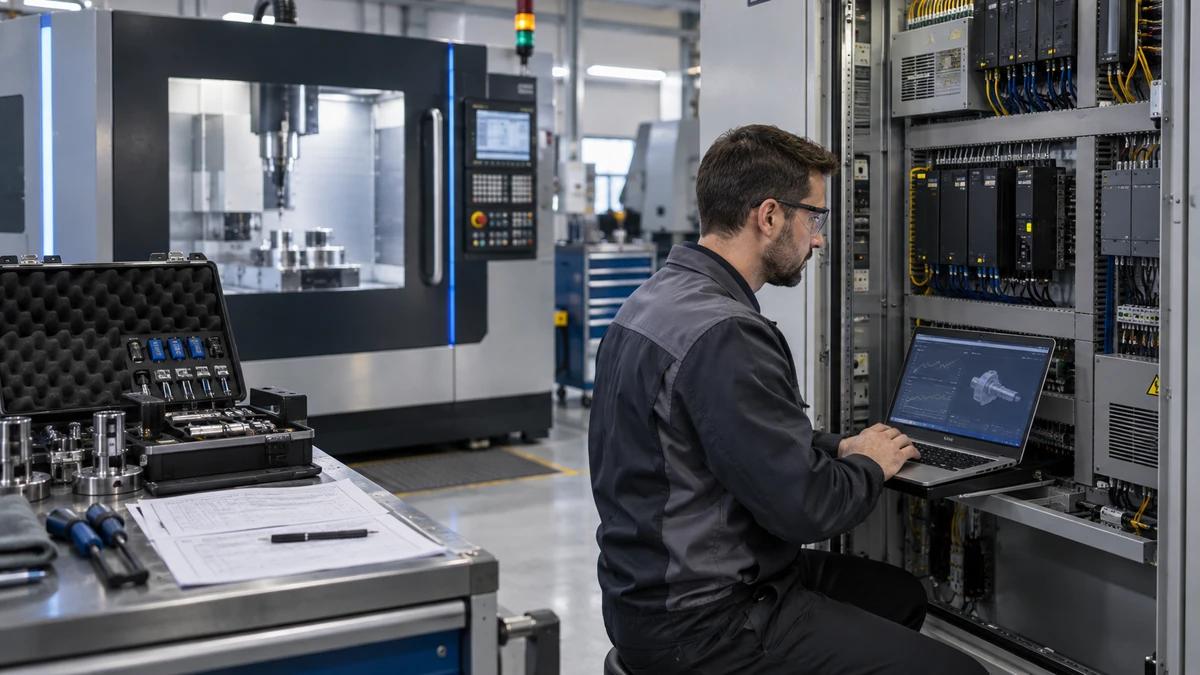
For each family record alloy, size, cut length, datum, fixture, program, tools, inspection, protected zones and revision.
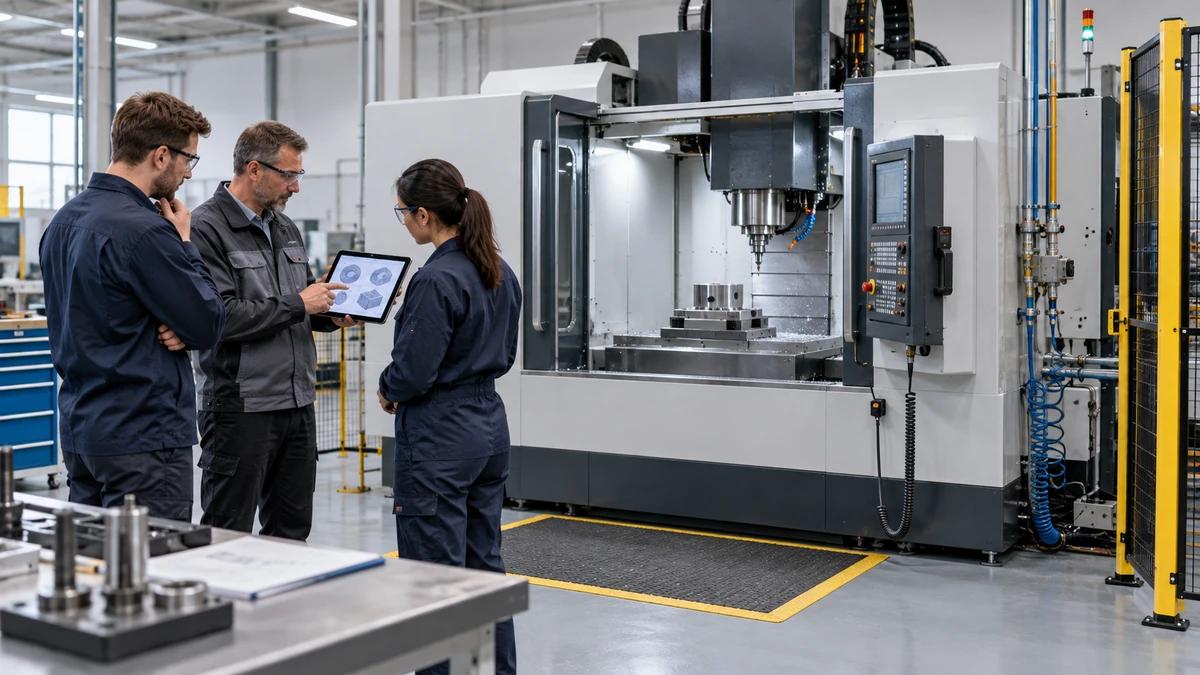
A setting for one extrusion must not silently become a setting for another. Mark the boundary case at the machine.
Rehearse a Mixed-Batch Change
Change length, alloy, fixture or program and record setup actions, locator checks, first-piece hold and release owner.
This shows whether the route works for real batches, not only a long run of one profile.
Align Inspection to the Mating Part
State support, temperature, alignment, gauge, sampling and raw-data location. Measure holes, slots, faces and edges that assembly uses.
A local dimension can pass while the mating relationship fails. Keep the assembly reference in the inspection record.
Control Burrs at Touch and Fastener Zones
Classify handling edges, fastener holes, gasket faces, electrical interfaces and reliefs. Define edge break, manual work and disposition.
Retain accepted and held samples. If hand deburring is allowed, record the operator step and inspection owner.
Count Accepted Profile Hours
Include cut preparation, setup, probing, machining, tool events, cleaning, deburring, inspection, changeover, holds and maintenance.
Zhihe CNC separates accepted profile output from assembly-line performance and from a single spindle cycle.
Audit an Extrusion or Locator Revision
When alloy, length, locator, support, tool, program, gauge or assembly reference changes, identify affected evidence and preserve the baseline.
A dated note should name family, revision, trial quantity, reviewer and effective date.
Close With a Datum Handoff Memo
Summarize profile identity, cut condition, fixture, datums, tools, program, protected surfaces, inspection, accepted quantity and changeover result.
The final memo for vertical machining of aluminum extrusion profiles should state what machining released and what remains for assembly, coating, electrical or sealing validation.
Mixed-Batch Changeover Drill
- Freeze the drawing, material, boundary part and owners.
- Confirm fixture, support, tools and coordinate references.
- Run the representative part with one controlled interruption.
- Inspect in the declared support state and preserve raw data.
- Transfer the part with exclusions and open assumptions.
Decision Record
| Question | Recorded answer | Owner |
|---|---|---|
| What is controlled? | Drawing, material, fixture, program and inspection state | Engineering |
| What is measured? | Feature relationships, support state and raw data | Quality |
| What remains open? | Downstream validation, site limits and change triggers | Buyer team |
For vertical machining of aluminum extrusion profiles, keep the machine decision attached to a real part family and a dated trial. A buyer comparing vertical machining of aluminum extrusion profiles options should see the setup, the evidence and the limits together. Zhihe CNC uses this vertical machining of aluminum extrusion profiles review format to turn a machine discussion into a repeatable procurement record. The final vertical machining of aluminum extrusion profiles recommendation should name the acceptance owner and the next action.
Aluminum Profile Buyer FAQ: vertical machining of aluminum extrusion profiles
What should extrusion machining start with?
Start with alloy, bow, twist, cut condition, datum handoff and assembly interfaces.
Why use vertical machining of aluminum extrusion profiles?
The route can suit accessible profile fixtures, but support and datum evidence determine the result.
How should bow and twist be handled?
Measure incoming shape and compare features before and after support release.
Does a clean profile prove fit?
No. Fit needs mating references and its own acceptance method.
What belongs on a family changeover card?
Alloy, size, length, datum, fixture, program, tools, inspection and revision.
How does Zhihe CNC count capacity?
Zhihe CNC counts accepted profile hours including changeover and inspection.
When should evidence reopen?
After alloy, extrusion, length, fixture, locator, tool, program, gauge or assembly changes.
Which edges need special limits?
Handling, fastener, gasket and electrical-interface edges need explicit limits.
What should an RFQ include?
Send profile drawing, alloy, length, volume, features, tolerances, fixture assumptions and assembly needs.
What does the handoff memo protect?
It protects the relationship between saw, machine, inspection and assembly references.
Review an Aluminum-Profile Changeover With Zhihe CNC
Send Zhihe CNC the controlled drawing or CAD, material and stock condition, critical datums, tolerances, annual volume, batch mix, fixture assumptions, inspection method, site conditions and service region. Review the Zhihe CNC machining center range, the company and factory profile, and the engineering inquiry route. Request a dated configuration, representative trial, acceptance boundary, open assumptions and named support owner.
Reference Boundary and Responsible Use
The first authoritative reference and second authoritative reference provide general machine-test, drawing, quality or safety context. They do not approve a particular machine, part, supplier or production site. Drawing-specific acceptance, local risk assessment, product validation and the buyer's operating procedures remain separate responsibilities.