Vertical Machining Center Review: What Buyers Should Notice Before They Commit
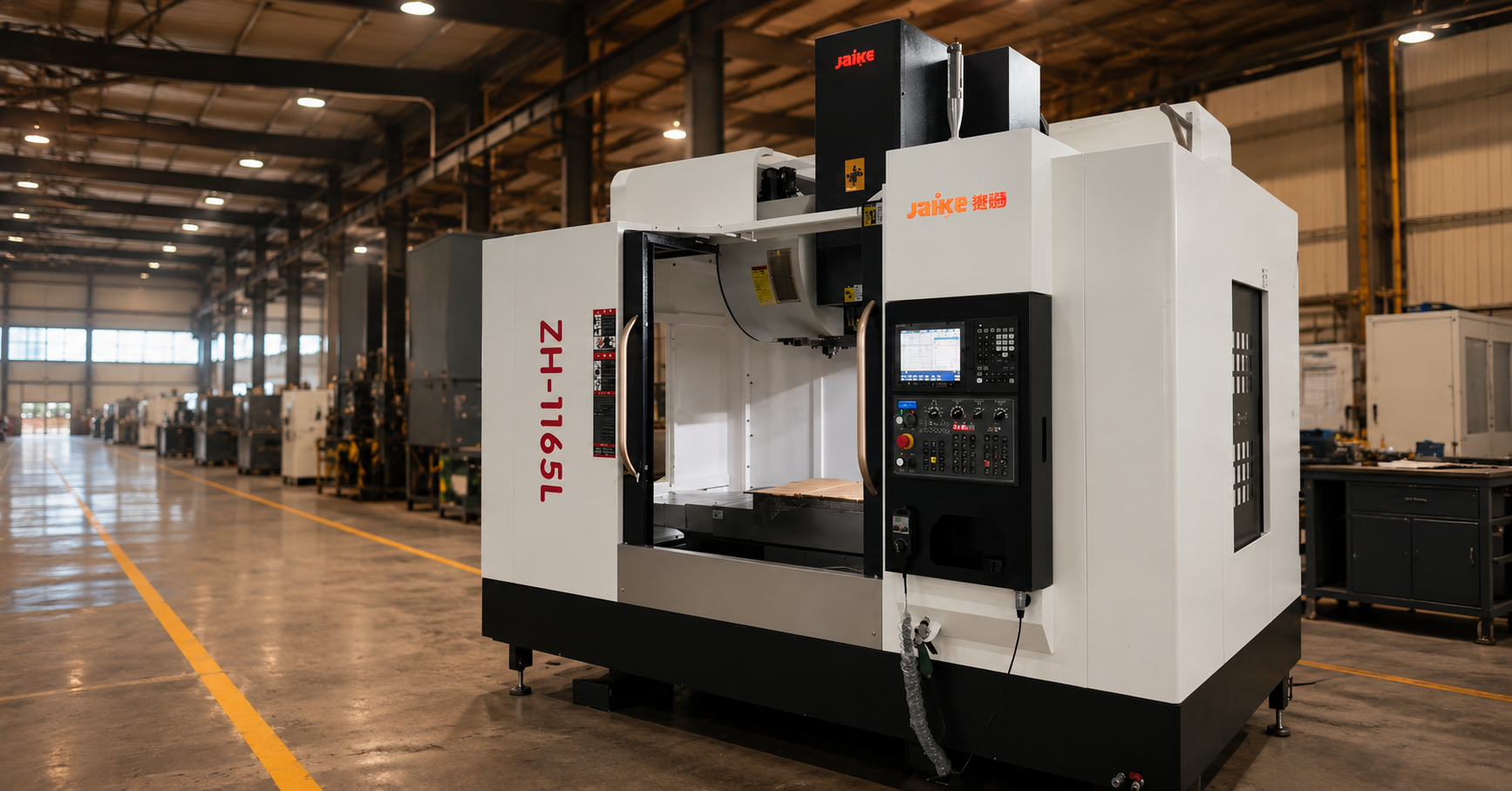
A Vertical Machining Center is often the first serious CNC machine on a shop floor, or the next investment after a basic mill has reached its limits. The decision looks simple from the outside. In reality, it is not.
Engineers and sourcing managers usually need to balance part size, material, fixture weight, operator skill, floor space, expected tolerance, batch volume, and after-sales support. A machine may look strong in a photo, but the real test is whether it can keep producing stable parts after 50, 100, or 200 pieces.
For buyers evaluating a heavy-duty VMC, the real question is not whether the machine can mill, drill, or tap. Most vertical machining centers can do that. The better question is whether the machine structure, spindle configuration, guideway design, control system, tool magazine, coolant system, and service support fit the actual parts being produced.
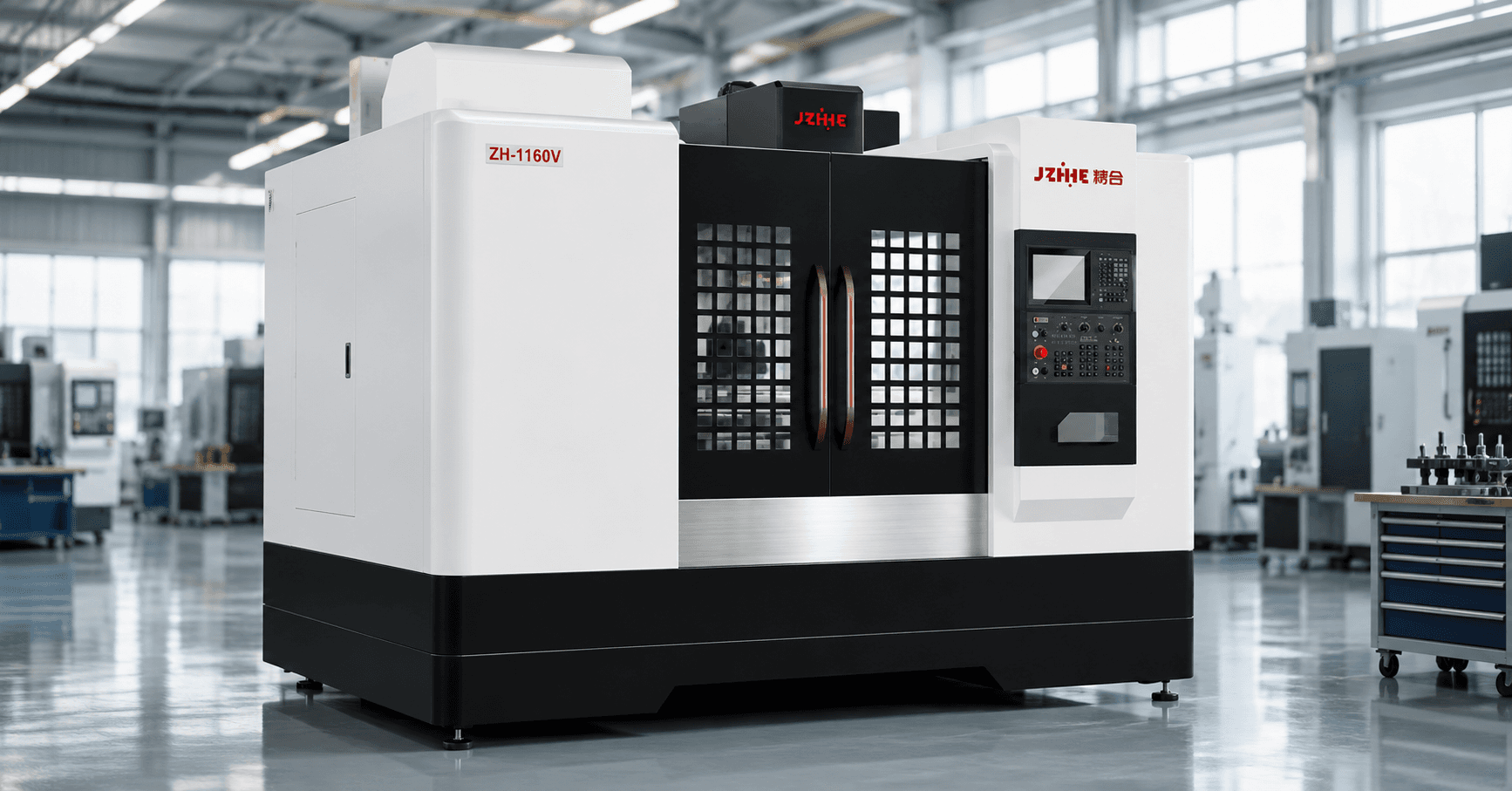
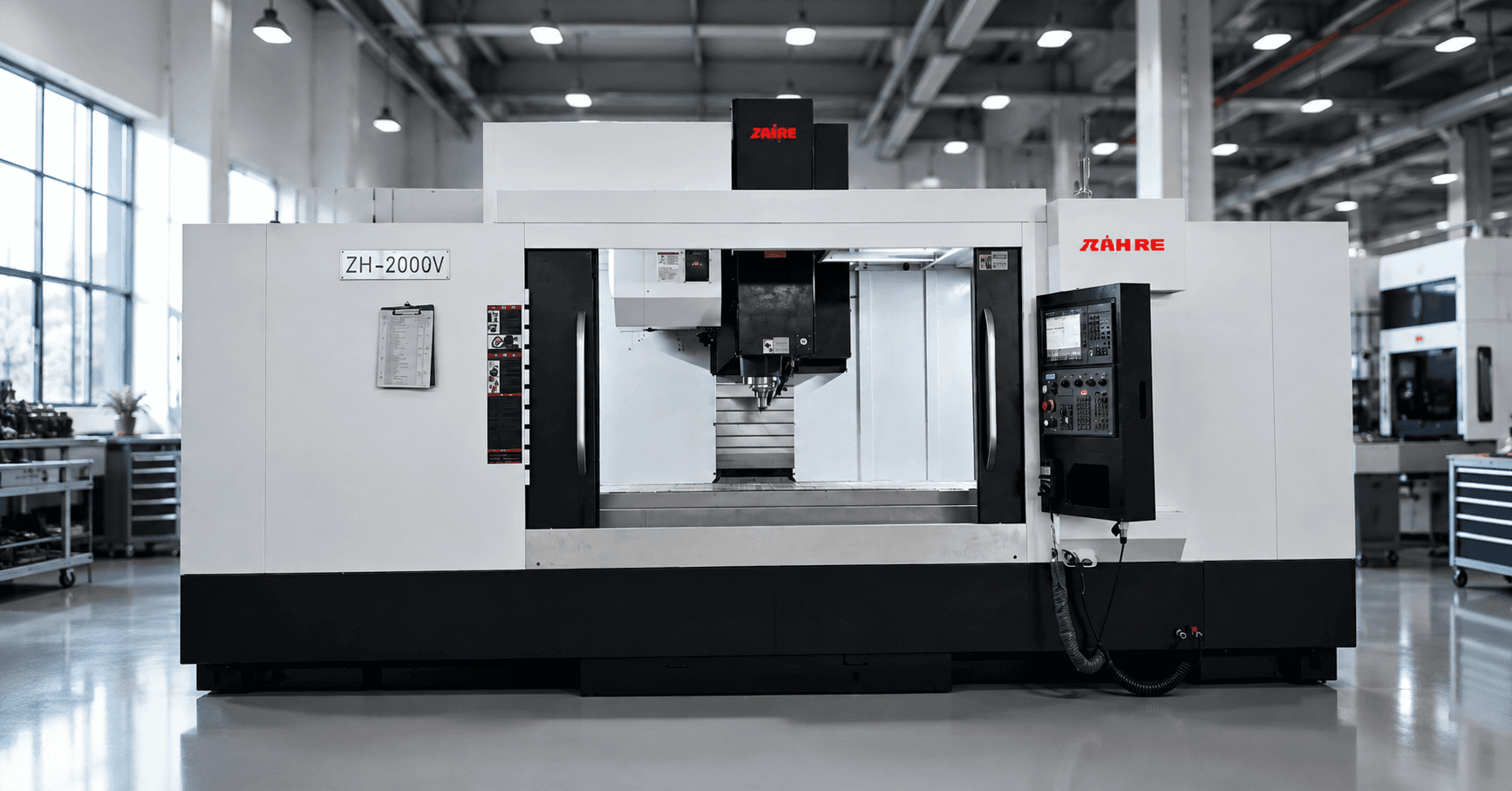
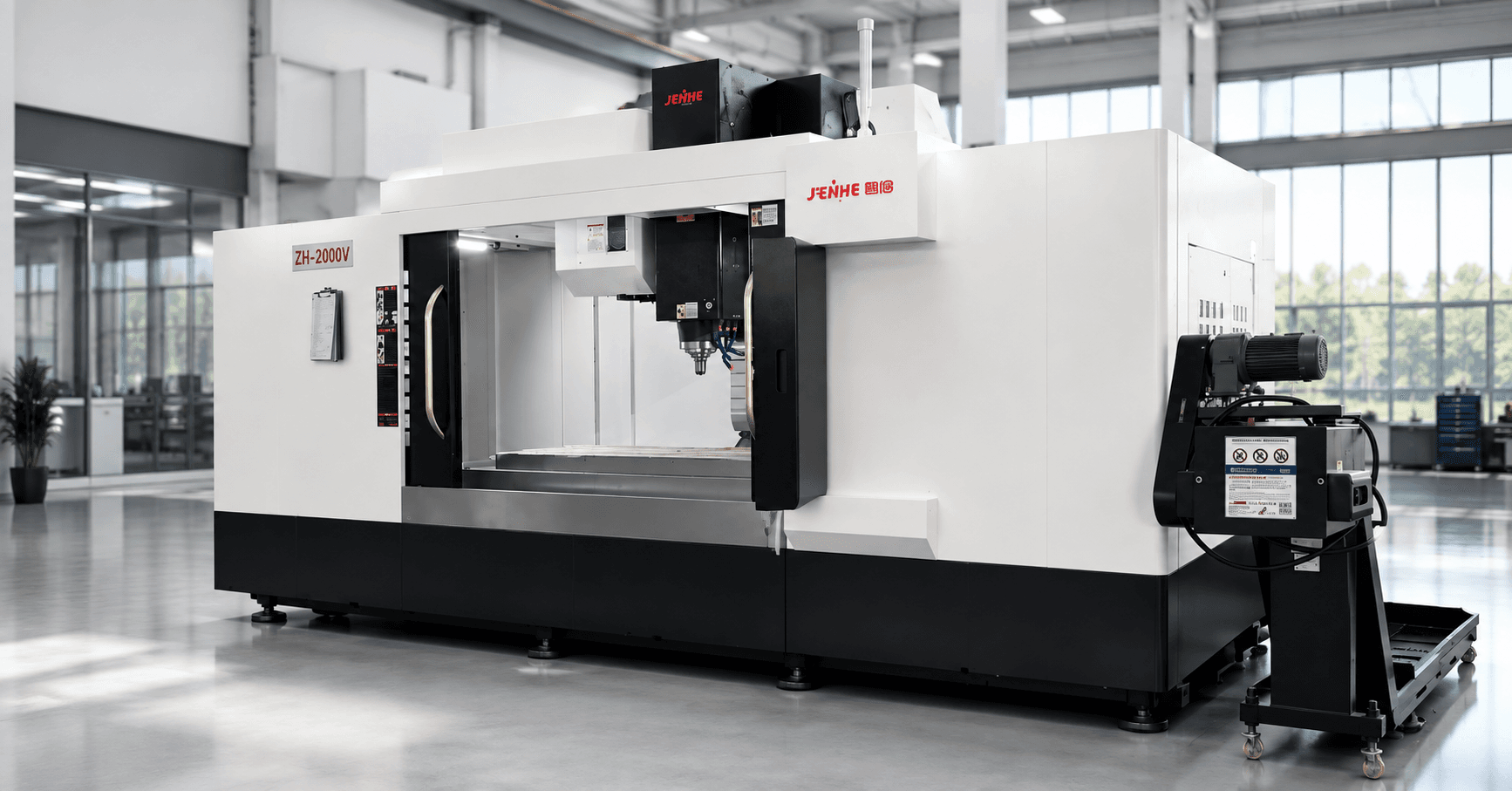
The linked Zhihe CNC machine is positioned as a heavy-duty vertical machining center for medium-sized parts requiring rigidity and accuracy retention. Its product page lists 1100 / 650 / 600 mm X/Y/Z travel, 1200 × 600 mm worktable, 1000 kg maximum table load, BT40 spindle, 11 kW spindle motor, and MITSUBISHI M80VB CNC controller. It is designed for general machinery components, automotive chassis and mold making, precision housings and boxes, automation equipment bases, and hydraulic valve blocks.
What the Machine Layout Tells a Buyer
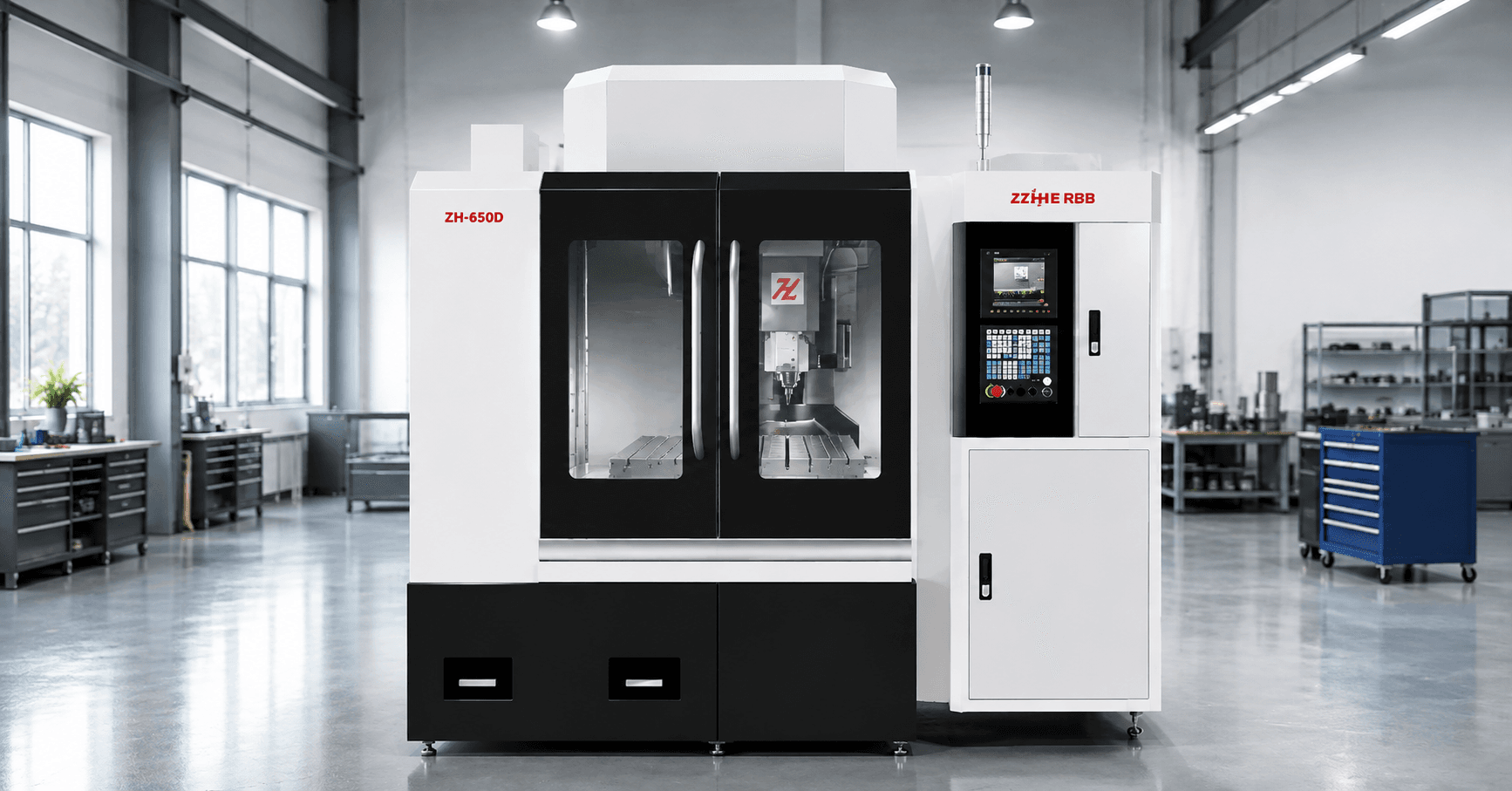
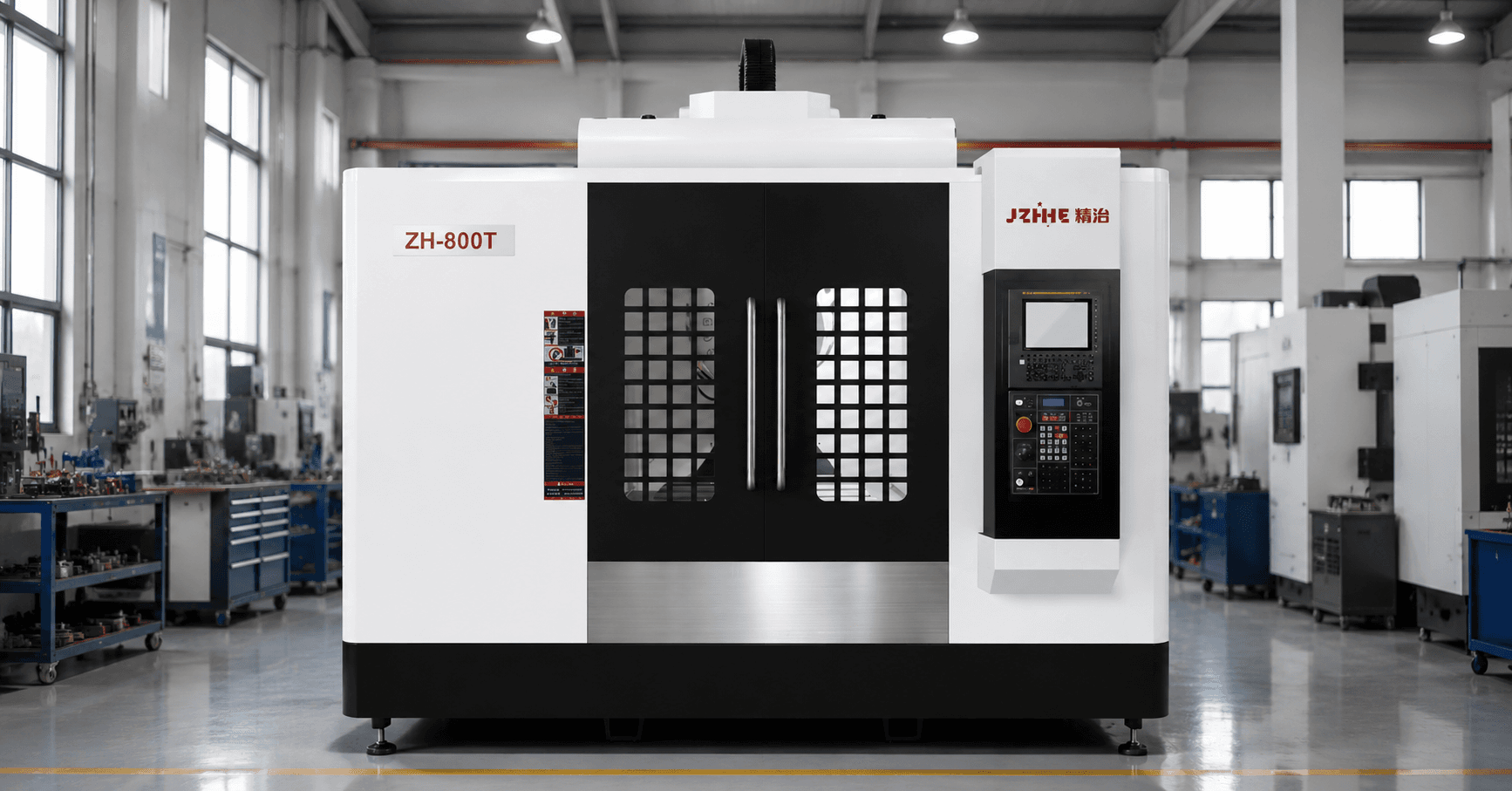
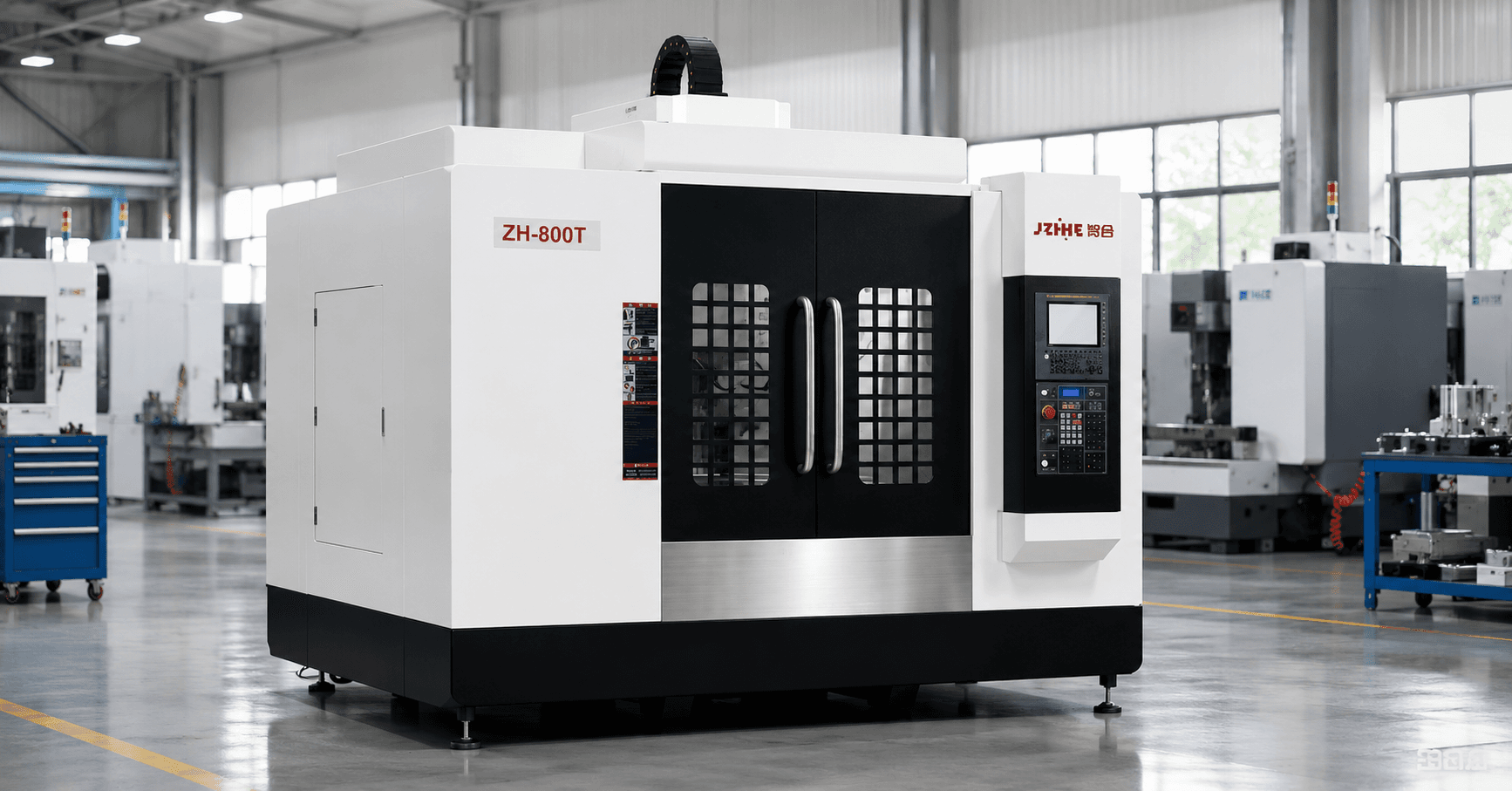
A floor-standing enclosed CNC vertical machining center usually gives buyers several practical advantages: better chip containment, improved coolant control, safer operator access, and a more organized production area. These details may not sound exciting, but they matter when the machine is running daily production rather than occasional sample work.
An enclosed structure does not automatically mean the machine is heavy-duty. Buyers still need to check the internal configuration. A serious review should include travel, table load, spindle power, spindle taper, guideway design, tool magazine capacity, positioning accuracy, chip conveyor, coolant system, and acceptance method.
For this linked machine, the product data shows a stronger configuration than many light-duty VMCs: 1000 kg table load, 11 kW BT40 spindle, 24-tool arm-type magazine, C3-grade ball screws, X/Y-axis 45 mm roller guides, and Z-axis hard rail. This combination is relevant for buyers handling medium-sized housings, valve blocks, robot brackets, automation bases, and batch-machined industrial parts.
Why Rigidity Matters More Than Appearance
A buyer cannot judge rigidity from paint color, cabinet size, or control panel appearance. Rigidity comes from the machine structure, guideway arrangement, spindle design, drive system, and how the machine behaves under cutting load.
The linked machine uses a hybrid guideway structure: X/Y roller linear guides for feed response and Z-axis hard rail for stronger damping during heavier vertical cutting. This is important because the Z-axis often carries the most direct cutting load in drilling, tapping, deep cavity machining, and heavy milling.
For buyers machining medium-sized parts, this matters in several ways. A weak machine may still produce the first acceptable part. The real problem appears later: tool wear becomes faster, surface finish becomes inconsistent, flatness drifts, or operators reduce cutting parameters to avoid vibration. That affects cycle time and cost.
Product Data Buyers Should Review
| Review Point | Product Data | Why Buyers Should Care |
|---|---|---|
| X/Y/Z travel | 1100 / 650 / 600 mm | Fits many medium-sized housings, bases, brackets, and valve blocks |
| Worktable | 1200 × 600 mm | Gives space for fixtures and medium-sized parts |
| Table load | 1000 kg | Supports heavier workpieces and rigid fixture setups |
| Spindle | BT40 belt drive | Common tooling interface for milling, drilling, and tapping |
| Spindle motor | 11 kW | Supports stronger cutting than light-duty machines |
| Tool magazine | 24-tool arm-type magazine | Reduces interruption on multi-step parts |
| Accuracy | ±0.005 mm positioning, ±0.003 mm repeatability | Supports batch precision requirements |
| Controller | MITSUBISHI M80VB | Supports stable CNC operation and production machining |
These specifications should be compared directly with the buyer’s part drawings, not reviewed in isolation. A machine that is suitable for one factory may be too large, too small, or wrongly configured for another.
Where This Type of CNC Vertical Machining Center Fits Best
A CNC Vertical Machining Center is often chosen when the shop needs accessible setup, flexible part handling, and a balanced mix of milling, drilling, tapping, and boring. Compared with more specialized equipment, a VMC is often a practical middle ground for factories with varied parts.
The linked machine is especially suitable for companies machining:
- Precision housings and boxes
- Hydraulic valve blocks
- Automation equipment bases
- Medium-sized mold parts
- Automotive chassis components
- Robot brackets and support parts
- New energy battery module parts
- General machinery components
The product page lists applicable materials including aluminum alloys, copper alloys, carbon steel, and low-carbon alloy steel. This makes the machine more relevant for factories handling mixed industrial parts rather than only light aluminum work.
What the Application Cases Show
The product page includes two case examples that help buyers understand where the machine may create value.
The first case involves a 6061 aluminum alloy new energy battery module end plate mounting beam, sized 1050 × 200 × 60 mm. The customer’s previous machine had Z-axis deflection under heavy cutting, flatness deviation up to 0.04 mm/m, precision degradation after 100 pieces, frequent rework, and excessive tool changes causing more than 35% non-cutting time per piece. After using the linked machine configuration, milling, drilling, and tapping were completed in one setup; flatness was controlled within 0.012 mm/m; precision fluctuation stayed within ±0.005 mm over 200 consecutive pieces; cycle time was reduced to 22 minutes; efficiency increased by 42%; and yield improved from 88% to 98.5%.
The second case involves an HT300 gray cast iron industrial robot joint support bracket, sized 600 × 500 × 280 mm. The previous process had deep cavity rigidity problems, rapid tool wear, position deviation of 0.06 mm, assembly interference, and surface roughness of Ra3.2 μm requiring secondary polishing. The reported results after using the machine included tool life extended from 5 pieces per change to 25 pieces per change, position deviation controlled within ±0.015 mm, surface roughness improved to Ra1.6 μm, secondary polishing eliminated, and machining cost per piece reduced by 28%.
These cases should not be treated as automatic guarantees for every buyer. They are more useful as reference points. If your parts have similar issues—Z-axis deflection, tool wear, flatness drift, surface roughness problems, or excessive non-cutting time—then this type of machine deserves closer evaluation.
How It Compares with a Lighter VMC
A lighter VMC may still be a good choice for small parts, prototypes, or light aluminum work. Buyers should not overbuy a heavy-duty machine if the parts do not require it.
However, for medium-sized industrial parts, the difference can become clear.
| Buyer Situation | Lighter VMC May Struggle With | Heavy-Duty VMC Advantage |
|---|---|---|
| Deep cavity machining | Chatter and Z-axis deflection | Z-axis hard rail improves damping |
| Multi-tool parts | Frequent tool interruptions | 24-tool magazine supports complete programs |
| Medium-sized fixtures | Limited table load | 1000 kg table load supports stronger workholding |
| Batch production | Accuracy drift after repeated parts | ±0.003 mm repeatability supports consistency |
| Cast iron or steel parts | Tool wear and vibration | 11 kW BT40 spindle improves cutting stability |
| Assembly-critical parts | Hole-position deviation | Better rigidity helps control feature relationships |
The main advantage is not simply that the machine is larger. The advantage is that it offers more production margin when cutting load, fixture weight, tool life, and batch repeatability become important.
Key Buying Criteria That Actually Matter
When reviewing this type of Metal CNC Machine, buyers should avoid judging only by the enclosure or screen. The less visible details often decide whether the machine will work well.
Ask these questions before requesting a formal quotation:
Does the machine travel cover the largest regular part?
Is the table load enough after adding fixtures?
Is the spindle suitable for aluminum, steel, cast iron, or copper alloy work?
Does the Z-axis structure support deep cavity machining?
Is the tool magazine large enough for the full process?
Can the controller support rigid tapping and compensation needs?
Is chip removal suitable for the material and cycle time?
Can the supplier arrange trial cutting with a representative part?
How is positioning accuracy verified?
What support is included after installation?
The product page lists laser interferometer, ballbar, and spindle dynamic balancer as inspection equipment. It also states that buyers may conduct pre-acceptance trial cutting at the supplier’s facility and final acceptance trial cutting after delivery and commissioning at the buyer’s facility.
That kind of acceptance process is important for capital equipment. It helps the buyer evaluate the machine based on measurable performance rather than brochure language alone.
Coolant, Chips, and Daily Operation
Chip and coolant management can seem secondary during sourcing, but they affect daily output.
The linked machine includes a rear discharge spiral chip conveyor with chip cart, optional chain-type chip conveyor, and a coolant system with 3 independent pumps for machining, rear flushing, and CTS supply. The page also lists a 50 kg center-through coolant system and high-pressure wash gun.
For buyers, this matters because chip buildup and poor coolant control create downtime. In parts with pockets, holes, cavities, or continuous batch machining, chip handling is part of productivity.
What Type of Factory Should Consider This Machine?
This type of vertical machining center is a good match for factories that have moved beyond light-duty milling and need more stable batch machining.
Suitable buyers include:
- Hydraulic valve block manufacturers
- Precision housing and box machining shops
- Robot bracket suppliers
- New energy battery component manufacturers
- Automotive chassis part suppliers
- Automation equipment factories
- Mold component suppliers
- General machinery part manufacturers
- Contract machining companies handling medium-sized industrial parts
It may not be the best choice for factories focused only on small, simple, low-tolerance parts. In that case, a smaller VMC may provide better cost efficiency.
Service and Commercial Points Buyers Should Check
Machine performance is only one part of the purchase. Buyers should also review delivery, installation, training, warranty, and spare parts support.
The product page lists delivery time of approximately 45–60 working days after down payment and signed contract, standard export wooden case packaging with moisture-proof, shock-proof, and rust-proof treatment, on-site installation and commissioning by supplier engineers, free 2–3 days training, 12-month warranty from final acceptance, and long-term genuine spare parts supply.
For overseas buyers, these terms should be confirmed in the technical and commercial agreement. Foundation, power supply, and lifting assistance are listed as buyer responsibilities, so factory preparation should start before the machine arrives.
Quick Takeaway for Buyers
A Vertical Machining Center should be selected based on production fit, not appearance. For buyers machining housings, valve blocks, battery module parts, robot brackets, molds, or automation bases, the key points are rigidity, table capacity, spindle performance, guideway design, tool capacity, chip control, and after-sales support.
The linked Zhihe CNC heavy-duty VMC is worth considering when a shop needs a stronger CNC platform for medium-sized parts, batch precision, deep cavity stability, and mixed milling, drilling, and tapping operations. Its 1100 / 650 / 600 mm travel, 1000 kg table load, BT40 spindle, 11 kW spindle motor, hybrid guideway structure, 24-tool magazine, Mitsubishi control system, and documented case results make it a practical reference for production buyers.
FAQ
Is this type of VMC suitable for small-batch production?
Yes, if the parts require rigidity, multiple tools, stable accuracy, or medium-sized fixtures. For very simple small parts, a lighter VMC may be more economical.
What makes the enclosed structure useful?
The enclosure helps contain chips and coolant and supports safer operation. It also keeps the workshop cleaner, although coolant and chip maintenance are still required.
Why should buyers care about the Z-axis hard rail?
The Z-axis often carries heavy cutting load during drilling, tapping, and deep cavity machining. A hard rail can improve damping and help reduce chatter.
Should buyers ask for trial cutting?
Yes. For important parts, trial cutting is one of the most useful ways to check whether the machine, fixture, tools, coolant, and program can meet real production needs.
What information should be sent before requesting a recommendation?
Send drawings, material, part size, fixture weight, tolerance, surface finish target, current cycle time, tool life issues, batch quantity, and any known quality problems.
Next Step
If you are comparing a Vertical Machining Center for a new production line, a tooling upgrade, or a replacement machine, start with the part drawings rather than the brochure. Share the material, dimensions, tolerance target, batch quantity, fixture method, and current machining problems with the supplier. That gives Zhihe CNC enough information to recommend whether this heavy-duty VMC configuration fits the job or whether another machine type would be more suitable.