Why a Vertical Machining Center Still Anchors So Many Shops
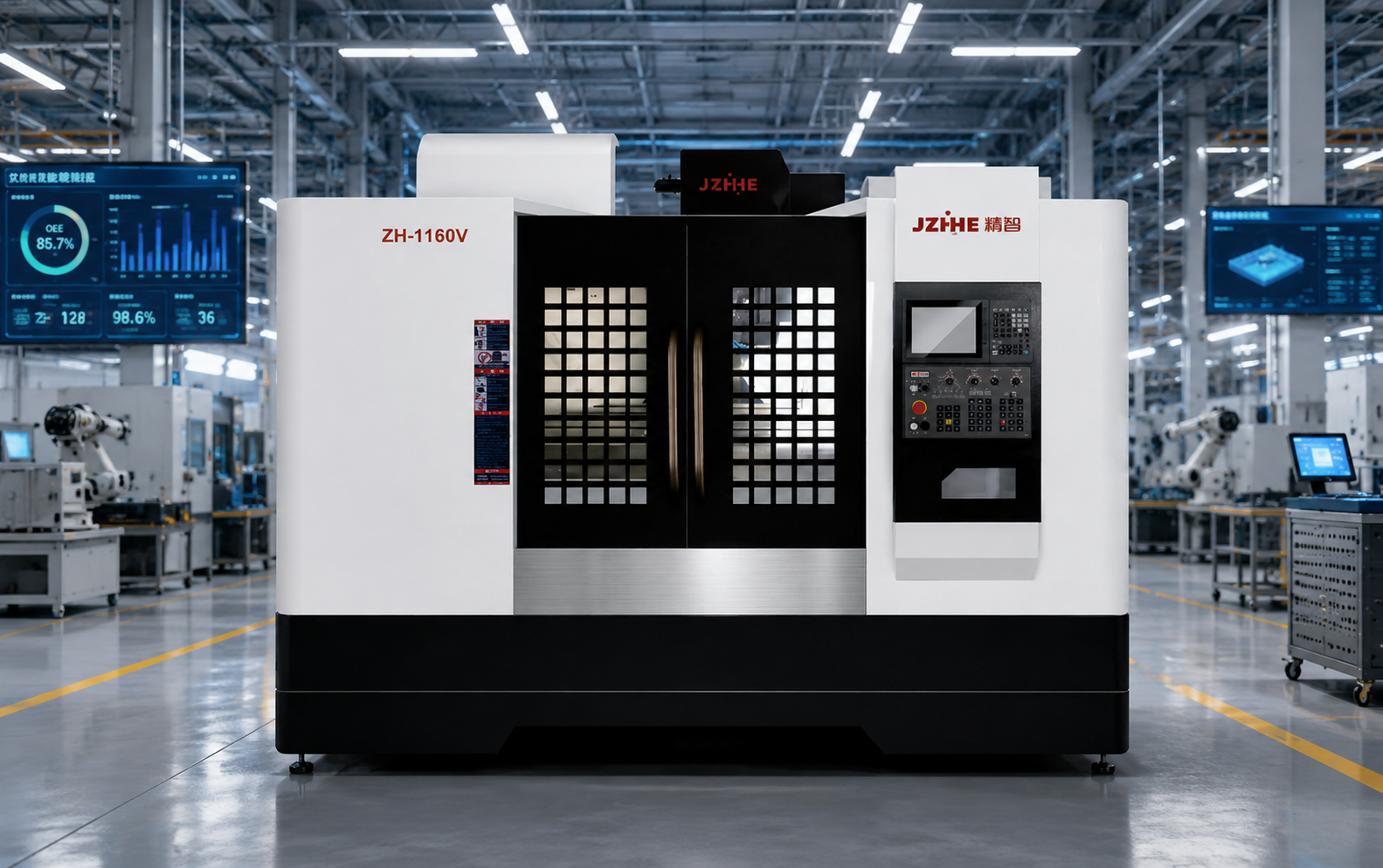
A Vertical Machining Center remains one of the most practical investments for manufacturers that need reliable metal cutting, repeatable accuracy, and a machine layout that fits naturally into modern production environments.
For many buyers, the decision is not simply about purchasing a CNC machine. It is about choosing equipment that can continue delivering stable results after installation, after operators become familiar with it, and after production requirements change.
That is why factories still rely heavily on vertical machining centers for automotive components, precision hardware, molds, communication equipment, medical parts, and general industrial manufacturing.
At first glance, a VMC may look straightforward: an enclosed machining area, vertical spindle, worktable, and CNC control system. But behind that familiar structure are the factors that determine real production performance—rigidity, vibration control, motion stability, chip removal, operator workflow, and long-term service support.
The ZH-1160V Fixed-Column Vertical Machining Center from Zhihe CNC represents this type of production-focused approach. It is designed around a fixed-column integral structure, reinforced cross-slide table design, and high-rigidity machining performance for precision machining and mass production applications.
Why Manufacturers Continue Choosing Vertical Machining Centers
The popularity of the CNC Vertical Machining Center comes from one simple advantage: versatility.
A single machine platform can handle many common operations:
- Milling
- Drilling
- Tapping
- Pocket machining
- Contour machining
- Precision finishing
For factories producing medium-sized metal parts, this flexibility is valuable. The same machine may support different product families instead of being limited to one specific process.
A mold shop may use a VMC for cavity machining and finishing operations. An automotive supplier may use it for brackets, housings, and tooling parts. A precision hardware manufacturer may need it for repeatable drilling and milling cycles.
The challenge is that not every VMC performs the same way.
A machine designed for light production may not provide enough rigidity for heavier cutting. A machine built for high-speed processing may not always be the best choice for difficult materials or long production cycles.
That is why buyers increasingly focus on the manufacturer behind the machine, not only the machine category itself.
The ZH-1160V: A Fixed-Column Structure Designed for Stability
When buyers compare machining centers, structure is often more important than marketing language.
The ZH-1160V uses a fixed-column high-rigidity structure combined with a reinforced cross-slide table design. According to the product information, the machine uses an extra-large monolithic base and wide-span A-frame column structure to improve vibration resistance and deformation control during intensive cutting conditions.
This type of structure addresses a common production problem: instability during continuous machining.
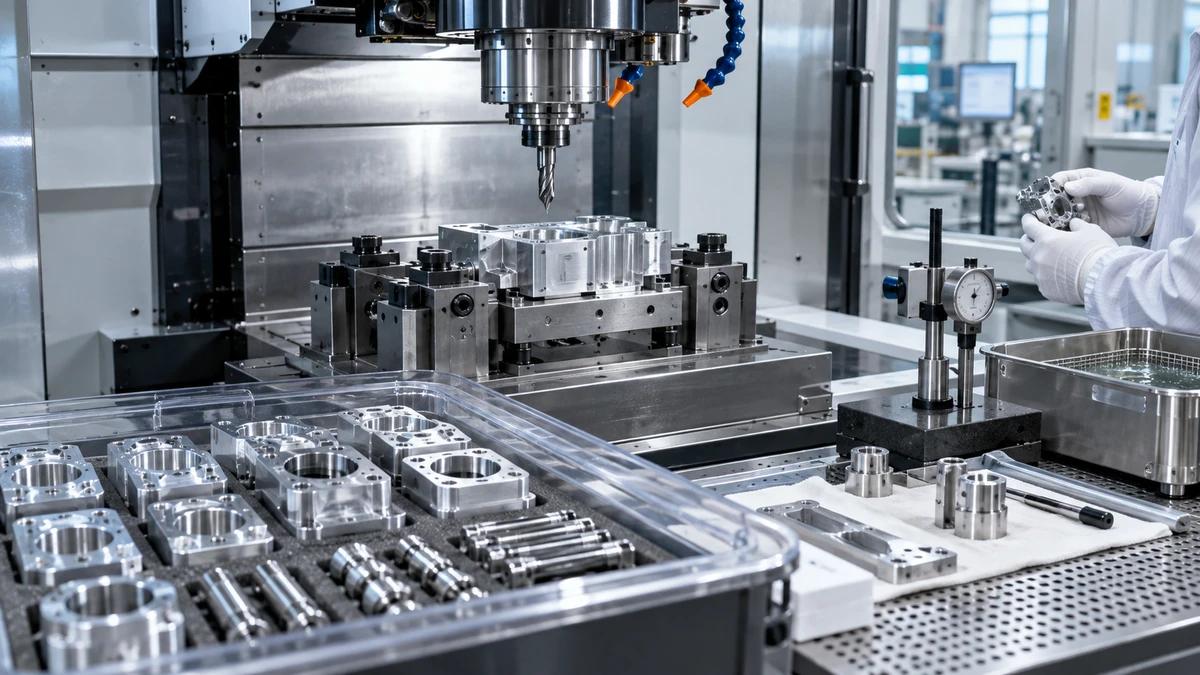
A machine does not only need to move accurately once. It needs to repeat the same movement hundreds or thousands of times while maintaining acceptable surface quality and dimensional consistency.
For production managers, that means fewer unexpected adjustments, more predictable cycle times, and better control over batch quality.
Why Rigidity Matters More Than Many Buyers Expect
A High Rigidity Vertical Machining Center is not only for heavy-duty cutting. Rigidity influences almost every part of machining performance.
Weak structural stability can create:
- Vibration during cutting
- Poor surface finish
- Shorter tool life
- Inconsistent dimensions
- More operator intervention
The ZH-1160V is equipped with heavy-duty roller linear guideways on all three axes. The manufacturer states that this improves dynamic response and operational stability while maintaining machining consistency.
This matters because production problems are often not caused by one major failure. They usually come from small inefficiencies repeated every day.
A few seconds lost during every cycle, frequent tool adjustments, or additional inspection steps can become a significant cost over time.
3 Axis or 4 Axis: Which Vertical Machining Center Makes More Sense?
One common question among buyers is whether to choose a 3 Axis Vertical Machining Center or a 4 Axis Vertical Machining Center.
The answer depends on the parts being produced.
When a 3 Axis Vertical Machining Center Is Enough
A 3-axis configuration is often suitable for:
- Standard milling operations
- Flat surfaces
- Drilling patterns
- Simple pockets
- General machining tasks
For many factories, this is still the most economical choice because programming is familiar and setup requirements are straightforward.
If the parts can be completed from one direction or with simple repositioning, adding extra-axis capability may not provide enough value.
When a 4 Axis Vertical Machining Center Becomes Valuable
A 4-axis machine becomes more attractive when buyers need:
- Multiple-side machining
- Reduced manual repositioning
- Better consistency between faces
- Shorter setup time
However, more capability does not automatically mean better production.
A common purchasing mistake is selecting additional features without confirming whether the parts actually benefit from them.
The correct question is not:
“Which machine has more functions?”
The better question is:
“Which machine reduces our actual production problems?”
Applications Where the ZH-1160V Fits Well
The ZH-1160V is positioned for precision machining applications including:
- 5G communication structural components
- Automotive parts manufacturing
- Medical device production
- Premium hardware products
- Small precision assemblies
- High-volume industrial components
These industries often share similar requirements:
- Stable batch production
- Repeatable machining quality
- Reduced downtime
- Controlled process variation
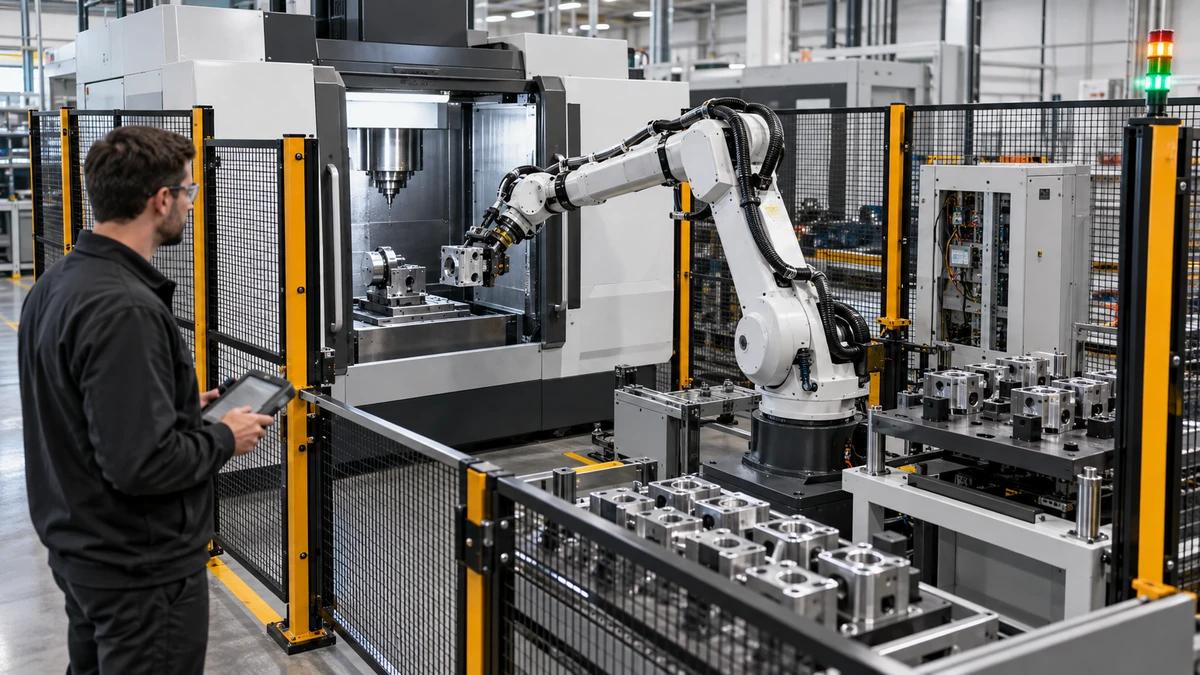
For these applications, the machine is not only a cutting tool. It becomes part of the production system.
Chip Removal and Daily Operation Matter
Many buyers focus heavily on spindle speed and travel distance, but daily operation depends on many smaller details.
Chip management is one of them.
The ZH-1160V integrates a rear-mounted coolant flushing and chip evacuation system designed to remove chips during machining and improve production reliability. The product information also highlights easier maintenance and cleaning through optimized internal design.
This is important because a machine that is difficult to clean or maintain can gradually lose productivity.
In a busy factory, operators do not want to spend unnecessary time dealing with preventable issues.
What Buyers Should Check Before Ordering
When selecting a CNC Machining Center Manufacturer, buyers should evaluate more than machine appearance.
A practical checklist includes:
| Evaluation Area | Buyer Questions |
|---|---|
| Machine structure | Is the frame rigid enough for the intended parts? |
| Workpiece range | Can the machine handle current and future products? |
| Accuracy | How is repeatability verified? |
| Control system | Is the CNC system familiar to operators? |
| Maintenance | Are service and spare parts available? |
| Application support | Can the supplier assist with process matching? |
| Production goals | Will the machine reduce labor and setup time? |
A professional supplier should be able to discuss the complete machining process, not only machine specifications.
Common Mistakes When Buying a Vertical Machining Center
Choosing Only by Price
The lowest machine price is not always the lowest total cost.
A cheaper machine may create higher expenses later through:
- More downtime
- Difficult maintenance
- Lower production efficiency
- Limited technical support
Ignoring Fixture Planning
Even a strong machining center cannot compensate for poor workholding.
Fixture design affects:
- Accuracy
- Loading speed
- Repeatability
- Operator efficiency
Buying More Capability Than Needed
A larger machine or additional axis may look attractive, but unnecessary features increase investment and complexity.
The best machine is the one that solves the production problem.
Why Supplier Support Matters
A vertical machining center purchase does not end when the machine arrives.
Manufacturers should support:
- Machine selection
- Process discussion
- Installation
- Operator training
- Maintenance guidance
- After-sales service
Zhihe CNC states that it provides CNC machine tool R&D, manufacturing, sales, and service, along with customization solutions and professional after-sales support for industrial customers.
For overseas buyers, this support can significantly influence the long-term value of the investment.
FAQ
Is a Vertical Machining Center suitable for automotive parts?
Yes. VMCs are widely used for automotive components because they support repeatable milling, drilling, and precision machining processes.
Should I choose 3-axis or 4-axis machining?
Choose based on part geometry. If multiple faces require machining and manual repositioning creates problems, 4-axis capability may provide value.
Why is fixed-column structure important?
A fixed-column design can improve structural stability and reduce vibration during machining, especially in applications requiring consistent accuracy.
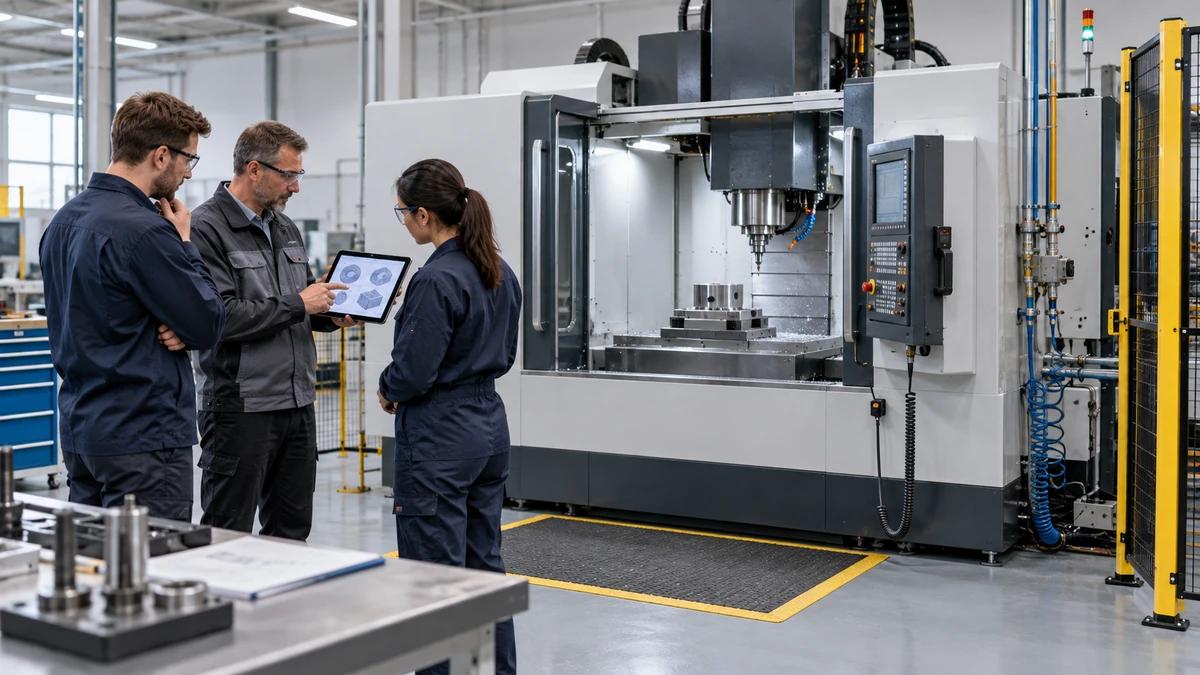
What information should I provide before requesting a quotation?
Prepare:
- Part drawings
- Material information
- Dimensions
- Accuracy requirements
- Production volume
- Fixture requirements
This allows the supplier to recommend a more suitable machine configuration.
Final Thoughts
A Vertical Machining Center continues to anchor many manufacturing operations because it balances flexibility, productivity, and practical usability.
For buyers, the decision should not start with a machine model number. It should start with the production problem.
The ZH-1160V shows the type of features many manufacturers look for today: fixed-column high-rigidity structure, reinforced cross-slide design, heavy-duty roller linear guides, vibration resistance, chip management, and support for precision industrial applications.
The right machining center is not simply the machine with the biggest specifications.
It is the machine that keeps producing accurate parts, supports the operators using it, and continues creating value long after installation.