Why a Vertical Machining Center Still Matters on the Shop Floor
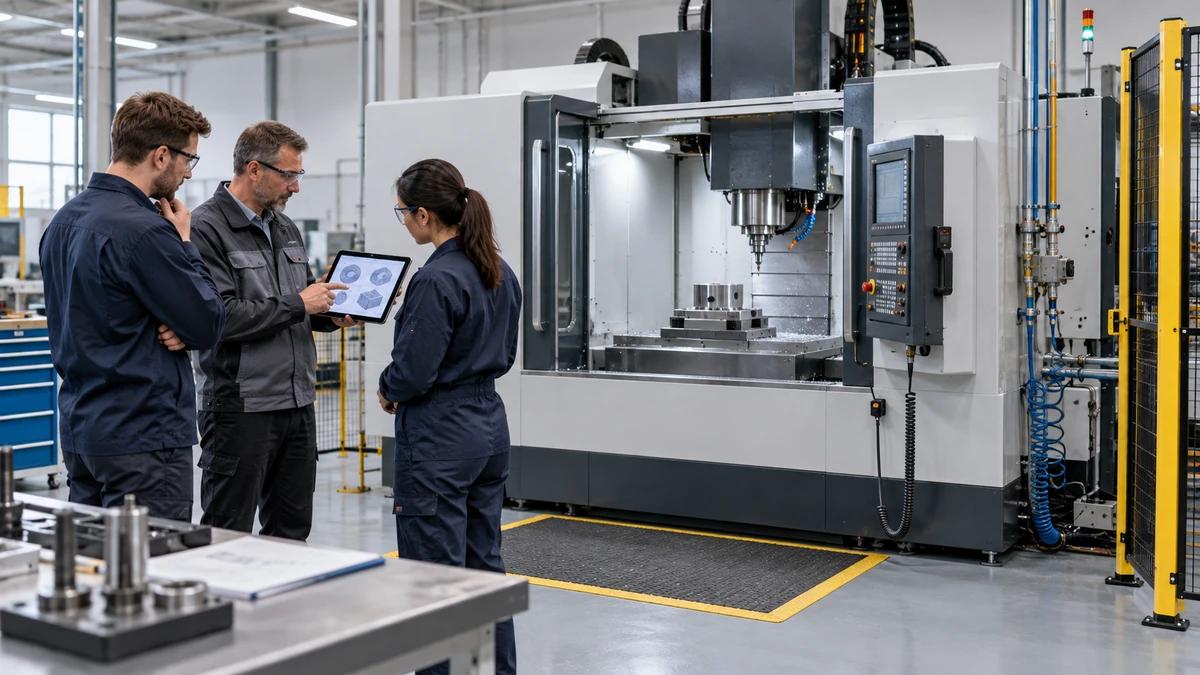
A Vertical Machining Center is one of those machines that looks familiar until a production team has to choose one. Then every detail starts to matter: machine structure, guideway design, chip removal, control access, operator workflow, fixture space, and whether the machine can support real daily production instead of only looking good in a catalog.
For engineers and sourcing managers, the question is rarely, “Can this machine cut metal?” Most CNC machines can. The better question is whether the machine can keep cutting accurately across shifts, handle repeated milling and drilling work, control chips, and reduce the kind of small interruptions that quietly damage output.
That is why vertical machining centers still anchor so many factories. They offer a practical enclosed machining area, a familiar vertical spindle layout, and enough flexibility for milling, drilling, tapping, pocketing, and contour machining. In shops producing automotive parts, precision hardware, molds, communication components, medical device parts, and small industrial assemblies, that balance still matters.
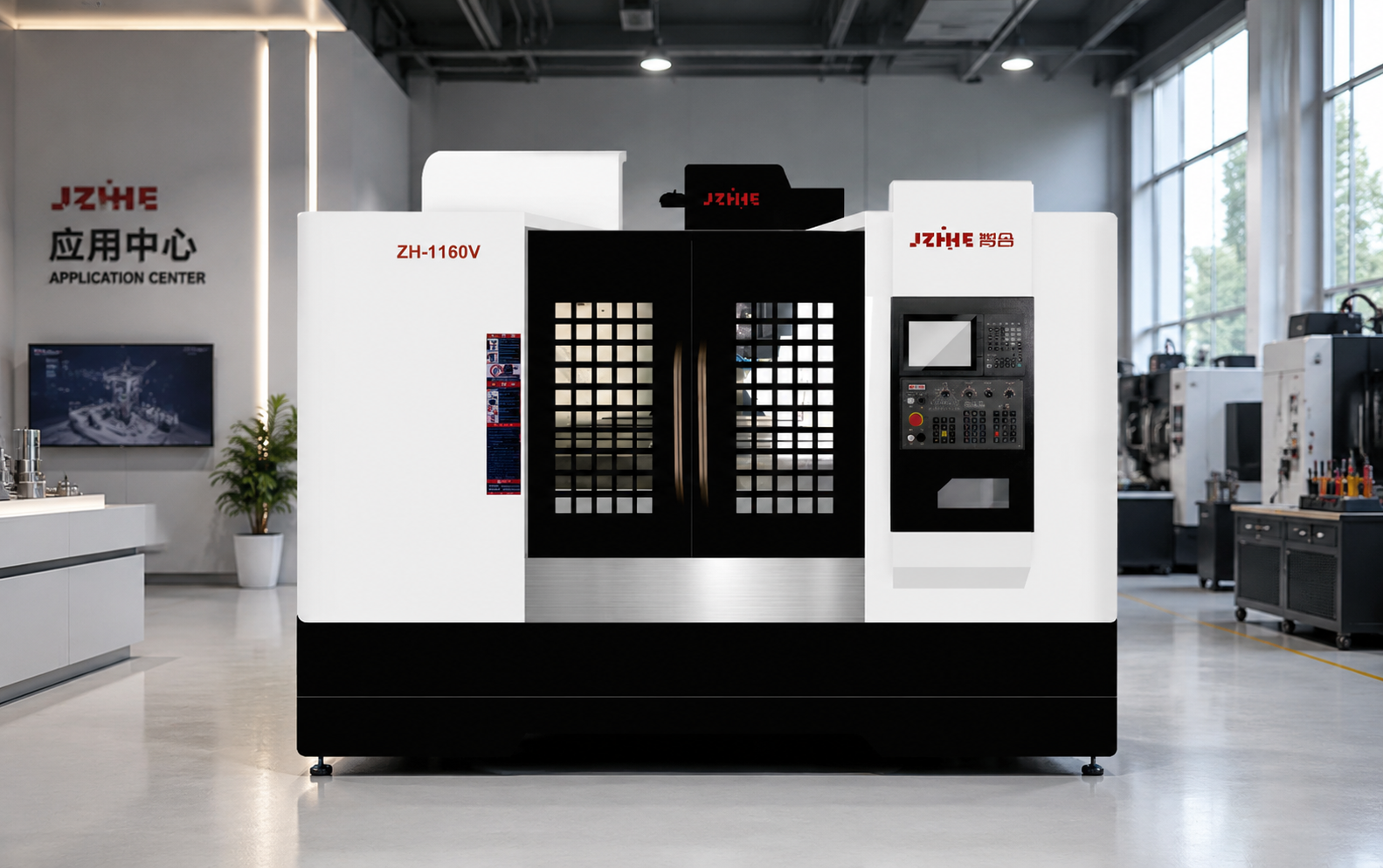
The ZH-1160V Fixed-Column Vertical Machining Center from Zhihe CNC is a useful example. It is described as a high-performance vertical machining center for precision machining and mass production, using a fixed-column integral layout and reinforced cross-slide table structure to support rigidity, smooth motion control, and positioning accuracy during high-speed machining.
What Buyers Usually Need to Decide First
Before comparing prices, buyers should separate the decision into two questions.
The first question is about the part. What material will be machined? How large is the workpiece? Does it need simple top-side milling, repeated drilling, rigid tapping, contour machining, or longer production cycles?
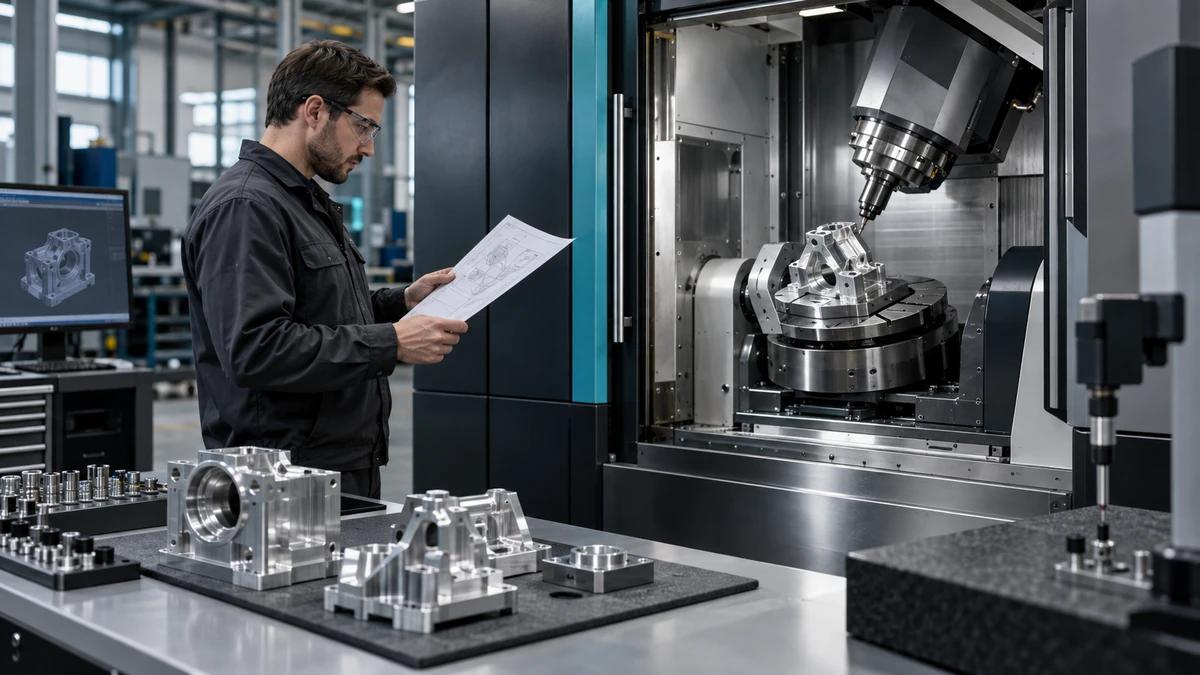
The second question is about process flexibility. Will a standard 3 Axis Vertical Machining Center handle the work, or does the shop need a 4 Axis Vertical Machining Center to reduce manual repositioning and machine multiple sides more efficiently?
A 3-axis VMC is often enough for housings, plates, brackets, fixtures, mold plates, and many precision parts that can be machined from the top or with simple setups. It is easier to program, easier to train operators on, and usually more economical when the part geometry is not too complex.
A 4-axis VMC becomes more attractive when the part has side features, repeated angular operations, or setup reduction becomes a real cost issue. But more axes do not automatically mean better production. Extra capability only helps when the part family actually uses it.
Why the ZH-1160V Structure Matters
Machine structure is easy to overlook in early sourcing conversations. Buyers may ask about spindle speed, price, delivery time, or controller brand first. Those details matter, but structure often decides whether the machine feels stable after weeks or months of real cutting.
The ZH-1160V uses a fixed-column high-rigidity machine structure. Its product information highlights an extra-large monolithic machine base and a wide-span A-frame column structure, designed to improve vibration resistance and deformation control under intensive cutting conditions.
That matters on the shop floor because unstable structure rarely creates only one obvious failure. More often, it causes small problems: chatter marks, dimensional drift, shorter tool life, rougher finish, or operators slowing down cutting parameters just to keep the process under control.
For manufacturers running repeated batches, those small losses add up. A rigid VMC is not only about heavy cutting. It is about keeping the process predictable.
Heavy-Duty Roller Linear Guideways and Motion Stability
A High Rigidity Vertical Machining Center needs more than a solid base. Axis movement also matters.
The ZH-1160V is equipped with heavy-duty roller linear guideways on all three axes. According to the product page, this improves dynamic responsiveness and operational stability while helping maintain machining consistency.
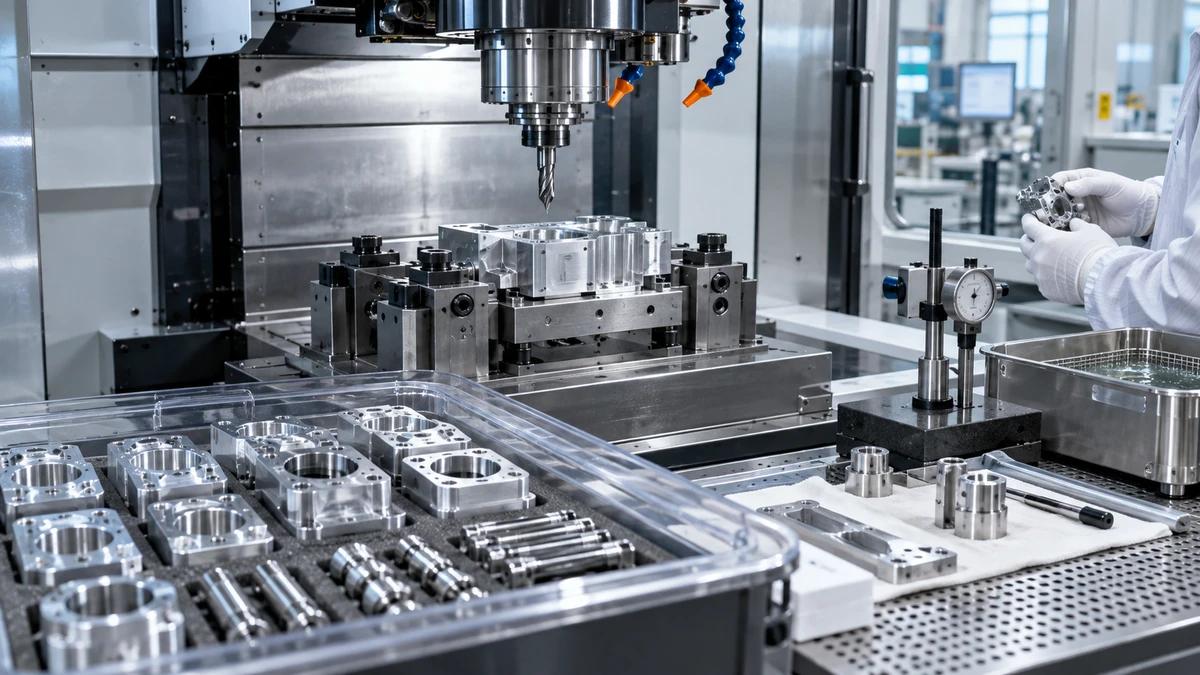
For buyers, this is worth noting because many production tasks involve repeated movements: hole patterns, pockets, face milling, contour passes, and finishing cycles. If the axes move smoothly and repeatably, the machine is easier to trust. If motion feels unstable, the shop may face extra inspection, more operator intervention, or inconsistent parts.
In plain terms, good motion control helps the machine do the same job the same way again and again. That is exactly what production teams want.
Why Chip Removal Is Not a Small Detail
Chip management may not sound exciting, but it affects daily productivity. Chips that stay inside the machining area can interfere with fixtures, damage surfaces, slow cleaning, and create unnecessary downtime.
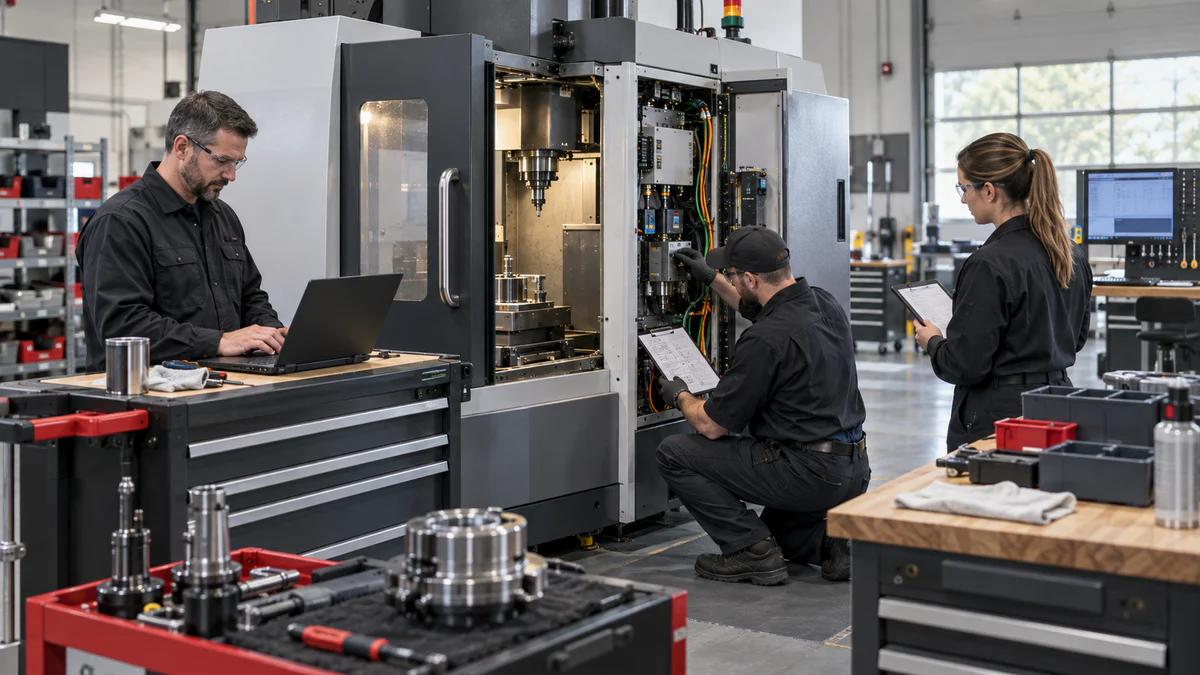
The ZH-1160V integrates a rear-mounted coolant flushing and chip evacuation system designed to remove chips during machining, prevent buildup, and improve production reliability. The machine’s internal design is also optimized for easier maintenance and cleaning.
For shops cutting aluminum, steel, hardware components, mold parts, or small precision assemblies, this matters more than many buyers expect. A machine that cuts well but takes too long to clean can still become a bottleneck.
Clean chip evacuation also supports operator safety and reduces the chance of chips collecting around fixtures, tools, or internal corners. It is not just a housekeeping issue. It affects uptime.
Where This Type of Vertical Machining Center Fits Best
The ZH-1160V is positioned for precision machining and mass production applications. Its listed application areas include 5G communication structural components, automotive parts manufacturing, medical device production, premium hardware products, small precision assemblies, and high-volume industrial component production.
That application range makes sense for a fixed-column VMC. These industries often need repeatable machining quality, controlled dimensional accuracy, and stable output. They may not always need the most complex machine on the market, but they do need a machine that can run reliably.
| Application Area | Typical Buyer Concern | Why a VMC Still Fits |
|---|---|---|
| Automotive parts | Batch stability and repeatable machining | Supports milling, drilling, tapping, and fixture-based production |
| 5G communication components | Precision structural parts and clean features | Helps maintain consistency in repeated machining |
| Medical device parts | Accuracy and controlled surface quality | Benefits from stable motion and rigid structure |
| Premium hardware | Surface finish and part consistency | Supports repeatable machining of small metal parts |
| Industrial components | Productivity and reduced downtime | Enclosed structure and chip removal improve daily use |
A vertical machining center still matters because many factories need exactly this kind of reliable middle ground: flexible enough for different parts, stable enough for production, and practical enough for daily operation.
What Buyers Should Check Before Choosing a VMC
A good VMC decision should start with the workpiece, not the machine model.
Before requesting a quote, buyers should prepare:
| Information to Prepare | Why It Matters |
|---|---|
| Part drawings | Shows machining features, size, and risk points |
| Material | Affects cutting load, tooling, coolant, and rigidity needs |
| Accuracy requirements | Helps judge whether the machine structure is suitable |
| Batch volume | Decides whether setup speed and reliability matter more |
| Machining operations | Clarifies whether 3-axis or 4-axis capability is needed |
| Fixture requirements | Prevents clamping and access problems |
| Production target | Helps match machine capacity to real output needs |
The ZH-1160V product page describes the machine as combining rigidity, precision, and efficiency into a CNC machining solution for modern smart manufacturing environments, with benefits including consistent machining quality, reduced downtime, and improved productivity.
That is the kind of language buyers should test against their own process. The question should be: what does “reduced downtime” or “consistent quality” mean for this part, this fixture, and this production target?
Common Buying Mistakes
One common mistake is choosing a VMC only by visible size. A larger machine does not automatically solve a production problem. If the part does not need the extra envelope, the buyer may pay for unused capacity.
Another mistake is focusing only on spindle or speed claims while ignoring rigidity. A machine can move quickly and still perform poorly if it vibrates under load.
A third mistake is treating chip removal as secondary. On a busy shop floor, cleaning time, coolant management, and chip buildup can affect real output more than expected.
The fourth mistake is buying extra axis capability without checking whether the part family needs it. A 4-axis machine can reduce setups, yes. But if the work is mostly simple top-side machining, a well-configured 3-axis VMC may deliver better value.
Practical Advice for Sourcing Teams
When comparing a 3 Axis Vertical Machining Center with a 4 Axis Vertical Machining Center, ask the supplier to walk through actual part examples. Do not stop at machine features.
A useful technical discussion should cover:
- How the workpiece will be clamped
- Which surfaces are machined in one setup
- Whether the part needs side features
- What accuracy must be protected
- Whether chip buildup is likely
- How operators will load and unload parts
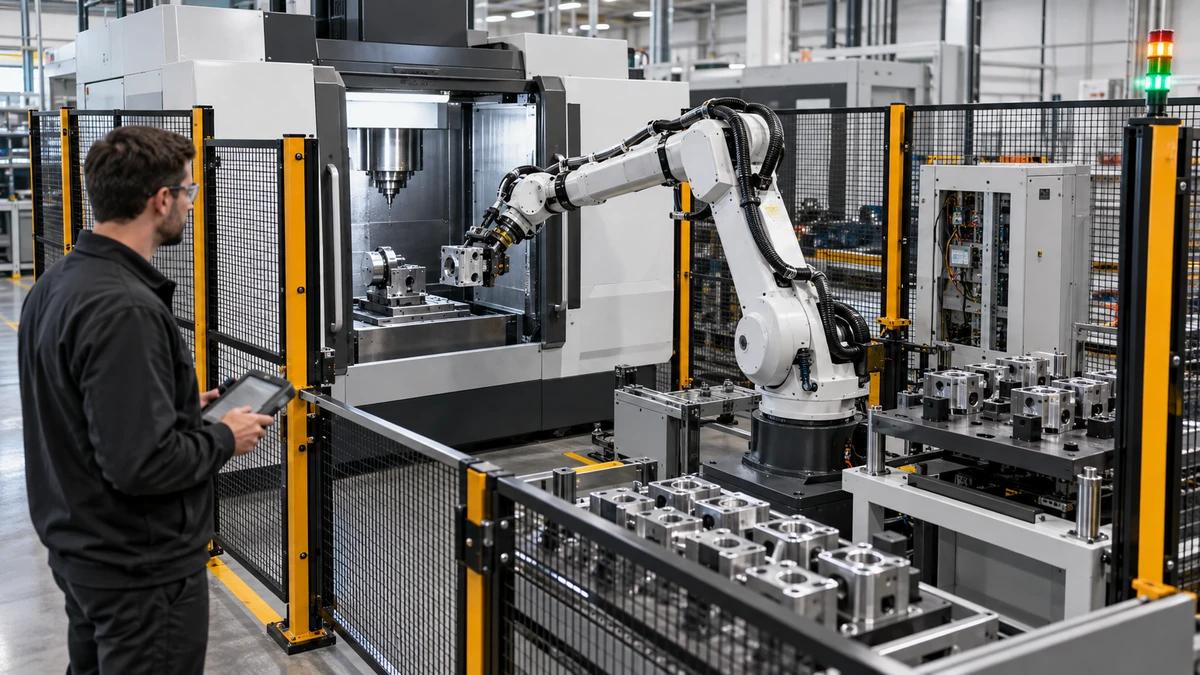
- Whether production volume justifies extra automation or axis capability
For a model like the ZH-1160V, buyers should focus on structure, rigidity, motion stability, chip removal, and production fit. Its fixed-column integral layout, reinforced cross-slide table structure, roller linear guideways, monolithic base, A-frame column, and rear chip evacuation system are all relevant to daily machining performance.
FAQ
Is a Vertical Machining Center still useful for modern production?
Yes. A VMC remains useful because it supports milling, drilling, tapping, and precision machining in a compact and practical layout. It is especially valuable for repeatable industrial parts.
Should buyers choose 3-axis or 4-axis?
Choose based on part geometry. If parts are mostly machined from the top, 3-axis may be enough. If repeated side machining or setup reduction matters, 4-axis may be worth considering.
Why does fixed-column structure matter?
A fixed-column structure can help improve rigidity, reduce deformation, and support stable machining accuracy during repeated or intensive cutting operations.
What applications suit the ZH-1160V?
The ZH-1160V is listed for 5G communication structural components, automotive parts, medical device production, premium hardware products, small precision assemblies, and high-volume industrial components.
What should buyers send before requesting a quote?
Send drawings, materials, part size, tolerance requirements, machining operations, fixture needs, and expected output. That gives the supplier enough context to recommend a suitable configuration.
Conclusion
A Vertical Machining Center still matters on the shop floor because many manufacturers need a machine that is practical, stable, and repeatable. It does not have to be the most complicated machine in the factory. It has to fit the work.
The ZH-1160V Fixed-Column Vertical Machining Center shows why structure and daily usability should stay at the center of the buying decision. Its fixed-column integral layout, reinforced cross-slide table, heavy-duty roller linear guideways, monolithic base, A-frame column structure, and rear-mounted coolant flushing chip evacuation system are all aimed at stable precision machining and mass production.
For buyers in automotive parts, communication components, medical devices, premium hardware, small precision assemblies, and high-volume industrial production, the best next step is simple: start with the part drawing. Once the material, tolerance, fixture method, and production target are clear, it becomes much easier to decide whether a 3-axis VMC is enough—or whether a 4-axis configuration will bring real production value.