Why Buyers Look for a Vertical Machining Center Manufacturer
Choosing a vertical machining center manufacturer is not only a purchasing task. For most factories, it is a production-risk decision.
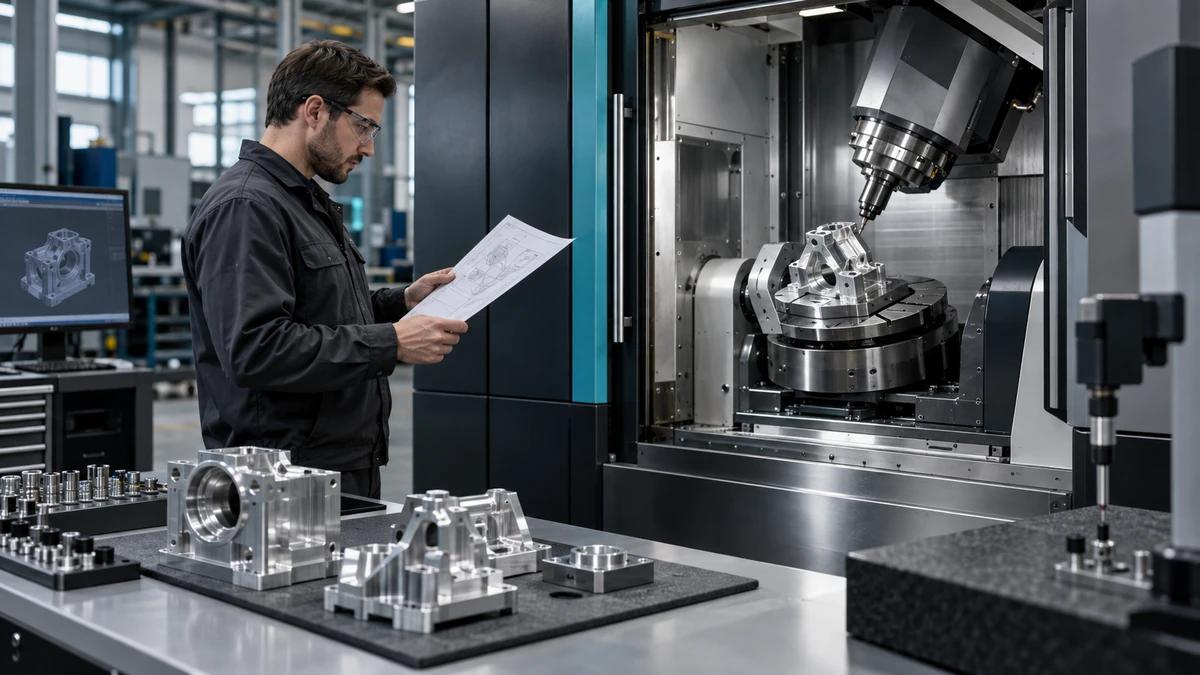
A buyer may begin with a simple request: “We need a VMC.” But once the real part drawings appear, the question becomes more specific. Is the machine for aluminum profiles? Long structural parts? Precision electronics components? Mold-related parts? Automation equipment beams? Stainless steel components? Engineering plastics? Each workpiece family asks something different from the machine.
That is why buyers are not only comparing machine photos or brochure terms. They are looking for a manufacturer that understands the relationship between machine structure, material behavior, fixture design, transmission accuracy, machining stability, and service support.
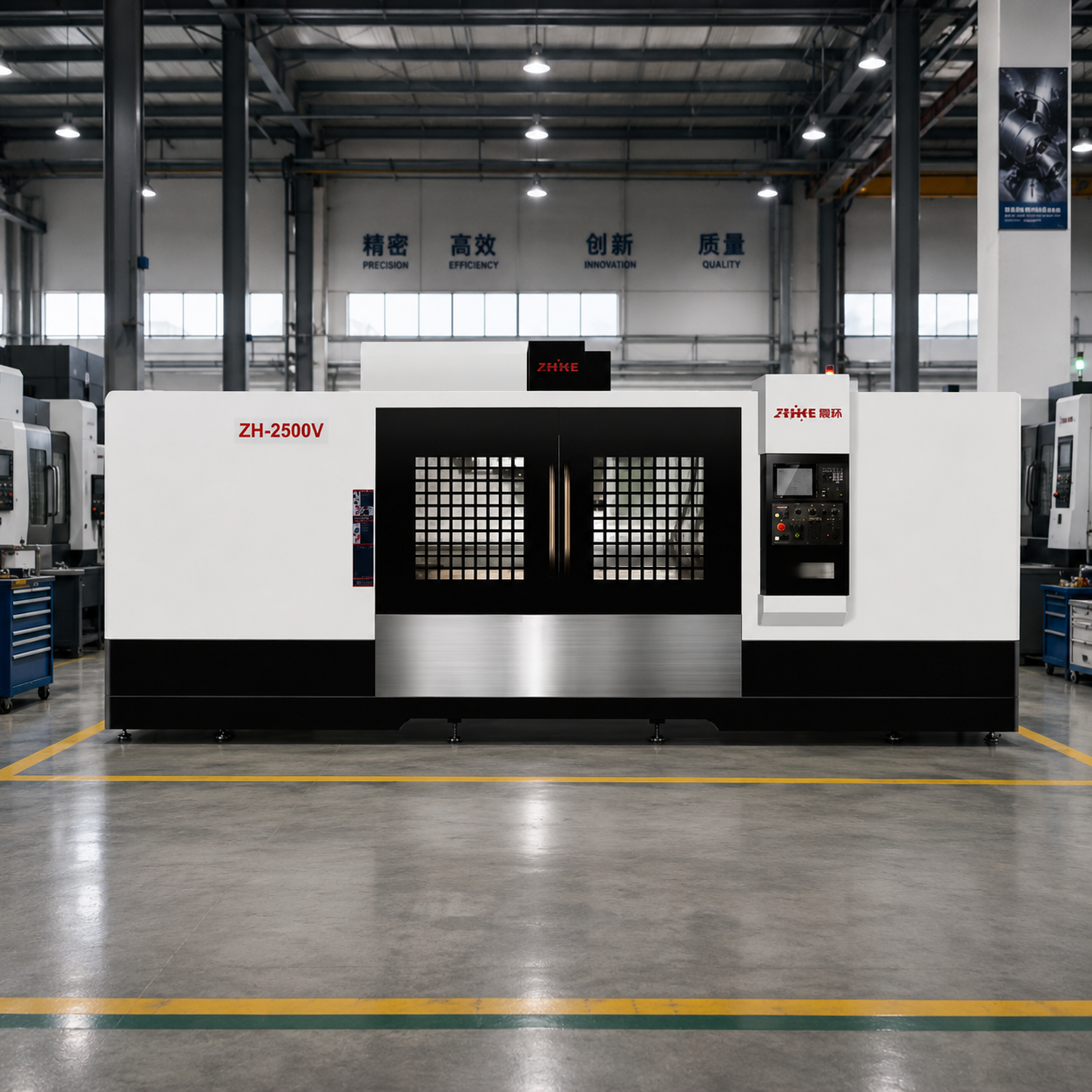
Zhihe CNC’s Vertical Profile Machining Center is a useful reference for this type of buying decision. The product page describes it as a machine built for high-precision processing of long-profile workpieces and complex components, with suitable materials including aluminum, copper, stainless steel, and engineering plastics. It is also positioned for industries such as precision electronics, automotive components, medical devices, automation equipment, 3C electronics, robotics, and new energy industries.
A VMC Is Not Just a Machine Category
The term CNC vertical machining center sounds clear, but in real sourcing work it can mean several different things. One machine may be better for light aluminum work. Another may be built for heavier cutting. A third may focus on long-profile processing, where fixture layout and travel behavior matter more than raw spindle numbers.
That is why buyers should avoid treating all vertical machining centers as equal.
A machine for compact brackets does not face the same demands as a machine for long aluminum profiles. Mold manufacturing also has its own pressure: roughing stability, surface finish, toolpath smoothness, and vibration control. Even when two machines share the same basic vertical spindle layout, their real production behavior may be quite different.
For a buyer, the better question is not “Is this a VMC?” The better question is: “Is this VMC designed for my workpiece family?”
Why Machine Structure Matters First
A high rigidity vertical machining center is often preferred when the job involves long workpieces, repeated holes, stable clamping, and parts that cannot tolerate chatter. Machine structure affects cutting stability long before the operator starts adjusting feed rates.
The Vertical Profile Machining Center page highlights a high-rigidity cross-slide table structure combined with an integrated monolithic base. According to the product information, this design is intended to improve stability and vibration resistance during high-speed machining while supporting long-term machining accuracy in demanding industrial applications.
That detail matters. In production, poor rigidity does not always create one obvious failure. More often, it creates small but costly problems: rough surface finish, shortened tool life, inconsistent hole positions, more deburring, and slower cutting parameters. Over time, those “small” issues become production cost.
Why Profile Machining Needs More Than Travel Size
For aluminum profile processing, buyers often look at machine length first. That is understandable, but travel is only part of the decision.
Long profiles need stable support. Thin-wall sections can deform under clamping pressure. Repeated hole patterns must remain consistent across the full workpiece length. If the machine structure is weak or the fixture layout is poor, a long travel number will not solve the problem.
The Zhihe CNC Vertical Profile Machining Center is specifically engineered for long-profile workpieces and complex components. The product page states that it supports stringent dimensional tolerances and superior surface finishes required in modern precision manufacturing.
For buyers, this means the machine should be evaluated as a complete production platform: structure, transmission, fixture space, cutting access, chip control, and service support. A machine that can physically fit the part may still fail to run the part efficiently.
Precision Transmission Is a Serious Buying Point
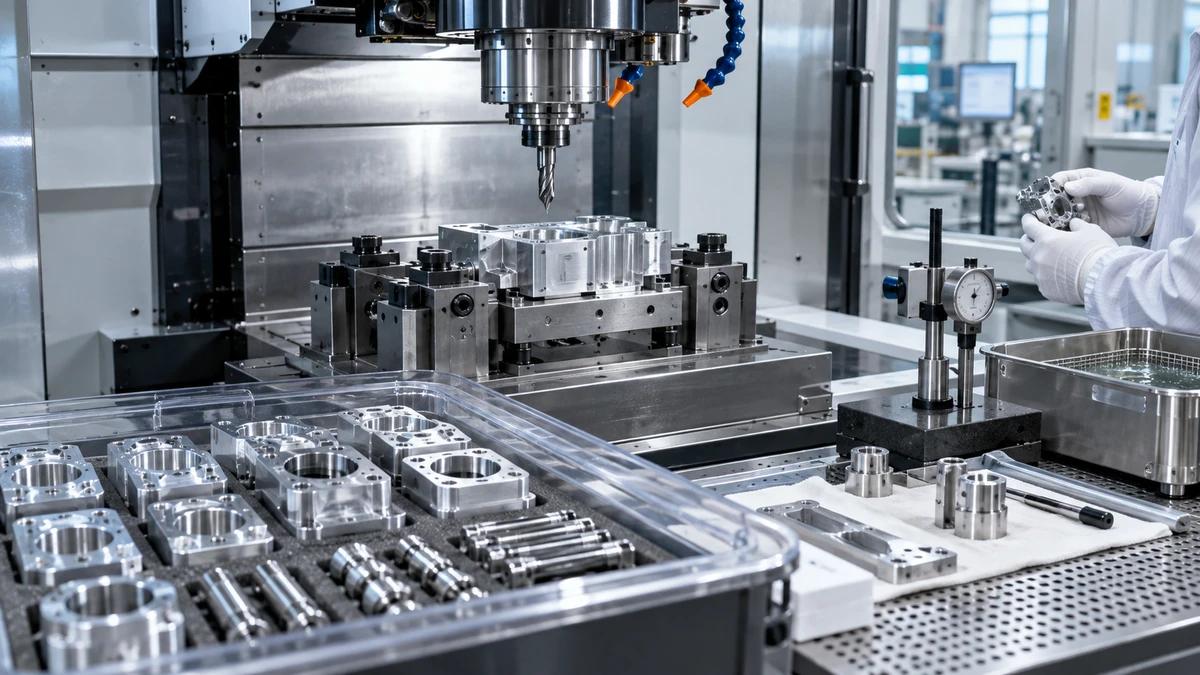
A vertical profile machining center must repeat movement accurately, especially when one part has rows of holes, slots, tapped threads, or multiple features spread along its length.
The linked product page states that the machine uses precision C3-grade large-pitch ball screw drive systems on the X, Y, and Z axes. It also notes that this transmission design supports dynamic response and repeat positioning accuracy, while reducing acceleration and deceleration time compared with conventional moving-column machining structures.
This is not just a technical phrase. Repeat positioning behavior affects daily output. If the machine cannot maintain stable motion, the operator may spend more time checking, correcting, or reworking parts. For batch production, that quickly becomes expensive.
For professional acceptance discussions, buyers can also refer to ISO 230-2:2014, which specifies methods for testing and evaluating the accuracy and repeatability of positioning of numerically controlled machine-tool axes by direct measurement.
Typical Application Areas Buyers Should Consider
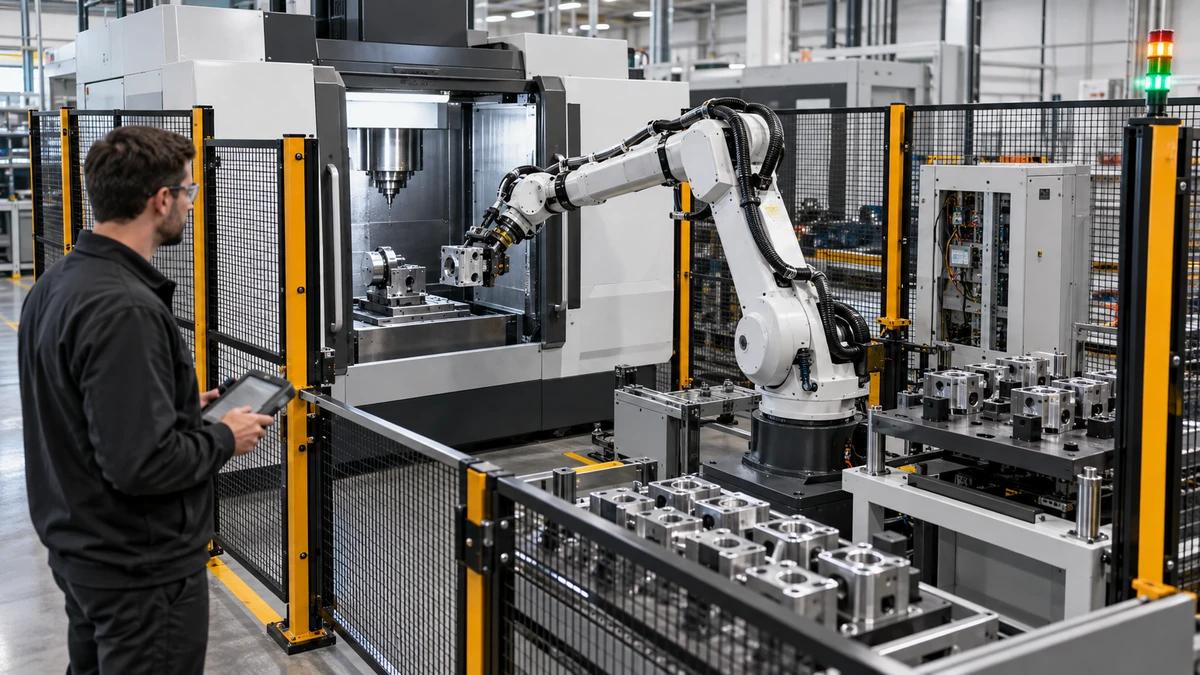
A vertical machining center manufacturer should be able to discuss application fit, not only machine availability. The Zhihe CNC Vertical Profile Machining Center page lists applications across precision electronics, automotive components, medical devices, automation equipment, 3C electronics, robotics, and new energy industries.
| Application Area | Typical Workpieces | What Buyers Should Check |
|---|---|---|
| Aluminum profile processing | Frames, rails, structural profiles | Profile length, fixture support, burr control, chip removal |
| Precision electronics | Frames, plates, compact metal parts | Hole accuracy, surface finish, repeatability |
| Automotive components | Brackets, rails, machined profile parts | Rigidity, batch stability, tool life |
| Medical devices | Precision non-ferrous or plastic components | Dimensional control, surface quality, clean machining |
| Automation equipment | Long beams, supports, guide-related parts | Workpiece support, travel behavior, fixture layout |
| Robotics and new energy | Structural parts, aluminum components | Long-term repeatability and production flexibility |
The point is not that one machine should do every job. The real value is matching the machine to the part family that appears most often in production.
What Buyers Should Ask a Manufacturer
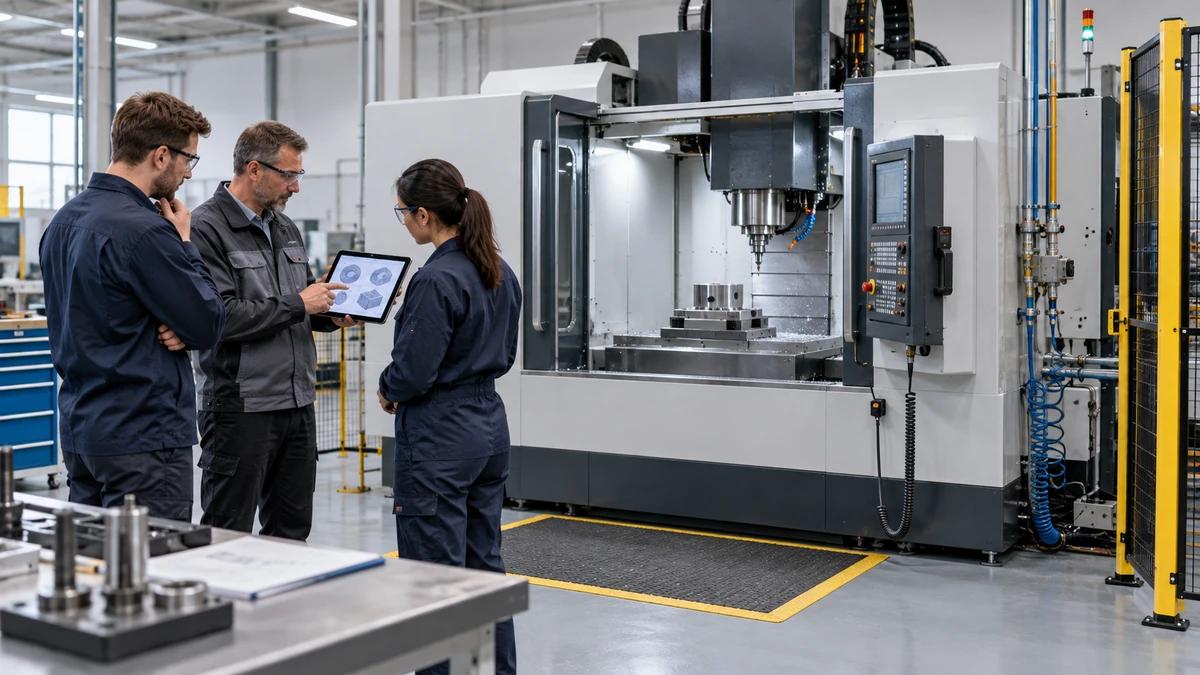
Before placing an order, buyers should send real technical information. A short message asking for “VMC price” usually leads to a generic answer. A serious machine recommendation needs context.
Buyers should provide:
| Information to Send | Why It Matters |
|---|---|
| Part drawings | Shows real geometry, features, and machining risk |
| Material | Aluminum, copper, stainless steel, and plastics behave differently |
| Workpiece size | Confirms whether the machine suits long-profile processing |
| Tolerance requirements | Helps judge structure and transmission requirements |
| Surface finish needs | Affects tooling, spindle strategy, and cutting method |
| Batch quantity | Decides whether cycle time and loading speed are critical |
| Fixture constraints | Prevents clamping and tool-access problems |
| Export requirements | Affects packaging, shipping, documentation, and service planning |
Zhihe CNC’s product page identifies Zhongshan Zhihe CNC Technology Co., Ltd. as a national high-tech enterprise specializing in CNC machine tool R&D, manufacturing, sales, and service. It also states that the company provides diversified customization solutions and professional after-sales support for global industrial customers.
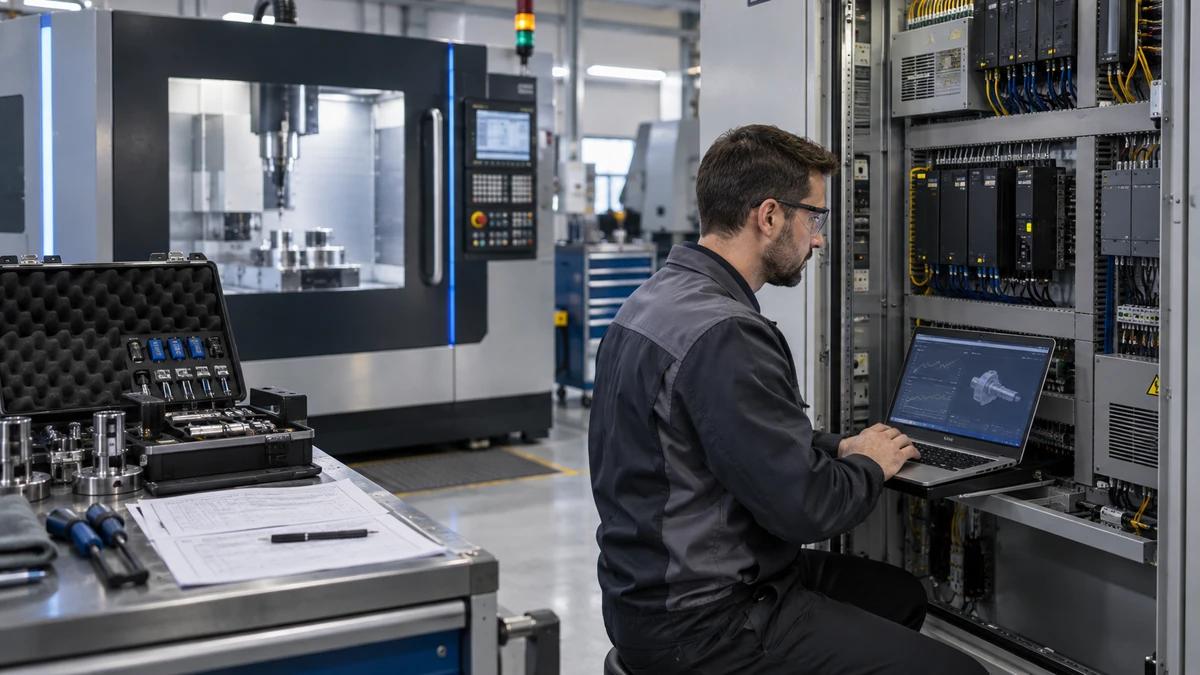
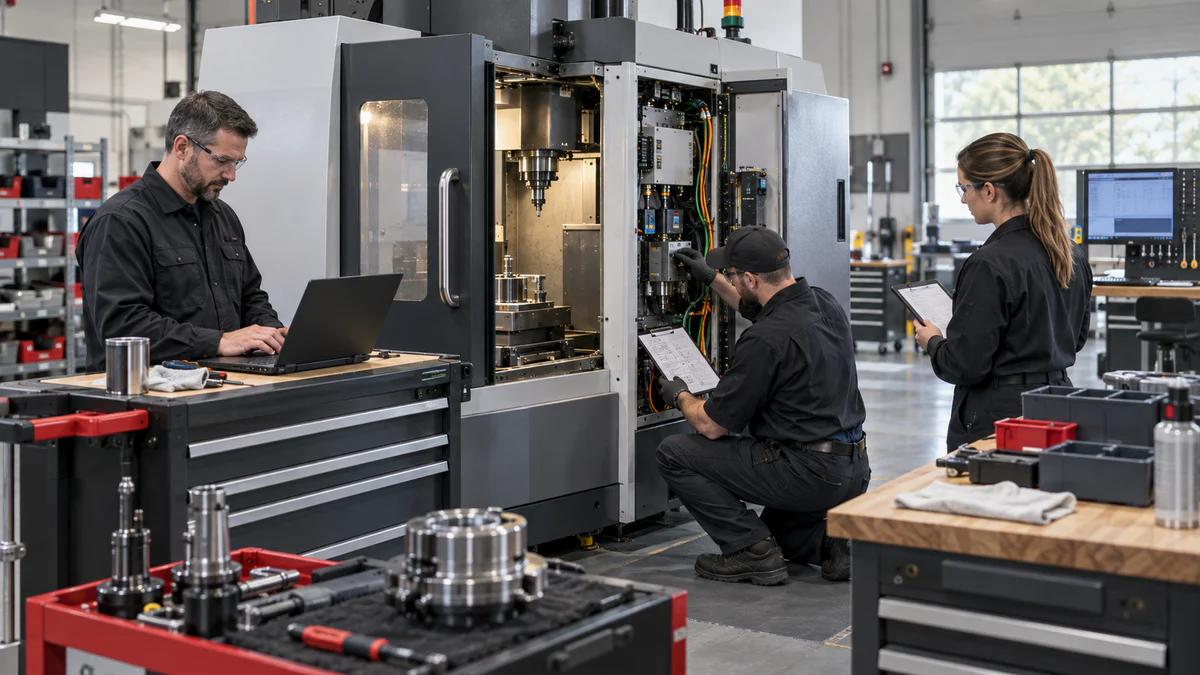
For B2B buyers, that kind of support matters because machine selection is rarely isolated. It connects to fixtures, control systems, trial cutting, installation, training, spare parts, and long-term maintenance.
Common Mistakes Buyers Should Avoid
One common mistake is buying by machine label. “Vertical machining center” is not enough. Buyers should know whether the machine is built for profile machining, general milling, mold work, or heavier cutting.
Another mistake is overbuying size while underestimating process fit. A bigger machine is not automatically better if the fixture is awkward, tool access is poor, or the operator needs too much time to load each part.
A third mistake is ignoring transmission and repeatability. For long-profile machining, repeated movement across the machine travel is part of the job. If the transmission system is not stable, inspection problems may appear later.
Some buyers also treat after-sales service as a secondary item. That is risky. A CNC machine may run for years, so service response, spare parts, training, and technical communication should be discussed before the order is signed.
FAQ
Is a vertical machining center only for aluminum?
No. The Zhihe CNC Vertical Profile Machining Center page lists aluminum, copper, stainless steel, and engineering plastics as suitable materials.
What makes a vertical profile machining center different?
It is designed around long-profile workpieces and complex components. Compared with a general VMC, buyers should pay closer attention to structure, transmission accuracy, fixture space, and long-workpiece support.
Why does rigidity matter for profile machining?
Rigidity helps reduce vibration, chatter, dimensional drift, and poor surface quality. This matters even with aluminum because profiles can be long, thin-walled, and sensitive to clamping.
What should buyers request from the supplier?
Buyers should request model recommendations, fixture discussion, technical specifications, machining process suggestions, acceptance terms, service support, and, when possible, trial cutting based on similar workpieces.
Is ISO 230-2 relevant for machine selection?
Yes. ISO 230-2:2014 provides methods for testing and evaluating positioning accuracy and repeatability of numerically controlled machine-tool axes, which can help buyers make acceptance discussions more objective.
Conclusion
Buyers search for a vertical machining center manufacturer because they are looking for production confidence, not just a machine quotation. They want a supplier that can connect machine structure, transmission accuracy, material capability, customization, and after-sales support to their actual workpiece.
The Zhihe CNC Vertical Profile Machining Center offers a practical example of that approach. Its high-rigidity cross-slide table structure, integrated monolithic base, C3-grade large-pitch ball screw transmission, long-profile machining focus, and wide material/application range make it relevant for aluminum profiles, precision electronics, automotive components, automation equipment, robotics, medical devices, and new energy parts.
The best sourcing process starts with drawings, not assumptions. Once the buyer shares material, dimensions, tolerance targets, fixture requirements, and output goals, the manufacturer can recommend a machine that fits the real production task—not just the keyword in the search box.