Why buyers still ask for a vertical machining center manufacturer
When a factory starts comparing suppliers, the phrase vertical machining center manufacturer usually comes up for one reason: the buyer needs a machine that can keep producing accurate parts without turning the shop into a maintenance project. That sounds simple, but in practice the decision affects throughput, operator workload, floor space, tooling strategy, and even how quickly a production line can recover after a tooling change or process adjustment.
A CNC vertical machining center is often the backbone of repetitive metal-cutting work. It handles drilling, milling, tapping, and multi-face processing in a compact footprint, which is why it appears so often in automotive parts, 3C electronics, aluminum components, precision hardware, and mold shops. For sourcing managers, the real question is not whether the machine can cut metal. It is whether the supplier understands the workpiece, the production rhythm, and the level of support that keeps the cell running after installation.
What the factory layout tells you
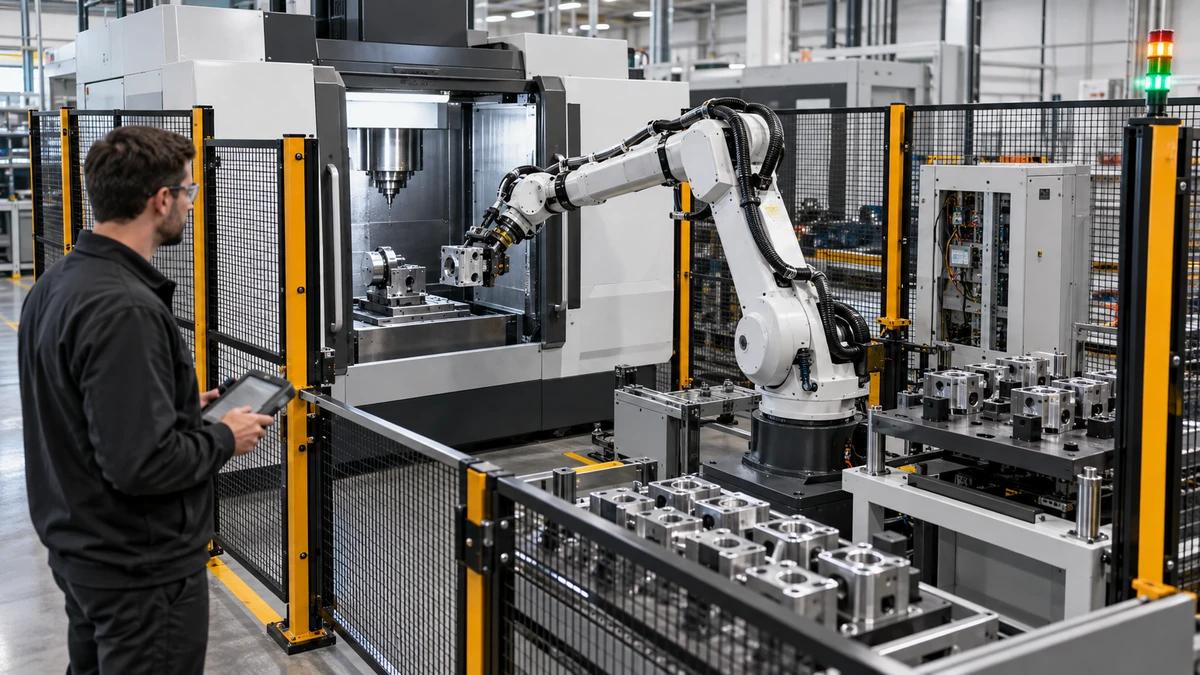
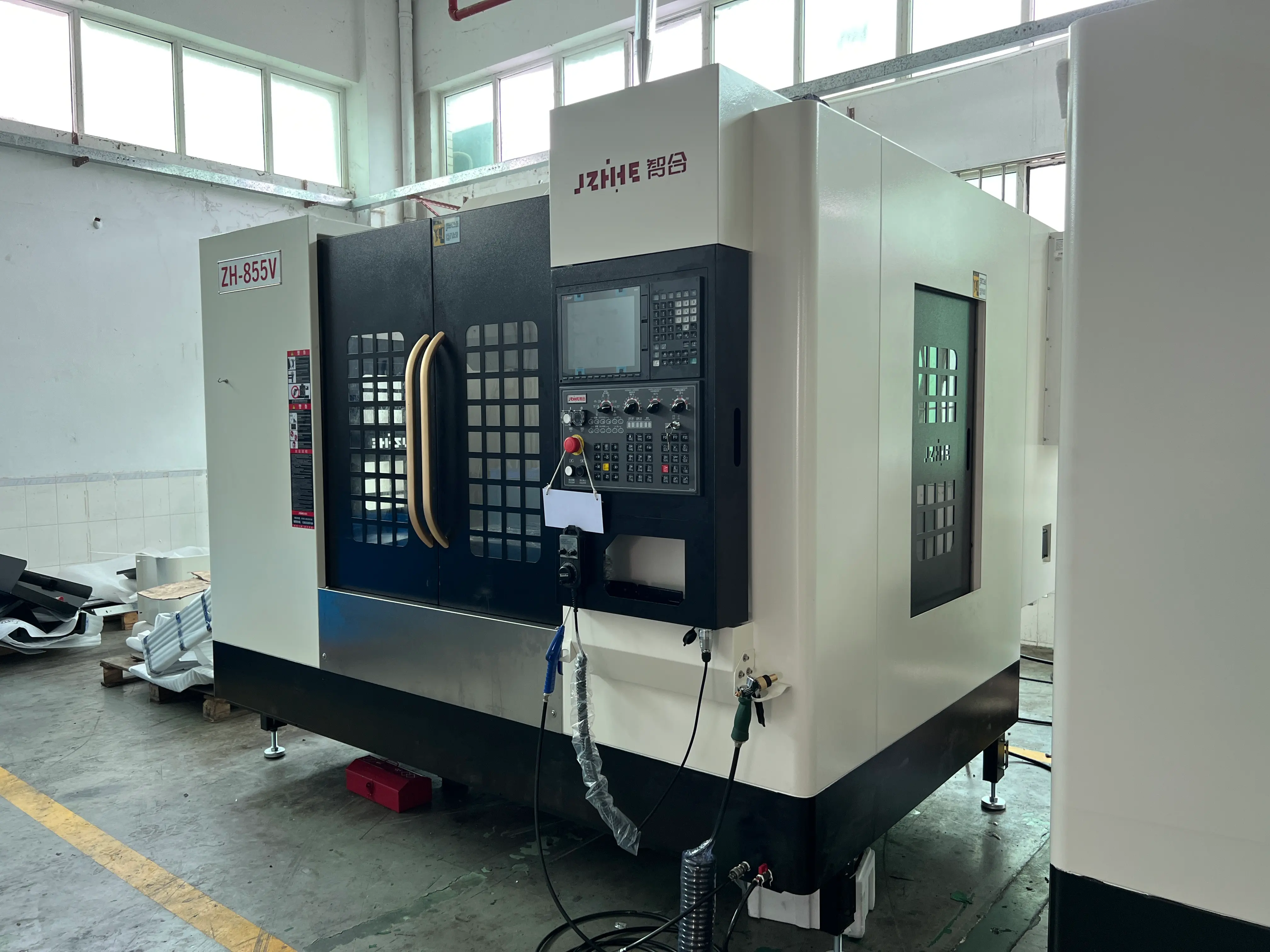
The product information here points to a cell with multiple vertical CNC machining centers arranged in a tight industrial area. That matters. A compact layout usually suggests a buyer is aiming for repeated operations, perhaps with short cycle times or a shared workflow across several machines. Enclosed doors, side-mounted control panels, and service access between units all indicate the supplier is thinking beyond a single machine and toward a production environment.
That is where a VMC machine manufacturer earns its keep. A machine that looks good in a brochure can still be awkward in a real shop if the control is hard to reach, the access door makes loading clumsy, or maintenance points are buried. In a line of machines, small ergonomic problems multiply quickly. One operator might tolerate them. A two-shift production cell will not.
Company capability matters as much as the iron
Zhongshan Zhihe CNC Technology Co., Ltd. was established in 2018 and builds a range of equipment including vertical machining centers, horizontal machining centers, gantry machining centers, drilling and tapping centers, CNC milling machines, and five-axis machining centers. That broad product scope is useful for buyers because it usually means the supplier can compare machine types instead of pushing one model into every job.
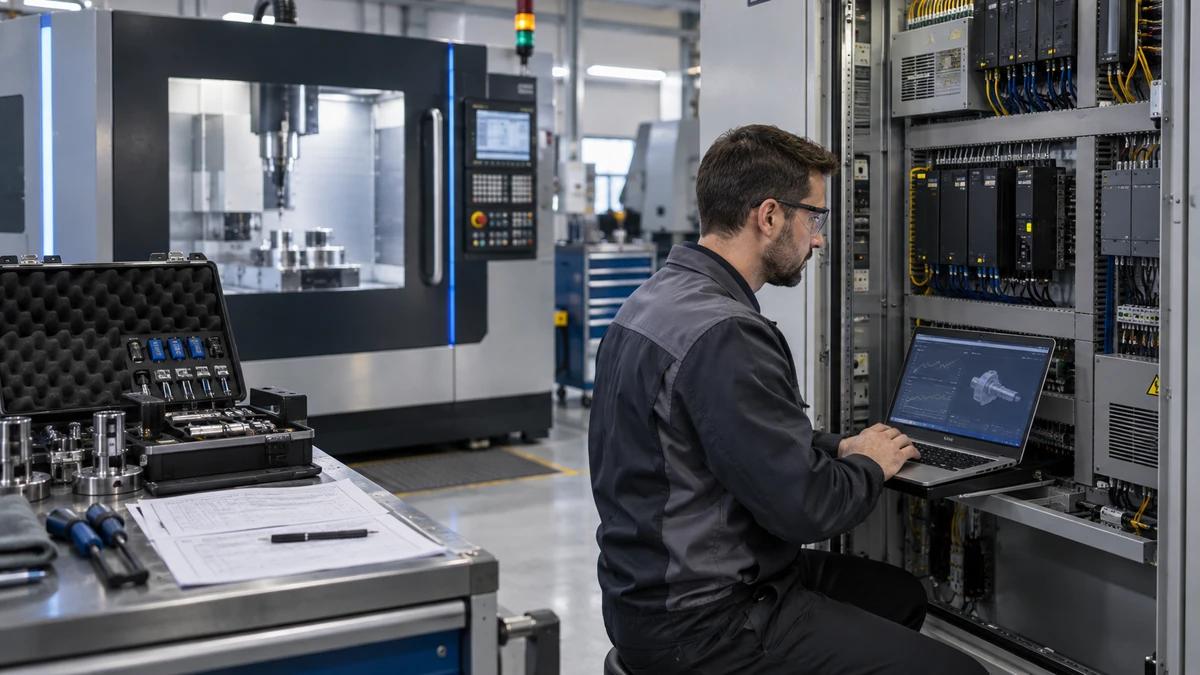
According to the company information, Zhihe also supports engineering, assembly, inspection, installation guidance, operator training, warranty service, and spare parts support. For industrial buyers, those are not decorative extras. They affect commissioning risk. A machine that arrives on time but sits idle for lack of setup support can cost more than a slightly higher purchase price from a more responsive supplier.
What to look for in a machining center purchase
Match the machine to the part family
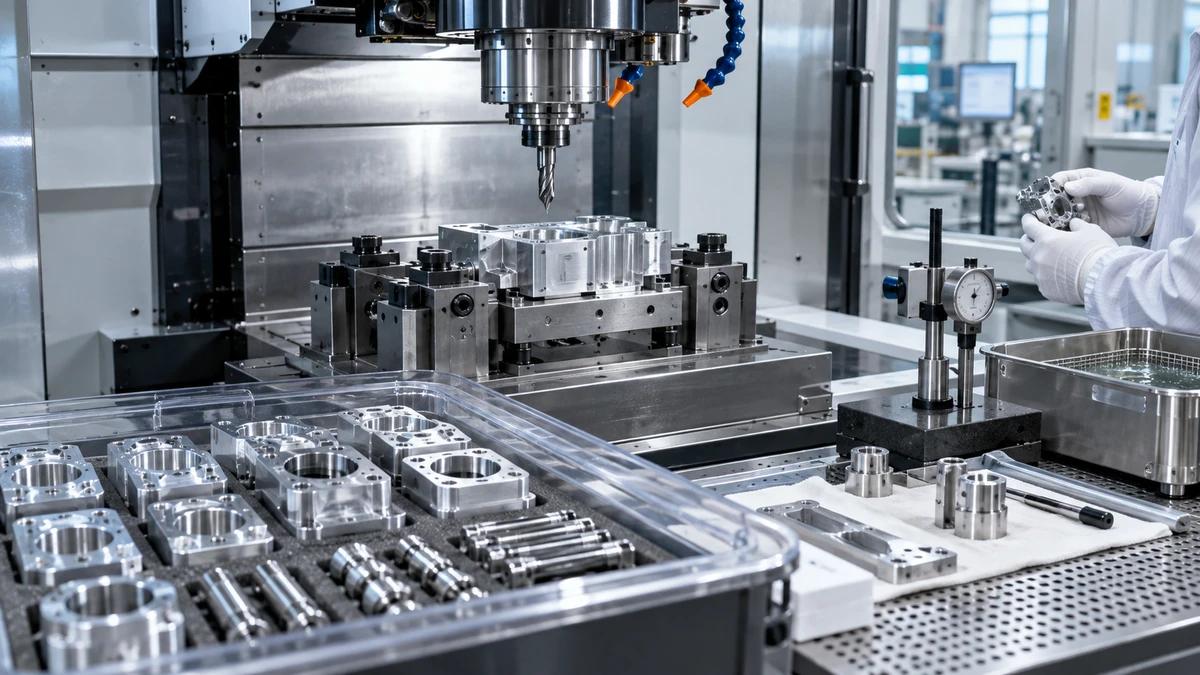
Buyers often start with axis count or brand names, but the better starting point is the part family. Are you machining housings, plates, brackets, molds, or repeated precision parts with similar geometry? The answer determines whether a standard CNC vertical machining center is enough or whether you need a more specialized setup. The company notes that its machines are suited for drilling, tapping, milling, multi-face machining, mold work, and batch production. That is a broad fit, but the final decision should still be based on the actual workpiece drawing and material.
Look at configuration flexibility
One practical advantage of working with a machine tool supplier rather than a catalog seller is configuration support. Zhihe says it can recommend machine models, help with control system selection, support fixtures, and conduct trial cutting. That kind of flexibility matters when a part has awkward clamping surfaces or when the shop needs to balance precision against cycle time. A machine with the wrong control or the wrong fixture arrangement can waste more time than it saves.
Check support for shipping and installation
International buyers should pay attention to packaging and delivery support. The company states that it can provide safe packaging, sea freight or land transport coordination, and delivery documents and photos for overseas customers. That sounds routine, but anyone who has received damaged machine components knows it is not. Heavy equipment is unforgiving of careless packing.
Common mistakes when selecting a VMC
The most common mistake is treating every vertical machining center as interchangeable. They are not. A machine suited to general industrial parts may not be the best choice for high-mix electronics housings, and a machine built for batch work may not suit a mold shop that needs flexibility more than raw speed. Another mistake is ignoring the service relationship. Shops sometimes buy on machine price alone, then discover that setup advice, spare parts, or operator training is patchy. That is where a modestly priced machine becomes expensive.
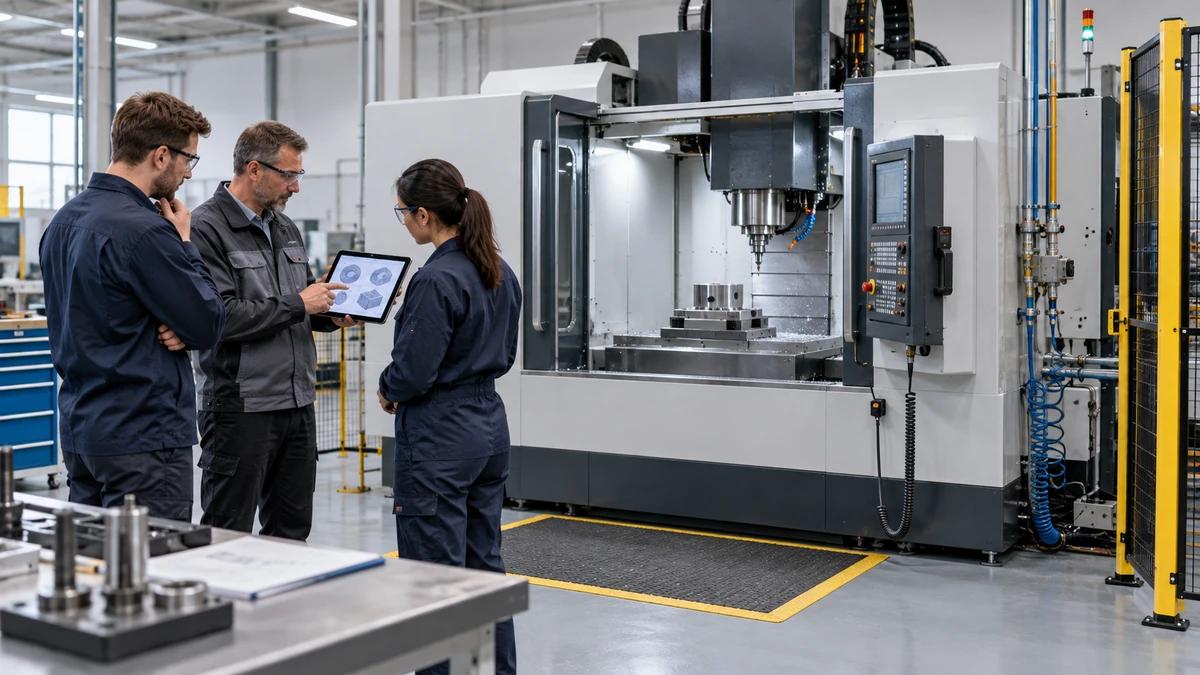
There is also a visual trap. A tidy enclosed machine with a clean control panel and neat cable management looks reassuring, but it does not replace the need for verified specifications. Spindle speed, table size, travel, axis count, control brand, and accuracy capability all still need to be confirmed from the actual model sheet. The visible product image suggests an organized, production-oriented cell, but it does not reveal the performance envelope.
Who this type of machine is best suited for
Shops making automotive components, precision metal parts, aluminum housings, communication equipment parts, or general industrial components will usually find the CNC vertical machining center a sensible starting point. It is also a practical choice for contract manufacturers who need one platform to cover several recurring jobs. If the workload is more specialized, the buyer should ask whether a drilling and tapping center, a five-axis unit, or another machine category would do the job better.
Buyer advice before you request a quote
If you plan to contact the supplier, prepare the part drawing, material, dimensions, precision requirements, machine type preference, and target output. That is the fastest way to get a meaningful recommendation. Zhihe explicitly asks for those details when preparing quotations, and that is a good sign. It means the supplier is willing to talk about process fit, not just sell a box with a spindle.
For buyers comparing several vendors, the useful questions are straightforward: How will the machine be configured for my part? What support comes with commissioning? Can the supplier help with trial cutting and fixture selection? How do they handle packaging, transport, and spare parts? Those answers tell you more about the real value of a vertical machining center manufacturer than a glossy spec sheet ever will.
Next step for sourcing teams
If your production plan calls for stable, repeatable metal machining, this is the stage to narrow the field and request a process-based recommendation. Share the workpiece data, ask for a machine match, and compare suppliers on support as much as hardware. That is usually where the better long-term decision shows up.
For direct inquiry, Zhongshan Zhihe CNC Technology Co., Ltd. lists contact support through Liu Xiaobang at zhcnclathe@gmail.com and WhatsApp/WeChat +86 13620089178.