What buyers really need from a vertical machining center manufacturer
Choosing a vertical machining center manufacturer is rarely about buying a machine off a spec sheet and moving on. For most shops, the decision affects part quality, operator workload, floor-space planning, and how much time gets lost when a job changes over. A CNC vertical machining center may look straightforward from the outside, but the value is usually buried in the less visible details: rigidity, control system fit, service support, and whether the builder understands your parts well enough to recommend the right configuration instead of the biggest one.
That matters because buyers are not just shopping for iron. They are choosing a production tool that has to fit a process. A machine that is too small can choke on workpiece size or fixturing. One that is too complex can sit underused, especially in toolrooms or mixed-production plants. The better question is not simply “Which VMC should we buy?” but “Which VMC machine manufacturer can help us match machine structure, control, and support to the work we actually run?”
Why the machine layout matters before the brand name does
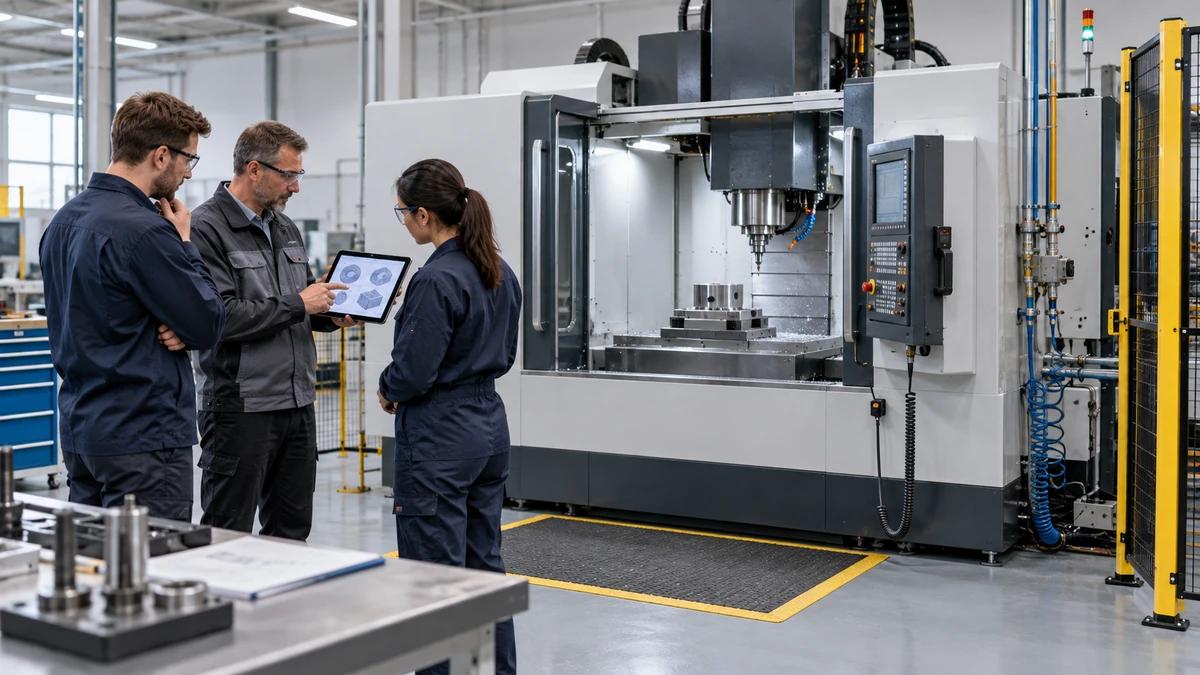
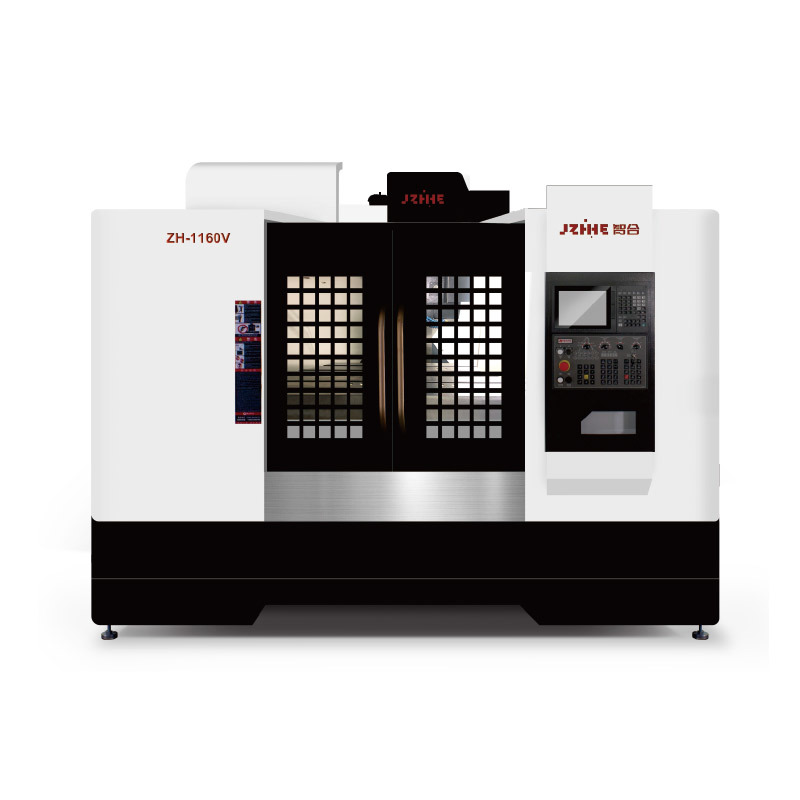
The product photos and company profile point to the familiar enclosed vertical machining center format: cabinet-style steel housings, front access doors with viewing windows, and a front-side control console. That layout is common for good reasons. It supports safer chip containment, helps keep coolant where it belongs, and gives operators a cleaner environment than open manual equipment ever could.
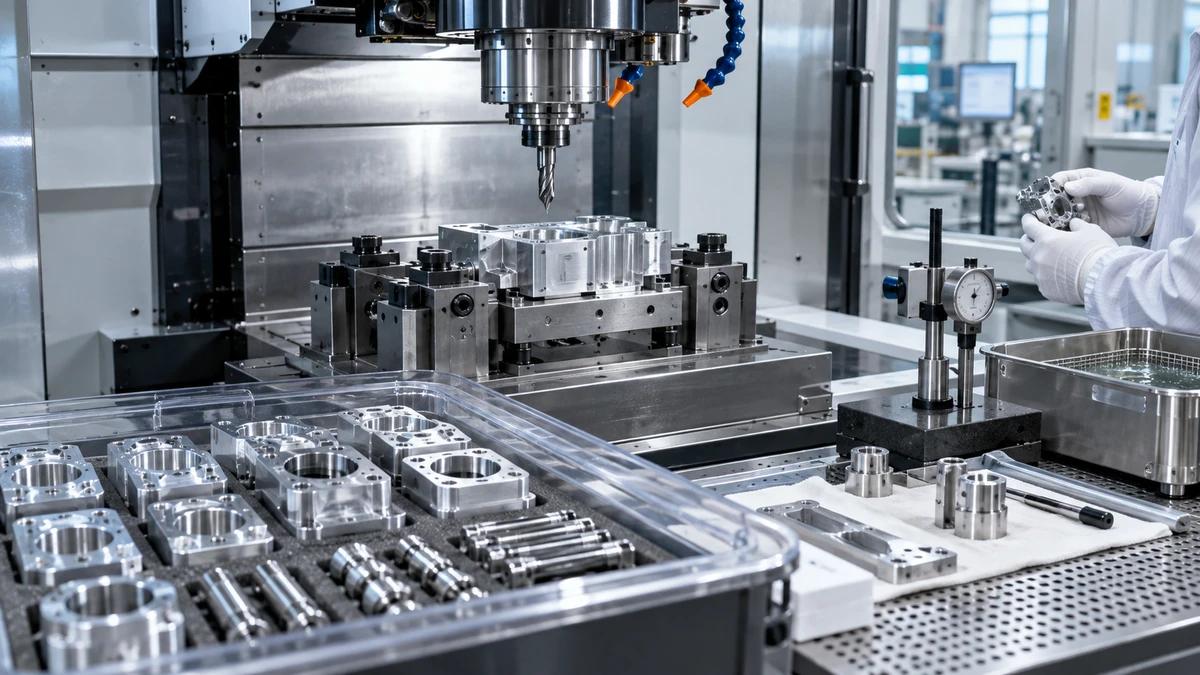
For buyers, the enclosed vertical form also signals practical shop-floor use. These machines are generally suited to drilling, tapping, milling, multi-face work, mold components, and repeat batch production. In a production cell, multiple identical machines can improve workflow, but only if loading, tooling, and program management are disciplined. Otherwise, the extra capacity just multiplies small mistakes.
What a capable VMC supplier should be able to explain clearly
A serious VMC machine manufacturer should not hide behind generic “high precision” language. They should be able to discuss how the machine is intended to be used and what trade-offs come with different configurations. From the company information provided, Zhongshan Zhihe CNC Technology Co., Ltd. offers vertical machining centers, horizontal machining centers, gantry machining centers, drilling and tapping centers, CNC milling machines, and five-axis machining centers. That breadth matters because it suggests the supplier can help match the machine type to the part family, not just sell one category repeatedly.
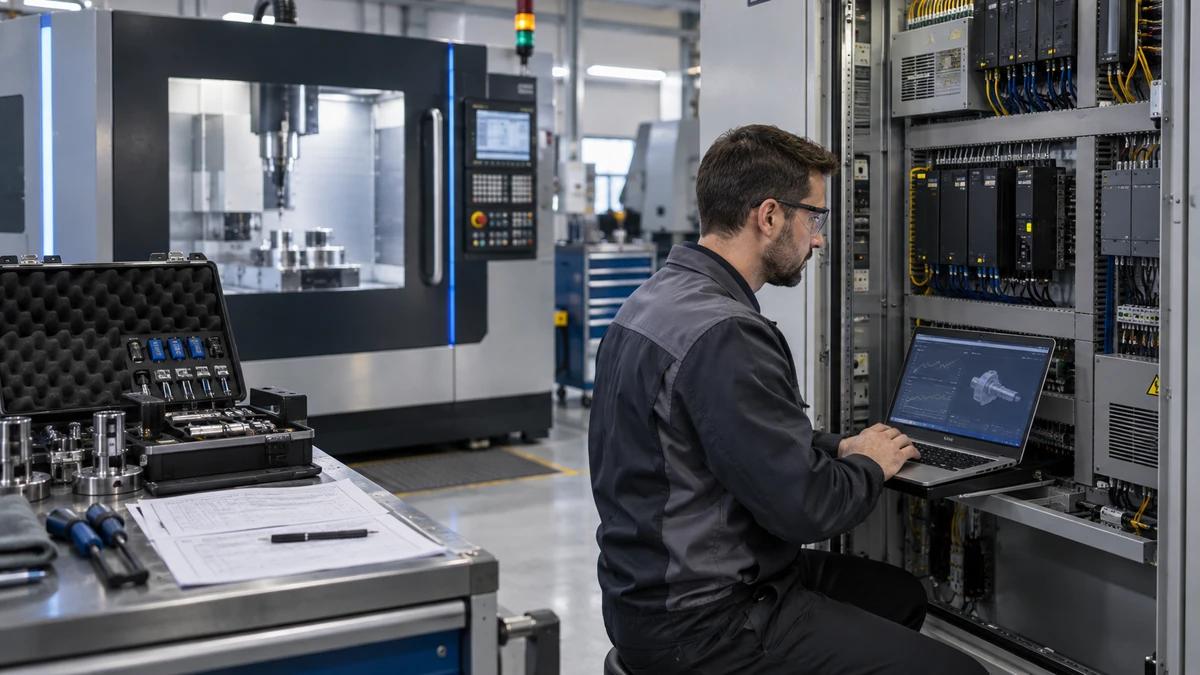
They also state that they support selection guidance, control system choice, fixture support, trial cutting, installation guidance, training, warranty service, and spare parts support. In practice, that is the kind of support structure buyers should look for when comparing a vertical machining center manufacturer. A machine that arrives with the wrong control feel, awkward fixturing, or unclear setup expectations can cost more than a slightly more expensive but better-supported alternative.
Quick buyer checklist
Before you issue an RFQ, ask for a recommendation based on the workpiece drawing, material, dimensions, precision requirements, machine type, and planned capacity. That sounds basic, but many purchase failures begin with incomplete part data.
Also ask how the supplier handles packing, shipping, and post-delivery support. The company profile mentions secure packaging and domestic or overseas logistics coordination, including shipping photos and documents for overseas customers. For importers, that is not a small detail; damaged guarding, misaligned accessories, or missing documentation can delay commissioning by weeks.
Where this type of machine fits best
A CNC vertical machining center is usually strongest where repeatability and upright access help production. Typical applications include automotive components, 3C electronics parts, aluminum machining, precision hardware, communication equipment, mold work, home appliance parts, and lithium battery equipment components. Those are broad categories, but the common thread is clear: parts that need consistent milling, drilling, tapping, and dimensional stability across a production run.
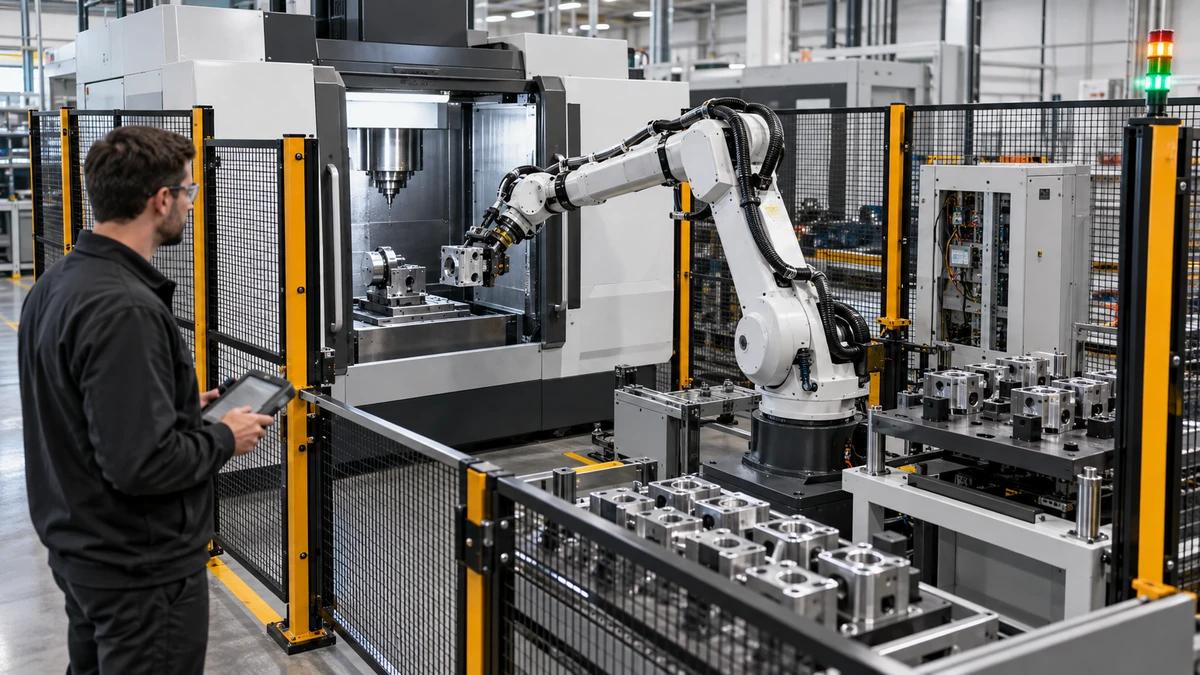
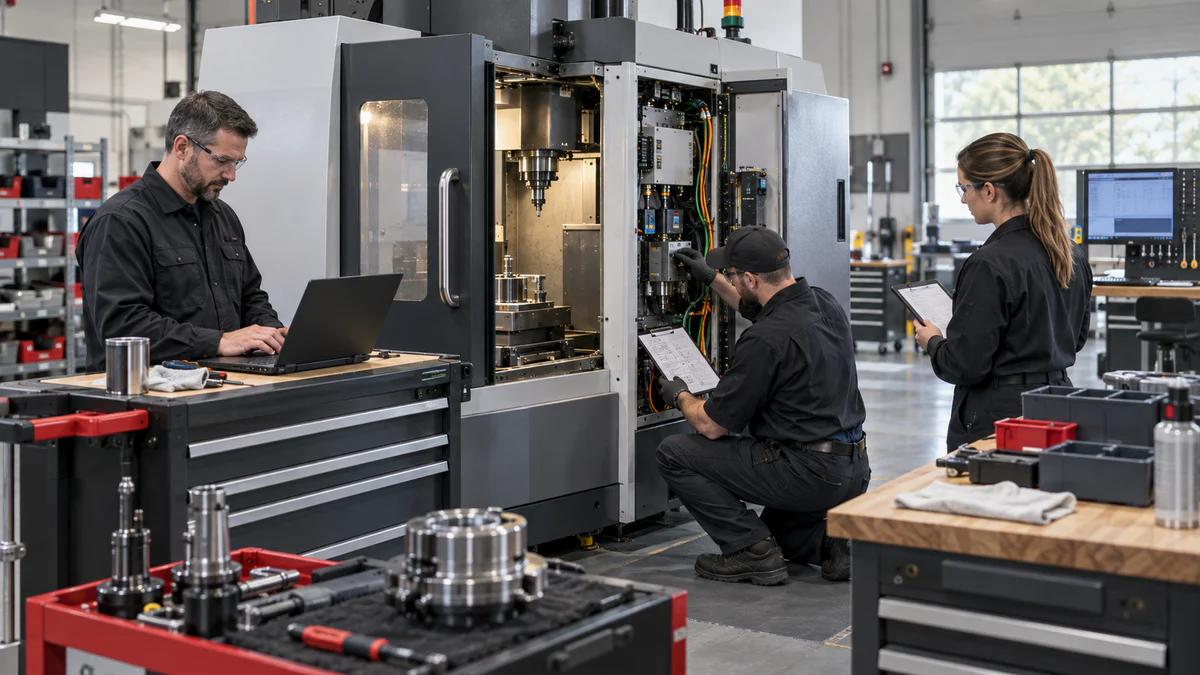
The visible machine cell suggests an organized shop environment, which is often what buyers want to see from a supplier. Clean installation, enclosed guarding, and digital controls tell you the equipment is meant for controlled production rather than ad hoc fabrication. That said, buyers should be cautious about assuming a clean showroom setup means every machine will behave the same on every job. The part, fixture, toolpath, and operator routine still matter more than the paint color.
Common mistakes when evaluating a vertical machining center manufacturer
One mistake is chasing only the highest axis count or the largest table, even when the work does not require it. Another is ignoring control system preference. Operators often develop habits around one interface, and retraining has a real cost.
A second mistake is skipping trial cutting. The company information notes trial verification support, which is useful because sample cutting can expose issues that brochures never reveal: chip evacuation, surface finish behavior, tool access, and whether the machine suits your fixturing style.
A third mistake is treating after-sales support as an afterthought. When a machine is down, response time matters more than promotional language.
Practical next step for sourcing teams
If you are comparing suppliers, build your request around the part, not the machine brochure. Share drawings, material, size, precision target, and expected throughput. Then ask the vertical machining center manufacturer to recommend a configuration, explain the control option, and outline the support package from packing through training.
For buyers who want a conversation rather than a catalog drop, Zhongshan Zhihe CNC Technology Co., Ltd. lists direct contact through email and WhatsApp/WeChat, and they invite inquiries based on actual workpiece requirements. That is usually the right starting point. A machine purchase becomes much easier when the supplier is willing to talk through the job first and the hardware second.