The Direct Buyer Answer
Small batches expose every hidden support task. A vertical machining center for small batch production should be judged over a week of mixed work, not a single uninterrupted cycle. Zhihe CNC recommends a week ledger that shows setup, first-piece approval, changeovers, tool preparation, inspection, cleaning, held work and recovery alongside spindle time.
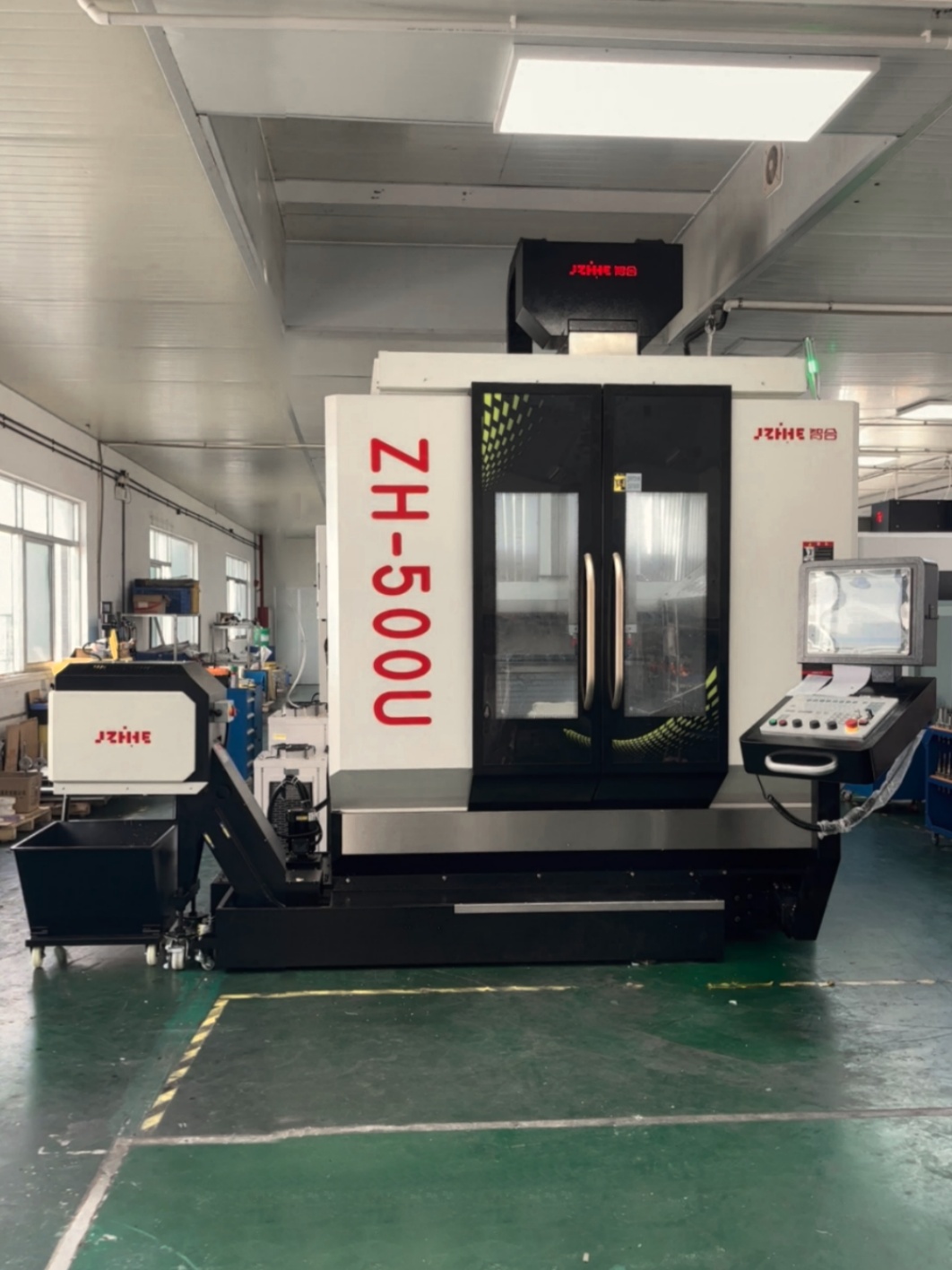
One Week on the Shop Floor: Working Map
| Week moment | Decision | Record |
|---|---|---|
| Monday plan | Which jobs and priorities are real? | Released queue and assumptions |
| First setup | Can the datum and tools be reproduced? | Setup passport and first-piece data |
| Changeover | What is waiting or missing? | Time by task and owner |
| Midweek event | How does the cell recover? | Tool or hold event record |
| Friday review | What was actually released? | Accepted output and open issues |
Set the Mixed-Job Queue
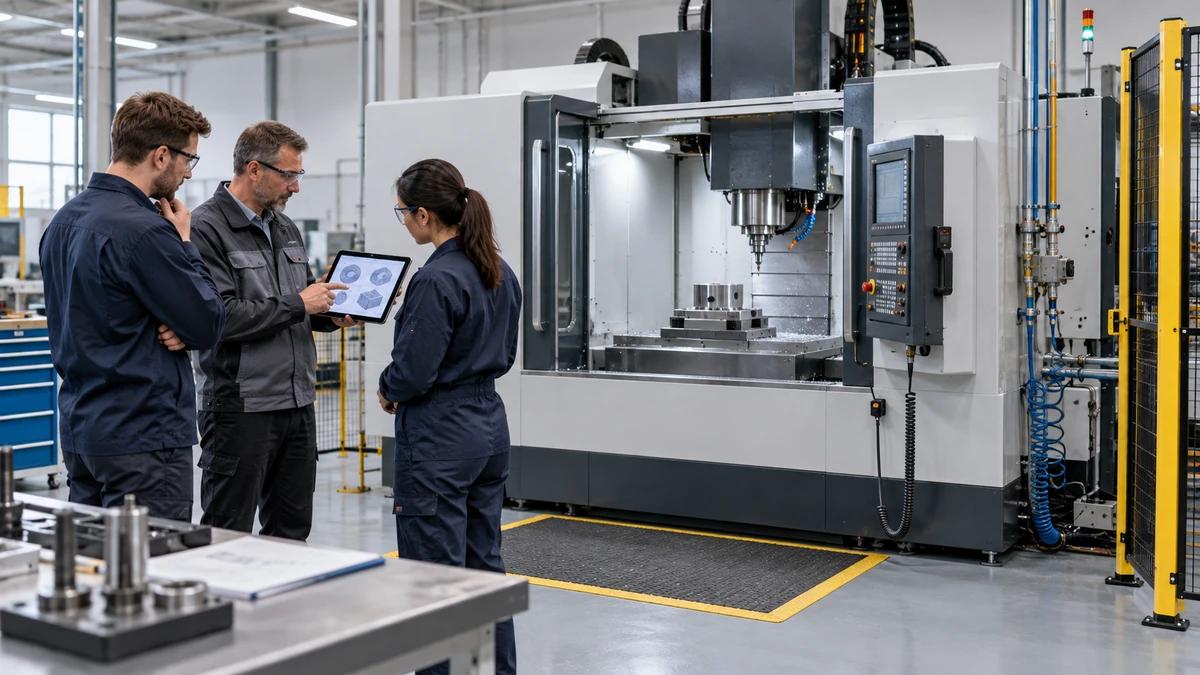
List part families, quantities, due dates, material, fixtures, tools, programs, gauges and release features. Mark urgent work separately from work that can be grouped. A small-batch cell is often constrained by preparation and decisions, so the queue should show those dependencies before a machine is selected.
Use a representative week rather than the most favorable sequence. Include a difficult changeover and a job with external inspection. Zhihe CNC keeps the declared mix visible so capacity is not built on one unusually efficient part.
Monday: Prove the First Setup
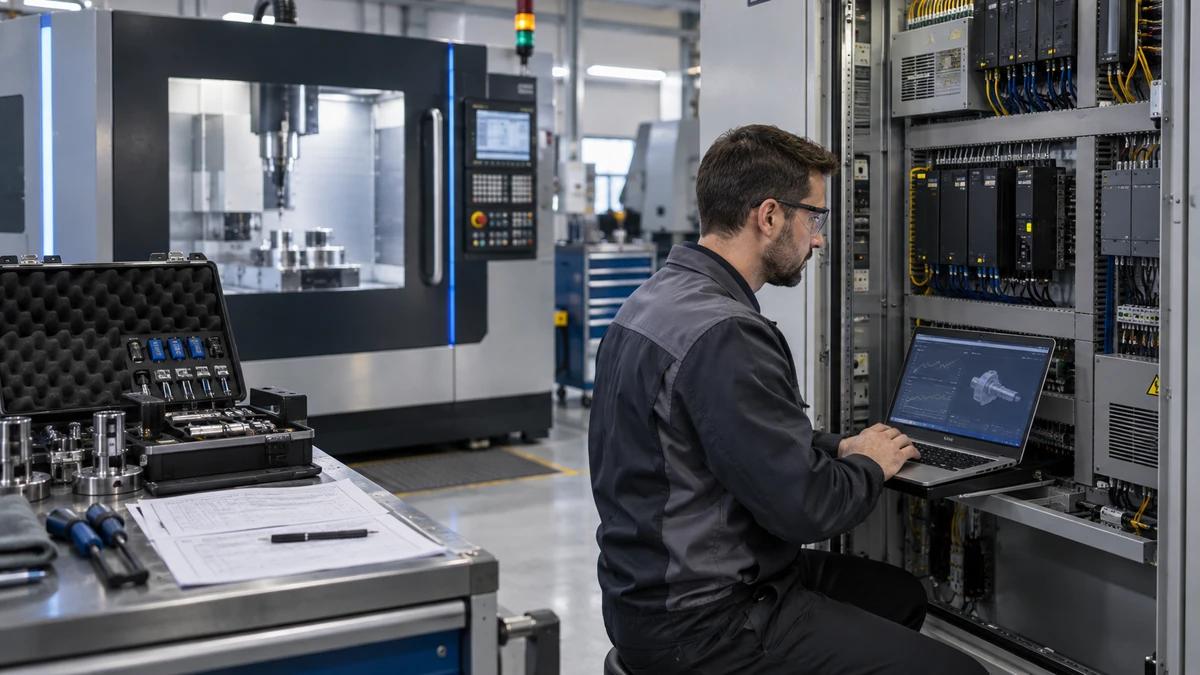
Record fixture, datum, clamps, tool assemblies, presets, program checksum, coolant, probing and first-piece route. Capture the time from material arrival to a released first piece. This is the first capacity number that matters for a small batch.
Separate engineering waiting from machine work. If a drawing question delays release, assign an owner and keep the time visible. A vertical machining center for small batch production should expose queue ownership instead of charging every delay to the spindle.
Tuesday: Measure Changeover Friction
Track unload, cleaning, fixture exchange, tool preparation, program selection, probing, offset verification and first-piece inspection. Record walking and waiting separately. Small batches can lose more time in these steps than in cutting.
Compare planned and actual changeover. Identify the one task that would benefit most from a fixture standard, preset list, better storage or a clearer approval rule. Do not assume automation is the first answer until the queue is understood.
Wednesday: Run the Tool Event
Use a planned tool-life trigger or inspection hold. Record tool identity, wear, replacement, preset, offsets, affected jobs, containment and retest. The goal is to demonstrate a normal recovery route without creating unsafe conditions.
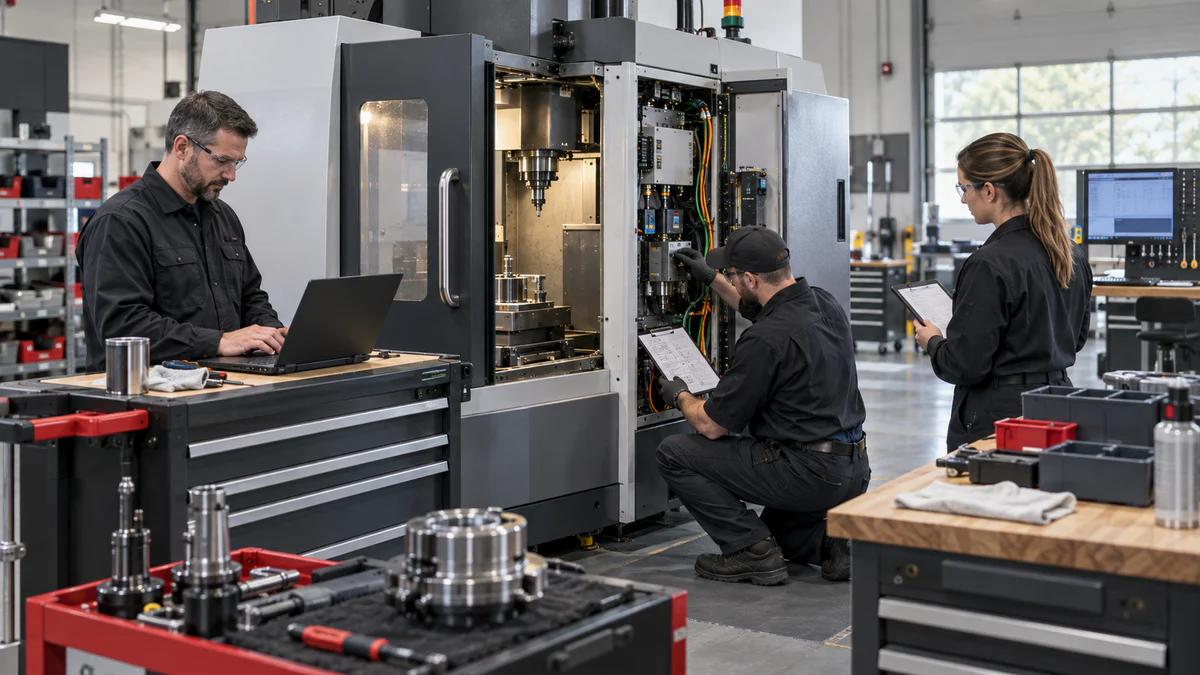
Keep held work identifiable and define the restart owner. If the replacement changes surface or size, repeat the affected measurement. Zhihe CNC treats recovery as part of small-batch readiness, not an exception outside the business case.
Thursday: Stress the Inspection Queue
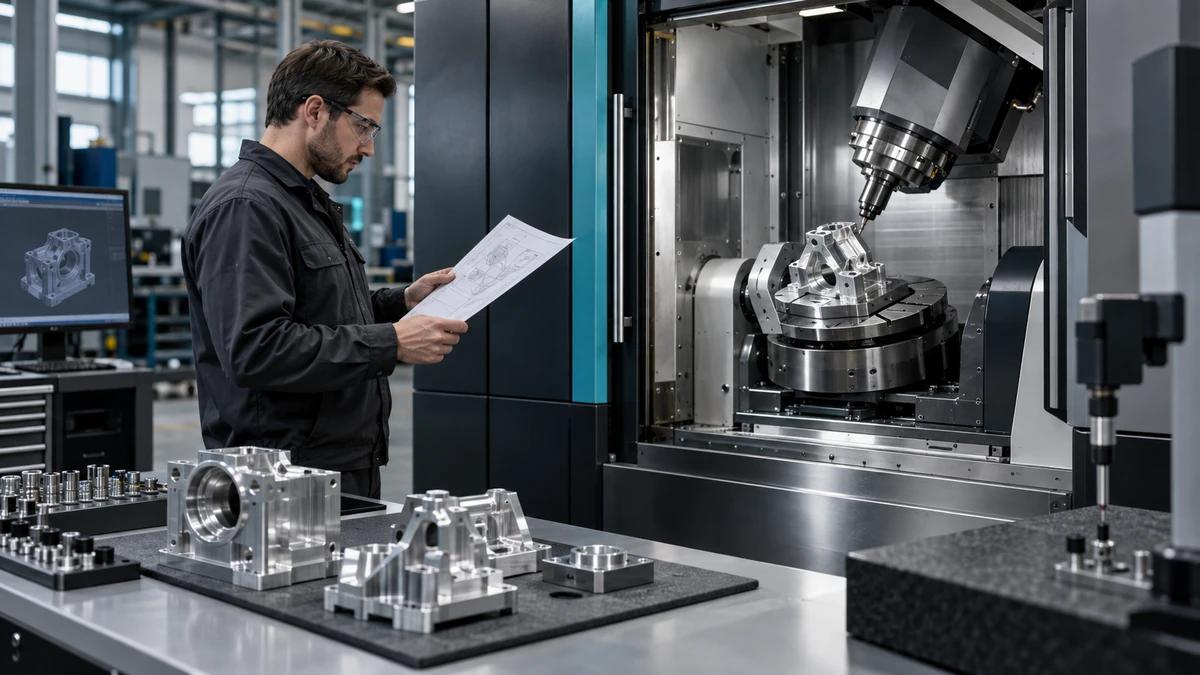
Map gauge availability, CMM or external inspection, sampling, raw data, correction decisions and transfer. A machine can cut quickly while released output waits for a gauge or an authorized reviewer.
Measure the time from last cut to release. If inspection is shared, state the queue and escalation. Include handling and cleaning where large or delicate parts need special care.
Friday: Close the Accepted Output
Count released, held, reworked and scrapped pieces by job. Reconcile material, tools, fixtures, inspection and maintenance. Divide complete declared time by released pieces, then show the mix so another week is not compared unfairly.
Review which assumptions failed: staffing, tool availability, drawing clarity, fixture access, downstream transfer or service. Give each issue an owner, evidence and due date. The week ledger becomes useful when it drives a next action.
Build a Setup Passport Library
For recurring jobs, preserve fixture photos or drawings, datum, tool list, offsets, probing, program revision, inspection points and known cautions. Version the passport with the drawing. This reduces memory work but does not remove the need for first-piece approval after a change.
Mark the tasks that can be delegated and those requiring engineering or quality authority. A vertical machining center for small batch production gains flexibility when setup knowledge is visible and controlled.
Protect Small-Batch Tooling
List common holders, cutters, probes, preset devices, sister tools, storage, reorder triggers and ownership. Shared tools can become a hidden queue. Tie every critical tool to a job family and a replacement rule.
Review tool availability before accepting a rush job. If a shortage changes the route, record the revised condition and its effect on quality and time. Zhihe CNC keeps tooling assumptions in the same file as capacity.
Keep the Cell Safe and Observable
Define guards, chip handling, cleaning, lockout, lifting, operator access and safe states. Production pressure should not erase the stop authority or encourage undocumented hand work. OSHA guidance and local risk assessment remain part of release.
Observe cleaning and recovery with the delivered access. Record who owns daily care, scheduled maintenance and escalation. The cell is ready when normal work can be performed safely and repeatably.
Review the Month, Not Just the Week
After several declared weeks, compare accepted output, mix, changeover, tool events, holds and service cases. Do not turn a small sample into a universal forecast. Use the data to choose the next fixture, gauge, training or scheduling action.
Reopen the baseline after part, material, staffing, tool, fixture, program, gauge or site changes. Keep the original week files so improvements remain traceable.
Evidence Ledger
| Ledger line | Include | Why it matters |
|---|---|---|
| Setup | Unload, fixture, tools, probe, first piece | Shows small-batch preparation |
| Changeover | Cleaning, storage, program, offsets, approval | Reveals flexibility cost |
| Support | Inspection, chips, maintenance, holds | Connects cutting to release |
| Output | Released, held, reworked, scrapped | Prevents ideal-cycle claims |
Turn the Week Into a Standard
After the declared week, choose one improvement that removes a recurring queue and one control that protects quality. Examples include a setup cart, a preset list, a fixture standard, a gauge booking rule or a clearer engineering hold. Assign the change to a team and measure the next comparable week.
Do not erase the original ledger when the result improves. Keep both versions so management can see which assumption changed. A small-batch cell becomes more flexible when its learning is documented and its next action is visible to the people who run the work.
Make Flexibility Visible to Purchasing
A small batch vertical machining route should show which flexibility is physical and which depends on people, tools or decisions. List the fixture positions, common holders, preset readiness, gauge access and approval path that make the week work. Zhihe CNC recommends attaching this list to the commercial review so the buyer does not compare a fully prepared cell with a machine-only offer.
After the first month, revisit the small batch vertical machining ledger with production, quality and maintenance. Compare the accepted mix with the planned mix, then mark each difference as a scheduling issue, tooling issue, inspection queue, training gap or machine limitation. Close the difference with evidence or a dated owner instead of silently changing the capacity assumption.
Use the Ledger as a Handoff
A small batch vertical machining ledger should travel from applications to production with the accepted mix, setup passports, tool assumptions, gauge queue and open actions. The small batch vertical machining route is flexible only when another trained operator can reproduce the decision without relying on a private spreadsheet or memory.
Review the small batch vertical machining evidence after a real changeover and a normal hold. If the route depends on a particular person, tool or external gauge, record that dependency and its owner before quoting the next batch.
Buyer FAQ: small batch vertical machining
Why use a week ledger?
It reveals mixed-job setup, changeover, inspection and recovery work hidden by a single cycle.
What is a setup passport?
A controlled record of fixture, datum, tools, offsets, program, inspection and cautions.
How should changeover time be measured?
Separate cleaning, fixture exchange, tools, probing, approval, walking and waiting.
Does a faster spindle solve small-batch capacity?
Not when preparation, gauges, decisions or tool availability control released output.
Why run a planned tool event?
It tests normal recovery, replacement, preset, offsets, retest and held-work control.
What should Friday review include?
Released, held, reworked and scrapped work plus material, tools, maintenance and open issues.
How does Zhihe CNC protect flexibility?
Zhihe CNC versions setup passports and ties tooling, inspection and scheduling assumptions to the mix.
When should a baseline reopen?
After changes to part, material, fixture, program, tools, gauges, staffing or site.
How should shared gauges be handled?
Record queue, timing, raw data, escalation and the release authority.
What should buyers send?
Send the weekly mix, batch sizes, fixtures, tools, due dates, inspection and staffing assumptions.
Bring the Decision to Zhihe CNC
Send Zhihe CNC the controlled drawings or CAD, material and stock, critical features, annual volume, batch mix, fixture concept, tool limits, inspection route, site conditions and service region. Review the Zhihe CNC product portfolio, the company and factory profile, and the engineering inquiry route. For small batch vertical machining, request a dated configuration, representative trial, acceptance boundary, open-assumption list and named support owner.
Reference Boundary
The ISO machining-centre reference and OSHA machine-guarding guidance offer machine-test or safeguarding context. They do not replace drawing-specific acceptance, local risk assessment, product certification, regulatory release or the buyer's operating procedures.