Choosing a Vertical Machining Center Supplier: What Buyers Actually Need to Judge
When buyers start comparing a Vertical Machining Center supplier, the machine itself is only part of the decision. The harder question is whether the supplier can match the machine to the workpiece, the production rhythm, and the support level required after installation.
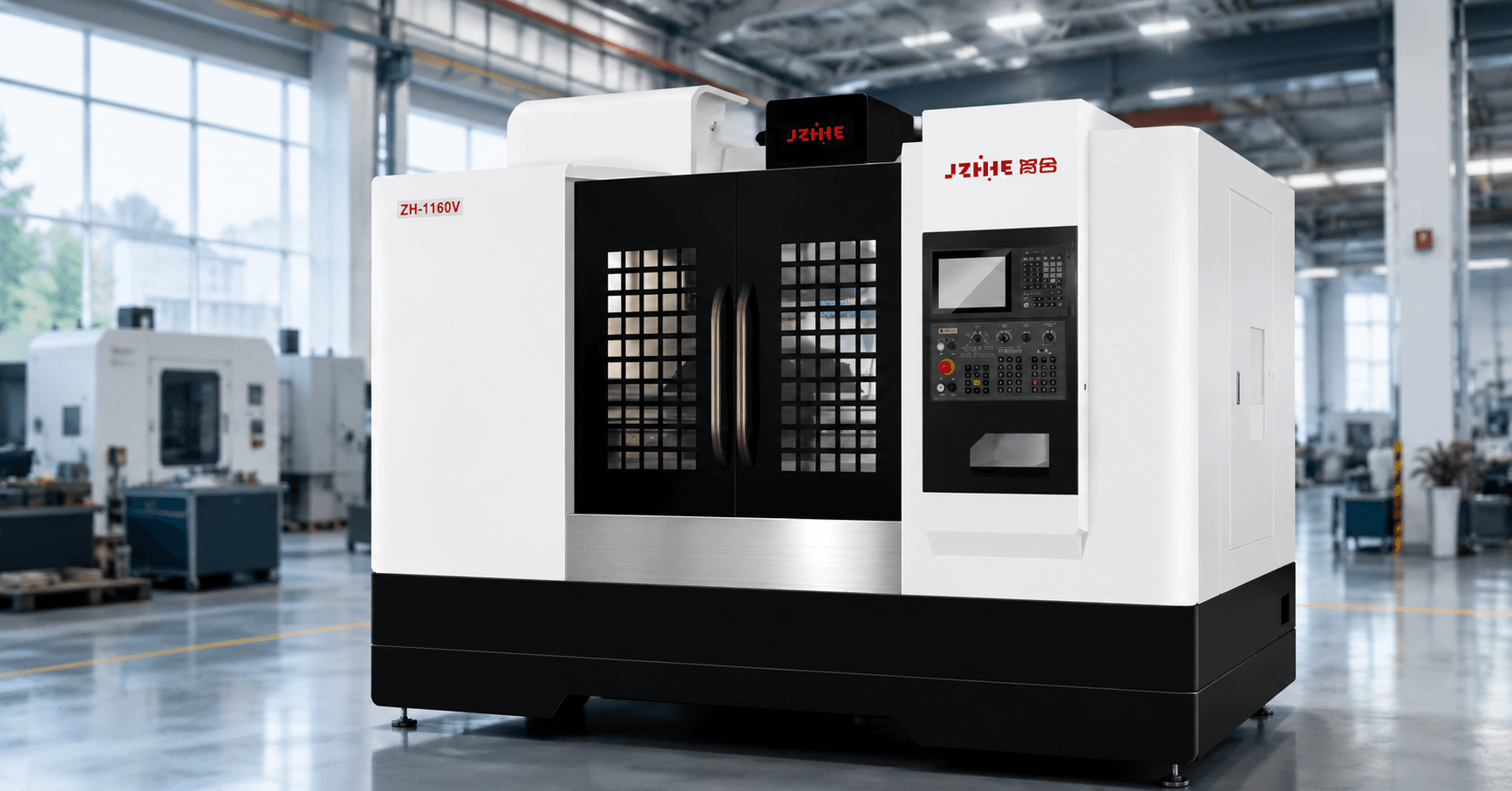
A VMC may look suitable in photos. It may have a clean enclosure, a familiar operator panel, and a standard vertical spindle layout. Yet the real purchasing risk sits deeper: machine rigidity, control of vibration, chip evacuation, operator access, application fit, delivery support, and service response.
For engineers, sourcing managers, and factory owners, the goal is not to choose the most attractive machine on a product page. The goal is to reduce risk before the purchase order is signed. A good supplier should explain how the machine fits the buyer’s parts, not simply quote a model name.
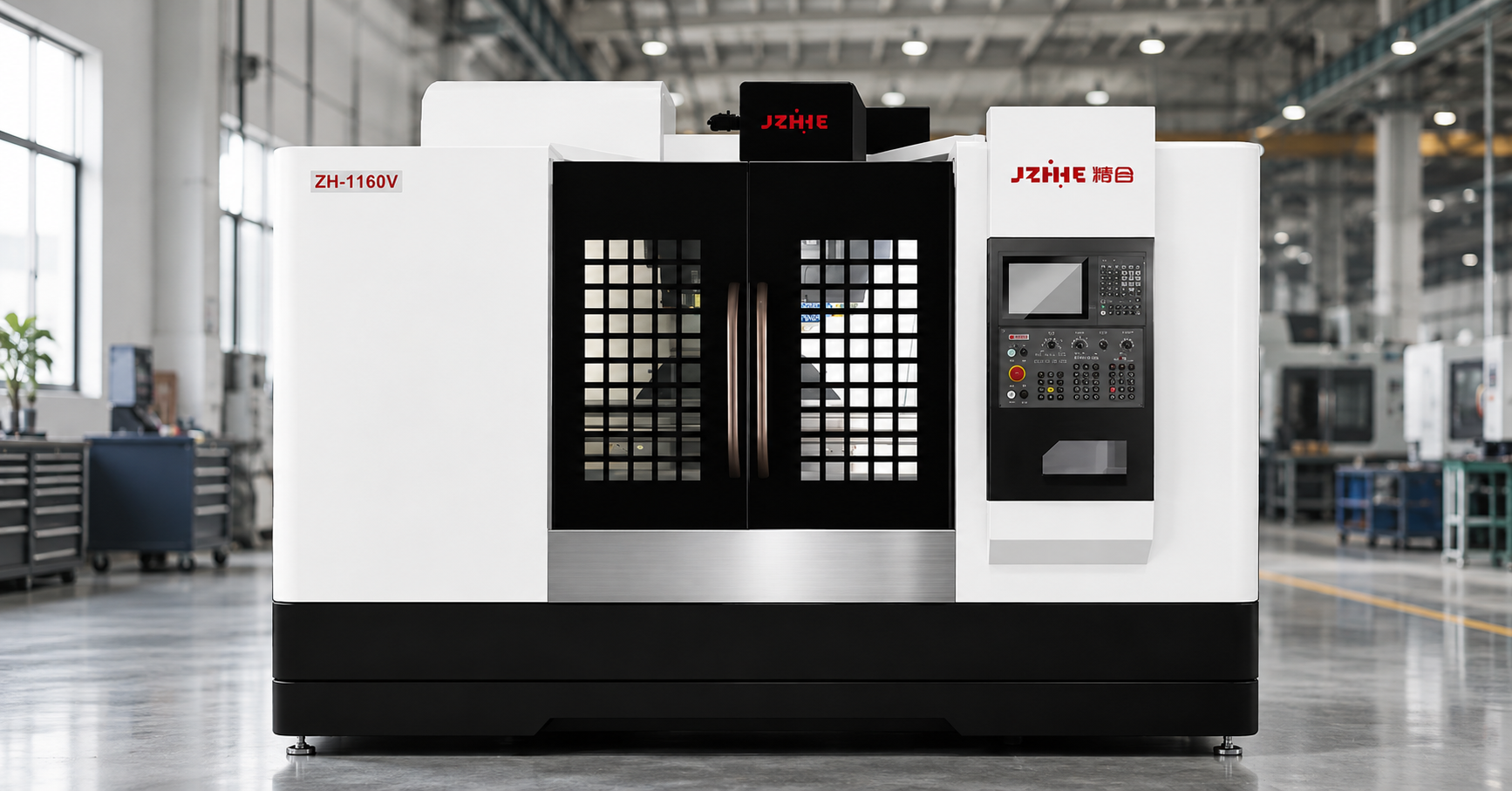
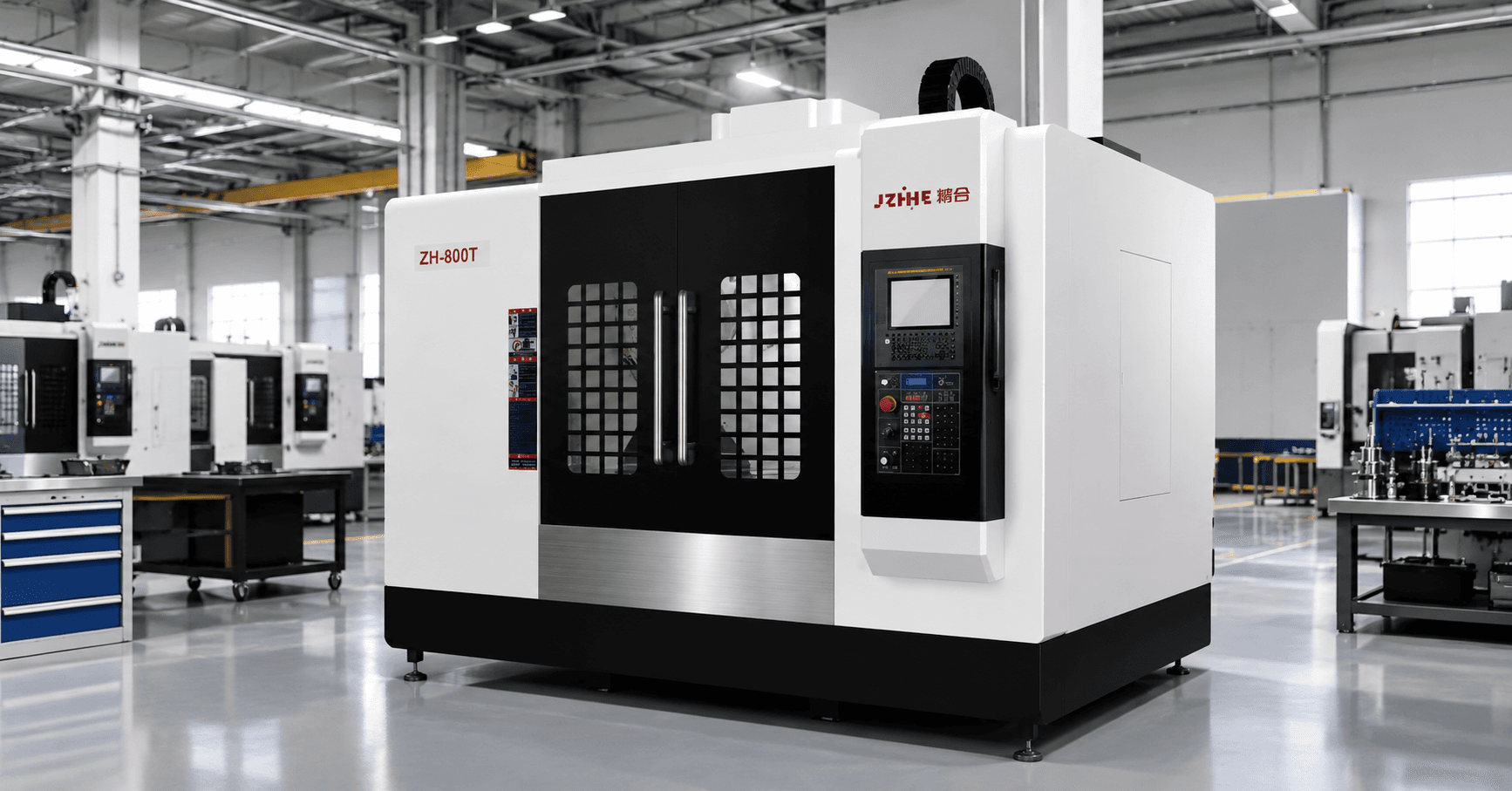
The linked Zhihe CNC product page describes a fixed-column vertical machining center designed for precision machining and mass production. It highlights a fixed-column integral layout, reinforced cross-slide table structure, smooth motion control, and positioning accuracy during high-speed machining operations.
What the Machine Type Suggests
A fixed-column vertical machining center is usually selected when buyers need stable CNC milling, drilling, tapping, and precision machining on small-to-medium industrial parts. Compared with open or lighter-duty equipment, an enclosed VMC gives the shop a more controlled cutting area and a more repeatable production environment.
The referenced Zhihe CNC machine is described as using an extra-large monolithic machine base and a wide-span A-frame column structure. According to the product page, this structure is intended to improve vibration resistance and deformation control under intensive cutting conditions.
For buyers, this matters because rigidity is not a marketing phrase. It affects surface finish, tool life, dimensional consistency, and whether the machine can remain stable during repeated production. A supplier that cannot explain machine structure clearly may not be ready to support a demanding production application.
What a Good Supplier Should Help You Decide
A vertical machining center manufacturer should do more than send a quotation. The better supplier helps buyers answer practical questions:
- What parts will be machined most often?
- Are the parts mainly aluminum, steel, precision hardware, or mixed materials?
- Is the work mostly milling, drilling, tapping, or surface finishing?
- Does the part require batch consistency or only occasional prototype work?
- Is the machine structure suitable for the expected cutting load?
- How will chips and coolant be managed during daily operation?
- What installation, training, and service support will be available?
The product page says the machine uses heavy-duty roller linear guideways on all three axes to improve dynamic responsiveness, operational stability, and machining consistency. That is the kind of product detail a supplier should be able to connect with real applications, such as precision parts, hardware products, automotive components, or small industrial assemblies.
Product Data Buyers Should Review
| Review Area | Product Page Information | Why Buyers Should Care |
|---|---|---|
| Machine structure | Fixed-column integral layout | Supports stable machining and production repeatability |
| Table / machine design | Reinforced cross-slide table structure | Helps improve rigidity during machining |
| Base and column | Extra-large monolithic base with wide-span A-frame column | Supports vibration resistance and deformation control |
| Axis guideways | Heavy-duty roller linear guideways on all three axes | Helps improve motion response and operational stability |
| Chip management | Rear-mounted coolant flushing and chip evacuation system | Reduces chip buildup and supports production reliability |
| Operation concept | Compact design with user-friendly operation | Helps daily shop-floor use and operator access |
| Application direction | 5G communication, automotive, medical, hardware, small assemblies, high-volume industrial parts | Shows the intended industrial buyer profile |
The public product page focuses mainly on structural features, chip evacuation, key benefits, and application areas. Buyers should still request the full technical specification sheet before final comparison, including travel, table size, spindle power, spindle speed, controller, tool magazine, coolant configuration, accuracy data, and optional equipment.
Why Chip Removal Should Not Be Treated as a Small Detail
Many buyers focus first on spindle speed, travel, and machine size. Those are important, but chip removal can quietly affect daily productivity.
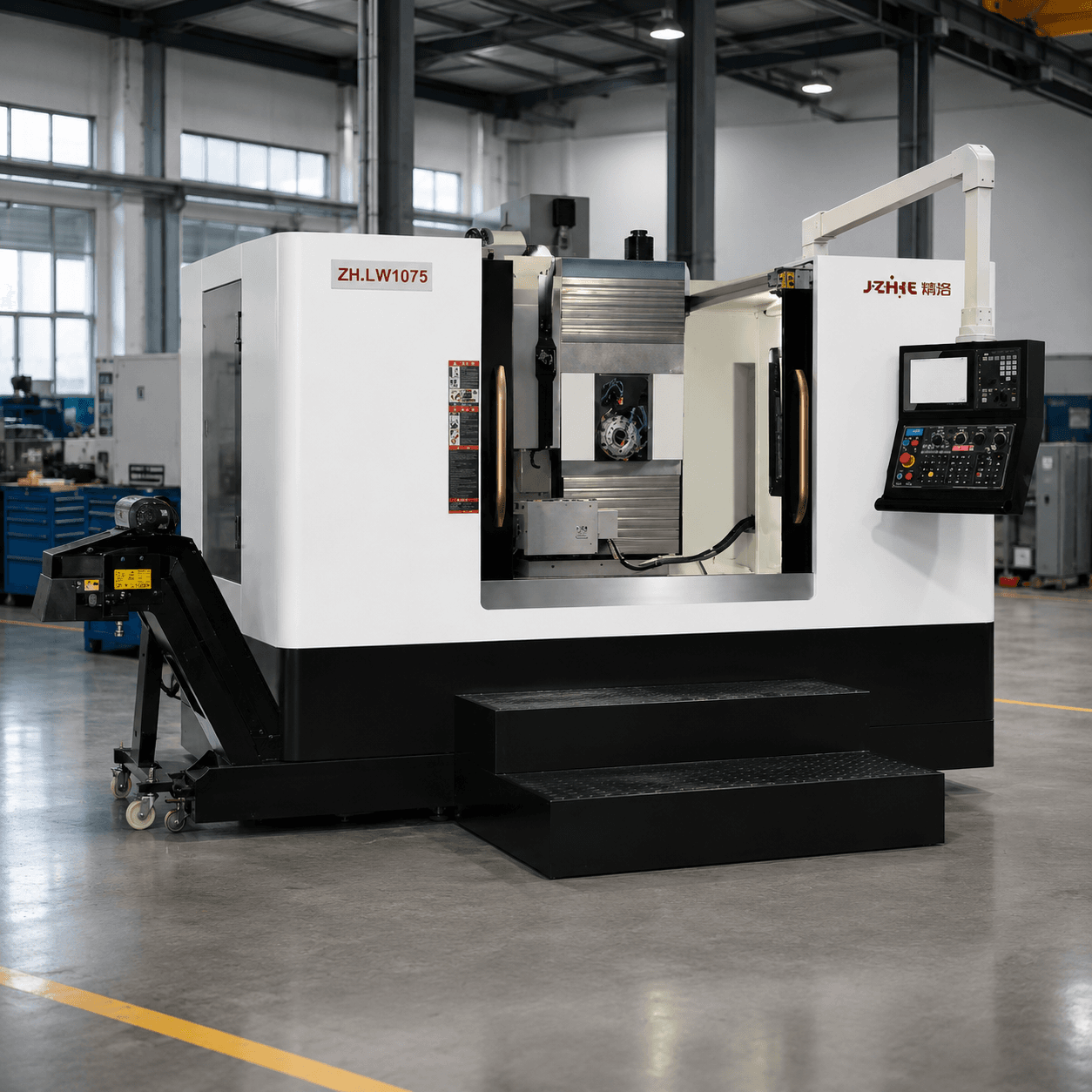
The referenced machine integrates a rear-mounted coolant flushing and chip evacuation system. The product page states that this system helps remove chips during machining, prevent buildup, improve production reliability, and make maintenance and cleaning easier.
For buyers running production parts, this is not a minor feature. Poor chip control can increase cleaning time, affect coolant quality, interrupt production, and make operators less efficient. A good supplier should explain how chip evacuation works for the buyer’s material and part geometry, especially when the work involves pockets, holes, cavities, or continuous batch machining.
How to Judge Whether the Supplier Understands Applications
A supplier’s product range is useful, but application understanding matters more. Buyers should ask the supplier to explain which machine type fits the workpiece and why.
The linked product page lists applications such as 5G communication structural components, automotive parts manufacturing, medical device production, premium hardware products, small precision assemblies, and high-volume industrial component production.
These industries do not all have the same needs. A 5G communication component may require precision and clean surface control. Automotive parts may require repeatability and cycle stability. Medical device production may place greater pressure on consistency and inspection. Hardware products may require cost-effective batch output. A serious supplier should be able to discuss these differences instead of treating every inquiry as the same machine quotation.
Quick Checks Before Comparing Quotes
Before comparing two or three supplier proposals, buyers should confirm the basics in writing:
| Item to Confirm | Why It Matters |
| Exact machine model and configuration | Prevents confusion between similar-looking machines |
| Work envelope and table size | Confirms whether the part and fixture fit |
| Table load | Prevents overload or weak fixture planning |
| Spindle specification | Affects material removal, tool choice, and cutting stability |
| Axis guideway and structure | Influences rigidity, vibration resistance, and repeatability |
| Controller system | Affects operator training and programming workflow |
| Tool magazine | Determines whether multi-step parts can run efficiently |
| Coolant and chip removal | Affects daily uptime and cleaning workload |
| Accuracy verification | Helps buyers judge whether claims are measurable |
| Installation and training | Reduces startup risk after delivery |
| Spare parts and warranty | Affects long-term ownership cost |
The Zhihe CNC page describes the machine as combining rigidity, precision, and efficiency for smart manufacturing environments, with benefits including consistent machining quality, reduced downtime, and improved productivity. Buyers should ask how those claims are supported for their specific part family.
Common Buying Mistakes
One common mistake is buying to a headline specification and ignoring the surrounding process. Travel, spindle speed, and machine size matter, but they do not replace fixture planning, chip management, operator training, and service readiness.
Another mistake is assuming every vertical machining center behaves the same once installed. It does not. A fixed-column structure, roller guideways, base design, column layout, coolant flushing, and chip evacuation can all change the real production experience.
A third mistake is focusing only on purchase price. A low-cost machine can become expensive if installation support is weak, operators are poorly trained, or spare parts are difficult to obtain. In CNC equipment sourcing, the cheapest quotation is not always the lowest-risk choice.
Who This Type of Supplier and Machine Fits Best
Based on the linked product page, this type of machine is suitable for manufacturers that need stable machining of precision and industrial components, especially in sectors such as 5G communication, automotive parts, medical devices, premium hardware, small precision assemblies, and high-volume industrial components.
It is especially relevant for buyers who need:
- Enclosed vertical CNC machining
- Stable milling and drilling performance
- Better vibration resistance than light-duty equipment
- Production-oriented chip removal
- Consistent machining quality
- A machine suitable for repeated industrial component production
- Supplier support beyond the quotation stage
It may not be the best choice if the workpiece requires very large travel, complex five-axis contouring, or multi-face machining that would be better suited to another machine category. A responsible supplier should be willing to say that when the application does not fit.
What Buyers Should Send for an Accurate Quote
A useful inquiry should include:
- Workpiece drawing
- Material
- Maximum part size
- Required tolerance
- Surface finish target
- Batch quantity
- Current production problem
- Fixture concept
- Main operations, such as milling, drilling, tapping, or finishing
- Expected output
- Delivery destination
- Training and service requirements
This information helps the supplier recommend a machine based on the part, rather than giving a generic quote. For a B2B buyer, that is the difference between a purchase discussion and a real engineering conversation.
FAQ
What should buyers judge first when choosing a Vertical Machining Center supplier?
Start with application fit. The supplier should understand your part drawings, material, tolerance, fixture method, and production volume before recommending a machine.
Why does machine structure matter so much?
Machine structure affects vibration resistance, deformation control, surface finish, tool life, and machining consistency. The linked product page highlights a fixed-column layout, monolithic base, wide-span A-frame column, and roller linear guideways as core structural features.
Is chip removal really important when choosing a VMC?
Yes. Chip buildup can affect machining reliability and maintenance workload. The referenced product uses rear-mounted coolant flushing and chip evacuation to help remove chips during machining.
Should buyers choose based on brand or configuration?
Both matter, but configuration should lead the decision. A known supplier with the wrong machine setup can still be the wrong choice for the job.
What information should I send for a serious quotation?
Send part drawings, material, dimensions, tolerance, production volume, fixture requirements, and expected output. The supplier can only recommend accurately when the application is clear.
Next Step
If you are comparing a Vertical Machining Center supplier, start with your workpiece requirements rather than a generic machine catalog. Ask for a recommendation tied to the part material, geometry, tolerance, output target, fixture approach, chip-control needs, and after-sales expectations.
The linked Zhihe CNC fixed-column vertical machining center provides a practical reference for buyers who need high-rigidity structure, stable machining performance, roller guideway support, rear-mounted chip evacuation, and a production-oriented VMC for precision industrial components. A sensible supplier conversation should begin with the part, then match the machine to the work.