Why the Choice of Vertical Machining Center Supplier Matters
Choosing a vertical machining center supplier is not just a line item decision. For engineers, sourcing managers, and production teams, the supplier determines more than which machine arrives on the floor. It affects whether the machine fits the parts you actually run, whether setup work is manageable, and whether production can keep moving after installation.
A CNC vertical machining center may look straightforward in a catalogue: enclosed body, vertical spindle, worktable, control panel, and safety guarding. Yet the wrong supplier can still leave a buyer with poor application matching, weak service support, or a machine that is technically capable but inconvenient in daily use.
That is why buyers should approach this category with one practical question: which VMC supplier can support the part mix, accuracy target, output rate, and shop-floor workflow without forcing unnecessary complexity?
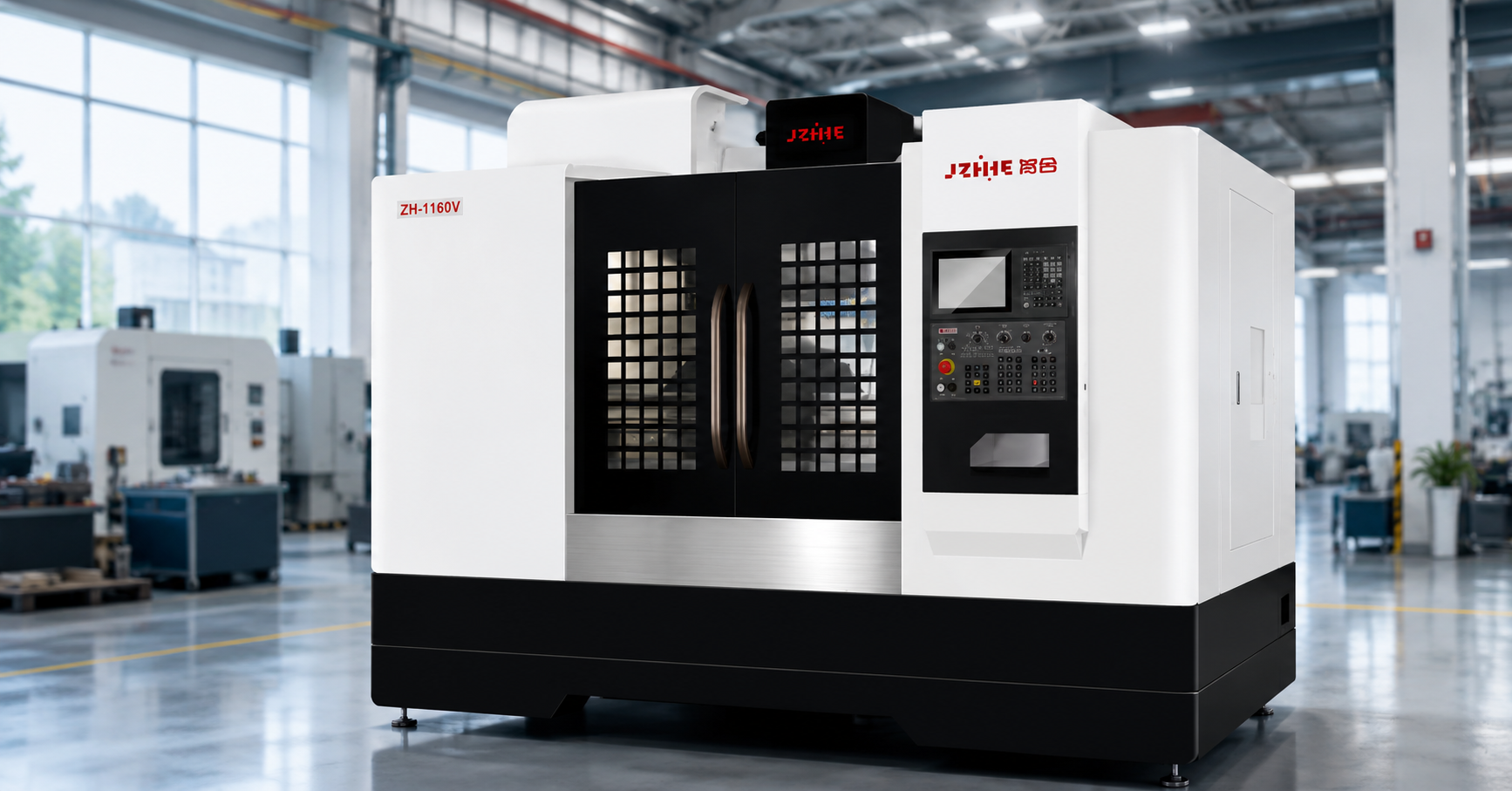
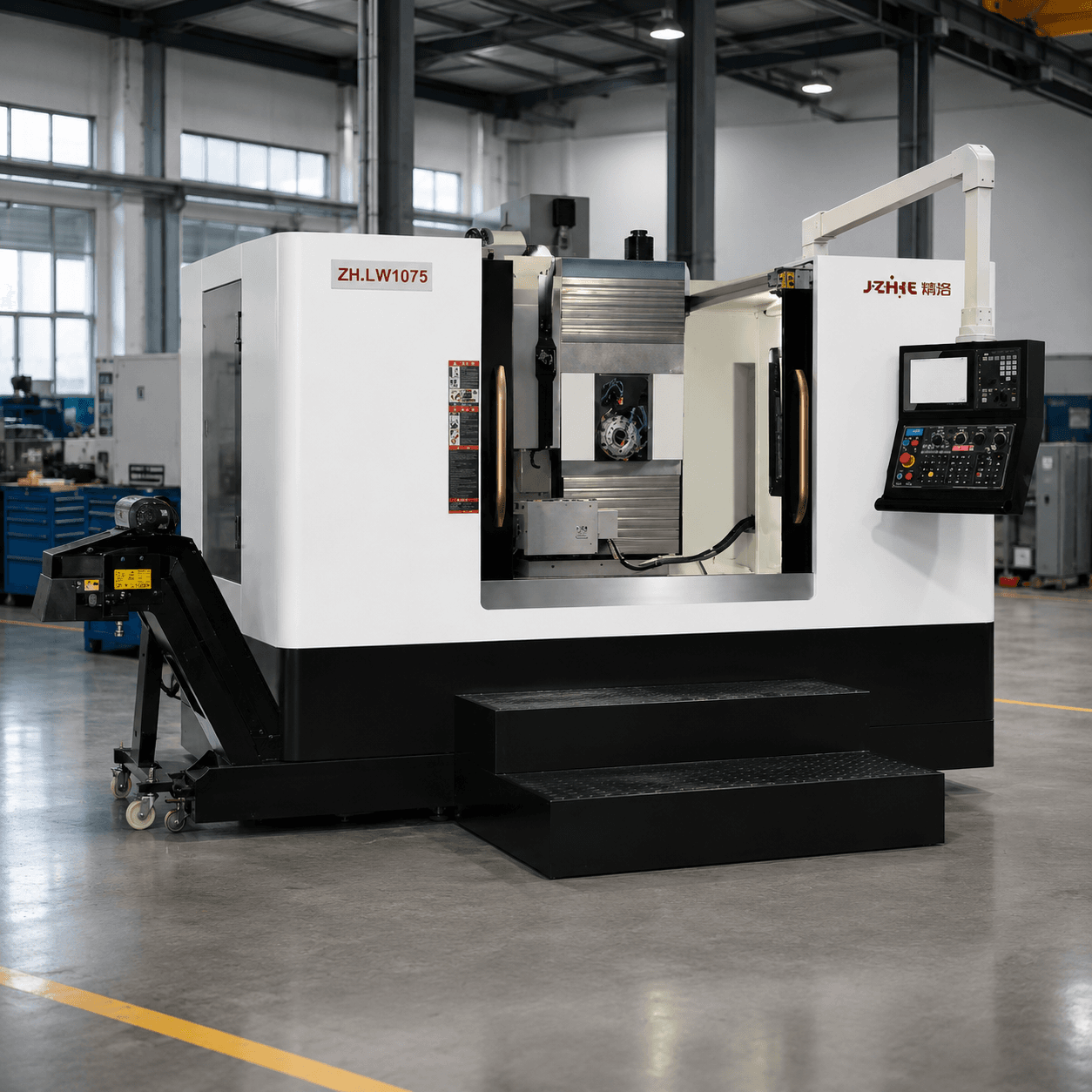
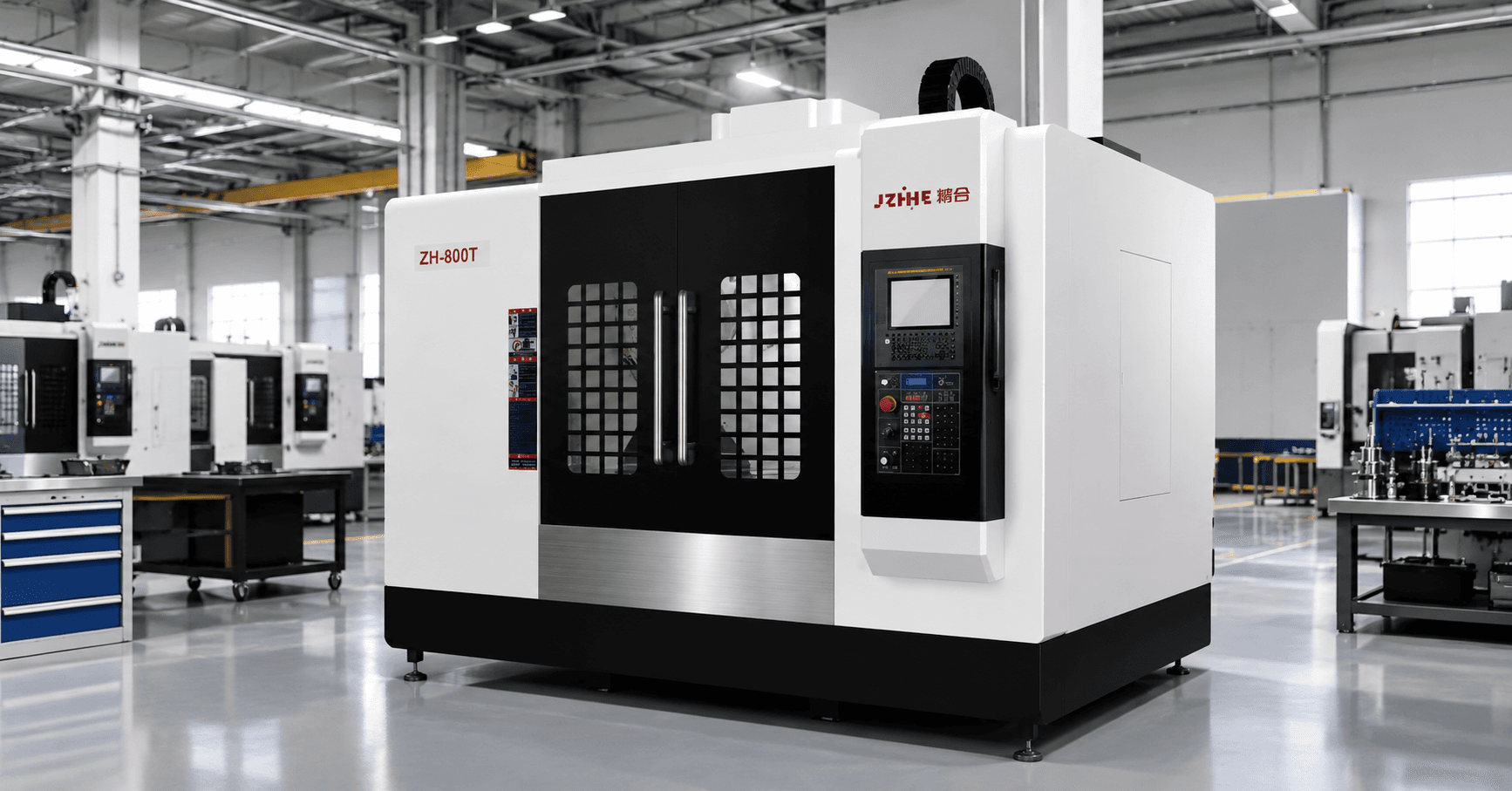
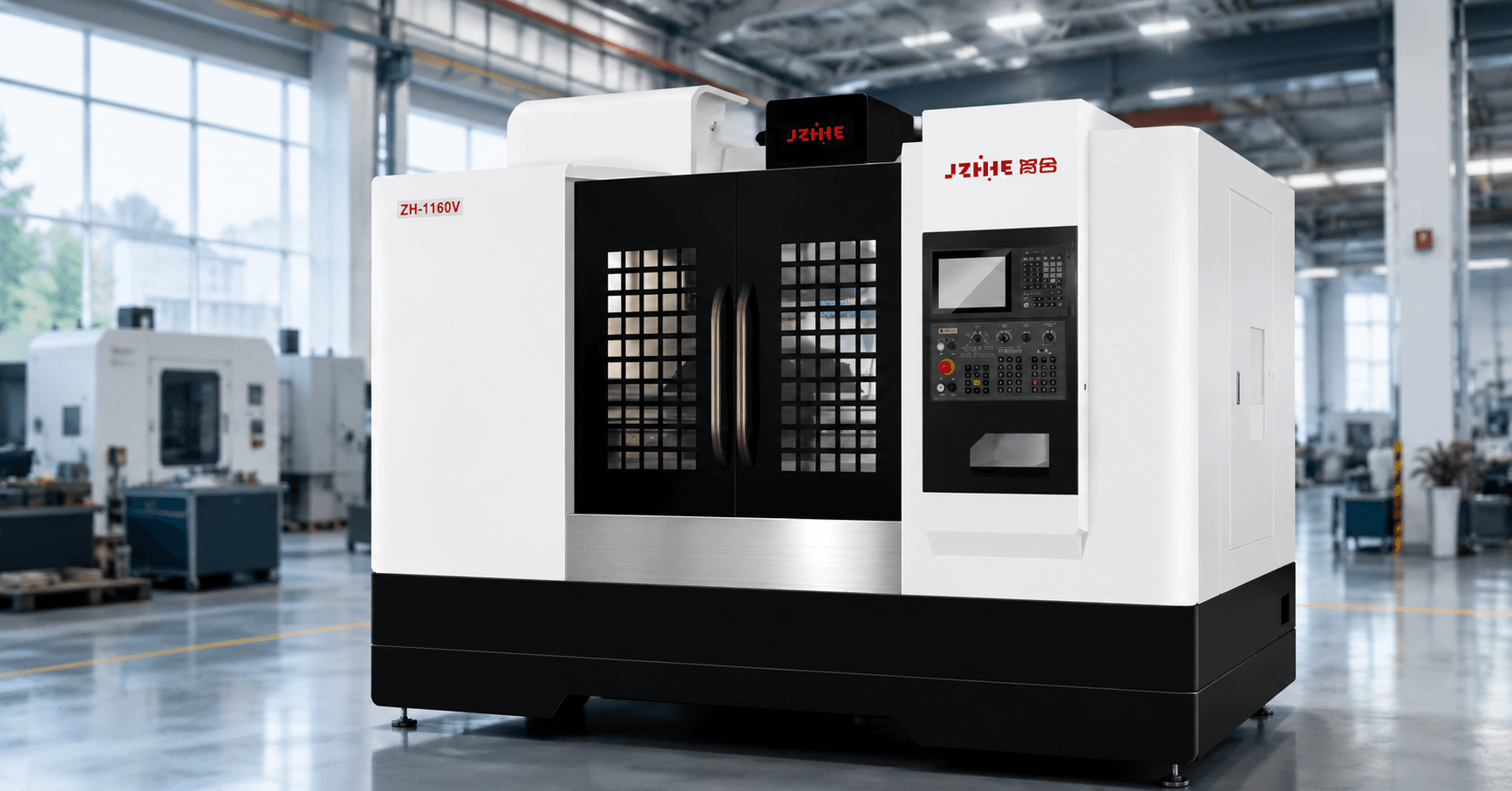
The linked Zhihe CNC product page describes a fixed-column vertical machining center built for precision machining and mass production. It highlights a fixed-column integral layout, reinforced cross-slide table structure, and design goals including rigidity, smooth motion control, and positioning accuracy during high-speed machining operations.
What a Vertical Machining Center Is Expected to Do
A vertical machining center is typically used for milling, drilling, tapping, contouring, and other subtractive machining operations on metal or industrial parts mounted inside a controlled work area. In production, the machine is expected to do more than cut one qualified sample. It should support repeated output, stable setup, predictable operation, and manageable maintenance.
The linked Zhihe CNC machine is positioned as a high-performance vertical machining center for precision machining and mass production. Its product page states that all three axes use heavy-duty roller linear guideways, which are intended to improve dynamic responsiveness, operational stability, and machining consistency.
For buyers, this matters because repeat production depends on more than spindle movement. Axis stability, structural rigidity, chip control, operator access, and supplier support all influence whether the machine performs well after installation.
Why Supplier Capability Matters More Than a Brochure
A vertical machining center manufacturer should do more than quote a machine. The better supplier helps match the machine to the buyer’s real workpiece.
A shop producing 5G communication structural components may care about precision and stable surface quality. An automotive parts manufacturer may prioritize repeatability and production rhythm. A medical device supplier may need consistent machining quality and controlled process discipline. A hardware factory may focus on efficient batch output and downtime reduction.
The linked product page lists application areas including 5G communication structural components, automotive parts manufacturing, medical device production, premium hardware products, small precision assemblies, and high-volume industrial component production. That range gives buyers a useful starting point, but it does not replace application review. A serious supplier should still ask for drawings, materials, tolerance requirements, and output targets before recommending a machine.
Product Data Buyers Should Pay Attention To
| Supplier Evaluation Point | Product Page Data | Why It Matters to Buyers |
|---|---|---|
| Machine structure | Fixed-column integral layout | Helps support stable machining and production repeatability |
| Table / frame concept | Reinforced cross-slide table structure | Supports rigidity during precision machining |
| Axis motion | Heavy-duty roller linear guideways on all axes | Helps improve dynamic response and operational stability |
| Base and column | Extra-large monolithic base with wide-span A-frame column | Supports vibration resistance and deformation control |
| Chip handling | Rear-mounted coolant flushing and chip evacuation system | Helps prevent chip buildup and improve production reliability |
| Operation concept | Compact design with user-friendly operation | Supports daily shop-floor usability |
| Application focus | 5G, automotive, medical, hardware, small assemblies, industrial parts | Shows intended B2B manufacturing use cases |
This information is useful, but buyers should still request the complete technical sheet before final comparison. Travel, table size, spindle power, spindle speed, controller, tool magazine, coolant details, and optional equipment should be confirmed in writing before purchase.
What Buyers Should Compare First
Before comparing supplier names, compare application fit. The most useful supplier is the one that can map the machine to your part geometry, material, tolerance, fixture plan, and production rhythm.
The Zhihe CNC page describes the machine as using an extra-large monolithic machine base and a wide-span A-frame column structure. According to the product page, this structure is designed to improve vibration resistance and deformation control, helping maintain machining accuracy and surface quality under intensive cutting conditions.
For sourcing teams, that product data should lead to specific questions:
- What materials will be machined most often?
- Is the part family mainly small precision components, automotive parts, or communication structures?
- What tolerance and surface finish are required?
- Will the machine run prototype work, batch production, or both?
- Is chip evacuation important for the part geometry?
- Does the supplier offer application review before quotation?
If a supplier cannot connect these questions to a machine recommendation, the quotation may be too generic.
Chip Removal Is a Supplier-Selection Issue Too
Chip removal is easy to overlook during sourcing. It becomes much more important after the machine starts running every day.
The linked machine includes a rear-mounted coolant flushing and chip evacuation system. The product page states that this system removes chips during machining, helps prevent buildup, improves production reliability, and makes maintenance and cleaning easier.
For buyers, this is not a small detail. Poor chip control can affect uptime, coolant condition, operator cleaning time, and part consistency. A good supplier should explain how chip flushing and evacuation will work for the buyer’s material and part geometry, especially if the parts include pockets, cavities, drilled holes, or long production cycles.
What a Strong Supplier Adds Beyond the Machine
A dependable vertical machining center supplier supports the full buying cycle. The machine itself is only one part of the investment. Buyers also need clear model selection, technical matching, installation planning, training, spare parts support, and service response.
The linked product page describes the machine as combining rigidity, precision, and efficiency for modern smart manufacturing environments. It also states that the machine is suitable for manufacturers seeking consistent machining quality, reduced downtime, and improved productivity.
Those benefits should not be accepted as slogans only. Buyers should ask the supplier how they are achieved for a specific part family. For example, a supplier should be able to explain whether the fixed-column structure, roller guideways, chip removal system, or compact operation design matters more for the buyer’s application.
Common Mistakes in Sourcing
The first mistake is buying by name alone. A known supplier or familiar machine category does not guarantee that the selected machine fits the workpiece. Configuration still matters.
The second mistake is under-specifying the production environment. A prototype shop and a batch production line may not need the same setup. Operator skill, changeover frequency, inspection method, and floor layout can all affect the right machine choice.
The third mistake is focusing only on purchase price. A lower quotation may become expensive if the supplier cannot provide clear technical matching, installation support, training, or spare parts response.
The fourth mistake is ignoring the difference between machine structure and machine appearance. A clean enclosure looks professional, but structural features such as the fixed-column layout, reinforced cross-slide table, monolithic base, A-frame column, and roller guideways are more relevant to machining stability.
How to Judge Fit for Your Operation
If you are sourcing for 5G communication components, automotive parts, medical devices, premium hardware, small precision assemblies, or high-volume industrial components, ask the supplier to explain how the machine structure fits the part.
A useful supplier conversation should include:
- Workpiece drawings
- Material grade
- Maximum dimensions
- Required tolerance
- Surface finish target
- Batch volume
- Main machining operations
- Fixture concept
- Chip and coolant concerns
- Installation and training expectations
- Spare parts and service requirements
The supplier should then recommend a machine configuration based on the work. A generic quote may be fast, but it does not reduce risk.
Practical Next Step
When contacting a vertical machining center supplier, send the workpiece drawing, material, dimensions, precision requirement, preferred machine type, and expected output volume. This gives the supplier enough information to recommend a machine with fewer assumptions.
For buyers comparing machine options, the right supplier is not simply the one with the longest catalogue. It is the one that can explain machine fit, process risk, installation needs, and long-term support in clear technical terms.
The linked Zhihe CNC fixed-column vertical machining center is a useful reference for buyers who need a production-oriented VMC with a fixed-column structure, reinforced cross-slide table, heavy-duty roller guideways, monolithic base, A-frame column, rear-mounted chip evacuation, and application coverage for precision industrial parts.
FAQ
What should buyers send for an accurate quote?
Send the part drawing, material, dimensions, tolerance requirements, expected output, fixture concept, and any current machining problems. Without this information, the supplier can only provide a general recommendation.
Can a supplier help with more than the machine itself?
Yes. A capable supplier should help with machine selection, application matching, installation planning, training, service, and spare parts support. These factors affect how quickly the machine becomes productive.
Should buyers choose based on brand or configuration?
Both matter, but configuration should lead the decision. A strong brand with the wrong setup is still the wrong machine for the job.
Why does machine structure matter?
Structure affects vibration resistance, deformation control, surface finish, tool life, and machining consistency. The linked product page highlights fixed-column layout, reinforced cross-slide structure, monolithic base, A-frame column, and heavy-duty roller guideways as key features.
Why is chip removal important?
Chip buildup can create cleaning time, coolant issues, and production interruptions. The referenced machine uses rear-mounted coolant flushing and chip evacuation to help remove chips during machining and improve production reliability.