Why a Vertical (Profile) Machining Center Matters for Long, Precision Parts
A Vertical (Profile) Machining Center is often the right answer when a shop needs to machine long, narrow, or awkwardly shaped parts without losing control of accuracy. The phrase can cover a few machine layouts in practice, but the common thread is simple: you need a rigid CNC platform that can cut, drill, tap, and finish with stable positioning over an extended work area.
That matters because elongated parts tend to expose weaknesses in lighter machines. A thin rail, an extruded housing, a long bracket, or a precision plate can chatter, drift, or deflect if the machine structure is not stiff enough. For sourcing managers and product teams, the question is not just whether the machine can cut the part. It is whether it can repeat the cut cleanly, day after day, with the kind of contour control that keeps downstream assembly from becoming a sorting exercise.
What the Machine Layout Tells You
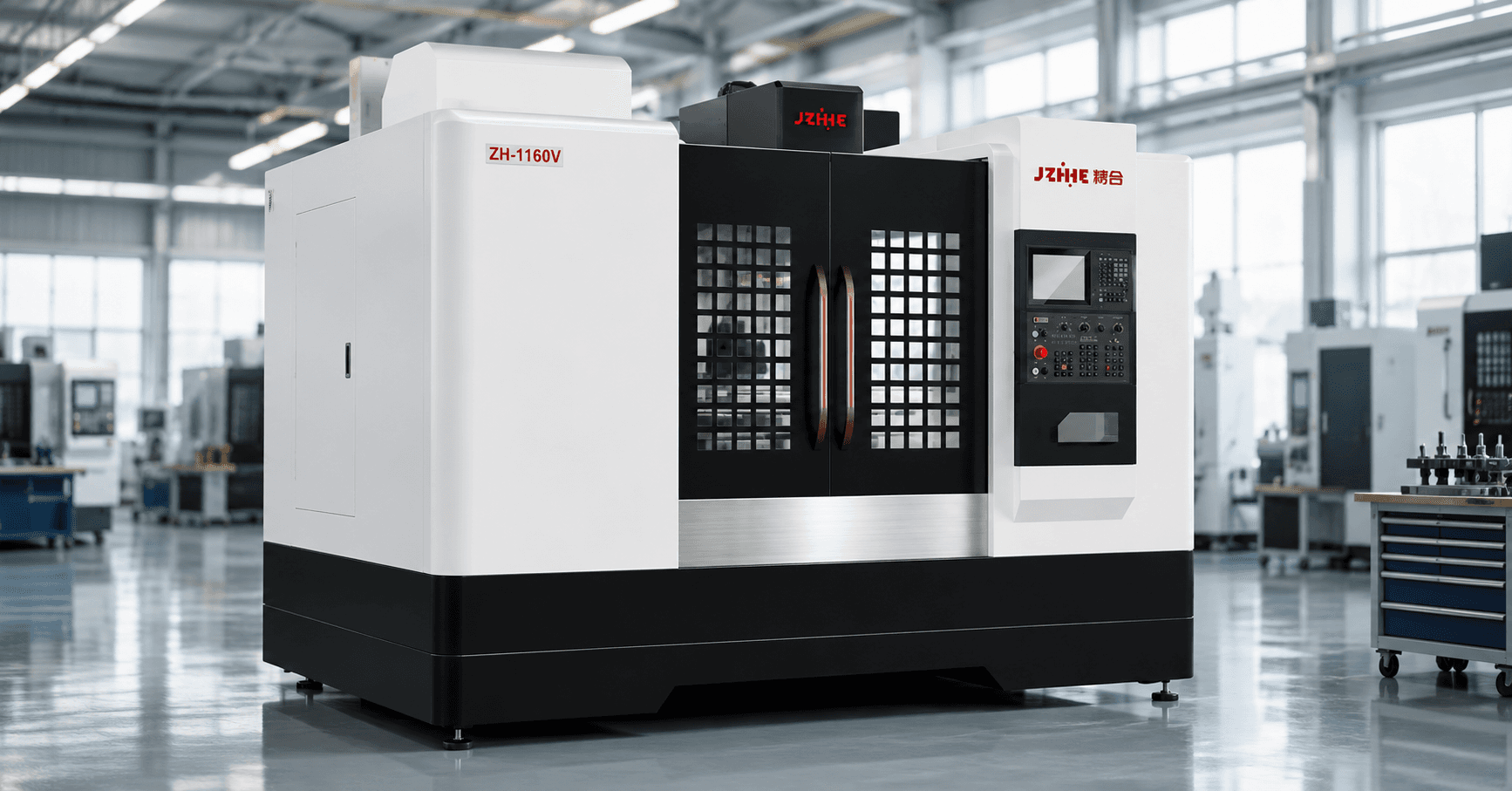
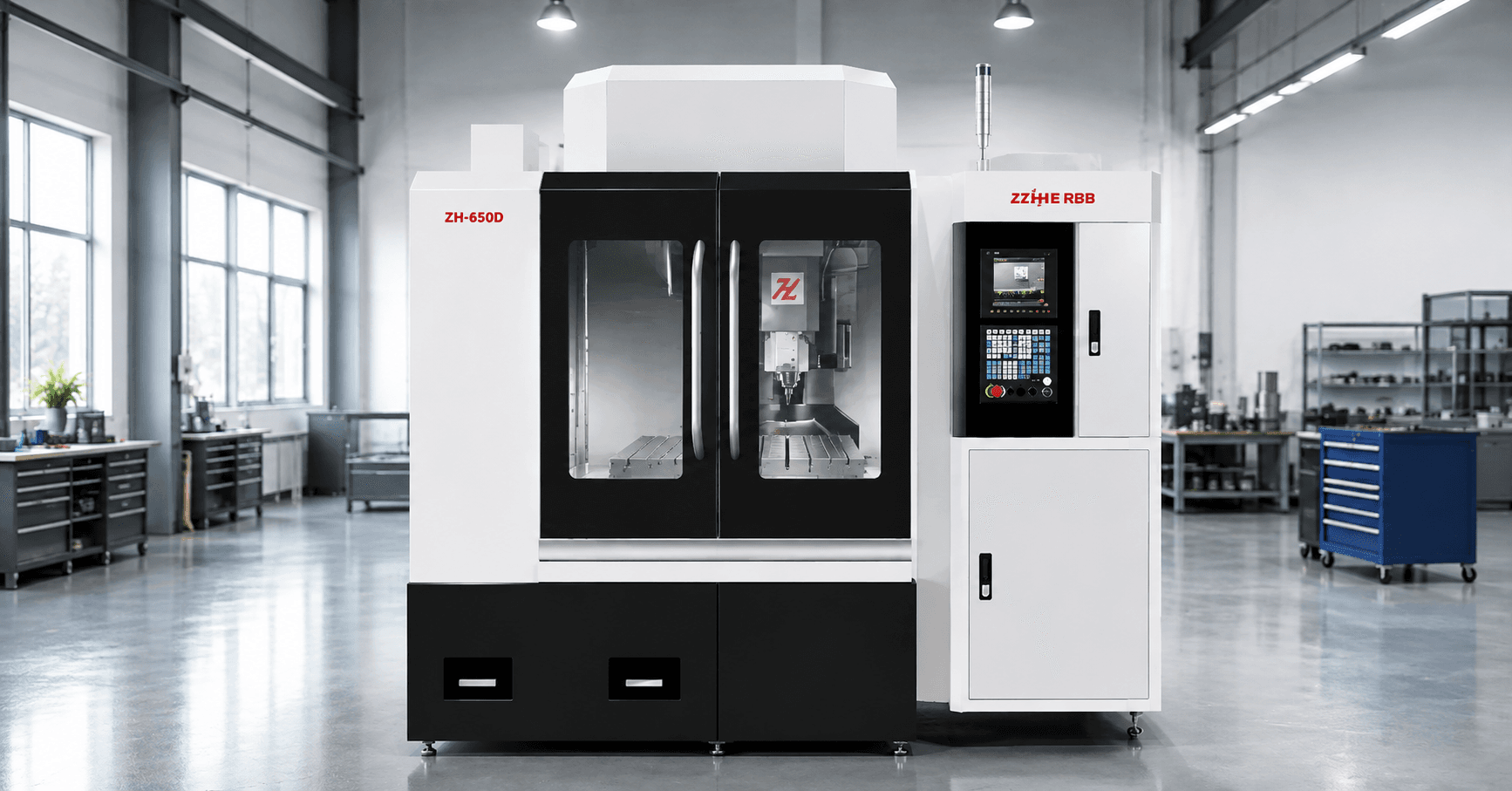
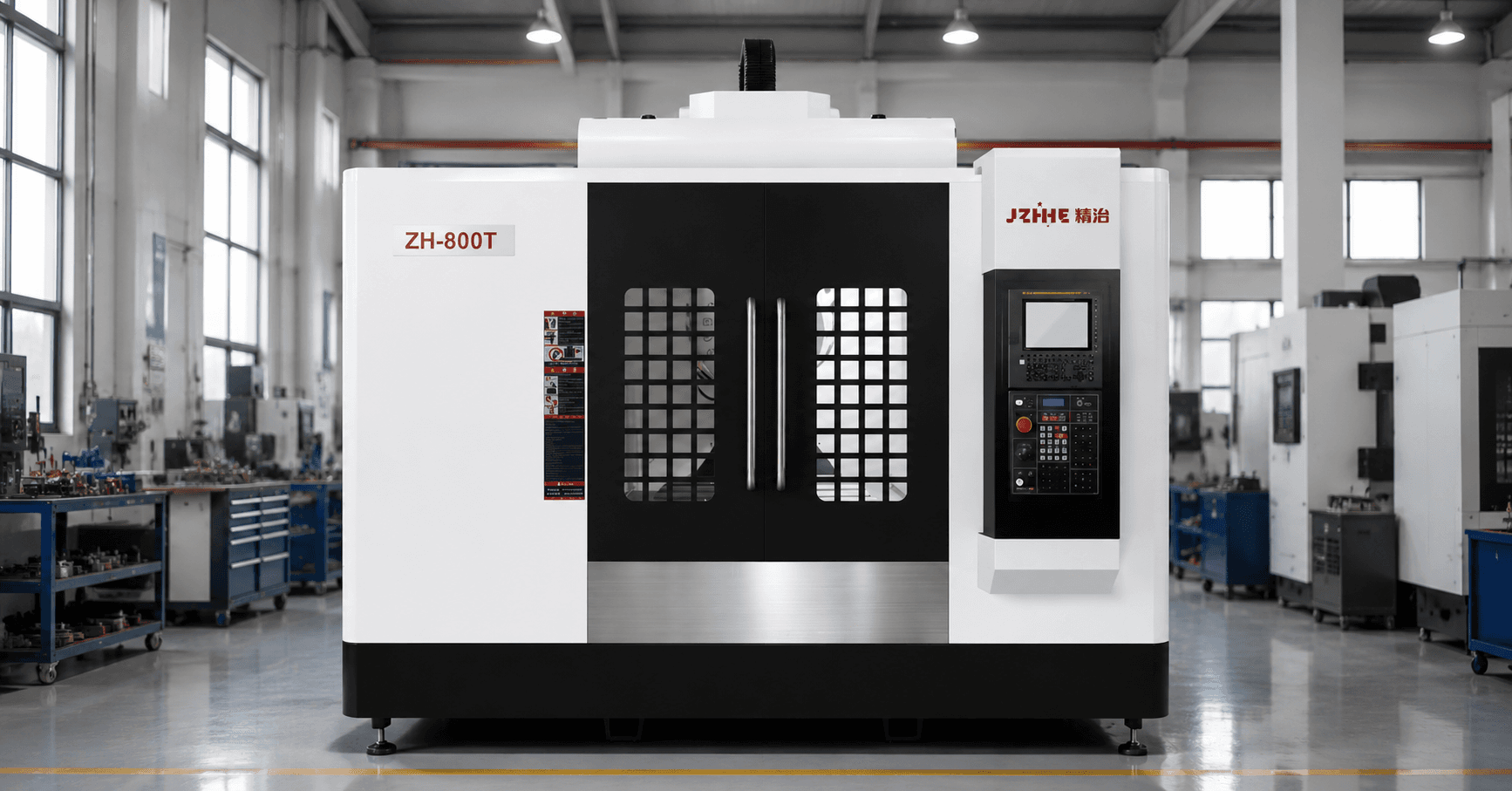
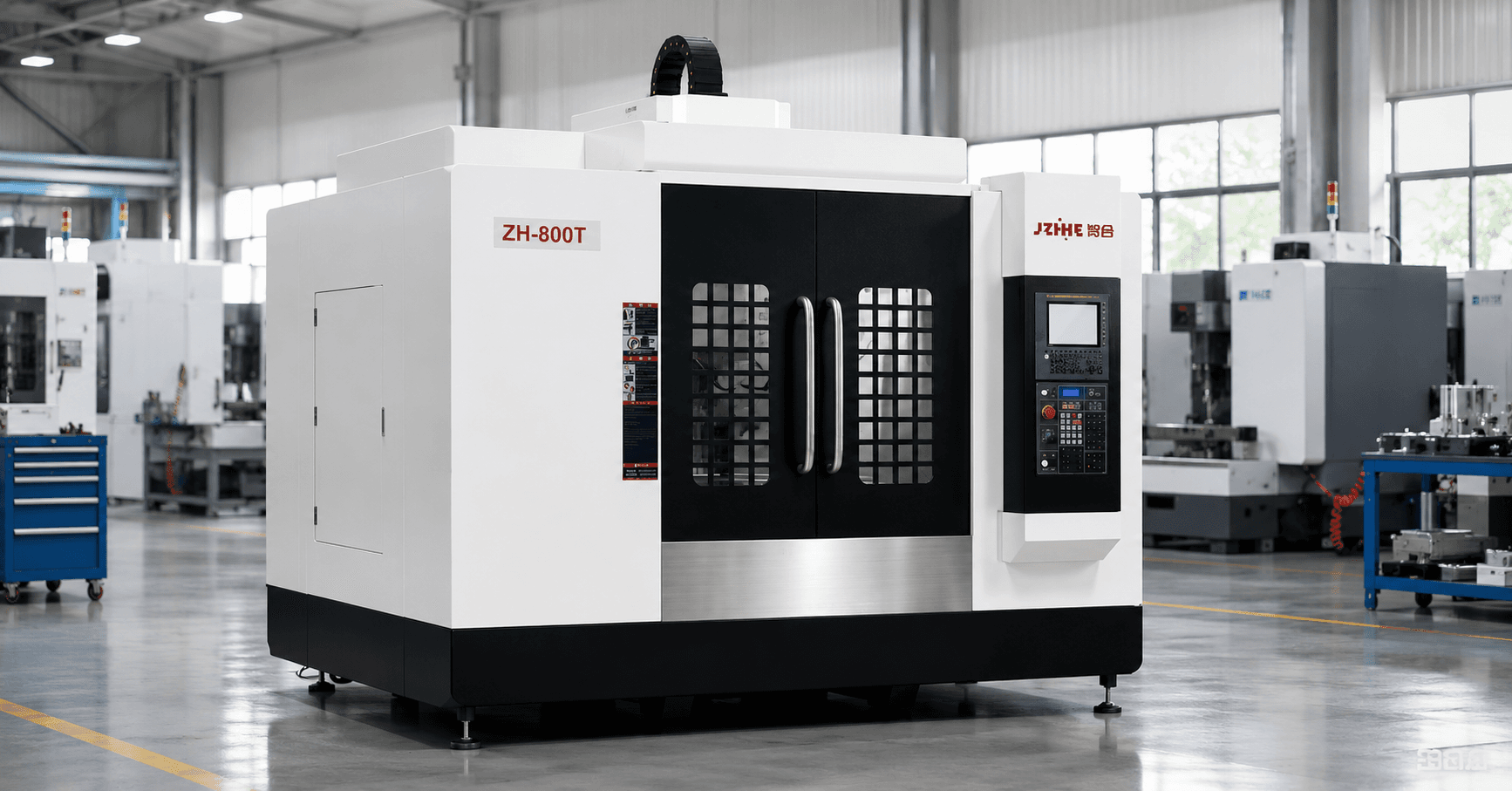
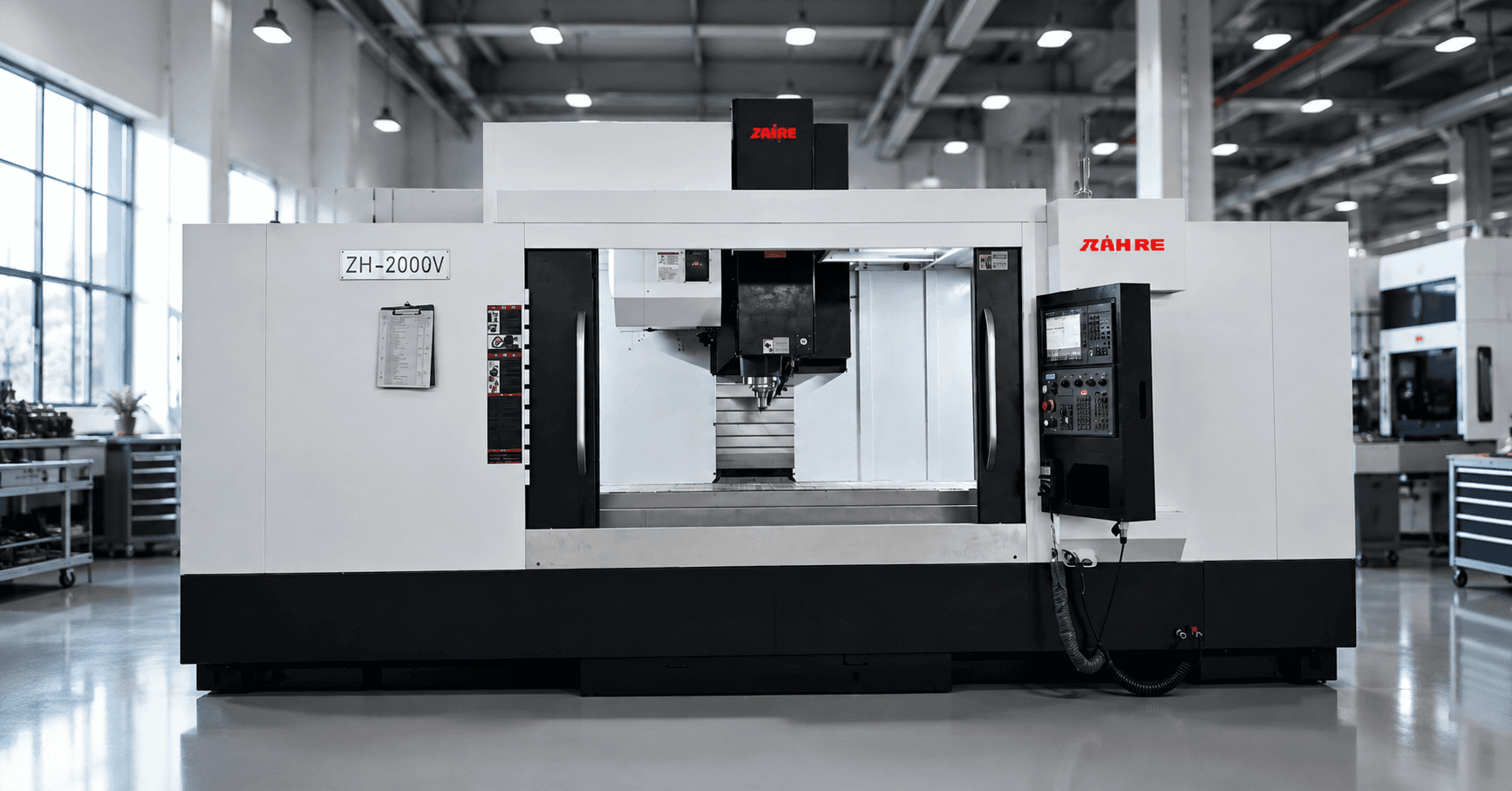
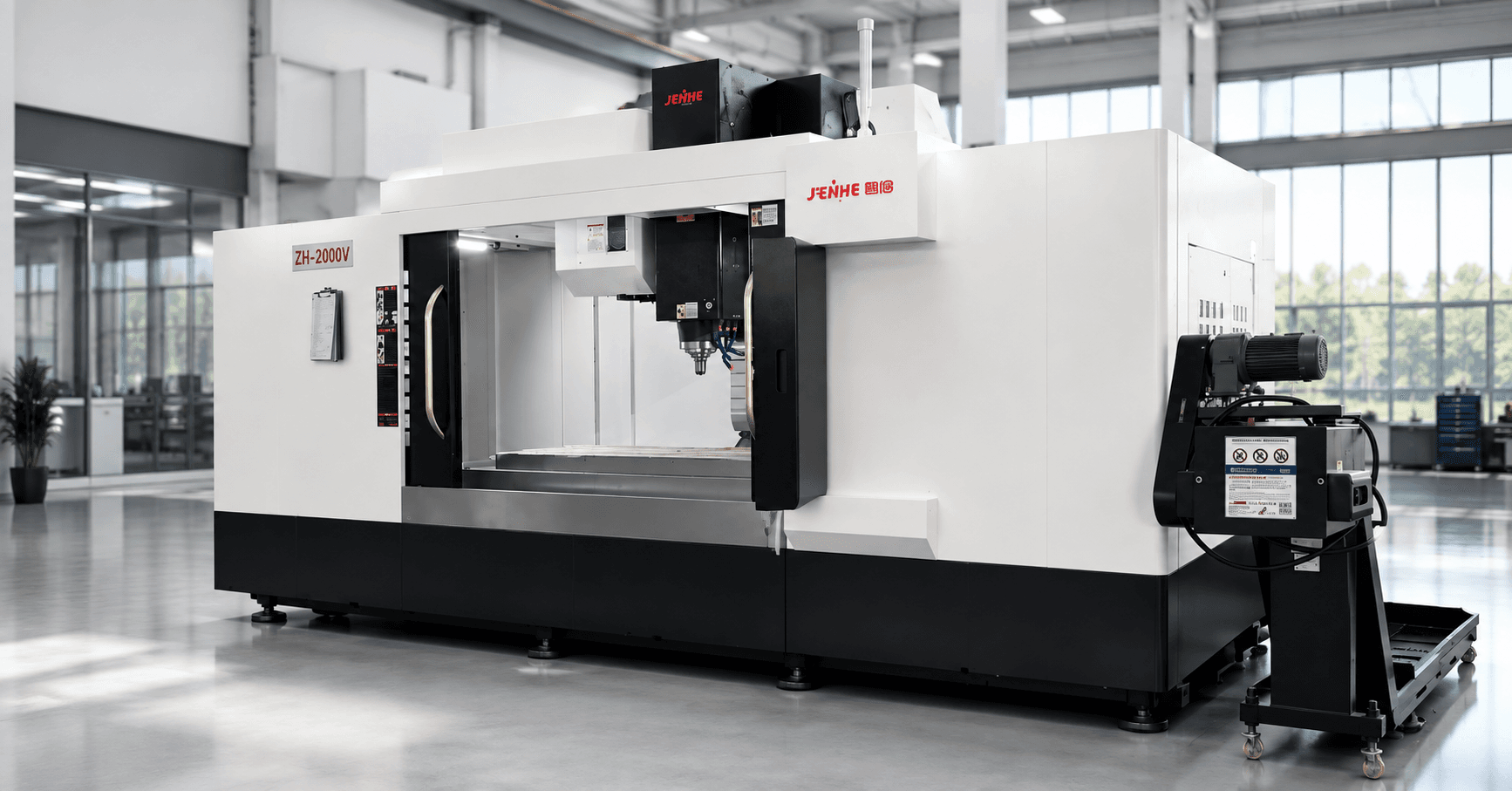
The machine described here has a large enclosed rectangular body, a front double sliding door, and a separate operator control panel on the right side. That is a practical layout. It suggests a machine built for access on the loading side while keeping the cutting zone enclosed for safety and chip containment. The long, low proportions also point to a machine intended for longer workpieces rather than compact block parts.
From the notes, the structure is built around a high-rigidity cross-slide table and an integrated monolithic base. Those are not decorative phrases. On a real production floor, they usually mean the machine is designed to resist vibration and keep the cutting point more stable during acceleration, deceleration, and directional changes. The machine also uses C3-grade large-pitch ball screw drives on the X, Y, and Z axes, which is a useful detail because ball screw quality and drive design influence repeat positioning and motion response.
Key Takeaways for Buyers
If you are comparing machine options for precision metalworking, a profile-style vertical machining center is often selected for three reasons: rigidity, axis response, and usable enclosure space for long parts. That is especially relevant in aluminum, copper, stainless steel, and engineering plastics, where surface quality and contour control can be compromised by vibration or poor servo response.
In plain terms, this type of machine helps when your part is too long for a standard compact VMC to handle comfortably, but not so specialized that you need a full horizontal line or an oversized gantry system. It sits in that useful middle ground where flexibility matters as much as raw size.
Where It Fits in Manufacturing
Vertical machining centers are common across precision electronics, automotive parts, medical device components, and automation equipment. The long-workpiece angle makes them especially interesting for housings, rails, brackets, structural plates, connector bodies, and similar parts that need multiple operations in one setup. Reducing setups is often where the real savings appear, though buyers sometimes focus too much on the spindle spec and not enough on fixturing and workflow.
For longer profiles, one setup can make the difference between consistent hole-to-hole location and a stack of parts that all need manual correction. That is a practical concern, not a theoretical one. Every extra handling step adds risk.
Why Rigidity and Motion Quality Matter More Than They Seem
A machine can look robust and still struggle under real cutting loads. The combination of a one-piece base, cross-slide table, and ball screw drive is meant to improve dynamic response and contour precision. That does not guarantee perfect results on every job, but it usually gives the machine a better foundation for stable feed changes and repeatable motion.
For long parts, vibration resistance is particularly important. When the cutter is moving along an extended axis, any looseness tends to show up as chatter marks or slightly wandering features. If the application involves stainless steel or other less forgiving materials, the machine’s structural stiffness becomes even more valuable. Aluminum and engineering plastics are more forgiving, but they can still reveal poor motion control in the form of edge chatter or inconsistent finish.
Practical Comparison: What Buyers Usually Weigh
Standard compact VMC
A conventional vertical machining center is often a strong choice for general-purpose work, but it may not be ideal for long parts unless the workpiece is carefully staged and within the available travel. If the job requires frequent edge access or a long linear machining path, the setup can become awkward.
Profile or long-bed vertical machining center
This style is better suited to elongated components and multi-operation machining. The longer body and guarded enclosure are more aligned with parts that need extended travel and stable positioning. It is often the more practical option when the part geometry itself is the constraint.
Gantry-style precision milling machine
A gantry machine can offer high stiffness and large working envelopes, but it may be more machine than a buyer needs for mid-size long parts. If the part family is not especially large, the footprint and investment may be harder to justify. That said, the distinction between a vertical machining center and a gantry-style machine can blur in some product lines, so spec sheets deserve a careful reading.
Selection Criteria That Actually Matter
When reviewing a machine like this, start with the part, not the brochure.
First, confirm the longest critical dimension of the workpiece and the number of operations required in one setup. A machine aimed at long-shaped parts is only useful if the tool can reach the needed features without forcing a compromise on clamping or access.
Second, look at the structural design. An integrated base and rigid cross-slide table can be a stronger sign of real machining capability than a generic claim about “high precision.”
Third, pay attention to axis drive quality and motion behavior. C3-grade ball screws and fast acceleration/deceleration are useful indicators for repeatability and cycle efficiency, especially if your parts have lots of contouring or closely spaced features.
Fourth, evaluate enclosure access and chip management. The double sliding front door is convenient, but the real issue is whether operators can load long parts safely and whether chips will clear the work zone without creating a cleanup burden. The visible enclosure suggests a guarded production machine, but the exact coolant and chip-handling setup is not confirmed, so that should be checked directly.
Common Mistakes Buyers Make
One common mistake is overbuying spindle power and underbuying structure. Another is assuming that a longer table automatically means the machine is suitable for long parts. Without the right rigidity and motion control, length alone does not solve much.
A second mistake is ignoring fixture strategy. Long components often need stable support points, and the best machine in the world will not compensate for poor clamping. This is where manufacturing teams sometimes get tripped up: they approve the machine based on envelope size, then discover the fixturing concept needs to be redesigned.
A third issue is confusing “precision” with “fine finish.” They are related but not identical. A machine may hold position well and still require process tuning, tooling changes, or cutting parameter adjustments to achieve the desired surface result in a specific material.
What the ZH-2500V Marking Suggests, Cautiously
The visible marking appears to read ZH-2500V, though that should be treated cautiously unless confirmed by the manufacturer or a nameplate. If accurate, it suggests a model positioned around long-workpiece machining, which fits the overall machine geometry and enclosure design. Brand text is visible on the machine, but it is not fully legible from the available information, so it would be unwise to identify the maker with confidence here.
For procurement teams, that is a reminder to verify more than the model faceplate. Ask for the travel limits, spindle specification, table dimensions, control system details, and documentation on installation requirements. Those items decide whether the machine is a good operational fit, while the model badge only tells part of the story.
Buyer Questions Worth Asking Before Purchase
Can the machine support your longest part with enough room for fixtures and tool clearance? Can it maintain repeat positioning under your actual cutting load? Does the enclosure allow straightforward loading of elongated components? What materials will dominate production: aluminum, copper, stainless steel, or plastics? And will the machine be used mainly for drilling and tapping, or for more demanding contour milling?
These questions sound basic, but they often reveal whether a machine is being matched to a real workflow or simply chosen because it looks capable on paper.
FAQ
Is a Vertical (Profile) Machining Center only for metal?
No. The notes indicate it can also be used on engineering plastics, which is common in precision equipment manufacturing. The machine concept is about controlled machining, not just one material group.
Is this machine the same as a standard VMC?
Not necessarily. It may be close in concept, but the described geometry and long-part orientation suggest a more specialized layout than a typical compact vertical machining center.
What kind of parts benefit most?
Long or elongated components that need multiple operations, such as structural elements, precision housings, automation parts, and certain automotive or medical device components.
Should I prioritize speed or rigidity?
For this class of machine, rigidity usually comes first. Speed is useful only if the machine can hold accuracy while moving quickly.
Next Step for Teams Evaluating This Machine Type
If you are shortlisting a Vertical (Profile) Machining Center for a new part family, build your decision around the workpiece geometry, clamping plan, and required motion quality. Then compare the actual machine structure, not just the marketing language. The machine described here points to a rigid, enclosed CNC platform with long-part capability, which is a useful starting point. The remaining question is whether its travels, spindle package, and controller setup match your production reality.
Before placing an order, request the full specification sheet, confirm the model details, and review how the machine will be loaded, fixtured, and maintained on your floor. That extra hour of review can save a lot of trouble later.