What Buyers Usually Mean by a Vertical Profile Machining Center
A vertical profile machining center is the kind of machine buyers often consider when ordinary vertical machining is no longer enough for long-profile parts, complex components, and repeat production work. In many sourcing conversations, the term overlaps with “vertical machining center,” but it usually points to a more specific need: stable CNC processing for profile-shaped workpieces, long parts, and components that require controlled milling, drilling, tapping, contouring, and surface finishing.
For engineers and sourcing teams, the label itself is not the most important part. The practical question is whether the machine can hold the workpiece securely, move with enough repeat accuracy, manage vibration during cutting, and support consistent output over daily production. A machine that looks similar on a product page can behave very differently once it is placed on the factory floor.
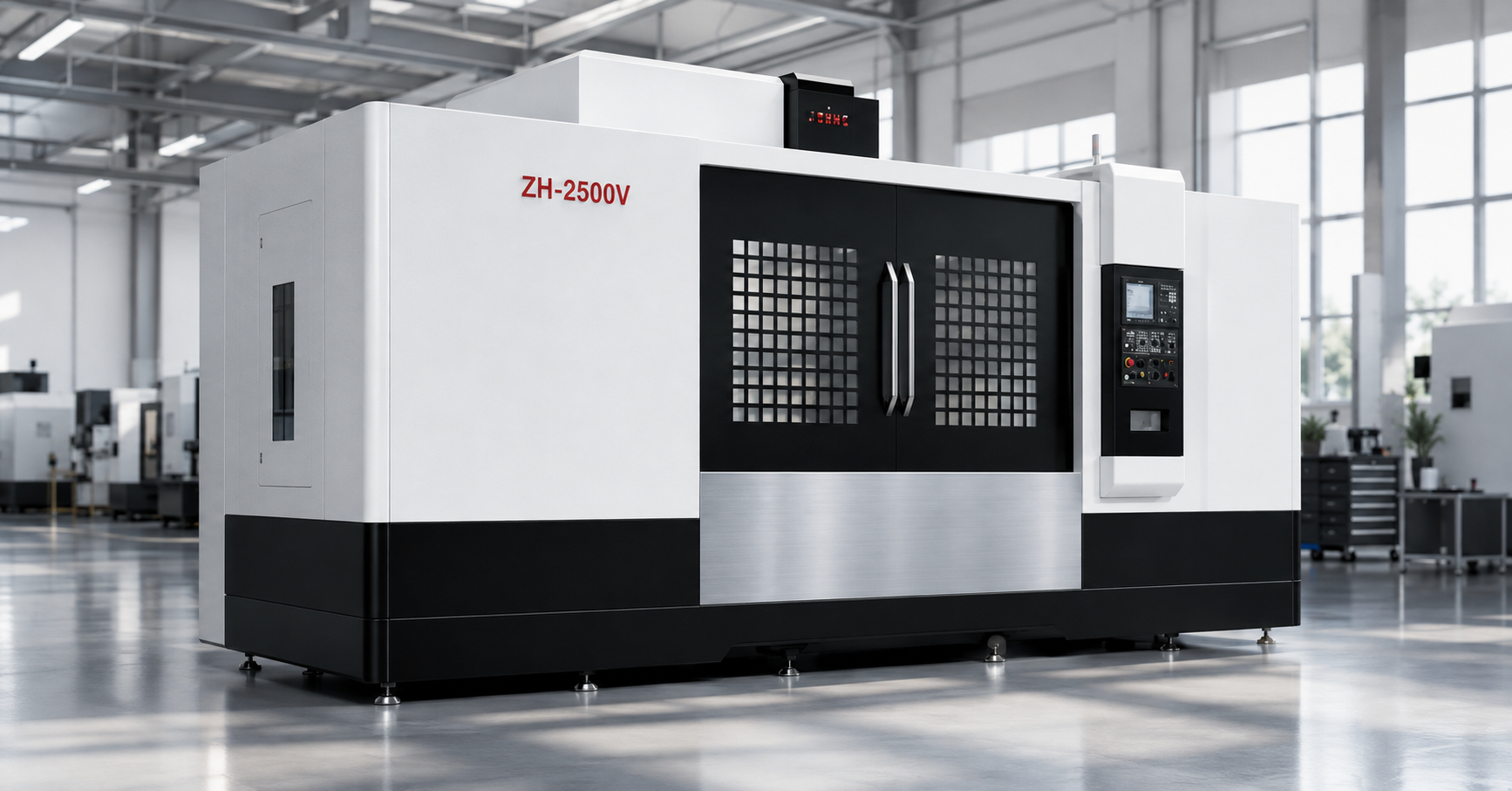
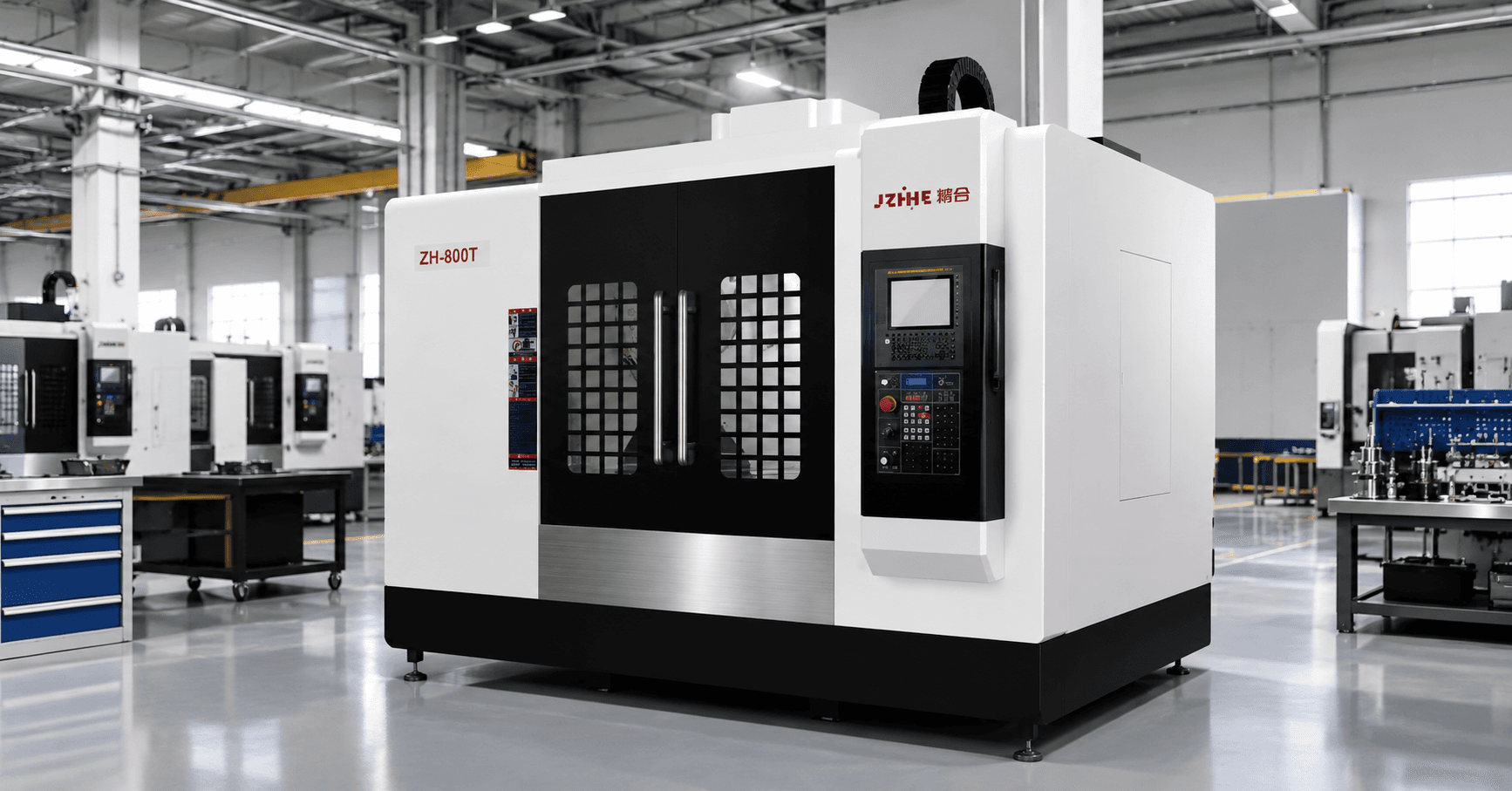
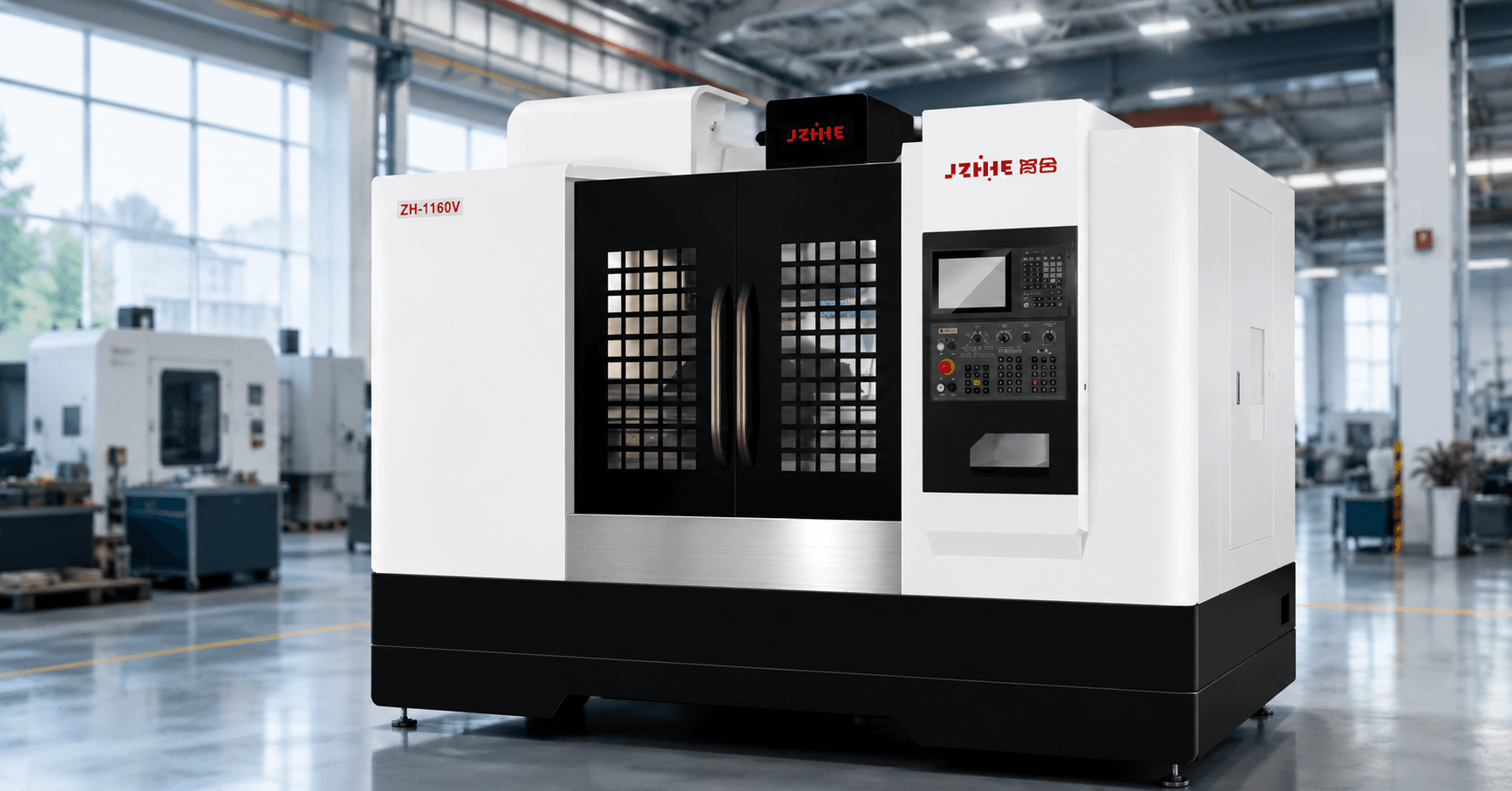
The linked Zhihe CNC product page describes this Vertical Profile Machining Center as a machine designed for high-precision processing of long-profile workpieces and complex components. It is built around a high-rigidity cross-slide table structure combined with an integrated monolithic base, which is intended to improve machine stability and vibration resistance during high-speed machining.
Why Long-Profile Workpieces Need a More Careful Machine Choice
Long-profile parts are not always difficult because of their shape alone. They become difficult because length magnifies small problems. A slight vibration can affect surface finish. A small positioning error can become more visible across a long part. A weak fixture can lead to inconsistent drilling or tapping results. A machine with poor dynamic response may struggle when the job needs both speed and contour precision.
That is why buyers should not evaluate this machine category only by enclosure size or general appearance. They should look at the structure, transmission system, guideway behavior, fixture access, material compatibility, and supplier support.
According to the product page, the machine uses C3-grade large-pitch ball screw drive systems on the X, Y, and Z axes. The page states that this design supports dynamic response and repeat positioning accuracy, while reducing acceleration and deceleration time compared with conventional moving-column machining structures. For buyers, that matters because profile machining often depends on smooth motion and consistent contour control, not only raw cutting ability.
Quick Takeaways for Buyers
| Buyer Concern | Product Page Data | Why It Matters |
|---|---|---|
| Structural stability | High-rigidity cross-slide table structure | Helps improve stability during machining |
| Base design | Integrated monolithic base | Supports rigidity and vibration resistance |
| Motion system | C3-grade large-pitch ball screws on X/Y/Z axes | Supports dynamic response and repeat positioning |
| Workpiece type | Long-profile workpieces and complex components | Fits profile parts and longer precision components |
| Material range | Aluminum, copper, stainless steel, engineering plastics | Useful for mixed industrial production |
| Application industries | Precision electronics, automotive, medical, automation, 3C, robotics, new energy | Suitable for B2B manufacturing buyers |
| Supplier support | Customization and after-sales support | Important for project matching and long-term use |
These are not decorative specifications. They affect whether the machine can stay stable during daily machining, especially when the work involves longer parts, mixed materials, and repeated batches.
Why Enclosure, Access, and Structure Matter More Than Brochure Language
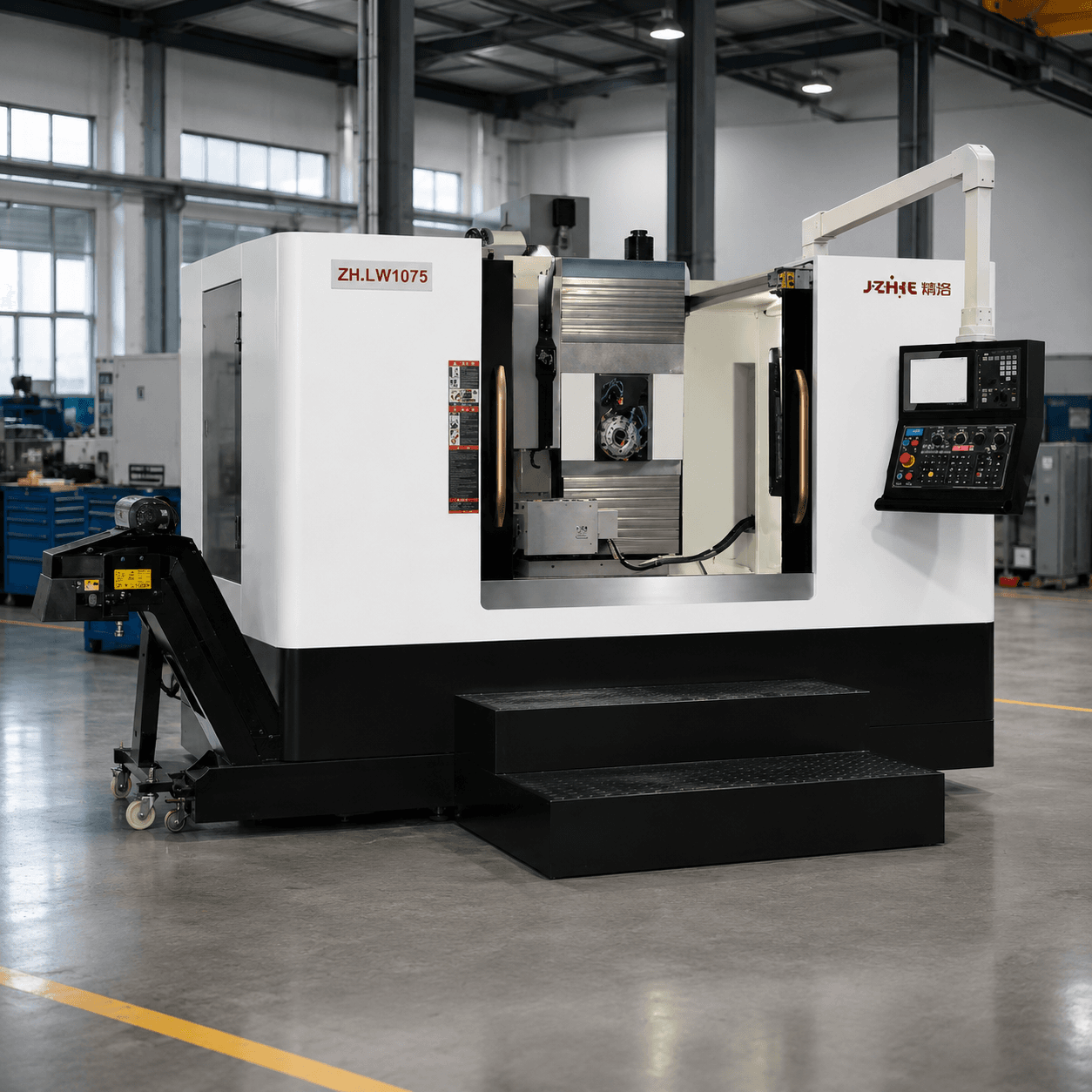
An enclosed vertical profile machining center is useful because it helps control chips, coolant, and operator exposure during cutting. That is important in any CNC shop, but it becomes especially relevant when the machine runs longer cycles or processes materials that produce more chips.
Still, enclosure alone does not decide machine quality. A buyer also needs to review table access, fixture clearance, operator workflow, chip flow, coolant arrangement, and maintenance access. A machine can look clean and well enclosed, but still slow down production if the operator struggles to load parts or adjust fixtures.
The product page puts more emphasis on structure than appearance. It highlights the combination of a cross-slide table structure and monolithic base, which is a more meaningful purchasing point than the outer cabinet style. For buyers machining aluminum profiles, stainless steel components, precision electronics parts, or automation equipment components, structural stability can affect tool life, surface finish, and dimensional consistency.
How This Type of Machine Is Typically Used
A vertical profile machining center is commonly used when a shop needs a flexible CNC platform for long or profile-shaped workpieces. The product page lists suitable materials including aluminum, copper, stainless steel, and engineering plastics. This material range makes the machine relevant for factories that do not only process one narrow part type.
Typical applications may include:
- Aluminum profile components
- Precision electronic structural parts
- Automotive brackets and profile parts
- Medical device components
- Automation equipment frames or parts
- 3C electronics housings or frames
- Robotics-related components
- New energy industry parts
- Engineering plastic precision components
The page specifically lists industry applications such as precision electronics, automotive components, medical devices, automation equipment, 3C electronics, robotics, and new energy industries. For B2B buyers, this means the machine is positioned as a flexible industrial CNC solution rather than a single-purpose machine.
Where It Tends to Perform Best
This machine category is strongest when the part family benefits from vertical access, stable clamping, and repeatable CNC motion. It is especially relevant when the factory handles long-profile workpieces or components that require consistent dimensional tolerance and surface finish.
The product page describes the machine as supporting stringent dimensional tolerances and superior surface finishes required in modern precision manufacturing. That does not mean every part will automatically meet those results. Tooling, fixture design, programming, coolant, inspection, and operator discipline still matter. But it does show the intended application direction of the machine.
For buyers, a good fit usually exists when:
- The part is too long or profile-shaped for ordinary compact machining setups
- The process requires repeated milling, drilling, tapping, or contour machining
- Vibration control affects surface finish or tolerance
- The shop processes mixed materials such as aluminum, stainless steel, copper, or engineering plastics
- The factory serves industries where consistency is more important than one-off machining speed
Selection Criteria That Actually Matter on the Shop Floor
When comparing machines, buyers should start with the workpiece, not the marketing language. The most useful inquiry begins with part drawings, material, size, tolerance, surface finish requirement, expected production volume, and fixture concept.
For a vertical profile machining center, pay close attention to:
| Selection Point | What Buyers Should Ask |
|---|---|
| Part length | Can the machine handle the full workpiece without inefficient re-clamping? |
| Material | Is the machine suitable for aluminum, copper, stainless steel, or engineering plastics? |
| Rigidity | Does the structure control vibration during milling and contouring? |
| Transmission | What ball screw and axis drive system are used? |
| Repeat accuracy | Can the machine support stable production over repeated batches? |
| Fixture access | Can operators load and clamp profile parts safely and efficiently? |
| Surface finish | Is the structure suitable for the required finishing quality? |
| Supplier support | Can the supplier provide customization and after-sales service? |
The linked product page states that Zhongshan Zhihe CNC Technology Co., Ltd. provides diversified customization solutions and professional after-sales support for global industrial customers. This matters because profile machining applications often need more than a standard machine quote; they may require fixture review, process discussion, or configuration matching.
Common Mistakes to Avoid
One common mistake is treating all vertical machining centers as interchangeable. A standard VMC may be suitable for compact plates and brackets, but long-profile parts create different challenges. Length, support, vibration, and feed stability become more important.
Another mistake is focusing only on machine appearance. A clean enclosure and a modern control panel are useful, but they do not replace structural rigidity, transmission accuracy, or application fit.
A third mistake is assuming that “profile machining” only means aluminum. The linked product page lists not only aluminum, but also copper, stainless steel, and engineering plastics. Buyers should define the main material mix clearly before requesting a quote.
A fourth mistake is asking for a generic machine recommendation without sharing drawings. Profile parts can vary widely. A supplier needs the actual workpiece size, material, tolerance, and production target before recommending the right configuration.
Practical Buyer Advice Before Requesting a Quote
Before contacting a supplier, prepare the following information:
- Workpiece drawing
- Material
- Maximum length, width, and height
- Tolerance requirements
- Surface finish target
- Current machining process
- Current production problem
- Fixture method
- Expected batch size
- Target output
- Need for customization
- Delivery destination and service expectations
This allows the supplier to judge whether a vertical profile machining center is suitable, or whether another CNC machine type would make more sense.
Zhongshan Zhihe CNC Technology Co., Ltd. is described on the product page as a national high-tech enterprise specializing in CNC machine tool R&D, manufacturing, sales, and service. For buyers, this supplier background is relevant when evaluating whether the company can support not only the machine purchase, but also customization and after-sales needs.
FAQ
Is a vertical profile machining center different from a vertical machining center?
In many buyer conversations, the terms overlap. “Vertical machining center” describes the machine orientation, while “vertical profile machining center” usually emphasizes the application: profile-shaped parts, long workpieces, and components needing stable CNC machining.
What materials can this machine process?
The product page lists aluminum, copper, stainless steel, and engineering plastics as suitable materials. Actual machining performance still depends on tooling, fixture design, cutting parameters, and process planning.
What industries is it suitable for?
The product page lists precision electronics, automotive components, medical devices, automation equipment, 3C electronics, robotics, and new energy industries.
What should buyers confirm before purchase?
Buyers should confirm workpiece fit, machine structure, axis drive system, repeat positioning performance, material compatibility, fixture access, surface finish requirements, customization support, delivery terms, and after-sales service.
Next Step
If you are comparing machines for profile machining, do not start with a generic quote. Start with the part. Send the supplier your drawings, material, dimensions, tolerance target, surface finish requirement, batch volume, and current machining problems.
The linked Zhihe CNC Vertical Profile Machining Center is worth evaluating when the factory needs a high-rigidity CNC platform for long-profile workpieces, complex components, and mixed industrial materials. Its cross-slide table structure, integrated monolithic base, C3-grade large-pitch ball screw transmission, long-workpiece focus, and broad industry application range make it a practical reference for buyers looking beyond a standard vertical machining center.