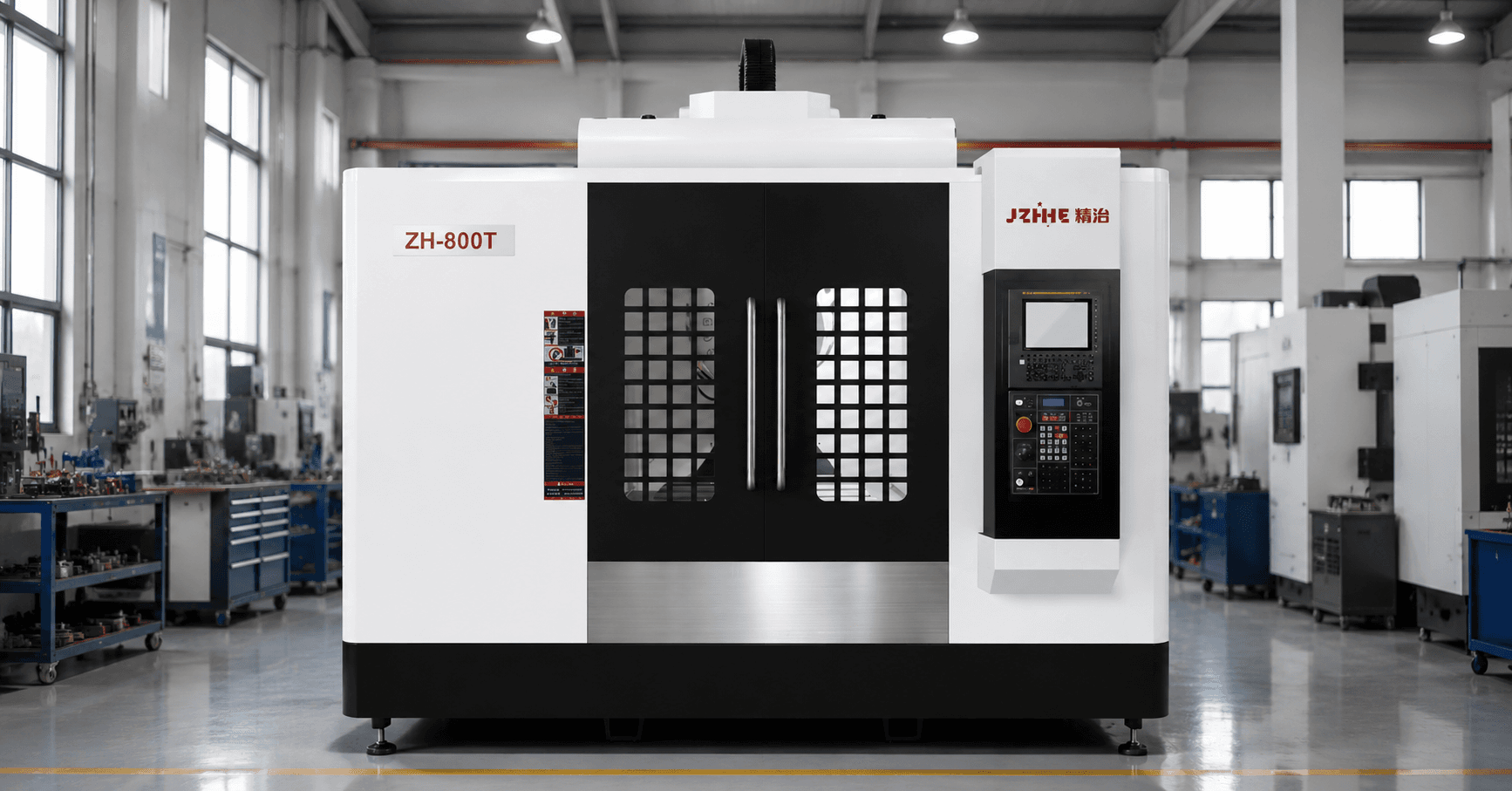
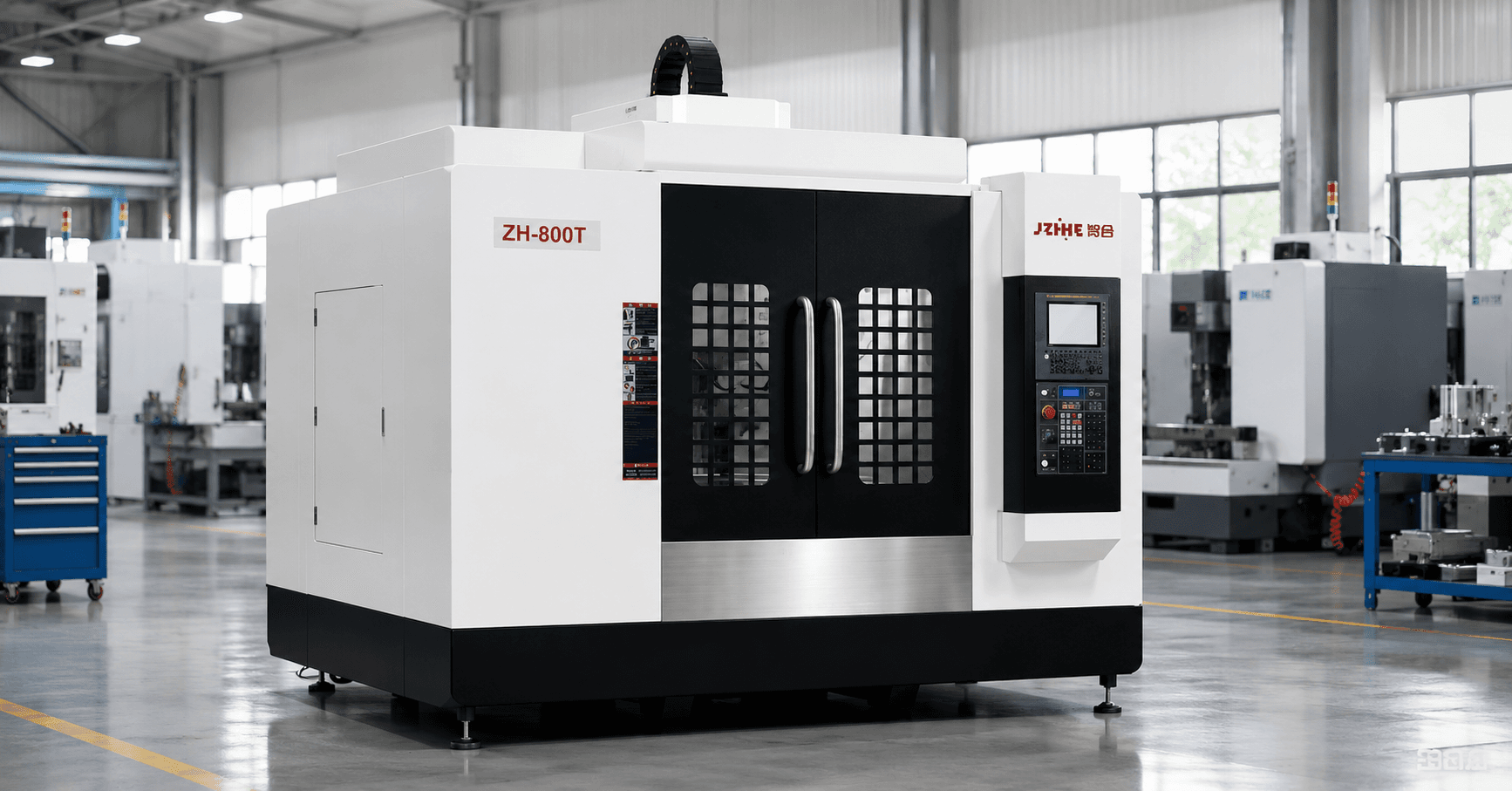
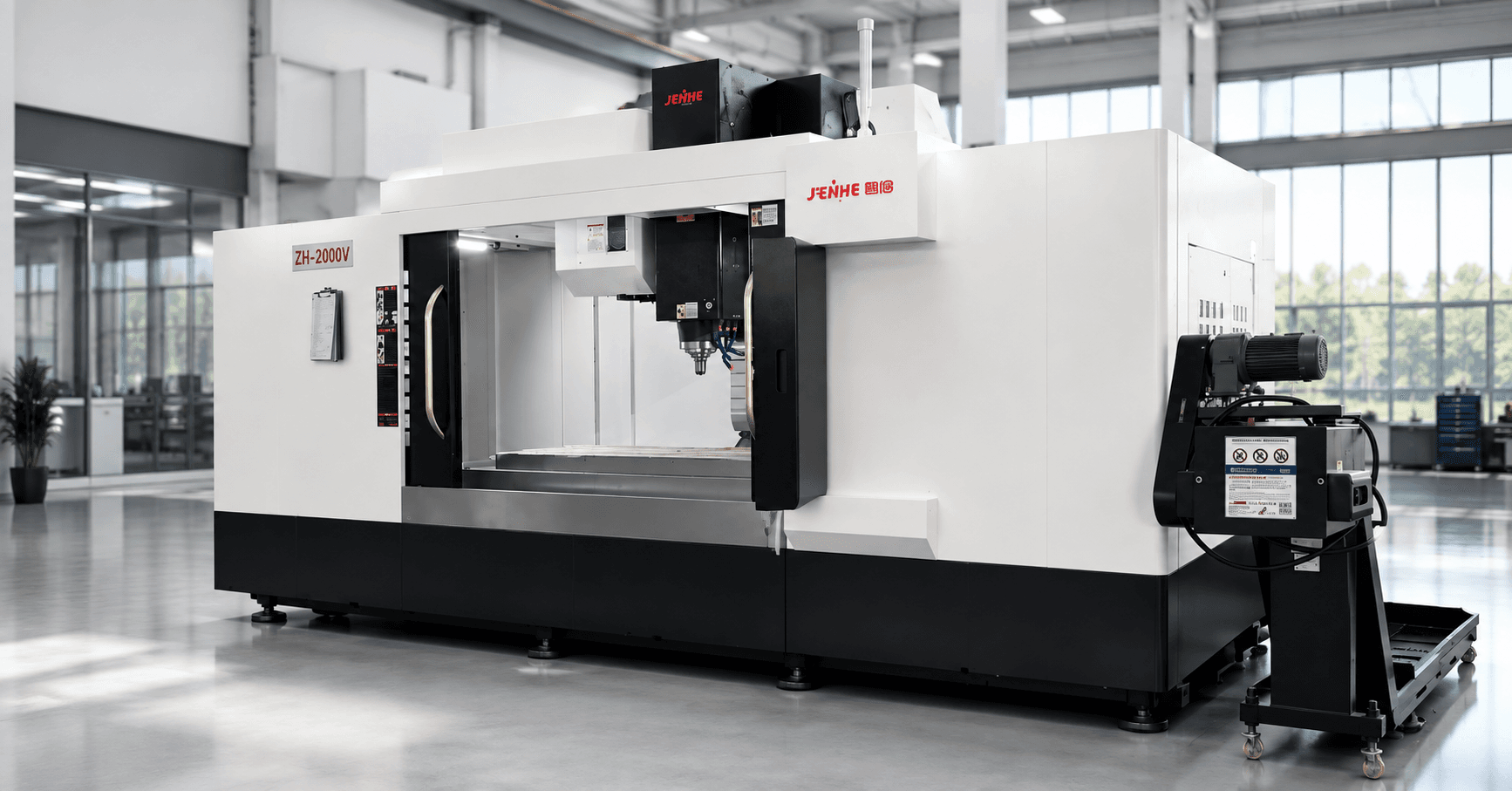
A VMC machine supplier should receive a part-first handoff before recommending a model. Zhihe CNC starts with a controlled part passport, then moves it through application, machine, production, site, and support stations so each team makes decisions from the same baseline.
The handoff is especially useful when purchasing, engineering, production, and maintenance have different definitions of a complete machine package.
Create the Part Passport
Attach drawing and model revisions, material, blank process, maximum dimensions, mass, datum scheme, setups, features, tolerances, surfaces, burr limits, annual volume, batch size, shifts, cycle target, and inspection method. Mark missing information and responsible owners.
Zhihe CNC uses the passport to distinguish a current production need from a future family that may need more travel, table capacity, tools, probing, or automation.
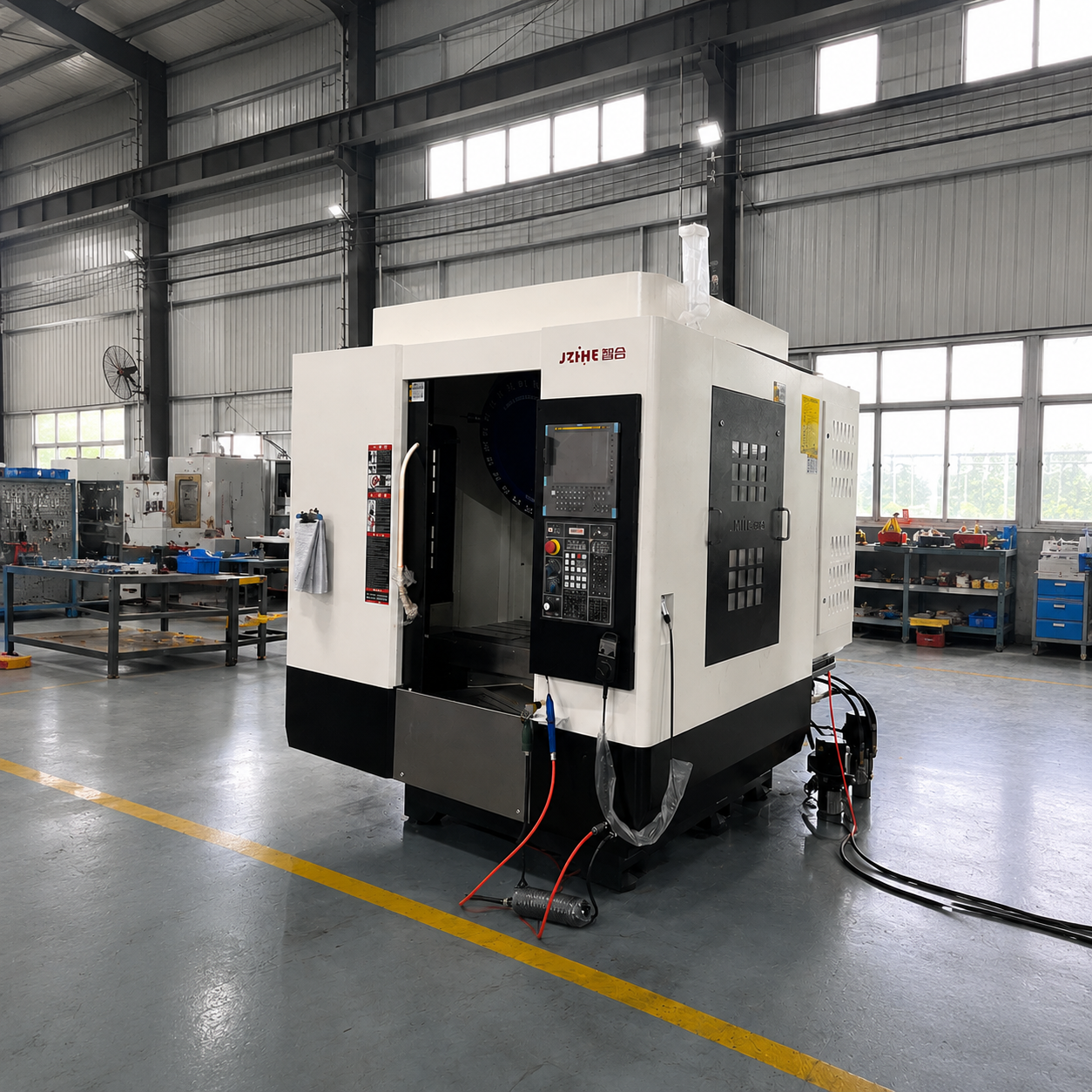
Station One Translates Features Into Axes
Map each face, hole, pocket, contour, thread, and inspection datum to setups and axis access. Identify tool approach, fixture interference, chip traps, probing needs, and whether a rotary device is required now or later.
This station should explain why a vertical platform is suitable. It should also state when a horizontal, drilling and tapping, gantry, milling, or five-axis solution deserves comparison.
Station Two Freezes the Machine Envelope
Confirm travels, table size, table load, spindle duty, guideway type, tool magazine, maximum tool limits, controller, coolant, chip conveyor, probing, scales, mist control, automation signals, voltage, and guarding. Tie every option to passport evidence.
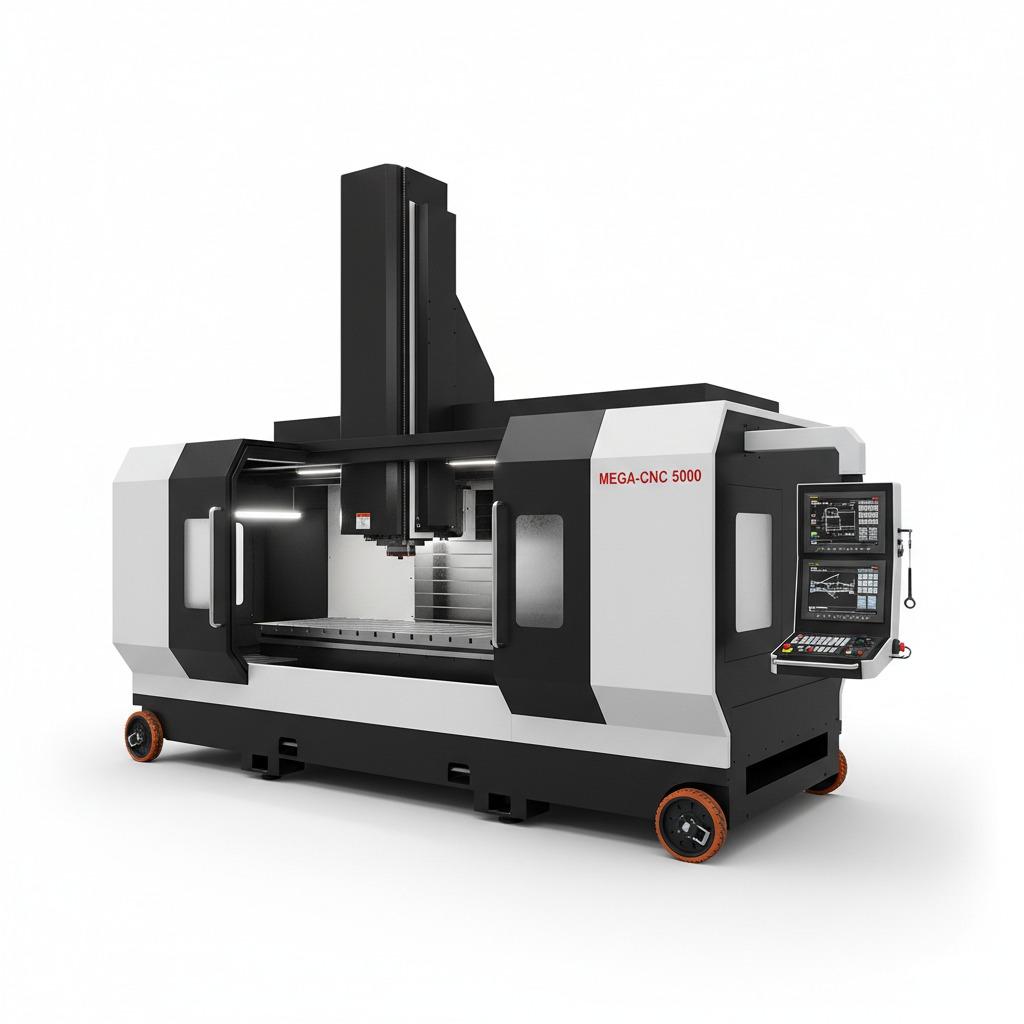
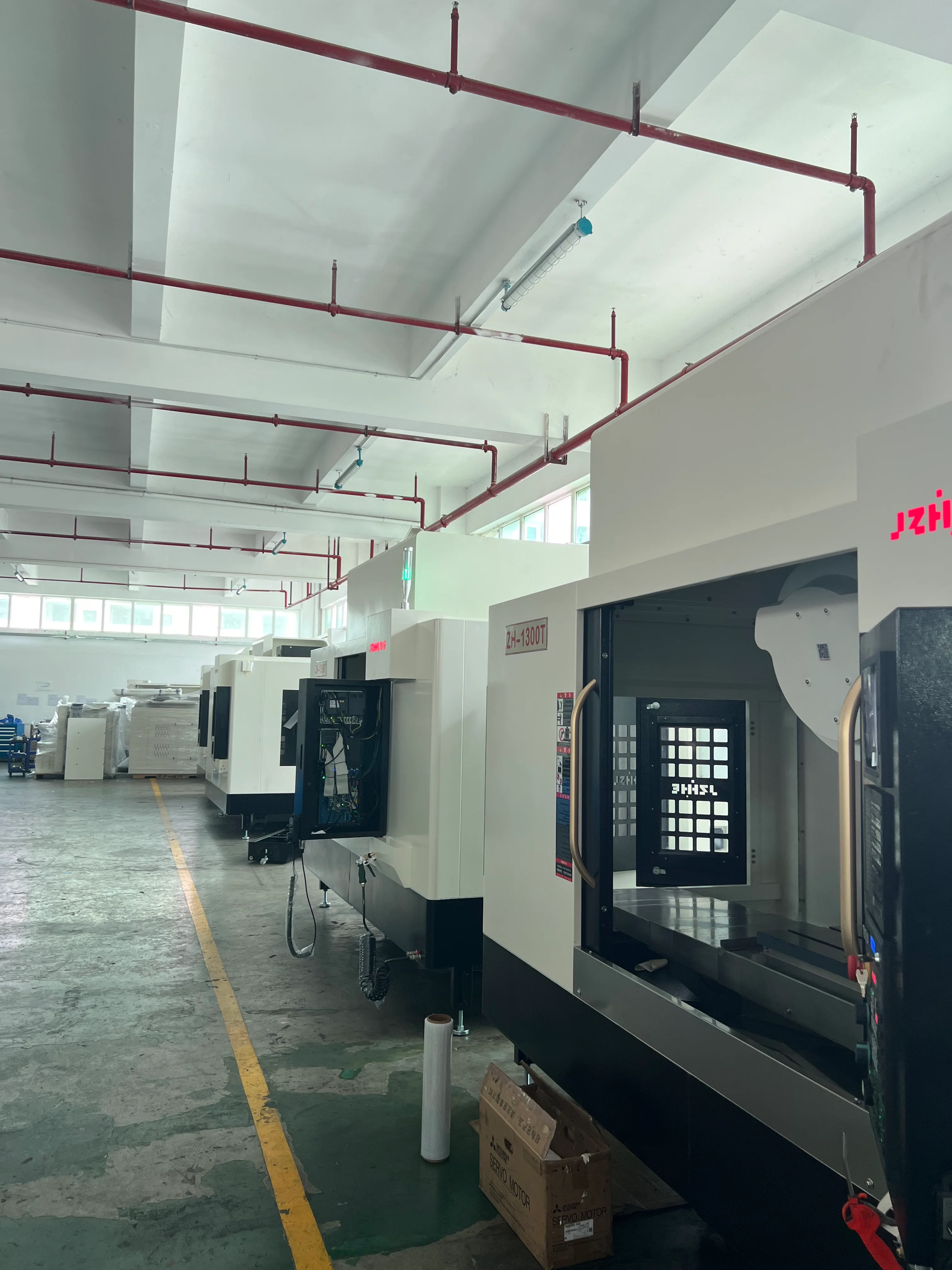
Review the Zhihe CNC vertical machining center range, then record the exact offered configuration rather than relying on family-level specifications.
Station Three Builds the Production Loop
List fixtures, clamps, subplates, holders, pull studs, cutting tools, probes, presetting, sister tools, gauges, coolant, filtration, chip containers, programs, postprocessor, tool data, first-piece approval, and normal replenishment.
A VMC can pass a function test while this loop remains incomplete. The handoff should identify what is included, buyer-supplied, locally sourced, optional, or unresolved.
| Station | Primary question | Release record |
|---|---|---|
| Application | What must the part prove? | Part passport |
| Machine | Which configuration fits? | Option freeze |
| Production | What completes the cutting loop? | Tooling and process list |
| Site | Can the plant receive and launch? | Readiness checklist |
| Support | How will faults be recovered? | Escalation map |
Station Four Measures Site Readiness
Record doorways, floor, foundation, lifting, service clearance, voltage, frequency, grounding, transformer, air, coolant, extraction, drainage, network, temperature, humidity, waste, local standards, and permits. Add measured values and completion dates.
Zhihe CNC can define machine requirements, while the receiving plant confirms actual conditions. The gap between the two becomes an action list before shipment.
Station Five Defines Acceptance
State geometry checks, positioning tests, warm-up, compensation, trial part, sample size, inspection tools, measurement conditions, cycle boundary, tool-life stage, rework rules, exceptions, and retest. Separate factory acceptance from site acceptance.
For a VMC machine supplier comparison, evidence must be comparable. A polished sample without an agreed material, tool, program, and inspection method is weak proof.
Run the Handoff-Loss Check
Ask each station to restate the part revision, configuration, two largest risks, open decisions, and next owner. Differences reveal information lost between sales, engineering, production, logistics, and service.
Correct the controlled record instead of relying on memory. This is particularly important after option changes or when local partners handle rigging, tooling, or installation.
Train by Role and Output
Define separate outcomes for operator, setup, programmer, maintenance, quality, and supervisor roles. Practice loading, offsets, tools, programs, probing, alarms, backups, inspection, preventive tasks, and escalation.
Attendance is not the final proof. Each role should demonstrate the tasks needed for safe production and controlled recovery.
Carry the Passport Into Support
The support packet should include serial configuration, controller and software versions, parameter and PLC backups, electrical drawings, manuals, alarm evidence, maintenance history, approved changes, contacts, remote-access rules, and spare strategy.
When an incident occurs, the service team can begin from the controlled configuration and production context instead of rebuilding the project history.
Use the Handoff in One Working Session
- Approve the part passport and missing-data owners.
- Map features, setups, and axis access.
- Freeze machine and production-loop scope.
- Measure site gaps and delivery responsibilities.
- Approve acceptance, training, and recovery records.
- Close high-impact exceptions before order release.
Recognize the Boundary
A part-first handoff cannot guarantee cycle time or quality when material, tools, fixtures, programs, inspection, or operators change. It also does not make the largest machine the best choice.
Its value is disciplined alignment. Keep alternatives visible when the workload may be served more economically by another platform or production method.
FAQ
Can one passport cover a part family?
Yes, if it records the bounding dimensions, mass, features, materials, tolerances, volumes, and exceptions for every important member.
Who should approve the passport?
Use accountable representatives from engineering, production, quality, purchasing, and the supplier where their decisions affect scope.
Should tooling be ordered with the machine?
Not always, but tooling ownership, interfaces, availability, and acceptance use must be defined before the project is released.
What if site data is not ready?
Keep measured site conditions as a formal gate with owners and dates instead of converting unknowns into assumptions.
Send Zhihe CNC the Part Passport
To compare a VMC machine supplier, send part files, materials, blanks, fixtures, tools, tolerances, surfaces, volumes, shifts, cycle targets, inspection, utilities, destination, and launch date. Submit the package through the Zhihe CNC inquiry page and use the VMC launch-plan guide to prepare the receiving team.