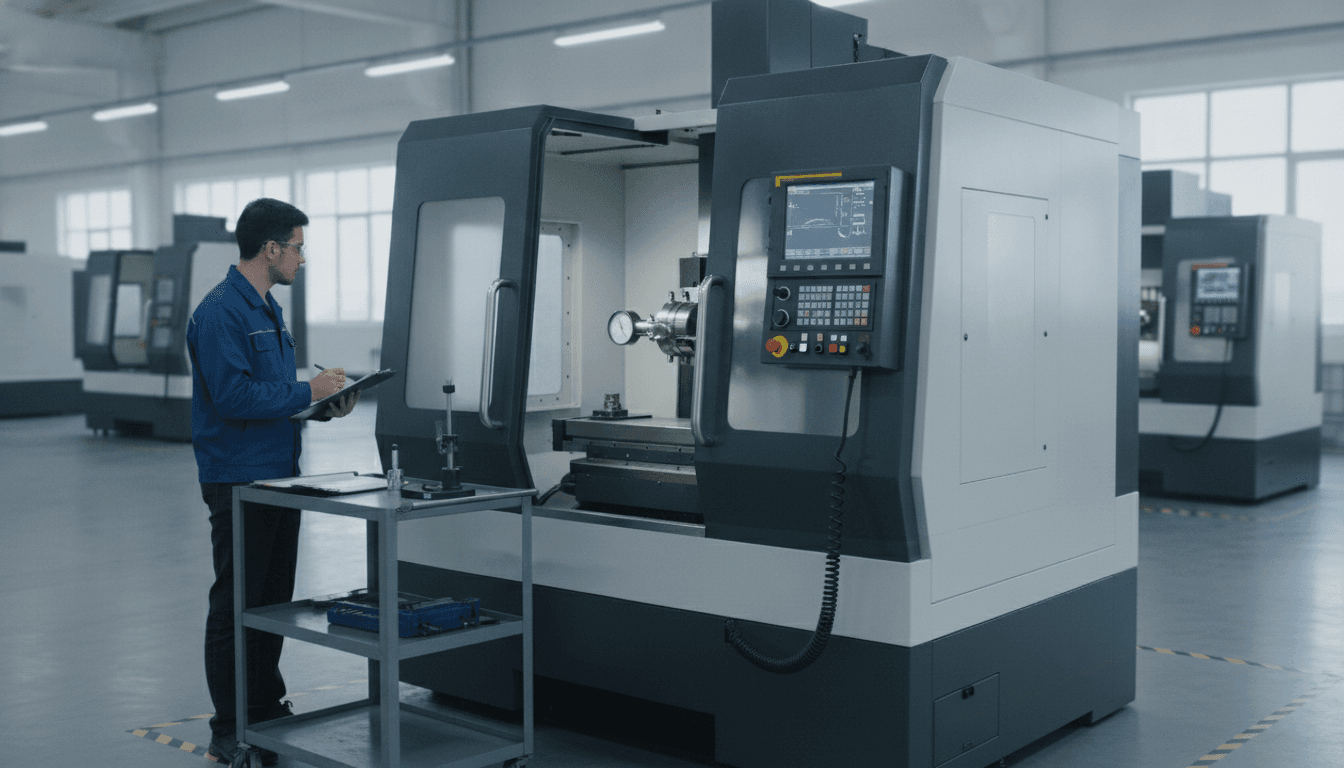
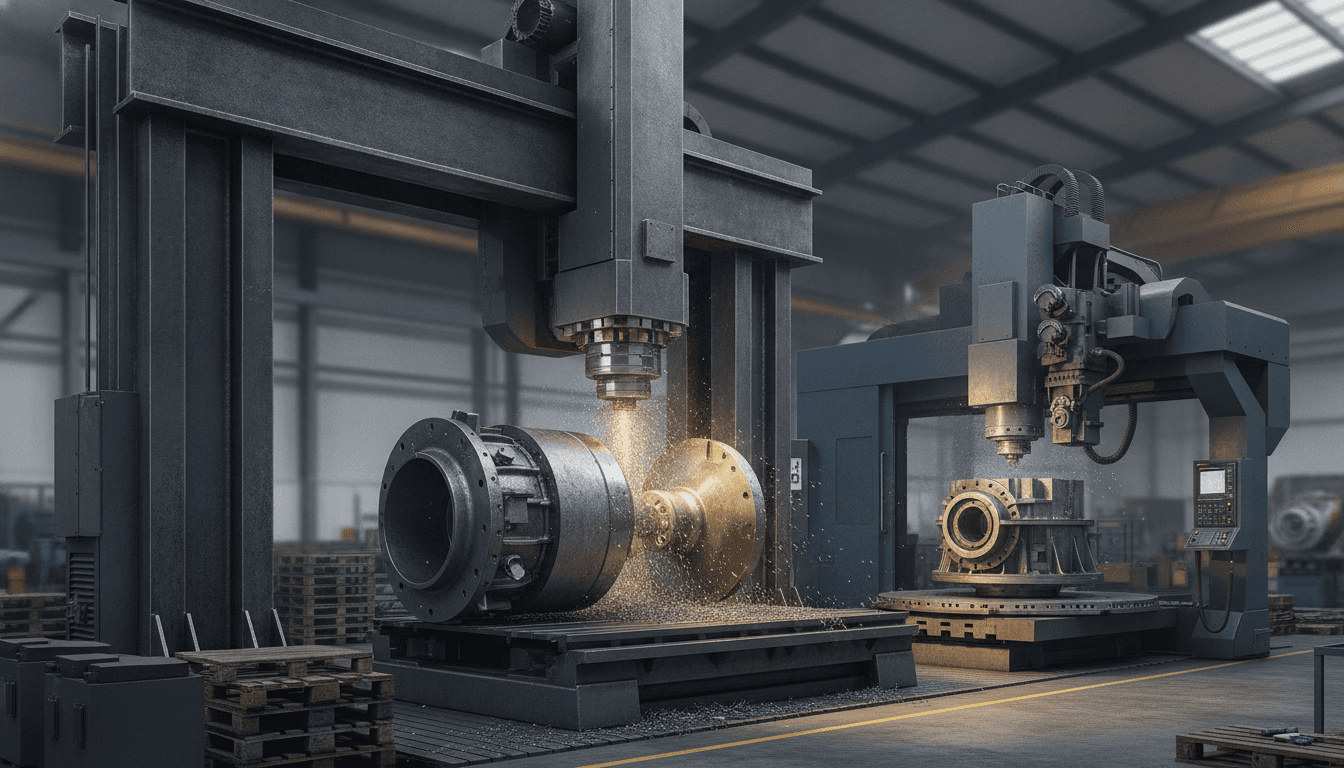
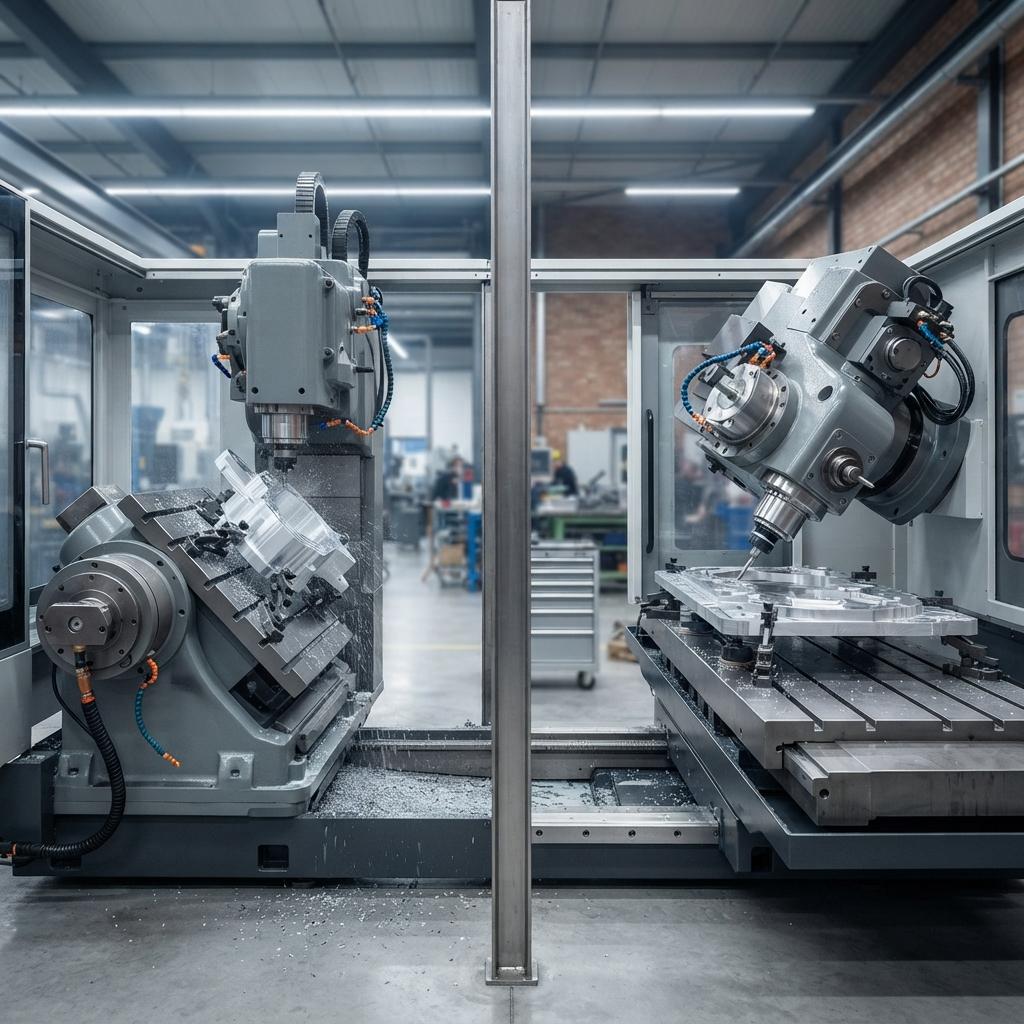
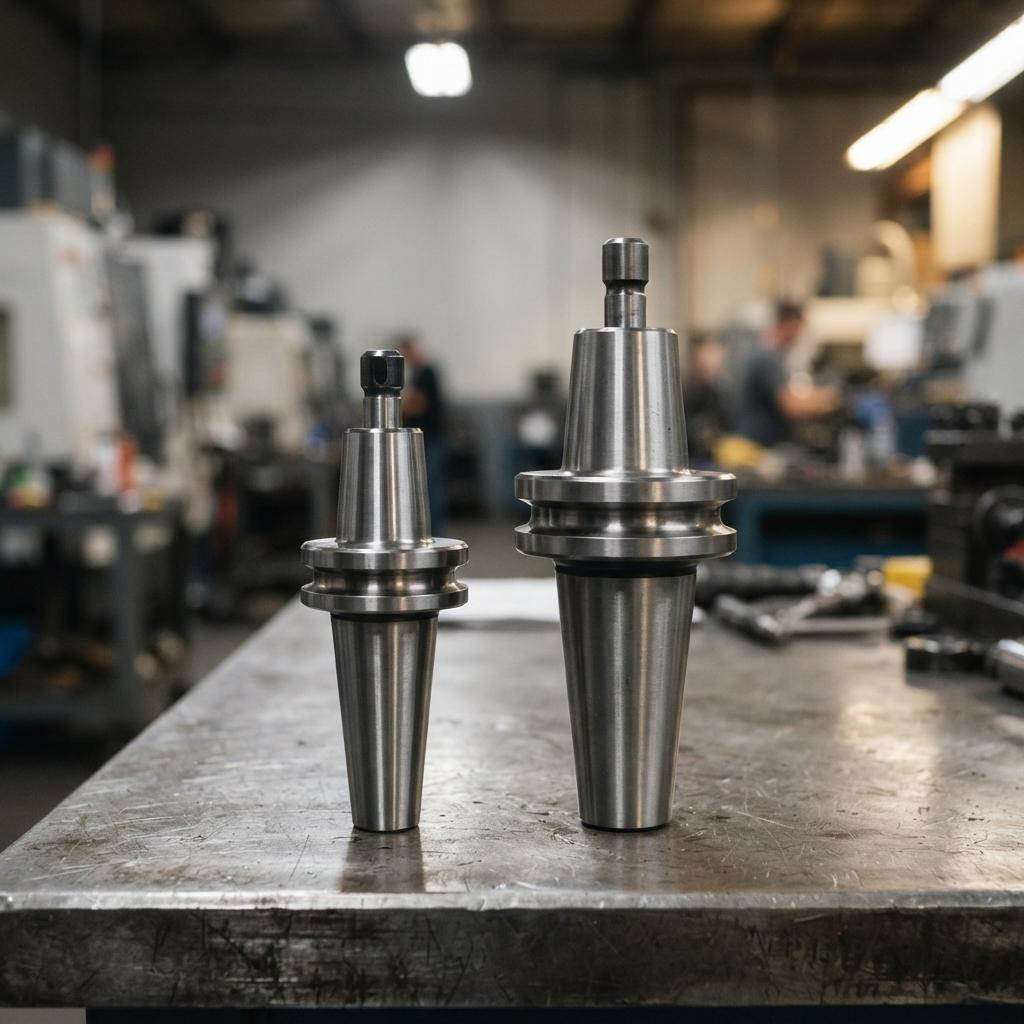
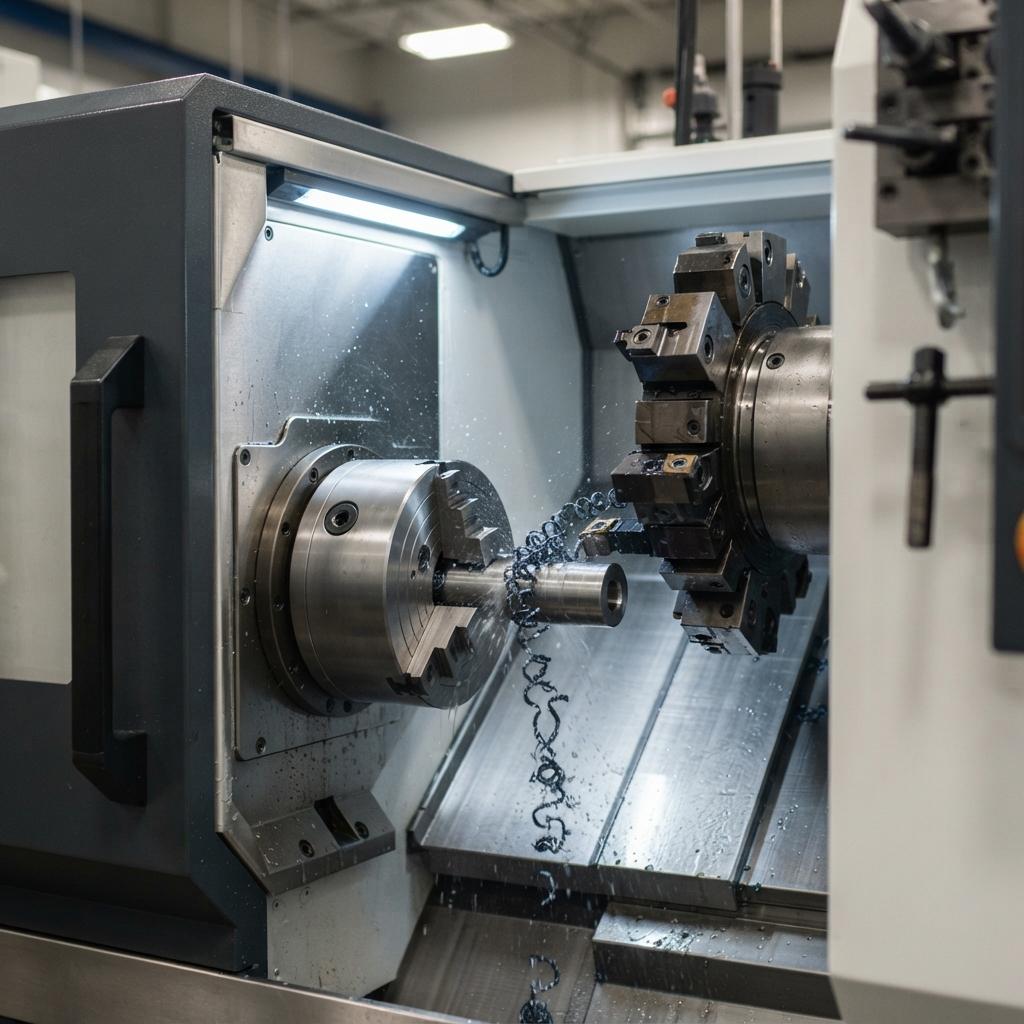
A 5 axis machining center price should be evaluated through option-value gates that release cost only when a defined part-family benefit is proven. The first gate asks whether five-axis motion removes setups or tool reach. Later gates test rotary architecture, envelope, controller functions, simulation, probing, accuracy evidence, training, and service.
The method prevents two common errors: buying an under-scoped machine that cannot deliver the planned process, or buying a sophisticated package whose capabilities remain unused because the digital chain and production team are not ready.
Gate Zero Proves the Orientation Problem
List every setup, datum transfer, angled feature, deep surface, compound contour, undercut, and inspection repositioning in the current route. Mark which operations could be combined and which must remain separate for access, quality, cleaning, or handling.
Estimate value through reduced setups, shorter tools, improved feature relationships, lower fixture count, less work-in-process, and faster engineering response. If the orientation problem is weak, five-axis investment may not be the best answer.
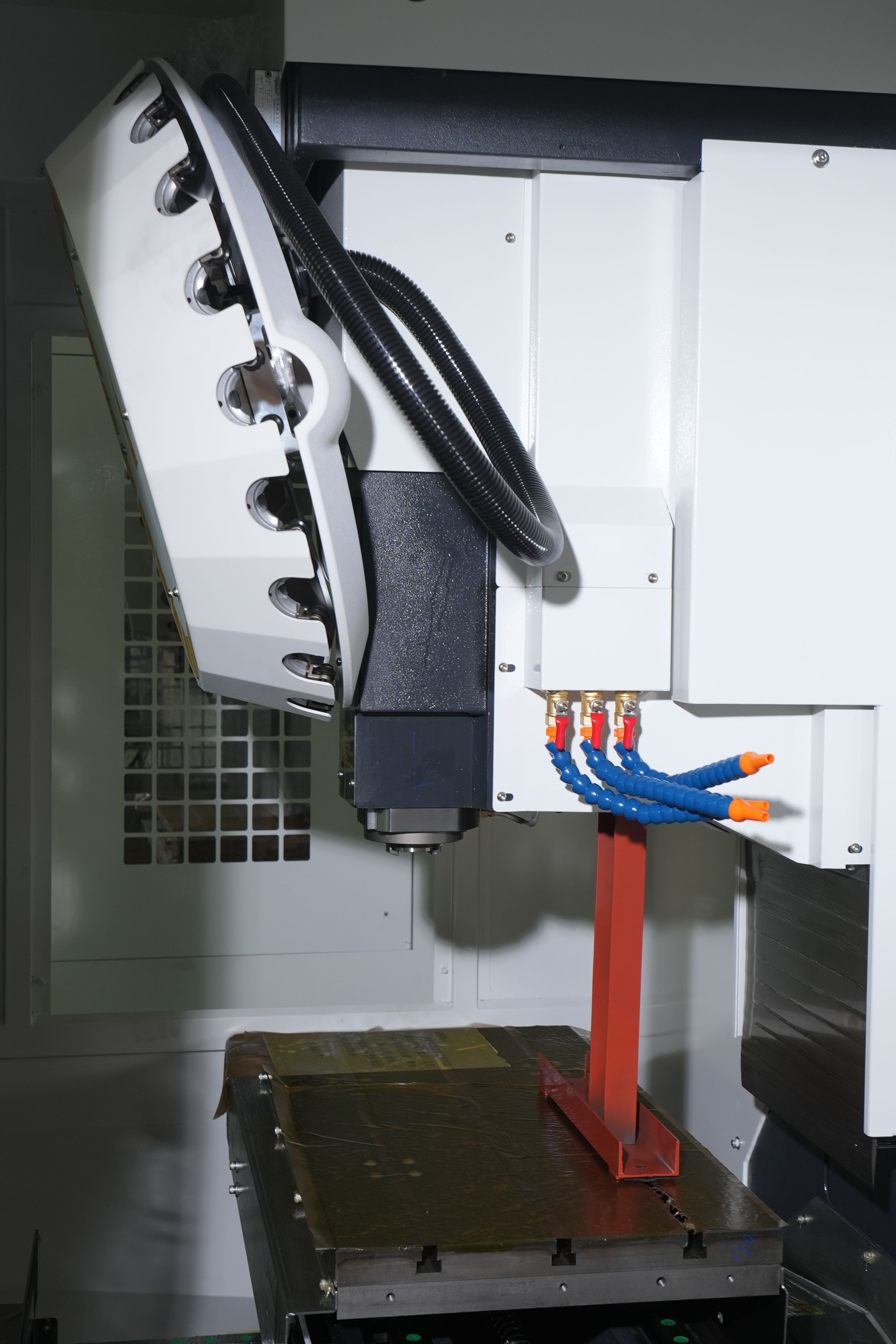
Gate One Chooses the Rotary Architecture
Compare table-table, head-table, head-head, trunnion, swivel head, and 3+2 configurations as applicable. Review workpiece mass, diameter, height, center of gravity, clamp area, cable or fixture clearance, angular range, continuous motion, and loading access.
Architecture changes cost because it changes structure, drives, scales, bearings, control, safety, and application range. Select from the workpiece and orientation map rather than from a generic preference for simultaneous motion.
Gate Two Builds the Rotated Envelope
Check the part and fixture at all required angles, not only at zero position. Include spindle nose, holder, tool, clamps, tombstone or trunnion, table edges, guarding, probes, and chip accumulation. Define collision margin and maintenance access.
A nominal travel can look generous while the usable rotated envelope is small. Create screenshots or simulation views for the worst orientations and keep them in the quotation record.
Gate Three Prices the Controller Functions
List five-axis transformation, tool-center-point control, tilted working plane, kinematic calibration, smoothing, look-ahead, high-speed options, probing cycles, data interfaces, and any licensed functions needed by the postprocessor and program.
For a 5 axis machining center price comparison, the controller brand alone is insufficient. Confirm the exact hardware, software, option codes, version, language, storage, network, and included training.
| Value gate | Cost driver | Release evidence |
|---|---|---|
| Orientation | Five-axis architecture | Setup and tool-reach reduction |
| Envelope | Rotary size and machine travel | Collision-cleared mounted model |
| Control | Options and licenses | Post and function test |
| Quality | Calibration and probing | Conditioned acceptance record |
| Organization | Training and support | Production-release capability |
Gate Four Releases the Digital Chain
Define CAD data, CAM strategy, tool assemblies, holders, fixtures, machine model, kinematics, postprocessor, simulation, revision control, program approval, and transfer method. Assign ownership for every file and change.
A capable machine can remain idle if the postprocessor, simulation, or revision process is incomplete. Price the digital chain as part of production readiness rather than treating it as an external afterthought.
Gate Five Tests Tool Reach and Collision Margin
Use the intended tool assemblies and holders to verify deep features, tilted access, adjacent walls, rotary limits, and spindle clearance. Compare shorter-tool value with holder cost, special cutters, tool magazine capacity, and change restrictions.
Five-axis access often creates value by keeping tools shorter, but not every feature becomes accessible. Document exceptions and alternative operations before the configuration is frozen.
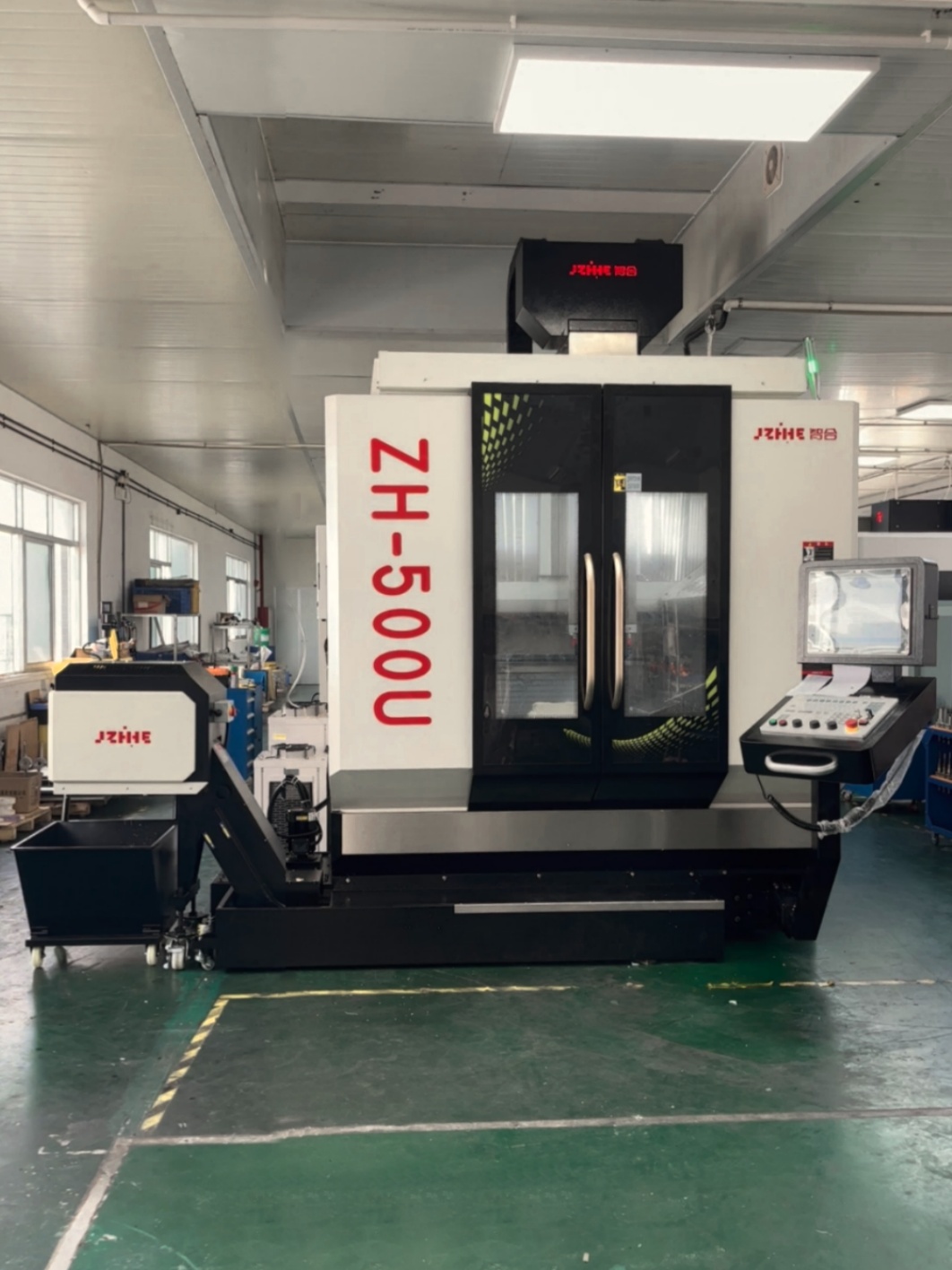
Gate Six Defines Calibration and Probing
State rotary calibration method, reference artifacts, warm-up, frequency, operator steps, acceptable results, and response to failure. Define work probing, tool measurement, broken-tool checks, datum updates, and traceability.
Calibration and probing options may increase purchase cost but reduce setup uncertainty and recovery time. Their value depends on process design, maintenance discipline, and acceptance limits.
Gate Seven Normalizes Accuracy Evidence
Separate linear-axis data, rotary-axis data, volumetric behavior, simultaneous path performance, and trial-part results. Define measurement equipment, conditions, compensation state, uncertainty, and factory-versus-site responsibilities.
A single positioning number does not describe five-axis part quality. The acceptance package should target the feature relationships, orientations, and thermal duty that the buyer intends to run.
Gate Eight Values Human Readiness
Assess programmers, setup staff, operators, maintenance, quality, and production engineering. Define role-based training, practice parts, supervised release, troubleshooting, backup coverage, and documentation language.
Training should produce observable capability: safe setup, correct calibration, simulation review, offset recovery, tool management, first-part approval, and controlled program change. Attendance alone is not a release criterion.
Gate Nine Prices Service and Recovery
Record remote support, local response, rotary expertise, controller support, spare strategy, software access, diagnostic data, warranty boundaries, travel, and escalation. Identify likely high-impact failures and the recovery route.
Review the five-axis machining center range for platform context, then connect service scope to the selected rotary, controller, scales, probing, and software chain.
Run the Option-Value Release Meeting
- Approve the orientation-value worksheet and target parts.
- Select architecture and verify the rotated envelope.
- Freeze controller functions, digital files, and post ownership.
- Test tools, simulation, calibration, probing, and quality evidence.
- Approve training, service, spares, delivery, and site readiness.
- Release only the options with named value or risk-control evidence.
When a Lower-Cost 3+2 Route Wins
Continuous five-axis motion is not automatically better. Indexed 3+2 machining can be the stronger choice when features are planar, surface blending is limited, programming resources are developing, and positioning at fixed angles removes enough setups.
Conversely, a higher-price simultaneous package may be justified by complex contouring, tool orientation control, shorter cutters, finish continuity, or reduced cycle and fixture risk. The gate record should make the reason visible.
FAQ
Why can similar five-axis machines have different prices?
Architecture, rotary size, scales, spindle, controller options, probing, calibration, software, acceptance, service, and included scope can differ materially.
Is simultaneous motion always required?
No. Many multi-face parts benefit from indexed 3+2 machining, while continuous motion is more relevant to contouring and controlled tool orientation.
Should the postprocessor be included?
The quotation should state who supplies, validates, maintains, and updates the postprocessor and machine simulation model.
What is the strongest acceptance part?
Use a representative part or artifact that exercises required orientations, tool reach, path behavior, probing, and inspection under agreed conditions.
Request an Option-Value Assessment
To compare 5 axis machining center price, send part and blank models, materials, setup route, orientation list, annual volume, fixture concept, tools, tolerance relationships, surface requirements, CAM system, post status, simulation needs, controller preferences, training plan, and destination. Use the contact page for a configuration review and consult the three-axis versus five-axis guide to frame the first architecture decision.