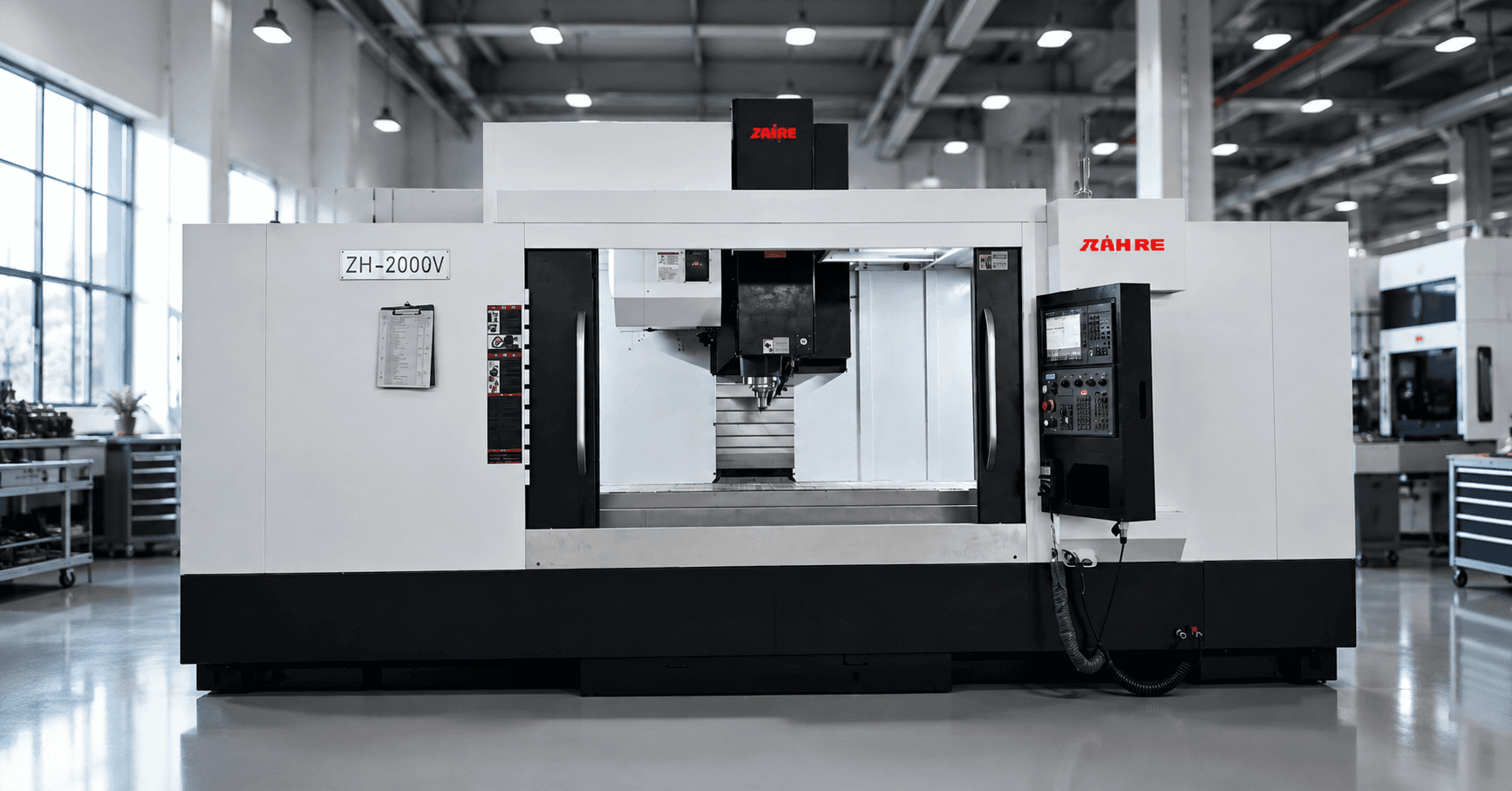
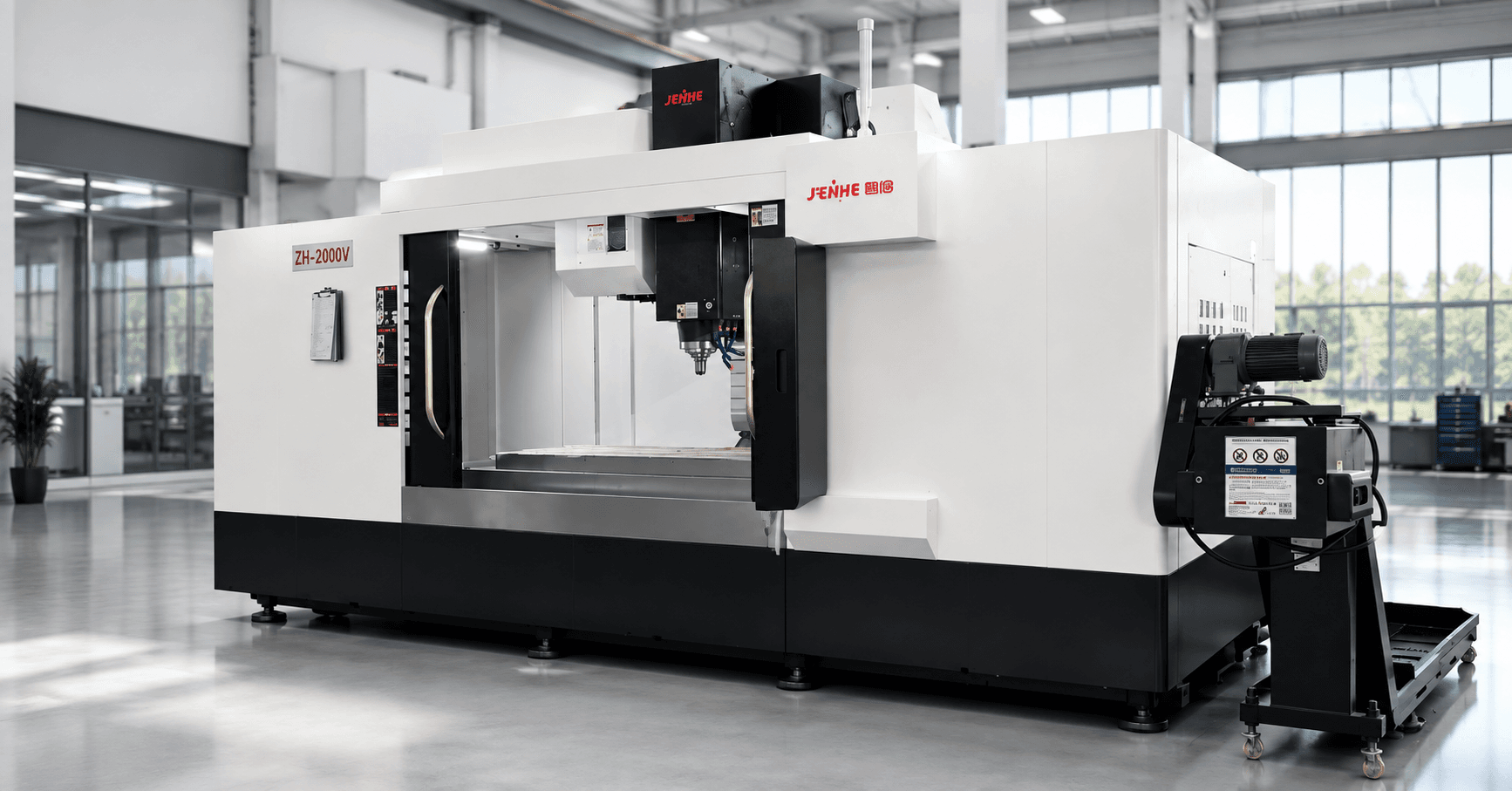
A 5 axis machining center supplier should map three zones before recommending equipment: where five-axis capability clearly creates value, where it works only under defined conditions, and where another process is more economical or robust. Zhihe CNC uses this boundary map to keep axis count from becoming a substitute for application fit.
The map combines part geometry, kinematics, tools, software, setup, inspection, people, acceptance, and support.
Green Zone: Access Removes Setups
Identify features that require multiple orientations, difficult approach angles, datum transfers, long tools, or blended surfaces. Quantify setup reduction, fixture simplification, handling, queue time, tolerance stack, and work-in-process effects.
Zhihe CNC can then determine whether indexed or simultaneous motion supports measurable production value for the selected family.
Conditional Zone: The Envelope Is Tight
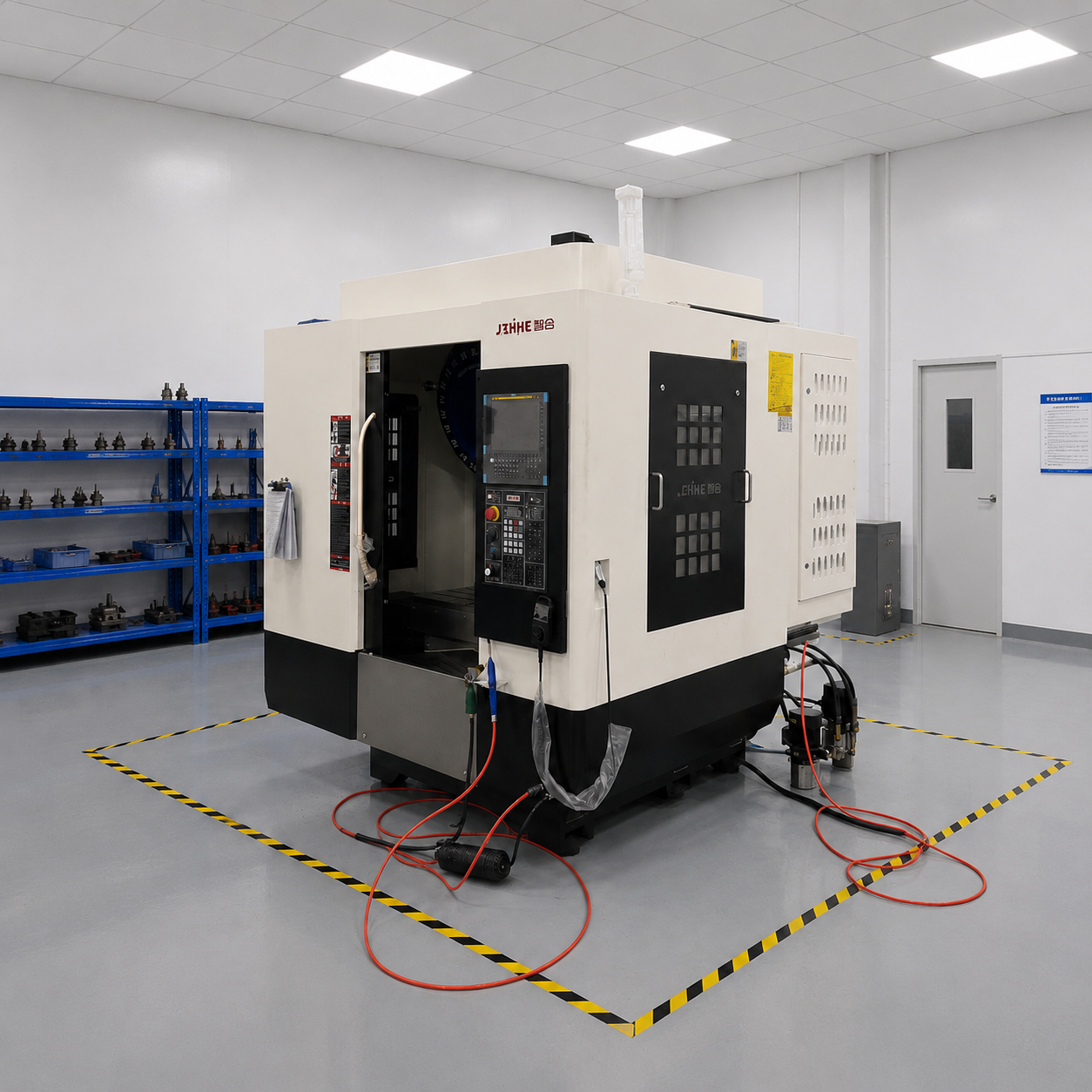
Overlay blank, fixture, clamps, table or trunnion, spindle, holders, tools, probes, covers, cables, safe planes, rotary limits, and service access. Check every critical orientation and extreme tool assembly.
A part may fit at zero degrees but collide or lose travel when rotary axes move. The usable envelope is configuration and setup specific.
Conditional Zone: Kinematics Need Control
Record rotary direction, centers, zero definitions, limits, preferred solutions, singularities, unwinds, interpolation, feed treatment, smoothing, and calibration. Link these items to the controller and postprocessor revision.
Review the Zhihe CNC five-axis range, then validate the exact machine kinematics rather than a generic model.
Conditional Zone: Tool Assemblies Stretch Risk
List holder, collet or shrink interface, tool diameter, gauge length, balance, runout, pull stud, cutting engagement, collision clearance, deflection, vibration, and replacement condition. Define approved limits.
For a 5 axis machining center supplier comparison, theoretical access is weak evidence when the required tool assembly is unstable or unavailable.
| Map zone | Typical signal | Decision |
|---|---|---|
| Green | Fewer setups and better datum continuity | Quantify value |
| Conditional | Tight envelope or digital dependency | Test and control |
| Conditional | Skill or inspection gap | Build readiness |
| Alternative | Simple features or weak utilization | Compare other routes |
| Red | Unsafe or unverified condition | Do not release |
Conditional Zone: The Digital Chain Must Agree
Control CAD revision, CAM version, machine model, fixtures, tool assemblies, postprocessor, NC code, probing, simulation, setup sheet, offsets, controller options, file transfer, and backups. Assign change authority.
Zhihe CNC should define configured machine and controller data; the buyer controls approved process files and their release to production.
Conditional Zone: Inspection Can Follow Geometry
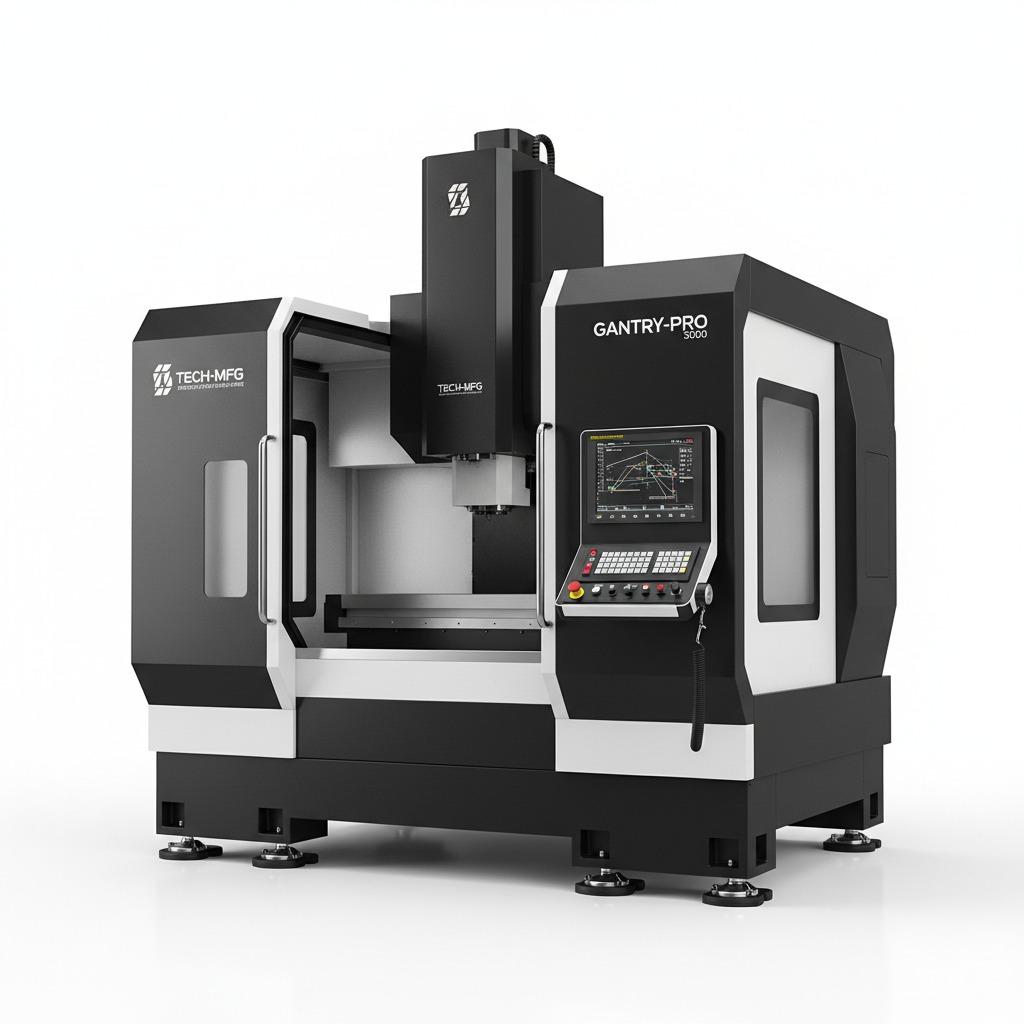
Define datums, alignment, probing, in-process checks, final instrument, access, support, temperature, uncertainty, sampling, surface review, and data traceability. Test whether the quality route can verify the claimed advantage.
Complex motion does not create value when inspection becomes an unresolved bottleneck or cannot diagnose deviation.
Conditional Zone: Skills Cover the Shift
Map design, CAM, post, setup, operation, quality, maintenance, and supervision roles. Define training outcomes for limits, transformations, simulation, tools, probes, alarms, restart, backups, and escalation. Include absence coverage.
One expert can launch a process but may not sustain multiple shifts. Capability includes organizational readiness.
Green Zone: Acceptance Repeats the Risk
Select representative orientation, contour, access, surface, or datum features. State material, tools, fixtures, program, warm-up, environment, sample size, instruments, limits, exceptions, and retest. Preserve the approved revision.
A generic test piece may prove motion but not the buyer's critical feature. Evidence should follow the decision risk.
Alternative Zone: Another Route Wins
Compare three-axis machining with more setups, a positional rotary, horizontal machining, gantry machining, dedicated fixtures, or qualified subcontracting. Model volume, setup, queue, labor, tools, inspection, programming, maintenance, and recovery.
The boundary map should trigger an alternative review when features are simple, utilization is low, skills are unavailable, or complexity costs exceed setup savings.
Map Support Beyond the Warranty Line
Record software and controller versions, parameters, PLC backup, calibration data, manuals, alarm evidence, remote access, support hours, language, local partners, spares, post ownership, and recovery tests. Model one interrupted program.
Zhihe CNC can provide an escalation route, but plant access, evidence capture, safe work, process decisions, and quality release remain part of recovery.
Use the Map in Six Decisions
- Mark features with genuine access or datum value.
- Mark envelope, kinematic, tool, and digital conditions.
- Mark inspection and skill dependencies.
- Test the highest-impact conditional zones.
- Compare credible alternative routes.
- Release only controlled green and accepted conditional zones.
Avoid Painting Everything Green
No supplier can guarantee every part, tool, program, surface, cycle, or future application. A wider nominal capability does not automatically produce lower cost or better quality.
Keep red and alternative zones visible. Honest boundaries improve selection, acceptance, training, and long-term support.
FAQ
Does five-axis always reduce setups?
No. Geometry, access, fixtures, inspection, batch size, and process sequence determine whether consolidation is practical.
Is simultaneous machining always required?
No. Indexed positioning may deliver the needed access and datum control with lower programming and validation complexity.
Who validates the postprocessor?
Define supplier, software partner, integrator, and buyer responsibilities, including test parts, revisions, ownership, and updates.
Can the map include future parts?
Yes, but separate confirmed current requirements from forecast opportunities and assign uncertainty.
Map the Boundary With Zhihe CNC
To evaluate a 5 axis machining center supplier, send CAD and drawings, materials, features, datums, fixtures, tools, CAM and post status, inspection, volumes, shifts, skills, destination, and support needs. Use the Zhihe CNC contact page and compare the 3-axis versus 5-axis guide.