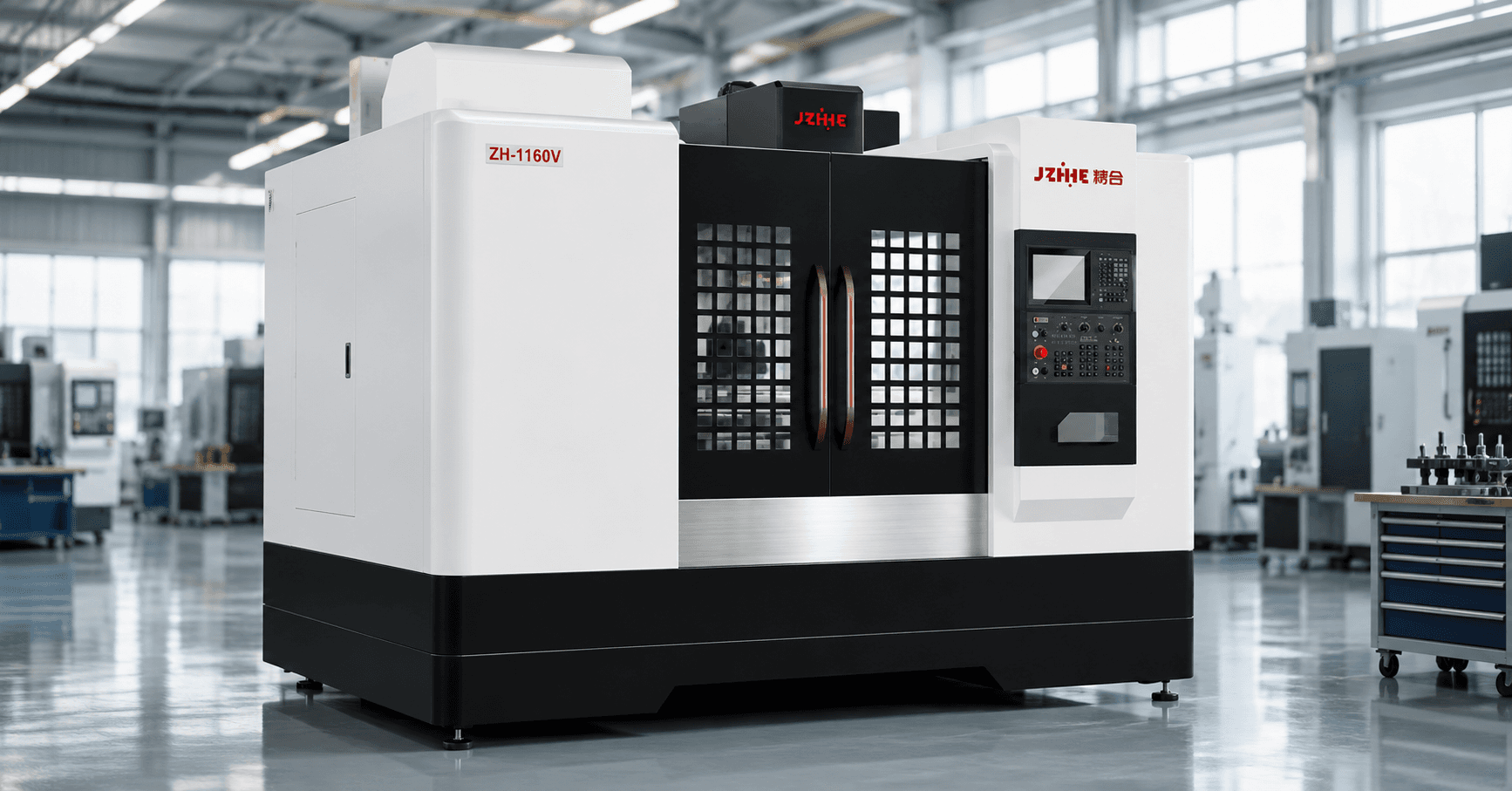
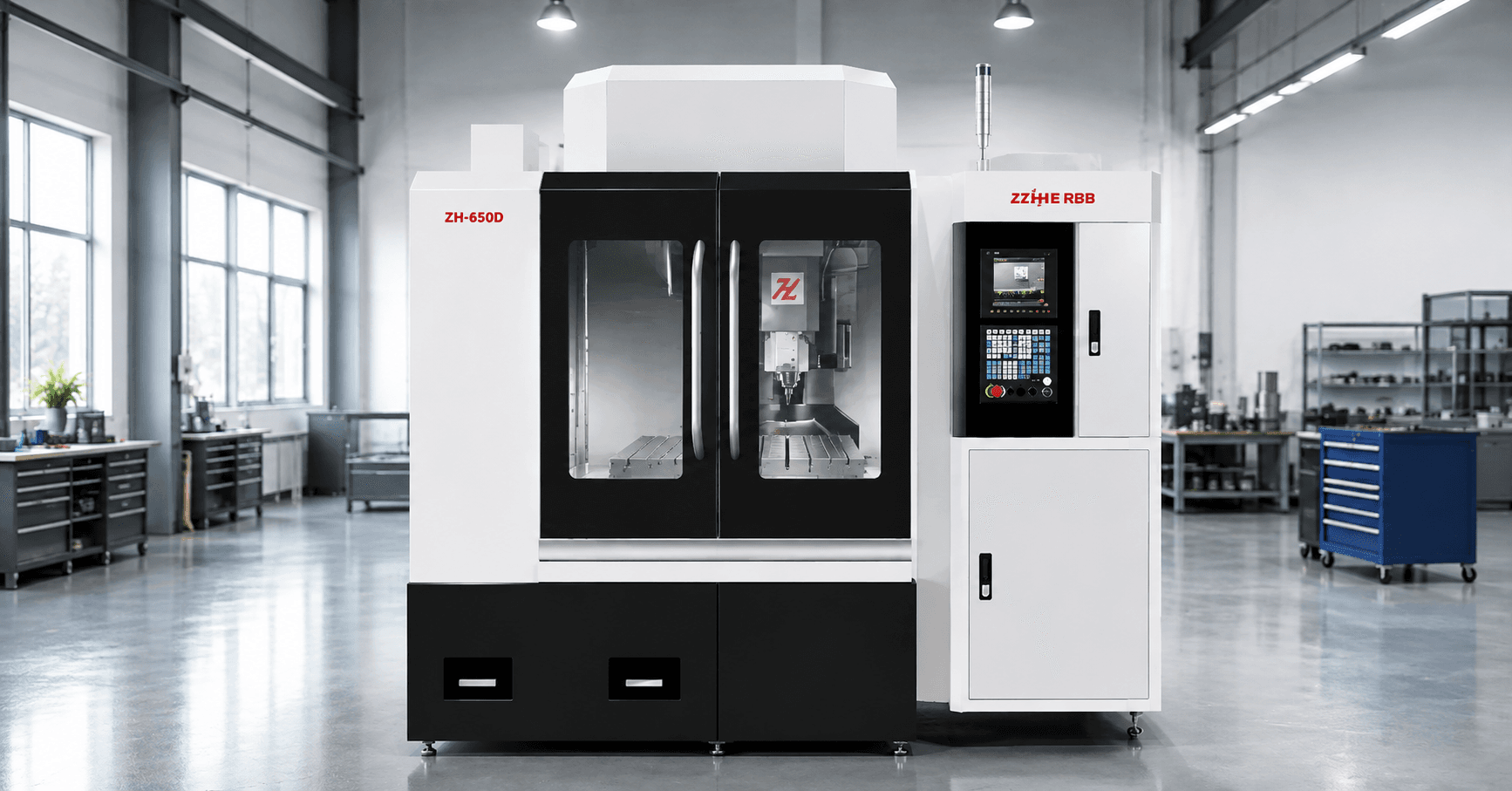
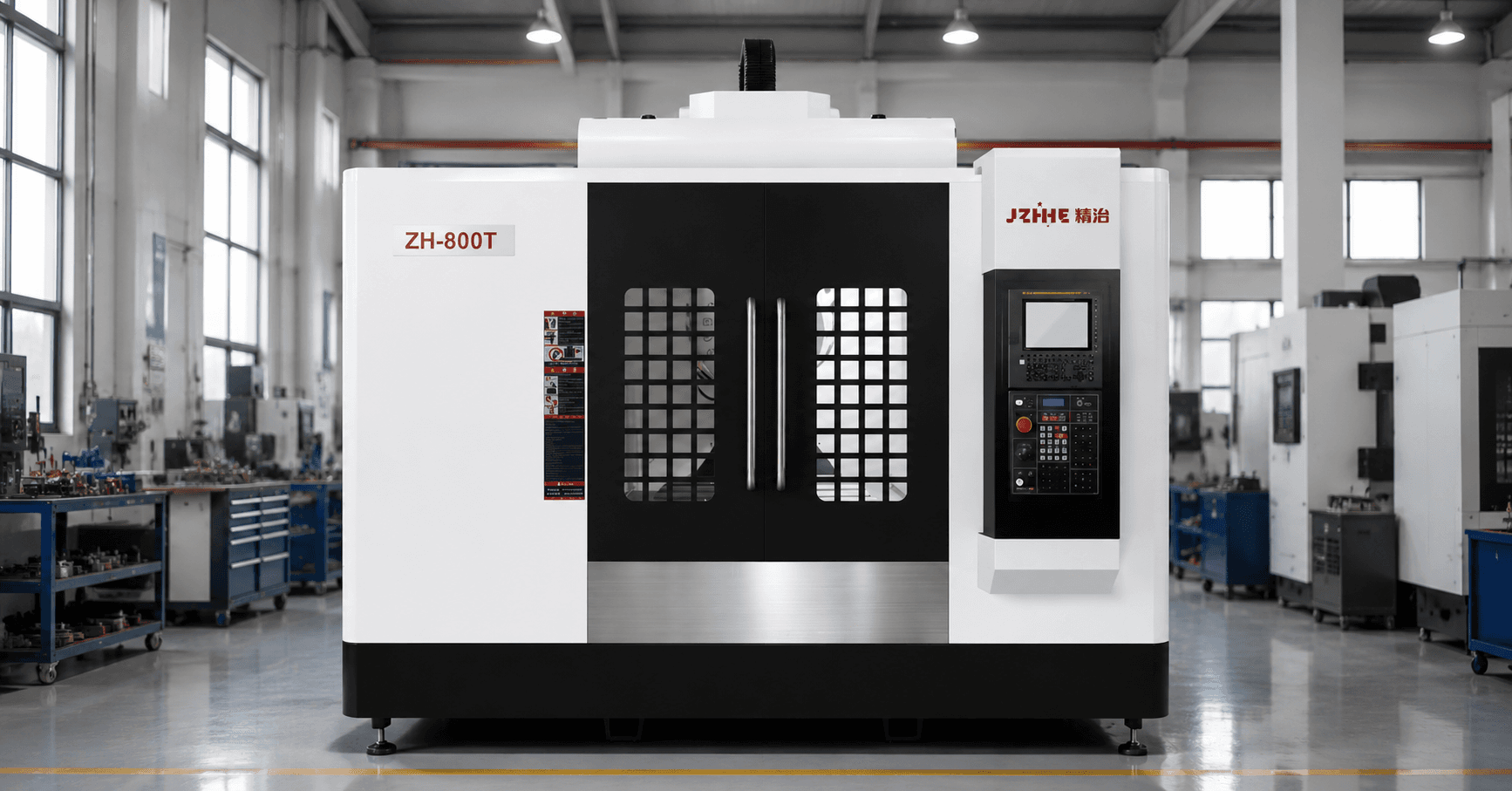
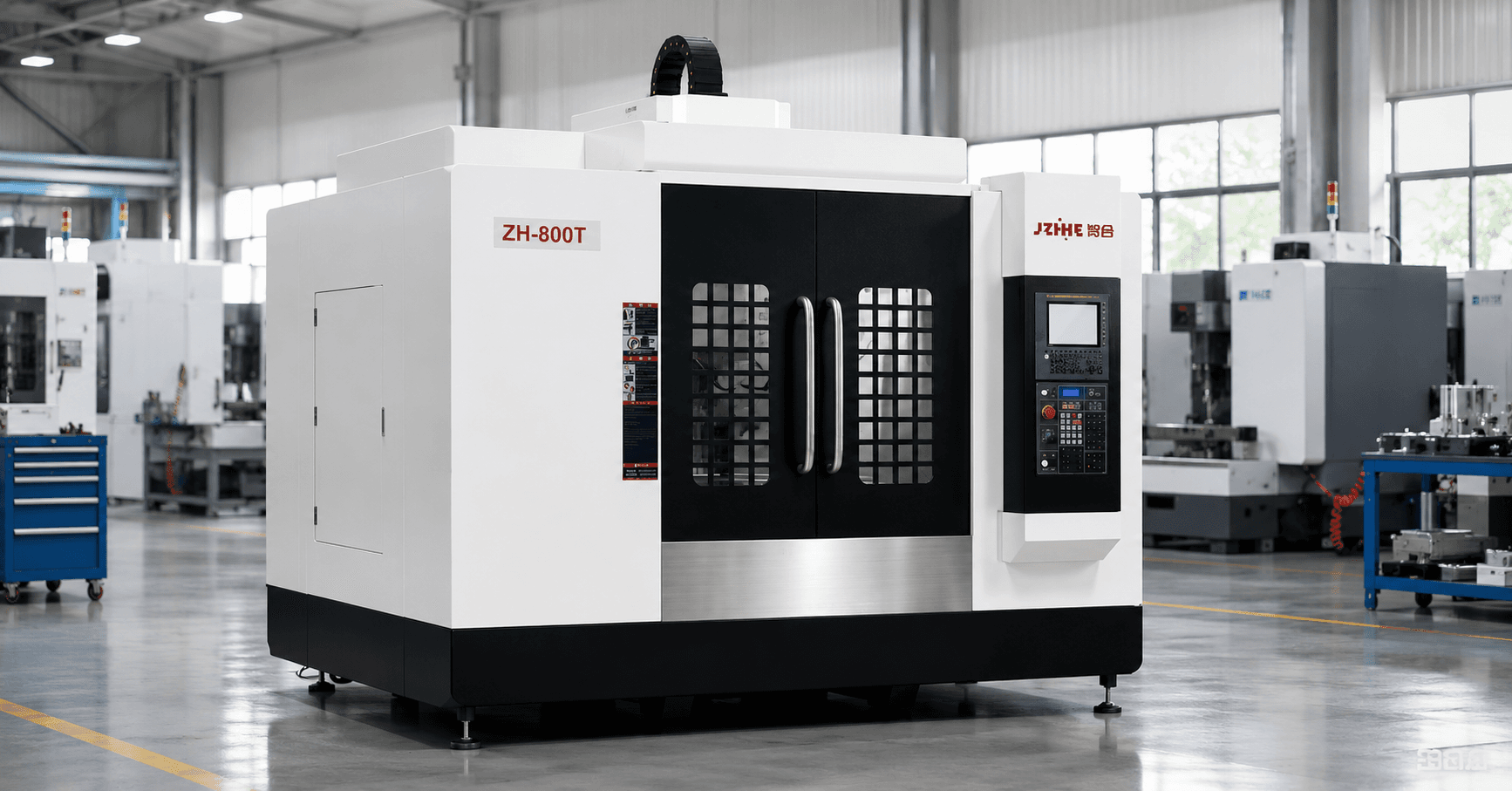
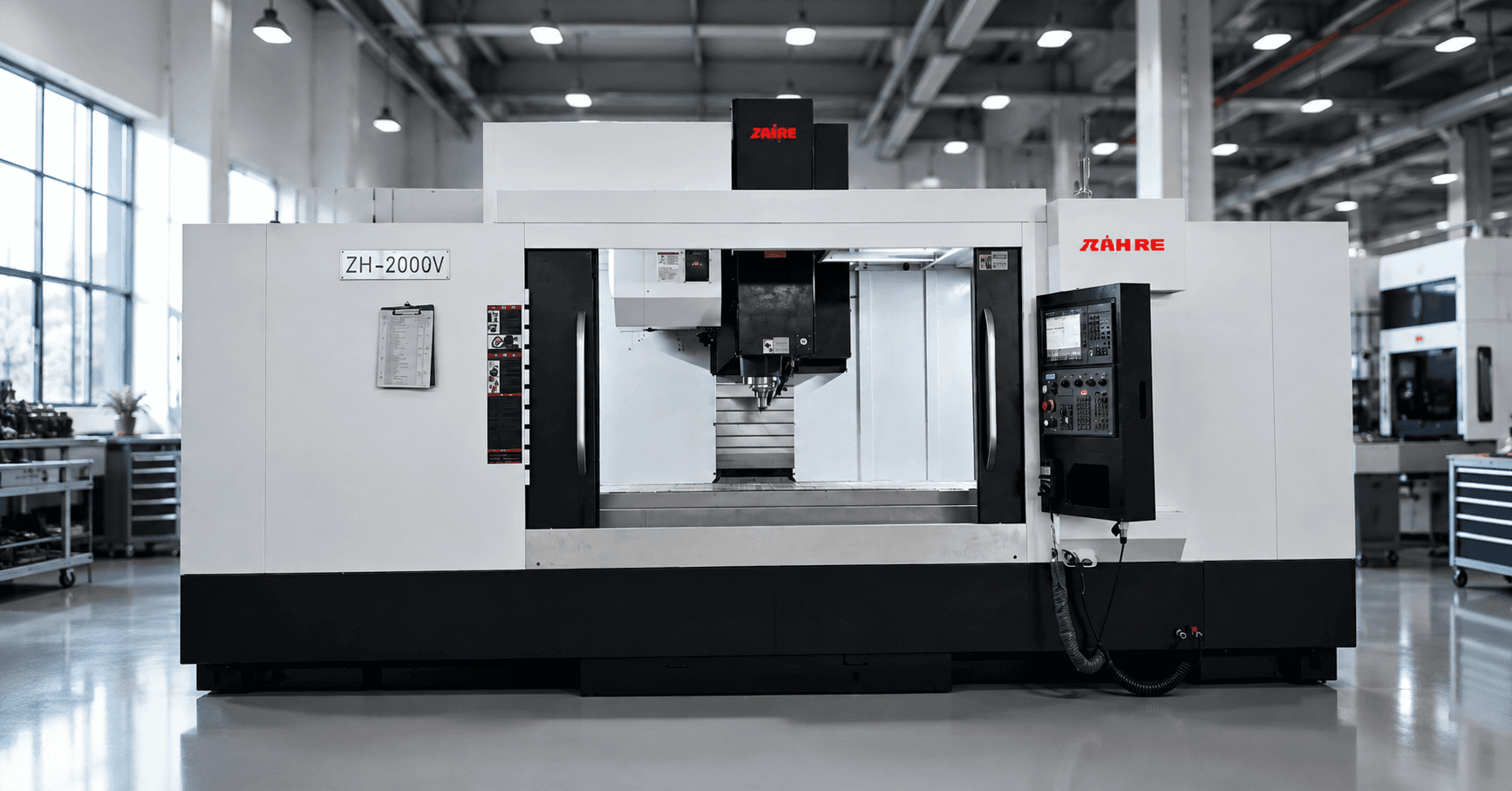
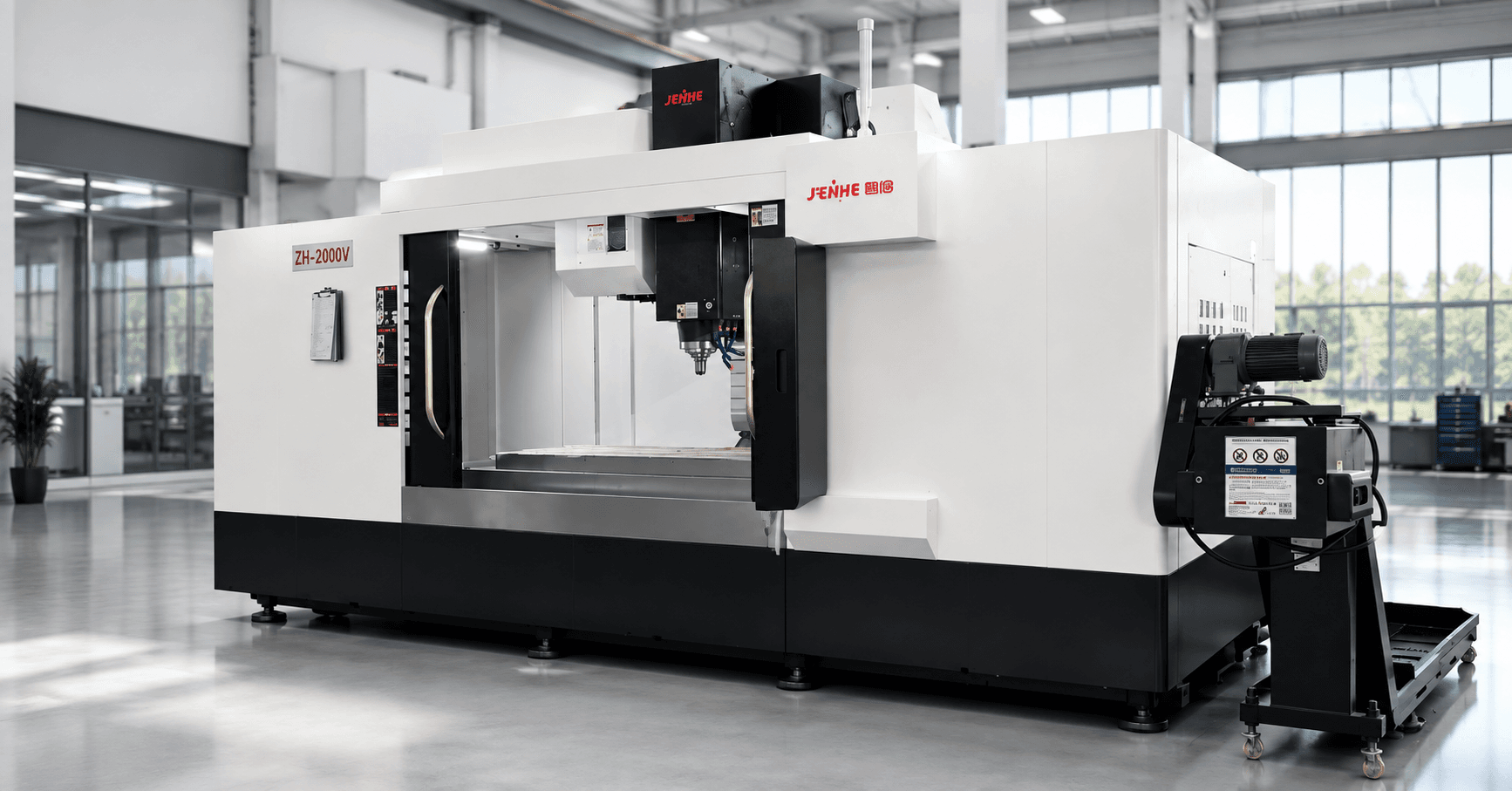
A China drilling tapping center should be evaluated through the complete export handoff, not only through speed, travel, and price. The handoff connects application data, released configuration, language and software versions, packing, customs documents, site preparation, commissioning, training, acceptance, spares, and recovery.
High-speed equipment depends on many small interfaces. A missing transformer detail, postprocessor version, lifting instruction, tool standard, or training responsibility can delay production after the machine has passed factory tests.
Handoff One Defines the Production Task
Document part and blank dimensions, material and condition, features, threads, hole depths, tolerances, cosmetic zones, annual volume, batch size, target takt, fixture concept, tool list, inspection, cleaning, and automation expectations.
Separate required output from optimistic targets. The proposed machine and export scope should respond to one controlled application brief.
Handoff Two Freezes Configuration and Interfaces
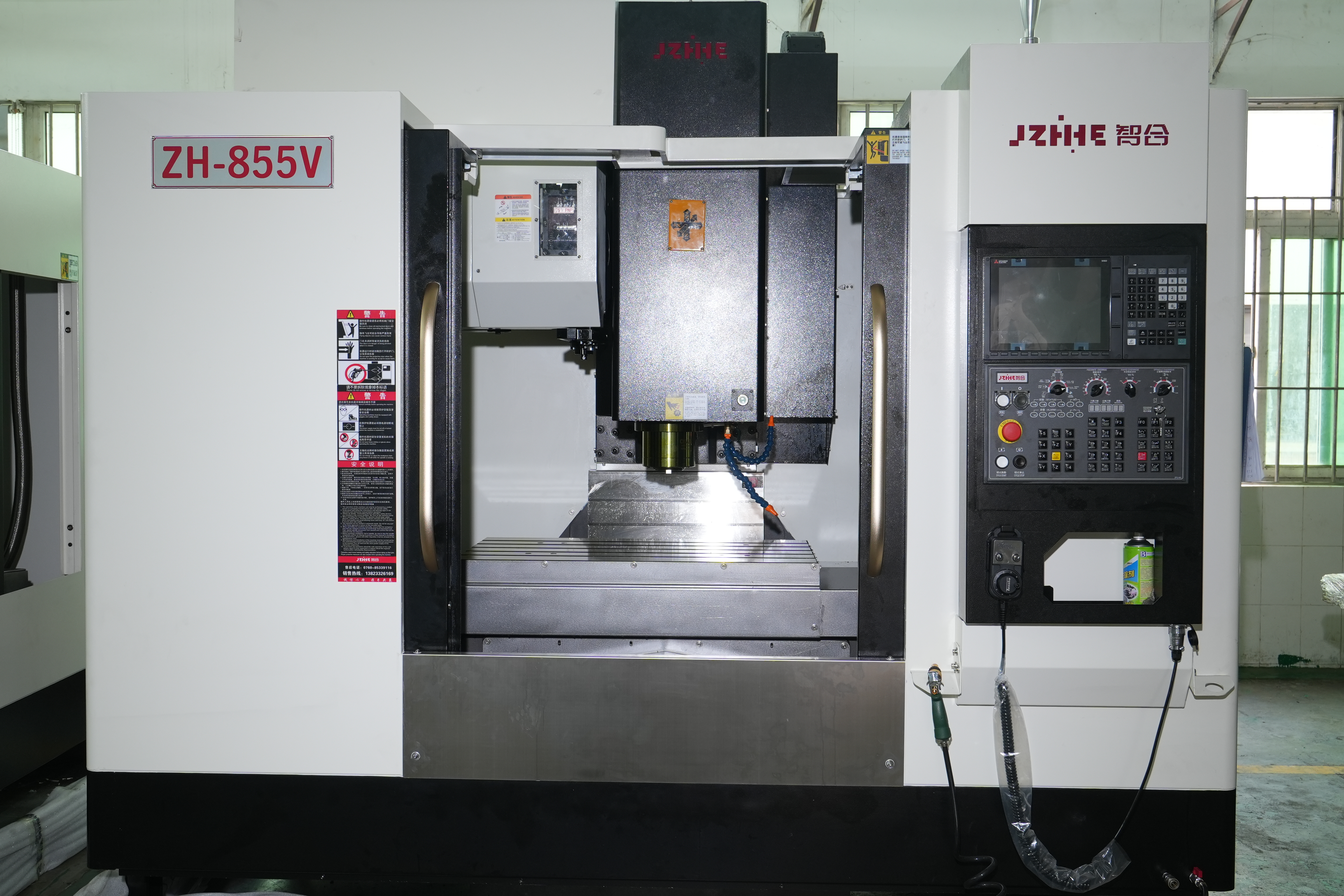
Confirm travels, table and payload, spindle interface, speed and duty, rigid tapping, axis acceleration, tool magazine, controller, probing, coolant, chips, extraction, electrical standard, transformer, air, network, safety, and automation signals.
Give every option a code, description, revision, and responsibility. Avoid informal scope changes that do not reach drawings, bills of material, software, documentation, and acceptance records.
Handoff Three Controls Language and Software
Create a register for controller language, HMI screens, alarms, manuals, electrical drawings, parameter backups, PLC version, machine data, licenses, postprocessor, simulation model, and file-transfer method. Identify who maintains each item.
Translation should preserve technical meaning. Screenshots and version identifiers help the receiving team compare delivered software with training and backup files.
Handoff Four Proves the Production Loop
Run production-like loading, probing, spindle ramps, tool changes, drilling, tapping, chip evacuation, coolant, inspection, unloading, cleaning, and recovery. Include the planned tool-life interval or a justified accelerated test.
For a China drilling tapping center evaluation, headline rapid rates do not replace accepted-output evidence. Record disturbances, manual work, tool changes, and rejected parts.
| Export handoff | Owner evidence | Failure prevented |
|---|---|---|
| Configuration | Released option and interface list | Wrong voltage or missing function |
| Digital files | Version and language register | Post or backup mismatch |
| Packing | Inventory and preservation record | Damage or missing loose items |
| Site | Signed readiness checklist | Commissioning delay |
| Recovery | Escalation and spare route | Extended early downtime |
Handoff Five Secures Packing and Documents
Check preservation, moisture protection, restraints, loose components, tool changer position, coolant drainage, rust protection, lifting points, center of gravity, package marks, serial identity, photographs, and packing list.
Match commercial invoice, origin, customs description, dimensions, mass, codes, manuals, certificates, and destination requirements. Export documentation errors can hold technically complete equipment.
Handoff Six Releases the Receiving Site
Verify unloading route, doorway, crane or forklift capacity, rigging, foundation, floor, electrical supply, grounding, air, coolant, extraction, temperature, humidity, network, waste handling, safety, and local consumables.
Review the drilling and tapping center range for platform context, then issue a model-specific site sheet. Generic preparation notes are not enough.
Handoff Seven Trains by Role
Separate operator, setup, programmer, maintenance, quality, and supervisor outcomes. Training should cover safety, loading, offsets, tools, programs, probing, cleaning, alarms, backups, inspection, recovery, and escalation.
Use practice tasks and observable release criteria. Attendance does not prove that a team can recover the machine or control a production change.
Handoff Eight Aligns Acceptance Conditions
State factory and site tests, warm-up, environment, leveling, compensation, measurement equipment, trial parts, sample size, takt window, inspection method, responsibility, retest, and acceptance documentation.
Results can differ after transport and installation. The handoff must make those differences diagnosable without turning every site issue into a supplier dispute.
Handoff Nine Releases the First Production Batch
Define the first-piece route, approved offsets, tool-life starting points, sampling frequency, cosmetic and dimensional limits, cleaning checks, nonconformance response, and authority to release production. Keep the factory trial data available for comparison.
The receiving team should record any change made after commissioning, including tools, holders, programs, coolant, fixtures, parameters, or inspection. This prevents a startup problem from being investigated against an outdated process condition.
Run the First-72-Hour Recovery Drill
- Confirm contacts, working hours, language, and escalation.
- Test remote connection and data-sharing permissions.
- Locate parameter backups, manuals, drawings, and spare list.
- Simulate a tool, alarm, coolant, or communication interruption.
- Record diagnostic evidence and the decision route.
- Close gaps before production demand becomes critical.
When Local Integration Should Be Added
Local rigging, electrical work, coolant systems, extraction, automation, inspection, tooling, or service can be assigned to qualified partners. The supplier does not need to perform every task, but interfaces and warranty boundaries must be explicit.
A lower equipment price can remain attractive when the buyer has strong local resources. It is risky when unowned tasks are simply omitted.
FAQ
What voltage information is required?
Provide voltage, frequency, phases, grounding, permissible variation, transformer responsibility, and local electrical standards.
Should tools and holders ship with the machine?
The scope should identify holders, pull studs, probes, cutting tools, setup tools, and customer-supplied items.
Can commissioning be remote?
Some tasks can be remote when site skills and evidence are strong, but rigging, leveling, safety, and complex troubleshooting may require local support.
What spares matter at startup?
Choose risk-based consumables and high-impact items from the installed configuration, local availability, lead time, and recovery plan.
Request an Export Handoff Plan
To source a China drilling tapping center, send drawings, materials, feature and thread data, fixtures, tools, takt, inspection, destination, voltage, utilities, unloading, training, acceptance, and service expectations. Use the contact page to define the package and read the drilling and tapping price guide when normalizing scope.