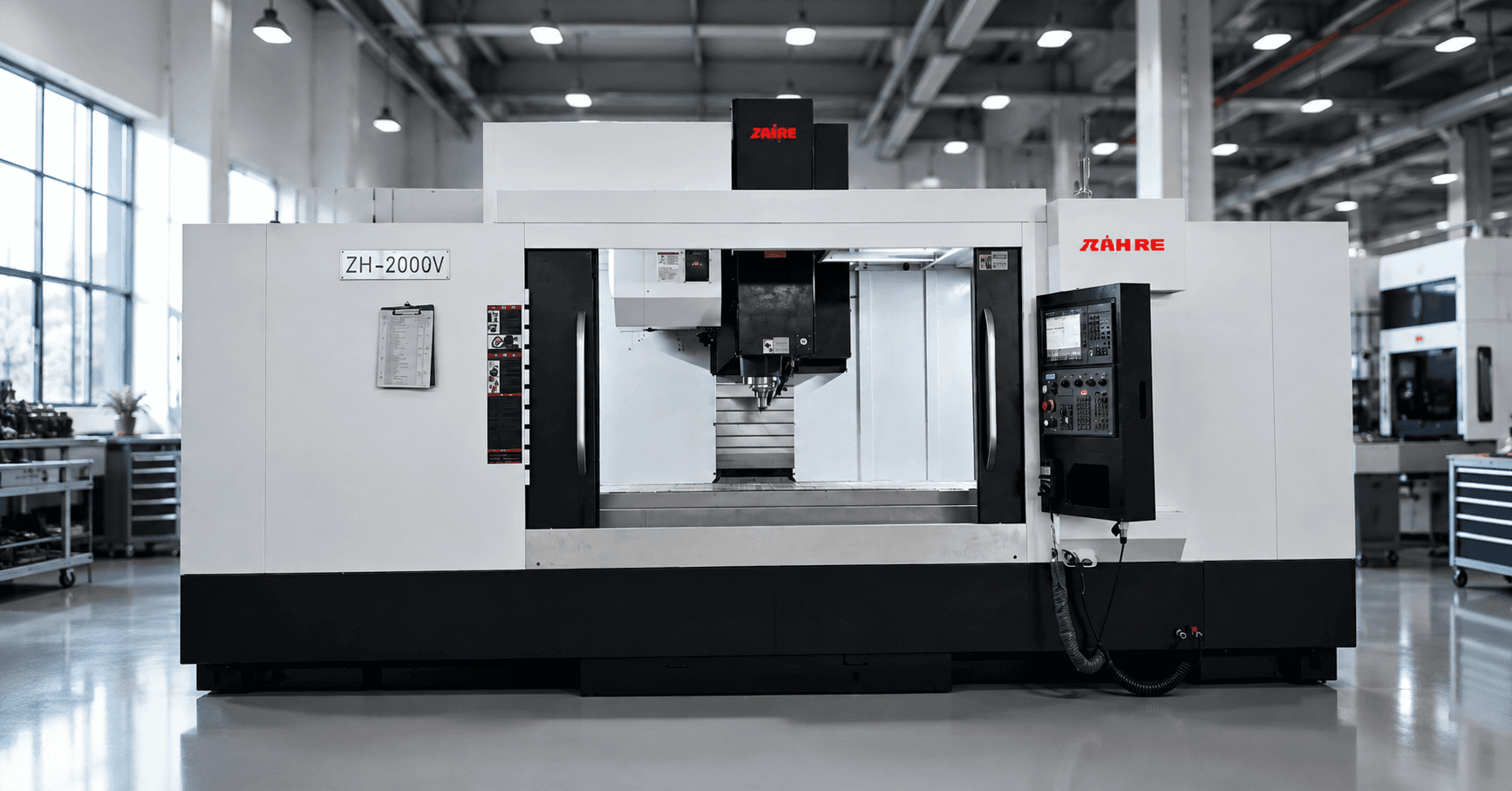
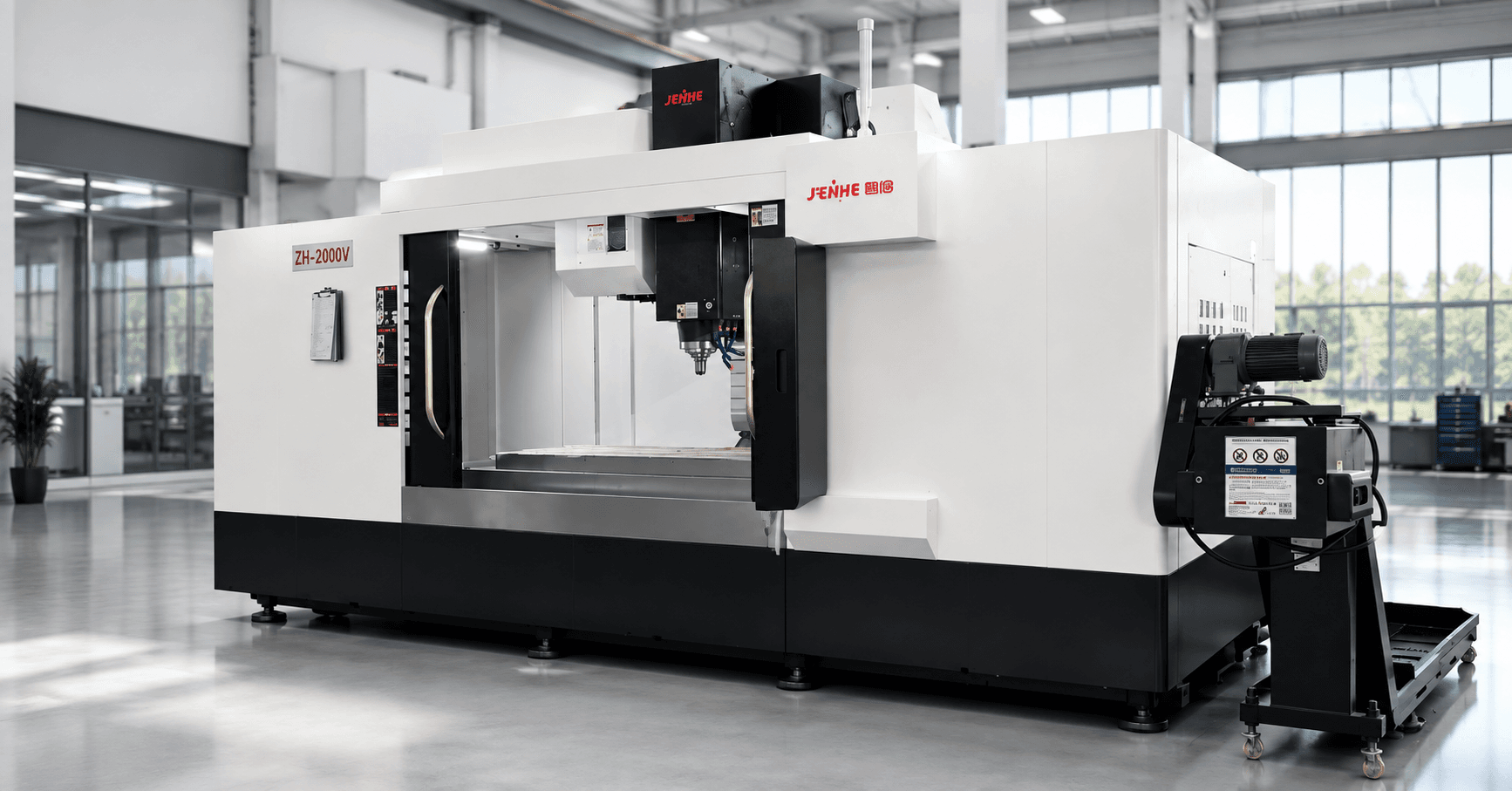
CNC machine after sales service should be evaluated as a repeatable incident-to-recovery system, not as a promise that someone will answer the phone. Buyers need clear fault intake, evidence collection, remote diagnosis, spare-parts decisions, field escalation, restoration testing, root-cause closure, and preventive follow-up. Without that system, response speed can look good while production remains stopped.
This guide follows the lifecycle of one service incident. It shows which information must exist before a fault, how buyer and supplier responsibilities should be divided, and which metrics reveal whether support is actually reducing downtime.
Before the Fault: Establish the Recovery Baseline
Service starts during specification and commissioning. Record the machine serial number, purchased configuration, controller and software versions, electrical and pneumatic documentation, parameters, macros, programs, offsets, tool data, network settings, safety changes, fixture documents, and approved backups. Store controlled copies in more than one location and test the restoration method. The installation and training startup plan provides a related handover framework.
Define support hours, communication channels, languages, remote-access method, data-security rules, warranty boundaries, chargeable work, travel rules, parts ordering, escalation contacts, and expected buyer capabilities. Clarify whether the buyer must maintain specific utilities, consumables, lubrication, filters, environmental conditions, or inspection records.
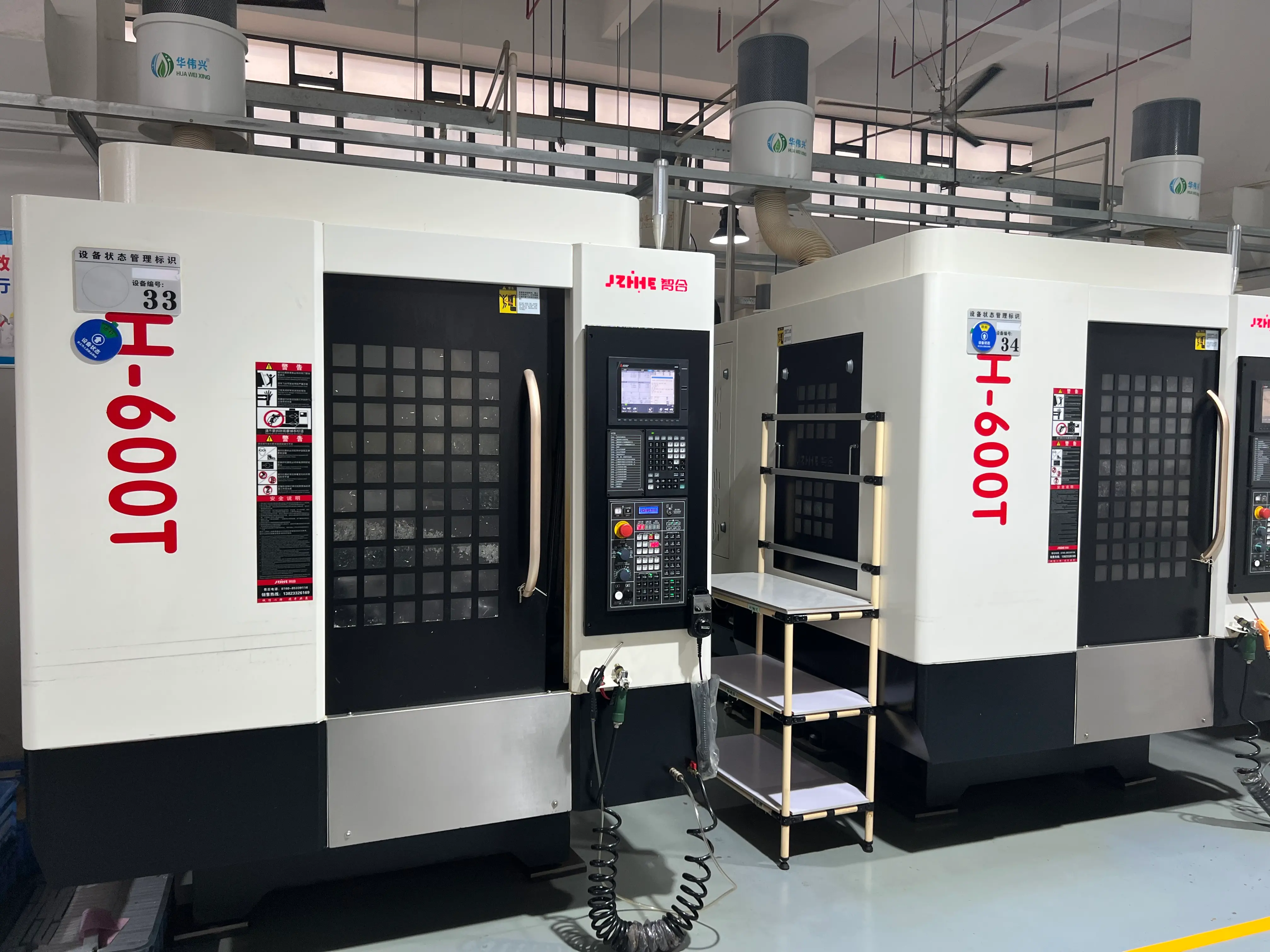
Stage 1: Capture a Fault Package That Can Be Diagnosed
The first report should include machine identity, date and time, alarm text and code, operating mode, program and tool, workpiece state, recent maintenance, recent changes, photos or video, repeatability, safety condition, and whether production can continue in a restricted mode. Do not clear alarms, change parameters, or replace several components without recording the original condition.
| Information | Why it matters | Buyer owner |
|---|---|---|
| Exact alarm and sequence | Separates cause from downstream symptoms | Operator or maintenance |
| Recent change | Highlights tooling, program, utility, collision, or parameter triggers | Shift supervisor |
| Photos, video, and sound | Supports remote observation | Maintenance |
| Backups and configuration | Prevents diagnosis against the wrong machine state | Controls engineer |
| Production impact | Sets business priority and workaround needs | Production manager |
Stage 2: Use Remote Diagnosis With Change Control
Remote support should have a named leader, a hypothesis, a controlled test, and a record of every change. Start with safe observations and simple checks: utilities, connectors, lubrication, sensors, limits, tool or fixture interference, alarms, and recent modifications. Back up relevant data before parameter or software changes.
For each action, record the reason, original value or condition, new value or condition, result, and rollback method. Stop remote experimentation when safety is uncertain, evidence points to mechanical damage, or further action could expand the fault.
Stage 3: Decide Between Parts, Field Service, and Workaround
The escalation decision should combine safety, fault confidence, downtime cost, parts availability, local skill, tooling, travel time, and restoration risk. Effective CNC machine after sales service makes that decision visible instead of moving directly from alarm to parts replacement. A spare part is useful only when the diagnosis is credible and the buyer can install and verify it correctly. A field visit needs a defined scope, required tools, likely parts, machine access, and production window.
Where safe, create a temporary production workaround: move a part family, change sequence, use a qualified alternate machine, or operate with a documented restriction. The workaround must have quality approval and an expiration condition.
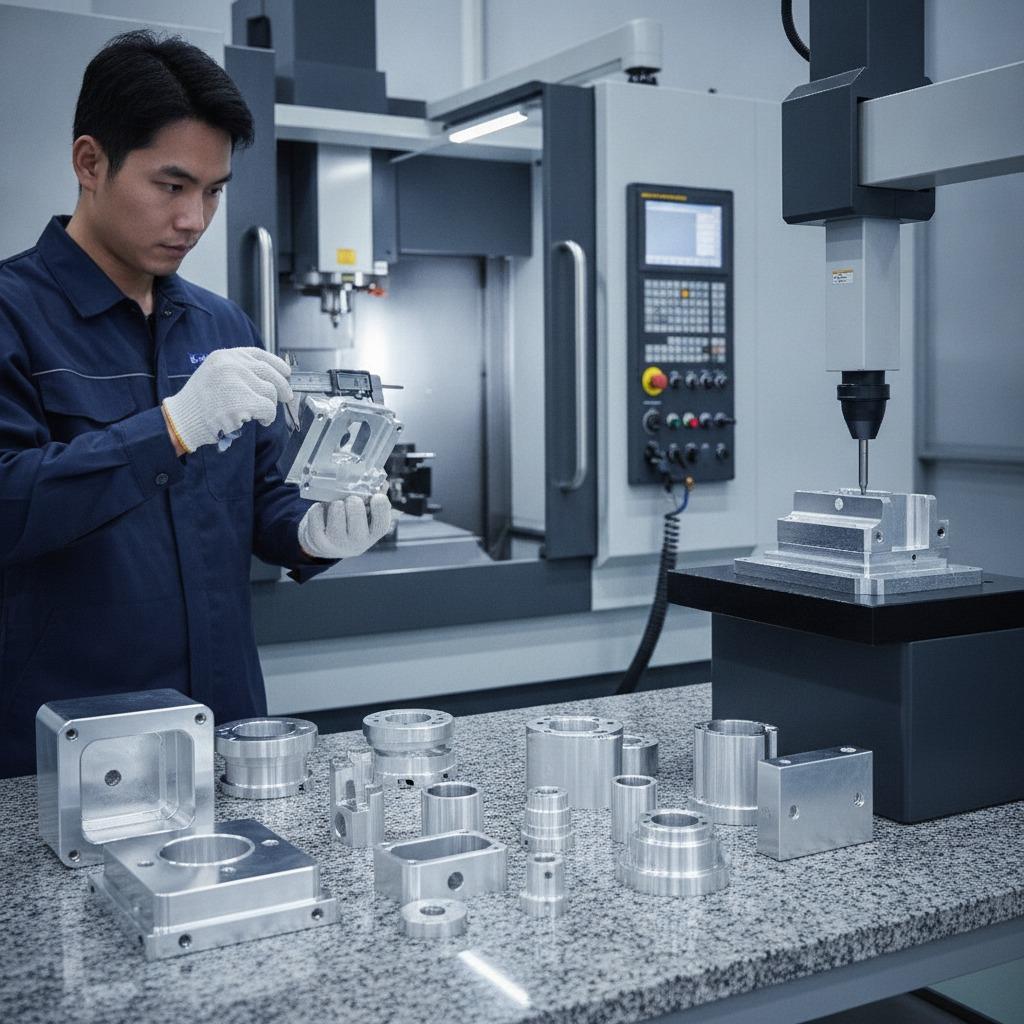
Stage 4: Restore Function and Prove the Process
Clearing the alarm is not final acceptance. After repair, verify safety functions, utilities, lubrication, homing, spindle and axis behavior, tool change, probes, coolant, chip removal, and any affected parameters. Then run a controlled warm-up and a representative part or test artifact.
Compare geometry, cycle, sound, load, tool behavior, and surface results with the approved baseline. Confirm that backups reflect the restored state. Production release should be signed by the roles responsible for machine safety, maintenance, process, and quality.
Stage 5: Close the Cause, Not Only the Ticket
Classify the incident: component failure, contamination, lubrication, collision, tooling, program, parameter, utility, environment, training, maintenance, or documentation. Record the confirmed cause, corrective action, affected machines, preventive action, spare recommendation, training update, and due date.
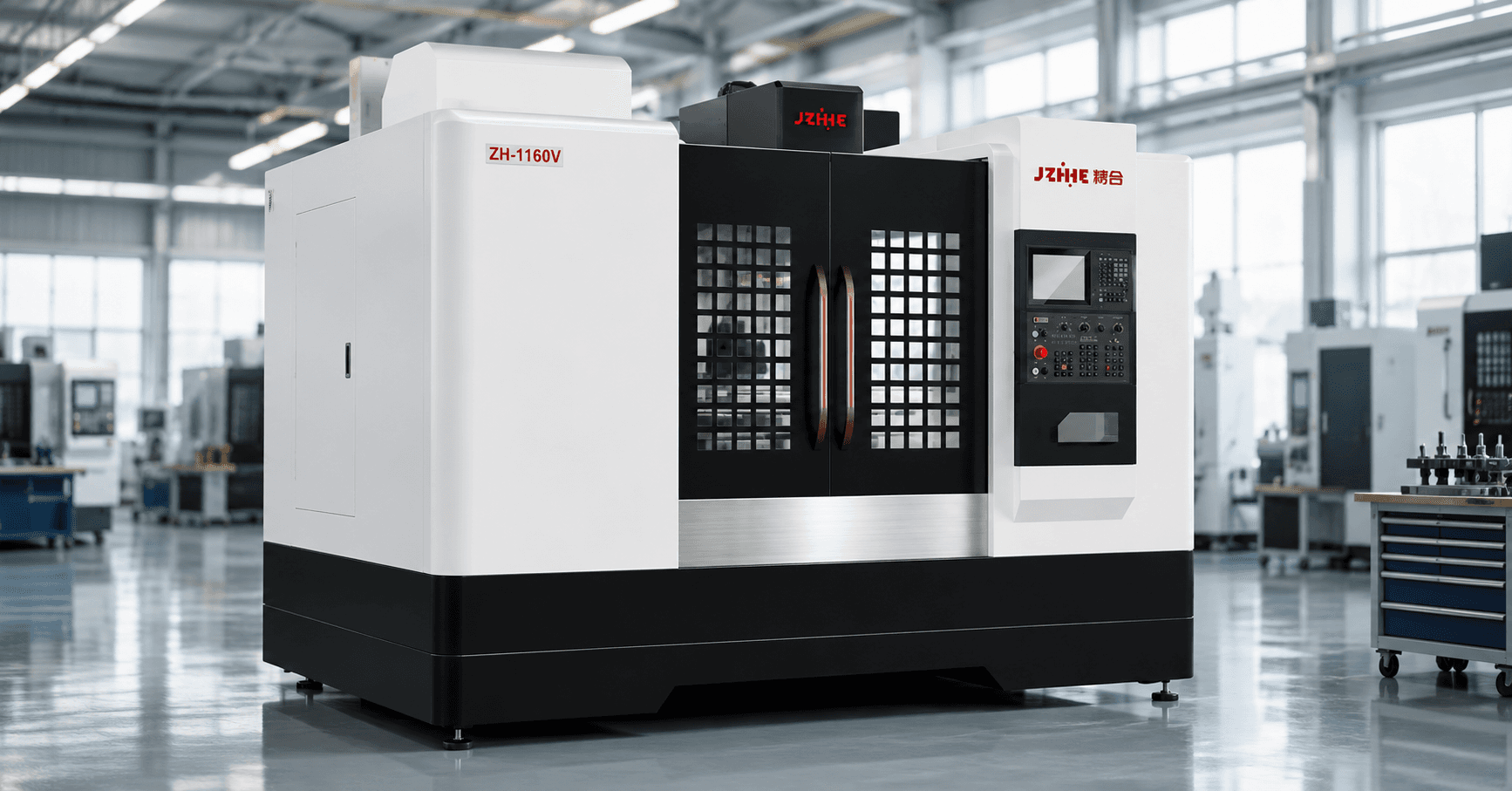
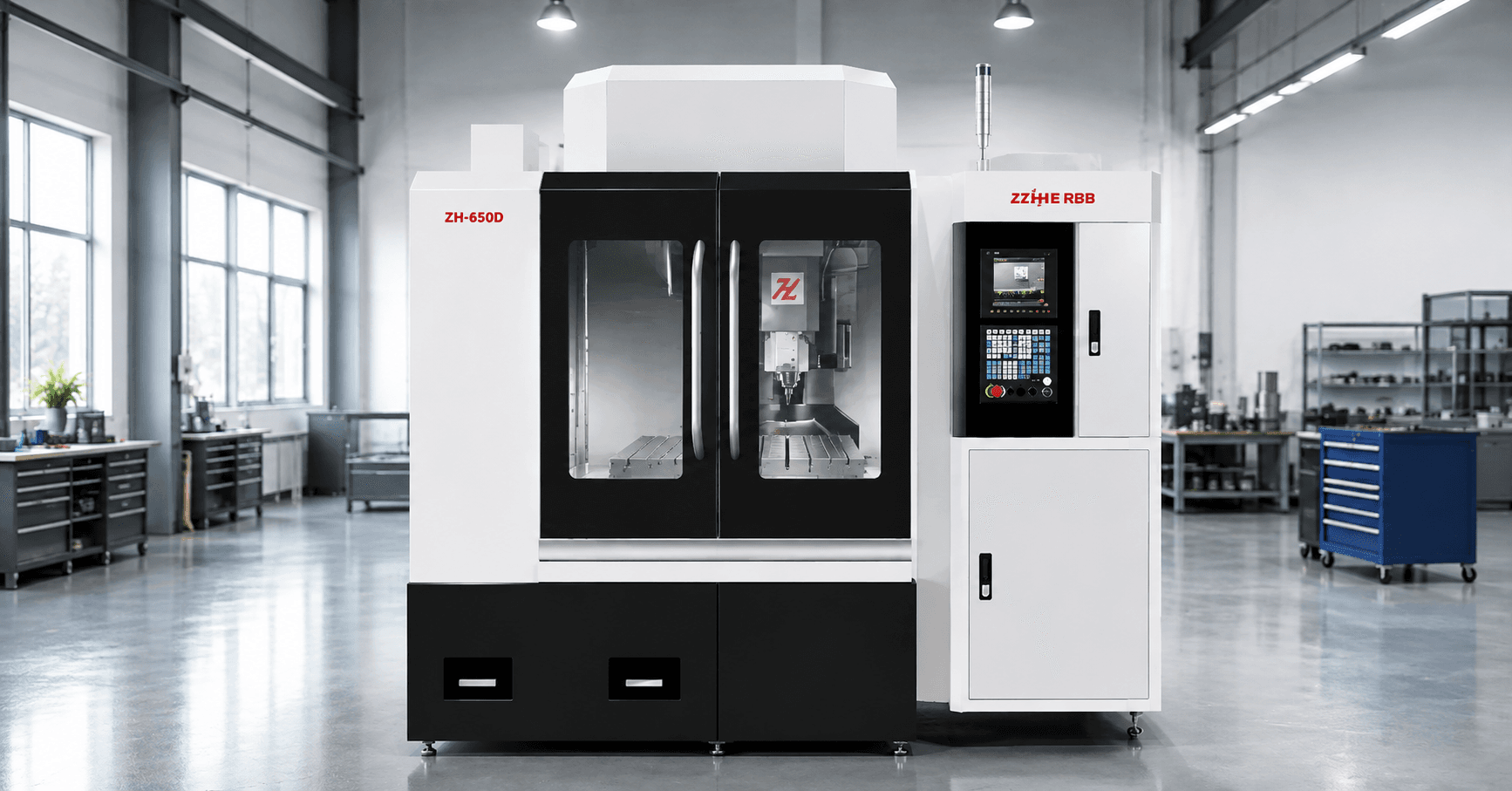
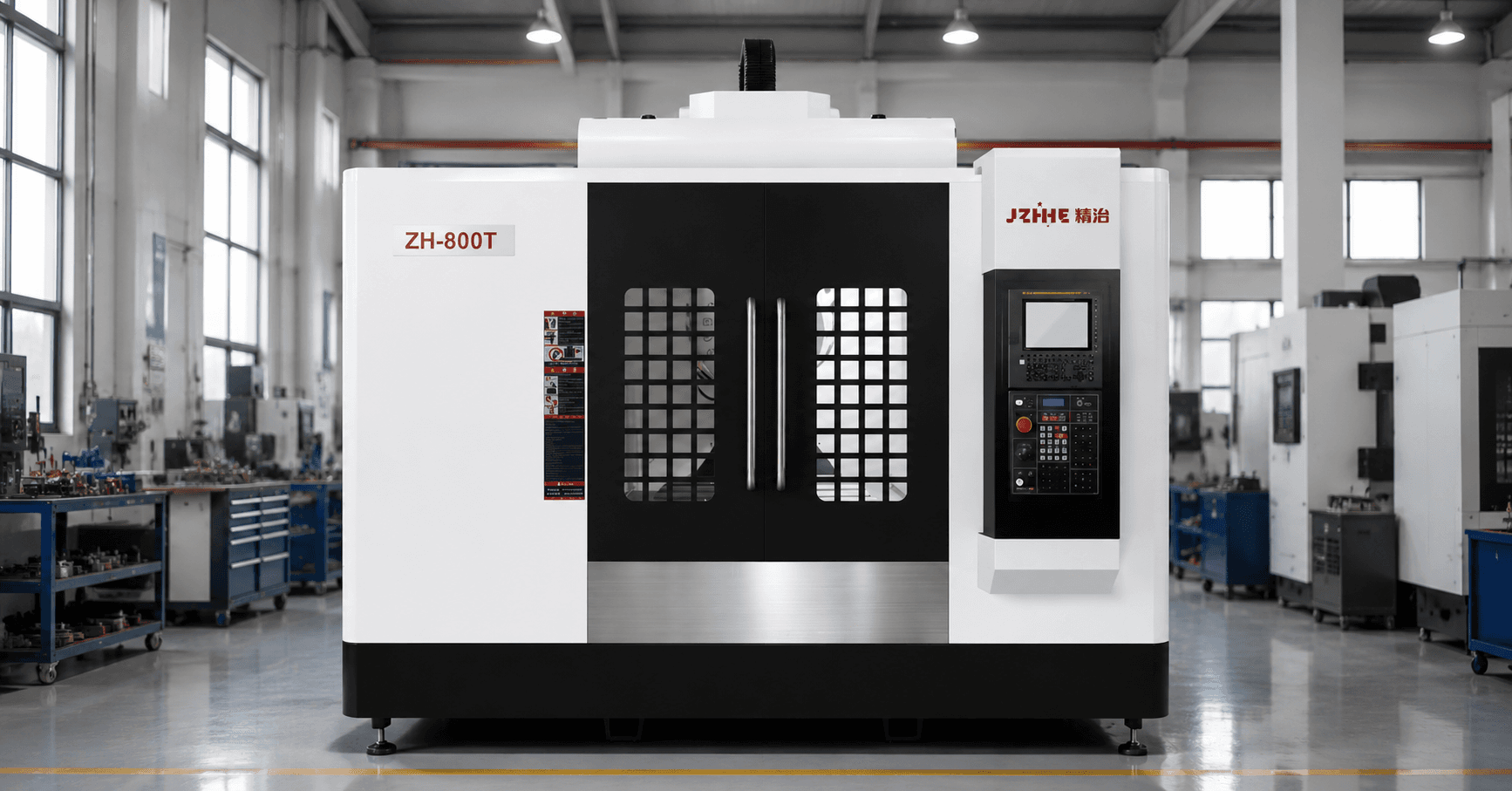
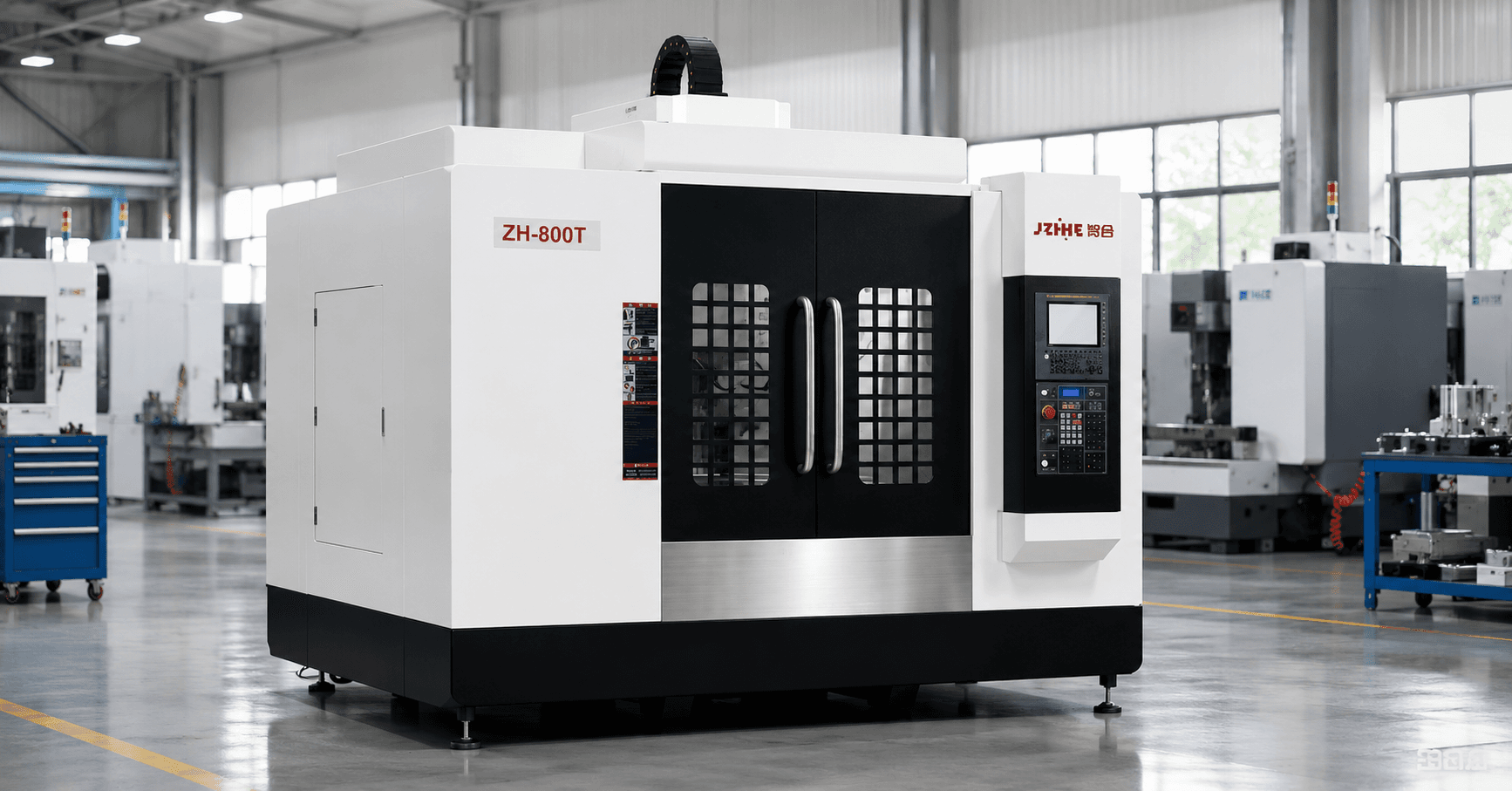
Zhihe CNC describes a service workflow that includes workpiece review, model recommendation, technical proposal, trial cutting, delivery, installation, training, and after-sales support. Buyers should turn that workflow into machine-specific contacts and acceptance records. The company overview provides background, while project terms should define the actual response and escalation model.
Score Service With Operational Metrics
- Acknowledgement time: Time from complete fault package to confirmed ownership.
- Diagnostic time: Time to a credible cause or next-step decision.
- Parts decision time: Time to identify, quote, and dispatch the correct part.
- Restoration time: Time to verified machine and process recovery.
- Repeat incident rate: Whether the same fault returns after closure.
- Backup success: Whether restoration data is current and usable.
- Preventive closure: Whether lessons reach maintenance, training, and similar machines.
FAQ
What should a service agreement define?
It should define coverage, hours, channels, response method, remote access, buyer responsibilities, warranty exclusions, parts, travel, field escalation, documentation, and acceptance of restored production.
Which spare parts should be stocked?
Prioritize parts by failure consequence, lead time, local replacement skill, storage life, compatibility, and installed-base commonality rather than buying a generic kit.
Who should open a support ticket?
Use trained contacts who can provide a complete fault package, protect safety, control changes, and coordinate production and maintenance priorities.
When is a service case closed?
Close it after the machine and representative process are verified, data and backups are updated, the cause is documented, and preventive actions have owners.
Define Support Before Ordering
When comparing CNC machine after sales service, ask Zhihe CNC to map support contacts, fault intake, remote diagnosis, parts handling, field escalation, restoration testing, and preventive closure to your location and staff. Use the contact page to include service expectations in the technical and commercial proposal.