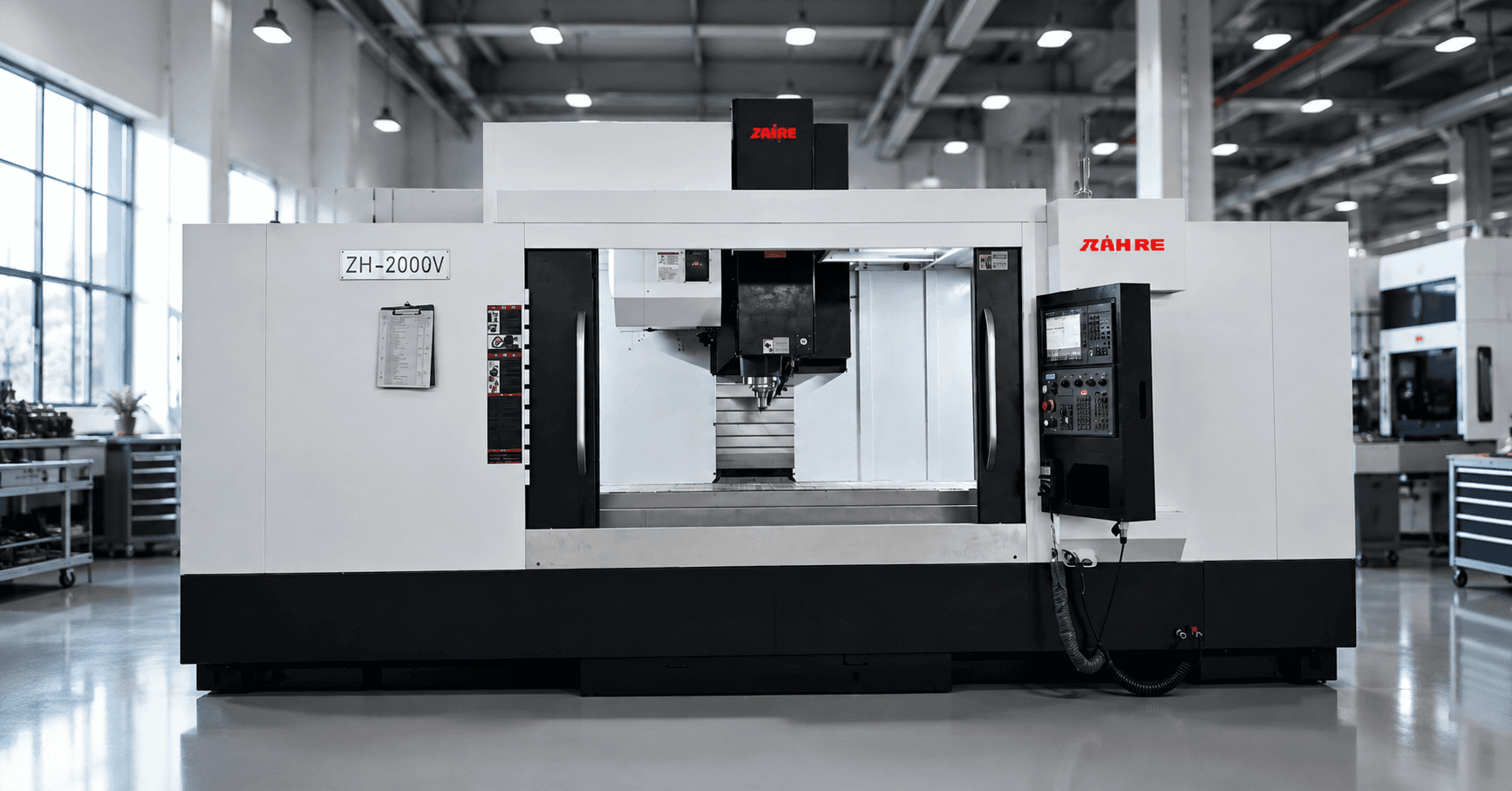
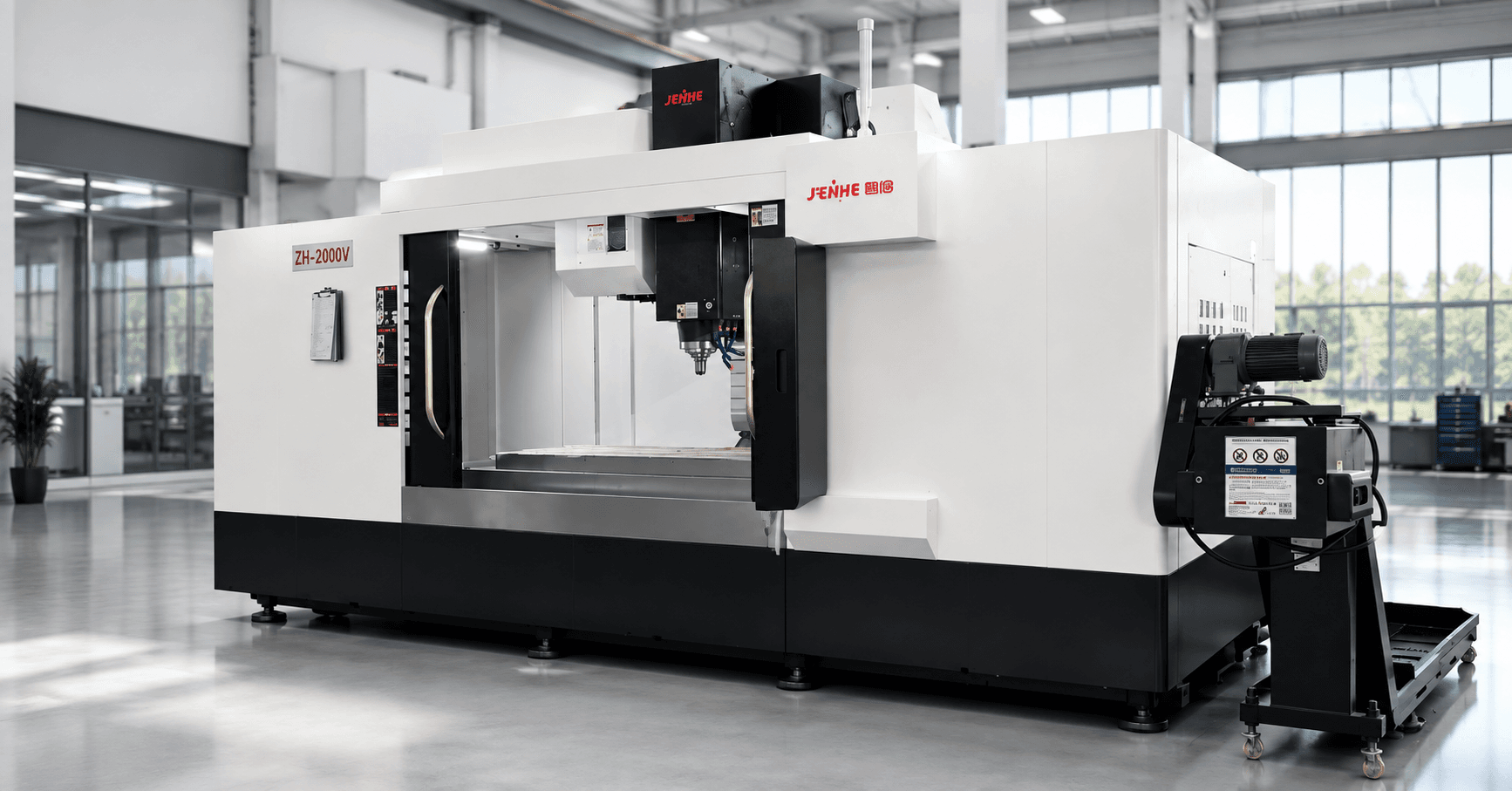
A CNC machine for mold manufacturing should be chosen as part of a process portfolio, not as a universal answer for every operation. The portfolio assigns roughing, semi-finishing, fine finishing, holes, deep features, electrodes, inserts, inspection, and rework according to workpiece size, material condition, surface risk, tool reach, lead time, and available skills.
This approach helps buyers decide where one flexible machine is enough and where specialized capacity reduces queue time, rework, or handoff risk.
Start With the Mold Delivery Map
List mold type, parting strategy, base, cavity and core inserts, sliders, lifters, electrodes, cooling, holes, threads, shutoffs, sealing faces, textures, polishing allowance, heat treatment, spotting, assembly, sampling, and change history.
Mark customer milestones and late-change exposure. Equipment value depends on how quickly the shop can move from released data to an accepted mold, not only on metal removal.
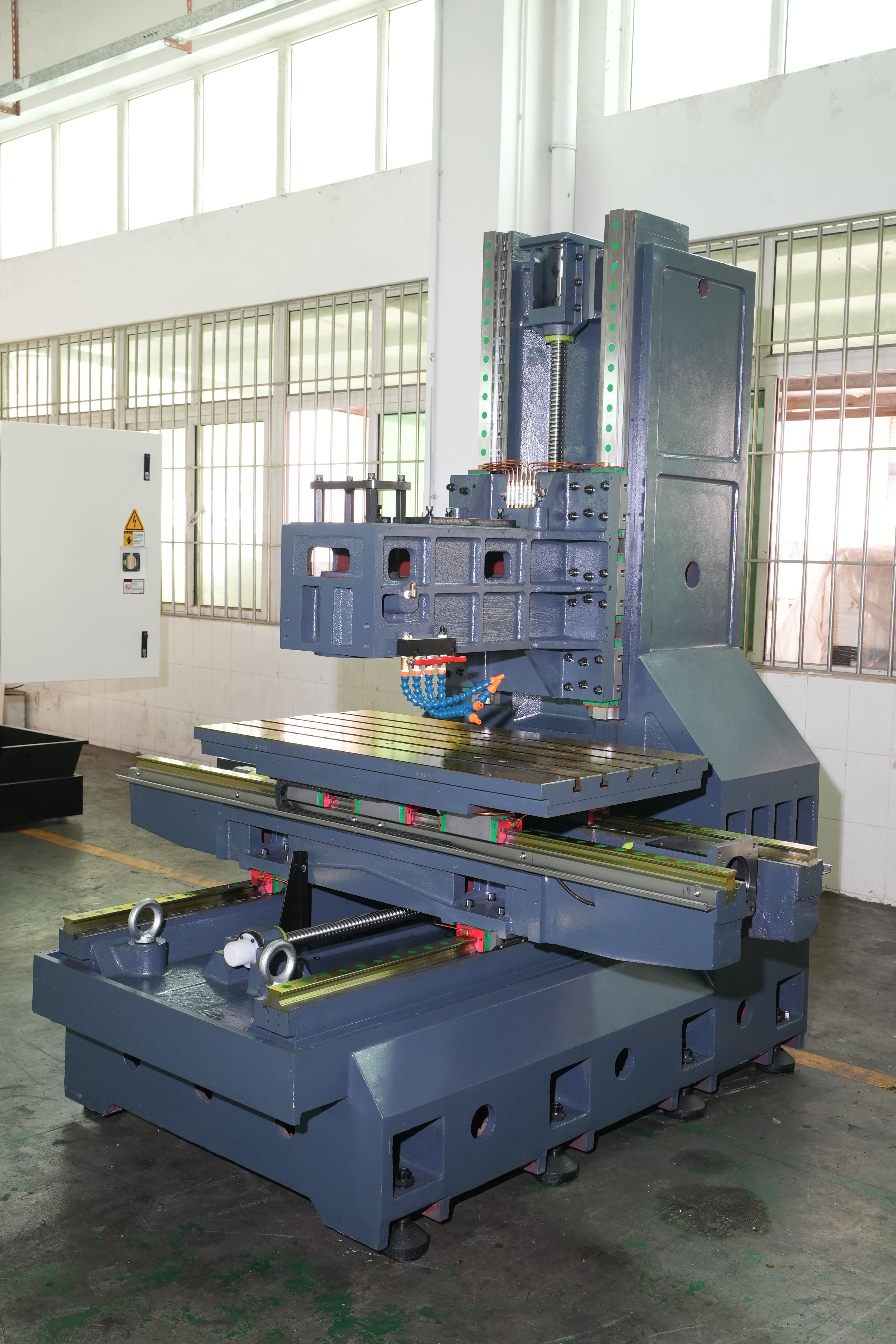
Portfolio Lane One Owns Roughing
Map blank size, steel or aluminum condition, stock allowance, casting skin, cutter diameter, engagement, material removal, chip volume, fixture support, spindle torque, and thermal duty. Identify interrupted cuts and hard spots.
Roughing rewards stable cutting, chip control, tool life, and predictable queue capacity. Maximum spindle speed may be less important than duty and recovery.
Portfolio Lane Two Stabilizes Semi-Finishing
Define remaining stock by surface, reference datums, rest machining, tool reach, transition radii, heat treatment state, and inspection checkpoints. Semi-finishing should create a controlled condition for final surfaces.
Uneven stock or missed regions can overload finishing tools and create visible blend marks. Record stock verification rather than assuming the CAM result is correct.
Portfolio Lane Three Protects Fine Surfaces
Classify functional, sealing, optical, textured, cosmetic, and polish-critical zones. Assign cusp height, tool path, holder, runout, balance, acceleration, smoothing, thermal condition, coolant or air, and inspection method.
For a CNC machine for mold manufacturing decision, surface quality depends on the complete motion and tooling chain. A high spindle speed alone does not guarantee stable finish.
| Portfolio lane | Dominant constraint | Release evidence |
|---|---|---|
| Roughing | Duty, support, chips, tool life | Stable removal and stock map |
| Semi-finishing | Uniform remaining stock | Rest and allowance verification |
| Fine finishing | Motion, runout, reach, temperature | Surface and geometry record |
| Deep features | Access, collision, evacuation | Tool-assembly simulation |
| Rework | Datum restoration and urgency | Controlled return route |
Portfolio Lane Four Routes Deep Features
Identify deep cavities, ribs, steep walls, undercuts, small radii, cooling channels, and difficult holes. Model tool assemblies, holder interference, spindle nose, machine limits, evacuation, deflection, and alternative orientations.
Decide whether three-axis, indexed five-axis, simultaneous five-axis, angle heads, EDM, or separate operations provide the lowest total risk. Do not force every feature onto one platform.
Portfolio Lane Five Controls Electrodes and Inserts
Track electrode material, blanks, holders, reference systems, quantity, wear strategy, identification, measurement, storage, and EDM handoff. Apply similar control to interchangeable inserts and small components.
Fast electrode machining has value only when identity, offsets, revisions, inspection, and downstream use remain controlled.
Portfolio Lane Six Connects the Digital Chain
Define CAD revisions, CAM templates, tool libraries, holders, machine models, kinematics, postprocessors, simulation, program approval, transfer, backups, and change control. Give each file an owner.
Review the milling machining center range for fine-milling context, then prove the digital chain on representative geometry. Machine capability remains idle when programs and tools are not production-ready.

Portfolio Lane Seven Schedules Inspection
Choose machine probing, offline presetting, CMM, scanning, gauges, surface measurement, blue check, spotting, and sampling points. Define datums, temperature, support, unclamped condition, and response limits.
Inspection should guide the next operation rather than only report the final result. Early stock and geometry checks can protect long finishing cycles.
Portfolio Lane Eight Creates a Rework Return Route
Plan how repaired welds, customer changes, spotting corrections, damaged surfaces, revised inserts, and urgent maintenance return to controlled datums, programs, tools, and inspection. Record the approved deviation.
Rework capacity is part of mold delivery performance. A machine occupied by unplanned corrections can become the real production bottleneck.
Run the Portfolio Capacity Workshop
- Classify a year of mold work by size, material, features, surfaces, and urgency.
- Assign operations to current resources and record queues and rework.
- Identify the constrained lane and its failure modes.
- Test candidate equipment on representative tools and digital files.
- Model handoffs, inspection, staffing, service, and peak demand.
- Invest where accepted delivery improves, not where one cycle looks fastest.
When One Flexible Machine Is Enough
A single versatile platform can be effective for lower volume, mixed work, limited floor space, and teams that value simple scheduling. Specialized machines are justified when repeated surface, size, speed, reach, or queue constraints create measurable delay.
The portfolio should also consider outsourcing and existing equipment. New capacity is not automatically the best response to a planning or revision-control problem.
FAQ
Is five-axis always best for molds?
No. It helps access, shorter tools, and complex surfaces, while three-axis, gantry, high-speed milling, and EDM remain strong for many operations.
Should roughing and finishing use separate machines?
Sometimes. Separation can protect finish capacity, but utilization, transfer, datum control, staffing, and investment must justify it.
How should polishing allowance be controlled?
Define surface zones, stock targets, measurement, heat-treatment effects, and feedback from polishing or spotting.
What is the most useful trial?
Use representative material, deep access, critical surfaces, real holders, the intended postprocessor, and agreed inspection conditions.
Request a Mold Process Portfolio Review
To select a CNC machine for mold manufacturing, send mold and insert sizes, materials and hardness, roughing stock, deep features, critical surfaces, tools, holders, CAD/CAM, post status, inspection, annual mix, lead-time targets, rework history, and destination. Use the contact page for a portfolio assessment and read the five-axis mold feature-routing guide for complex access decisions.