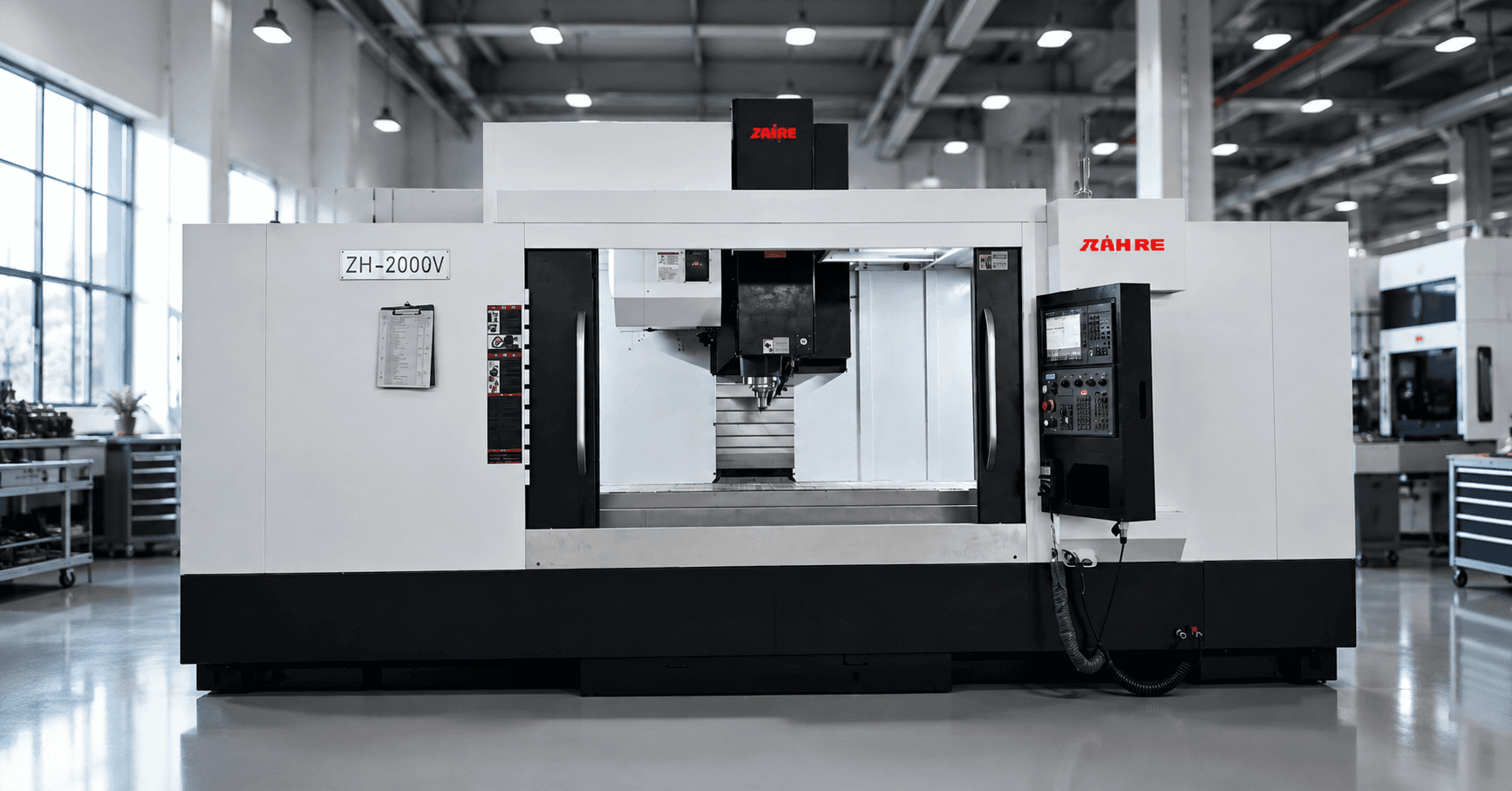
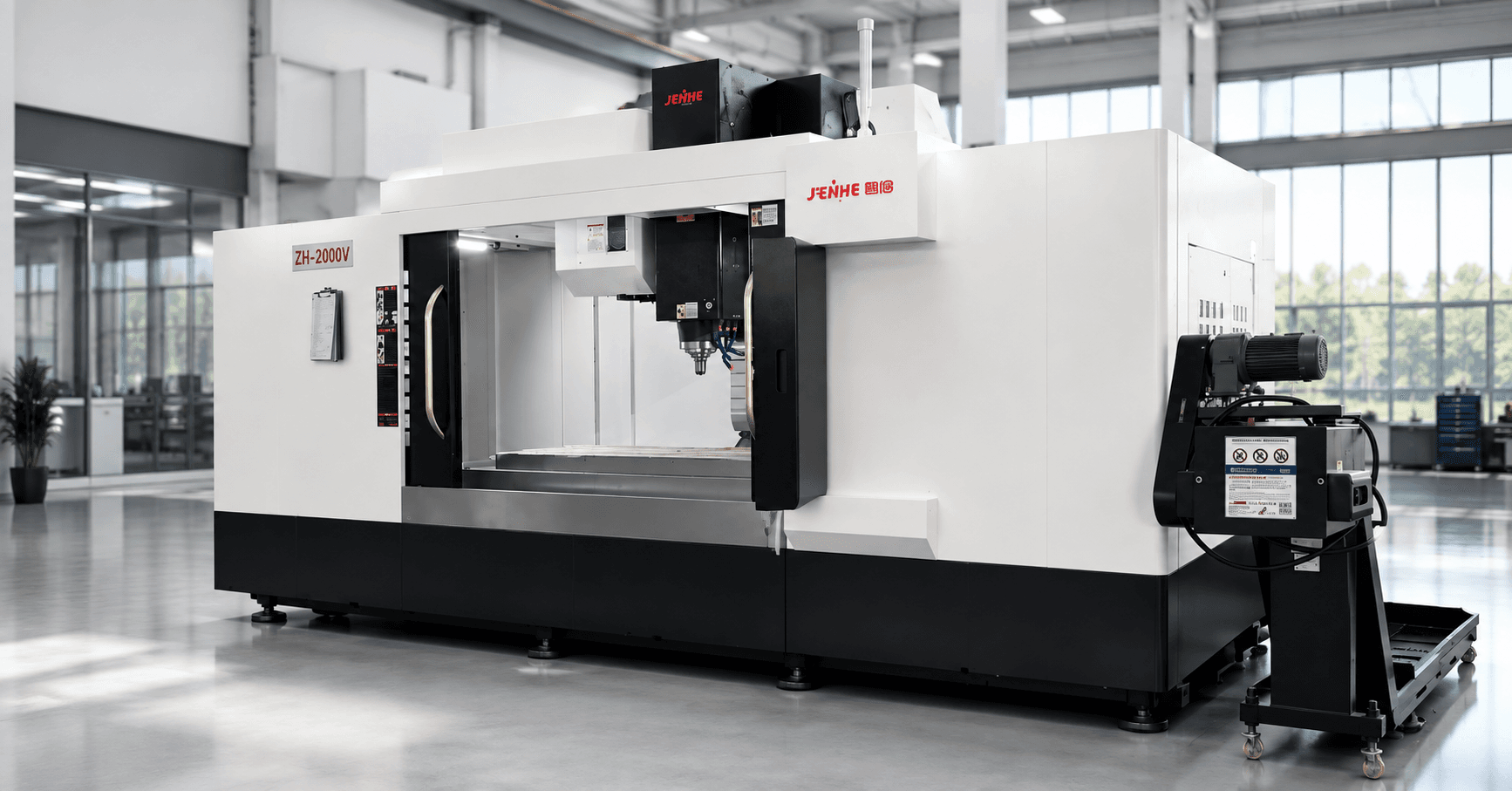
A drilling tapping center for sale should be evaluated as a takt-ready package, not as a rapid-traverse or tool-change specification alone. Zhihe CNC connects the machine to part mix, tools, fixtures, chips, inspection, staffing, changeovers, and recovery so the buyer can model accepted output.
The package follows one production day and shows where seconds are gained, lost, or merely moved to another station.
Start the Day With the Part Queue
List every representative part, material, blank, dimensions, mass, hole count, thread type, depth, pocketing, tolerance, surface requirement, burr limit, batch size, daily mix, and priority rule. Include rework and urgent orders.
Zhihe CNC then maps the queue to travels, table, spindle, tool capacity, coolant, chip handling, probing, and automation needs without treating the easiest part as the whole application.
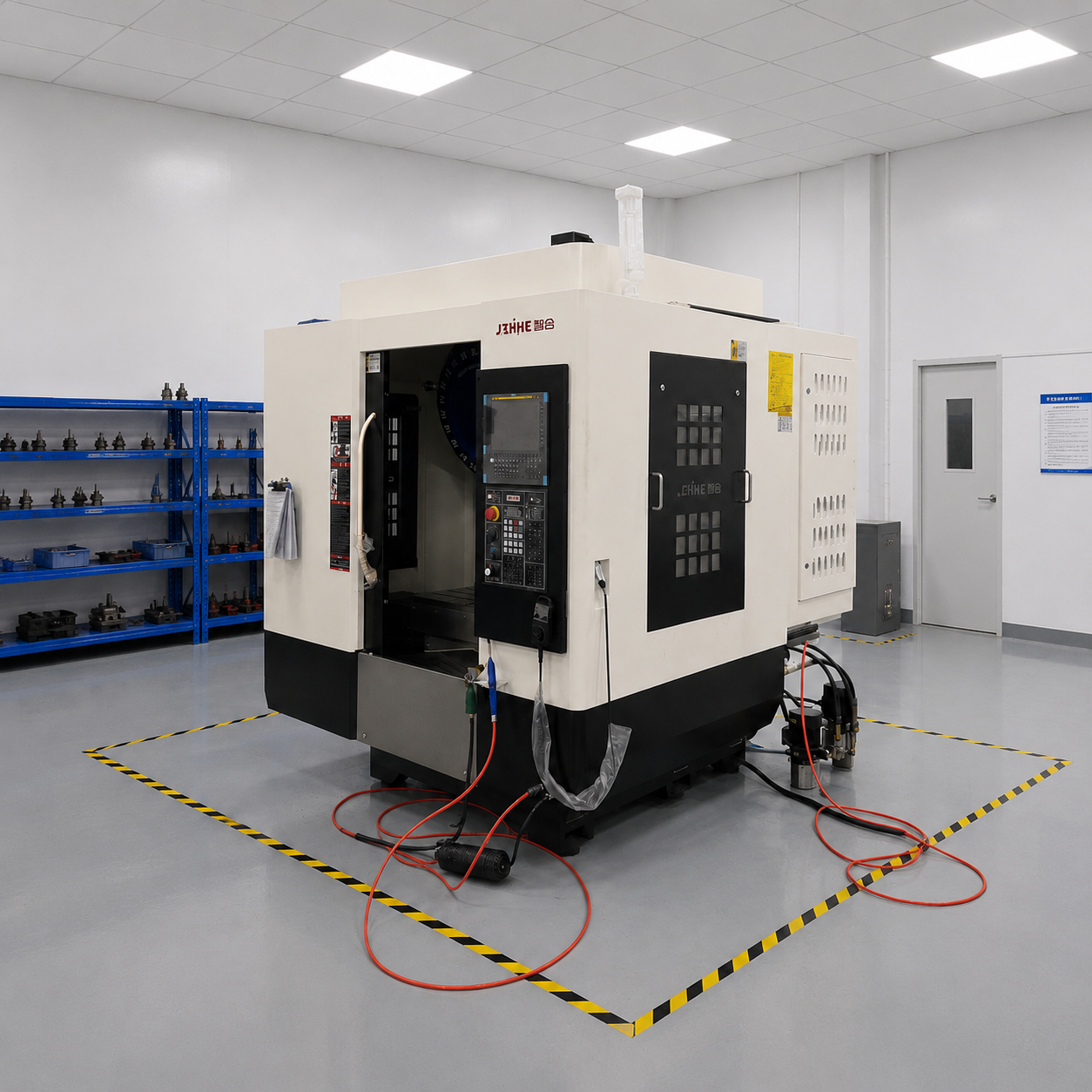
Time Material Arrival and Loading
Measure container presentation, orientation, cleaning, identification, fixture access, clamping, confirmation, and door cycle. Record manual, assisted, robot, or pallet assumptions and the operator's walking path.
Fast cutting cannot recover a cell that waits for mixed blanks, missing clamps, or unclear part identity.
Build the Tool-Change Story
List holder standard, pull studs, tool diameters, gauge lengths, pockets, heavy or adjacent restrictions, sister tools, tap strategy, probing, presetting, runout checks, life limits, breakage detection, and replacement method. Model the actual sequence.
Review the Zhihe CNC drilling and tapping center range, then verify the selected magazine and tool assemblies against the complete part mix.
Separate Cut Time From Motion Time
Break the program into cutting, positioning, acceleration, deceleration, spindle changes, tapping cycles, tool changes, probing, coolant events, and control processing. Use actual paths and approved settings.
For a drilling tapping center for sale, a short nominal cycle is useful only when the same boundary is used across suppliers and when quality remains acceptable through normal tool life.
| Clock segment | What to include | Owner |
|---|---|---|
| Queue | Material and priority waits | Planning |
| Load | Handling, clamp, verification | Operator |
| Machine | Cut, motion, tools, probing | Process team |
| Release | Deburr, clean, inspect, decide | Quality |
| Recovery | Alarm, restart, recheck | Maintenance |
Keep Chips Out of the Takt Assumption
Observe chip size, volume, direction, adhesion, recutting, pocket retention, thread contamination, wash-down, coolant flow, filtration, tank capacity, conveyor duty, cleaning frequency, and operator intervention. Test representative materials.
Zhihe CNC should be asked to state the configured chip and coolant system, while the buyer confirms disposal, coolant management, and cleaning responsibilities at the site.
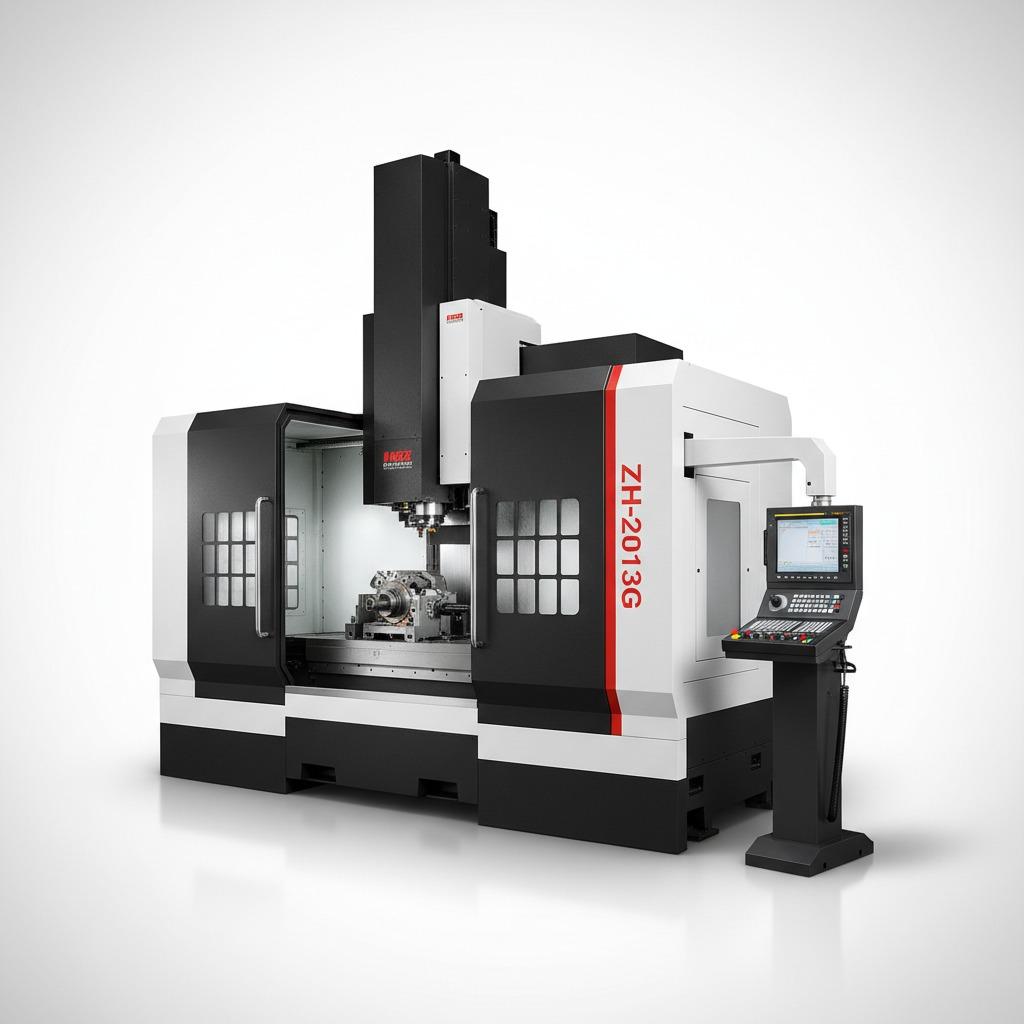
Count Changeover as Production Work
Time fixture removal, cleaning, locating, clamp changes, tool loading, program selection, offsets, probe routines, first-piece inspection, approval, and return of unused material. Separate planned and unplanned changes.
A flexible cell may justify a slightly longer cutting cycle when it reduces setup labor, queue delay, errors, and unfinished inventory.
Run the Accepted-Part Clock
Continue timing after the door opens. Include unloading, cleaning, deburring, thread checking, gauges, sampling, data entry, quarantine, rework decisions, and transfer to the next operation.
The commercial output is an accepted part at the required rate. Machine cycle time should remain visible, but it must not be mistaken for released capacity.
Write a Micro-Stop Ledger
During trials and early production, timestamp tool alarms, chip clearing, tap replacement, misloads, probe retries, low coolant, part cleaning, gauge waits, program searches, and operator calls. Assign each stop a cause and owner.
Several ten-second interruptions can outweigh a small catalog speed advantage. The ledger directs improvement toward real lost minutes.
Stage the First Three Production Days
- Run a normal part mix with full inspection.
- Run the peak queue with planned tool-life changes.
- Run a changeover-heavy day and one recovery scenario.
- Track accepted parts, labor, stops, scrap, and rework.
- Compare actual results with the takt-ready model.
- Close actions before declaring stable capacity.
Define the Recovery Pack
Store controller and parameter backups, programs, tool data, electrical drawings, manuals, alarm capture steps, support contacts, remote-access permissions, consumables, wear items, and spare strategy. Practice a safe restart and first-piece recheck.
Recovery time should include diagnosis, parts, access, repair, restart, and quality release. A response-time promise covers only one part of that chain.
Do Not Force a Speed Narrative
A drilling and tapping platform is not automatically best for every part. Larger work, heavy roughing, long tools, complex multi-face access, or demanding thermal cycles may favor another machine family.
The takt-ready package should expose that boundary early. Zhihe CNC can compare alternative platforms when the part mix is broader than the target cell.
FAQ
Should takt equal machine cycle time?
No. Takt expresses demand pace, while accepted-part time includes loading, machine work, inspection, stops, and other cell constraints.
How many parts belong in a trial?
Use enough parts and tool-life exposure to represent normal variation, changeovers, inspection, and likely interruptions.
Is faster tool change always valuable?
Its value depends on tool count, sequence, cutting time, setup practice, magazine limits, and whether another step is the bottleneck.
Can the buyer supply fixtures?
Yes, but interfaces, delivery date, verification, acceptance use, and responsibility for changes must be explicit.
Ask Zhihe CNC for a Takt-Ready Review
To evaluate a drilling tapping center for sale, send part drawings, materials, hole and thread data, batch mix, takt, fixtures, tools, inspection, staffing, changeovers, utilities, destination, and launch target. Use the Zhihe CNC contact page and compare the result with the high-speed drilling and tapping guide.