A drilling tapping center supplier should be tested through a support signal chain that converts questions, alarms, production symptoms, diagnostic data, parts, escalation, and corrective action into controlled recovery. Fast machines need equally fast information flow.
The chain shows whether support depends on one salesperson or remains usable across application engineering, commissioning, service, spares, and factory learning.
Signal One Begins Before Quotation
Send drawings, material, blank size, features, threads, tolerances, cosmetic zones, volume, takt, fixtures, tools, inspection, cleaning, automation, and destination. Judge the questions returned by the supplier.
Strong support begins by exposing uncertain assumptions. A quotation created without application clarification moves risk downstream.
Signal Two Names the Configuration
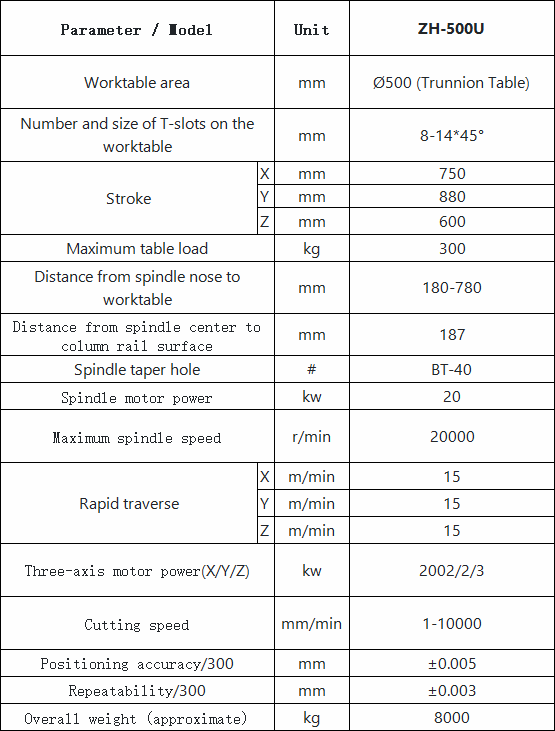
Record model, spindle, duty, tapping functions, tool magazine, controller, coolant, chips, probing, extraction, electrical standard, software, and customer-specific options. Preserve serial identity and revisions.
Diagnostics become unreliable when the support team cannot confirm what hardware and software is installed.
Signal Three Defines the Evidence Packet
Agree on alarm number, time, operating state, program block, tools, offsets, parameters, photographs, video, logs, part symptoms, recent changes, and safety condition. Make collection simple for operators.
For a drilling tapping center supplier comparison, response speed should be measured from receipt of usable evidence, not from the first vague message.
Signal Four Routes the Case
Define first contact, working hours, language, remote access, application support, electrical and mechanical escalation, controller support, local partners, travel, and management escalation. Assign expected response stages.
A support path should survive absence, time zones, and staff changes. Named backup roles matter.
| Signal | Required content | Decision |
|---|---|---|
| Application | Part, takt, quality, tools | Correct configuration |
| Incident | Alarm, state, changes, evidence | Safe diagnosis |
| Parts | Identity, stock, lead time | Recovery route |
| Closure | Cause, repair, verification | Customer release |
| Learning | Preventive action and check | Recurrence stopped |
Signal Five Connects Spare Parts
Review installed-component records, recommended spares, consumables, local availability, stock ownership, quotation time, shipping route, customs data, substitution control, and warranty handling. Simulate one request.
The correct part identity is as important as warehouse speed. Wrong revisions can extend downtime or create secondary damage.
Signal Six Restores Production Safely
Define containment, lockout, backups, parameter changes, replacement steps, alignment, function checks, trial part, inspection, supervised restart, and customer release. Record who authorizes each stage.
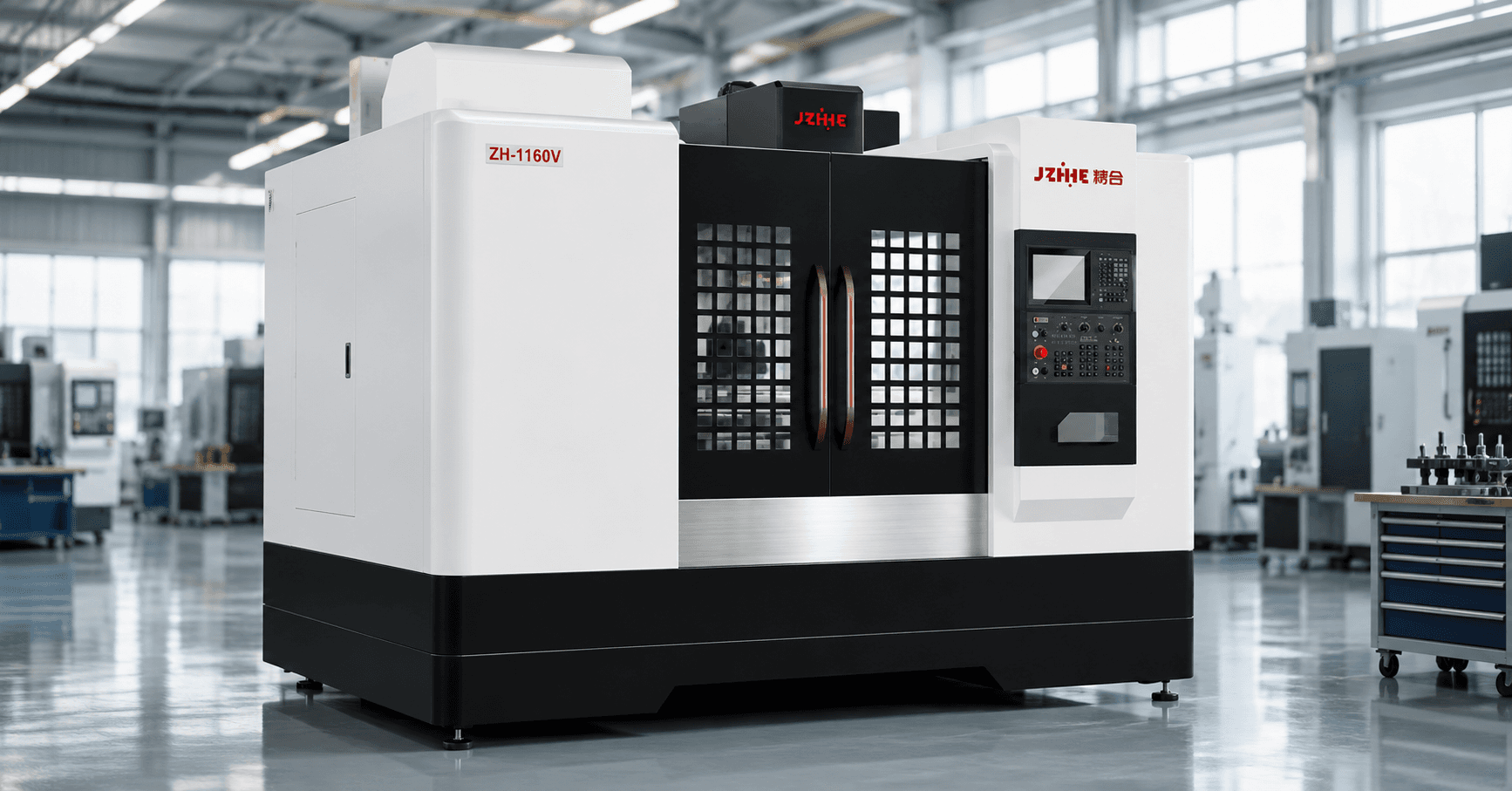
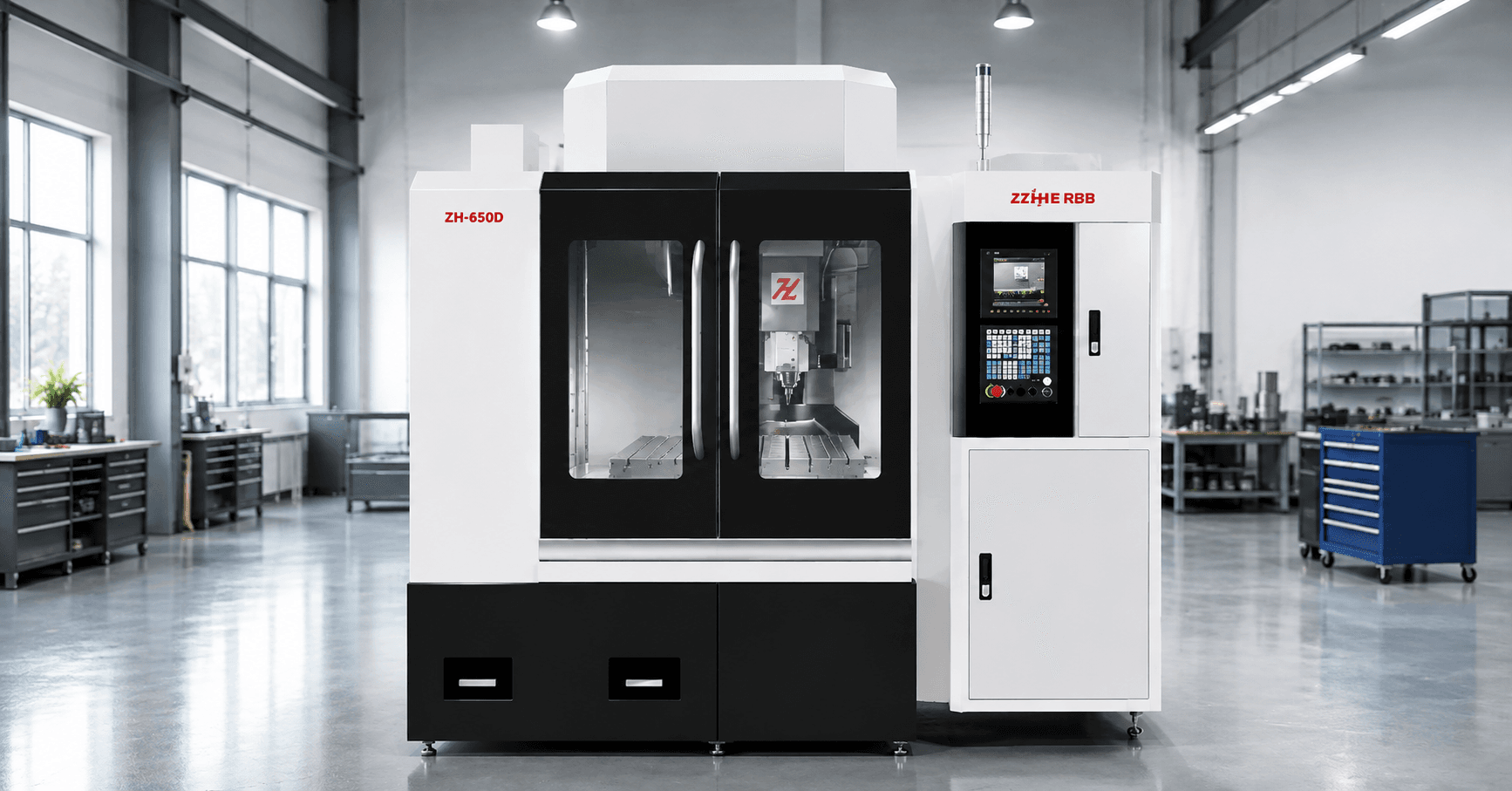
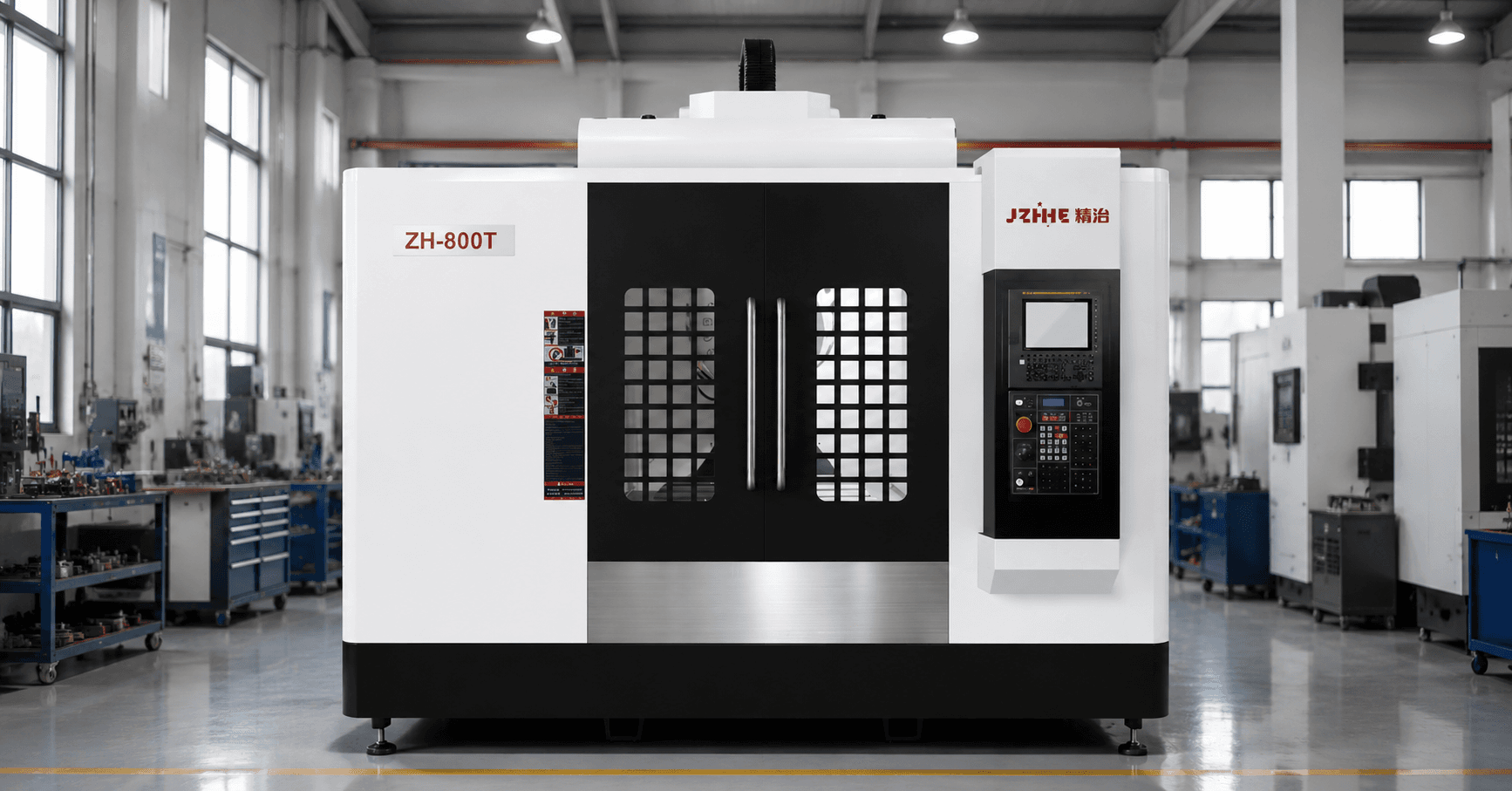
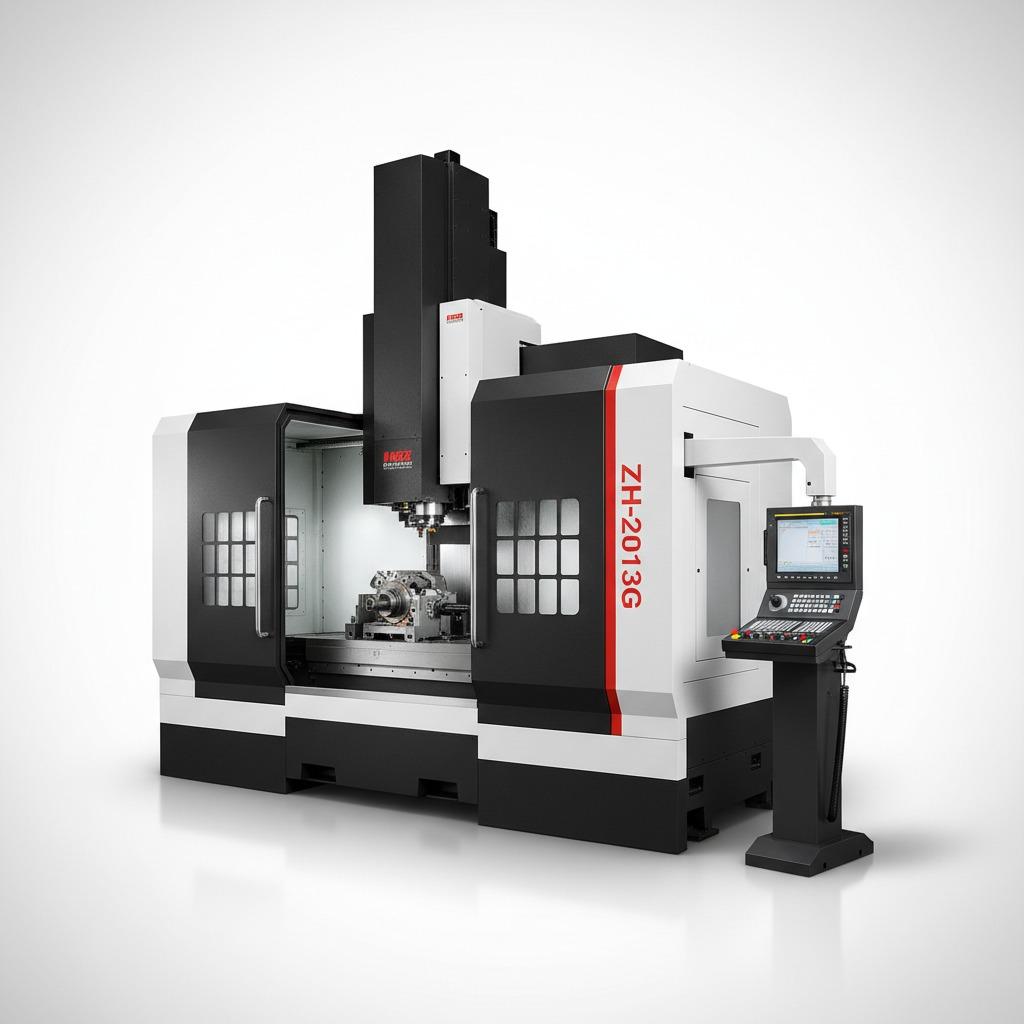
Review the drilling and tapping center range for platform context, then test recovery against the actual purchased configuration.
Signal Seven Closes Corrective Action
Document symptom, containment, root cause, repair, verification, affected population, preventive action, owner, and recurrence check. Return lessons to drawings, suppliers, assembly, software, tests, manuals, training, or spares.
A closed service ticket proves response. A recurrence-stop checkpoint proves learning.
Signal Eight Verifies Training Transfer
Check whether operators can capture alarms, preserve the machine state, collect logs, identify the serial configuration, use backups, and escalate safely. Maintenance staff should demonstrate approved inspection and replacement steps.
Training materials must match the installed software, language, options, and local responsibilities. Generic classroom content does not complete the support chain.
Signal Nine Measures Support Quality
Track acknowledgement, evidence completeness, first technical action, diagnosis, parts decision, restoration, quality release, and corrective-action closure. Separate customer waiting time from supplier working time.
Review a small set of meaningful cases rather than one best example. The goal is to understand consistency, escalation quality, and whether recurring issues become less frequent.
Signal Ten Audits the Shift Handoff
Define how an open case moves between customer shifts, time zones, service engineers, local partners, and factory specialists. The handoff should preserve the latest evidence, actions already tried, safety status, parts decisions, and next checkpoint.
Repeated questions and lost files extend downtime even when individual engineers respond quickly. Use one shared case record and identify the person who owns the next action until the incident is formally transferred.
Run the Two-Hour Support Drill
- Issue a realistic alarm and production symptom.
- Collect the agreed diagnostic packet.
- Route it through first contact and escalation.
- Identify parts, backups, and safe checks.
- Define the return-to-production evidence.
- Review gaps without creating an actual machine risk.
When Local Service Is Not Essential
Remote support can be effective when plant skills, documentation, diagnostics, spares, and escalation are strong. A local office is not automatically better.
On-site capacity becomes more important for complex alignment, repeated failures, limited customer skills, or high downtime exposure.
FAQ
What response time should be requested?
Define acknowledgement, evidence review, technical action, parts decision, and on-site escalation separately.
Should remote access always be enabled?
No. Use approved tools, permissions, cybersecurity rules, logging, and customer control.
Which spares should be stocked?
Choose by failure impact, installed configuration, local availability, lead time, and maintenance capability.
How can supplier learning be verified?
Trace one field issue into a changed drawing, instruction, test, training item, supplier control, or spare policy.
Request a Support Signal Review
To qualify a drilling tapping center supplier, send parts, materials, tools, takt, quality risks, destination, plant skills, working hours, language, spare expectations, and recovery targets. Use the contact page for a support review and consult the incident-recovery guide to define evidence.