When a Milling Machining Center Is the Right Purchase, and When It Is Not
Buying a milling machining center is rarely just about spindle power, machine size, or a familiar CNC layout. For most shops, the real question is more practical: will this machine help control cycle time, hold repeatable quality, reduce setup pressure, and fit the part mix without making daily production harder?
That question matters most in metal parts production, where one order may include drilled holes, tapped threads, light milling, fixture work, and repeated part processing. A buyer may start by searching for a CNC milling center, but after reviewing the actual workload, the better answer may be a drilling and tapping center, a vertical machining center, or another CNC platform.
If the work is dominated by hole-making, threading, and light face machining, a CNC drilling and tapping center may provide a cleaner business case than a broader-purpose milling machine. If the parts require heavier cutting, deeper pockets, complex contouring, or more flexible tooling, then a CNC milling machine for metal parts may be the better fit.
The right machine is not always the largest or most powerful one. It is the one that matches the part family, production rhythm, and operator workflow.
What the H-600T Format Suggests on the Shop Floor
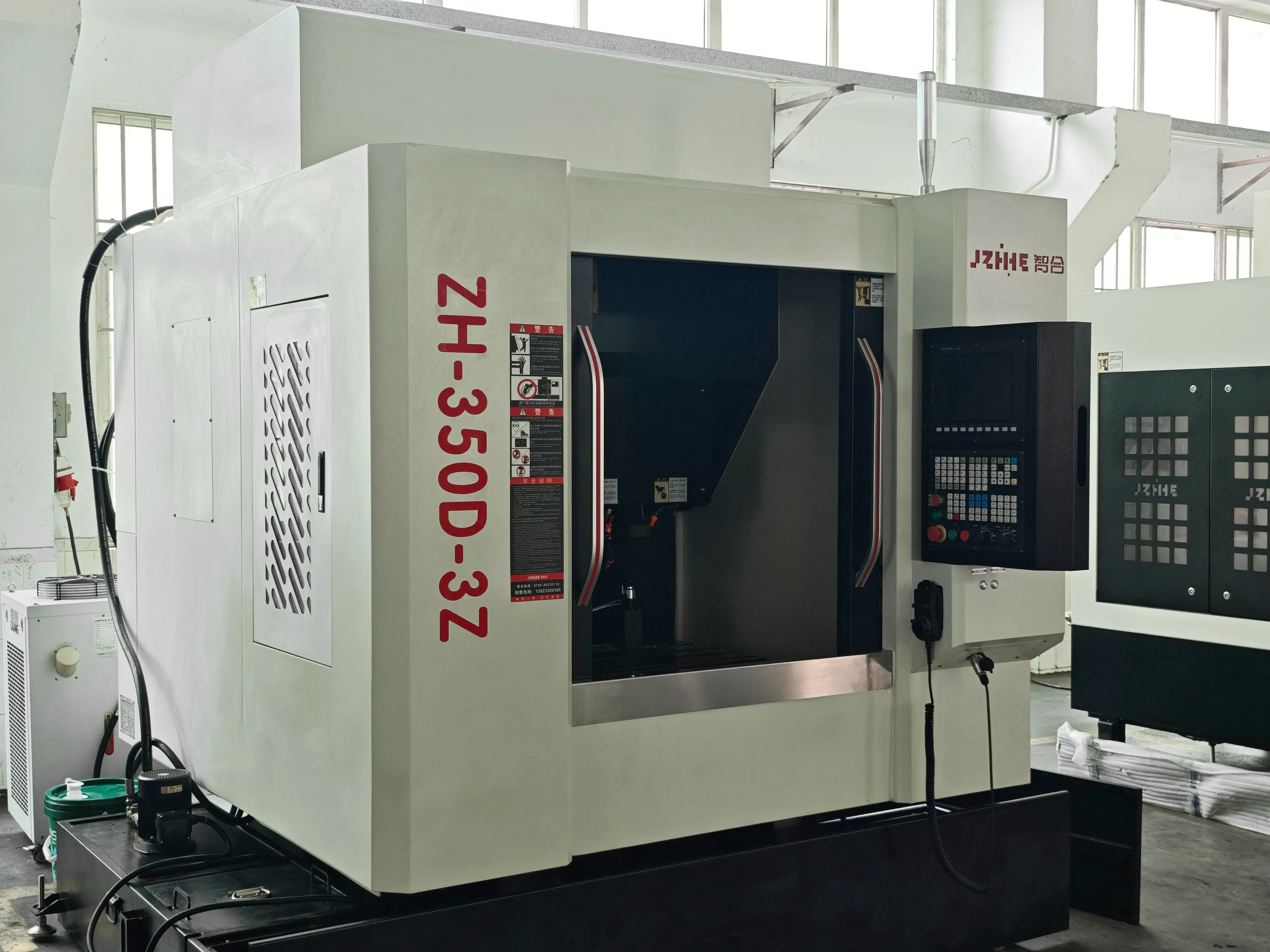
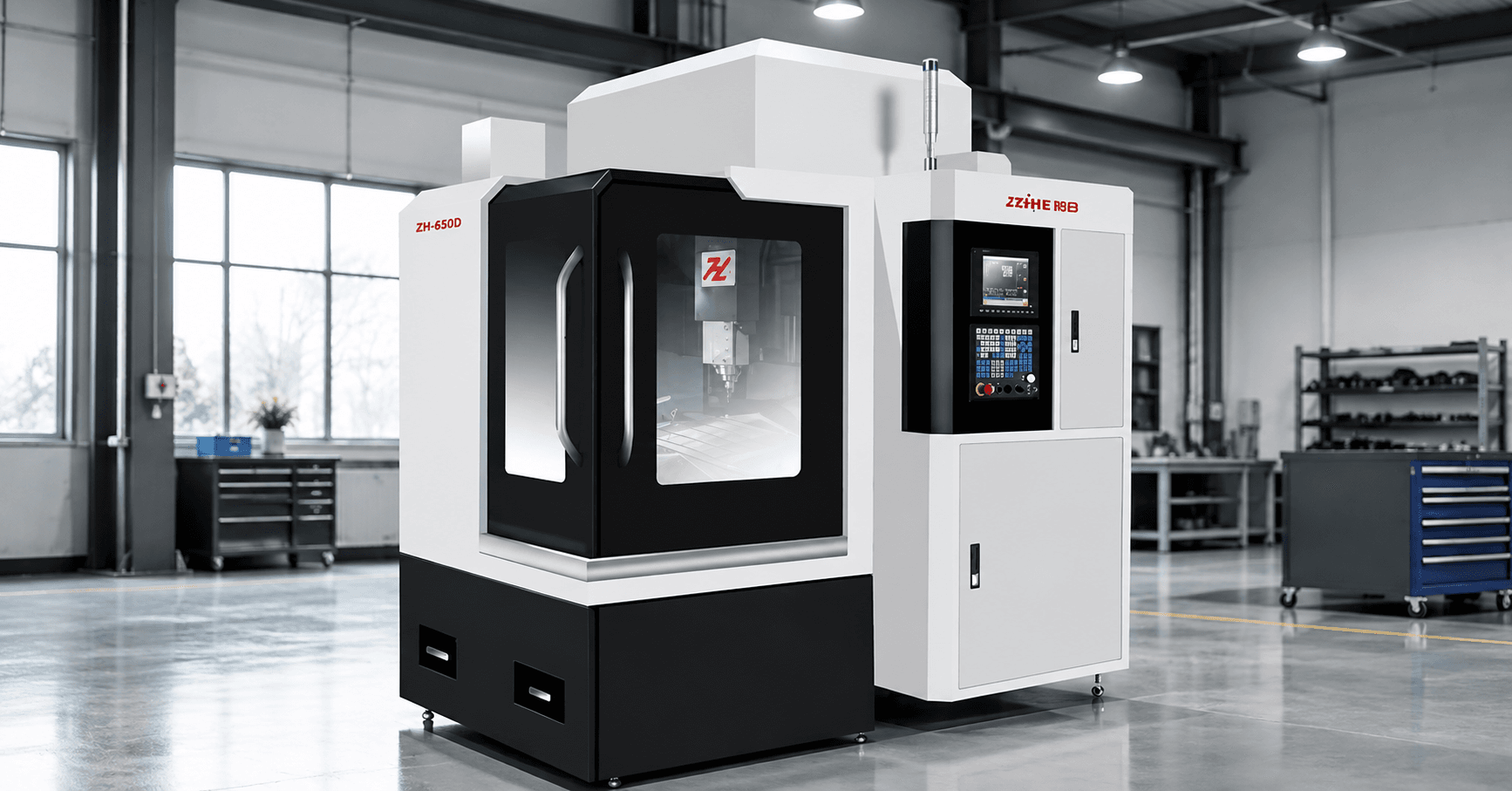
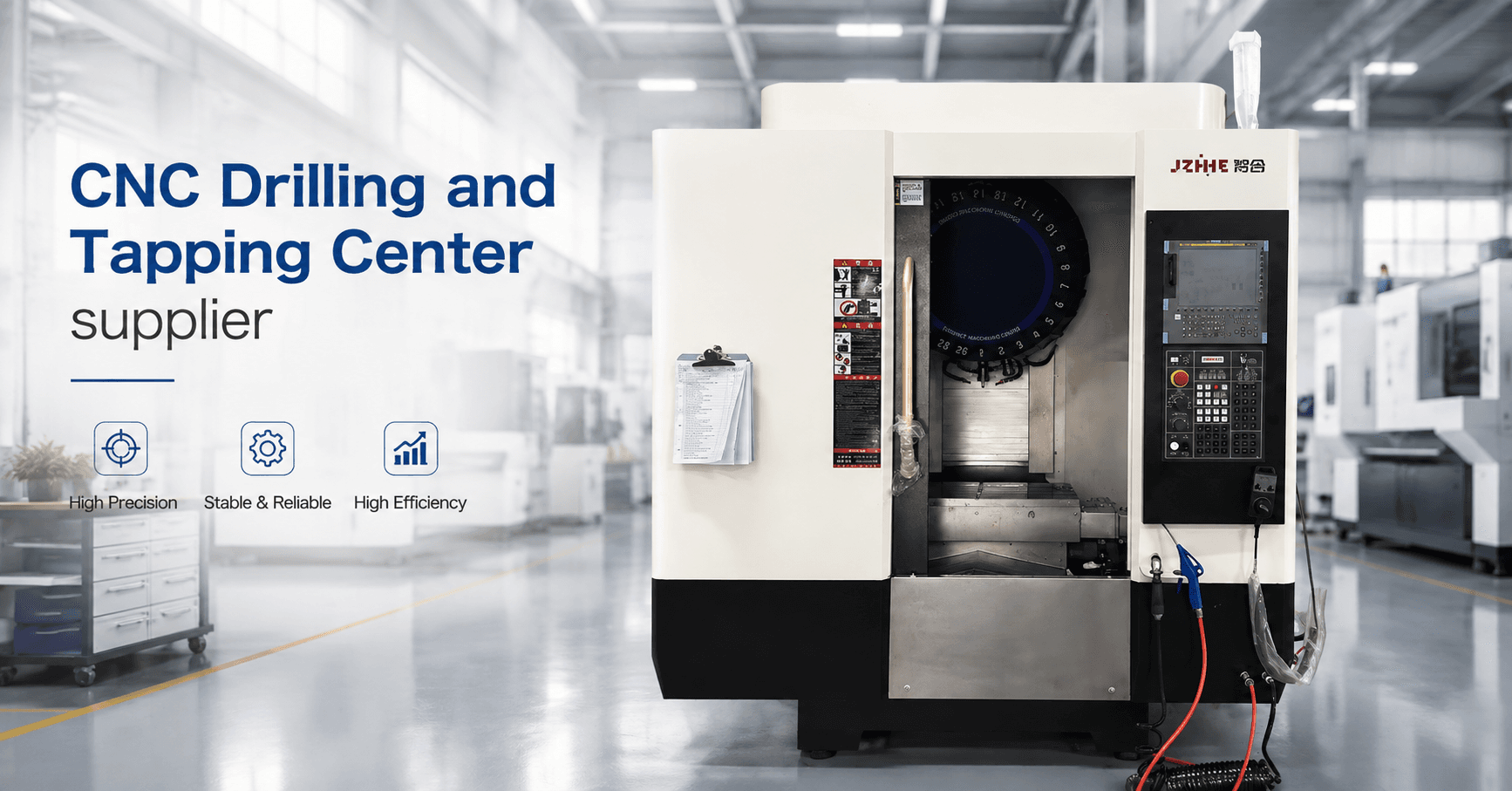
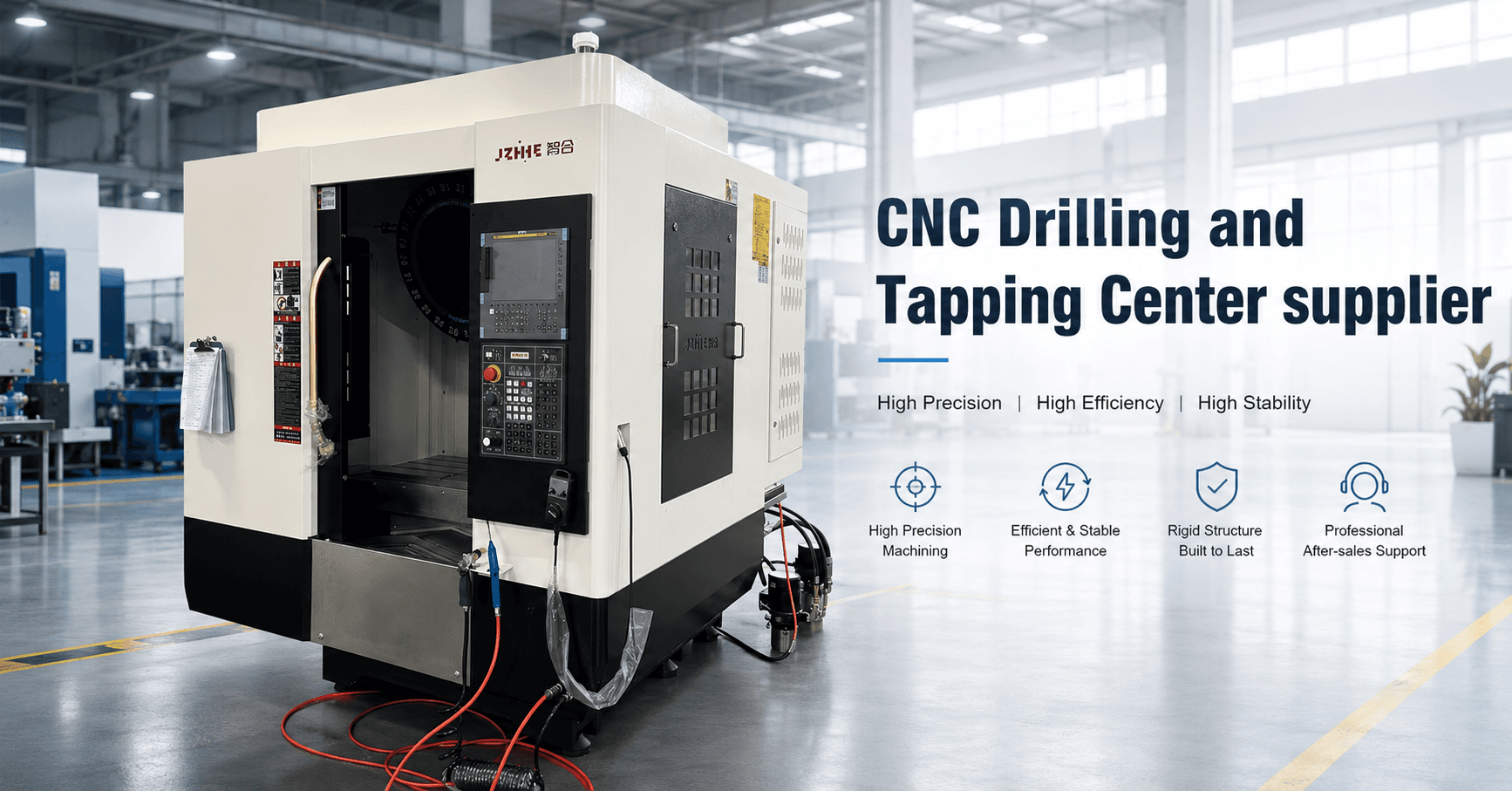
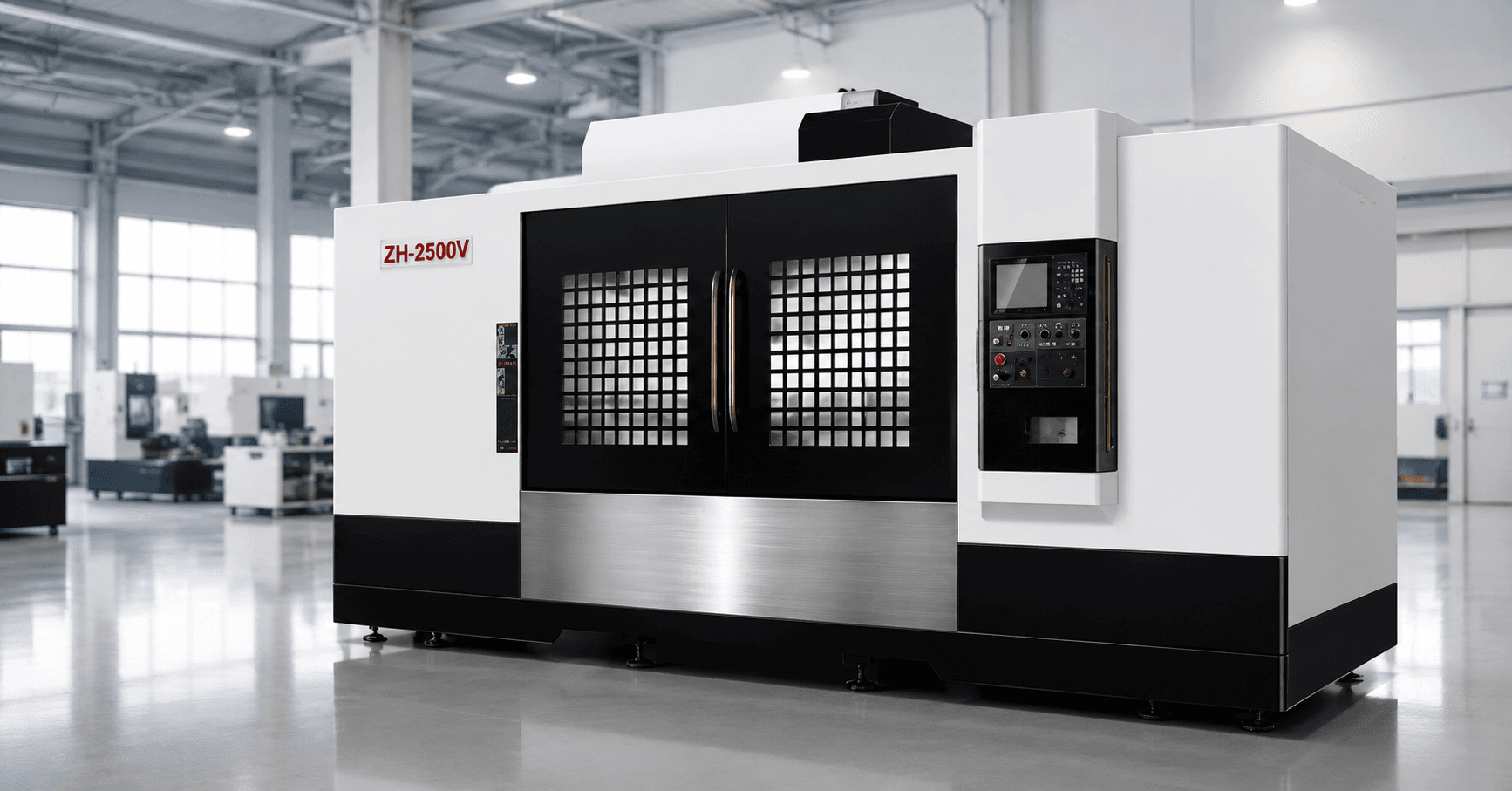
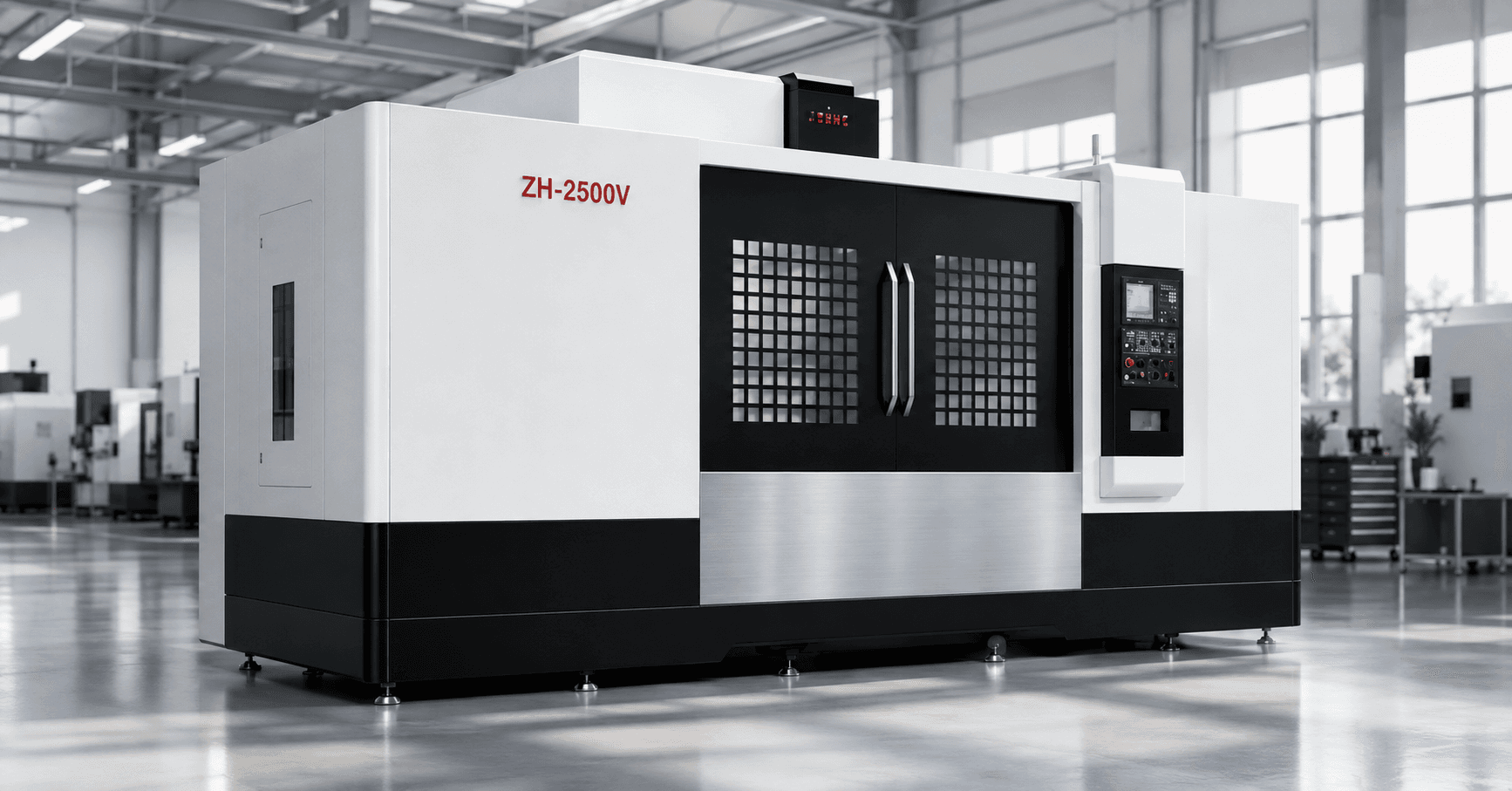
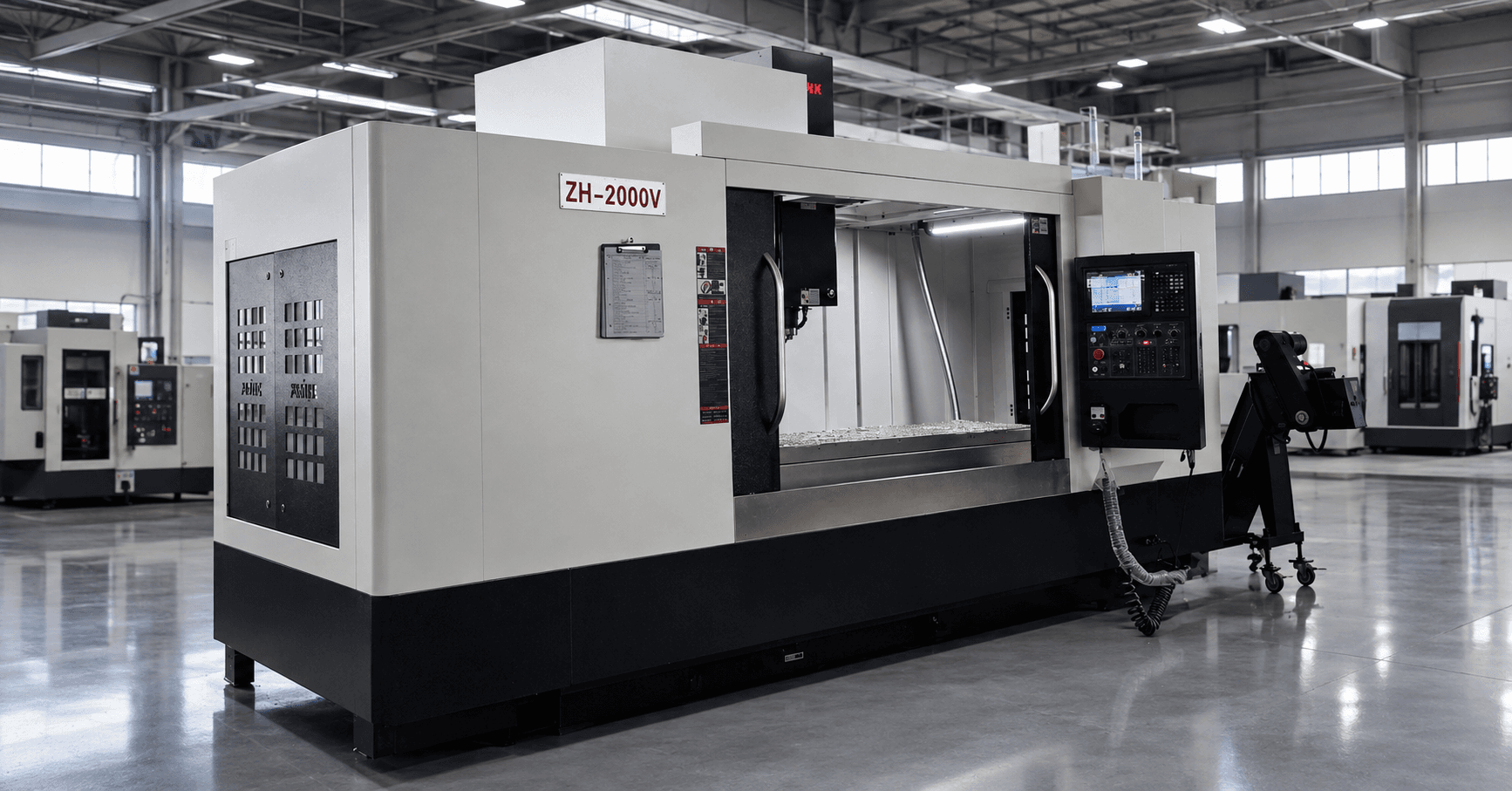
The cabinet-style H-600T shown here appears to be an enclosed, floor-standing CNC drilling and tapping center. The visible structure includes a white sheet-metal enclosure, black base section, front access doors, side-mounted control cabinet, and a protected machining area. This type of layout is commonly used when factories need controlled chip management, operator safety, and repeatable batch machining.
The top-mounted cylindrical unit may be related to exhaust, mist collection, or another auxiliary system, but its exact function should be confirmed directly with the supplier. Buyers should avoid assuming accessories from appearance alone.
What is clear from the machine format is the production intent. This is not a light benchtop tool or a simple manual drilling station. It is designed for repeated machining of metal components such as automotive parts, hardware components, fixtures, housings, plates, and general machinery parts.
For factories running the same or similar parts every day, enclosure design and access layout can be just as important as spindle capability. A machine that is easy to load, monitor, clean, and maintain will usually perform better in real production than a machine that looks impressive but creates workflow problems.
Drilling and Tapping Versus Broader Milling Work
Many buyers use “milling machine,” “machining center,” and “drilling and tapping center” almost interchangeably during early research. In procurement, however, these are different decisions.
A milling machining center is generally chosen when the part requires broader machining flexibility. It may need pocket milling, surface milling, contouring, slotting, drilling, tapping, or repeated tool changes across a wider range of part geometries.
A drilling and tapping center is usually more focused. It is often selected for fast, repeatable hole-making, thread machining, small face features, and light machining operations. If a part family contains mostly bolt circles, threaded ports, mounting holes, and smaller milled surfaces, a dedicated drilling and tapping machine may be more efficient.
That does not mean buyers are choosing a “lower” machine. It means they are choosing the machine around the job.
| Production Need | Better Machine Direction |
|---|---|
| Repeated drilling and tapping | Drilling and tapping center |
| Light milling with hole-heavy parts | Drilling and tapping center or compact CNC platform |
| Flexible milling across mixed parts | Milling machining center |
| Deep pockets or heavier cutting | Vertical machining center or milling center |
| Large workpieces or multi-face heavy parts | Horizontal or gantry machining center |
| Complex curved surfaces | Five-axis machining center |
A machine that can technically make the part is not always the best production choice. Buyers should also ask how fast it can complete the part, how stable the process will be, and how much operator attention it requires.
How to Judge a Machine Before You Commit
A reliable CNC milling machine supplier should not begin and end the conversation with a quotation. The supplier should first understand the part, material, dimensions, tolerance target, production volume, and current machining problem.
For example, if the work is hole-heavy, buyers should ask about drilling and tapping repeatability, chip evacuation, tool access, control interface, and enclosure design. If the work includes light milling, confirm whether the machine is designed for that duty or only capable of handling it in limited cases.
Zhongshan Zhihe CNC Technology Co., Ltd. provides vertical machining centers, horizontal machining centers, gantry machining centers, drilling and tapping centers, CNC milling machines, and five-axis machining centers. A wider product range can be useful because buyers are not forced into one machine category before the application is understood.
The company also supports machine selection, fixture support, trial cutting verification, installation guidance, operator training, warranty service, and spare parts support. For production buyers, those services are often as important as the machine frame itself.
Practical Selection Points Buyers Often Overlook
Before buying a precision CNC milling machine or drilling and tapping center, buyers should review several practical details.
| Selection Point | Why It Matters |
| Part family | The machine should match the parts produced most often |
| Material | Aluminum, steel, cast parts, and hardware components need different cutting strategies |
| Hole and thread requirements | Hole depth, thread size, and accuracy affect machine choice |
| Fixture access | A strong machine still needs practical workholding |
| Enclosure layout | Door access and visibility affect daily operation |
| Chip control | Poor chip removal can affect tool life and surface quality |
| Control system | Operator familiarity can reduce setup and training time |
| Service support | Installation, training, and spare parts affect long-term use |
A common mistake is choosing around the biggest possible future part. That may sound safe, but it can lead to overbuying capacity that current jobs do not need. A better approach is to match the machine to the parts that generate real production demand every week.
Common Mistakes Buyers Make with This Machine Category
The first mistake is buying for maximum flexibility instead of real workload. A general milling machine may be capable, but if the actual jobs are mostly drilling and tapping, a more focused machine may complete them faster and with less wasted capacity.
The second mistake is assuming all enclosed CNC machines perform the same work equally well. They do not. A drilling and tapping center, milling center, vertical machining center, and high-speed milling center each have different strengths.
The third mistake is ignoring fixture strategy. A stable machine cannot fully compensate for poor workholding, especially when parts are thin, small, or easy to distort.
Another common issue is overlooking the operator side. The control screen, keypad, emergency stop, door access, and maintenance points are not minor details. They influence setup time, daily operation, and how quickly an operator can respond when something changes during production.
Who Should Consider the H-600T Type of Machine
An enclosed drilling and tapping center like the H-600T type machine is worth considering for factories that process parts with repeated holes, threads, and light machining features.
Typical users may include:
-
Automotive component manufacturers
-
Precision hardware producers
-
Aluminum parts processors
-
Communication equipment suppliers
-
Home appliance component factories
-
Fixture and tooling builders
-
General machinery parts manufacturers
-
3C electronic component suppliers
-
Lithium battery equipment part manufacturers
If the workload is mixed but strongly weighted toward hole-making and tapping, a dedicated drilling and tapping center may provide better daily output than a broader high speed milling center. If the workload requires more aggressive cutting and wider machining flexibility, a milling machining center may still be the better choice.
The real decision is whether the factory needs a specialist or a generalist.
What to Send When Requesting a Quote
A good RFQ should include more than “please quote one machine.” Buyers should prepare clear application details so the supplier can recommend the correct model and configuration.
Useful information includes:
-
Workpiece drawing
-
Material type
-
Part dimensions
-
Hole quantity and thread requirements
-
Required tolerance
-
Surface finish target
-
Main machining process
-
Current production issue
-
Expected daily or monthly output
-
Fixture requirements
-
Preferred control system
-
Delivery destination
With this information, a supplier can judge whether the project needs a milling machining center, drilling and tapping center, vertical machining center, or another CNC solution.
FAQ: Questions Buyers Often Ask Before Purchase
1. How do I know whether I need a milling machining center or a drilling and tapping center?
If your parts mainly require repeated drilling, tapping, bolt holes, threaded ports, and light face machining, a drilling and tapping center may be more efficient. If your parts require broader milling, pocket machining, contouring, deeper cuts, or more diverse toolpaths, a milling machining center may be a better choice.
2. Is a drilling and tapping center only suitable for holes and threads?
Not always. Many drilling and tapping centers can also support light milling and related machining operations, depending on the machine configuration. Buyers should confirm spindle capability, tool capacity, travel range, rigidity, and controller functions before purchase.
3. What information should I provide to get an accurate quotation?
You should provide part drawings, material, dimensions, tolerance requirements, hole and thread details, surface finish requirements, production volume, and current machining problems. The more complete the information, the more accurate the machine recommendation.
4. Can one CNC machine handle drilling, tapping, and milling together?
Yes, many CNC machining centers can handle drilling, tapping, and milling. The question is whether the machine is optimized for your main workload. If drilling and tapping dominate production, a dedicated drill-tap center may be more efficient. If milling flexibility matters more, a milling machining center may be more suitable.
5. What factors affect machining accuracy besides the machine itself?
Final accuracy depends on machine rigidity, spindle condition, guideway stability, fixture design, tool selection, cutting parameters, coolant delivery, thermal control, operator setup, and inspection method. A good machine still needs a stable process around it.
6. Why should I work with a supplier instead of only comparing prices?
A lower machine price does not guarantee lower production cost. A supplier that reviews your drawings, recommends the right machine type, supports fixture planning, provides training, and offers spare parts support can reduce commissioning risk and long-term downtime.
7. Can Zhihe CNC help recommend the right machine type?
Zhihe CNC supports machine selection based on workpiece drawings, material, dimensions, precision requirements, machine type preference, and production capacity. This helps buyers compare whether a milling machining center, drilling and tapping center, or another CNC solution is more suitable for the job.
Final Advice for Buyers
If your shortlist includes a milling machining center, a dedicated drilling and tapping machine, or a broader CNC milling center, compare them against the part family first. The answer is usually clearer than the catalog suggests.
A successful machine purchase starts with the workpiece, not the brochure. The best CNC solution is the one that fits the part, the process, the operators, and the production target.