Case Study: Choosing a Vertical Machining Center for a Job Shop That Needed More Stable Output
When a small or mid-sized metalworking shop starts losing time to setup changes, chatter, inconsistent hole quality, and repeated checking between operations, a Vertical Machining Center quickly becomes more than a machine purchase. It becomes a process decision.
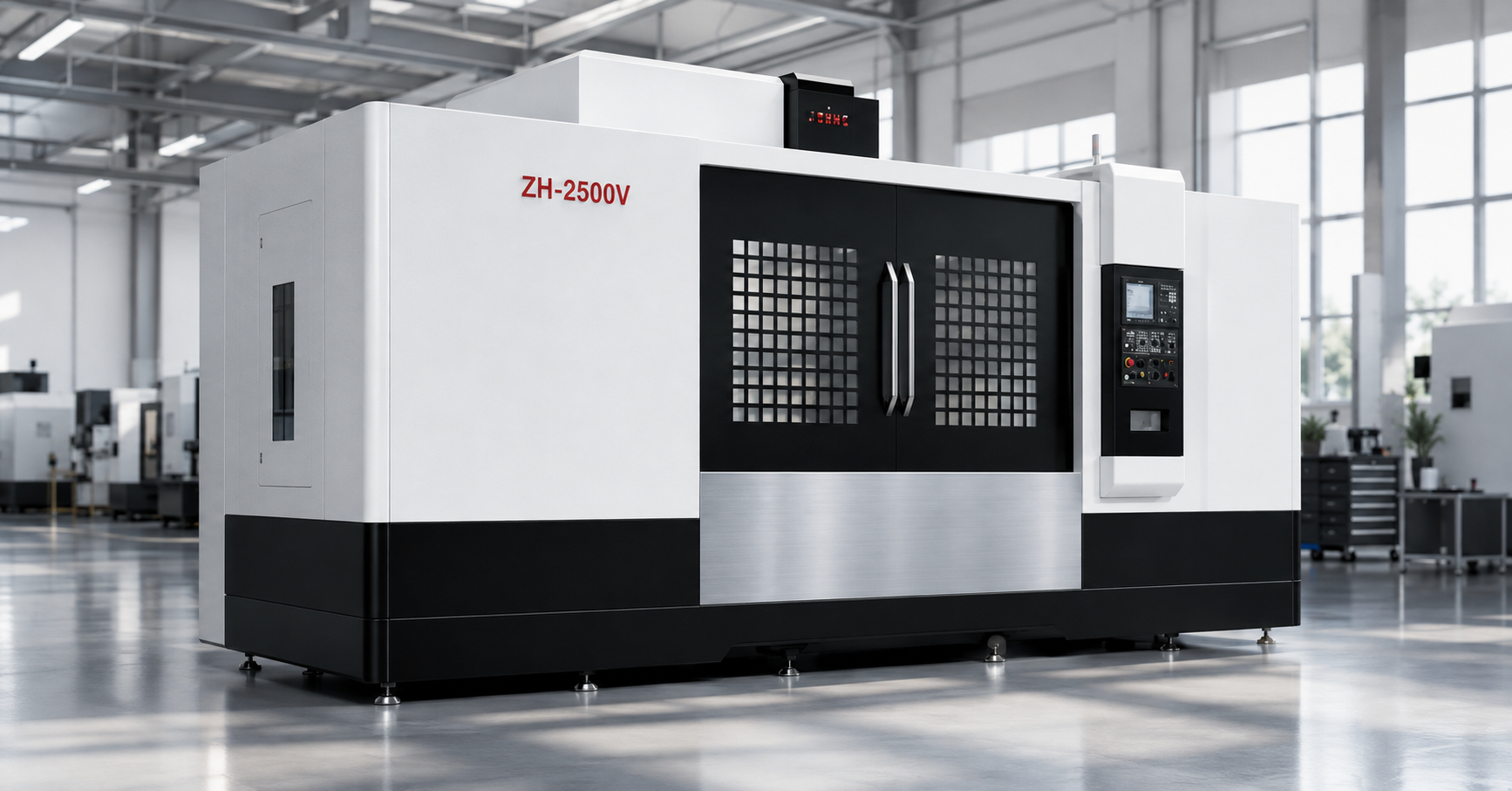
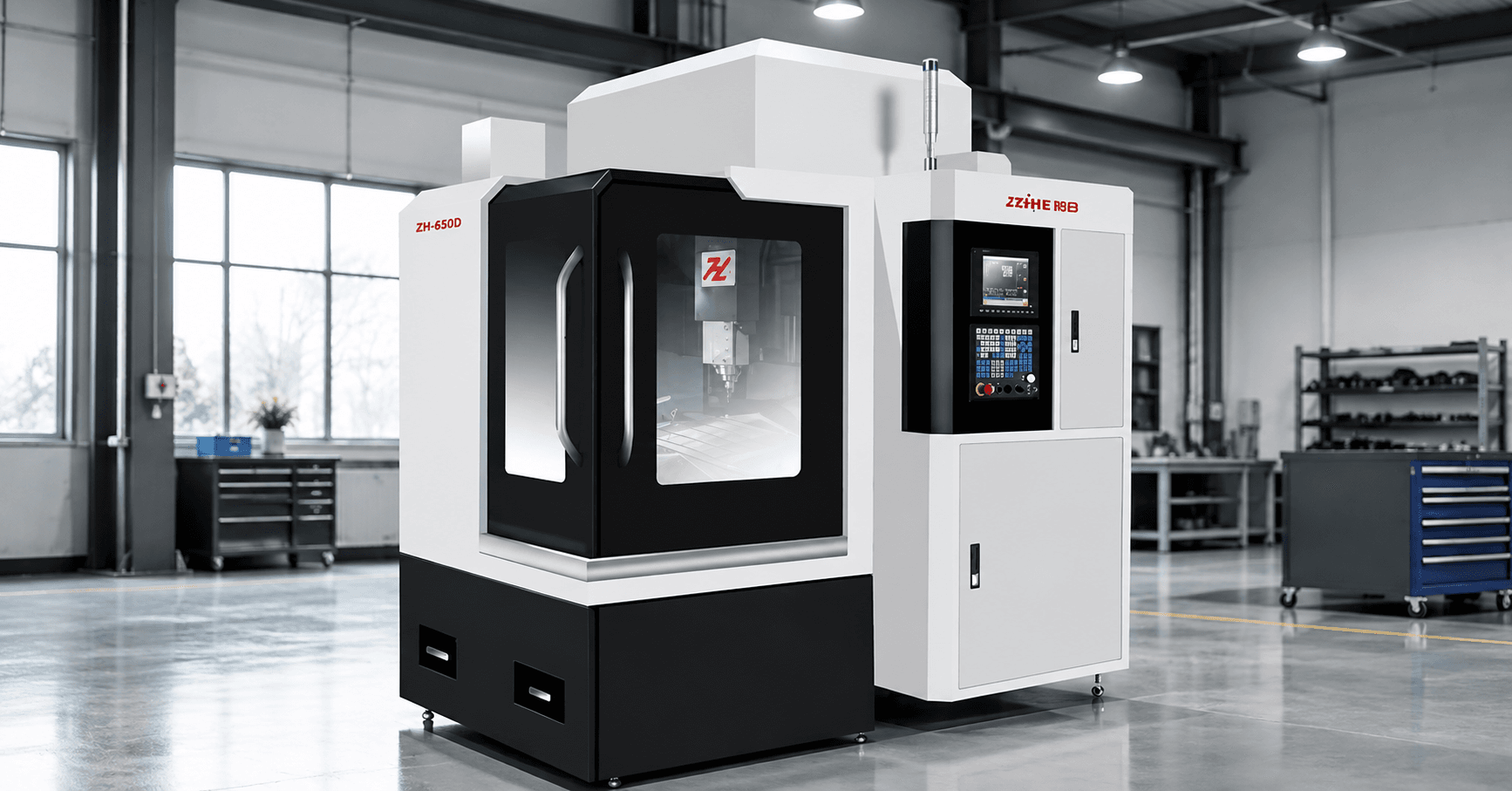
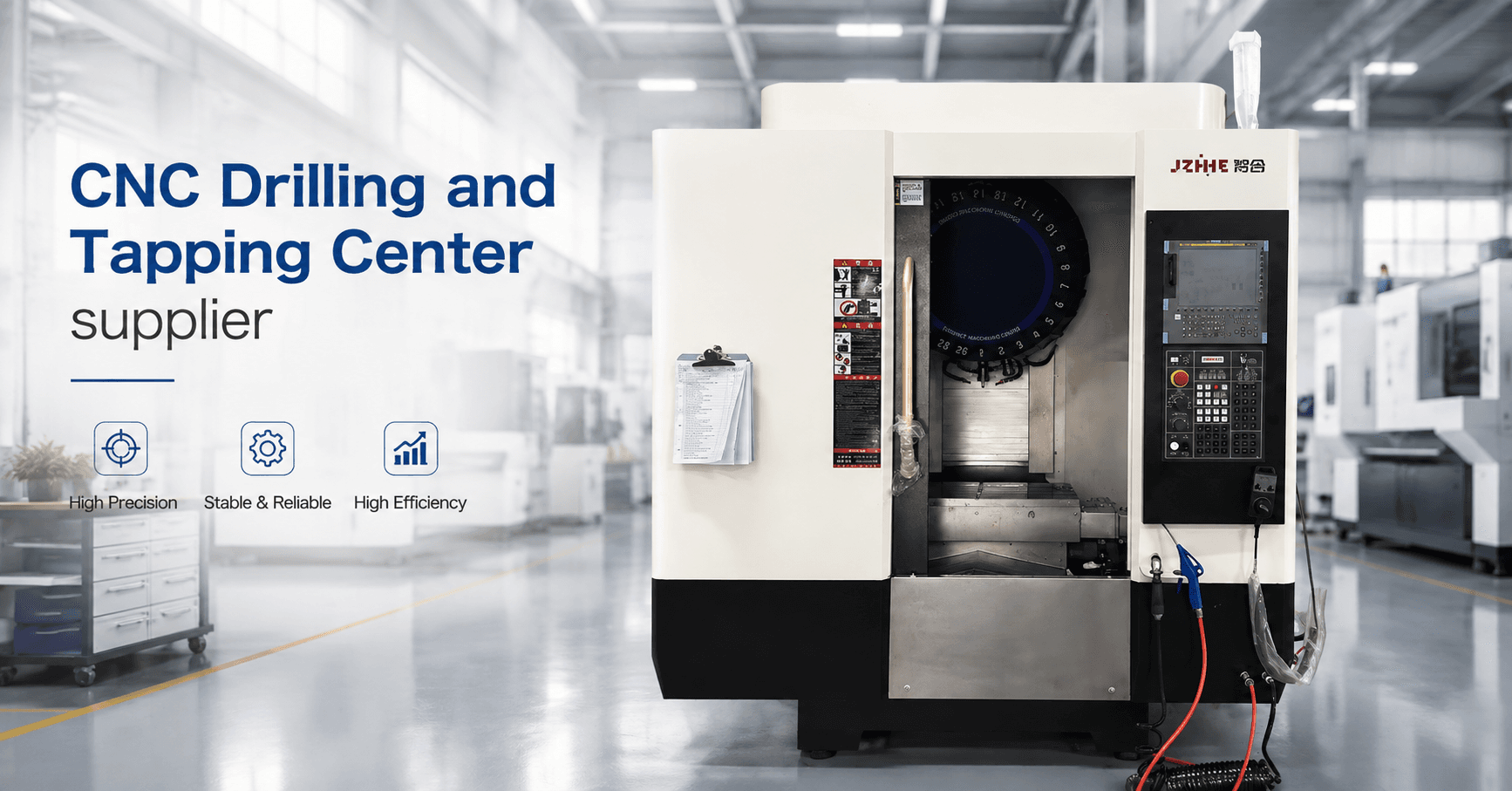
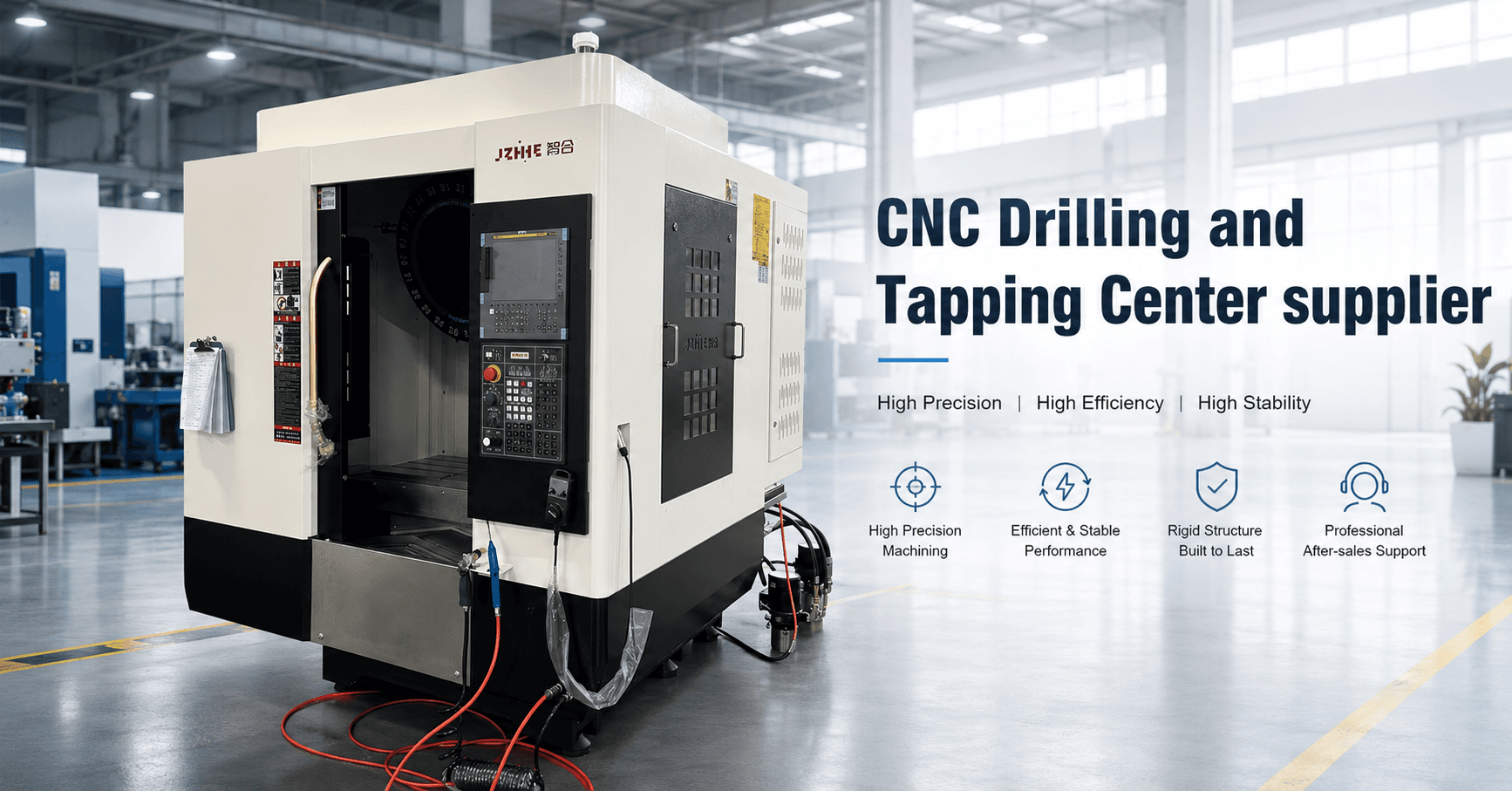
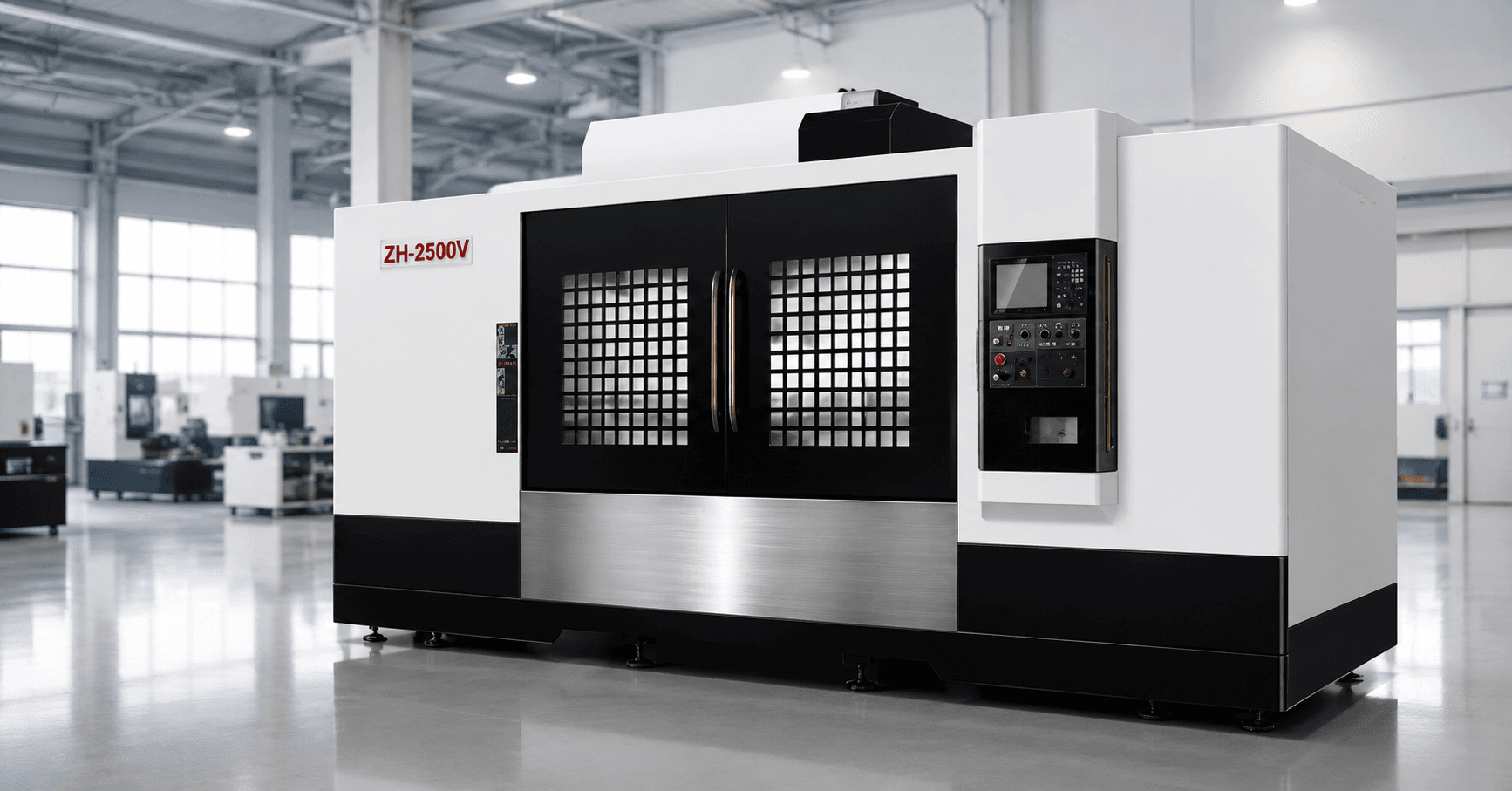
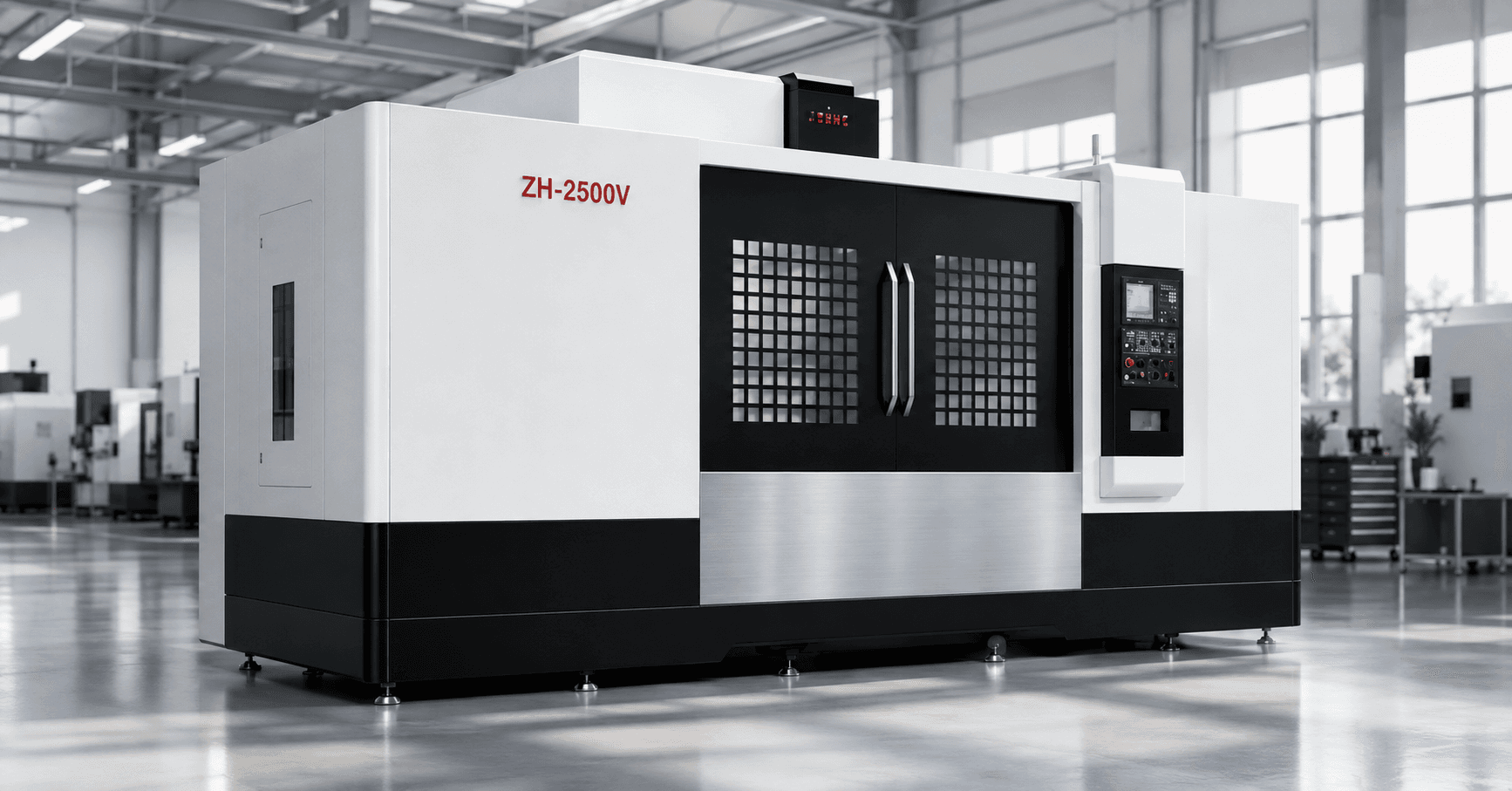
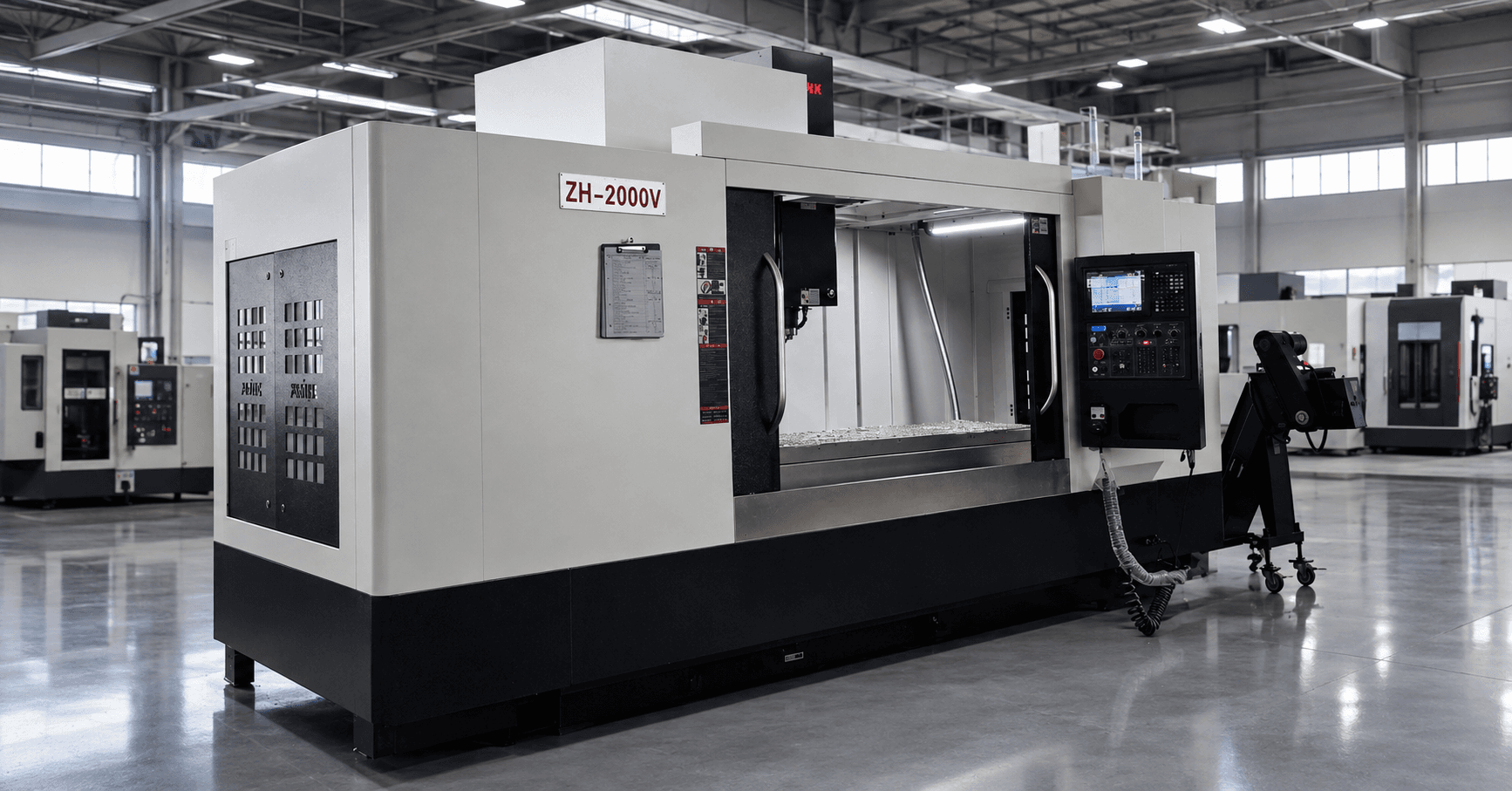
The machine in this case represents the kind of enclosed, floor-standing CNC vertical milling platform many buyers consider when they want one practical machine for everyday production. It has the typical VMC format: a protected cutting chamber, front access doors, an internal worktable, a vertical spindle layout, and an operator console for daily program control.
For sourcing managers and engineers, the question is not simply whether the machine looks capable. The more useful question is whether it can support milling, drilling, tapping, fixture work, prototype parts, and repeat production without turning each order into a new experiment.
The Production Problem Behind the Purchase
The shop in this type of case usually handles a mixed workload. One week may involve precision brackets and fixture plates. The next week may include housings, mold-related components, aluminum parts, communication equipment parts, or small-batch industrial hardware.
Older equipment may still complete some of these jobs, but the process often becomes uneven. Operators spend more time resetting fixtures. Hole quality varies from batch to batch. More hand finishing appears. Inspection pressure increases. Small errors are not always dramatic, but they slowly take capacity away from the shop.
That is where a CNC Vertical Machining Center becomes attractive. It can bring milling, drilling, tapping, and surface machining into one enclosed CNC-controlled platform. Instead of moving parts between several machines or relying heavily on manual adjustment, the shop can build a more repeatable machining route.
Why the Enclosed Machine Format Matters
A fully enclosed VMC is not only about appearance. The enclosure helps contain chips and coolant, improves shop cleanliness, and gives operators a safer cutting environment than an open manual setup.
In a busy job shop, these details matter. Chip scatter creates cleaning time. Coolant splash affects the surrounding work area. Open cutting zones require more operator caution. A clean enclosed chamber does not solve every production problem, but it helps make daily machining more controlled.
The visible machine format also suggests practical shop-floor use: front-loading doors, side access panels, a vertical spindle head, leveling feet, and a right-side operator console. That kind of layout is common for factories that need regular loading, unloading, program checking, and tool adjustment.
What Buyers Usually Look for First
Most buyers do not begin by asking for the longest feature list. They want to know whether the machine fits the part, the floor, and the team.
For this machine category, the first review should include:
| Review Item | What Buyers Should Check | Why It Matters |
|---|---|---|
| Workpiece fit | Part size, fixture size, loading space | Prevents awkward setup after installation |
| Material range | Aluminum, steel, mold materials, mixed metals | Affects spindle, rigidity, tooling, and coolant choice |
| Process type | Milling, drilling, tapping, surface machining | Confirms whether the machine suits daily jobs |
| Operator workflow | Control position, door access, visibility | Reduces setup friction during shifts |
| Batch stability | Repeatability, fixture strategy, trial cutting | Helps reduce rework and inspection pressure |
| Supplier support | Installation, training, spare parts, service | Reduces startup and downtime risk |
A machine that looks good in a photo can still be the wrong choice if loading is inconvenient, the work area is too small, the operator interface is unfamiliar, or service access is limited.
What the Machine Form Factor Suggests
The machine described in the source content appears to be a fully enclosed rectangular cabinet design with front access, side panels, an internal work zone, and a right-side CNC control console. That points to a machine intended for controlled subtractive machining rather than open manual milling.
The vertical spindle layout makes it suitable for common upright machining operations such as face milling, drilling, tapping, pocketing, and fixture-based machining. For job shops, this is often a practical middle ground. It is more controlled than manual equipment, but not as specialized as a horizontal, gantry, or five-axis solution.
The visible industrial structure also suggests floor installation rather than bench or light-duty use. That means buyers should review more than footprint. Power access, chip removal, coolant drainage, operator reach, door clearance, and maintenance space all matter.
Why Buyers Compare This Type of Machine First
For many sourcing managers, the question is simple:
Can one machine handle everyday parts with stable results, or will difficult jobs still need to be outsourced?
A Vertical Machining Center is often compared with horizontal machining centers, gantry machines, drill-tap centers, CNC milling machines, and five-axis machines. The VMC remains popular because it is accessible, familiar to operators, and flexible enough for many prismatic parts.
It is usually a sensible choice for:
- Precision brackets
- Fixture plates
- Housings
- Mold-related parts
- Aluminum components
- Communication equipment parts
- 3C electronics hardware
- Automotive components
- General industrial parts
It is less suitable when the workpiece requires complex multi-face machining in one setup, extremely large work envelopes, or advanced simultaneous five-axis access. That is not a weakness. It simply means the buyer should match the machine category to the part family.
Selection Criteria That Actually Affect Output
The best selection questions are not always glamorous. Buyers should ask how the machine will behave during normal production, not only during a demonstration.
Useful questions include:
- What parts will run most often?
- Are the materials mainly aluminum, steel, or mixed metals?
- Is the work mostly drilling and tapping, or does it involve heavier milling?
- How often will the part change?
- What fixtures does the shop already use?
- Can operators learn the control quickly?
- Is chip and coolant management suitable for daily work?
- Can the supplier support trial cutting?
- What training and after-sales support are included?
This matters because a machine purchase is not only a hardware decision. It is also a setup decision. The machine must fit the workholding plan, operator skill level, maintenance routine, and downstream inspection process.
Common Buyer Mistakes
One common mistake is buying on footprint alone. A compact enclosure looks attractive, but the buyer still needs to verify loading clearance, door opening, chip removal, and service access.
Another mistake is assuming that all CNC controls feel the same. They do not. Control familiarity can affect training time, setup speed, and operator confidence.
A third mistake is treating “general-purpose” as “suitable for everything.” A VMC can be a strong all-rounder, but fixture design, toolpath strategy, cutting parameters, and operator discipline still decide whether production runs smoothly.
A fourth mistake is overlooking support. The source content notes that Zhihe CNC supports model recommendation, control system selection, fixture support, trial cutting verification, delivery, installation guidance, training, warranty service, and spare parts support. For buyers, that service layer can be as important as the machine itself.
What Kind of Shop This Machine Type Fits Best
This kind of Vertical Machining Center is usually a good fit for job shops and production cells that handle mixed precision machining rather than one narrow part family.
Good-fit buyers include:
- Small and mid-sized job shops
- Precision part manufacturers
- Mold-related machining shops
- Fixture and tooling departments
- Aluminum component processors
- Automotive component suppliers
- Communication equipment part makers
- General industrial hardware factories
- Prototype and small-batch production teams
The machine is especially relevant when a shop wants to centralize drilling, tapping, milling, and surface machining on one enclosed platform.
Practical Buying Advice from the Shop Floor
Before placing an order, prepare three core items: part drawings, material information, and target output.
A useful inquiry should include:
- Workpiece drawing
- Material
- Dimensions
- Precision requirement
- Surface finish target
- Expected production volume
- Existing process problems
- Fixture concept
- Preferred machine type
- Delivery destination
This turns a vague quotation request into an engineering discussion. It also helps the supplier judge whether a vertical machining center is the right category or whether another CNC machine type is more suitable.
For international buyers, logistics should be discussed early. Packaging, sea freight, land transport, delivery documents, installation preparation, and spare parts support can affect the project schedule. These details may not appear exciting, but they often decide how smoothly the machine enters production.
What This Case Tells a Buyer
The lesson is simple: a well-chosen Vertical Machining Center is not only a machine purchase. It is a way to make production more controlled.
The right machine can help reduce scattered operations, improve chip and coolant control, make setups more repeatable, and give operators a more predictable CNC platform. The wrong machine can create small inefficiencies that turn into late deliveries, extra checking, and hidden labor cost.
A sourcing team should therefore begin with the workpiece, not the catalog. Once the material, dimensions, tolerance, fixture method, and output target are clear, the supplier can recommend a suitable CNC model with better accuracy than a generic quote.
FAQ
Is a VMC only for high-volume production?
No. A VMC is common in batch production, prototyping, toolroom work, and mixed-part environments. The real question is whether the machine matches the part family and required process stability.
What parts suit a vertical layout best?
Brackets, housings, mold components, fixtures, plates, and many precision machined metal parts are typical candidates. Vertical access is convenient for loading, setup, and inspection.
Should buyers focus on the control system first?
The control system matters, but it should not be the only starting point. Structure, workpiece fit, application support, and process requirements usually come first.
Is an enclosed machine always better?
Not always. But for daily metal cutting, an enclosed machine usually helps with chip containment, coolant control, operator safety, and shop cleanliness.
A Practical Next Step for Sourcing Teams
If you are comparing a Vertical Machining Center for a new line or replacement purchase, gather part drawings, material data, accuracy requirements, and target output before asking for quotations.
For buyers balancing quality, repeatability, and floor-space discipline, the right machine is rarely the one with the loudest claim. It is the one that fits the work, holds the process, and gives operators a machine they can use confidently during an ordinary production shift.