What Buyers Really Mean When They Search for a Drilling and Tapping Center Supplier
When engineers or sourcing teams look for a drilling and tapping center supplier, they are usually not shopping for a brochure. They are trying to solve a production problem: how to produce drilled and tapped parts faster, with fewer setup issues, more stable hole quality, and less risk of scrap.
In many workshops, that means finding one compact CNC platform that can handle drilling, tapping, and light milling in a guarded, repeatable process. The details matter. Two machines may look similar from a distance, yet behave very differently once they are asked to hold tolerances through a full shift.
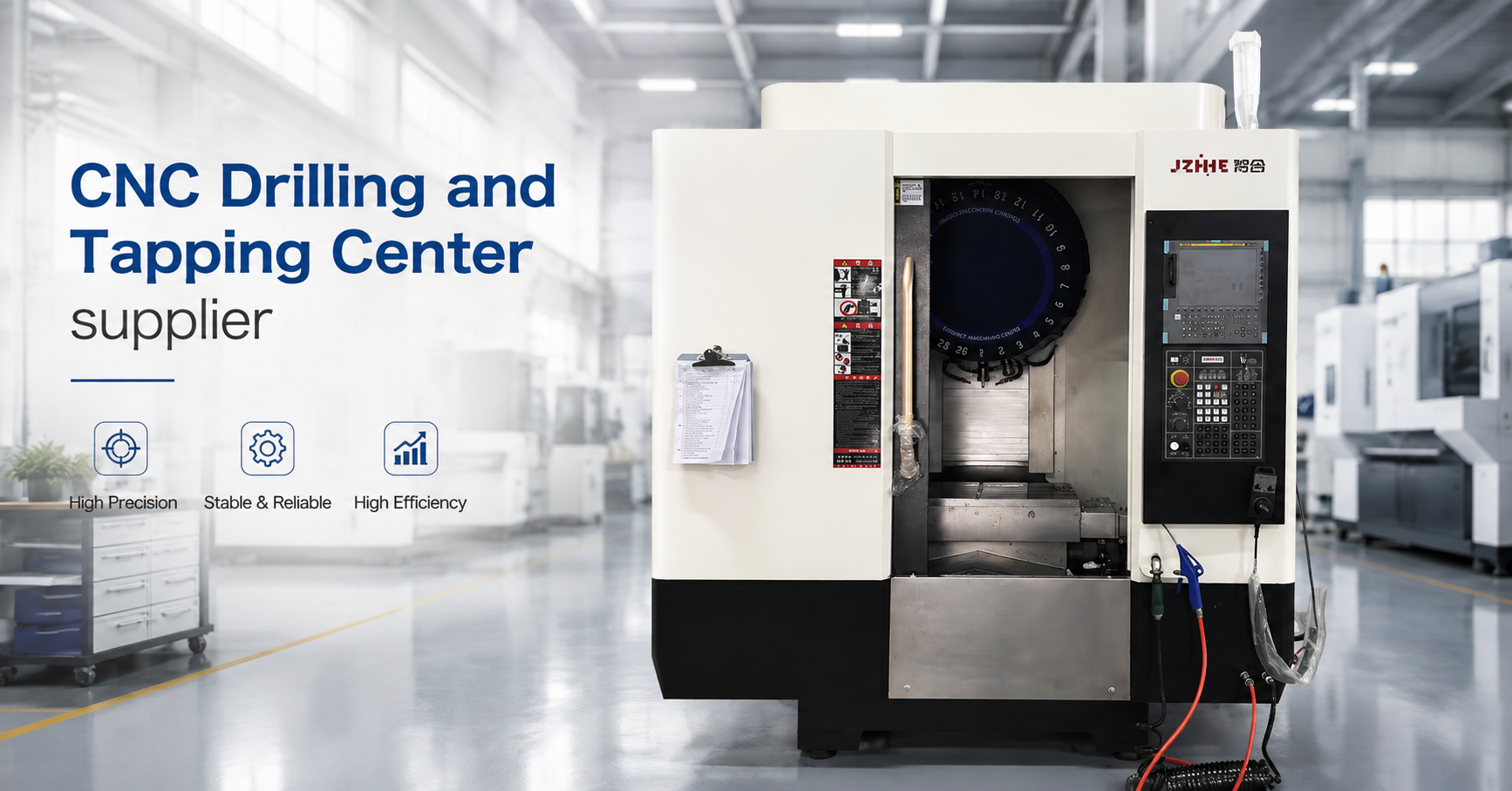
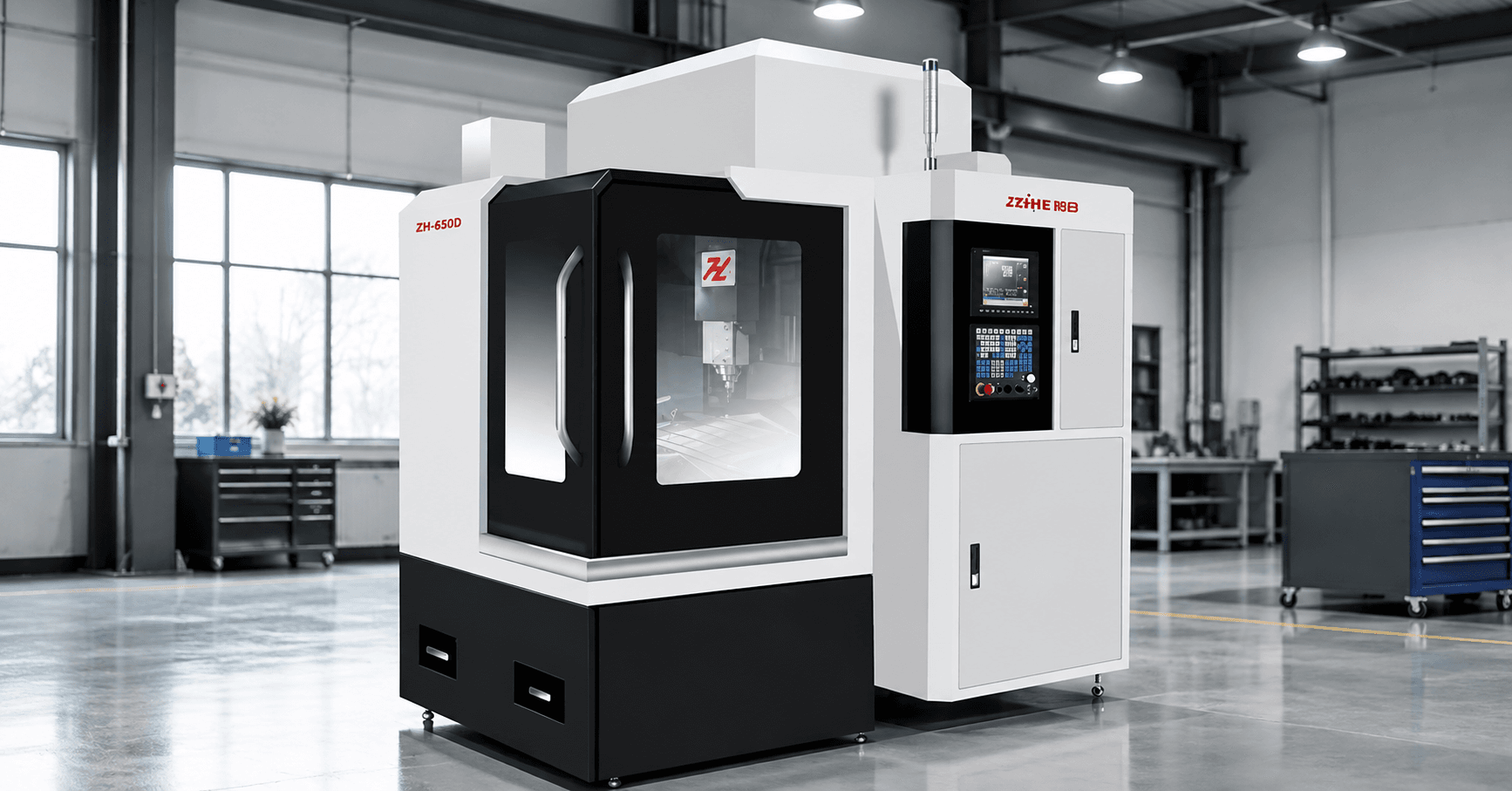
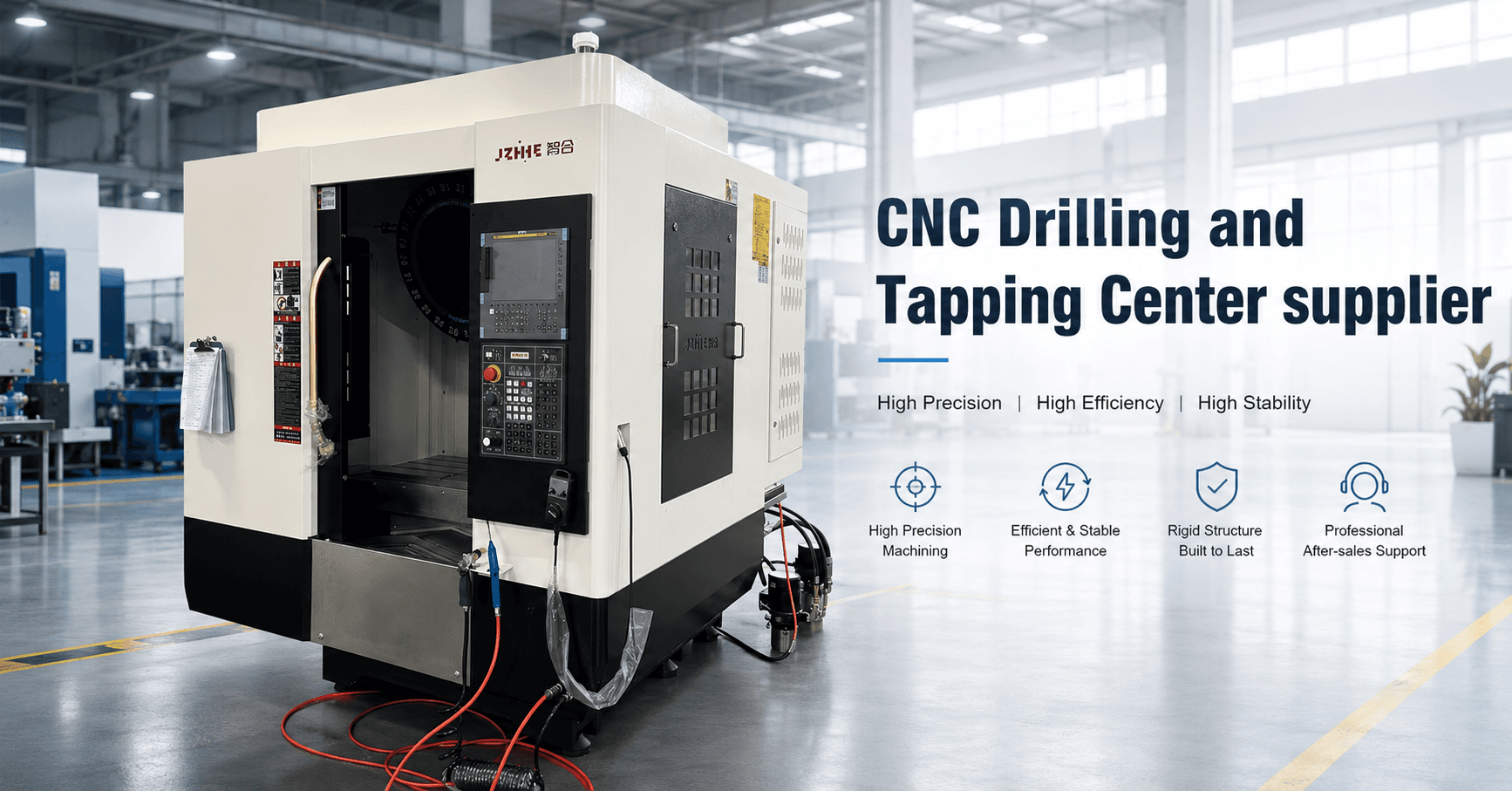
The Zhihe CNC ZH-600T Drilling and Tapping Center gives buyers a useful reference for this type of decision. Its product page lists 600 / 400 / 300 mm X/Y/Z travel, a 700 × 420 mm worktable, 250 kg maximum table load, BT30 direct-drive spindle, 20,000 rpm maximum spindle speed, 48 / 48 / 48 m/min rapid traverse, 21-tool arm-type BT30 magazine, and MITSUBISHI M80VB CNC controller. It is positioned for high-efficiency batch production of small-to-medium precision parts.
Why the Machine Type Matters
A CNC drilling and tapping center is usually chosen when hole-making dominates the process. These machines are typically used for repeated drilling, tapping, chamfering, and light milling, especially on compact metal parts where cycle time and tool-change efficiency matter.
The ZH-600T product page lists applicable materials including aluminum alloys, copper alloys, carbon steel, and low-carbon alloy steel. Its target industries include automotive, precision molds, general machinery, and automation.
For buyers, that positioning is important. A drilling and tapping center is not always the same purchase as a heavy-duty vertical machining center. If the job involves large steel parts and heavy rough milling, a larger VMC may make more sense. But if the part requires fast hole patterns, reliable tapping, and light secondary milling, a dedicated drilling and tapping center can often improve daily output.
Where This Type of Machine Fits in the Shop
A drilling and tapping center often sits between manual hole-making equipment and a larger machining center. It is used when the shop needs CNC repeatability but does not want to occupy a heavier machine for lighter, high-frequency work.
Typical applications include:
- Automotive aluminum parts
- 3C electronics aluminum frames
- Precision hardware parts
- Small brackets
- Communication equipment components
- Fixture plates
- Light mold-related parts
- Automation components
- General batch-drilled parts
The ZH-600T is listed with a maximum workpiece capacity of 600 × 400 × 300 mm, which makes it more suitable for small-to-medium parts rather than oversized workpieces.
Product Data Buyers Should Review First
| Buying Point | ZH-600T Product Data | Why It Matters |
|---|---|---|
| X/Y/Z travel | 600 / 400 / 300 mm | Fits small-to-medium precision parts |
| Worktable area | 700 × 420 mm | Supports compact fixtures and batch parts |
| Maximum table load | 250 kg | Suitable for light-to-medium workpieces |
| Spindle taper | BT30 | Common for high-speed drilling, tapping, and light milling |
| Spindle type | Direct-drive | Supports fast spindle response |
| Maximum spindle speed | 20,000 rpm | Useful for aluminum and high-speed hole-making |
| Rapid traverse | 48 / 48 / 48 m/min | Helps reduce non-cutting time |
| Tool magazine | 21-tool arm-type magazine | Supports multi-tool processes |
| Controller | MITSUBISHI M80VB | Supports production CNC operation |
| Accuracy | ±0.005 mm positioning, ±0.003 mm repeatability | Helps maintain batch consistency |
These specifications should not be reviewed in isolation. A buyer should compare them with the actual drawing, material, hole quantity, thread specification, fixture design, and output target. A fast machine is useful only when the whole process is stable.
What a Good Supplier Should Help You Decide
A capable drilling tapping center manufacturer should help match the machine to the part, not simply quote a model number. That means the supplier should ask practical questions before recommending a machine.
For example:
- What material will be machined most often?
- How many holes and tapped features are on each part?
- What is the current cycle time?
- What thread sizes are required?
- Does the part need side milling or only top-side operations?
- How many tools are needed in one program?
- Is the current problem speed, quality, fixture repeatability, or tool life?
- Does the part require a 4th-axis setup?
- Is trial cutting needed before final acceptance?
The ZH-600T product page lists a standard 4th-axis interface, optional indexer or rotary table, and optional Renishaw / Marposs probe for automatic alignment and in-process measurement. It also lists a chain-type chip conveyor with chip cart and coolant options including flood coolant, coolant tank, and optional spindle center through-coolant.
These options are useful, but they should be selected based on the buyer’s part. Adding every option does not automatically improve production. The better approach is to solve the real bottleneck.
Why Speed Matters, but Not by Itself
Buyers often focus on spindle speed when comparing drilling and tapping centers. That is understandable. For aluminum parts, thin components, and 3C-related work, spindle speed can strongly affect cycle time.
The ZH-600T uses a BT30 direct-drive spindle with maximum speed of 20,000 rpm, and the product page also lists 48 m/min rapid traverse on all three axes. The standard configuration includes a 21-tool arm-type magazine, which is relevant for jobs involving drilling, tapping, chamfering, and light milling in one setup.
Still, speed alone is not the full answer. A shop also needs stable fixturing, correct tapping parameters, reliable chip evacuation, proper coolant, and an operator workflow that does not slow the machine between cycles. The useful question is not only “How fast is the spindle?” but “How many qualified parts can the process produce per shift?”
Case Reference: Automotive Aluminum Valve Body
The product page includes a case involving an automotive aluminum valve body made from ADC12 aluminum alloy, with dimensions of 350 × 250 × 120 mm. The customer’s previous process had a cycle time of about 15 minutes per piece, frequent tool changes, and unstable surface finish that caused some batch rework.
The ZH-600T solution used the 20,000 rpm direct-drive spindle, 21-tool arm-type magazine, 1.8-second tool change, 48 m/min rapid traverse, and ±0.005 mm positioning accuracy. Reported results included cycle time reduced to under 8 minutes, tool-change waiting time reduced by 70%, surface roughness stabilized at Ra 1.6, and yield improved from 92% to 98.5%.
For buyers, this case shows why the supplier conversation should include more than machine price. Tool-change time, rapid movement, surface finish stability, and yield can all affect the final cost per part.
Case Reference: 3C Electronics Aluminum Mid-Frame
Another case on the product page involves a 3C electronics aluminum mid-frame made from 6063 aluminum alloy, with dimensions of 280 × 160 × 12 mm. The customer needed drilling, tapping, and side milling, but insufficient rigidity caused chatter marks on thin-walled parts and created a production bottleneck.
The ZH-600T solution used the machine’s 600 × 400 × 300 mm travel, axis motor power of 1.5 / 1.5 / 3.0 kW, and 4th-axis capability for multi-face machining in one setup. Reported results included completing drilling, tapping, and side milling in one setup, eliminating re-clamping errors, removing chatter marks, and increasing daily output from 180 to 320 pieces.
This case is especially relevant for buyers in 3C electronics, aluminum frame machining, precision hardware, and compact high-volume components.
Selection Criteria That Save Time Later
Before choosing a supplier, buyers should review the part and process first.
| Selection Question | Why It Matters |
| Is the work mostly drilling and tapping? | Confirms whether this machine category is suitable |
| What is the material? | Affects tool choice, spindle speed, coolant, and chip control |
| How many tools are needed? | Determines whether the 21-tool magazine is enough |
| What is the current cycle time? | Helps estimate production improvement |
| Are there chatter or surface finish issues? | Indicates whether rigidity and fixturing need attention |
| Does the part require side machining? | A 4th-axis option may be useful |
| Is repeatability critical? | Accuracy and acceptance testing should be reviewed |
| Is overseas delivery required? | Packaging, shipping, installation, and training should be confirmed |
The ZH-600T product page states that buyers may conduct pre-acceptance trial cutting at the supplier’s facility after assembly and commissioning, followed by final acceptance trial cutting after delivery, installation, and commissioning at the buyer’s facility. The warranty period begins after successful final acceptance.
Common Buyer Mistakes
One common mistake is overspecifying. Some teams buy a larger machining center because it feels safer, but if the part is mainly drilled and tapped, that larger machine may raise cost and footprint without improving throughput.
Another mistake is comparing only spindle speed. Speed matters, but so do tool-change time, rapid traverse, table size, fixture repeatability, coolant, and chip evacuation.
A third mistake is assuming that every enclosed CNC machine can replace a drilling and tapping center. It cannot. A drilling and tapping center is strongest when the production pattern is hole-making-heavy, compact, repetitive, and sensitive to non-cutting time.
The fourth mistake is skipping supplier support. Drilling and tapping jobs often fail because of fixturing, chip evacuation, tapping parameters, or setup discipline. A supplier that can discuss those problems clearly is usually more valuable than one that only sends a quotation.
Why Supplier Support Matters
A machine can look solid in the showroom and still become difficult if the supplier cannot help with setup, training, application matching, and spare parts.
The ZH-600T product page lists 45–60 working days delivery after down payment and signed contract, standard export wooden case packaging with moisture-proof, shock-proof, and rust-proof treatment, sea or air freight options, on-site installation and commissioning, free 2–3 days on-site operation and maintenance training, 12-month warranty from final acceptance, and long-term genuine spare parts supply.
For overseas buyers, these details should be confirmed before ordering. A machine purchase does not end when the machine leaves the factory. Packaging, shipping documents, installation planning, training, and acceptance all affect how quickly the machine starts producing qualified parts.
Practical Buying Advice Before Requesting a Quote
If you are comparing a drilling and tapping center supplier with other machine vendors, send more than a simple inquiry.
Prepare:
- Workpiece drawing
- Material
- Dimensions
- Hole size and thread details
- Tolerance requirements
- Surface finish target
- Current cycle time
- Current quality issues
- Batch quantity
- Fixture concept
- Need for 4th-axis machining
- Delivery destination
- Installation and training expectations
This gives the supplier a fair basis for recommendation. It also helps buyers compare real answers instead of slogans.
FAQ
What is a drilling and tapping center used for?
It is used for high-speed drilling, tapping, and light milling of small-to-medium precision parts, especially parts with repeated holes and threaded features.
Is this machine suitable for automotive aluminum parts?
Yes. The product page includes an automotive aluminum valve body case using ADC12 aluminum alloy, with improvements in cycle time, tool-change waiting time, surface finish, and yield.
Is it suitable for 3C electronics parts?
Yes. The product page includes a 3C electronics aluminum mid-frame case using 6063 aluminum alloy, with reported improvements in process consolidation, chatter reduction, and daily output.
Should buyers choose this instead of a vertical machining center?
It depends on the part. If the work is mainly repeated drilling, tapping, and light milling on small-to-medium parts, a drilling and tapping center may be more efficient. If the part requires heavier milling, larger workpieces, or broader machining flexibility, a larger VMC may be more suitable.
What should buyers confirm before ordering?
Confirm travel, table size, table load, spindle speed, spindle taper, controller, tool magazine, accuracy, coolant system, chip conveyor, optional 4th axis, probe system, trial cutting, delivery, installation, training, warranty, and spare parts terms.
Next Step for Buyers
For sourcing teams and plant engineers, the next move is straightforward: define the part family, production volume, hole-making requirements, and quality targets. Then ask the supplier to recommend a drilling and tapping center configuration around that data.
The ZH-600T is worth evaluating when the buyer needs a compact high-speed CNC solution for drilling, tapping, light milling, aluminum parts, automotive components, 3C electronics frames, precision hardware, and batch production. A useful supplier conversation should begin with the drawing, not the brochure.