Buying a Second CNC Machining Center: What Must Match the First Machine?
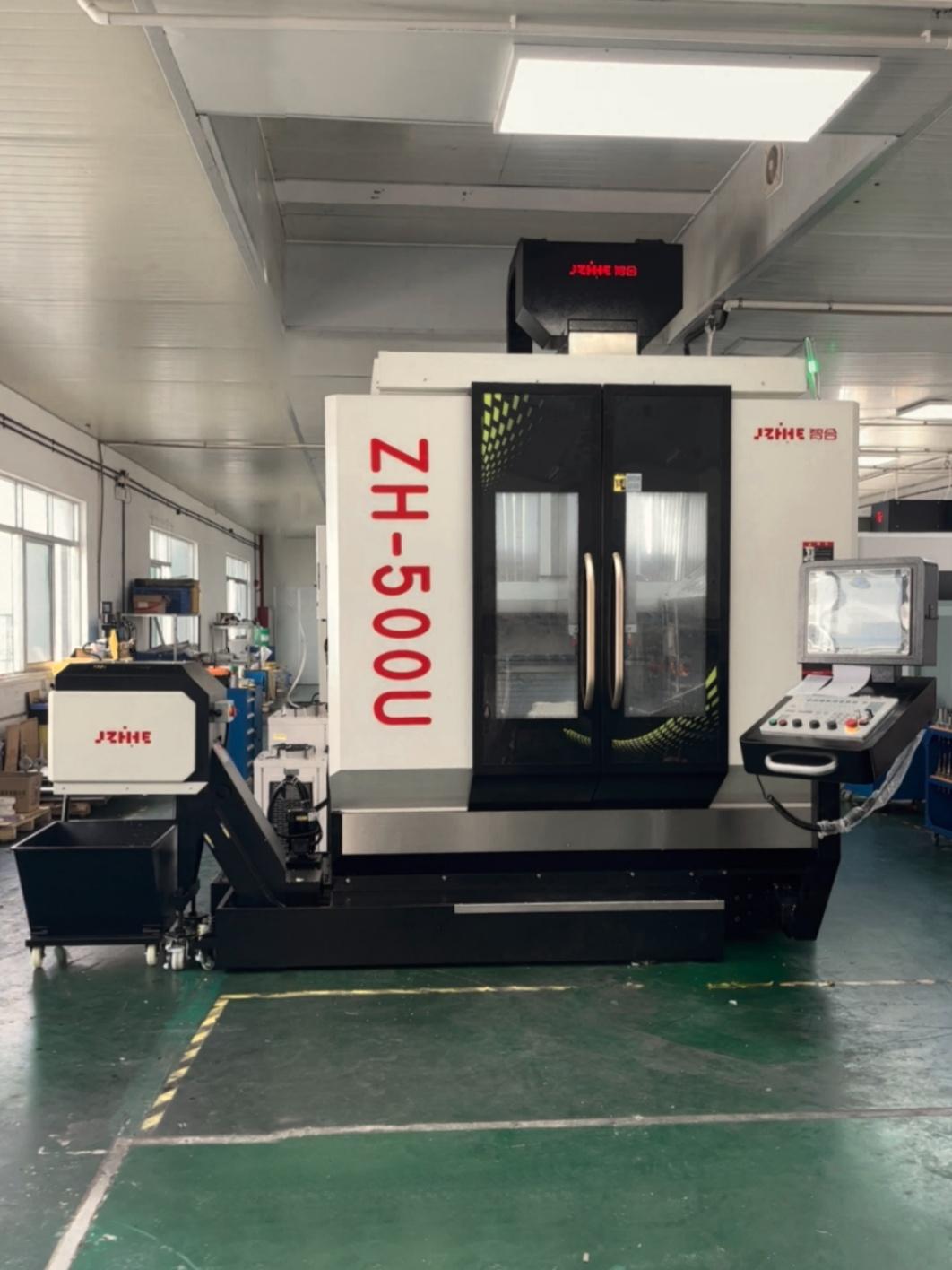
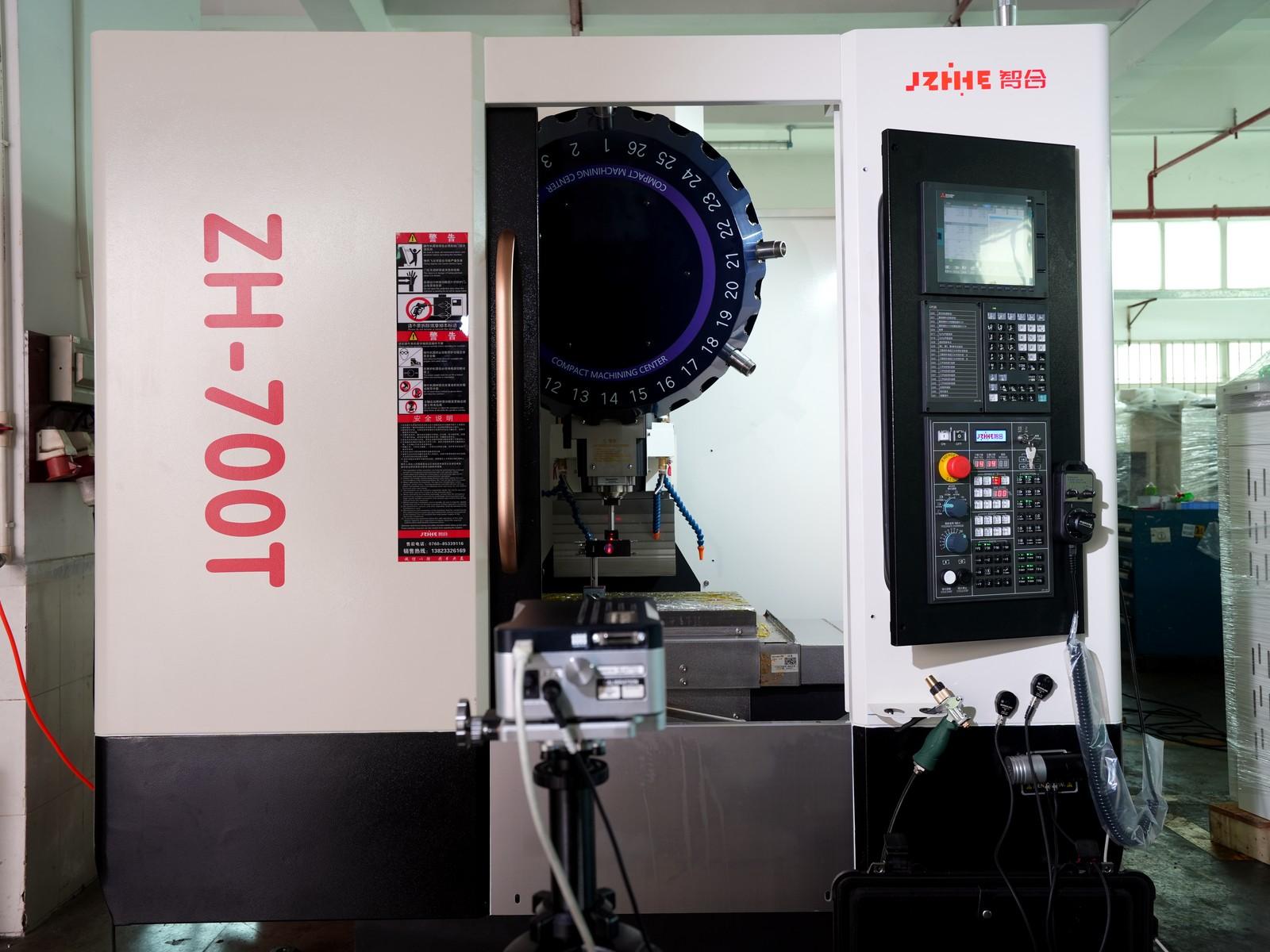
The first CNC machining center is producing acceptable parts. Demand is growing, so purchasing asks for “one more of the same.” That sounds efficient, but a second CNC machining center should be specified against the proven production process, not just the model name on the first machine. Controller version, spindle and tool interface, options, guarding, software, fixture mounting, utilities and service arrangements may differ between orders. Even genuinely matching equipment needs its own installation and acceptance evidence.
The buyer's first decision is why another machine is needed. Is the goal more accepted output, schedule resilience, faster changeover, a second site, or a new part family? That answer determines which differences matter. The general machining-center buying guide explains first-machine selection; this article starts with a proven machine and asks what can safely be repeated.
Establish the real baseline
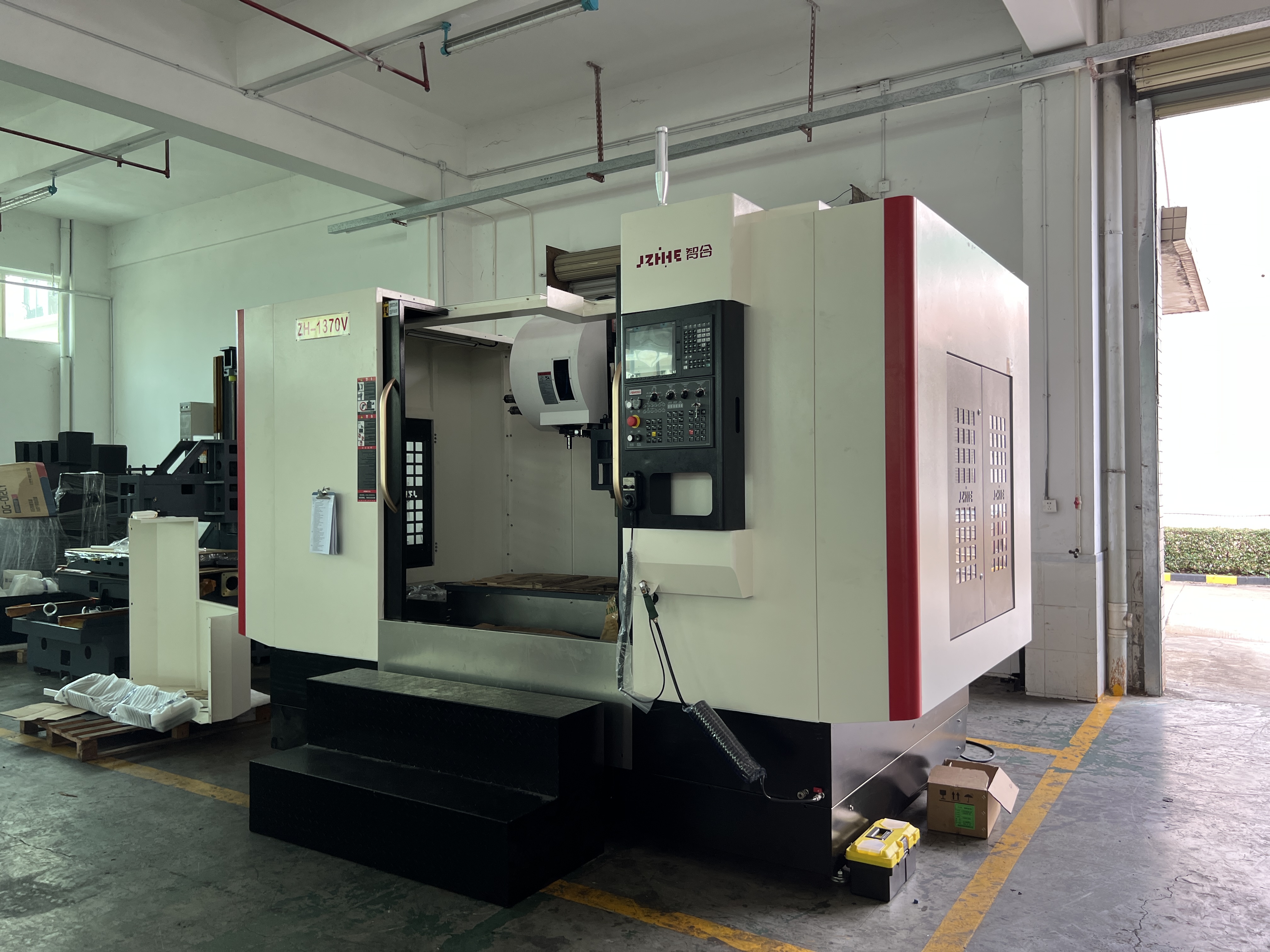
Find the purchase specification, final option list and serial-number-specific handover for the running machine. Then compare them with its current state. A retrofit, software change, fixture modification or tooling standard may have changed the production process since installation. The original quotation alone may no longer describe the machine that actually makes the parts.
Collect a controlled set of representative part drawings, programs, fixture drawings, tool assemblies, offsets, setup sheets, inspection plans and actual output records. Record revisions and ownership. Separate machine capability from process capability: a part that passes on Machine A does not prove it will pass on Machine B with the same program and tooling.
Decide what “the same” means
Use a comparison sheet rather than a single yes/no line. The proposed second machine can match, differ with an approved adaptation, or remain unresolved. A model-specific technical proposal must close every critical row.
| Comparison area | Question for the buyer and supplier | Evidence before release |
|---|---|---|
| Work envelope | Will the part, fixture, tools and loading path fit? | Current drawings and configuration-specific clearance review |
| Spindle and tool system | Are taper, retention, duty and approved tool assemblies compatible? | Installed and proposed specifications; tool list |
| Control and software | Will programs, macros, probing and data transfer behave as required? | Controller versions, option list and supervised test plan |
| Fixture interface | Can existing fixtures mount and be located safely? | Table or pallet interface drawing and trial setup |
| Utilities and site | Can the second location support the ordered configuration? | Installation drawing and site-readiness confirmation |
| Quality evidence | Which part features and machine checks must be repeated? | Separate machine test and representative part inspection |
| Support | Are spares, manuals, training and service routes common or different? | Scoped handover and service list |
These are buyer questions, not claims that every Zhihe model offers a specific interface or option. Ask for the current specification for the proposed configuration.
Transfer the process only after checking its dependencies
A copied program may depend on controller functions, postprocessor output, fixture offsets, tool lengths, probing logic or auxiliary equipment. For each representative part, identify what can transfer unchanged and what needs engineering approval. Keep a controlled copy of the original process; do not quietly overwrite it during prove-out on the new machine.
The fixture deserves a physical fit and reach review. Bolt pattern compatibility alone does not establish tool clearance, loading access, guarding clearance or chip removal. Likewise, two machines with the same nominal travel can have different practical limits once the full tool and workholding envelope is considered.
Specify a second-machine acceptance test
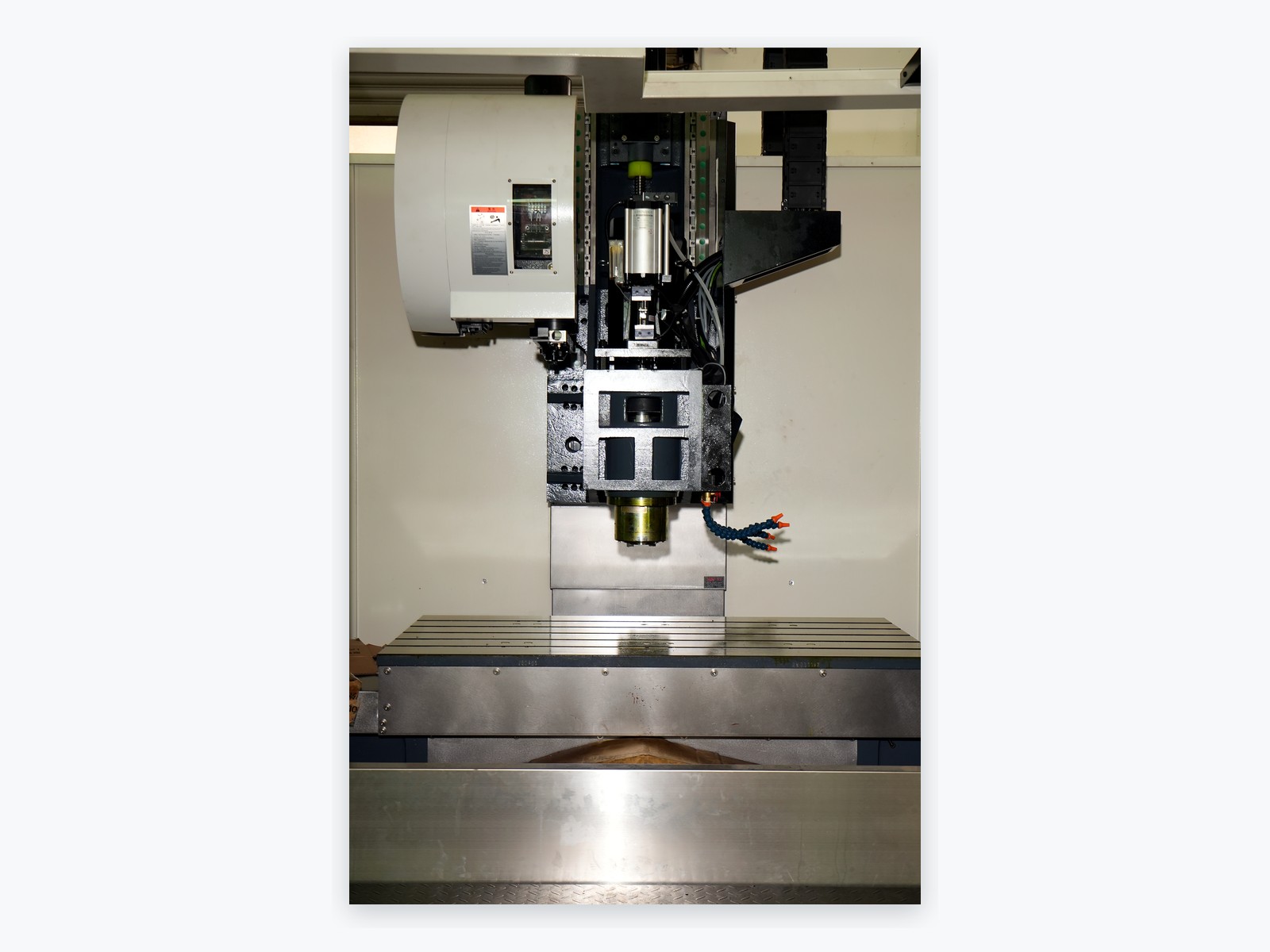
Ask the supplier to distinguish three results: (1) the delivered machine matches the agreed configuration, (2) machine-level tests meet the agreed method and limits, and (3) a representative process makes accepted parts under declared conditions. The CNC machine acceptance-test guide describes how to separate those evidence layers.
For the production trial, define drawing revision, material and blank, fixture and tools, program revision, warm-up state, sample quantity, measurement method and acceptance limits before cutting. If the business case depends on output, measure accepted parts over a stated available-time window, including loading, inspection and recovery. Do not compare only cutting time from the existing machine with full-cycle time from the proposed machine.
Do not assume a duplicate is the best answer
If the existing machine is blocked by tooling search, inspection, fixture change or staffing, a duplicate may reproduce the bottleneck. If the new demand is a different part family, a different configuration may be the better purchase. Test the capacity case against actual queue and accepted-output data. Use the quotation scope checklist to show the cost of both a true repeat and a deliberately different configuration.
A second site adds another question: can its operators, maintenance team, utilities and inspection process reproduce the proven method? Common equipment can simplify training and spares, but it cannot replace local validation.
Put the repeat-order decision in the RFQ
Send the supplier a short repeat-order pack:
- Installed machine identity, configuration and current modifications.
- The reason for the additional machine and the accepted-output target.
- Representative drawings, material, batch mix and critical features.
- Existing fixture, tooling, programs and controller dependencies.
- Site location, utility and handling requirements.
- A list of items that must match, may differ with approval, or are open.
- The proposed machine and process acceptance plan.
Ask the supplier to return a line-by-line comparison rather than a statement that a model is “equivalent.” A meaningful answer identifies standard equipment, optional equipment, exclusions, evidence and open decisions.
Buyer FAQ
Does the same CNC model number guarantee identical machines?
No. Confirm the exact ordered configuration, controller and software versions, options, interfaces and applicable specification revision. Then validate the delivered machine independently.
Can we move the same program to the second machine?
Only after checking control functions, postprocessor assumptions, tools, fixtures, offsets and safe prove-out procedures. A supervised test and part inspection establish whether the process transfers.
Should every option on the first machine be copied?
Copy options that support a proven requirement. Review unused options and changed production needs explicitly. List deviations in the RFQ so price and capability remain comparable.
What evidence shows the second machine adds capacity?
Use accepted parts per available hour under comparable part mix and staffing, including setup, inspection, maintenance and recovery. A faster empty-machine cycle is insufficient.
Can one machine's acceptance report cover both machines?
No. Each delivered machine needs its own identity, configuration and agreed acceptance record. A shared process plan can guide the second trial, but the result must be measured on that machine.
Request a configuration comparison
To evaluate a repeat purchase, contact Zhihe CNC with the installed machine's model and configuration, representative parts, site details and reason for expansion. Request a current model-specific comparison and an acceptance plan for the proposed second machine. Confirm any technical values, availability and commercial terms in the written quotation.