Blade Notebook
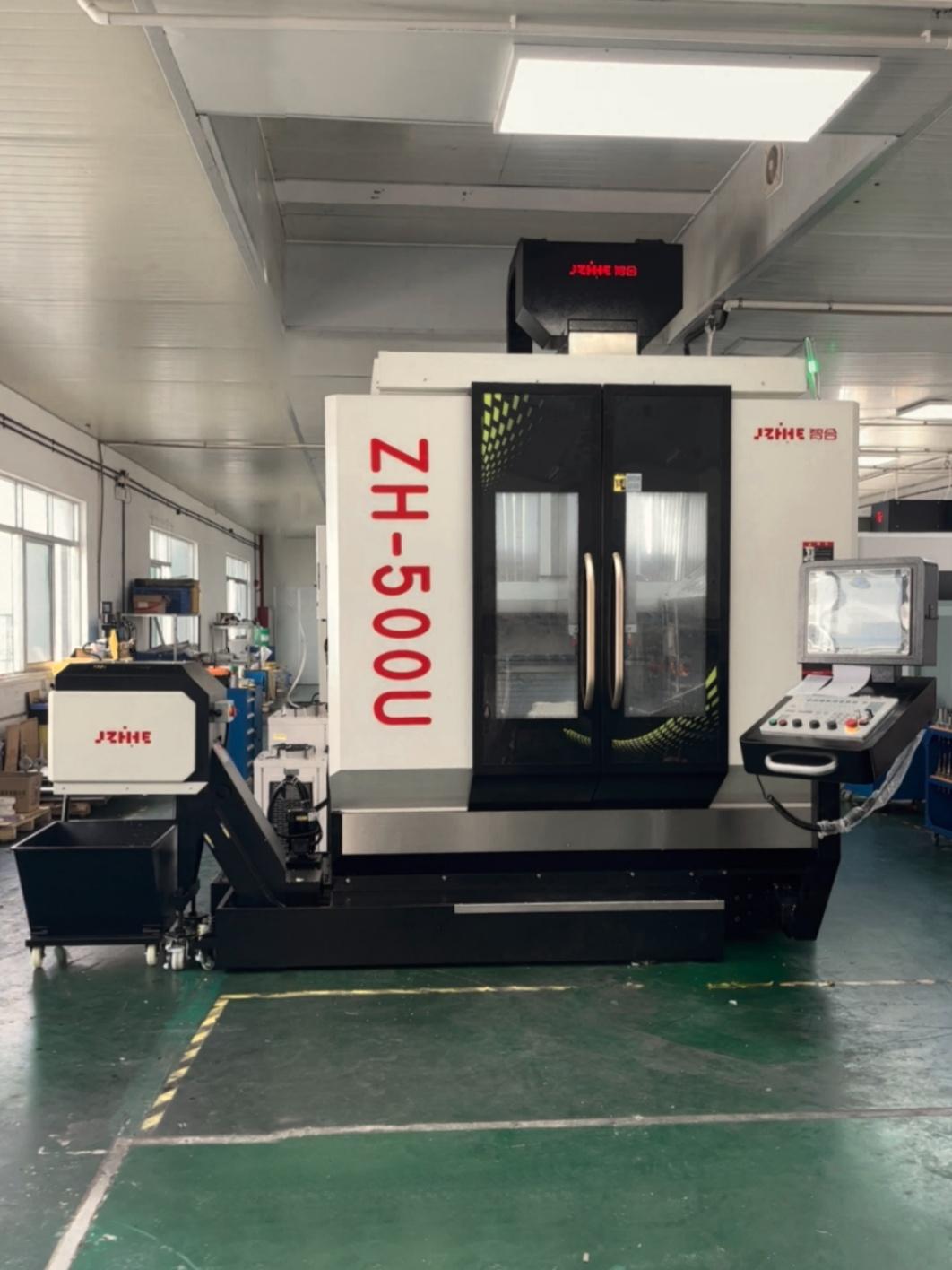
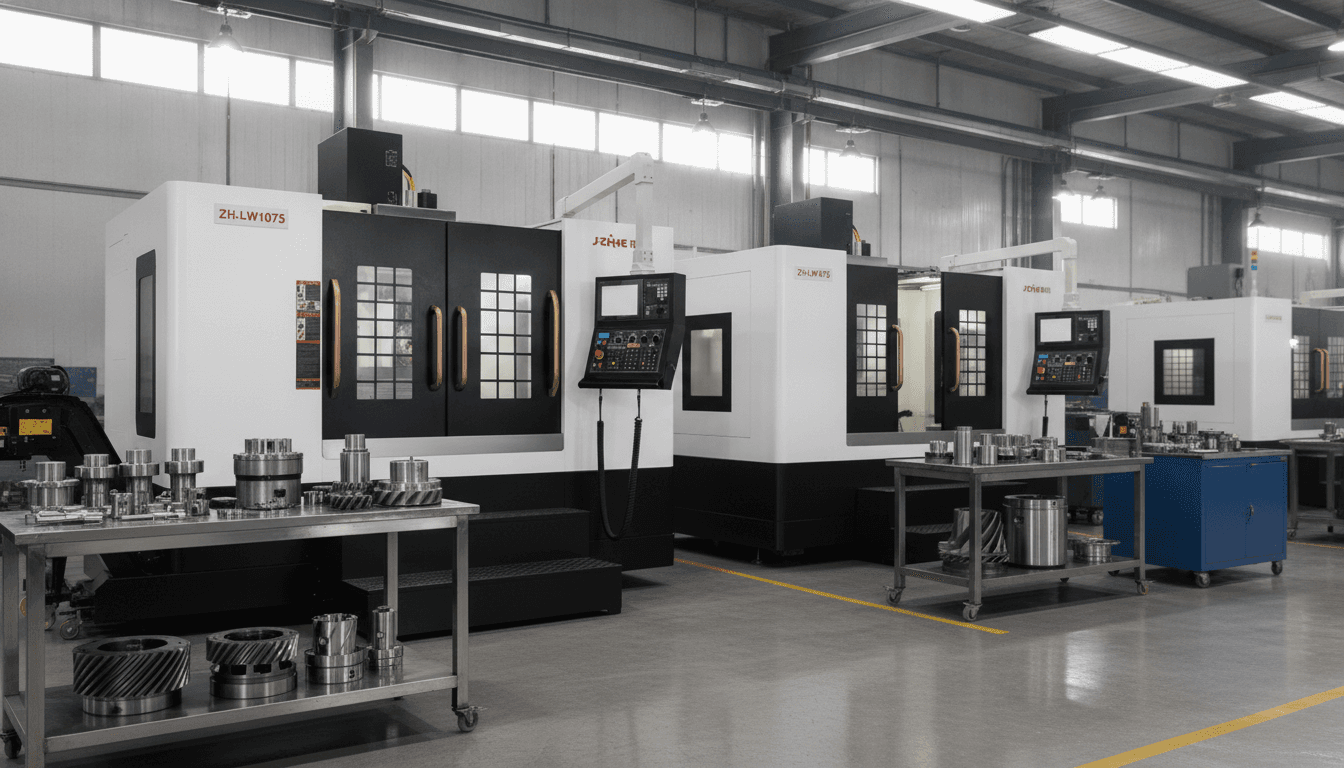
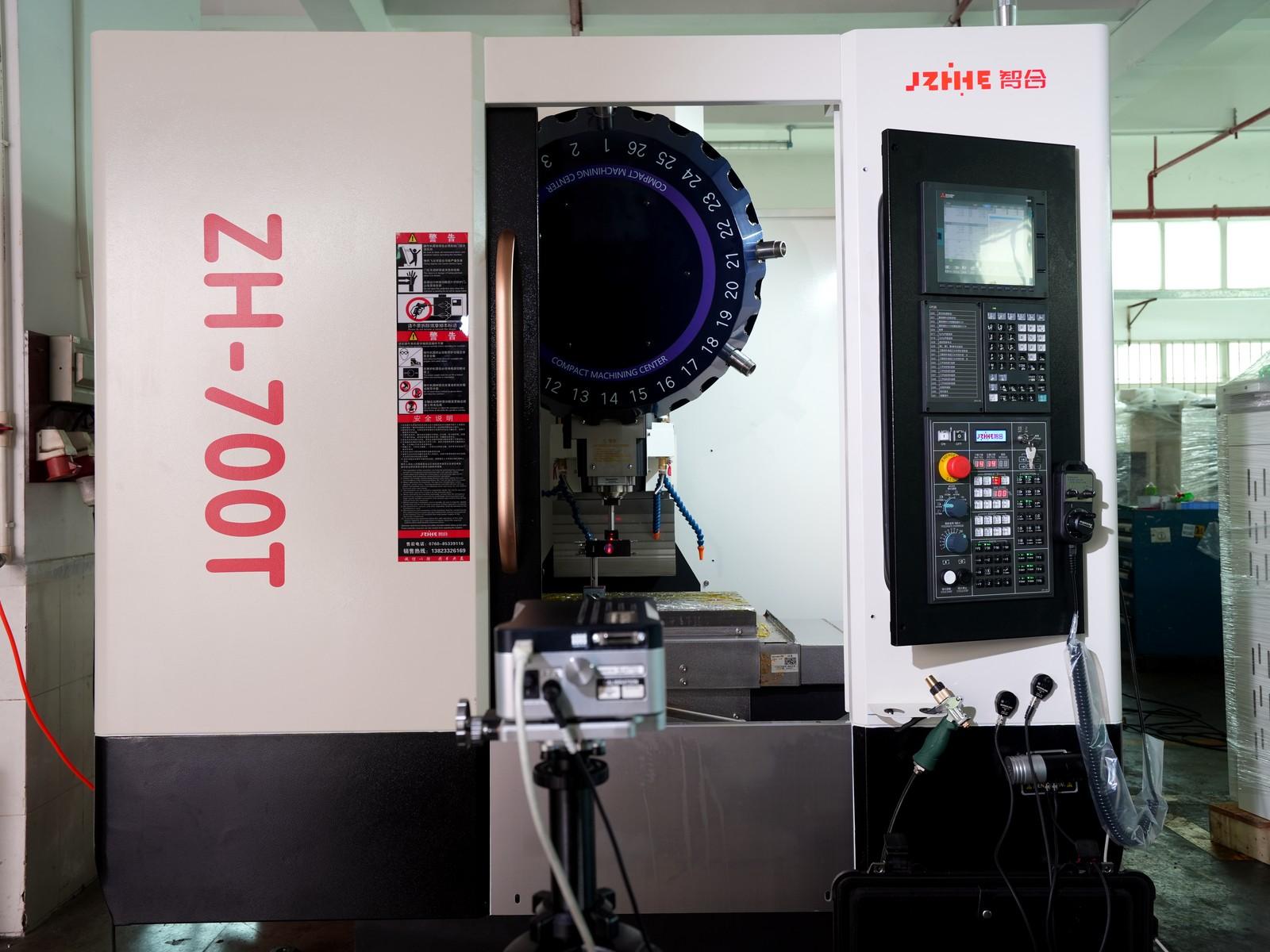
Zhihe CNC structures pump-impeller machining around blade access, hub transitions, edge intent, inspection alignment and revision learning. An impeller prototype or production family deserves a record that follows the blade from stock to inspection. The central decision is whether the route can reproduce access, hub transitions and edge intent while showing what the machining evidence does not prove about pump flow.

Blade Notebook Index
| Loop | Question | Evidence |
|---|---|---|
| Reach | Can the tool access the blade? | Collision and vector record |
| Blend | Does the hub transition hold? | Marked transition data |
| Edge | Is functional intent controlled? | Edge sample and limit |
| Revision | What changes next? | Dated loop note |
Write the Blade Question First
Decide whether the trial is learning about access, blade thickness, hub blend, edge allowance, surface, balance allowance or a revision.
For 5 axis CNC machining for pump impellers, Zhihe CNC asks the buyer to name the uncertainty and the measurement that will close it.
Freeze the Impeller Passport
Capture CAD revision, blade count, material, stock, allowance, fixture, rotary zero, postprocessor and inspection alignment.
Separate experimental geometry from a released production definition. A fast correction still needs an identity.
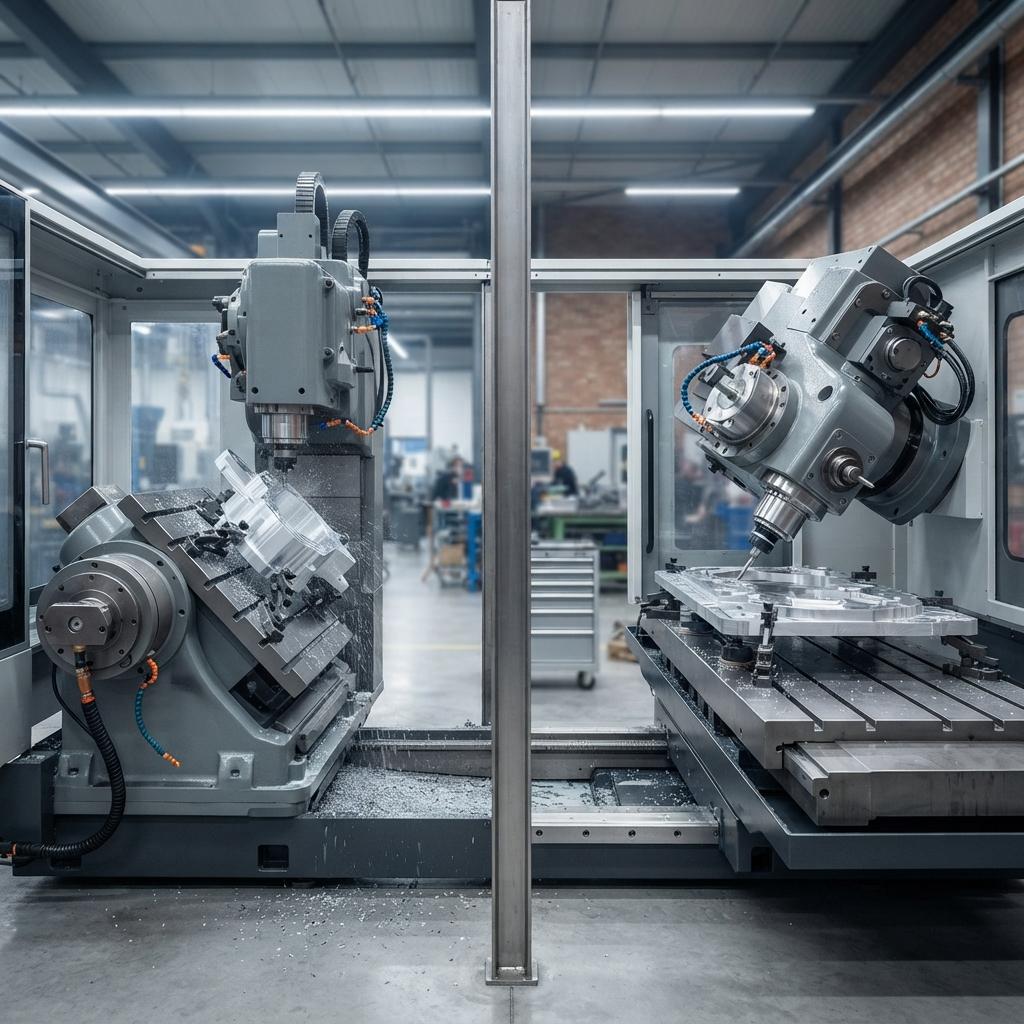
Plan Access From Root to Tip
Map root fillets, pressure and suction surfaces, leading and trailing edges, tip clearance and hub transitions. Record tool direction, tilt, holder clearance and inspection order.
Use indexed motion where it answers the question; use simultaneous motion only where the path requires it. Tie collision checks to the actual holder and fixture.
Give the Hub Blend Its Own Gate
Define the hub-to-blade transition, protected material, blend allowance, tool path, measurement locations and downstream balance owner.
Do not bury the blend inside an average surface number. Keep a marked common blade and a difficult transition sample.
Choose Stock That Can Teach You
Record billet or near-net stock, material direction when supplied, allowance distribution and roughing boundary.
An unrealistic blank can teach the wrong lesson about distortion, heat, tool wear or cycle time. Reopen conclusions when stock route changes.
Use a Revision Notebook, Not a Memory
For each loop, record hypothesis, change, result, measurement, limitation and next question.
A notebook prevents an experimental tool or fixture correction from becoming an undocumented production promise.
Classify Every Edge
Separate leading edge, trailing edge, root, tip and handling zones. Define edge break, burr limit, manual work, lighting or gauge and disposition.
A polished image is not a release criterion. Retain accepted, held and reworked samples.
Align Rotary and Inspection Frames
State rotary zero, coordinate transform, probe logic, temperature, gauge and raw-data location.
Repeat one reference after a planned interruption. The goal is recovery evidence, not a universal accuracy guarantee.
Separate Machining From Balance Testing
Machining may release declared geometry, surfaces, edges and inspection results. Balance, vibration, flow and fatigue need their own fixtures, conditions and owners.
Keep linked records separate so a buyer never confuses a surface result with pump performance.
Review Surfaces by Blade Zone
Connect surface results to tool, engagement, holder, path direction, material and measurement location.
For 5 axis CNC machining for pump impellers, compare a common zone with a difficult transition and preserve raw values and limits.
Calculate Learning per Released Hour
Count setup, probing, cutting, tool changes, inspection, rework, documentation and review.
Zhihe CNC uses the notebook to decide whether the next loop needs a tool, fixture, stock, program or inspection change.
Close With a Blade Release Note
Deliver revision, stock, fixture, tools, program, inspection, accepted samples, open questions and the next owner.
State clearly what remains for balance, flow, fatigue, coating or field testing.
Blade Iteration Checklist
- Freeze the drawing, material, boundary part and owners.
- Confirm fixture, support, tools and coordinate references.
- Run the representative part with one controlled interruption.
- Inspect in the declared support state and preserve raw data.
- Transfer the part with exclusions and open assumptions.
Decision Record
| Question | Recorded answer | Owner |
|---|---|---|
| What is controlled? | Drawing, material, fixture, program and inspection state | Engineering |
| What is measured? | Feature relationships, support state and raw data | Quality |
| What remains open? | Downstream validation, site limits and change triggers | Buyer team |
For 5 axis CNC machining for pump impellers, keep the machine decision attached to a real part family and a dated trial. A buyer comparing 5 axis CNC machining for pump impellers options should see the setup, the evidence and the limits together. Zhihe CNC uses this 5 axis CNC machining for pump impellers review format to turn a machine discussion into a repeatable procurement record. The final 5 axis CNC machining for pump impellers recommendation should name the acceptance owner and the next action.
Impeller Buyer FAQ: 5 axis CNC machining for pump impellers
What is the first decision for an impeller trial?
Name the feature or uncertainty the trial must resolve before selecting the route.
Why use 5 axis CNC machining for pump impellers?
It can expose blade access and hub transitions while keeping the experiment tied to controlled evidence.
Does machining prove pump flow?
No. Flow, balance, vibration and fatigue require separate methods and owners.
How should blade edges be released?
Define zone, permitted edge break, burr limit, manual work and inspection.
What belongs in the impeller passport?
Revision, blade count, material, stock, fixture, rotary zero, program and inspection alignment.
How does Zhihe CNC manage revisions?
Zhihe CNC records each hypothesis, change, result, limitation and next question.
When should the notebook reopen?
After geometry, stock, material, fixture, tool, program, gauge or test-condition changes.
What should be measured after interruption?
Repeat a declared reference and compare it with the approved baseline.
Can a surface photo prove an impeller is released?
No. Use marked zones and raw measurements tied to the revision.
What should an RFQ include?
Send blade model, hub, material, stock, tolerances, sample quantity and downstream test needs.
Start an Impeller Blade Notebook With Zhihe CNC
Send Zhihe CNC the controlled drawing or CAD, material and stock condition, critical datums, tolerances, annual volume, batch mix, fixture assumptions, inspection method, site conditions and service region. Review the Zhihe CNC machining center range, the company and factory profile, and the engineering inquiry route. Request a dated configuration, representative trial, acceptance boundary, open assumptions and named support owner.
Reference Boundary and Responsible Use
The first authoritative reference and second authoritative reference provide general machine-test, drawing, quality or safety context. They do not approve a particular machine, part, supplier or production site. Drawing-specific acceptance, local risk assessment, product validation and the buyer's operating procedures remain separate responsibilities.