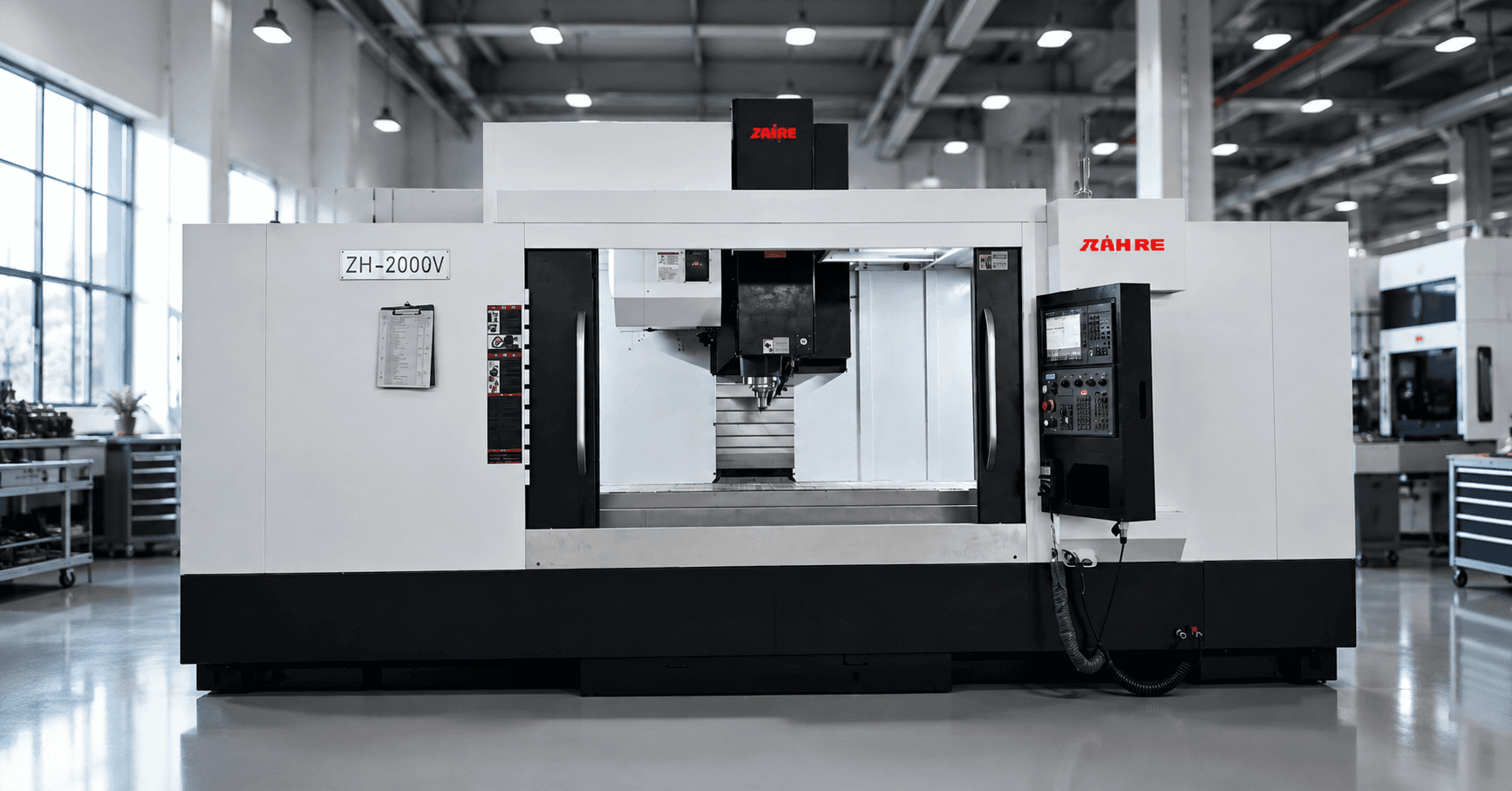
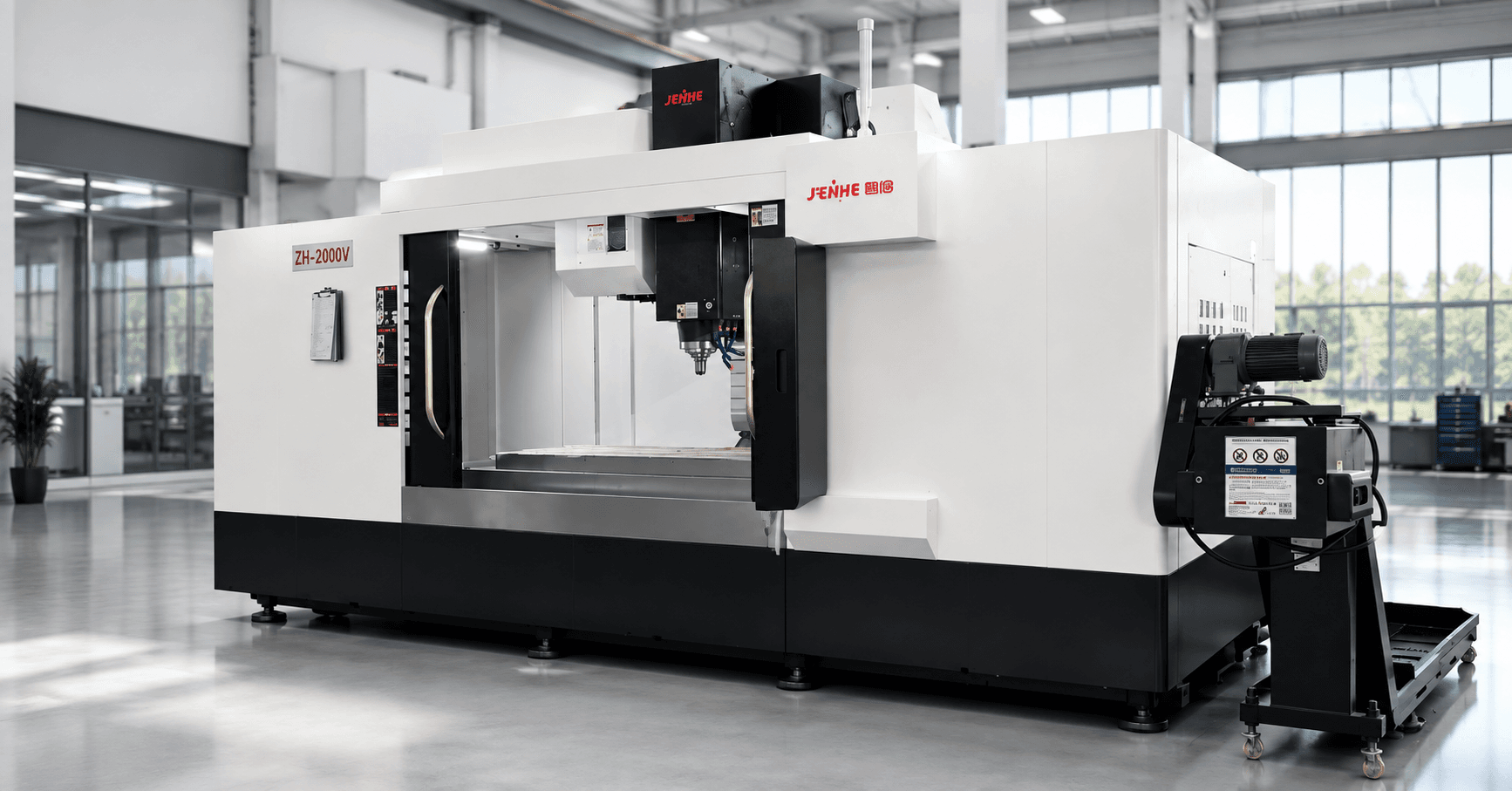
A 5 axis machining center for complex parts creates value when the reduction in setups, datum transfers, long tools, and inaccessible features is greater than the added programming, simulation, calibration, inspection, training, and recovery complexity. The decision should be made with a complexity budget, not from geometry alone.
The budget lists what the five-axis route removes, what it adds, and how each item will be verified. This helps a buyer distinguish useful simultaneous or indexed motion from expensive capability that the part family, team, or production volume cannot support.
Account 1: Count Orientations Before Choosing Axes
Map every feature by access direction, datum relationship, tool reach, clearance, finish, and inspection method. Count current setups and the alignments between them. Then create the minimum orientation plan that reaches the critical features without sacrificing fixture stiffness or tool strength.
Five-axis value is strongest when fewer orientations preserve cross-face relationships, shorten tools, reduce fixtures, or remove manual alignment. If the part still requires several removals for heat treatment, grinding, special processes, or inspection, include those transfers in the complete route.
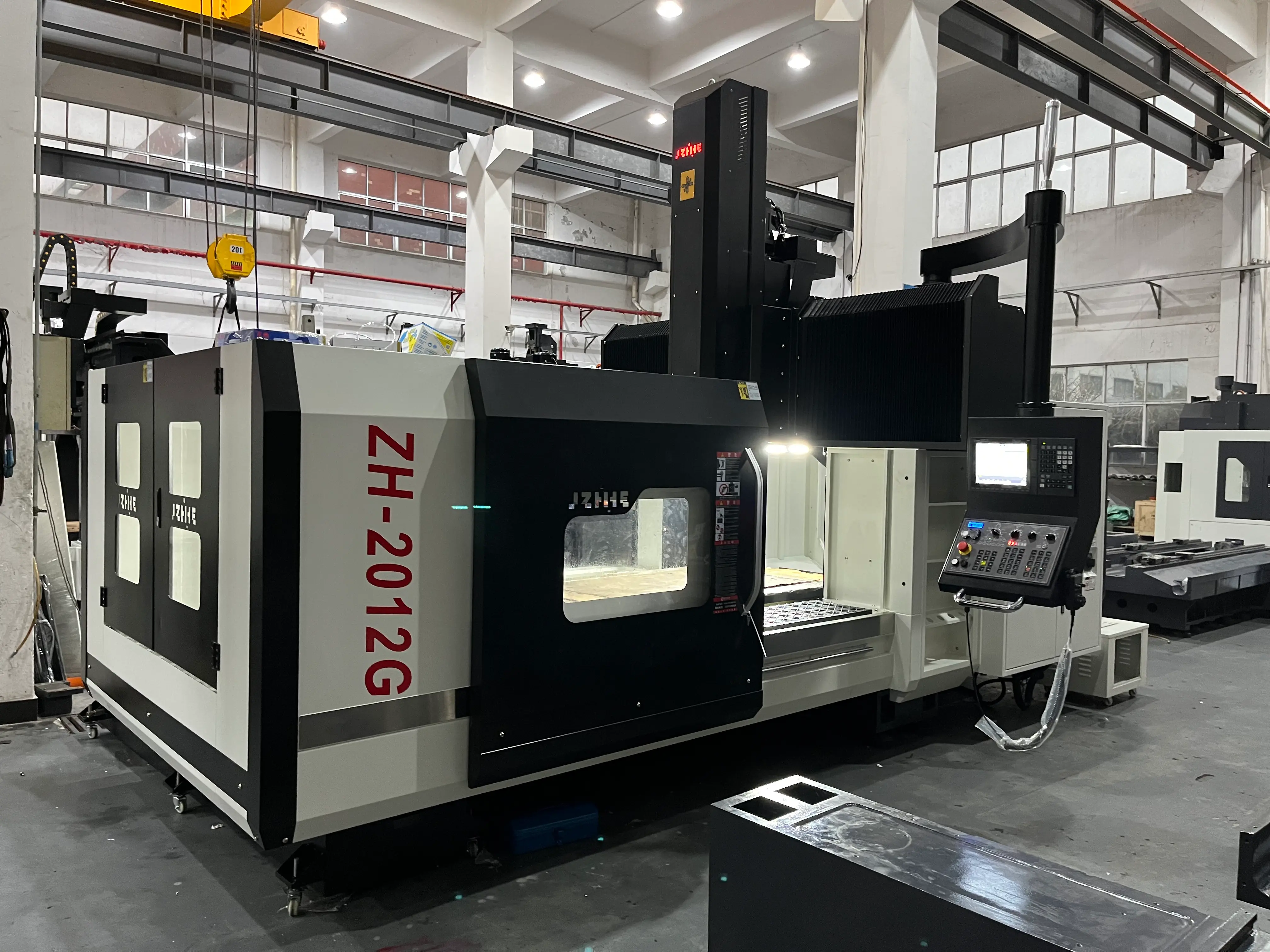
Account 2: Price the Datum Transfers Removed
For every eliminated setup, record fixture work, alignment, probing, first-off inspection, queue, handling, work-in-process, and the dimensions that cross the transfer. Estimate rework and scrap associated with datum recovery using actual history where available.
Do not count all setup time as savings if the five-axis route adds longer programming, complex loading, or slower access. Compare accepted-part lead time and labor through the whole process.
Account 3: Test Tool-Reach Economics
Shorter tools can improve rigidity, finish, accuracy, and tool life. Create an access heat map showing where a five-axis orientation changes tool projection, holder clearance, collision margin, spindle load, and cutting engagement. Focus on the longest and weakest assemblies.
| Access condition | Potential value | New responsibility |
|---|---|---|
| Shorter tool | Less deflection and chatter | Safe orientation and holder model |
| Fewer fixtures | Lower transfer and datum risk | More capable primary workholding |
| Simultaneous path | Smoother surface and access | Post, kinematics, simulation, calibration |
| Indexed machining | Controlled multi-face process | Rotary positioning and probe strategy |
| One-machine route | Lower queue and work-in-process | Greater consequence of downtime |
Account 4: Fund the Digital Process
Budget CAM strategy, postprocessor validation, machine definition, tool and holder models, fixture models, simulation, collision checking, program transfer, revision control, and backup. Define who owns each digital asset and how a software or post update is approved.
A 5 axis machining center for complex parts cannot deliver a controlled route if the digital chain is incomplete. Validate rotary directions, limits, retracts, tool center point behavior, work offsets, probing, and safe recovery using the actual controller and configuration.
Account 5: Reserve Calibration and Quality Time
Define warm-up, rotary calibration, probing checks, kinematic verification, tool measurement, fixture verification, and inspection. Identify dimensions sensitive to rotary position, tool orientation, long cycles, temperature, and unclamping.
Use a representative time sequence. A short first-off test may pass while later parts drift. Link results to machine condition, calibration state, program, fixture, tools, material, operator, and time.
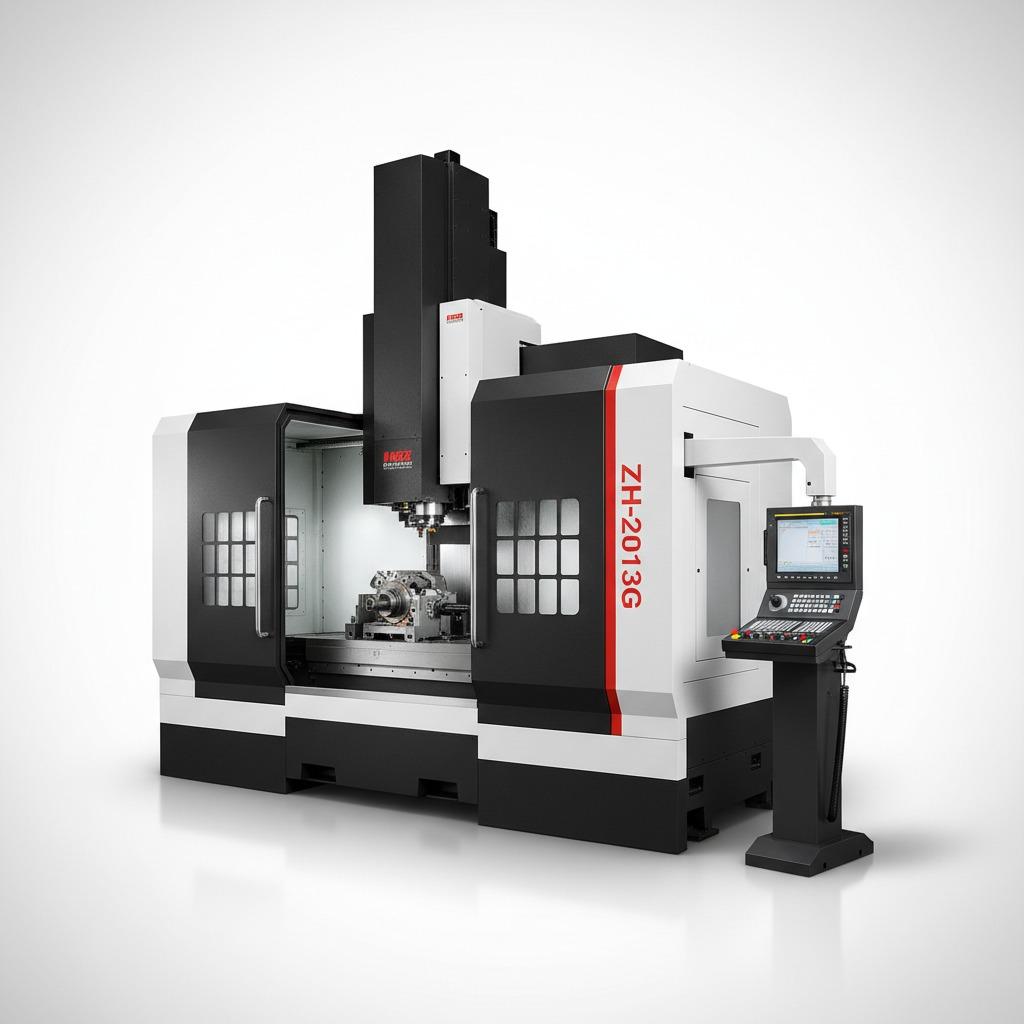
Account 6: Include Training and Recovery
List the skills required for setup, work offsets, rotary motion, simulation, probing, tool management, collision avoidance, restart, and abnormal recovery. Define who can approve a restart after tool breakage, power interruption, alarm, probe failure, or program stop during simultaneous motion.
Run recovery rehearsals on a controlled test program. Document safe retract, axis state, work offset, tool, block position, inspection, and escalation. A faster normal cycle can lose its value if rare interruptions create long uncertain recovery.
Account 7: Measure the Capacity Consequence
One-machine completion can reduce queues but also concentrates risk. Model load time, automatic cycle, attended work, tool changes, calibration, inspection, cleaning, maintenance, changeover, and expected recovery. Compare one long integrated cycle with two balanced operations where appropriate.
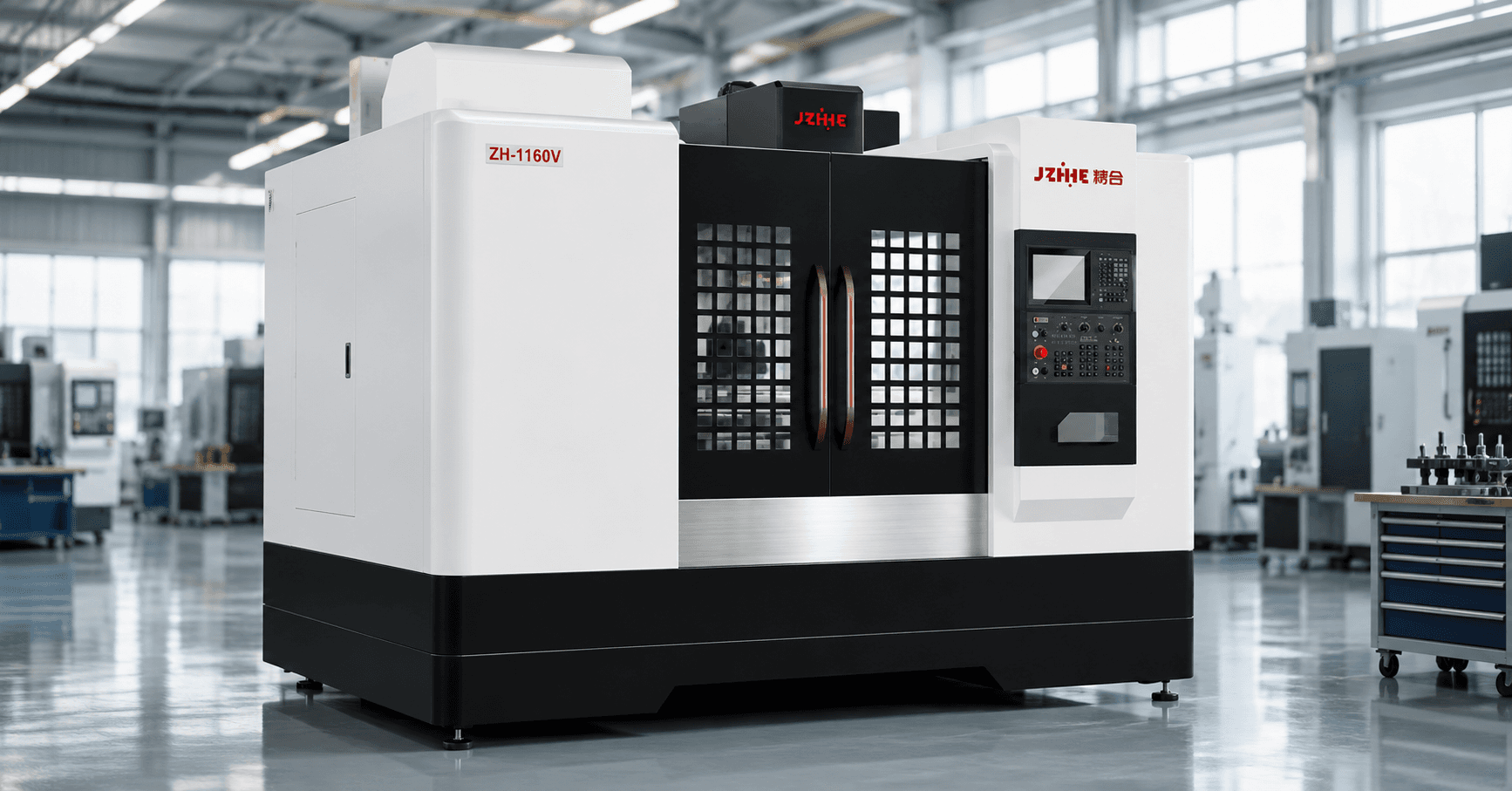
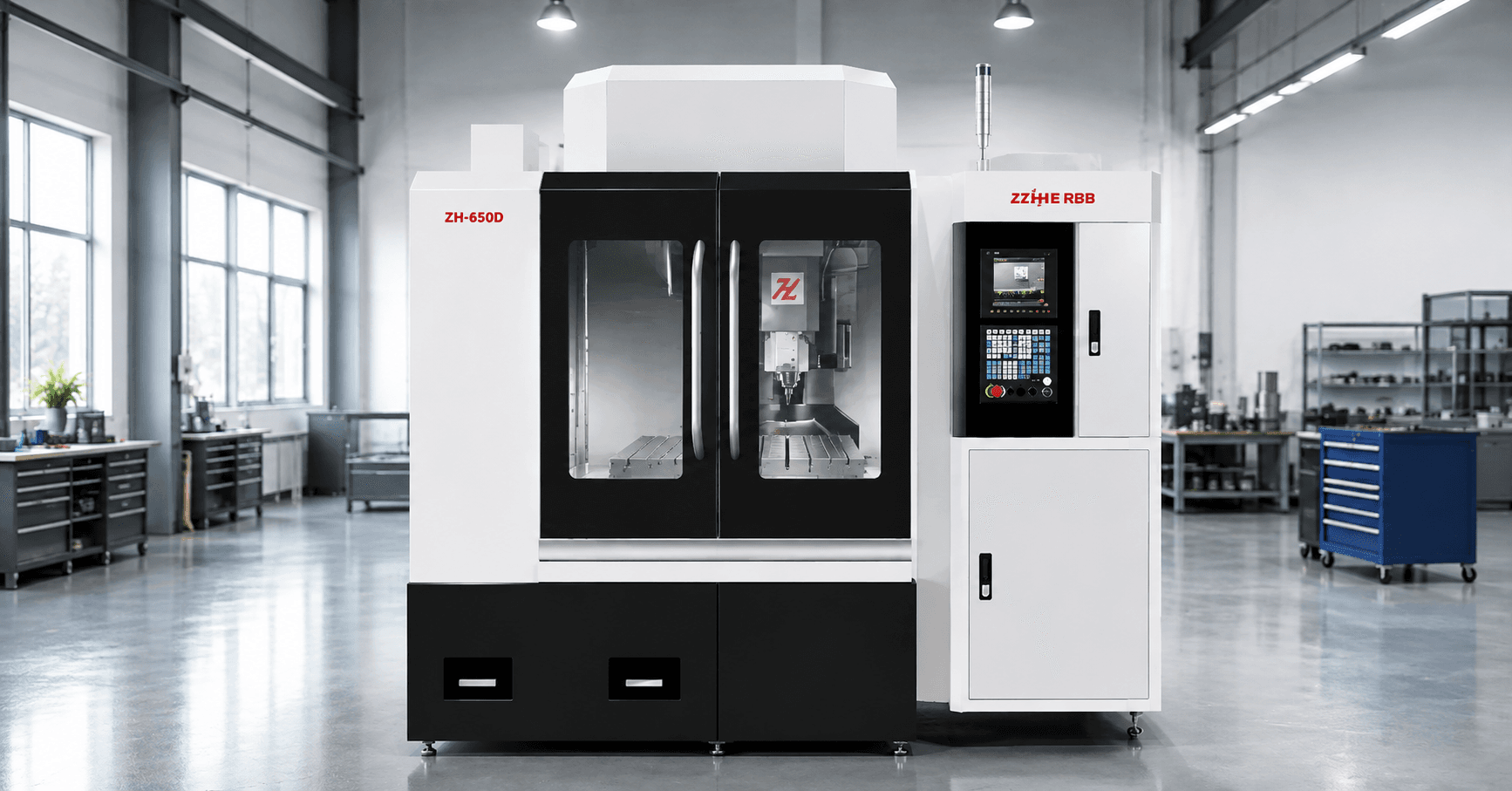
Review the five-axis machining center range and the complex-parts platform as architecture references, then request configuration-specific evidence.
Score the Complexity Budget
- Value credits: setups removed, shorter tools, improved access, lower queues, fewer fixtures, better datum control.
- Complexity debits: CAM, post, simulation, calibration, inspection, training, recovery, maintenance, concentrated downtime.
- Evidence status: proven, assumed, open, or outside supplier scope.
- Decision rule: approve only when critical credits are measurable and critical debits have owners and controls.
When Five-Axis Is Not the Best Route
Five-axis is not automatically the best answer when features are accessible in one or two stable setups, batch size is too small for digital-process development, fixtures remain simple, the team lacks support for safe programming and recovery, or a three-axis, horizontal, vertical, or gantry process provides lower total risk. Keep the comparison part-family specific.
FAQ
Does a complex shape always require simultaneous five-axis motion?
No. Indexed machining may provide the required access and datum control with simpler programming and validation.
What should an access heat map contain?
Show feature direction, tool projection, holder clearance, collision margin, fixture shadow, spindle load, and the proposed orientation.
Why include recovery in the buying decision?
Five-axis interruptions can require careful state verification. Recovery time, skill, and risk affect real availability and accepted output.
How should a postprocessor be accepted?
Validate it against the actual machine, controller, kinematics, limits, rotary directions, tool center point behavior, and representative programs.
Submit a Complexity Budget
To evaluate a 5 axis machining center for complex parts, send the drawings, blank, material, current setups, access directions, longest tools, critical cross-face relationships, finish targets, batch size, annual volume, CAM and post environment, inspection plan, operator skill level, and recovery expectations. Use the contact page to request an orientation, configuration, and trial review.