Why the Manufacturer Matters More Than the Brochure
Choosing a 5-axis machining center manufacturer is not just a machine-shopping exercise. For most buyers, it is a decision about how much flexibility, setup time, and process risk they want to carry into production. A machine can look impressive on paper and still be a poor fit if the builder cannot support selection, installation, training, and the awkward early weeks after delivery when real parts begin to tell the truth.
That is why the comparison is worth slowing down. A 5-axis platform gives access to more faces of a part in fewer setups, but many shops do not need that level of motion for every job. Some only need a solid vertical machining center for drilling, tapping, and surface milling. Others are better served by a horizontal machine or a gantry-style machine. The right manufacturer should help you separate those cases instead of pushing the most expensive option by default.
5-Axis Versus Conventional Vertical Machining
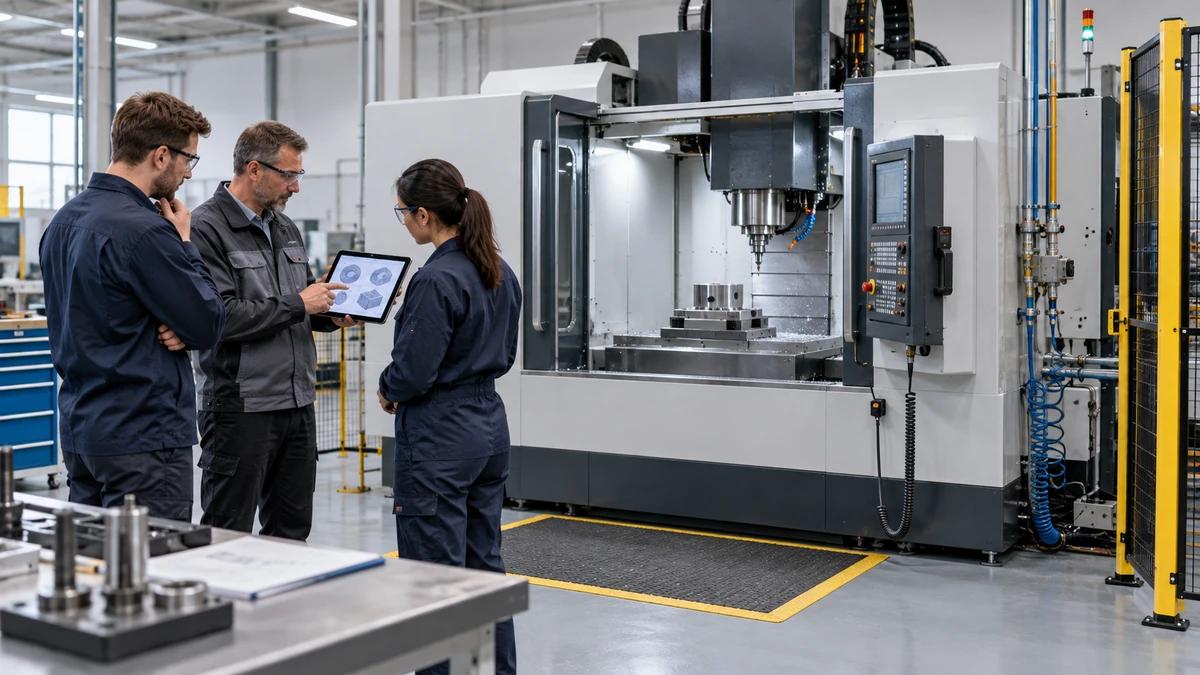
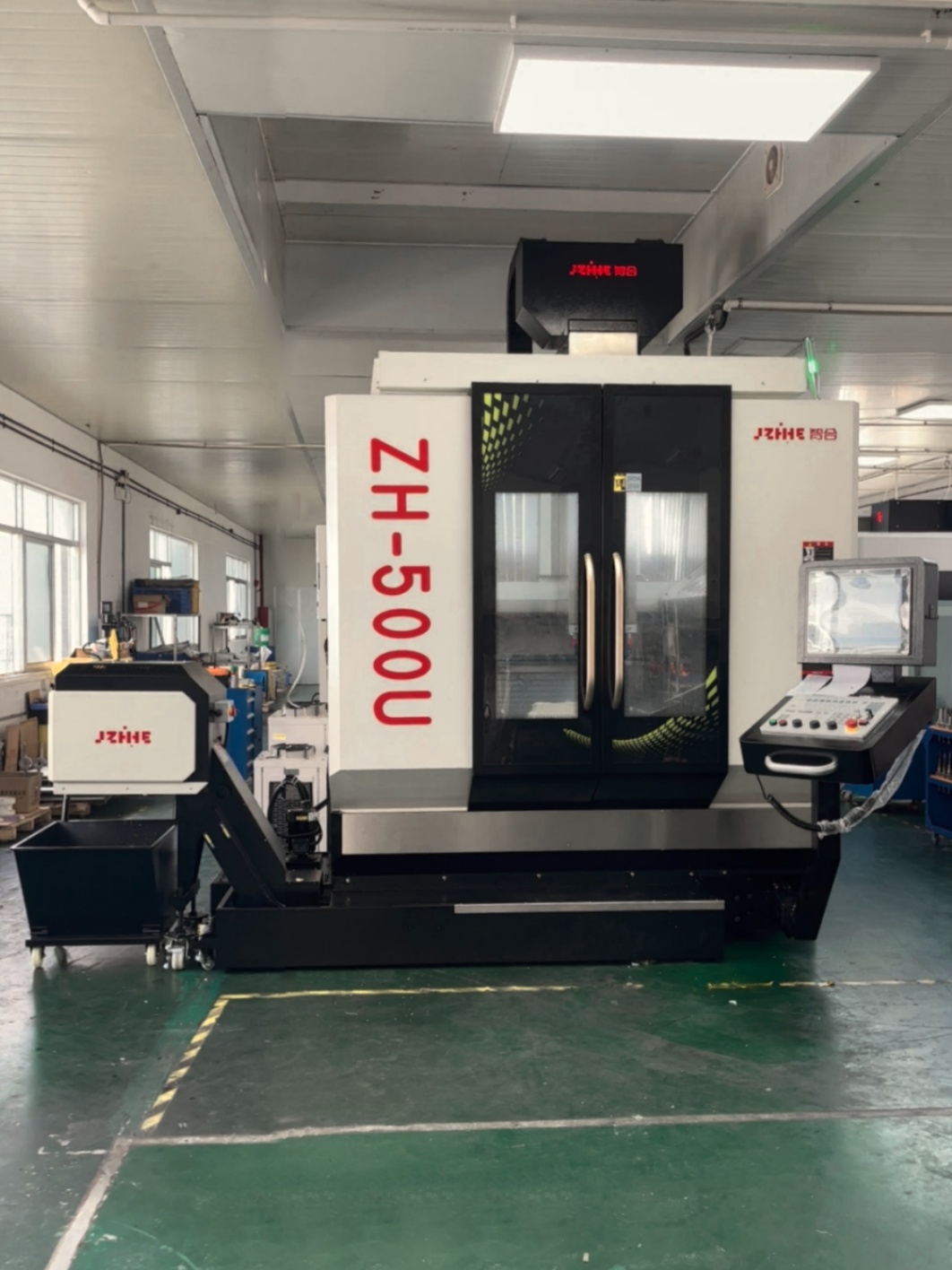
A standard vertical machining center is often the practical baseline. It is familiar to operators, easier to explain to new staff, and usually simpler to fit into a general job-shop workflow. The visible ZH-855V machine is a good example of that kind of cabinet-style equipment: enclosed cutting area, sliding front doors, a worktable with a T-slot style surface, a spindle head inside the enclosure, and a separate CNC console on the right. That layout tells you something important. It is built for controlled metal cutting, chip containment, and everyday production rather than for show.
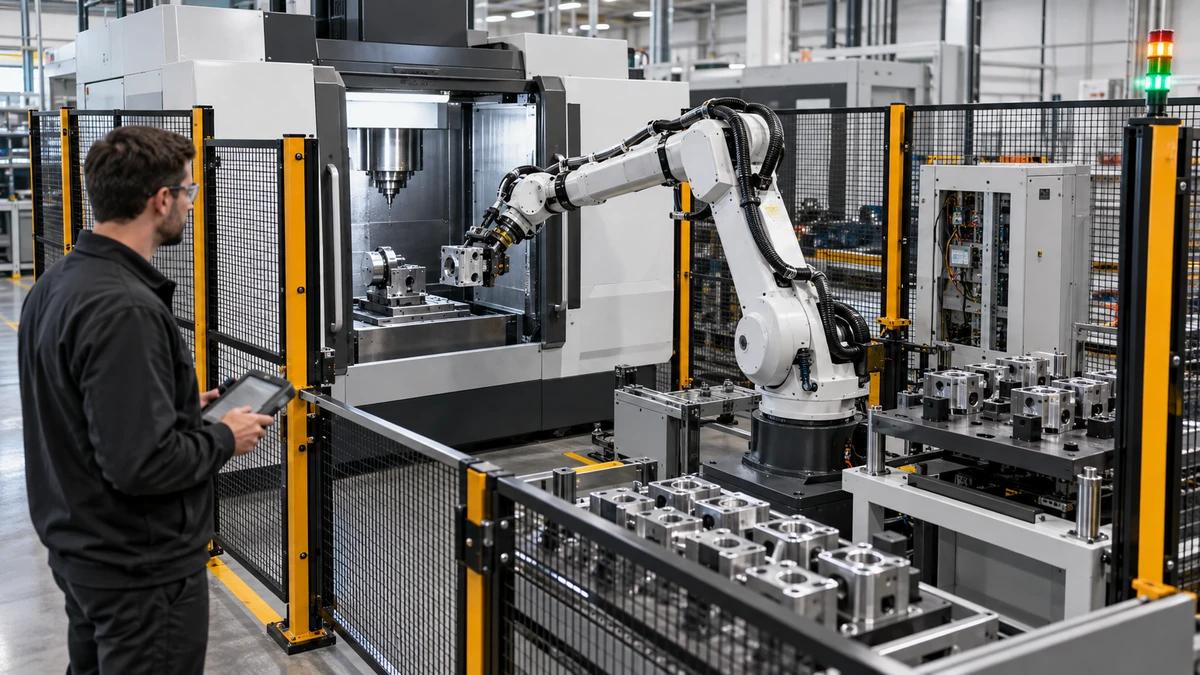
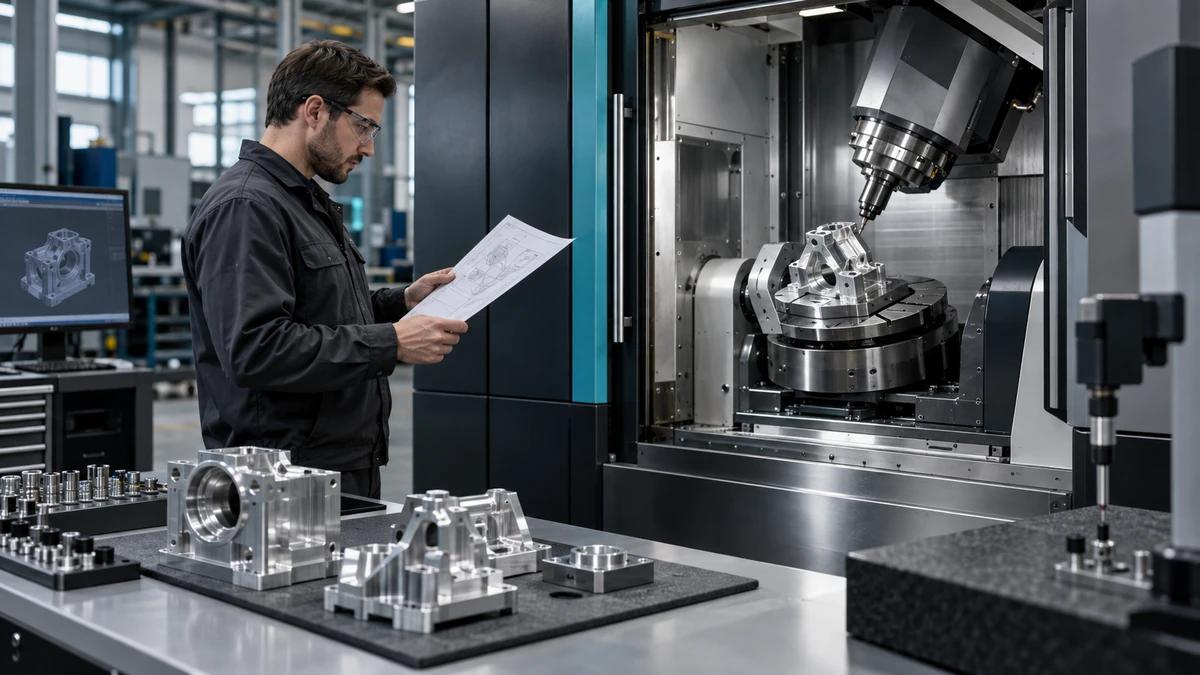
A 5-axis machine is different in purpose, not just in configuration. Where a conventional VMC handles many parts with a straightforward setup, a 5-axis machine helps when geometry is complex, surfaces are angled, or multiple sides must be machined with fewer re-clamps. For mold parts, precision components, or awkward shapes, that can save real labor. But if the part family is simple and volumes are modest, paying for unused motion may not be wise.
This is where a capable 5-axis machining center manufacturer should act more like an engineering partner than a catalog sender. Zhongshan Zhihe CNC Technology Co., Ltd., founded in 2018, says its product range includes vertical machining centers, horizontal machining centers, gantry machining centers, drilling and tapping centers, CNC milling machines, and five-axis machines. That mix matters because it suggests the company can compare machine types against the part instead of forcing one platform into every application.
When a Vertical Machine Is the Better Buy
For many buyers, the better comparison is not 5-axis versus 5-axis. It is 5-axis versus a more straightforward CNC milling center for sale. If the work includes steel, aluminum, or other general metals; if the parts are mostly prismatic; or if the shop values ease of operation and lower process complexity, a vertical machining center can be the more honest choice.
The visible machine structure also shows the practical strengths buyers often want first: safety enclosure, digital control interface, emergency stop, and coolant delivery. Those are not glamorous features, but they are the details that keep chips inside the machine, protect the operator, and help the cutting zone stay usable during a long shift. For prototype machining and small-batch part production, that kind of reliability usually matters more than spec-sheet drama.
By contrast, if your workflow is already organized around multi-face machining or frequent fixture changes, a five-axis platform may reduce handling enough to justify the extra investment. The real question is not whether the machine can move in more directions. It is whether the shop will use that motion enough to lower total cost per part.
Where a CNC Router Does Not Belong in the Conversation
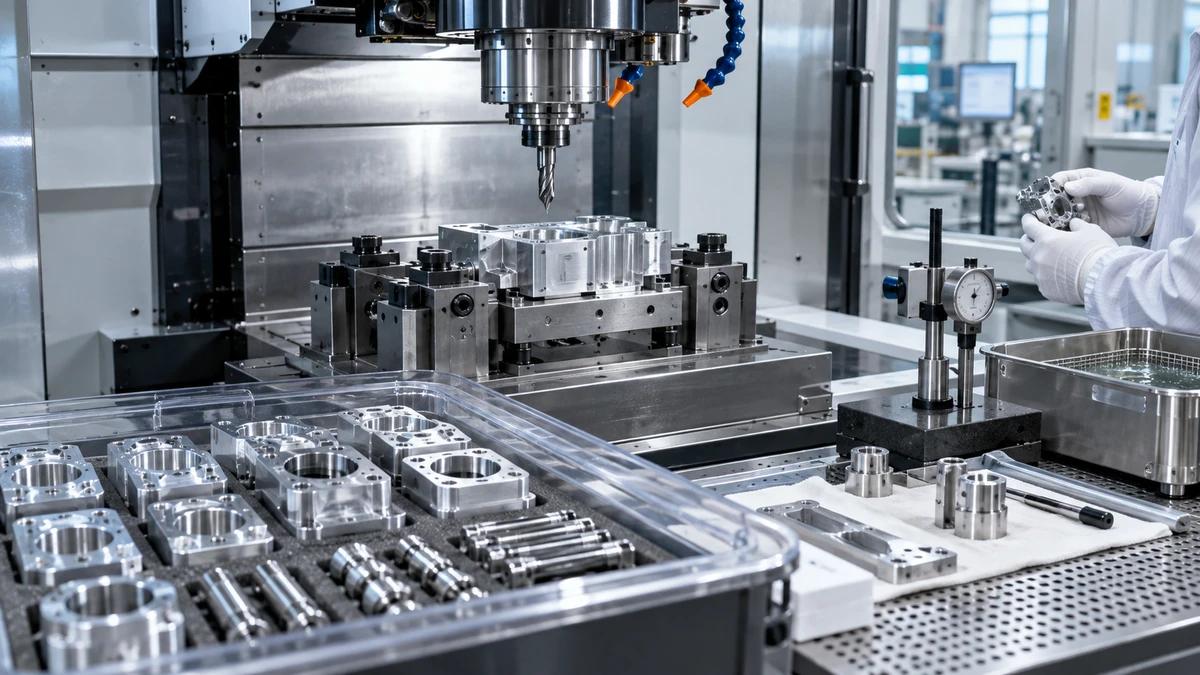
Buyers sometimes search for a CNC router manufacturer when they really need a metal-cutting machine, and that can create confusion. Routers are commonly associated with wood, plastics, composites, and some light-duty applications. A metalworking machining center is a different tool altogether, with a more rigid enclosure, different chip management, and a control setup intended for precision drilling, tapping, and milling of metal parts.
That distinction sounds obvious to seasoned engineers, yet sourcing teams still see it go wrong when the buyer starts from process keywords rather than part requirements. If the workpiece is a steel bracket, an aluminum housing, or a precision fixture component, the machine family should be chosen for rigidity and cutting behavior, not for the broadest possible internet search result.
What to Ask Before You Request a Quote
The best manufacturers do not begin with a price. They begin with the work. Zhongshan Zhihe CNC Technology says it can recommend machine models based on workpiece drawings, material, size, precision requirements, and production capacity. That is the right sequence. Without those inputs, a quote can only be a guess.
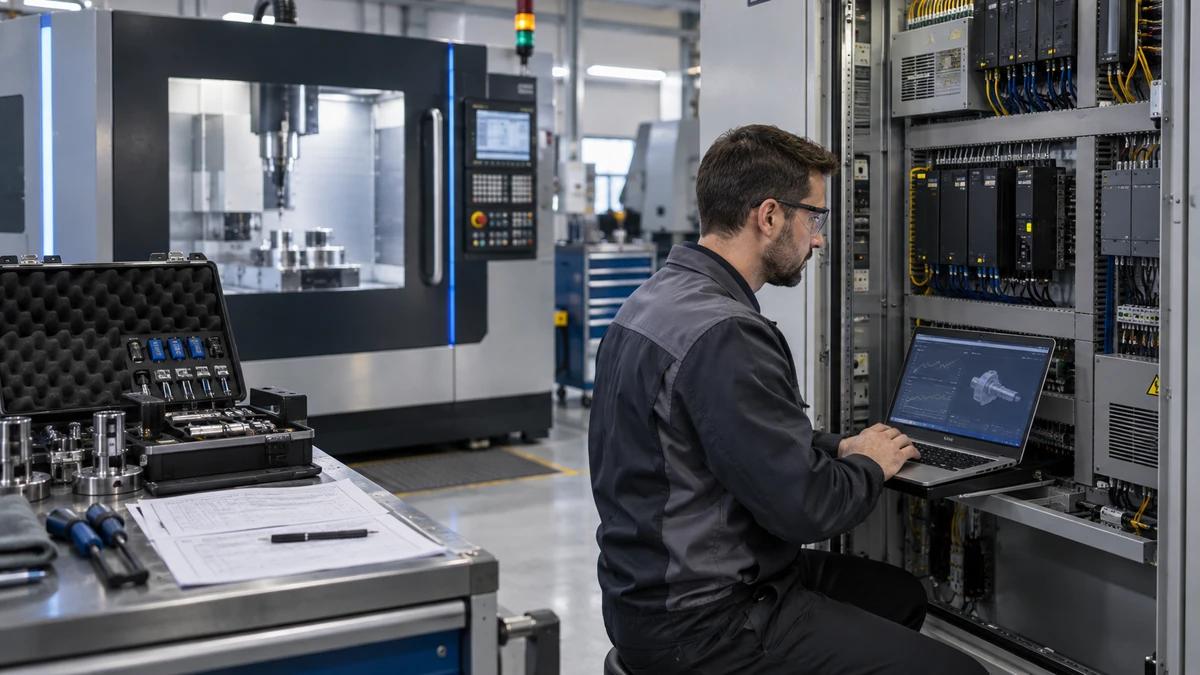
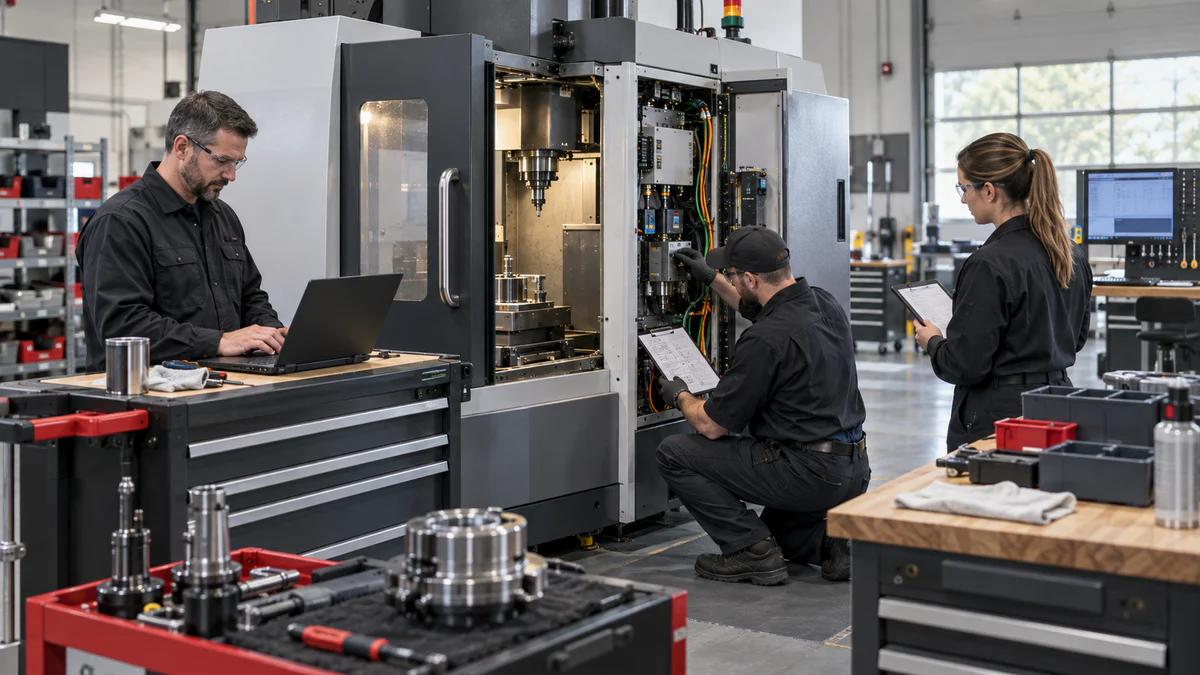
Ask for support on control system selection, fixture advice, trial cutting if needed, and after-sales service. Also ask how the machine will be packaged and shipped. For overseas buyers, packaging photos, shipping documents, and delivery support are practical details, not administrative extras. A machine that arrives safely and can be commissioned without avoidable confusion is usually the cheaper machine in the long run.
One caution: do not over-specify based on a single difficult part unless that part is truly representative. Shops often buy a machine for the outlier job and then spend years living with extra cost and unused capability. The better habit is to compare the part mix, not the loudest drawing on the desk.
Who Should Consider Zhihe
Based on the company information provided, Zhihe serves buyers in automotive parts, 3C electronics, aluminum processing, precision hardware, communications equipment, molds, home appliances, and lithium battery equipment. Those are exactly the sectors where machine selection tends to be a balance of accuracy, stability, and throughput. The company also offers manufacturing, assembly, technical support, installation guidance, operator training, warranty service, and spare-parts support, which is what many factories want from a long-term equipment supplier.
If your team is comparing a 5-axis machine with a more conventional vertical machining center, the decision should come down to part geometry, setup reduction, and staffing reality. If the work is mainly straightforward metal machining, an enclosed VMC like the ZH-855V may be the better fit. If the parts demand more complex access and fewer re-clamps, then the five-axis route is worth serious attention.
Buyer Takeaway
The strongest supplier is not always the one with the widest machine catalog; it is the one that can explain why one format is better than another for your exact part mix. A serious 5-axis machining center manufacturer should be able to compare machine types, not just list them. If you are evaluating a CNC milling center for sale, bring drawings, materials, tolerances, and production goals to the first discussion. That keeps the conversation grounded in manufacturing reality, which is where good purchasing decisions usually begin.
If you are preparing a sourcing request, send the workpiece drawing, material, size, precision target, machine type preference, and expected output. That gives the manufacturer enough information to recommend a practical machine instead of a generic one.