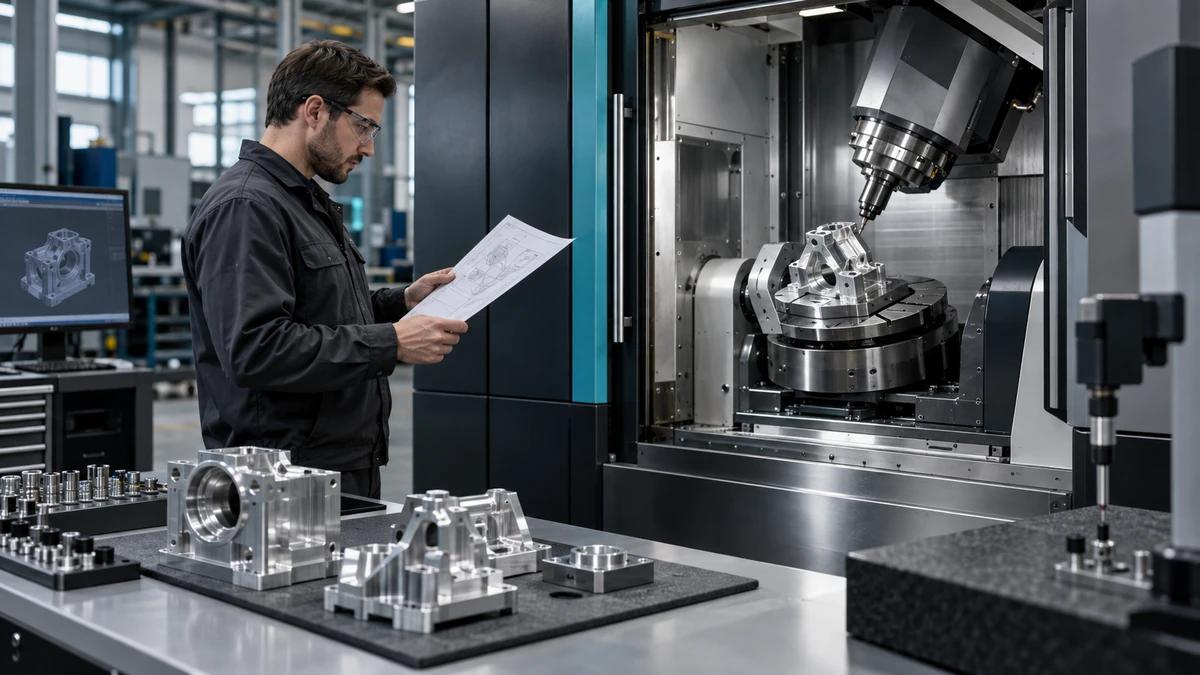
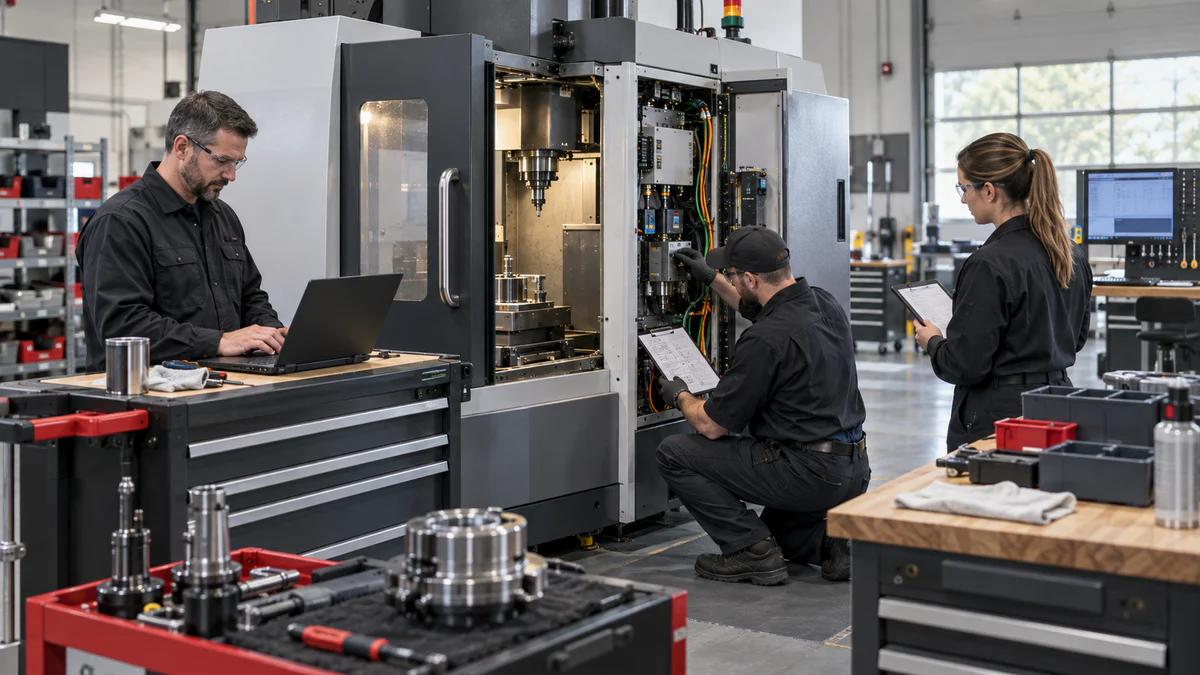
Choosing a 5-axis machining center manufacturer is rarely just a question of machine price. Buyers are usually trying to solve a tighter problem: how to get more geometry in one setup, reduce manual repositioning, and keep part quality stable when the job mixes angles, pockets, and multiple faces. That is why the decision often starts with comparison rather than a catalog search. A vendor may sell a machine that looks impressive on paper, but the real question is whether it fits the part, the material, the tolerance target, and the shop’s daily rhythm.
What Buyers Are Really Comparing
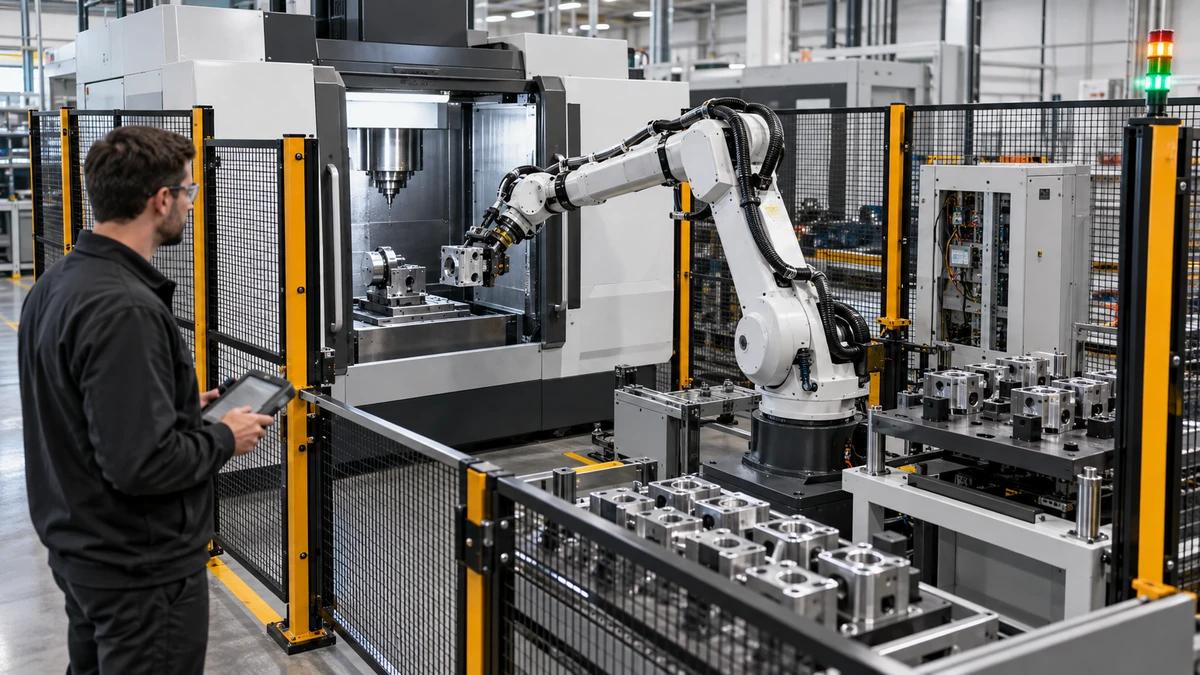
In practice, most sourcing teams compare three things at once: the machine architecture, the supplier’s support, and the kind of parts they actually run. A 5-axis machine is usually chosen for complex components, but many shops still handle a large share of work on vertical machining centers, drilling and tapping centers, or even a CNC milling center for sale that fits their current workload better. The mistake is treating all of these as interchangeable. They are not.
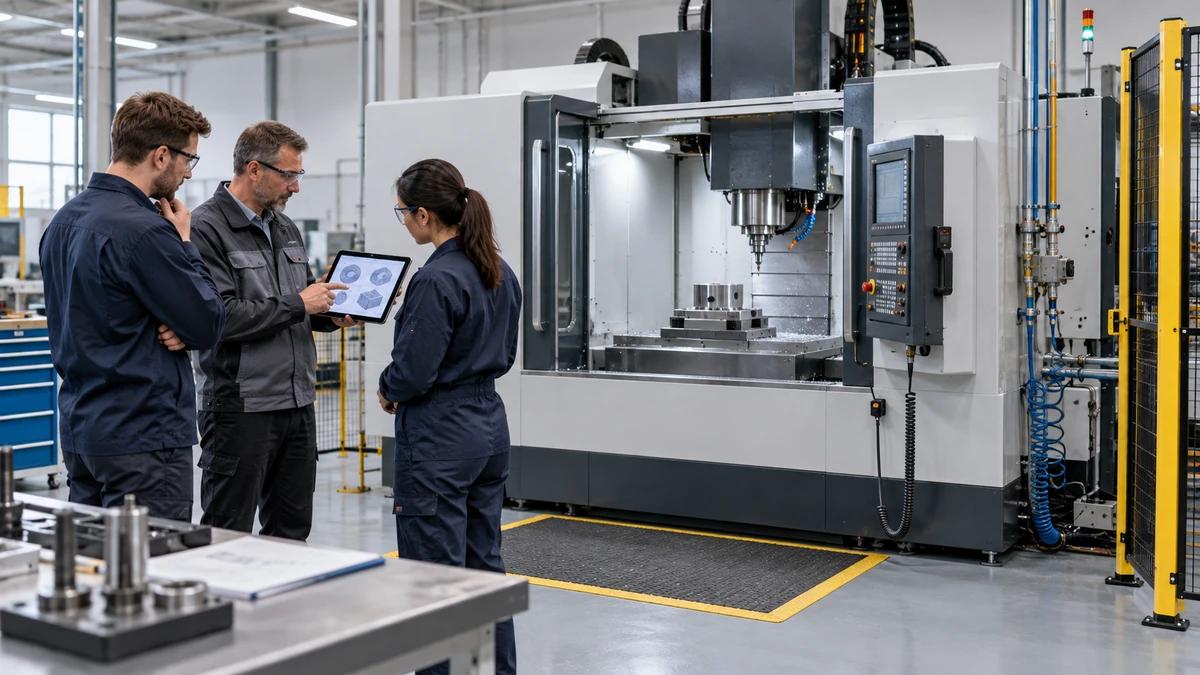
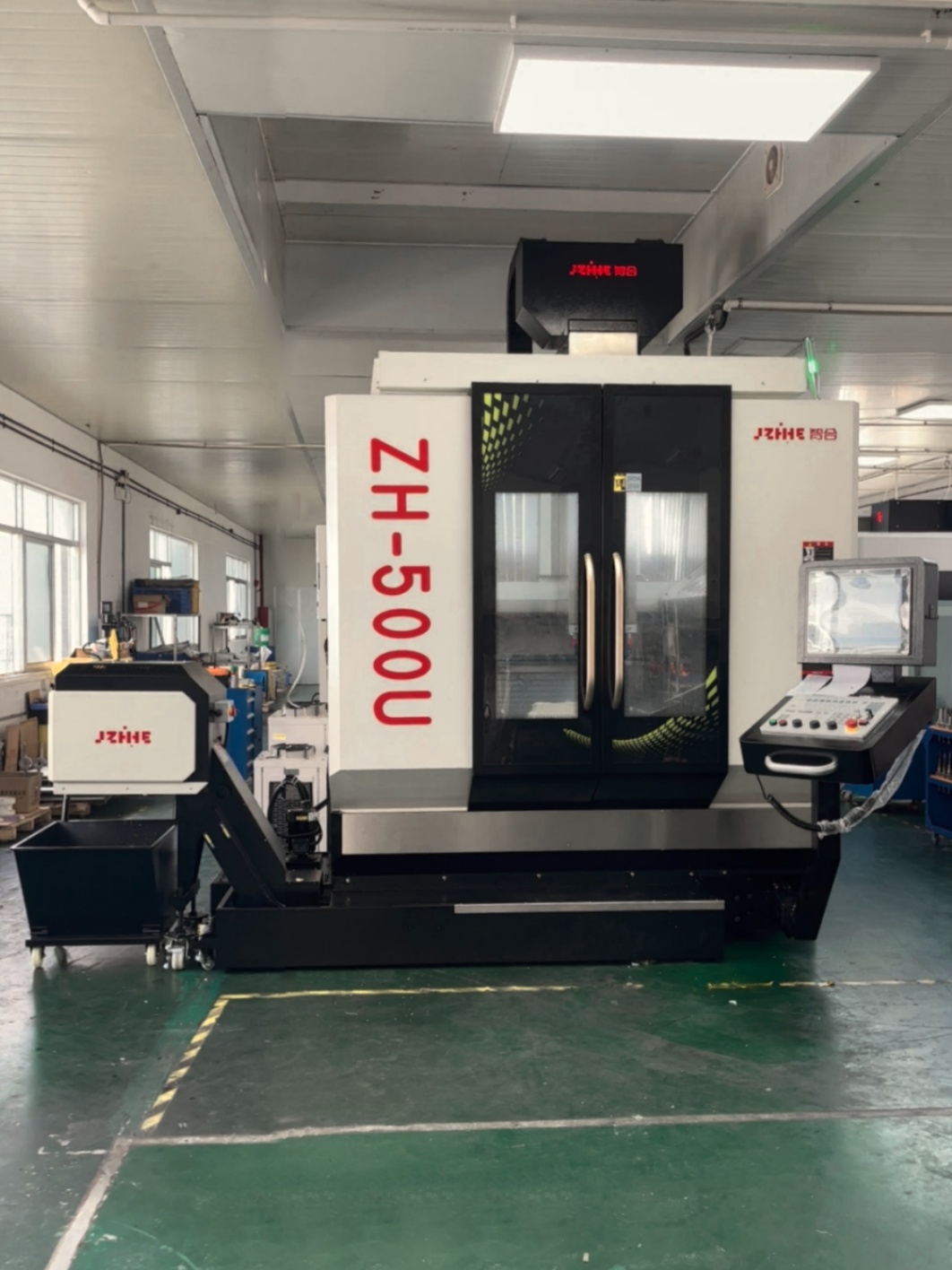
For example, the machine shown in the product information is an enclosed vertical CNC milling machine, model ZH-855V, with a T-slot table, front access doors, a visible coolant nozzle, and a right-side CNC control panel. That setup points to a practical, general-purpose metal cutting machine designed for precision milling, drilling, tapping, contouring, and fixture-based production. It is a useful contrast because many buyers searching for a 5-axis machining center manufacturer are also evaluating whether a solid 3-axis VMC might already cover most of their work at lower complexity.
5-Axis Versus Vertical Machining: Where the Difference Matters
A true 5-axis machine is built for parts that need multiple faces machined with fewer re-clamps. That can save time and improve accuracy on contoured parts, molds, aerospace-style geometries, and components where access is difficult. The tradeoff is obvious to anyone who has lived with production equipment: the machine, programming, setup, and verification all become more demanding.
A vertical machining center, by contrast, is often the more straightforward answer for brackets, housings, plates, aluminum parts, steel components, and many general industrial jobs. It is usually easier to set up, easier to train on, and easier to integrate into existing workflows. That is why the visible ZH-855V-style machine is worth mentioning even in a 5-axis discussion. Not every application needs the complexity of five axes, and not every shop should buy complexity before it has exhausted the benefits of a stable vertical platform.
Quick contrast
- 5-axis machining: fewer setups, better access to complex surfaces, higher programming and fixturing demands.
- Vertical machining center: simpler operation, strong general-purpose capability, often better for standard metal parts.
- CNC router manufacturer solutions: usually aimed at softer materials and sheet or panel work, not the same as metal-cutting machining centers.
- CNC milling center for sale listings: useful starting point, but the buyer still needs to verify structure, control, travel, and support.
Why Manufacturer Support Matters More Than the Brochure
For industrial buyers, the manufacturer is not just selling a frame and spindle. They are also selling machine selection guidance, installation support, training, and the ability to solve problems after delivery. Zhongshan Zhihe CNC Technology Co., Ltd., established in 2018, describes a broader product line that includes vertical machining centers, horizontal machining centers, gantry machining centers, drilling and tapping centers, CNC milling machines, and 5-axis machining centers. That matters because a supplier with a wider portfolio can help a buyer match the machine to the job instead of forcing every application into one category.
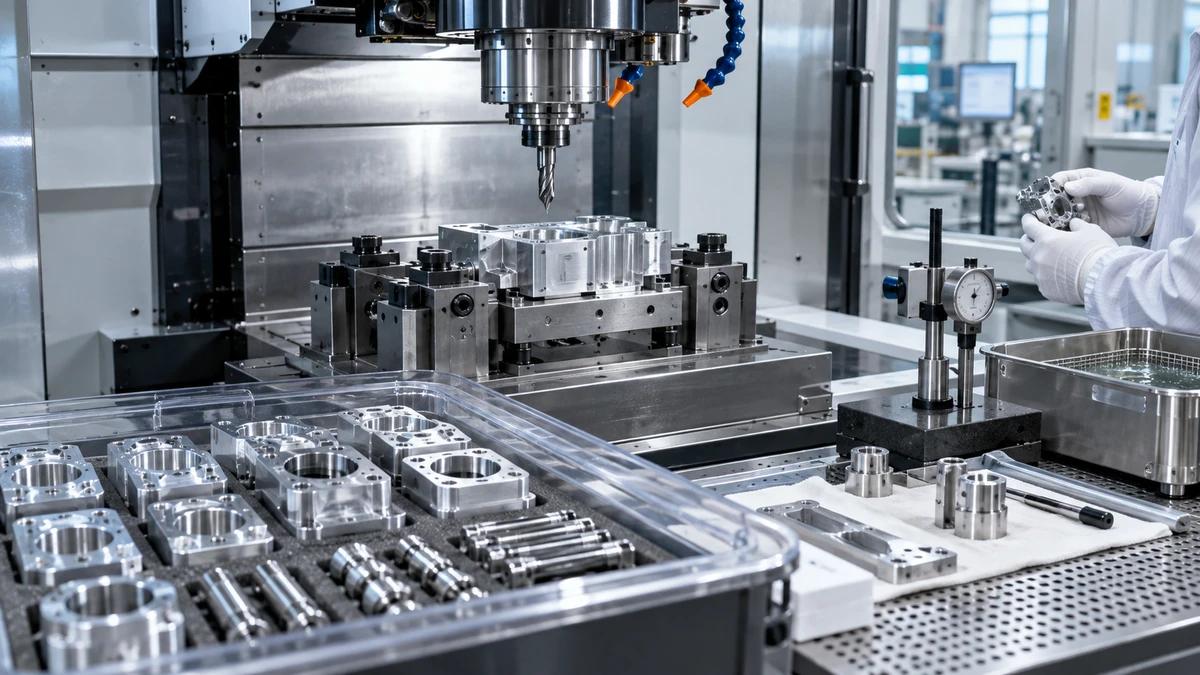
The company information also points to engineering, assembly, inspection, and service capabilities, along with support for fixture recommendations, trial cutting, and after-sales assistance. Those are the details that often separate a decent sale from a good long-term purchase. A machine tool that fits the part on day one is useful; a machine tool that stays useful after the first production change is better.
What to Check Before You Choose
When comparing manufacturers, buyers should focus on the items that affect actual shop performance rather than marketing language.
- Part type: aluminum, steel, molds, precision hardware, or mixed production.
- Setup style: single-face work, multi-face work, or highly contoured surfaces.
- Fixture strategy: whether the table, clamping method, and work envelope fit the part family.
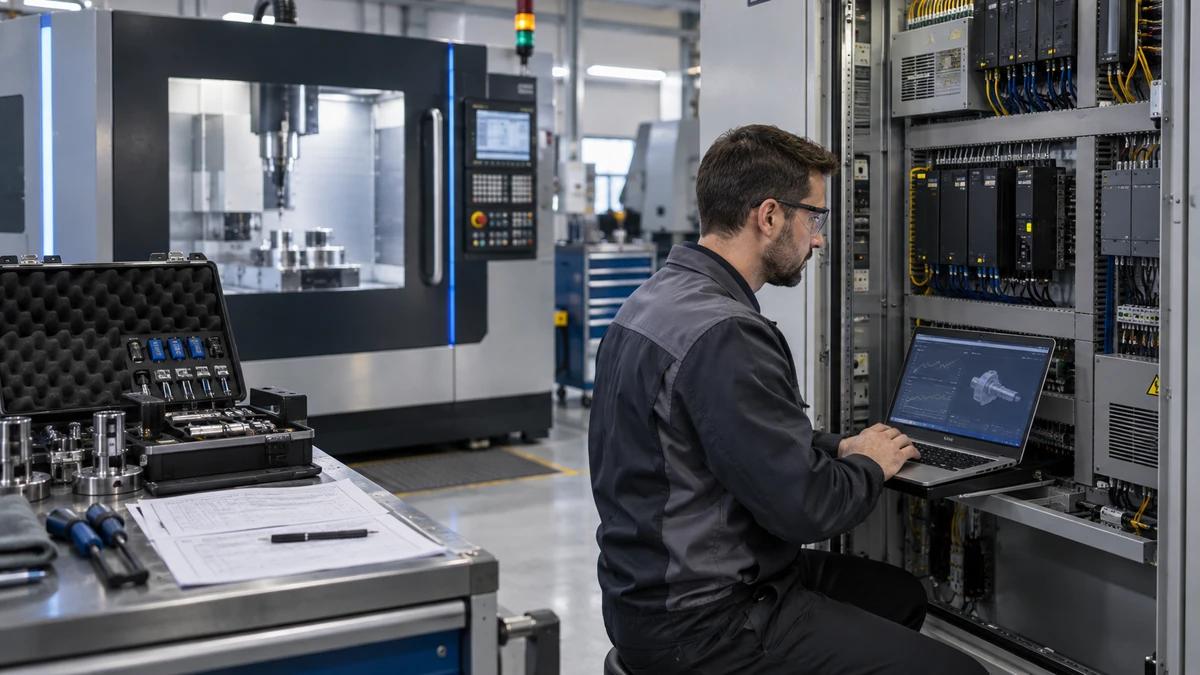
- Control and operator comfort: the CNC interface should support daily use, not just spec-sheet comparisons.
- Service model: installation guidance, training, spare parts, and response time after shipment.
- Packaging and logistics: especially if the machine must move by sea or cross-border freight.
One practical caution: buyers sometimes over-focus on axis count and under-focus on the surrounding ecosystem. A 5-axis machine can be the right answer, but only if the shop can program it, fixture it, and keep it running efficiently. If not, a well-built vertical machining center may deliver better economics for the first several years.
Common Mistakes Buyers Make
The most common mistake is buying for the most difficult part instead of the majority part. Another is assuming a supplier that sells a CNC router manufacturer line can automatically support heavy metal cutting in the same way. The machine classes serve different production environments, and the differences show up quickly in rigidity, chip control, cooling, and finishing expectations.
Buyers also sometimes skip the boring questions: how are tools changed, how are fixtures mounted, how is the work area cleaned, and how is the operator protected from chips and coolant? The enclosed cabinet-style design visible in the ZH-855V product image is not a cosmetic detail. Enclosure, chip containment, and coolant management are practical features that help keep the shop orderly and the machine easier to live with.
Who Should Ask for a 5-Axis Proposal
If your parts have angled holes, multiple faces, deep pockets, complex contours, or expensive re-clamping risk, asking a 5-axis machining center manufacturer for a proposal is sensible. The same is true if you are trying to reduce total setup time on high-mix production or if the part family is evolving and likely to become more complex over time. If the work is mostly prismatic and repeatable, a vertical machining center may still be the more grounded option.
That is where a supplier with multiple machine categories becomes helpful. Zhongshan Zhihe CNC Technology Co., Ltd. can recommend machine types based on workpiece, material, precision requirement, and capacity target, which is the kind of conversation buyers usually need before they commit to a frame size or axis count. For factories in automotive parts, 3C electronics, aluminum processing, precision hardware, communications equipment, molds, home appliances, and lithium battery equipment, that application-first approach is usually more useful than a sales pitch built around a single model.
FAQ
Is a 5-axis machine always better than a vertical machining center?
No. It is better for certain parts, but not automatically better for every job. Many factories still rely on vertical machines for the bulk of daily production.
Is the visible ZH-855V machine a 5-axis machine?
Based on the provided product information, it appears to be an enclosed vertical CNC milling machine, likely a 3-axis VMC. That makes it a useful comparison point, but not a basis for claiming 5-axis capability.
What should I send when asking for a quotation?
Provide drawings, material, dimensions, accuracy requirements, machine type preference, and expected output. That gives the manufacturer enough information to recommend a suitable machine instead of a generic model.
Next Step
If your shop is comparing machine options, start by separating the part need from the machine label. Ask whether you need multi-face capability, general-purpose milling, or a broader production platform. Then speak with a manufacturer that can discuss selection, trial verification, packaging, shipping, and after-sales support in the same conversation. For that kind of inquiry, Zhongshan Zhihe CNC Technology Co., Ltd. lists contact support through Liu Xiaobang at zhcnclathe@gmail.com and WhatsApp/WeChat +86 13620089178.